2027 Speech Pathology Clinical Hours Requirements: What Counts and How to Complete Them

Co-Founder and Chief Data Scientist

Reviewed by Rhea Paul, PhD
SLP Education & Research Expert
Speech pathology students usually need supervised clinical experience before they can graduate, qualify for certification, and move toward licensure. The hard part is knowing what actually counts. Observation, direct treatment, evaluations, documentation, telepractice, and meetings may be handled differently depending on the program, supervisor, accreditation rules, and state licensing board.
This guide explains how clinical hours in speech pathology programs are typically defined, where students complete them, how placements are assigned, what supervision is required, and how hours are tracked. It is designed for prospective and current speech-language pathology students who want to plan ahead, avoid lost hours, and understand how clinical training connects classroom learning with professional readiness. With employment in this field projected to grow 17% through 2035, completing clinical requirements correctly is not just an academic task; it is a key step toward entering the profession with confidence.
Key Things to Know About Speech Pathology Clinical Hours Requirements
- Required clinical hours provide supervised hands-on experience, enabling students to apply classroom knowledge in diverse real-world settings and develop practical competencies essential for certification.
- Clinical placements depend on approved training environments; availability and affiliation agreements influence where and how students complete hours, often including hospitals, schools, and community clinics.
- Strict documentation, supervision by certified clinicians, and ongoing evaluations ensure clinical hours meet accreditation standards, directly affecting successful program completion and licensure eligibility.
What Are the Clinical Hours Requirements for Speech Pathology Programs?
Most speech pathology programs in the United States require students to complete between 400 and 425 clinical hours to meet program, accreditation, certification, and licensure expectations. These hours are designed to show that students can apply speech-language pathology knowledge with real clients under qualified supervision, not simply complete a time requirement.
Clinical education usually includes a mix of observation, assessment, intervention, documentation, feedback, and supervised practice across different client ages and communication needs. Programs use these experiences to evaluate whether students can make appropriate clinical decisions, follow ethical standards, communicate professionally, and adjust treatment based on client response.
Students should confirm three requirements early: the total number of hours required by the graduate program, the hours needed for certification eligibility, and any additional rules set by the state where they plan to seek licensure. The national recommended minimum often stands at 400 supervised clinical hours, but program policies and state rules can affect how those hours must be distributed.
| Requirement area | What students should verify | Why it matters |
| Program graduation rules | Total hours, required populations, approved sites, and documentation format | Missing a program-specific requirement can delay graduation even if the hour total looks complete. |
| Certification preparation | Whether hours meet professional standards for supervised clinical education | Clinical hours often support eligibility for post-graduate credentialing steps. |
| State licensure | State board rules for approved activities, supervision, and post-graduate practice | Some states may require additional documentation or supervised experience beyond the degree. |
Clinical requirements also help students decide whether a program is realistic for their schedule, location, finances, and career goals. Students comparing different health professions can review related clinical training models, such as the shortest post master's DNP program, but speech pathology students should always rely on their own program handbook and state board requirements when planning clinical hours.
What Counts as Clinical Hours in Speech Pathology Programs?
Clinical hours in speech pathology generally count when a student is engaged in approved, supervised clinical activity connected to client assessment, treatment, counseling, or clinical decision-making. Programs usually distinguish between direct client contact, clinical observation, documentation, and related professional tasks. Not every activity completed at a site automatically counts toward the required total.
Research shows that over 70% of skill mastery in this field stems from direct client contact, which is why programs place heavy emphasis on real interactions with clients rather than passive learning alone. In most cases, qualifying hours must be supervised by an approved clinician and documented according to program policy.
- Speech and language evaluations: Administering or helping conduct assessments, gathering case history information, observing communication behaviors, and participating in diagnostic interpretation may count when supervised and tied to client care.
- Therapy implementation: Delivering individual or group treatment for speech sound production, fluency, language, voice, cognitive-communication, or related needs commonly counts as direct clinical experience.
- Treatment planning: Developing goals, selecting intervention activities, preparing materials, and participating in case discussions may count when the program recognizes these tasks as part of supervised clinical service.
- Data collection and analysis: Recording client performance, measuring progress, and using data to adjust treatment supports clinical decision-making and may be part of documented supervised practice.
- Client and family counseling: Educating families, explaining therapy goals, discussing carryover strategies, and supporting communication partners can count when conducted as part of an approved clinical encounter.
Activities that may not count, or may count only in limited ways, include general staff meetings, travel time, unsupervised preparation, clerical work, shadowing that is not approved as observation, and documentation completed outside the program’s clinical hour rules. Students should ask before logging these activities rather than assuming they qualify.
| Activity | Usually counts? | Important condition |
| Direct therapy with a client | Often yes | Must be supervised and within the student’s approved scope for the placement. |
| Diagnostic evaluation | Often yes | Must involve approved assessment activity and supervisor oversight. |
| Observation | Sometimes | Must meet the program’s rules for clinical observation and documentation. |
| Documentation and data review | Sometimes | May need to be tied directly to client service and approved by the supervisor. |
| Travel, lunch, or administrative errands | Usually no | These are generally not clinical service activities. |
A speech pathology degree graduate described the clinical hour experience as “both demanding and deeply rewarding.” He recalled feeling initially overwhelmed by the responsibility of real client interactions, but said that each session forced him to apply lecture material in real time, especially when sessions did not go as planned. He emphasized that supervisor feedback and reflection helped him build confidence and understand how theory becomes clinical judgment.
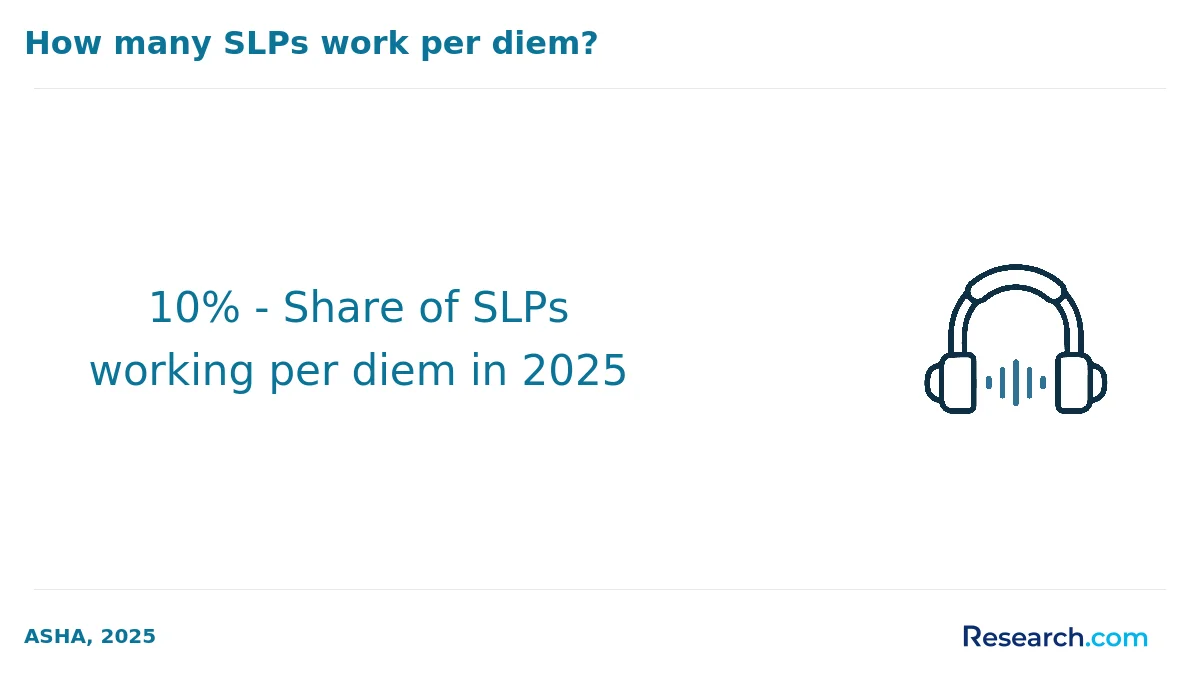
Do Clinical Hour Requirements Vary by State?
Yes. Clinical hour requirements can vary by state because state licensing boards set the rules for who may practice as a speech-language pathologist within that jurisdiction. While the national recommended minimum often stands at 400 supervised clinical hours, some states require students to complete more than 500 hours to qualify for licensure.
This means students should not rely only on a program’s general hour total. A degree may prepare students for common certification pathways, but state licensure can include additional rules for supervision, documentation, setting type, post-graduate experience, background checks, or continuing education.
- Hour minimums: States may set different thresholds for supervised clinical hours. A student planning to move after graduation should check the requirements for both the program state and the intended practice state.
- Approved clinical settings: Some states or programs may specify acceptable placement environments, such as schools, hospitals, clinics, rehabilitation centers, or other supervised service sites.
- Experience type restrictions: Certain activities, populations, or service delivery formats may be treated differently. Students should verify whether telepractice, observation, group therapy, screenings, and documentation count toward required totals.
- Post-graduate requirements: Some states require additional supervised clinical hours, internships, or professional experience after the academic program is completed.
- Renewal and continuing education: Initial clinical requirements are separate from renewal obligations, but both affect a clinician’s ability to enter and remain in practice.
The safest approach is to create a licensure checklist before starting placements. Students should review their program handbook, speak with the clinical education coordinator, and check the licensing board website for the state where they plan to work. If requirements are unclear, students should ask for written clarification before assuming an activity will count.
Speech pathology students complete clinical hours in settings where they can work with clients who have communication, language, speech, cognitive-communication, voice, fluency, social communication, feeding, or swallowing-related needs. Experiential learning placements represent about 70% of practical training in professional education, so the placement environment strongly shapes a student’s clinical development.
Programs often try to give students exposure to more than one setting or population. A student who only works with one age group or diagnosis may meet hour totals but still lack the breadth expected for entry-level practice.
- Hospitals: Students may work with patients recovering from strokes, traumatic brain injuries, surgery, or acute medical events. These placements often emphasize assessment, interdisciplinary teamwork, medical documentation, and complex communication or swallowing needs.
- Schools: Students support children with speech, language, fluency, voice, or social communication needs. School placements teach students how to connect therapy goals with educational access, classroom participation, and collaboration with teachers and families.
- Rehabilitation centers: Students assist clients recovering from neurological injury, illness, or surgery. These settings often focus on functional communication, cognitive-communication skills, and recovery-oriented treatment planning.
- Private practices: Students may see a broad mix of clients in outpatient care. These placements can help students understand scheduling, family communication, documentation, and service delivery in a smaller clinical setting.
- Early intervention programs: Students work with infants and toddlers and often use family-centered coaching models. These placements emphasize developmental milestones, caregiver education, and therapy in natural environments.
| Setting | Common learning focus | Best fit for students interested in |
| Hospital | Medical communication needs, acute care, interdisciplinary documentation | Adult medical speech-language pathology and complex cases |
| School | Child language, speech services, educational plans, classroom collaboration | Pediatric and school-based practice |
| Rehabilitation center | Recovery, functional communication, neurological conditions | Neurogenic communication disorders and long-term recovery |
| Private practice | Outpatient therapy, client relationships, varied caseloads | Community-based or entrepreneurial practice |
| Early intervention | Infant and toddler communication, caregiver coaching | Developmental services and family-centered care |
Students should ask each program how placements are selected, how far students may need to travel, whether evening or weekend options exist, and whether the program guarantees enough approved sites to help students finish on time.
Clinical placements are usually assigned by the program’s clinical education office, faculty coordinators, or practicum team. Research shows that around 75% of health professions' clinical education hours occur through structured placement assignments, which helps programs maintain quality control and ensure that sites meet supervision and learning standards.
Students may be asked about preferences, location, career interests, transportation limits, and prior experience, but placement decisions are rarely based on preference alone. Programs must balance student goals with site availability, supervisor capacity, accreditation expectations, and the need for varied clinical exposure.
- Centralized coordination: Many programs assign placements through a formal process managed by clinical faculty or staff. This approach helps standardize expectations and prevent students from arranging unapproved sites.
- Regional partnerships: Programs often maintain relationships with hospitals, schools, clinics, and community agencies. These partnerships can expand placement options but may also limit students to approved regions.
- Lottery or ranking systems: When popular placements have limited slots, programs may use preference rankings, priority rules, or random assignment to distribute opportunities fairly.
- Faculty recommendations: Advisors may recommend placements based on a student’s readiness, skill gaps, professional goals, or need for exposure to a specific population.
Students can improve their chances of a strong placement match by keeping records current, completing background checks or immunization requirements on time, communicating geographic constraints early, and responding quickly to placement office requests. Students comparing flexible graduate routes may also want to review slp online programs and ask specifically how those programs arrange in-person clinical placements near the student’s location.
Speech pathology students who are also interested in leadership, operations, or clinic management may compare broader health-care education paths such as healthcare administration programs, but clinical placement rules for speech pathology should always come from the speech-language pathology program itself.
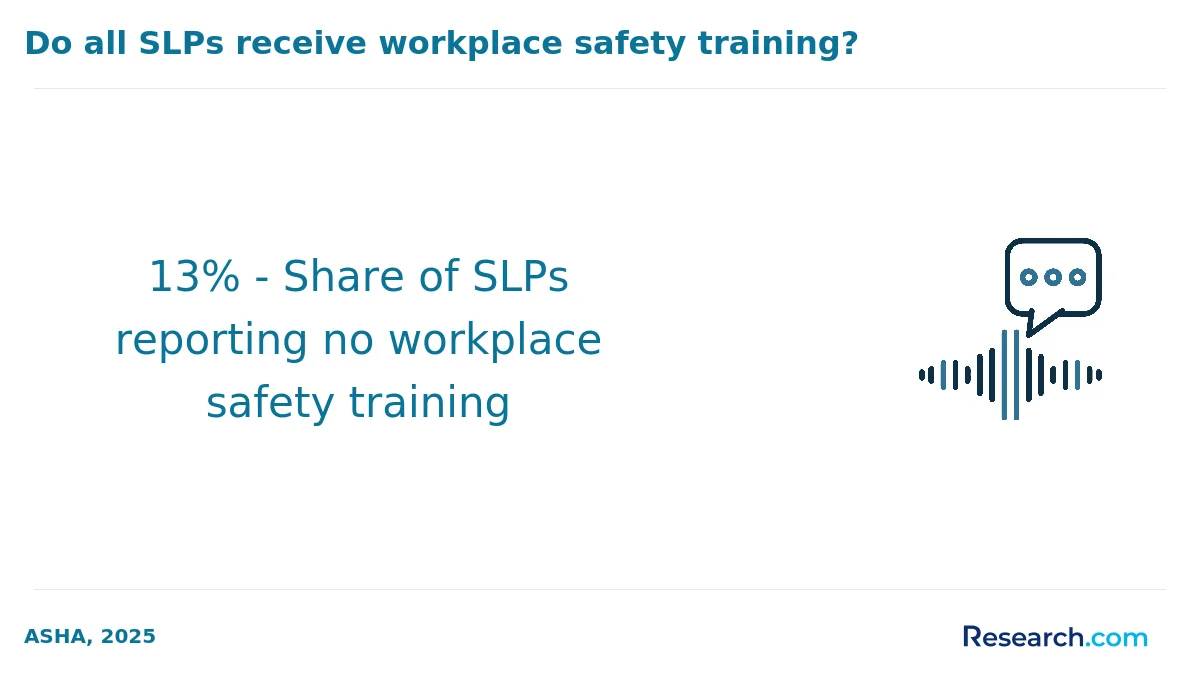
Speech pathology clinical hours generally cannot be completed entirely online because students must demonstrate hands-on clinical skills with clients under supervision. Around 35% of programs now use hybrid models, blending online coursework with in-person clinical work to increase scheduling flexibility without removing the need for direct practice.
Part-time completion is more realistic than fully online completion. Some programs allow students to take a reduced course load or complete placements over a longer timeline. However, part-time students still need access to approved clinical sites, qualified supervisors, and enough client contact to meet program requirements.
Online or remote options may appear in limited forms. For example, a program may allow telepractice, remote supervision, simulation, or virtual observation when permitted by program policy and relevant standards. These experiences are usually supplemental and may not replace all face-to-face or direct clinical expectations.
| Option | Usually possible? | What to ask before enrolling |
| Fully online clinical hours | Generally no | Ask whether any direct client hours must be completed in person and where approved sites are located. |
| Hybrid coursework with in-person practicum | Often possible | Ask who finds placements, how far students travel, and whether local sites are available. |
| Part-time clinical completion | Often possible | Ask whether part-time students can access placements each term and whether completion time changes. |
| Telepractice hours | Sometimes | Ask whether telepractice hours count for the program, certification preparation, and state licensure. |
A professional with a Speech Pathology degree said that coordinating part-time placements helped her manage work and study commitments, but finding suitable settings required persistence. She noted that virtual observation helped her prepare, but live client interaction was what built her confidence. Her experience reflects a common reality: flexibility can help students complete the program, but it does not remove the need for supervised clinical practice.
Speech pathology clinical hours must be completed under appropriate supervision, typically by a certified speech pathologist or qualified clinical educator approved by the program. Supervision protects clients, supports student learning, and ensures that hours are tied to competent, ethical service delivery. Research in healthcare education shows that over 70% of effective professional training success is linked to quality supervised experiential learning.
Supervision is more than watching a student complete sessions. A strong supervisor reviews plans, observes performance, gives feedback, models clinical decision-making, evaluates documentation, and helps the student connect evidence-based practice with client needs. Programs may specify how much direct observation is required, how feedback must be documented, and which activities the student can perform independently.
- Before sessions: Supervisors may review lesson plans, assessment protocols, client history, materials, safety considerations, and goals for the encounter.
- During sessions: Supervisors may observe directly, intervene when needed, model strategies, and monitor client safety and student performance.
- After sessions: Supervisors usually provide feedback, review data, discuss clinical reasoning, and approve or correct documentation.
- Across the placement: Supervisors evaluate growth in professionalism, communication, ethical behavior, cultural responsiveness, and readiness for more complex responsibilities.
Students should clarify who is authorized to supervise, how often supervision occurs, whether remote supervision is permitted, and how sign-off is completed. If a supervisor is unavailable, unapproved, or not documenting hours correctly, the student should notify the program immediately rather than risk losing hours later.
Speech pathology clinical hours are tracked through formal documentation systems that record the date, setting, client population, activity type, duration, supervisor, and approval status. Accurate tracking is essential because undocumented or incorrectly categorized hours may not count, even if the student completed the work. Studies show that over 85% of health professions programs rely on systematic tools to ensure compliance with experiential learning standards.
Students should treat clinical hour tracking as a professional responsibility, not a clerical task to finish at the end of the semester. The best practice is to log hours promptly, verify them regularly, and resolve discrepancies while the supervisor still remembers the session details.
- Digital logging systems: Online portals or apps allow students to enter clinical activities, categorize hours, and submit them for supervisor approval. These systems may also help faculty monitor progress in real time.
- Supervisor verification forms: Supervisors confirm that recorded hours are accurate. Verification may happen digitally or through signed paper forms, depending on the program.
- Attendance documentation: Clinical sites may maintain attendance records that support the student’s submitted hour log, especially for placements with fixed schedules.
- Progress reports: Programs may pair hour totals with evaluations of skill development, professionalism, and clinical reasoning to ensure the experience is educational, not just time-based.
- Centralized tracking platforms: Some programs use a single dashboard for hour logs, evaluations, supervisor feedback, and competency records.
| Common tracking mistake | Why it causes problems | How to prevent it |
| Waiting weeks to enter hours | Details can be forgotten, disputed, or entered under the wrong category. | Log hours as soon as possible after each clinical day. |
| Using vague activity descriptions | Supervisors and programs may not be able to verify what counted. | Use clear labels such as evaluation, treatment, counseling, observation, or documentation. |
| Assuming all site time counts | Breaks, travel, and general administrative time may not qualify. | Confirm which activities the program allows before logging them. |
| Failing to obtain supervisor approval | Unverified hours may be rejected later. | Review pending hours with the supervisor regularly. |
Students who want to understand how documentation differs across health professions can compare clinical tracking expectations in programs such as online nursing doctorate programs, but speech pathology students should follow the tracking rules issued by their own department and clinical coordinator.
Clinical training in speech pathology is demanding because students must manage academic work, client care, supervisor expectations, documentation, travel, and professional growth at the same time. Research shows that more than 70% of health profession students experience significant stress related to workload and clinical responsibilities during training.
The most common challenges are not just about the number of required hours. Students often struggle with the pace of learning, the emotional responsibility of client care, and the pressure of being evaluated while still developing skills.
- Balancing responsibilities: Coursework, exams, lesson planning, documentation, and placement hours can create long days. Students who work or have caregiving responsibilities may need extra planning before each term begins.
- Professional environment adaptation: Clinical sites have different cultures, workflows, documentation systems, and communication expectations. Students must learn quickly while maintaining professionalism.
- Schedule management: Placements may require travel, early mornings, variable client appointments, or limited flexibility. A student’s preferred schedule may not match site availability.
- Emotional stress: Working with clients who have significant communication or health challenges can be rewarding but emotionally heavy. Students may need support in setting boundaries and processing difficult cases.
- Hands-on skill development: Students must perform assessments, deliver therapy, collect data, respond to feedback, and adjust in real time. This can feel uncomfortable at first, especially when sessions do not go as planned.
Prospective students can reduce surprises by asking programs about average weekly placement time, travel expectations, remediation policies, supervisor feedback processes, and what happens if a site becomes unavailable. Students comparing other applied health-care pathways, such as medical assistant programs that accept financial aid, may notice similar pressures around clinical scheduling and academic workload.
Students succeed in speech pathology clinical environments when they prepare carefully, communicate clearly, accept feedback, and build consistent professional habits. Students who engage actively in hands-on learning experiences show a 30% greater readiness and competence compared to those who rely on passive observation.
Clinical training rewards initiative, but it also requires humility. Students are expected to ask questions, recognize limits, follow supervisor direction, and improve through repeated practice.
- Prepare before every session: Review the client’s goals, relevant background, therapy materials, data sheets, and backup activities. Preparation makes it easier to adjust when a session changes unexpectedly.
- Communicate professionally: Use clear, respectful communication with clients, families, supervisors, teachers, and other professionals. Good communication builds trust and reduces preventable errors.
- Manage time deliberately: Block time for documentation, planning, travel, assignments, and rest. Waiting until the end of the week to catch up can quickly lead to missed details and stress.
- Seek feedback early: Ask supervisors what strong performance looks like, how they prefer documentation, and which skills need immediate attention. Feedback is easier to use when it is specific and timely.
- Reflect after sessions: Note what worked, what did not, what you would change, and what questions remain. Reflection turns routine clinical hours into deeper skill development.
- Stay adaptable: Clients may be tired, absent, frustrated, distracted, or progressing differently than expected. Effective students learn to adjust while keeping therapy goals in mind.
- Protect professionalism: Be punctual, prepared, ethical, receptive, and respectful of confidentiality. These habits matter as much as technical skill.
Students interested in movement science, rehabilitation, or broader wellness fields may also explore the best online kinesiology programs, but speech pathology clinical success depends on meeting the supervision, client-contact, and documentation requirements of the SLP program.
What Graduates Say About Speech Pathology Clinical Hours Requirements
- : "Completing my speech pathology clinical hours was an intense yet rewarding journey. It required careful time management and financial planning, as the costs for supervised placements and necessary certifications added up faster than I anticipated. However, those hours fully prepared me for real-world challenges and boosted my confidence when starting my career. —Elena"
- : "Reflecting on my progression through the clinical hour requirements, I realized how essential hands-on experience is for speech pathology professionals. Although the cost was a considerable investment, it felt worthwhile given the depth of practical knowledge I gained. These hours truly shaped my understanding of patient care and improved my ability to assess diverse communication needs. —Cannon"
- : "From a professional standpoint, fulfilling the clinical hours was more than a graduation requirement—it was a critical stepping stone. Balancing coursework and clinical placements was demanding, and the expenses involved required careful budgeting. Yet, the impact of those hours on my skills and career trajectory has been invaluable, providing a strong foundation in speech pathology practices. —Nolan"
Other Things You Should Know About Speech Pathology Degrees
In 2027, speech pathology students must complete at least 400 clinical hours, including 25 observation hours and 375 hours of direct client contact. These requirements are mandated by the American Speech-Language-Hearing Association (ASHA) to ensure well-rounded practical experience in various settings.
Yes, clinical hours in speech pathology can include experiences outside traditional healthcare settings. In 2027, students can work in schools, research facilities, or private practices to meet clinical hour requirements. However, these experiences must be overseen by a certified speech-language pathologist and meet accreditation standards.
Yes, in 2027, speech pathology clinical hours must encompass a range of patient populations and disorders. This ensures that students gain comprehensive experience and skills necessary to address diverse communication and swallowing disorders effectively in their professional practice.
- U.S. Bureau of Labor Statistics - Speech-Language Pathologists https://www.bls.gov/ooh/healthcare/speech-language-pathologists.htm
- ASHA EdFind - Accredited Speech-Language Pathology Programs https://find.asha.org/ed/
- ETS Praxis - Speech-Language Pathology (5331) https://praxis.ets.org/test/speech-language-pathology-5331.html
- University of Nebraska at Kearney - Speech-Language Pathology, Master of Science in Education (Online Track) https://www.unk.edu/online/degrees-programs/speech-language-pathology-online.php
- Pennsylvania Western University - Master of Science in Speech-Language Pathology https://online.pennwest.edu/programs/speech-language-pathology-grad/index.php
- California State University-Northridge - Master of Science in Communicative Disorders (Online) https://tsengcollege.csun.edu/programs/CDS
- Delaware Valley University - Master of Science in Speech-Language Pathology (M.S.) https://delval.edu/programs/graduate-programs/speech-language-pathology
- California State University-East Bay - Online Master of Science in Speech-Language Pathology https://ce.csueastbay.edu/programs/speech-language-pathology/