2027 Which Speech Pathology Specializations Have the Best Job Outlook?

Co-Founder and Chief Data Scientist

Reviewed by Rhea Paul, PhD
SLP Education & Research Expert
Choosing a speech pathology specialization is not just an academic preference; it can shape where you work, how quickly you are hired, what populations you serve, and how your earnings develop over time. The strongest options tend to sit at the intersection of demographic demand, clinical complexity, employer need, and credential value.
For prospective and current speech-language pathology students, the decision is especially important because job opportunities vary by setting. Schools may offer broad geographic availability and predictable demand, while hospitals, rehabilitation centers, skilled nursing facilities, and telepractice providers may reward more specialized clinical skills. Pediatric and geriatric populations, for example, are often associated with median salaries exceeding $85,000 annually, but compensation still depends on employer type, location, licensure status, and experience.
This guide explains which speech pathology specializations show the strongest employment outlook, how technology and remote care are changing demand, what entry-level roles new graduates should watch for, and how salary, geography, credentials, and public-versus-private sector choices affect long-term career growth.
Key Things to Know About the Speech Pathology Specializations With the Best Job Outlook
- Specializations in pediatric speech pathology show the highest job volume-with demand growing 25% nationwide due to increased early intervention programs.
- Neurogenic communication disorders offer superior advancement potential, as clinicians gain expertise in complex rehabilitation and multidisciplinary care teams.
- Gerontological speech pathology features strong compensation trajectories-median salaries rising 8% annually in regions with aging populations requiring specialized care.
Which Speech Pathology Specializations Are Currently Showing the Strongest Employment Growth in the United States?
The strongest employment growth in speech pathology is concentrated in specializations tied to aging, child development, neurological rehabilitation, school service mandates, and remote access to care. These areas are not growing for the same reasons, so students should look beyond “high demand” and consider the work setting, patient population, licensure requirements, and long-term mobility each path offers.
- Pediatric Speech-Language Pathology: Demand is supported by greater recognition of developmental speech and language disorders, autism spectrum disorder, articulation delays, and early communication challenges. Federal and state early intervention programs also create steady need in schools, clinics, community agencies, and pediatric therapy practices.
- Geriatric Speech-Language Pathology: The aging U.S. population continues to increase demand for clinicians who treat communication and swallowing issues related to stroke, dementia, Parkinson's disease, and age-related neurological decline. This specialization is especially relevant in hospitals, skilled nursing facilities, rehabilitation centers, and home health settings.
- Adult Neurogenic Communication Disorders: Specialists who work with aphasia, traumatic brain injury, cognitive-communication impairment, and other neurological conditions are needed as medical advances improve survival rates after major health events. This area often requires strong clinical reasoning, interdisciplinary teamwork, and comfort with complex cases.
- Telepractice Speech Pathology: Telepractice has expanded access to speech-language services, especially in rural and underserved areas. Growth is tied to digital health adoption, school staffing shortages, and employer interest in flexible service delivery. Clinicians who can adapt evidence-based care to virtual formats may have broader geographic options.
- School-Based Speech-Language Pathology: Schools remain one of the most stable employment settings because services are supported by mandates such as the Individuals with Disabilities Education Act (IDEA). Demand is broad and includes articulation, fluency, language, social communication, and support for students with disabilities.
These specializations offer different kinds of opportunity. Pediatric and school-based roles often provide the widest entry points, while geriatric, neurogenic, and swallowing-related work may offer stronger alignment with medical settings. Telepractice can improve flexibility, but it also requires strong documentation habits, technology skills, and careful attention to state licensure rules.
Students comparing healthcare education pathways may also review related credential options such as RN to BSN no clinicals programs, particularly if they are weighing multiple allied health routes before committing to speech pathology.
What Does the Bureau of Labor Statistics Project for Speech Pathology Specialization Employment Over the Next Decade?
The Bureau of Labor Statistics (BLS) projects a 17% employment growth rate for speech-language pathologists from 2025 to 2035, compared with 5% for all occupations. That projection signals a strong national outlook, but it does not mean every specialization or local market will grow at the same pace. The best opportunities are likely to favor clinicians who can serve high-need populations and work across schools, healthcare, rehabilitation, and digital care models.
- Medical Speech Pathology: Employment in hospitals and rehabilitation centers is expected to rise by about 22%, supported by the aging baby boomer population and the need for therapy after stroke, degenerative disease, and other neurological conditions.
- School-Based Speech Pathology: Demand in educational settings is forecasted to grow 17%. This is supported by legal service requirements, student need, and workforce retirements that create openings for new clinicians.
- Pediatric and Early Intervention: Roles focused on developmental speech and language disorders in young children are projected to expand nearly 20%, reflecting broader early intervention efforts in community, clinical, and educational settings.
- Telepractice and Technology: Telepractice is not always tracked as a separate specialization, but it affects hiring by allowing employers to serve students, patients, and clients beyond a single physical location.
National projections are useful for understanding the overall direction of the profession, but they should not replace local labor market research. A graduate looking in a large metro area with hospitals, specialty clinics, and major school districts may see different options than someone targeting a rural district, a small private practice, or a single rehabilitation employer.
Prospective students should also verify that their chosen program, clinical placements, and supervised experiences support the settings they want to enter. Those comparing graduate pathways can use a slp online masters program guide to evaluate affordability, format, and fit before narrowing their specialization goals.
Professionals interested in management or administrative roles within healthcare settings may also explore MHA online programs as a broader leadership pathway.
How Do Emerging Technologies and Industry Disruptions Shape Job Demand Across Speech Pathology Specializations?
Technology is changing how speech-language services are delivered, documented, and scaled. It is not replacing clinical judgment, but it is increasing demand for professionals who can combine evidence-based therapy with digital tools, assistive communication systems, remote assessment methods, and interdisciplinary collaboration.
Artificial Intelligence: AI is most relevant in areas such as augmentative and alternative communication (AAC), speech analysis, documentation support, and personalized therapy tools. Speech pathologists may collaborate with engineers, software teams, educators, and rehabilitation specialists to evaluate whether tools are clinically appropriate. A strong clinical background remains essential because communication is highly contextual and cannot be reduced to automated output alone.
Digital Health Transformation: Telepractice, remote diagnostics, and digital therapy platforms are increasing demand in pediatric therapy, adult rehabilitation, and school-based services. Employers value clinicians who can build rapport through video, adapt materials for virtual delivery, maintain privacy standards, and document outcomes clearly. Job titles may include tele-speech pathologist, digital rehabilitation coordinator, or remote therapy provider.
Clean Energy Transition: The clean energy transition affects speech pathology only indirectly. In some workplace health and occupational settings, communication specialists may help address safety communication, training clarity, hearing-related communication barriers, and environmental noise challenges. These roles are more niche than pediatric, geriatric, school-based, or medical speech pathology, but they show how communication expertise can apply outside traditional clinical settings.
One speech pathology graduate described early career technology shifts as both challenging and energizing: "Adapting to roles like tele-speech pathologist meant learning new technologies on the fly while maintaining clinical standards. It was daunting at first, balancing digital fluency with patient care, but that versatility made me confident and highly employable. Staying open to emerging tools felt essential-it transformed what I thought speech pathology work could be."
The practical takeaway is clear: graduates who understand both clinical care and technology-enabled delivery will be better positioned for modern roles. However, technology skills should support—not substitute for—diagnostic accuracy, ethical practice, cultural responsiveness, and state licensure compliance.
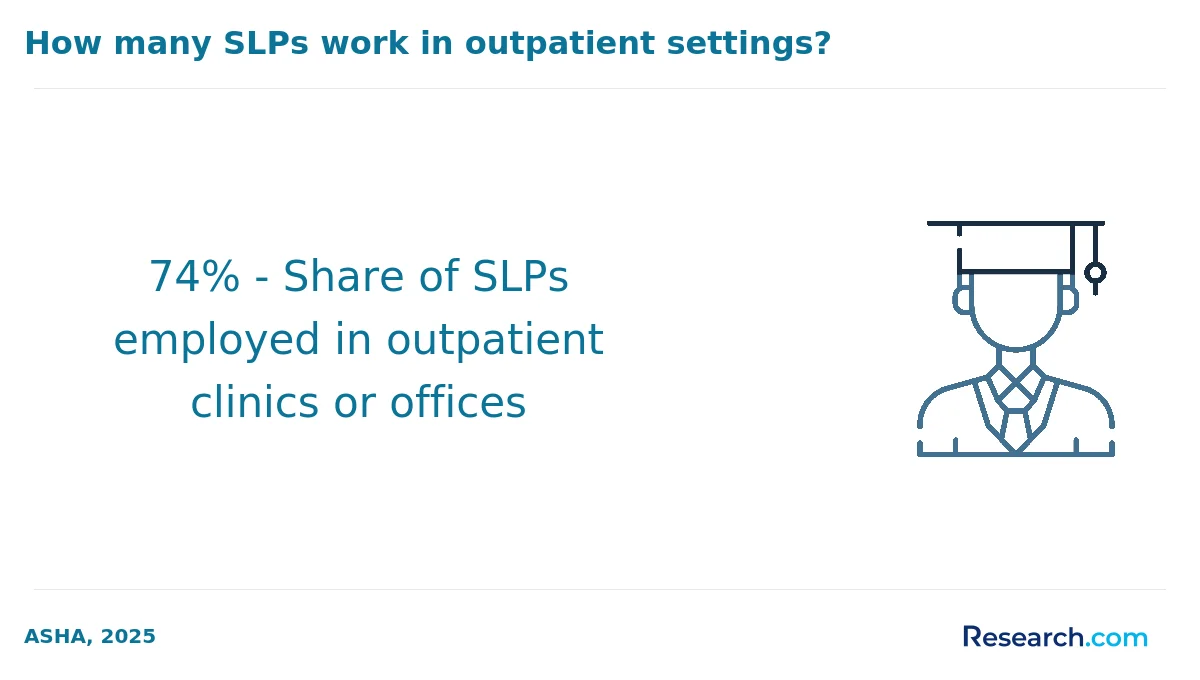
New graduates usually have the best entry-level prospects in roles that combine supervised practice, high service volume, and clear employer need. The most accessible positions often appear in schools, early intervention programs, rehabilitation settings, outpatient clinics, and support roles connected to licensed speech-language pathologists.
Speech-Language Pathology Assistant: These roles support certified speech-language pathologists by helping implement treatment plans, preparing materials, assisting with screenings, and documenting services within the limits allowed by state rules and employer policy. They can be valuable for graduates building practical experience before full licensure or advanced clinical responsibility.
Early Intervention Specialist: Early intervention roles focus on infants and toddlers with developmental communication delays. They are common in public health agencies, early childhood programs, community organizations, and pediatric therapy providers. This path is a strong fit for graduates interested in family-centered care and pediatric development.
Medical Speech Pathologist Assistant: These positions are typically found in hospitals, rehabilitation centers, and skilled nursing facilities. They support clinicians working with patients who have stroke-related impairments, brain injuries, swallowing concerns, or other medical communication needs. Graduates pursuing this route should be prepared for interdisciplinary care teams and detailed clinical documentation.
School-Based Speech Therapist (Entry-Level): Many graduates begin in supervised school roles while completing licensure requirements. These positions involve Individualized Education Programs (IEPs), collaboration with teachers and families, caseload management, and services for students with articulation, language, fluency, and social communication needs.
Adult Language Disorder Technician: Rehabilitation centers and community health settings may hire entry-level staff to support services for adults with aphasia, swallowing issues, or neurogenic communication disorders. Experience in this area can lead toward specialized adult rehabilitation, aphasia therapy, or clinical case management roles.
When applying, graduates should search by specific job titles rather than relying only on broad terms such as “speech pathology jobs.” They should also check whether a position requires state licensure, ASHA certification progress, school credentials, or supervised clinical fellowship status. Candidates who are still comparing allied health options may find it useful to review medical billing and coding jobs to understand how speech pathology differs from administrative healthcare careers.
Salary growth in speech pathology depends on specialization, work setting, region, credentialing, experience, and whether a clinician moves into leadership, consulting, private practice, research, or advanced clinical roles. Data from BLS Occupational Employment and Wage Statistics, NACE, and PayScale indicate that the five leading high-growth specializations can produce meaningful earnings growth over a 10- to 15-year career span.
| Specialization | Typical Starting Salary | Mid-Career Range | Senior-Level Range |
| Pediatric Speech-Language Pathology | $55,000 to $65,000 | $70,000-$85,000 | $90,000 to $110,000 |
| Geriatric Speech-Language Pathology | $60,000 to $70,000 | $75,000-$90,000 | $95,000-$115,000 |
| Neurologic Speech-Language Pathology | $65,000-$75,000 | $80,000 to $100,000 | $105,000 and $125,000 |
| Voice and Swallowing Disorders | $53,000 to $63,000 | $70,000-$85,000 | $90,000-$110,000 |
| Augmentative and Alternative Communication (AAC) | $58,000-$68,000 | $75,000-$90,000 | up to $120,000 |
Neurologic speech-language pathology and AAC often show stronger starting pay because they require specialized technical and clinical skills. Pediatric and geriatric tracks may offer broad demand and strong cumulative growth, especially for clinicians who add certifications, build specialty caseloads, or move into leadership roles.
Graduates should interpret salary ranges carefully. A school-based role may provide a different benefits package, calendar structure, and promotion path than a hospital or private clinic. A higher salary in a high-cost metro area may not translate into greater purchasing power. Private practice or consulting may offer upside, but it can also involve business risk, insurance complexity, and less predictable income.
One established professional described salary progression this way: "Initial pay felt modest compared to the effort," but continued upskilling, mentorship, and strategic role changes improved her compensation over time. She emphasized that specialized certifications took "time and patience," yet helped create clearer career momentum.
Location affects speech pathology careers in two major ways: it shapes the number of available jobs and the salary needed to make a role financially worthwhile. A specialization with excellent national demand may still feel competitive in one city and undersupplied in another.
- Regional Demand: Metropolitan hubs such as Boston, Seattle, and San Francisco offer opportunities for speech-language pathologists working with neurological conditions because of their academic medical centers, rehabilitation networks, and aging populations. Southern cities like Dallas and Atlanta show growing need in pediatric speech-language pathology due to expanding childcare services and young family growth.
- Wage Differences: Median salaries differ by region. Northeastern metro areas often pay higher-than-average wages, partly because of higher living costs and competitive healthcare markets. Midwestern and rural locations may offer lower pay but stronger availability in schools, community agencies, or telepractice roles.
- Economic and Policy Drivers: States with loan forgiveness, grants, or other workforce incentives may attract clinicians to underserved communities. Hospital-dense regions support medical speech pathology, while technology-focused markets may create more teletherapy and digital care opportunities.
- Remote Work Impact: Telehealth and hybrid roles can reduce geographic barriers for some clinicians, especially in adult cognitive rehabilitation and school teletherapy. However, early intervention, swallowing assessment, and many medical roles still require in-person service delivery.
- Location Strategy: Graduates should compare salary, cost of living, licensure requirements, commute burden, caseload expectations, and professional support. A lower-paying role with strong mentorship and manageable caseloads may be a better early-career move than a higher-paying job with limited supervision and high burnout risk.
The best geographic strategy is not always to chase the highest wage. It is to find a market where your specialization is needed, your credentials are recognized, and the role supports sustainable clinical growth.
The highest hiring rates for speech pathology specialists are concentrated in healthcare, education, early intervention, telepractice, and long-term care. Each industry values different skills, so graduates should align their specialization with the setting where they want to build expertise.
Healthcare: Hospitals, outpatient clinics, and rehabilitation centers hire speech pathologists for neurogenic communication disorders, swallowing therapy, pediatric care, and recovery after illness or injury. Entry-level clinicians may begin with supervised patient care, while experienced professionals can move into senior clinician, program development, or department leadership roles. Demand is supported by an aging population and higher survival rates for neurological conditions.
Education: Schools are major employers for specialists in pediatric language development, autism spectrum disorders, articulation, fluency, and learning-related communication challenges. Roles may begin as school-based therapists and progress toward district speech program coordination or special education leadership. Salaries may be more modest than in some healthcare settings, but the demand is steady because services are tied to state and federal requirements.
Early Intervention and Child Development: Early childhood agencies, developmental programs, and community providers need clinicians who can work with children under five and support families. These roles can be highly rewarding for professionals who enjoy coaching caregivers and collaborating with educators, social workers, and pediatric providers.
Telepractice and Technology: Telehealth companies, school contractors, and digital therapy platforms need clinicians who can provide effective remote services. These roles require strong technology skills, self-management, privacy awareness, and the ability to adapt therapy activities to virtual formats. Compensation can be competitive, but clinicians should review caseload expectations, platform support, and licensure coverage before accepting offers.
Skilled Nursing and Long-Term Care: Facilities serving older adults and medically complex patients hire specialists in swallowing disorders, cognitive communication, dementia-related communication changes, and post-stroke rehabilitation. Career paths may lead to senior clinician or rehabilitation coordinator positions within interdisciplinary teams.
Professionals who gain experience across more than one sector can improve resilience in the job market. For example, a clinician with both school-based and telepractice experience may have more options than someone whose background is limited to one service model.
Advanced credentials can strengthen job prospects when they match employer needs and state requirements. The key is to distinguish between credentials that are broadly expected, credentials that provide a specialty advantage, and credentials that may be useful only in certain settings.
Certification: The Certificate of Clinical Competence in speech-language pathology (CCC-SLP) from the American Speech-Language-Hearing Association (ASHA) is widely recognized by employers and is important across many practice settings. Specialty certifications in areas such as fluency disorders, pediatric language, or swallowing disorders can further improve marketability when they align with a clinician's caseload and career goals.
Graduate Credentials: A master's degree is the baseline credential for entry into the profession. Doctoral degrees, including a PhD or clinical doctorates like AuD, may support academic, research, leadership, or advanced clinical roles. Graduate certificates in augmentative and alternative communication (AAC), neurogenic communication disorders, or related areas can also help clinicians signal depth in high-demand niches. Professionals comparing interdisciplinary graduate options may also examine online masters in nutrition and dietetics programs if their interests include feeding, swallowing, health behavior, or broader care-team collaboration.
Specialty Licensure: State licensure is mandatory for clinical practice and varies by state. Some states may have endorsements, school-specific credentials, or other requirements that affect where and how a clinician can work. Because licensure is not uniform nationwide, graduates should check state board rules before assuming a credential will transfer easily.
Cost and Time Considerations: Credentials require time, money, and ongoing maintenance. The best return on investment usually comes from credentials that are recognized by target employers, tied to higher-demand caseloads, and useful in the geographic market where the clinician plans to work.
Niche Versus Broad Appeal: Broad credentials support flexibility across settings. Niche credentials can strengthen competitiveness for specialized roles but may narrow the job search if local demand is limited. A balanced plan often works best: establish broad clinical credibility first, then deepen expertise in a specialization with clear labor market value.
Verification: Licensure and certification requirements can change. Before enrolling in a program or paying for an advanced credential, candidates should verify requirements with official accrediting agencies, ASHA, state boards, and target employers.
Remote and hybrid work have improved job access for some speech pathology graduates, especially in telepractice, pediatric speech therapy, and adult neurogenic communication disorders. Recent workforce surveys from SHRM and Owl Labs show that fields using digital assessment and therapy tools have more remote-eligible positions. In speech pathology, the biggest advantage is not simply working from home; it is the ability to serve clients across wider geographic areas.
- Telepractice Flexibility: Remote therapy uses video platforms and digital tools to provide services without requiring every session to occur in person. This can help schools, clinics, and agencies reach clients in rural or underserved communities.
- Employer Rationale: Employers use remote and hybrid models to address staffing shortages, reduce geographic barriers, and compete for clinicians. They still expect strong documentation, reliable communication, and compliance with privacy and licensure requirements.
- Financial Advantages: Location-independent roles may allow clinicians to earn salaries benchmarked to high-cost markets such as Boston or San Francisco while living in lower-cost areas. For instance, an $80,000 telepractice salary in a mid-cost region may equal a $100,000 local purchasing power.
- Job Search Strategies: Graduates should filter postings for telepractice, remote, or hybrid terms and highlight experience with electronic health records, virtual therapy platforms, digital materials, and independent caseload management.
- Skill Positioning: Strong candidates show that they can engage clients through a screen, communicate clearly with caregivers and teams, troubleshoot basic technology problems, and maintain clinical quality outside a traditional office.
Remote work is not equally available in every specialization. Swallowing evaluations, many medical assessments, and some early intervention services may require in-person care. Graduates considering broader healthcare pivots can also review RN to NP programs to compare remote and clinical career pathways across healthcare professions.
Specialization depth can be a major driver of long-term career growth. Employers often value clinicians who can manage complex cases, lead programs, train colleagues, or serve populations with persistent staffing shortages. However, specializing too narrowly too early can limit flexibility, especially before a clinician understands which settings and populations fit their strengths.
High-Demand Fields: Specializations with strong long-term value include medical speech pathology, early intervention and pediatric speech pathology, geriatric speech pathology, cognitive-communication disorders, and augmentative and alternative communication (AAC). These areas are connected to major demand drivers: aging, child development, neurological rehabilitation, and technology-supported communication.
Timing of Commitment: Graduate school is a good time to explore specialty interests through coursework, clinical placements, research, and mentorship. Early-career professionals can then use supervised roles, continuing education, and targeted certifications to deepen expertise. A staged approach reduces the risk of committing to a niche before gaining enough clinical exposure.
Trade-Offs: Deep expertise can improve salary potential, referral volume, leadership options, and professional reputation. The trade-off is that a very narrow profile may make it harder to pivot into other settings. Broad generalist skills improve adaptability but may not be enough for highly specialized medical, AAC, voice, or swallowing roles.
Alignment: The best specialization is one that matches both market demand and personal fit. Clinicians are more likely to sustain growth when they are interested enough in the population and disorder area to keep learning, seek mentorship, and stay current with evidence-based practice.
Public and private sector speech pathology careers can both support strong growth, but they reward different priorities. Public sector paths often offer stability and mission-driven work, while private sector roles may offer faster advancement, higher upside, and more variation in responsibilities.
Growth Trajectory: Public sector roles in schools, government agencies, and nonprofits usually follow structured career ladders tied to budgets, contracts, and public service priorities. Private sector roles in healthcare systems, clinics, technology companies, and specialty practices may expand faster when market demand is high.
Compensation Structures: Private sector compensation may exceed public sector pay in specialized healthcare, technology-enabled therapy, or private practice settings. Public sector compensation is often more predictable, with salary schedules and incremental increases over time.
Job Security and Benefits: Public sector roles may provide stronger job stability and benefits such as pensions and comprehensive healthcare plans. Private sector roles can offer bonuses, incentive pay, or other compensation features, but job security may depend more heavily on revenue, contracts, referrals, and organizational performance.
Advancement Timelines: Public sector advancement is often tenure-based and tied to formal evaluations or credential steps. Private sector advancement can be faster for high performers, but it may also be less predictable and more dependent on business growth.
Hybrid Roles: Public-private partnerships, school telepractice contracts, clinical research programs, and community health initiatives can blend public service goals with private-sector flexibility. These hybrid paths may appeal to specialists who want both stability and innovation.
Graduates should compare more than salary. Caseload size, supervision, benefits, documentation burden, schedule, advancement path, and clinical support all affect job quality and long-term sustainability.
What Graduates Say About the Speech Pathology Specializations With the Best Job Outlook
-
: "Choosing to specialize in speech pathology was a game-changer for me because of the sheer job volume-it's a field that continues to grow steadily every year. What really stood out was the quality of opportunity available across different settings, from hospitals to schools, which kept my daily work engaging and impactful. Plus, the credentials I earned gave me a measurable hiring advantage that helped me land my dream job faster than I expected.
— Kayden"
-
: "Reflecting on my journey through the online speech pathology program, I can confidently say the advancement potential was a key motivation for me. The clear pathway to higher-level roles meant I wasn't just training for a job-I was building a career. I also appreciated the geographic accessibility of the specialization, which allowed me to work remotely with clients in underserved areas, broadening my reach beyond my local community.
— Cannon"
-
: "From a professional standpoint, the compensation trajectories in speech pathology are very promising and definitely influenced my decision to pursue this field. I found that specialization graduates are viewed as highly competent professionals, which created more negotiation power when accepting offers. This program equipped me with unique credentials that employers specifically look for-meaning my skills were immediately recognized and rewarded.
— Nolan"
Other Things You Should Know About Speech Pathology Degrees
Hiring managers in high-growth speech pathology specializations seek candidates with strong communication skills, cultural competence, and adaptability. Empathy and patience are critical for effectively working with diverse patient populations. Additionally, proficiency in evidence-based assessment tools and familiarity with emerging technologies enhance a candidate's competitiveness.
Internships and early career experiences provide practical exposure to specialized settings such as pediatric clinics or rehabilitation centers-key to gaining relevant skills. These opportunities allow students to build professional networks and receive mentorship. Early hands-on work also improves resumes, making graduates more attractive to employers in rapidly expanding specialization areas.
Joining professional associations such as the American Speech-Language-Hearing Association (ASHA) offers access to continuing education, mentorship, and job boards focused on specialized roles. Active participation in local chapters and attending conferences builds connections with peers and experts. Leveraging online platforms tailored to healthcare professionals further broadens networking scope and uncovers emerging job opportunities.
In 2027, speech pathology specializations such as telepractice, pediatric speech therapy, and geriatric-focused care are expected to have a strong job outlook. These areas are driven by technological advancements and an increasing demand for specialized healthcare services for both the aging population and children.
- U.S. Bureau of Labor Statistics - Speech-Language Pathologists https://www.bls.gov/ooh/healthcare/speech-language-pathologists.htm
- ASHA EdFind - Accredited Speech-Language Pathology Programs https://find.asha.org/ed/
- Audiology and Speech-Language Pathology Interstate Compact https://aslpcompact.com/compact-map/
- Pepperdine University - Master of Science in Speech-Language Pathology https://healthscience.pepperdine.edu/online-masters-in-speech-language-pathology/
- University of Scranton - Master of Science (M.S.) in Speech-Language Pathology https://www.scranton.edu/academics/pcps/health-and-human-performance/programs/speech-language-pathology/index.shtml
- Emerson College - Master of Science (M.S.) in Communication Disorders (Speech@Emerson, online) https://speech.emerson.edu/
- California State University-San Marcos - Online MS in Speech-Language Pathology https://www.csusm.edu/slp/programs/mastersonline/index.html
- Baylor University - Master of Science in Speech-Language Pathology (Online) https://csd.robbins.baylor.edu/graduate/online-csd-graduate-program