2027 Speech Pathology Practicum Requirements Explained

Co-Founder and Chief Data Scientist

Reviewed by Rhea Paul, PhD
SLP Education & Research Expert
Speech pathology practicum requirements can determine whether a student graduates on time, qualifies for certification, and enters clinical practice without avoidable delays. The challenge is not only completing clinical hours. Students also have to meet academic benchmarks, secure an approved placement, complete health and background clearances, document supervised experience correctly, and satisfy rules that may differ by program, state, and clinical site.
For students in communication sciences and disorders or speech-language pathology programs, planning early matters. A missing immunization record, an incomplete prerequisite, or a delayed background check can push a placement into a later term. Program expectations also affect workload, because practicum hours are usually completed alongside coursework, evaluations, case documentation, and supervisor meetings.
This guide explains what a speech pathology practicum is, who becomes eligible, how many hours are commonly required, what paperwork is needed, how placements are assigned, and how practicum experience supports licensure or certification. It is designed to help students understand the process before deadlines become urgent.
Key Things To Know About Speech Pathology Practicum Requirements
- Completing practicum hours provides vital hands-on experience—students apply theoretical knowledge under professional supervision, enhancing clinical skills and problem-solving abilities in real-world settings.
- Field placements foster professional networks and mentorships, guiding students through ethical practices and workplace expectations, which are essential for career readiness.
- Internships and supervised clinical hours directly influence licensure eligibility—meeting these requirements ensures timely graduation and a smooth transition into certified speech pathology careers.
What Is A Practicum In Speech Pathology Program?
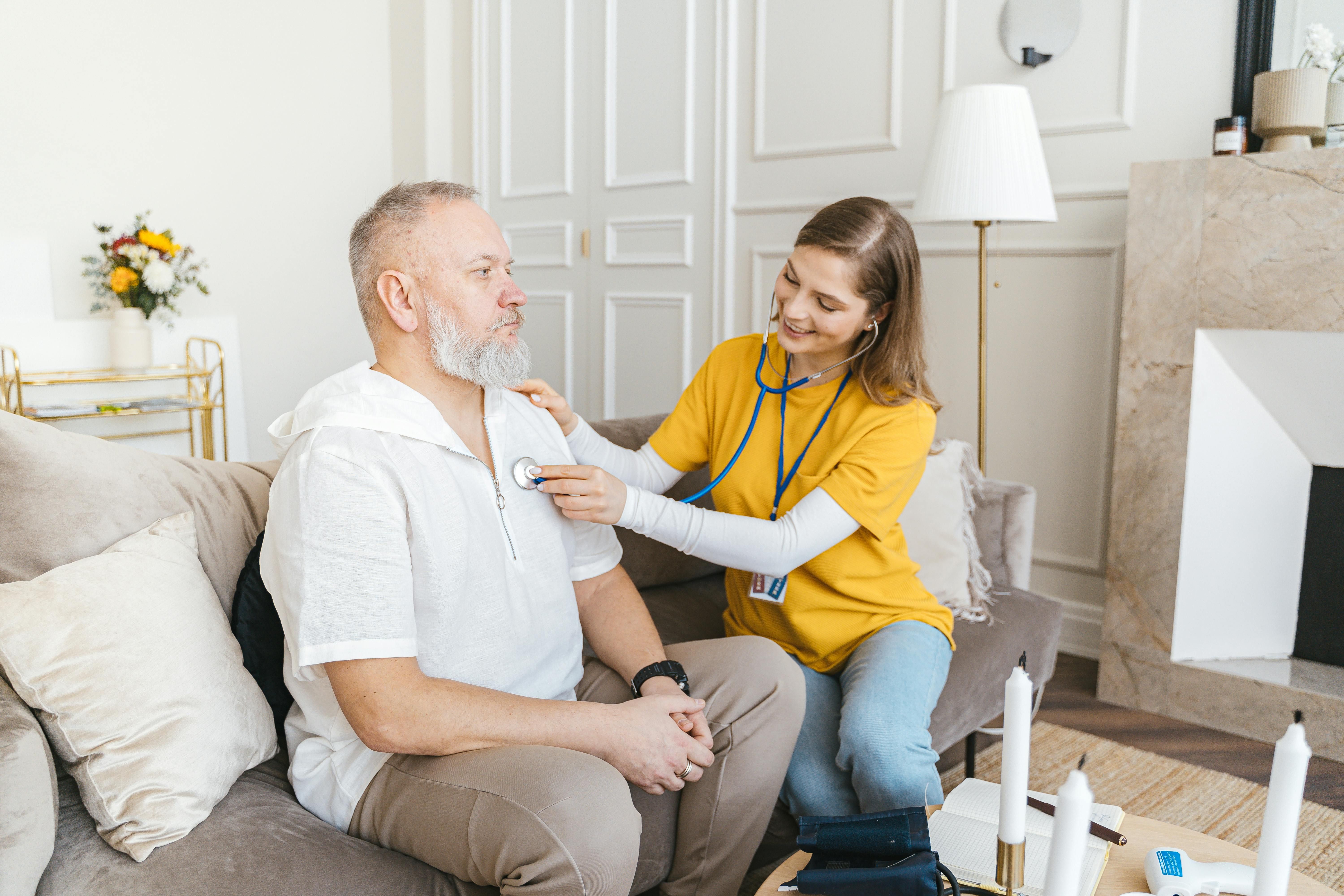
A practicum in a speech pathology program is a supervised clinical training experience where students apply classroom learning to real client or patient care. It is different from a general internship because the focus is on speech-language pathology competencies: assessment, intervention planning, therapy delivery, documentation, professional communication, and ethical decision-making under licensed supervision.
Practicum is typically completed after students have finished foundational coursework and demonstrated readiness for client-facing responsibilities. Industry data shows that over 85% of employers prioritize candidates with direct clinical experience, which is why practicum performance can matter beyond graduation requirements.
What makes practicum different from ordinary coursework?
- Direct clinical application: Students move from learning concepts to using them with clients who may have speech, language, swallowing, fluency, voice, cognitive-communication, or developmental communication needs.
- Licensed supervision: A qualified speech-language pathologist observes, guides, corrects, and evaluates the student’s work. This protects clients and helps students build professional judgment before independent practice.
- Documented clinical hours: Accredited programs usually mandate a minimum of 375 to 400 documented clinical hours. These hours must be tracked carefully because incomplete or unverifiable records can affect graduation, certification, or licensure steps.
- Readiness requirements: Students normally need required coursework, faculty approval, immunizations, background checks, and other clearances before they can begin.
- Connection to certification and licensure: Practicum completion is often required for state licensure and certification by bodies such as the American Speech-Language-Hearing Association (ASHA).
Students comparing admissions and clinical training expectations across health fields may also find it useful to review how nursing schools with high acceptance rates present entry requirements, although speech pathology practicum rules are set by different academic and professional standards.
What Are The Eligibility Requirements For Speech Pathology Practicum?
Eligibility requirements are the standards a student must meet before a program will approve clinical placement. These requirements are meant to confirm that the student is academically prepared, professionally reliable, and cleared to work in settings that may serve children, older adults, patients, or other protected populations.
Recent studies indicate that over 90% of accredited programs enforce competency and clearance requirements before students begin fieldwork. Students should treat these requirements as placement deadlines, not administrative afterthoughts, because missing one item can delay the entire practicum sequence.
Common eligibility requirements
- Minimum GPA: Many programs require a minimum cumulative GPA, often around 3.0, before a student may enter practicum. Falling below the threshold can lead to remediation, delayed placement, or additional faculty review.
- Prerequisite coursework: Students are usually expected to complete courses in communication disorders, anatomy, phonetics, audiology, assessment, intervention, and related foundations before beginning client-facing work.
- Faculty or clinical coordinator approval: Approval may consider academic standing, professionalism, communication skills, ethical behavior, and readiness to represent the program at an outside site.
- Administrative clearances: Background checks, immunization records, drug screenings, health forms, and site-specific training may be required before a student can be assigned or allowed to start.
- Demonstrated clinical readiness: Some programs use simulations, practical exams, competency checklists, or lab performance to confirm that students can begin supervised service safely.
How students can avoid eligibility delays
- Ask for the practicum eligibility checklist early in the academic year.
- Confirm whether requirements are program-wide or site-specific.
- Track expiration dates for CPR certification, tuberculosis testing, background checks, and immunizations.
- Keep copies of every submitted document, including confirmation receipts.
- Meet with the clinical coordinator before registration if GPA, coursework, or clearance timing is uncertain.
Students budgeting for clinical education may also want to compare how other healthcare programs structure tuition and field experience costs; for example, this guide to healthcare administration degree cost can help frame broader planning questions. Those specifically comparing graduate speech-language pathology options can review online masters slp programs when evaluating affordability, format, and practicum expectations.
How Many Practicum Hours Are Required For Speech Pathology Program?
Speech pathology practicum hour requirements vary by institution, state rules, and certification expectations. Many programs align with guidelines like those from the American Speech-Language-Hearing Association, which mandates a minimum of 400 supervised clinical hours for certification.
Students should not assume that every hour spent at a site automatically counts. Programs usually distinguish between observation, direct client contact, indirect clinical work, meetings, planning, documentation, and other activities. Only hours that meet the program’s rules and are verified by an approved supervisor should be counted toward the requirement.
Typical practicum hour structure
| Requirement area | What it usually means for students |
| Total hours | Most programs expect between 375 and 425 total practicum hours, depending on institutional and professional requirements. |
| Supervised clinical experience | Hours must be completed under qualified supervision and documented according to program policy. |
| Observation and hands-on work | Some experience may involve observing assessment or therapy, but programs generally emphasize supervised direct client interaction. |
| Multiple settings | Students may complete rotations in schools, hospitals, clinics, rehabilitation settings, private practices, or university clinics. |
| Documentation | Students must keep accurate logs and obtain supervisor verification. Late or incomplete logs can create certification or graduation problems. |
What affects how long practicum takes?
- Weekly site schedule: A placement requiring several full days per week will progress differently from a part-time placement spread across a term.
- Client availability: Cancellations, school calendars, holidays, and caseload changes can affect hour accumulation.
- Program sequencing: Some programs divide practicum into phases, beginning with lower-intensity clinical work and moving toward more advanced rotations.
- Supervisor approval: Hours generally need to be reviewed and signed off by an approved supervisor before they are considered complete.
- Setting requirements: A program may expect experience with specific populations or disorders, not just a total number of hours.
One professional who completed a speech pathology practicum described the hour requirement as rigorous but valuable. He remembered balancing client sessions, documentation, supervisor feedback, and academic assignments at the same time. “Logging every interaction made me realize the diversity in cases and the critical role of consistent supervision,” he noted. For him, the intensity of the practicum helped turn theory into clinical confidence.
Before starting practicum, speech pathology students usually must complete foundational courses that prepare them for supervised clinical decision-making. These prerequisites help ensure that students understand communication development, disorders, assessment methods, intervention principles, documentation, and ethical responsibilities before working with clients.
Studies indicate that sequenced curricula with clear prerequisites improve practicum performance by around 30%. The specific course list varies by program, but students should expect practicum eligibility to depend on both course completion and acceptable academic performance.
Common prerequisite course areas
- Speech and language development: Students need a strong understanding of typical communication development before identifying or treating communication differences and disorders.
- Communication disorders: Coursework may cover articulation, phonology, language disorders, fluency, voice, swallowing, hearing, and cognitive-communication conditions.
- Anatomy and physiology: Students must understand the structures and systems involved in speech, language, hearing, and swallowing.
- Phonetics and linguistics: These courses support accurate transcription, analysis, and treatment planning.
- Audiology and hearing science: Speech-language pathology practice often intersects with hearing screening, auditory processing, and communication access.
- Assessment and intervention: Students learn how to gather data, interpret results, plan treatment, set goals, and measure progress.
- Ethics and professional practice: Training in confidentiality, client rights, cultural responsiveness, informed consent, and professional boundaries is essential before placement.
- Clinical documentation: Students must learn to write clear, accurate, and compliant notes, reports, goals, and progress summaries.
Questions to ask before registering for practicum
- Which courses must be completed before placement applications are accepted?
- Is a minimum grade required in each prerequisite course?
- Can any course be taken concurrently with practicum, or must all be finished first?
- Are simulation labs, observation hours, or competency exams required?
- What happens if a prerequisite course is failed, withdrawn, or transferred from another institution?
Students who need flexible sequencing should confirm that any online or self-paced option is accepted by their speech pathology program before enrolling. General information on accredited self-paced online colleges may help students understand format options, but practicum prerequisites should always be verified with the program’s clinical education office.
The practicum placement process is how a speech pathology program moves an eligible student into an approved clinical site. The process usually involves the student, the program’s clinical coordinator, faculty supervisors, site supervisors, and the host organization. Because site capacity is limited, students should follow program timelines closely and avoid assuming they can arrange a placement at the last minute.
Research indicates that over 85% of health-related employers prioritize candidates who have completed applied practicum experiences. A strong placement process helps students gain that experience while protecting clients, meeting accreditation expectations, and aligning site activities with academic goals.
Typical placement steps
- Eligibility review: The program confirms that the student has completed required coursework, maintained academic standing, and submitted needed clearances.
- Student application or preference form: Students may identify availability, transportation limits, setting interests, population interests, and professional goals.
- Site matching: The clinical coordinator matches students with approved sites based on learning needs, site capacity, supervisor availability, and program requirements.
- Site screening: Some placements require interviews, additional paperwork, proof of training, or site-specific health and background checks.
- Learning agreement: The student, program, and site may document expectations for schedule, supervision, duties, evaluations, confidentiality, and professional conduct.
- Orientation: Students complete onboarding before client interaction. This may include electronic health record training, school policies, safety procedures, or facility-specific protocols.
- Ongoing oversight: Faculty and site supervisors monitor hours, performance, documentation, and any concerns that arise during placement.
Student responsibilities during placement matching
- Submit forms and clearances before the deadline.
- Be honest about transportation, work obligations, and schedule limits.
- Do not contact sites independently unless the program allows it.
- Respond quickly to coordinator or site requests.
- Review placement policies before accepting outside employment or travel during the practicum term.
A professional who built her career after completing practicum described the process as “intense but invaluable.” She remembered the pressure of documentation, scheduling, and adapting to different clinical environments, but said structured communication between the university and host sites made the transition clearer. “The practicum was more than a requirement—it was a pivotal experience that connected theory to real patient interactions under expert guidance.”
Before practicum begins, students usually must submit documents that prove they are academically eligible, medically cleared, legally compliant, and prepared for the site’s policies. Over 90% of healthcare training programs now implement thorough documentation processes to promote site readiness and protect client safety.
The exact paperwork depends on the program and placement setting. A school-based practicum may require different clearances than a hospital, rehabilitation center, outpatient clinic, or private practice. Students should create a compliance folder and update it each term.
Common pre-practicum documents
| Document | Why it is required |
| Practicum application forms | Start the official placement approval process and confirm student information, availability, and academic standing. |
| Liability or consent agreements | Explain responsibilities, risks, supervision expectations, and institutional protections. |
| Medical clearance forms | Confirm that the student meets health requirements for working in clinical or educational environments. |
| Immunization records | Document required vaccines and help reduce risk for vulnerable populations. |
| Background check results | Verify eligibility to work with clients, students, patients, or protected groups. |
| Confidentiality agreements | Confirm that the student understands privacy rules, including HIPAA and site-specific confidentiality expectations. |
| Proof of training modules | May include infection control, mandated reporting, workplace safety, electronic records, or abuse prevention training. |
| Site-specific forms | May include orientation acknowledgments, proof of health insurance, identification forms, or facility policy agreements. |
Practical paperwork tips
- Start paperwork as soon as the placement term is announced.
- Check whether any document must be completed through a specific vendor.
- Confirm whether clearances expire before or during the placement.
- Use the exact name and format required by the program or site.
- Do not assume a clearance from employment, volunteering, or a previous program will automatically transfer.
Speech pathology practicum students often work with children, patients, older adults, and other populations that require strict safety standards. Background checks, immunizations, and health clearances are used to reduce risk and meet the legal, clinical, and institutional rules of placement sites.
Studies indicate that healthcare students with thorough pre-placement screenings experience 25% fewer placement interruptions due to compliance failures. Requirements vary, so students should confirm the exact checklist with both the academic program and the assigned site.
Common clearance requirements
- Criminal background check: Programs and sites may require state and national criminal history reviews. Some checks include fingerprinting.
- Child abuse clearances: School-based or pediatric placements often require child protection clearances, depending on state law and site policy.
- Fingerprinting: Fingerprint-based screening may be required for schools, hospitals, government-affiliated settings, or facilities serving protected populations.
- Immunization records: Proof of MMR, Varicella, Tdap, and annual flu shots is commonly requested.
- Tuberculosis testing: TB screening is often required for healthcare and school settings.
- Drug screening: Hospitals and some clinical facilities may require drug tests before a student is cleared to begin.
- Occupational health approval: Sites may require a physical exam or health provider clearance to confirm the student can safely participate.
- CPR certification: Current cardiopulmonary resuscitation certification from recognized providers is commonly required.
- Additional site-specific checks: Some settings may require elder neglect checks, abuse prevention training, infection control training, or proof of health insurance.
What students should verify
- Which clearances are required for the specific site, not just the program.
- How long each clearance remains valid.
- Whether results must be sent directly to the school, site, or third-party system.
- Whether pending results allow conditional placement or block attendance entirely.
- What appeal or review process exists if a background check raises an issue.
During speech pathology practicum placement, students should expect a structured but demanding clinical learning environment. The experience is not passive observation. Students gradually take on responsibilities under supervision, receive feedback, document services, and learn how clinical decisions are made in real settings.
Research shows that 85% of employers prioritize hands-on clinical training when hiring new speech pathologists. Practicum gives students a chance to build that experience while still having support from supervisors and faculty.
Typical responsibilities
- Observation: Early experiences may involve watching supervisors conduct assessments, therapy sessions, consultations, and documentation.
- Assessment support: Students may help collect case history information, administer parts of evaluations, record observations, score tools, or summarize findings under supervision.
- Treatment planning: Students learn to connect client needs with measurable goals, evidence-based methods, and individualized therapy materials.
- Therapy delivery: As skills improve, students may lead parts of sessions or full sessions while the supervisor observes and provides feedback.
- Documentation: Students write session notes, progress summaries, plans, and reports according to site and program standards.
- Team communication: Depending on the setting, students may interact with teachers, families, caregivers, nurses, physicians, occupational therapists, psychologists, or other professionals.
- Professional conduct: Punctuality, confidentiality, appropriate dress, respectful communication, and ethical behavior are evaluated throughout the placement.
Common challenges
- Time management: Students often underestimate how long session planning, documentation, and supervisor revisions take.
- Client variability: Real clients may not respond exactly as textbooks suggest, which requires flexibility and clinical reasoning.
- Feedback pressure: Evaluation can feel intense, but regular critique is part of developing safe and independent practice.
- Emotional demands: Working with clients and families can be rewarding, but also stressful when progress is slow or needs are complex.
- Professional adjustment: Students must learn the culture and expectations of each site quickly.
Students interested in related allied health education can also compare broader clinical career pathways, such as an online dietitian degree, while recognizing that speech pathology practicum requirements are distinct to the discipline.
Speech pathology practicum students are supervised and evaluated by qualified professionals who monitor clinical performance, client safety, documentation, professional behavior, and progress toward program competencies. Supervision is both instructional and evaluative: students receive coaching, but they are also assessed on whether they are ready for increasing responsibility.
Research shows that structured experiential learning leads to a 30% improvement in clinical skill proficiency and workforce readiness among speech pathology trainees.
How supervision usually works
- Direct observation: Supervisors observe students during assessment, therapy, documentation, and client or family interactions.
- Pre-session planning: Students may review goals, materials, prompts, data collection methods, and expected challenges before meeting with clients.
- Post-session feedback: Supervisors discuss what went well, what needs improvement, and what should change in the next session.
- Modeling: Supervisors may demonstrate therapy techniques, communication strategies, documentation practices, and ethical decision-making.
- Progressive independence: Students often begin with close guidance and earn more autonomy as they demonstrate competence.
- Faculty coordination: Faculty advisors may communicate with site supervisors, review evaluations, verify hours, and intervene if concerns arise.
How students are evaluated
- Clinical skills: Assessment accuracy, therapy planning, session delivery, data collection, and ability to adjust intervention.
- Clinical reasoning: Ability to explain decisions, interpret client responses, and connect evidence to practice.
- Professionalism: Attendance, preparation, communication, ethical judgment, confidentiality, and responsiveness to feedback.
- Documentation quality: Accuracy, clarity, timeliness, and compliance with site standards.
- Interpersonal skills: Communication with clients, families, supervisors, and interdisciplinary teams.
- Growth over time: Supervisors often look for improvement, not perfection at the beginning of placement.
Students who later want leadership, administration, or healthcare management roles may compare graduate business options such as the cheapest online MBA healthcare management, but practicum evaluation remains centered on clinical competence and professional readiness.
Practicum helps with licensure or certification because it provides the supervised clinical experience that programs, licensing boards, and professional certification pathways use to verify readiness for practice. Classroom grades alone do not show that a student can assess, treat, document, communicate, and make ethical decisions with real clients. Practicum supplies that evidence.
Recent studies reveal that over 85% of employers prefer candidates who have completed verified clinical practicum hours, which reinforces the value of careful documentation and supervised training.
How practicum supports certification and licensure
- Clinical hour completion: Practicum supplies the supervised clinical or field hours required by the academic program and relevant certification or licensure pathway.
- Competency verification: Supervisors evaluate whether students can perform expected clinical tasks, communicate professionally, and follow ethical standards.
- Supervision compliance: Hours generally must be completed under qualified professionals who meet program and regulatory supervision standards.
- Documentation: Programs maintain records of hours, settings, populations served, supervisor verification, and performance evaluations.
- Professional readiness: Practicum gives students experience with real caseloads, client diversity, scheduling pressures, documentation expectations, and team-based care.
Important caution for students
Licensure and certification rules can vary by state, credentialing body, and graduation pathway. Students should not rely only on general program descriptions. Before and during practicum, confirm the current requirements with the academic program, state licensing board, and relevant certification organization. Keep personal copies of approved hour logs and evaluations because they may be needed later for applications, audits, or employment verification.
What Do Students Say About Their Speech Pathology Practicum Experience?
-
: "My practicum experience in speech pathology was both challenging and rewarding. I initially struggled with the eligibility requirements, which delayed my placement by a few weeks, but this gave me extra time to prepare mentally and academically. During my placement, my expectations were exceeded as I was exposed to a diverse client base and learned hands-on strategies beyond textbook theory. Supervision was consistent and constructive, with regular feedback sessions that truly helped me refine my clinical skills.
— Kayden"
-
: "Reflecting on my speech pathology practicum, I found the process to be more complex than I anticipated, especially navigating the documentation needed for eligibility. However, the placement itself met my hopes as I was able to observe a variety of therapeutic techniques in action. My supervisors were approachable and professional, providing evaluations that encouraged self-improvement while maintaining high standards.
— Cannon"
-
: "I approached my speech pathology practicum with enthusiasm, eager to apply my knowledge, but was momentarily halted by unexpected eligibility constraints. Still, this hurdle taught me the importance of thorough preparation. The practicum placement aligned well with what I hoped to experience, offering real-world challenges under expert supervision. Evaluation was detailed and balanced, focusing on both strengths and areas for growth, which helped me gain confidence as a future clinician.
— Nolan"
Other Things You Should Know About Speech Pathology Degrees
Yes, practicum experiences for speech pathology students can take place in a variety of settings beyond hospitals and clinics. These include schools, community centers, rehabilitation facilities, and even telepractice environments. The diversity of settings helps students develop adaptable skills applicable to different client populations and service delivery models.
Most programs require that students work with clients across a range of ages and communication disorders to ensure comprehensive clinical training. However, some restrictions may apply based on state regulations or institutional policies, especially for clients with complex medical conditions or pediatric cases requiring specialized supervision. Supervisors guide assignments to align with the student's competency and safety standards.
Many speech pathology programs require students to carry professional liability insurance during their practicum to protect both the student and the host facility. This insurance can often be obtained through the university or professional organizations at a low cost. It safeguards against potential malpractice claims related to clinical practice during training.
To participate in the 2027 Speech Pathology Practicum, students must complete prerequisite coursework, obtain liability insurance, and meet immunization and background check requirements. Additionally, they should adhere to ethical guidelines and keep an up-to-date practicum log of hours and experiences.
- U.S. Bureau of Labor Statistics - Speech-Language Pathologists https://www.bls.gov/ooh/healthcare/speech-language-pathologists.htm
- ASHA EdFind - Accredited Speech-Language Pathology Programs https://find.asha.org/ed/
- O*NET OnLine - Speech-Language Pathologists https://www.onetonline.org/link/summary/29-1127.00
- West Virginia University - Speech-Language Pathology, M.S. - Online https://medicine.hsc.wvu.edu/communications-sciences-and-disorders/speech-language-pathology-ms/future-students/curriculum/online-slp-program/
- University of Scranton - Master of Science (M.S.) in Speech-Language Pathology https://www.scranton.edu/academics/pcps/health-and-human-performance/programs/speech-language-pathology/index.shtml
- Emerson College - Master of Science (M.S.) in Communication Disorders (Speech@Emerson, online) https://speech.emerson.edu/
- Delaware Valley University - Master of Science in Speech-Language Pathology (M.S.) https://delval.edu/programs/graduate-programs/speech-language-pathology
- Maryville University - Master of Science in Speech-Language Pathology https://www.maryville.edu/masters/speech-language-pathology/