2027 Fastest Online Doctorate in Education Degree Programs Ranking in Washington, DC

Co-Founder and Chief Data Scientist
Are you considering advancing your career with a doctorate in education? Choosing the right program can be overwhelming, especially with so many options available online. This article presents the 2027 Fastest Online Doctorate in Education Degree Programs Ranking in Washington, DC, thoughtfully compiled by the Research.com team of data scientists.
By exploring this ranking, you'll gain valuable insights into programs that combine quality and speed, helping you make a confident, well-informed decision. Earning an education degree can open new doors and enrich your professional journey. Let us guide you toward the best choices for your future.
Key benefits of getting online education degree in Washington
- Salary benefits: Graduates with education degrees in Washington can expect strong salaries, such as $96,570 annually for University Professors and Department Chairs, and up to $258,900 for higher roles like Provosts or University Presidents.
- Career paths: Education graduates from universities like the University of Washington can pursue exciting roles in academia, administration, or leadership positions, opening doors to rewarding and impactful careers.
- Advantages of online degrees: Earning an education degree online offers flexibility and convenience, enabling graduates to balance work and study, which is a major advantage over traditional degrees for busy students.
- Key benefits of getting online education degree in Washington
- What can I expect from online education degree in Washington?
- Where can I work with online education degree in Washington?
- How much can I make with online education degree in Washington?
- 2027 Fastest Online Doctorate in Education Degree Programs Ranking in Washington, DC
- Key Findings
- How long does it take to complete online education degree in Washington?
- What's the difference between online and on-campus education degree?
- What is the average cost of online education degree in Washington?
- What financial aid is available to online education degree students in Washington?
- What are the prerequisites for enrolling in online education degree program in Washington?
- What courses are typically in online education degree programs in Washington?
- What types of specializations are available in online education degree programs in Washington?
- How do you choose the best online education degree in Washington?
- What career paths are available for online education degree students in Washington?
- What is the job market for online education degree in Washington?
- Top Trending Education Rankings
- See What Experts Have To Say About Studying Education
What can I expect from online education degree in Washington?
The average cost of an online education degree in Washington varies but often falls between $10,000 and $30,000, depending on the institution and degree level. Graduates from programs at the University of Washington or Seattle University frequently share how the affordability compared to traditional on-campus routes made it easier to balance work, family, and studies without the burden of excessive debt.
Many students appreciate how reduced commuting and housing expenses translate into real savings. One graduate recalled logging in from home after putting their children to bed, which saved on childcare costs, a crucial factor for busy professionals.
Financial aid designed specifically for Washington residents further enhances accessibility, making it possible for more learners to pursue advanced degrees without financial strain. Scholarships and state support help reduce tuition costs, providing peace of mind and motivation as students navigate coursework and field experiences.
Looking ahead, emerging trends like hybrid models and partnerships between universities suggest even more cost-effective options will become available, driving both quality and affordability in Washington's online education landscape.
Where can I work with online education degree in Washington?
Graduates with an online education degree in Washington often find rewarding career paths in public and private K-12 schools, where they thrive as teachers or education administrators. Many graduates from the University of Washington highlight how their training helped them confidently lead classrooms and innovate teaching methods to engage diverse student populations.
Others leverage their degrees to work at community colleges or universities like Washington State University, becoming academic advisors or faculty members who support student success. These roles allow graduates to shape higher education while enjoying a collaborative environment that values their expertise.
For those interested in innovative education policy or youth services, positions with the Washington State Board of Education offer opportunities to influence statewide programs and improve learning standards. The hands-on experience gained often energizes graduates, fostering a sense of meaningful impact.
In the bustling business hubs of Seattle and Tacoma, graduates apply their skills in corporate training, designing employee development programs that encourage growth and creativity. This emerging trend illustrates how an education degree unlocks versatile and fulfilling careers across Washington's diverse economy.
How much can I make with online education degree in Washington?
Graduates with an online education degree in Washington often find themselves stepping into roles with strong salary potential that reflect their dedication and advanced skills. For instance, those who pursue university-level teaching or administrative roles can expect competitive earnings. University professors in Washington enjoy a mean annual wage of about $96,570, a figure that aligns well with what many graduates from the University of Washington or Western Washington University report after completing advanced degrees online.
Moving up the leadership ladder, positions such as academic deans offer mean salaries of $100,720 annually, rewarding graduates who combine their education background with strategic management skills. Beyond that, roles like provost or university president-common aspirations for those invested in higher education-see mean wages soaring to approximately $258,900 per year.
Graduates often share how the flexibility of online programs enabled them to balance work and study, making these high-paying careers attainable. With Washington's rich network of education institutions, those with advanced degrees are well positioned to embrace these opportunities, especially in urban hubs like Seattle where education and administrative salaries reflect a vibrant and growing academic community.
2027 Fastest Online Doctorate in Education Degree Programs Ranking in Washington, DC
How do we rank schools?
Investing in your education is a significant decision that can shape your future, and the Research.com team understands the importance of making informed choices. To assist prospective students in Washington, DC, we have meticulously crafted the "2027 Fastest Online Doctorate in Education Degree Programs Ranking." Our commitment to quality, credibility, and accuracy is reflected in the extensive research and analysis conducted to compile this ranking.
We utilized the following reputable data sources to ensure a comprehensive evaluation of online doctorate programs in education:
By exploring this ranking, readers will gain valuable insights into the fastest and most efficient online doctorate degree options available in Washington, DC, empowering them to make well-informed educational decisions. For more details on our research process, please visit our Research.com methodology page.


Key Findings
- Online education degrees in Washington are offered at bachelor's, master's, and doctoral levels by accredited institutions.
- Tuition for an online master's degree in education ranges from $20,000 to $35,000, while doctoral programs can exceed $40,000.
- Education-related jobs in Washington are expected to grow by about 5% over the next decade.
- Entry-level teachers with a bachelor's degree earn around $50,000 annually; those with doctoral degrees can earn over $80,000.
- Washington requires state certification for education professionals, and most online programs prepare students for these licensure requirements.
How long does it take to complete online education degree in Washington?
Completing an online education degree in Washington typically aligns with traditional timelines but offers more flexibility than ever before. Graduates from well-known institutions like the University of Washington and Western Washington University often share how full-time bachelor's programs take about four years, though many accelerate their studies by taking extra courses or leveraging summer sessions.
For master's degrees, many find themselves finishing between 18 months and three years, balancing work and family thanks to part-time options. One graduate from Seattle Pacific University reflected on how pacing their coursework allowed them to stay motivated without feeling overwhelmed, a sentiment commonly echoed among online learners statewide.
Doctoral candidates, often enrolled through institutions such as City University of Seattle, experience longer timelines of three to six years, with flexibility around dissertation milestones. This adaptability, paired with supportive faculty, creates an encouraging environment that helps students manage their commitments while advancing professionally.
Looking ahead, emerging trends like personalized learning pathways and competency-based credits may further shorten these durations, making degrees more accessible for Washington's diverse student population.
What's the difference between online and on-campus education degree?
Graduates from the University of Washington's online education programs often express appreciation for the flexibility that allows them to balance full-time jobs and family commitments without commuting. They vividly recall completing coursework late at night or during lunch breaks, a freedom that on-campus peers at Western Washington University might not enjoy due to fixed class schedules.
On-campus students, however, cherish the immediate connections made during in-person lectures and vibrant campus communities, which foster collaborative projects and spontaneous study groups. These experiences create a palpable sense of belonging and direct access to professors, something graduates from Seattle Pacific University note as invaluable for their professional networking.
The financial aspect also plays a significant role. Students enrolled in online programs through Washington State University often save significantly on housing and transportation, which complements the state's average in-state tuition of about $11,500. This cost-efficiency combined with accredited coursework governed by the Northwest Commission on Colleges and Universities reassures many that their degree holds robust academic value.
What is the average cost of online education degree in Washington?
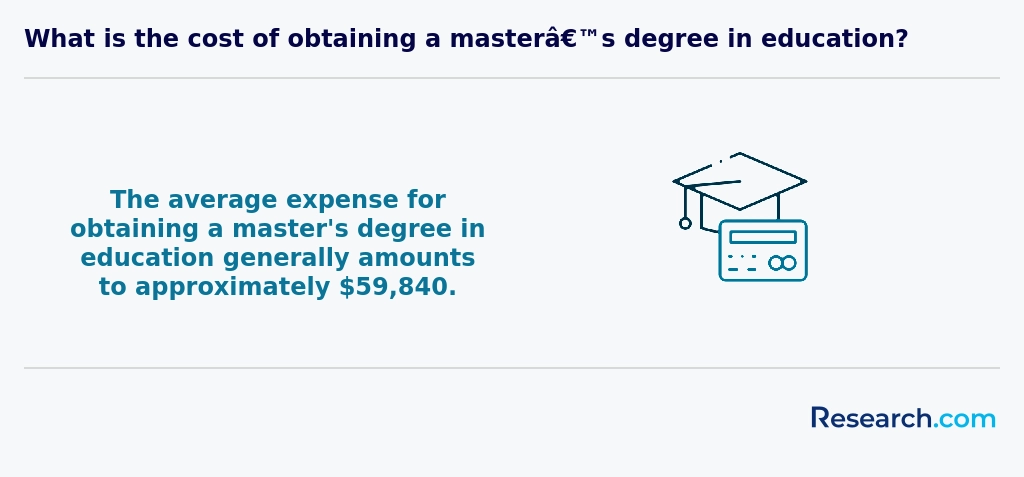
Online education degrees in Washington attract students drawn to the flexibility and quality offered by institutions such as Washington State University and the University of Washington. These programs typically range in cost, with public universities offering more affordable tuition for residents. Graduates often share how the investment feels worthwhile, considering the strong career support and networking opportunities. For many students, the average cost of an online education degree in Washington falls near the median total cost of $54,150, reflecting a balance between quality and expense that matches their ambitions.
Washington's thriving educational landscape means tuition and fees for online doctorate education programs DC tend to be higher, with students balancing costs against the prestige and resources of private universities. The option to choose between master's and doctorate education degrees allows students to tailor their educational paths and financial commitments. Many find that thoughtful budgeting for technology fees and materials enhances their learning without breaking their budgets.
Prospective students should also explore financial aid, including federal grants and employer tuition reimbursement, which many graduates cite as key to easing their financial burden. Those looking to advance quickly might consider the fastest masters degree programs available online in the state, designed to compress timelines and potentially reduce overall costs while maintaining rigorous standards.

What financial aid is available to online education degree students in Washington?
Online education students in Washington often benefit from a blend of federal and state financial aid that makes pursuing their degrees more attainable. For example, graduates from the University of Washington have shared how Federal Pell Grants and Direct Loans eased their tuition burdens, allowing them to focus more on coursework than finances. These grants and loans cater to various needs, from low-income support to flexible repayment options tailored for working professionals.
In addition, the Washington State Need Grant is a game-changer for many attending institutions like Seattle Pacific University, offering substantial help to residents who qualify. Some also leverage merit-based scholarships or assistantships designed specifically for online learners juggling family and jobs, which several recent graduates have mentioned as crucial in their success.
Emerging trends such as employer tuition reimbursement are increasingly popular, especially among educators advancing their careers. This aligns with the experiences of many in-school professionals who find support through their districts while enrolled at colleges like Central Washington University. These evolving financial pathways continue to inspire confidence and opportunity in Washington's online education community.
What are the prerequisites for enrolling in online education degree program in Washington?
Enrolling in an online education degree in Washington typically begins with holding a bachelor's degree from an accredited school, such as the University of Washington or Seattle Pacific University. Many prospective students recall how submitting official transcripts and meeting a minimum GPA around 3.0 were the initial hurdles-challenges that felt rewarding once overcome, setting a positive tone for their academic journey.
Some programs still request GRE scores, though an increasing number recognize professional experience as equally valuable. Graduates often share how their work in local schools or education nonprofits helped compensate for less traditional academic backgrounds, boosting confidence and application strength.
- Letters of recommendation reflecting both academic and practical skills are standard, offering a personal touch that brings applications to life.
- A thoughtfully crafted statement of purpose is essential, enabling applicants to articulate their passion and career goals clearly.
Washington's unique certification requirements add another layer, prompting online students to stay informed and plan ahead-an exciting challenge embraced by many who envision impacting public education across the state through these flexible programs.
What courses are typically in online education degree programs in Washington?
Online education degrees in Washington commonly include courses like Educational Psychology, Curriculum Design and Assessment, and Instructional Technology, which enable students to understand how learners grow and how to effectively create and deliver content. Graduates from institutions such as the University of Washington often share how learning about diverse instructional strategies helped them confidently engage with students in both urban and rural classrooms across the state.
Courses in Educational Leadership and Administration prepare students for managerial roles, teaching them to navigate policies and lead within schools. Many students at Washington State University express enthusiasm about applying leadership theories during local internships, where they witness firsthand the impact of inclusive decision-making.
Diversity and Equity in Education remains a critical focus, reflecting Washington's culturally rich communities. Graduates emphasize how this course inspired them to create classrooms where every learner feels valued and supported, especially in areas with broad demographic diversity like Seattle.
Research Methods in Education equips students at colleges like Western Washington University with tools to analyze real educational challenges, fueling their passion to innovate and advocate for effective teaching practices statewide.
What types of specializations are available in online education degree programs in Washington?
Online education degree specializations Washington DC programs often emphasize areas like Curriculum and Instruction, Educational Leadership and Administration, and Special Education, reflecting the needs of today's dynamic educational environments. Graduates from prominent institutions such as the University of Washington and Seattle Pacific University frequently share how specializations like Educational Technology have empowered them to create innovative digital classrooms, blending theory with practical application.
Students pursuing these degrees find the flexibility of online formats valuable while mastering leadership skills tailored to Washington's unique educational landscape. Many appreciate how programs focusing on Higher Education and Adult and Continuing Education prepare them for diverse roles, from college administration to workforce training. The rise of programs offered by local universities inspires prospective learners to explore pathways aligned with their career aspirations and certification goals, embracing a future where education adapts to rapid technological and social changes.
For those aiming to accelerate their journey, exploring an accelerated online bachelor's program can offer a strategic edge, enabling faster entry into specialized educational careers with robust support from Washington's academic community.
How do you choose the best online education degree in Washington?
Choosing the best online education degree in Washington means focusing on programs that balance rigorous accreditation, cost, and flexibility. Graduates from Western Governors University often share how asynchronous courses let them manage family and work commitments while progressing steadily, a feature critical for those seeking affordable online EdD degrees in Washington DC. Considering the Washington Professional Educator Standards Board approval is essential, as one graduate emphasized how this facilitated smooth licensure and boosted confidence in their career path. Exploring how Central Washington University supports remote learners with accessible academic advising highlights the importance of reliable student services in online education.
Looking ahead, the demand for education degrees that adapt to evolving teaching standards and workforce needs will grow. Many prospective students benefit from carefully comparing tuition and considering financial aid options. For those curious about expediting their studies, exploring a fast associates degree could provide future flexibility. As technology transforms education, Washington's online programs will continue embracing innovation to prepare graduates for tomorrow's classrooms.
What career paths are available for online education degree students in Washington?
Graduates with an online education degree in Washington often find themselves stepping into rewarding careers as classroom teachers, school administrators, or instructional coordinators shaping the future of local education. Many graduates from well-known institutions like the University of Washington or Seattle Pacific University express excitement about opportunities in special education, curriculum development, and leadership roles. These roles not only fulfill community needs but also offer paths towards advancement fueled by Washington's commitment to educational growth.
For those intrigued by policy or administrative challenges, the rising demand for education doctorate holders means prospects such as district superintendents or education policy analysts are becoming increasingly accessible. Online learning flexibility allows students from all backgrounds to pursue a Washington DC education doctorate job prospects, balancing work and study effectively.
Some graduates discover fulfilling careers as adult education instructors or consultants partnering with school districts to improve outcomes. Tuition affordability and program accessibility encourage many to explore a fast online degree for working adults, opening doors to evolving education career opportunities in Washington DC and beyond.
What is the job market for online education degree in Washington?
The job market for graduates holding an online education degree in Washington is increasingly dynamic, reflecting the state's strong investment in education. Many graduates from respected institutions like the University of Washington and Seattle Pacific University report securing roles in K-12 teaching, educational leadership, and higher education with confidence. These roles often require specific certifications or advanced degrees, aligning well with the flexible offerings of online programs. Graduates pursuing an education doctorate career opportunities Washington DC find themselves uniquely poised for leadership paths such as curriculum development or academic administration, benefiting from Washington's steady 7% growth in education jobs.
Some graduates describe the satisfaction of transitioning into corporate training or development roles within local businesses, a sector growing alongside traditional education. The affordability of online degrees combined with Washington's emphasis on quality education creates an encouraging scenario for career advancement without uprooting one's life. For candidates aiming to deepen expertise, options like the anchors part-time Ph.D. in economics serve as examples of accessible, high-value paths that inspire future educators to blend research and practice effectively.
Frequently Asked Questions About education
Students pursuing online education degrees in Washington can enhance their learning by actively engaging with course materials and instructors. Research from the Washington Student Achievement Council highlights that time management and setting regular study schedules significantly improve completion rates. Participating in virtual discussions and group projects helps deepen understanding and creates networking opportunities.
Utilizing state resources like the Washington Online Learning Consortium can provide additional academic support. Also, familiarizing oneself with Washington's specific educational policies ensures alignment with state licensure requirements. Finally, leveraging digital libraries and research databases available through Washington's public universities bolsters academic success.
Emerging niches within the education field in Washington reflect broader national trends toward technology integration and specialized leadership roles. One rapidly growing area is educational technology, focusing on the development and management of digital learning tools. According to the Washington State Employment Security Department, jobs related to instructional design and e-learning support are projected to grow faster than average through 2030.
Another important niche is equity and inclusion leadership, driven by increasing demand for culturally responsive teaching and inclusive school policies. Doctorate programs are emphasizing these skills to prepare educators for diverse Washington classrooms.
Finally, there is growing interest in data-driven decision making and education policy, which supports evidence-based improvements in school systems. These specialties align well with Washington's focus on innovative education reforms, as reported by the Office of Superintendent of Public Instruction (OSPI).
After completing an online education degree in Washington, preparing for the job market involves several strategic steps. Graduates should start by building a strong professional network through platforms like LinkedIn and local education associations such as the Washington Education Association (WEA). Washington's education sector is growing, with the state employing over 90,000 public school teachers as of 2023, according to the National Center for Education Statistics.
Internships and substitute teaching can offer valuable practical experience. Additionally, obtaining relevant state certifications via the Washington Professional Educator Standards Board enhances employability. Familiarity with Washington's educational policies and standards is crucial. Many job openings require knowledge of state-specific rules and student demographics to succeed.
Employers in Washington value education degree graduates who demonstrate strong communication and classroom management skills. According to the Washington State Office of Superintendent of Public Instruction, effective collaboration with students, parents, and colleagues is crucial for success in local schools. Graduates must also show proficiency in instructional technology, as many school districts integrate digital tools into teaching.
Critical thinking and adaptability are other key attributes, enabling educators to meet diverse student needs. Additionally, knowledge of state standards and special education laws is essential, reflecting Washington's commitment to inclusive education practices. These skills collectively prepare graduates to thrive in the evolving education landscape.
Finding internships in Washington related to an education degree involves several strategic steps. Start by exploring partnerships offered through your online program, as many universities collaborate with local school districts and educational organizations to provide internship placements.
Check with the Washington State Office of Superintendent of Public Instruction (OSPI), which often lists internship and practicum opportunities for education students. The office supports over 2,000 public schools, making it a key resource for placements.
Networking through education-focused events and using platforms like Handshake or LinkedIn can also uncover internship openings specifically in Washington's education sector. These tools are widely used by universities to connect students with practical experiences.
Additionally, consider contacting local nonprofit organizations and educational advocacy groups, especially in the Seattle metropolitan area, where education initiatives are robust.
Obtaining an online education degree in Washington can significantly enhance career mobility and advancement opportunities. According to the Washington Student Achievement Council, education professionals with advanced degrees typically earn 20-30% higher salaries than those with only a bachelor's. Online degrees offer flexibility, allowing working educators to gain credentials without interrupting their careers.
The Washington State Workforce Training and Education Coordinating Board highlights that demand for qualified education administrators and specialists is expected to grow faster than average through 2030. This growth opens new leadership roles for degree holders.
Additionally, many Washington school districts prefer or require advanced degrees for promotion to roles such as principal or curriculum director, making online education degrees a strategic investment for educators seeking upward mobility.
Studying for an education degree online in Washington equips students with versatile skills essential for interdisciplinary roles. Washington's higher education institutions emphasize collaboration across fields such as psychology, sociology, technology, and administration. This approach aligns with the state's commitment to integrated education reform, as highlighted by the Office of Superintendent of Public Instruction (OSPI).
Online programs often include coursework in curriculum design, data analysis, and leadership, preparing graduates to work effectively in diverse educational environments. According to the National Center for Education Statistics, Washington awards over 3,000 education degrees annually, many of which incorporate interdisciplinary training.
These programs foster critical thinking and adaptability, aiding graduates in roles beyond traditional teaching, including policy development and community outreach.
Choosing between a thesis and a non-thesis education degree program in Washington depends largely on your career goals and learning preferences. Thesis programs require original research and extensive writing, ideal for those pursuing academic careers or doctoral studies. According to the Washington Student Achievement Council, such programs can enhance critical thinking and analytical skills.
Non-thesis programs focus more on coursework and practical knowledge, suited for educators aiming to advance in school administration or curriculum design. They typically demand fewer credits and may allow faster completion.
Consider your professional objectives, time availability, and interest in research when making your decision.
Students based in Washington interested in studying education abroad have several options through U.S. institutions offering online education degrees with international components. Many accredited universities in Washington provide flexible online programs that include study-abroad experiences, summer residencies, or international internships to enhance global perspectives.
According to the Washington Student Achievement Council, around 20% of graduate students in education enroll in programs with international study opportunities. Popular destinations include partnerships with universities in Canada, the United Kingdom, and Australia.
These programs allow students to earn U.S.-accredited degrees while gaining cross-cultural experience, often at reduced costs compared to full-time overseas study. Online coursework combined with short-term travel suits working professionals seeking global education leadership roles.
In Washington, part-time job opportunities can significantly complement education degree studies. Many students find working as teacher assistants in public or private schools beneficial, gaining hands-on classroom experience while earning wages. According to the Washington State Office of Superintendent of Public Instruction, teacher aides earn a median hourly wage of about $17 as of 2023. Additionally, tutoring services are in high demand, especially for K-12 students preparing for statewide assessments. Working as an after-school program coordinator or substitute teacher provides further practical experience for education students. These roles help build essential skills and strengthen resumes for future teaching careers in the region.
Online education students in Washington have access to several valuable networking opportunities that enhance their learning experience. Many universities offer virtual events, discussion forums, and group projects designed specifically for remote students.
Washington State Board for Community and Technical Colleges reports that over 60% of online students engage in online study groups or professional networks, promoting collaboration and career advancement. Additionally, state education associations often hold webinars and conferences open to online learners.
Some programs partner with local school districts and educational organizations, providing online students with internship placements and mentorship opportunities, which are crucial for building professional contacts in the region.
Alumni networks offer significant benefits to students pursuing online education degrees in Washington. These networks connect current students with graduates who have navigated similar academic and professional paths. Engaging with alumni can provide valuable mentorship opportunities and career guidance tailored to the unique challenges in Washington's education sector.
Washington's educational institutions often have active alumni groups that host virtual events, facilitating networking without geographical barriers. Access to these networks can enhance job prospects and professional development. According to the Washington Student Achievement Council, alumni who participate in mentoring programs report a higher employment rate within six months of graduation.
Moreover, alumni networks foster a sense of community, which is crucial for online learners who may feel isolated. This support system promotes academic persistence and confidence.
Customizing an online education degree program in Washington allows students to align their studies with specific career goals. Many universities offer flexible curricula, letting learners choose concentrations such as curriculum design, educational leadership, or special education. This flexibility supports diverse professional paths in K-12 schools, higher education, or corporate training.
Washington institutions often provide options to engage in practicum or internship experiences remotely, which enhance practical skills. Additionally, students can select electives that focus on emerging trends like educational technology or policy analysis.
According to the Washington Student Achievement Council, over 60% of online education students tailor their programs to meet job market demands in 2023.
Students pursuing online education degrees in Washington often face challenges related to technology access and connectivity. Despite the state's overall high internet penetration, rural areas still struggle with reliable broadband, affecting about 10% of residents according to the Washington State Department of Commerce. This digital divide can limit timely participation in online coursework and live sessions.
Time management is another common difficulty, as many students balance studies with work and family commitments. Without physical classroom structures, staying motivated and organized becomes crucial. Additionally, some learners report feeling isolated, lacking face-to-face interaction that traditional programs provide.
Navigation of financial aid and understanding accreditation standards specific to Washington-based institutions can also complicate the enrollment process.
With an online education degree, individuals in Washington can pursue several professional certifications that enhance teaching credentials and career prospects. Common certifications include the Washington State Residency Teacher Certificate, which is essential for public school teaching roles. Additionally, candidates often seek specialized endorsements such as Special Education or English Language Learner (ELL) to meet diverse student needs.
Beyond K-12 teaching, online education graduates may pursue National Board Certification, highly regarded nationwide for experienced educators. According to the Washington Office of Superintendent of Public Instruction, certified teachers often see improved job opportunities and salary benefits.
Other certifications include instructional coaching and educational technology credentials, aligning with evolving digital learning trends.
Applying for an online education degree program in Washington requires clear, focused preparation. Start by thoroughly researching programs accredited by the Northwest Commission on Colleges and Universities, the regional accreditor recognized by the U.S. Department of Education. This ensures your degree holds value in the job market.
Craft a personal statement that highlights your professional background and specific educational goals, reflecting an understanding of Washington's diverse school environments. Include relevant experience working with K-12 populations or adult learners if applicable.
Strong letters of recommendation from academic or professional sources bolster your application. According to the Washington State Board for Community and Technical Colleges, personalized references can significantly impact acceptance decisions.
Finally, meet all application deadlines carefully and submit transcripts from accredited institutions to demonstrate your academic readiness.
Globally, education careers are valued for their role in shaping societies and advancing knowledge. In the United States, including Washington, DC, demand for qualified educators continues to grow. According to the National Center for Education Statistics, employment of postsecondary teachers is projected to grow 12% from 2021 to 2031, faster than average for all occupations. Online education degrees offer flexibility for professionals balancing work and study, making them increasingly popular.
Internationally, standards for teaching vary, but the U.S. model, with emphasis on research and practical experience, is often seen as a benchmark. For Washington, DC residents, online doctorate programs provide access to advanced training without relocation, supporting career advancement in this competitive field.
Gaining practical experience while studying for an online education degree in Washington is essential. Many programs encourage or require internships, student teaching, or practicum placements that can be completed locally. Washington has partnerships with numerous schools and educational organizations to support these opportunities.
Students can also engage in virtual internships or collaborative projects with local education agencies. According to the Washington State Office of Superintendent of Public Instruction, over 1,100 public schools are potential sites for hands-on experiences.
Additionally, online learners can join professional networks such as the Washington Education Association, which offers workshops and mentorship to enhance practical skills.
Choosing the right concentration within an online education degree program in Washington begins with understanding your professional goals. Research shows that concentrations like educational leadership, curriculum design, and special education are among the most sought after in the region, reflecting the state's focus on improving school systems and addressing diverse learner needs (Washington Student Achievement Council, 2023).
Consider your current experience and where you see your career progressing. For instance, if leadership roles interest you, a concentration in educational administration may be beneficial. Washington State's Office of Superintendent of Public Instruction highlights growing demand for administrators and instructional coordinators, forecasting a 10% job growth through 2030.
Finally, review program details carefully. Accredited institutions in Washington must meet standards set by the Northwest Commission on Colleges and Universities, ensuring quality education regardless of concentration. Look for programs offering flexibility, relevant coursework, and strong faculty expertise related to your chosen focus.
Related Education Rankings for Nearby Cities
- 2027 Fastest Online Education Degree Programs Ranking in Philadelphia, PA
- 2027 Fastest Online Education Degree Programs Ranking in Loretto, PA
- 2027 Fastest Online Education Degree Programs Ranking in Norfolk, VA
- 2027 Fastest Online Master's in Education Degree Programs Ranking in Virginia Beach, VA
- 2027 Fastest Online Education Degree Programs Ranking in Indiana, PA
- 2027 Fastest Online Education Degree Programs Ranking in California, PA
- 2027 Fastest Online Education Degree Programs Ranking in Pittsburgh, PA
- 2027 Fastest Online Education Degree Programs Ranking in New York, NY
- 2027 Fastest Online Education Degree Programs Ranking in Slippery Rock, PA
- 2027 Fastest Online Education Degree Programs Ranking in Greenville, NC
Top Trending Education Rankings
See What Experts Have To Say About Studying Education
Read our interview with Education experts

Alan J. Singer
Education Expert
Professor of Teaching, Learning and Technology
Hofstra University


References
- Accelerated Online Teacher Certification Program | Whitworth Online https://online.whitworth.edu/programs/teacher-certification/
- Skills Employers Look for In Graduates https://careerdc.com.au/resources/what-skills-employers-want/
- Online Education Degree Programs | University of Phoenix https://www.phoenix.edu/online-education-degrees.html
- What Can I Do With a Teaching Degree (Besides Teach)? https://www.alleducationschools.com/blog/what-can-i-do-with-a-teaching-degree-besides-teach/
- Latest Trends in the Field of Education - ICERT https://icert.org.in/latest-trends-in-the-field-of-education/
- Students: This is How You Should Prepare for the Job Market https://www.agencycentral.co.uk/articles/students-this-is-how-you-should-prepare-for-the-job-market/
- Networking For Educators: How To Grow A Professional Circle - Carlow University https://www.carlow.edu/networking-for-educators/
- targetjobs https://targetjobs.co.uk/careers-advice/teaching-and-education/write-great-application-teacher-training
- Can Higher Education Improve Long-Term Career Success https://studysphereadvisors.com/how-higher-education-influences-long-term-career-growth/
- Find Services https://www.washingtonconnection.org/home/explorecategories.go