2027 Easiest Online Doctorate in Healthcare Degree Programs Ranking in Tennessee

Co-Founder and Chief Data Scientist
Are you considering advancing your career with a doctorate in healthcare? This article offers a helpful guide for students in Tennessee exploring the best options available.
We present the 2027 Easiest Online Doctorate in Healthcare Degree Programs Ranking in Tennessee, created by the Research.com team of data scientists. This ranking is designed to simplify your search and help you identify programs that match your goals and lifestyle.
By reading this article, you'll gain insights that make choosing the right healthcare degree program easier and more confident. Pursuing a healthcare doctorate can open doors to rewarding career opportunities and personal growth.
Key benefits of getting online healthcare degree in Tennessee
- Healthcare degree graduates in Tennessee can earn competitive salaries, such as Program Directors earning around $129,330 annually and Healthcare Services Researchers making about $112,380 per year.
- Graduates from institutions like the University of Tennessee often pursue diverse careers, including roles as Research Directors, Principal Scientists, or Chief Development Officers, offering rewarding and impactful job opportunities.
- Completing a healthcare degree online, for example from Tennessee State University, offers flexibility and convenience, allowing students to balance work and study while gaining a respected qualification that supports career growth.
- Key benefits of getting online healthcare degree in Tennessee
- What can I expect from online healthcare degree in Tennessee?
- Where can I work with online healthcare degree in Tennessee?
- How much can I make with online healthcare degree in Tennessee?
- 2027 Easiest Online Doctorate in Healthcare Degree Programs Ranking in Tennessee
- Key Findings
- How long does it take to complete online healthcare degree in Tennessee?
- Expert Tips for Success in Online Doctoral Programs in Healthcare
- What's the difference between online and on-campus healthcare degree?
- Doctoral Dissertation and Research Support
- What is the average cost of online healthcare degree in Tennessee?
- Key Factors That Define 'Easiest' Online Healthcare Doctorate Programs
- What financial aid is available to online healthcare degree students in Tennessee?
- Tips for Thriving in Your Online Healthcare Program
- What are the prerequisites for enrolling in online healthcare degree program in Tennessee?
- Accreditation and Licensure for Online Healthcare Doctorate Programs in Tennessee
- What courses are typically in online healthcare degree programs in Tennessee?
- What types of specializations are available in online healthcare degree programs in Tennessee?
- How do you choose the best online healthcare degree in Tennessee?
- What career paths are available for online healthcare degree students in Tennessee?
- What is the job market for online healthcare degree in Tennessee?
- Related Healthcare Rankings for Nearby States
- Top Trending Healthcare Rankings
- See What Experts Have To Say About Studying Healthcare
What can I expect from online healthcare degree in Tennessee?
The average cost of an online healthcare degree in Tennessee typically ranges between $10,000 and $30,000 for a full program, depending on the level of study and institution. Many graduates from popular state universities share how affordable tuition helped them pursue their passion without the usual financial strain. Imagine balancing work shifts while attending the University of Tennessee's online nursing program-students often find relief in the accessible tuition paired with flexible payment plans.
Community college pathways leading to healthcare degrees are even more budget-friendly, allowing eager learners to start their journey with minimal upfront costs. Graduates highlight the joy of unlocking new career opportunities through these costs, which are often far lower than out-of-state options. Financial aid and state-supported scholarships fuel this accessibility, making it possible to focus on challenging courses in healthcare policy, ethics, and clinical practice instead of stressing over mounting bills.
For many, the affordable investment transforms into a rewarding career, enriching communities across Tennessee while fitting seamlessly into busy lifestyles.
Where can I work with online healthcare degree in Tennessee?
Graduates with an online healthcare degree in Tennessee discover exciting doors opening in hospitals like Vanderbilt University Medical Center, where roles in nursing and health informatics become real career adventures. Imagine stepping into Ballad Health or Baptist Memorial Health Care, contributing hands-on in nursing or managing healthcare administration, just like many alumni from popular Tennessee colleges have done.
Beyond hospitals, the journey continues in outpatient centers or telehealth services, where flexibility meets innovation. Graduates often share how working remotely or in hybrid roles at urgent care facilities sparks a fresh sense of purpose and balance.
For those drawn to community impact, public health agencies and nonprofits offer pathways in program management and policy development-perfect for graduates eager to improve statewide health.
With Tennessee's healthcare manager roles growing rapidly, students from institutions like the University of Tennessee talk about thrilling opportunities leading teams and shaping healthcare operations in a dynamic, expanding industry.
How much can I make with online healthcare degree in Tennessee?
Graduates from online healthcare programs in Tennessee often find themselves stepping into rewarding roles with impressive salaries. For instance, those who land positions as Program Directors in healthcare can expect to earn around $129,330 annually, turning their passion into a prosperous career. Imagine completing your degree through a well-regarded institution like the University of Tennessee and moving into this leadership role, commanding both respect and a solid paycheck.
Other exciting opportunities include roles such as Chief Development Officer, where the mean annual wage is about $95,600, or Healthcare Services Researcher positions with salaries near $112,380. Graduates from schools like Vanderbilt University's online healthcare programs have shared how their education opened doors to these dynamic careers, full of growth and discovery.
Many graduates find these figures-ranging from $95,000 to over $130,000-not only encouraging but a testament to Tennessee's thriving healthcare sector, especially in bustling cities like Nashville and Memphis. This blend of accessible education and competitive wages makes pursuing an online healthcare degree here an adventure with a promising financial horizon.
2027 Easiest Online Doctorate in Healthcare Degree Programs Ranking in Tennessee
How do we rank schools?
Investing in your education is a significant decision that can shape your future, and the Research.com team understands the importance of making informed choices. To assist prospective students in Tennessee, we have meticulously crafted the "2027 Easiest Online Doctorate in Healthcare Degree Programs Ranking in Tennessee." Our commitment to quality, credibility, and accuracy is reflected in the extensive research and analysis conducted to compile this ranking.
We utilized the following reputable data sources to ensure a comprehensive evaluation of healthcare doctorate programs:
By exploring this ranking, readers will gain valuable insights into the easiest online doctorate options in healthcare available in Tennessee, helping them make informed decisions about their educational journeys. For more details on our methodology, please visit our Research.com methodology page.




Key Findings
- Tennessee offers accredited online healthcare programs in nursing, healthcare administration, public health, and allied health.
- Bachelor's degree tuition ranges from $8,000 to $25,000 per year; graduate programs cost between $10,000 and $30,000 annually.
- Entry-level salaries for healthcare graduates in Tennessee start around $45,000 to $55,000 per year, with experienced professionals earning $75,000 to $90,000 or more.
- The healthcare job market is growing faster than average, especially in nursing, health informatics, and healthcare administration.
- Online healthcare degrees should be accredited by bodies like CCNE or CEPH for quality assurance and licensure eligibility.
How long does it take to complete online healthcare degree in Tennessee?
Bachelor's degree adventurers often spend around four years immersed in their studies, but accelerated programs at institutions such as Tennessee State University give the chance to conquer the coursework in as little as three years. For those chasing mastery, the flexible master's programs, often completed between 18 months and three years, allow learners to balance job, family, and studies without missing a beat.
Doctorate dreamers embarking on a Doctor of Nursing Practice or healthcare administration path usually dedicate three to six years, embracing research and clinical challenges. The freedom to progress at your own rhythm makes this experience both demanding and deeply rewarding, as many Tennessee students testify to managing work and personal lives gracefully while pursuing their degrees online.
Expert Tips for Success in Online Doctoral Programs in Healthcare
Embarking on an online doctorate in healthcare can be a transformative experience, but success requires proactive planning and a focused approach. Begin by establishing a dedicated study space and a structured schedule that accommodates both coursework and personal responsibilities; time management remains crucial in an online setting. Additionally, actively engage with digital student support services-including academic advising, technical help, and virtual library resources-which many top programs offer to ensure that you’re never far from guidance. Networking with peers, participating in virtual discussion groups, and seeking mentorship from industry experts are proven strategies that can provide both academic and professional benefits. Furthermore, sharpening your research skills and taking advantage of opportunities to collaborate on projects can enhance your expertise and boost your career prospects. If you’re considering broadening your horizons in public health while keeping an eye on quality cost options, you might also explore the list of most affordable online mph degree programs as a valuable resource. Remember, the key to thriving in the online learning environment is not only a commitment to your studies but also leveraging all available resources to maximize your educational journey.
What's the difference between online and on-campus healthcare degree?
Imagine juggling family, work, and classes while pursuing a healthcare degree-online programs from institutions like the University of Tennessee offer just that flexibility. Graduates often share how studying through digital platforms allowed them to learn at their own pace, skipping long commutes across Tennessee's broad landscapes. This freedom lets students balance life and education seamlessly, making every study session feel like a personal victory.
On the flip side, those attending campus-based programs at places like Vanderbilt University cherish the energizing buzz of face-to-face interaction. They thrive in hands-on labs and clinical rotations within local hospitals, soaking up real-world skills under mentorship. These moments build confidence and professional bonds that online programs can find challenging to replicate fully.
Both paths demand dedication: online learners must stay self-driven while on-campus students benefit from structured routines. Tennessee's healthcare sector recognizes the value in each, especially when programs hold strong CCNE or ACEN accreditation-ensuring education aligns with state licensure and career goals.
Doctoral Dissertation and Research Support
A key differentiator among the 2025 easiest online doctorate in healthcare degree programs in Tennessee is the level of dissertation and research support provided to candidates. Robust resources can make the difference between a smooth path to completion and prolonged delays. When evaluating programs, look for: • Dedicated research mentors and faculty committees that guide you through topic selection, proposal development, data collection, analysis, and defense. • Structured dissertation boot camps or writing cohorts that foster peer accountability, offer targeted writing workshops, and provide milestone check-ins. • Access to specialized research tools, such as statistical software (e.g., SPSS, R) and online library subscriptions, ensuring you can perform rigorous literature reviews and advanced analyses. • Clear timelines and deliverables embedded in program handbooks, so you understand required credits, IRB approval processes, and defense scheduling. • Opportunities to present findings at virtual or in-person conferences, strengthening your professional network and boosting publication potential. Before committing, survey related health care online degrees to compare research tracks and faculty expertise across institutions. Programs that excel in research support often report higher dissertation completion rates and stronger alumni outcomes in leadership, policy-making, and academic appointments. Prioritize schools that offer dedicated dissertation advisors, regular progress evaluations, and grants or fellowships specifically earmarked for doctoral research in healthcare.
What is the average cost of online healthcare degree in Tennessee?
The average cost of an online healthcare degree in Tennessee often sparks curiosity among aspiring students eager to balance quality and affordability. In Tennessee, the median total cost for such degrees hovers around $85,243, a figure that reflects the investment required for comprehensive healthcare education. Graduates from popular institutions like Tennessee State University and the University of Tennessee system often share stories of the exciting challenges they overcame, encouraged by manageable tuition rates and strong academic support.
Many students exploring affordable healthcare doctorate programs Tennessee find that while the sticker price can seem high at first, the real-life experience often involves scholarships, employer tuition assistance, and financial aid that make the path smoother. Imagine juggling work and study while gaining vital healthcare expertise, knowing your tuition investment aligns with regional averages and the value offered by these respected universities.
The adventure of funding your education extends beyond tuition itself. Additional costs like technology and registration fees may add a few hundred to over a thousand dollars annually, but well-planned budgeting helps future healthcare professionals stay on track. Those seeking to discover the cheapest healthcare school in tennessee can leverage this insight to make a confident decision that fits their financial journey.
Understanding the average cost online healthcare degree Tennessee offers a clear pathway, inviting students to dive into their healthcare ambitions with optimism and a practical plan for success.
Key Factors That Define 'Easiest' Online Healthcare Doctorate Programs
Choosing a program labeled “easiest” means looking beyond rankings to the features that truly reduce barriers and accelerate your path:
- Asynchronous coursework with flexible deadlines
- Generous transfer-credit policies for relevant master’s or doctoral work
- Minimal or zero on-campus residency requirements
- Rolling admissions and multiple cohort start dates
- Dedicated academic advising and streamlined support services
- Reasonable credit-hour requirements and clear graduation timelines
To balance affordability with ease of completion, consider exploring cheapest online mha options.
What financial aid is available to online healthcare degree students in Tennessee?
Imagine diving into an online healthcare degree at the University of Tennessee or Belmont University, knowing financial worries can be softened by solid aid options. Many graduates fondly recall applying for federal Pell Grants through FAFSA, which felt like free money that truly lifted their tuition load without the stress of repayment. Others celebrate unlocking Direct Subsidized and Unsubsidized Loans, attractive for their lower interest rates compared to private loans, making education feel more manageable and possible.
At institutions like East Tennessee State University, students often benefit from Tennessee-specific awards like the HOPE Scholarship or HOPE Access Grant, opening doors to merit and need-based aid that feels like a tailored boost to their tuition. Some healthcare workers have happily reported employers covering part or all of their tuition, turning their workplace into a springboard for advancing education.
Veterans studying online in Tennessee cherish extra perks like the GI Bill and state educational assistance, making their transition to healthcare careers smoother. Local grants such as the Tennessee Student Assistance Award add even more promise, creating a landscape rich with opportunity for every aspiring healthcare professional.
Tips for Thriving in Your Online Healthcare Program
Succeeding in an online healthcare program requires more than just enrolling in courses; it calls for developing strong self-discipline, effective time management, and proactive engagement with both faculty and peers. To maximize your educational experience, consider setting up a dedicated study space free from distractions, establishing a realistic weekly schedule, and regularly participating in virtual discussions or group projects. Leverage available academic support services such as tutoring, career counseling, and technical help to navigate online learning challenges. Additionally, maintain communication with your instructors to seek clarity on complex topics and feedback on your progress. For budget-conscious students looking to balance quality with affordability, you might also want to check out the cheapest healthcare school in tennessee for further options. Remember, your success in an online program is enhanced by your willingness to adapt, seek resources, and continuously refine your learning strategies.
What are the prerequisites for enrolling in online healthcare degree program in Tennessee?
Diving into an online healthcare degree in Tennessee means getting ready to meet thoughtful prerequisites designed to shape your success. Imagine a graduate from the University of Tennessee-Knoxville reflecting on their start, sharing how a solid foundation in biology and chemistry, along with a high school diploma or GED, opened the door for their Bachelor of Science in Nursing (BSN). Many students discover that having some experience with standardized tests like the SAT or ACT, even if optional, helps bolster their applications.
For those eyeing graduate programs at institutions like Vanderbilt University, the journey often begins with a relevant bachelor's degree and sometimes hands-on healthcare experience. These students recall gathering letters of recommendation and brushing up on research methods and healthcare policy to meet those higher expectations.
Every aspiring online learner quickly realizes that technical readiness matters too-a fast internet connection and familiarity with digital learning platforms can turn challenge into confidence, just as alumni from Middle Tennessee State University affirm.
Accreditation and Licensure for Online Healthcare Doctorate Programs in Tennessee
Accreditation is the cornerstone of any reputable online doctorate in healthcare, ensuring that your degree meets rigorous academic standards and is recognized by employers, licensure boards, and graduate schools. In Tennessee, regionally accredited institutions are approved by the Southern Association of Colleges and Schools Commission on Colleges (SACSCOC), while specialized accrediting bodies-such as the Commission on Collegiate Nursing Education (CCNE), the Council on Education for Public Health (CEPH), and the Accreditation Council for Education in Nutrition and Dietetics (ACEND)-validate program‐specific quality. Choosing an accredited program not only guarantees access to federal financial aid and transfer of credits, but also fulfills state licensure requirements for advanced practice roles. For example, graduates of CCNE‐accredited online Doctor of Nursing Practice (DNP) programs are eligible to sit for national certification exams administered by bodies like the American Nurses Credentialing Center (ANCC). Similarly, a CEPH‐accredited doctoral track in public health prepares you for certification through the National Board of Public Health Examiners (NBPHE). Before applying, confirm with the Tennessee Board of Nursing or the Tennessee Department of Health that your chosen program’s accreditation aligns with licensure prerequisites. If affordability is a priority, prospective students can compare cost-effective, accredited options by exploring our Affordable Online Healthcare Degree Programs Ranking in Tennessee. Whether you aim for advanced clinical practice, leadership in health systems, or public health policy, starting with an accredited, licensure‐compliant doctorate program will set the foundation for a credible and impactful career.
What courses are typically in online healthcare degree programs in Tennessee?
Diving into an online healthcare degree in Tennessee, students quickly discover a curriculum that balances theory and real-world relevance. Graduates from popular institutions like the University of Memphis often rave about courses such as Introduction to Healthcare Systems, which paints a clear picture of how Tennessee's unique healthcare landscape functions. This foundational insight sparks curiosity and confidence, preparing students to navigate complex health environments.
Picture yourself mastering Medical Terminology, enabling you to communicate seamlessly with professionals in bustling clinics or hospitals across Nashville. Many describe this as an exciting moment when healthcare language finally clicks.
Another favorite is Healthcare Ethics and Law, where learners engage with compelling scenarios involving patient rights and ethical dilemmas, fostering a strong sense of responsibility. Tennessee State University students often mention how this course helped them feel ready to make tough decisions in real settings.
The practical heartbeat of the program often lies in Health Informatics and Public Health Principles, courses that connect technology and community well-being. Visualize using data to improve care quality in your hometown or developing initiatives that directly impact Tennessee's diverse populations-these courses open doors to meaningful change and professional fulfillment.
What types of specializations are available in online healthcare degree programs in Tennessee?
Exciting opportunities await students exploring online healthcare degree specializations Tennessee offers, blending cutting-edge knowledge with real-world impact. Imagine advancing your career as a nurse focusing on Nurse Practitioner roles or Nursing Leadership, much like graduates from well-known Tennessee colleges who cherish the flexibility of online master's programs. Others dive into Healthcare Administration, mastering hospital management and policy, thriving amid Nashville's growing healthcare scene.
You could also delve into Public Health, addressing community well-being and epidemiology challenges Tennessee faces, guided by educators renowned for aligning studies with state priorities. Health Informatics students from major universities embrace technology to manage electronic records, bridging healthcare and IT in vivid, career-defining ways. Or picture yourself advancing clinical research, contributing to Tennessee's dynamic biomedical sector by mastering clinical trials and pharmaceutical development.
These exciting healthcare doctorate concentrations Tennessee programs offer invite adventurous learners to tailor their journey. Many graduates recommend checking out the list of most affordable online mph degree programs for practical steps toward these rewarding fields.
How do you choose the best online healthcare degree in Tennessee?
Choosing the best online healthcare degree in Tennessee is like setting off on an exciting journey where your path must be clear and rewarding. Graduates from well-known institutions often reflect on how accreditation shaped their futures-programs accredited by bodies like CAHME or ACCME gave them confidence and opened doors in Tennessee's competitive healthcare market. Imagine studying healthcare with a curriculum that fits your ambition, whether that's nursing or healthcare administration, tailored to what Tennessee's local employers need. Many students find that programs offering flexible schedules and asynchronous classes allow them to balance work and life smoothly.
When searching for affordable healthcare doctorate programs Tennessee students often weigh tuition against potential salaries, mindful of expenses ranging from $8,000 to $20,000 yearly. Success stories frequently highlight internships and networking opportunities provided by popular colleges, helping graduates launch careers right here in Tennessee. For those exploring specialized paths, a quick look at health care online degrees helps clarify options and discover programs gearing you up for essential Tennessee licensing exams.
What career paths are available for online healthcare degree students in Tennessee?
Exploring the world of online healthcare degree careers Tennessee offers reveals thrilling possibilities. Graduates from well-known Tennessee institutions often describe their journeys moving from classroom knowledge to real-world impact as empowering. Many take up roles as Registered Nurses, advancing through online BSN or DNP programs, feeling the excitement of providing essential care across hospitals and clinics.
Others dive into healthcare administration, inspired by programs at popular colleges, and find joy in leading teams and managing facilities with salaries averaging around $95,000. Public health professionals, trained via online MPH degrees, often share fulfilling experiences tackling chronic diseases and enhancing rural healthcare access, truly making a difference.
Imagine health informatics specialists mastering all things digital, improving patient care with electronic health records-graduates report this to be a dynamic and fast-evolving career path. Physical and occupational therapists often start their academic journey online, eagerly anticipating the hands-on clinical work that follows. For those curious about affordability and pathways, checking the Affordable Online Healthcare Degree Programs Ranking in Tennessee can spark new ideas for career adventures ahead.
What is the job market for online healthcare degree in Tennessee?
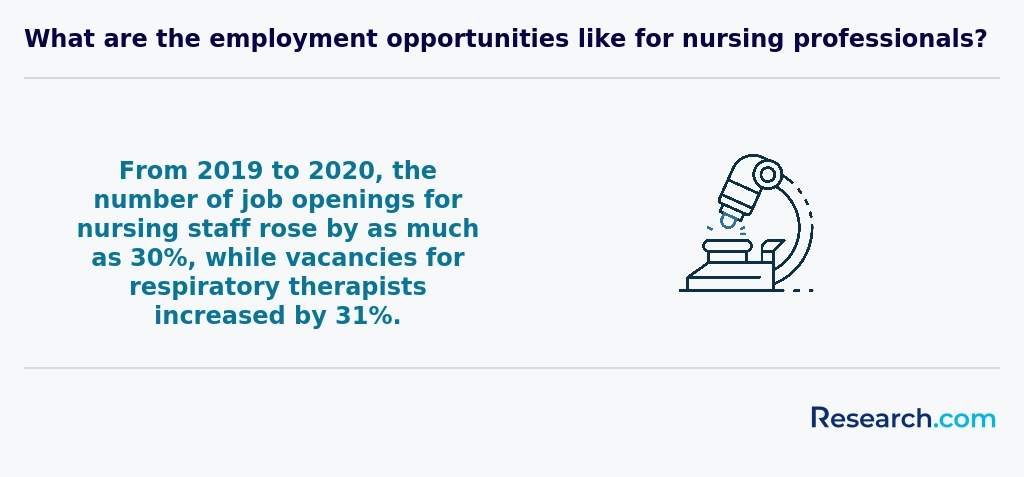
The job market for graduates holding online healthcare degrees in Tennessee is vibrant and full of opportunity. Many graduates from institutions like the University of Tennessee Health Science Center find themselves quickly stepping into roles within nursing, health administration, or allied health professions across Nashville and Memphis. These urban centers offer a variety of dynamic workplaces, from bustling hospitals to expanding outpatient facilities, making the transition from student to professional an exciting adventure.
For those diving into online healthcare jobs Tennessee offers, the growth rate of nearly 13% through 2032 means there is a bustling demand for well-prepared professionals who can adapt to evolving healthcare technologies, including telehealth services. Graduates often share how their flexible online coursework allowed them to gain practical experience while studying, making employment smoother and more rewarding.
Salary prospects provide extra motivation, with many healthcare managers and RNs earning between $60,000 and $90,000 annually. For students considering costs, an online healthcare path within Tennessee presents a more manageable investment compared to traditional programs nationally. Some even explore what is the easiest certification to get that pay well as a stepping stone in their careers.
Frequently Asked Questions About healthcare
Online healthcare degree students in Tennessee can maximize their learning experience by engaging actively with course materials and faculty. The Tennessee Higher Education Commission emphasizes the importance of time management, recommending students allocate consistent daily hours for study and clinical practice simulations. Utilizing resources like virtual labs and interactive modules can deepen understanding of complex healthcare topics.
Joining online study groups or professional networks within the state encourages collaboration and real-world insights. According to the Tennessee Department of Health, over 300,000 healthcare jobs demand up-to-date skills, so staying current with industry standards through webinars and certification preparatory courses is crucial.
Finally, students should seek local clinical placements to complement online learning and gain hands-on experience relevant to Tennessee's healthcare environment.
The healthcare field in Tennessee is evolving, with several emerging niches gaining attention. One prominent area is telehealth, which expanded rapidly during the COVID-19 pandemic. Tennessee health authorities reported a 500% increase in telehealth visits between 2019 and 2021, highlighting growing demand for remote care specialists.
Another fast-growing niche is healthcare informatics, combining nursing or clinical knowledge with data analytics to improve patient outcomes. Tennessee's healthcare sector increasingly invests in this field to address workforce shortages and enhance efficiency.
Additionally, roles in specialty care, such as gerontology and chronic disease management, are expanding due to Tennessee's aging population-over 16% of residents are 65 or older, according to the U.S. Census Bureau. These areas require advanced online degrees to prepare skilled professionals.
After completing an online healthcare degree in Tennessee, it is essential to prepare strategically for the job market. Start by researching the state's healthcare employment sectors, such as hospitals and outpatient care centers, which employ over 280,000 healthcare workers according to the Tennessee Department of Labor.
Networking plays a key role; join professional groups like the Tennessee Hospital Association and participate in local healthcare conferences. Additionally, pursue relevant certifications recommended by employers, such as Certified Healthcare Professional (CHP) credentials.
Tailoring your resume to highlight clinical skills and practicum experiences from your online program will improve job prospects. Tennessee's healthcare job market is growing steadily, so staying updated with state licensure requirements is crucial before applying to roles.
Employers in Tennessee seek healthcare degree graduates with strong clinical expertise and critical thinking skills. According to the Tennessee Department of Labor and Workforce Development, problem-solving abilities are crucial due to the state's increasing demand for healthcare services. Communication skills are also highly valued, especially in patient interactions and interdisciplinary teamwork.
Technology proficiency is becoming essential as electronic health records and telemedicine expand across Tennessee. Employers prioritize graduates familiar with healthcare informatics and data management to improve care delivery. Additionally, leadership and adaptability are important traits given the evolving healthcare regulations and treatments in the region.
Finding internships in Tennessee related to healthcare degrees involves several practical steps. Start by exploring partnerships between your online program and local hospitals, clinics, or public health organizations. Many Tennessee healthcare employers, including the Vanderbilt University Medical Center and East Tennessee Children's Hospital, offer internship opportunities.
Contact your school's career services for connections to Tennessee-specific internships. The Tennessee Department of Health reports that healthcare occupations are projected to grow 17% from 2020 to 2030, providing expanding internship possibilities.
Networking through professional organizations like the Tennessee Healthcare Association can also be valuable. Additionally, utilize state job boards and healthcare-focused internship databases to find local openings relevant to your degree.
Obtaining an online healthcare degree in Tennessee can significantly enhance career mobility and advancement opportunities. The state's healthcare sector is growing rapidly, with a 10.1% employment increase projected by the Tennessee Department of Labor and Workforce Development through 2030. Online degrees allow working professionals to gain advanced skills without relocation, improving access to promotions and leadership roles.
Healthcare employers in Tennessee highly value relevant credentials from accredited institutions, especially for roles in nursing administration, healthcare management, and public health.
Flexible online programs enable continuous education, which aligns with Tennessee's emphasis on lifelong learning for healthcare workers, as noted by the Tennessee Board of Licensing Health Care Facilities. This helps professionals stay competitive in a dynamic job market.
Studying for a healthcare degree online in Tennessee offers strong preparation for interdisciplinary roles by emphasizing collaborative skills and practical knowledge. Programs often include courses that integrate nursing, public health, administration, and clinical practice, reflecting real-world healthcare settings.
Tennessee's healthcare workforce faces growing complexity, with the Tennessee Department of Health highlighting a need for professionals trained to work across disciplines for improved patient outcomes. Many online degrees incorporate case studies and team-based projects to mirror these demands.
Students learn to communicate effectively with diverse professionals, including doctors, social workers, and policy makers, ensuring coordinated care. This approach aligns with the state's emphasis on innovative, patient-centered healthcare delivery models promoted by local health institutions.
Choosing between a thesis and a non-thesis healthcare degree program in Tennessee depends on your career goals and learning preferences. Thesis programs focus on research, requiring students to design and complete a significant study. This option suits those interested in academic roles or advanced research positions.
Non-thesis programs emphasize practical skills, often involving comprehensive exams or capstone projects. These cater to professionals aiming to advance clinically or administratively without deep research involvement.
According to Tennessee's Department of Health, healthcare jobs are growing rapidly, so hands-on experience can be particularly valuable for immediate workforce entry.
Cost and program length also matter; thesis tracks may take longer and demand more time than non-thesis paths.
Students in Tennessee seeking to study healthcare abroad through online programs have several viable options. Many U.S. universities, including those in Tennessee, partner with international institutions to offer joint online healthcare degrees. These programs often combine global perspectives with accredited U.S. curricula.
For example, the University of Tennessee provides resources helping students explore accredited international programs recognized by the Commission on Collegiate Nursing Education (CCNE) or the Accreditation Council for Education in Nutrition and Dietetics (ACEND).
This approach enables Tennessee students to gain a global healthcare education without leaving home while maintaining eligibility for U.S. licensure exams.
According to the Tennessee Department of Health, demand for healthcare professionals is projected to grow 15% by 2030, increasing the value of diverse, internationally informed qualifications.
Students pursuing online healthcare degrees in Tennessee can benefit from various part-time job opportunities that enhance practical skills and resume value. Positions such as medical assistants, patient service representatives, or pharmacy technicians provide hands-on experience while accommodating class schedules. The Tennessee Department of Labor reports healthcare support occupations are growing by 14% statewide, reflecting strong demand.
Employment in clinics, hospitals, and nursing homes offers exposure to patient care and administrative duties. Additionally, jobs in telehealth support and medical billing are increasingly relevant as Tennessee expands digital healthcare services. These roles align well with online study, offering flexible hours and valuable industry knowledge.
Working in these roles complements academic training by fostering communication skills, clinical understanding, and familiarity with healthcare regulations relevant to Tennessee's healthcare system.
Online healthcare students in Tennessee have access to a variety of networking opportunities designed to enhance their professional connections. Many universities offer virtual events, webinars, and discussion forums specifically for online learners, promoting interaction with peers and faculty. Additionally, Tennessee's robust healthcare industry, which employs over 300,000 professionals, creates ample opportunities for networking through local healthcare associations such as the Tennessee Hospital Association.
Students can also join nationwide groups like the American Public Health Association's Tennessee chapter or LinkedIn communities focused on healthcare in Tennessee. These platforms facilitate mentorship and job leads, crucial for career advancement in healthcare sectors statewide.
Alumni networks play a crucial role for students pursuing online healthcare degrees in Tennessee by providing valuable professional connections. These networks connect current students with graduates working in various Tennessee healthcare settings, aiding job placement and career advancement.
According to the Tennessee Department of Health, the state's healthcare workforce grew by 4.5% annually over the past five years, increasing demand for qualified professionals. Alumni networks help students tap into this growing market through mentorship programs and job referrals.
Furthermore, alumni groups often offer online events, workshops, and continuing education resources tailored specifically to Tennessee's healthcare environment. This engagement helps maintain industry knowledge and build reputations locally.
Strong alumni ties enhance networking and provide emotional support, which improves student retention and success in demanding healthcare fields.
Customizing an online healthcare degree program in Tennessee allows students to align their education with specific career goals. Many programs offer flexible electives and concentrations, such as healthcare administration, public health, or nursing leadership, enabling students to specialize based on industry demand. The Tennessee Department of Health reports growing employment in healthcare administration, emphasizing the value of tailored skills. Additionally, students can select practicum or capstone projects targeting their areas of interest, gaining relevant experience without geographical constraints. Collaborations between Tennessee institutions and local healthcare organizations provide networking opportunities that further refine career focus within the state's healthcare sector.
Online healthcare students in Tennessee often face challenges balancing coursework with personal and professional responsibilities. Many learners juggle full-time jobs and family duties while attending virtual classes, which can lead to time management difficulties.
Access to reliable internet service is another concern, especially in rural areas of Tennessee where broadband availability is limited. According to the Tennessee Broadband Accessibility Report (2023), about 15% of rural households lack high-speed internet, affecting online study quality.
Additionally, hands-on clinical experiences are essential in healthcare education but can be harder to arrange and complete remotely. Students must seek approved local healthcare facilities to fulfill these requirements, sometimes facing logistical hurdles.
Finally, limited peer interaction in online environments may impact collaborative learning and networking opportunities critical for healthcare careers.
With an online healthcare degree in Tennessee, graduates can pursue several professional certifications to advance their careers. Common certifications include Certified Professional in Healthcare Quality (CPHQ), which is nationally recognized and valued across healthcare institutions.
Other notable options are Certified Medical Manager (CMM) and Registered Health Information Administrator (RHIA). These certifications can enhance job prospects in healthcare administration, management, and health information management. According to the Tennessee Department of Health, certified professionals often see higher employment rates and better salaries.
These credentials typically require passing an exam and meeting education or experience criteria. Online healthcare degree programs in Tennessee often prepare students specifically for these certifications, supporting career advancement in a growing healthcare job market statewide.
When applying for an online healthcare program in Tennessee, start by carefully reviewing the specific admission requirements set by the institution. Many programs require a minimum GPA, letters of recommendation, and relevant healthcare experience. Highlight your experience clearly, as Tennessee's healthcare sector, comprising over 420,000 workers (Bureau of Labor Statistics, 2023), values practical skills.
Write a compelling personal statement that connects your career goals with the program's strengths. Emphasize your motivation to improve local healthcare outcomes, considering Tennessee ranks higher than the national average in chronic disease rates (CDC, 2022).
Submit all required documents before deadlines and request transcripts early to avoid delays. Strong communication and attention to detail demonstrate your readiness for rigorous online study.
The global perspective on healthcare careers highlights a growing demand for skilled professionals due to aging populations and rising chronic diseases. In the United States, including Tennessee, healthcare employment is projected to grow 13% from 2021 to 2031, faster than the average for all occupations, according to the U.S. Bureau of Labor Statistics. Tennessee's healthcare sector is expanding, driven by investments in medical technologies and rural healthcare access improvements. This international trend emphasizes the importance of advanced degrees, as employers seek candidates with expertise in healthcare management, policy, and technology. Online healthcare degrees in Tennessee can prepare students to meet these evolving global challenges.
Students pursuing an online healthcare degree in Tennessee can gain practical experience through clinical placements and internships arranged by their programs. Many accredited institutions collaborate with local hospitals and healthcare facilities, ensuring students meet state licensure requirements while earning hands-on experience.
The Tennessee Department of Health often sets standards requiring in-person clinical hours for healthcare degrees, even online ones. This means students must complete certain hours in approved settings such as clinics or nursing homes.
Additionally, virtual simulations and telehealth training are becoming common in Tennessee's online healthcare education, providing practical skills remotely.
Choosing the right concentration for an online healthcare degree in Tennessee involves evaluating your career goals and local healthcare demands. Tennessee has a growing healthcare sector, with employment in healthcare occupations expected to increase by 12% through 2030 according to the U.S. Bureau of Labor Statistics. Specializations such as nursing, health administration, and public health are particularly in demand. Consider concentrations that align with these areas to improve job prospects.
Research programs accredited by recognized bodies like the Commission on Collegiate Nursing Education or the Council on Education for Public Health. This ensures quality education and eligibility for certification exams. Reflect on your current skills and interests to choose a focus that enhances your strengths and future advancement.
Related Healthcare Rankings for Nearby States
- 2027 Easiest Online Doctorate in Healthcare Degree Programs Ranking in Kentucky
- 2027 Easiest Online Doctorate in Healthcare Degree Programs Ranking in Georgia
- 2027 Easiest Online Doctorate in Healthcare Degree Programs Ranking in Missouri
- 2027 Easiest Online Doctorate in Healthcare Degree Programs Ranking in Virginia
- 2027 Easiest Online Doctorate in Healthcare Degree Programs Ranking in Indiana
- 2027 Easiest Online Doctorate in Healthcare Degree Programs Ranking in South Carolina
- 2027 Easiest Online Doctorate in Healthcare Degree Programs Ranking in Illinois
- 2027 Easiest Online Doctorate in Healthcare Degree Programs Ranking in Ohio
- 2027 Easiest Online Doctorate in Healthcare Degree Programs Ranking in Florida
- 2027 Easiest Online Doctorate in Healthcare Degree Programs Ranking in Louisiana
Top Trending Healthcare Rankings
See What Experts Have To Say About Studying Healthcare
Read our interview with Healthcare experts

References
- Is an Online Degree the Same as a Traditional Degree | Online Degree https://www.cambridgehealth.edu/online-degrees/get-an-online-degree/is-an-online-degree-the-same-as-a-traditional-degree/
- Trends and opportunities in healthcare across emerging markets - Inizio https://inizio.com/insights/trends-and-opportunities-in-healthcare-across-emerging-markets/
- Best programs to become a medical in Tennessee https://clema.ai/tennessee/occupations/medical-and-health-services-managers
- The Value of Healthcare Organization Alumni Associations https://consultqd.clevelandclinic.org/the-value-of-healthcare-organization-alumni-associations
- Online Degrees & Colleges in Tennessee (TN)|OnlineDegrees.com https://www.onlinedegrees.com/tennessee/
- Advance Your Education and Career While Working in Healthcare https://www.hospitalrecruiting.com/blog/4236/advance-your-education-and-career-while-working-in-healthcare/
- Alumni Reconnect - Poznan University of Medical Sciences https://pums.edu.pl/alumni-friends/alumni-reconnect/
- How to Create a Healthcare Career Roadmap https://www.ihire.com/resourcecenter/jobseeker/pages/how-to-create-a-healthcare-career-roadmap
- Students and Alumni associations - Europubhealth https://www.europubhealth.org/students-alumni-associations/
- Career Opportunities in Healthcare Without a Medical Degree https://www.just-medical.ch/en/blog/medical-careers-without-formal-education