2027 Easiest Online Doctorate in Healthcare Degree Programs Ranking in South Carolina

Co-Founder and Chief Data Scientist
Choosing the right healthcare doctorate program can feel overwhelming, especially when balancing work and life. This article offers a helpful resource for students in South Carolina by presenting the 2027 Easiest Online Doctorate in Healthcare Degree Programs Ranking in South Carolina created by the Research.com team of data scientists.
By exploring this ranking, you'll gain insight into programs that combine quality education with flexibility, making your goals more achievable.
Pursuing a healthcare degree opens doors to meaningful careers that impact lives positively, and this guide aims to support you on that journey.
Key benefits of getting online healthcare degree in South Carolina
- Salary for healthcare degree graduates: Graduates can expect strong earnings, such as a Program Director in Healthcare making around $129,330 annually or a Research Director earning about $112,380. These roles highlight rewarding financial opportunities in healthcare careers.
- Potential career paths: For instance, a graduate from the University of South Carolina might pursue roles like Chief Development Officer with an average salary of $95,600 or Principal Scientist earning $112,380, showcasing diverse career options. The healthcare field offers various impactful positions fitting different interests.
- Benefits of online degrees: Earning a healthcare degree online from institutions like Clemson University allows flexibility to balance work and study, providing convenience without sacrificing the quality of education. This approach often accelerates career growth by enabling learning at your own pace.
- Key benefits of getting online healthcare degree in South Carolina
- What can I expect from online healthcare degree in South Carolina?
- Where can I work with online healthcare degree in South Carolina?
- How much can I make with online healthcare degree in South Carolina?
- 2027 Easiest Online Doctorate in Healthcare Degree Programs Ranking in South Carolina
- Key Findings
- How long does it take to complete online healthcare degree in South Carolina?
- Research and Dissertation Requirements
- What's the difference between online and on-campus healthcare degree?
- Accreditation and Quality Assurance for Online Doctorate in Healthcare Programs
- What is the average cost of online healthcare degree in South Carolina?
- Accreditation and Licensing Requirements for Online Healthcare Doctorate Programs in South Carolina
- What financial aid is available to online healthcare degree students in South Carolina?
- Additional Resources & Comparative Insights
- What are the prerequisites for enrolling in online healthcare degree program in South Carolina?
- Tips for Success in Your Online Healthcare Doctorate Programs
- What courses are typically in online healthcare degree programs in South Carolina?
- What types of specializations are available in online healthcare degree programs in South Carolina?
- How do you choose the best online healthcare degree in South Carolina?
- What career paths are available for online healthcare degree students in South Carolina?
- What is the job market for online healthcare degree in South Carolina?
- Related Healthcare Rankings for Nearby States
- Top Trending Healthcare Rankings
- See What Experts Have To Say About Studying Healthcare
What can I expect from online healthcare degree in South Carolina?
The average cost of an online healthcare degree in South Carolina typically ranges between $15,000 and $40,000, depending on the institution and program length. For example, graduates from well-known universities offering nursing or healthcare administration online degrees often find that tuition falls near the mid to upper end of this range, reflecting the quality and accreditation of their programs.
Many students appreciate the flexibility to balance work and family while managing tuition payments through financial aid or employer tuition reimbursement. Graduates frequently share how attending schools recognized by the South Carolina Board of Nursing or the Commission on Collegiate Nursing Education provided them confidence that their investment aligned with state licensure requirements.
At colleges popular for healthcare degrees in South Carolina, students often experience a blend of virtual advising and occasional on-site clinical sessions. This hybrid setup supports skill-building without excessive travel, which helps control additional costs beyond tuition.
Considering these factors, prospective students benefit from researching detailed cost breakdowns at their chosen institutions to plan for tuition along with any fees tied to clinical placements or certification exams.
Where can I work with online healthcare degree in South Carolina?
Graduates with an online healthcare degree from institutions like the Medical University of South Carolina or Clemson University find diverse opportunities across South Carolina's healthcare landscape. Many step into hospital systems such as Prisma Health, where skills in nursing leadership and health informatics are highly valued. One graduate shared how her focus on healthcare administration helped her quickly advance to a managerial role at a major hospital network, highlighting practical career growth.
Others pursue roles in long-term care facilities, managing operations at nursing homes or assisted living centers. Given South Carolina's aging population, these positions offer job stability and meaningful work, as experienced by alumni who coordinate care programs that improve senior patients' lives.
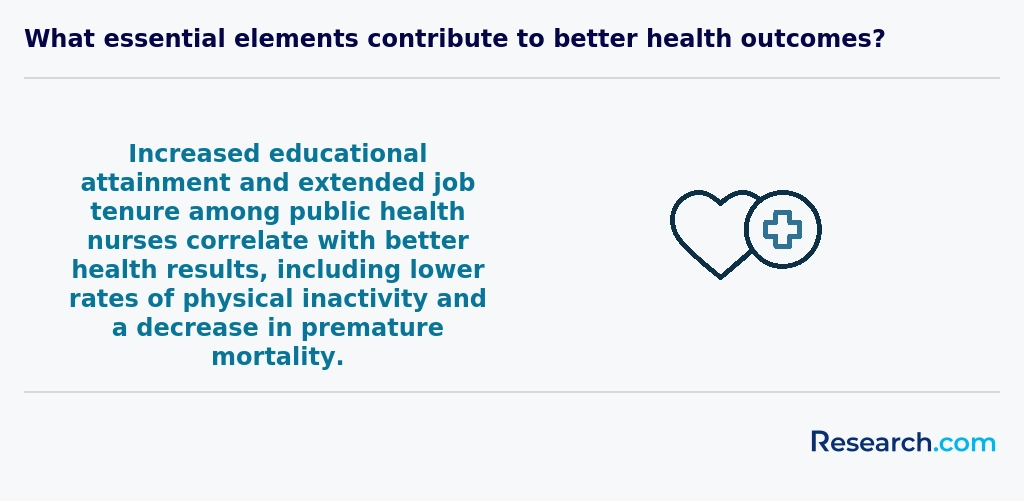
Public health agencies and community organizations also employ healthcare degree holders, especially for positions involving health education and chronic disease management. Graduates from University of South Carolina's online program have praised how their work directly impacts public health outcomes, fueling a sense of purpose.
Finally, healthcare consulting firms and insurance companies appreciate candidates with data analytics and policy expertise gained online, opening doors beyond traditional clinical settings. Graduates emphasize that verifying licensure requirements early ensures a smooth transition into these career paths within the state.
How much can I make with online healthcare degree in South Carolina?
Graduates earning an online healthcare degree in South Carolina often see strong earning potential, especially when targeting roles backed by the latest salary data. For example, a Program Director in healthcare can expect a mean annual wage of $129,330, reflecting the high value placed on leadership skills gained through advanced online studies offered by institutions like the Medical University of South Carolina.
Those specializing in development or fundraising within healthcare organizations, such as Chief Development Officers, report average yearly incomes around $95,600. This aligns well with the flexible, career-focused online programs at colleges like Clemson University that emphasize practical management skills.
Healthcare graduates pursuing research-intensive roles benefit too. Positions such as Healthcare Services Researcher, Research Director, and Principal Scientist share a similar salary range, averaging $112,380 annually. Many who completed online degrees from state universities found these roles rewarding both financially and intellectually.
Such salaries make balancing study and work viable, especially for graduates leveraging online learning to accommodate existing job commitments in cities like Charleston or Columbia. By choosing the right program and focusing on in-demand specialties, graduates can confidently step into roles that offer both fulfilling work and competitive pay.
2027 Easiest Online Doctorate in Healthcare Degree Programs Ranking in South Carolina
How do we rank schools?
Investing in your education is a significant decision that can shape your future, and the Research.com team understands the importance of making informed choices. To assist prospective students interested in healthcare, we have meticulously crafted the "2027 Easiest Online Doctorate in Healthcare Degree Programs Ranking in South Carolina." Our commitment to quality, credibility, and accuracy is reflected in the extensive research and analysis conducted to compile this ranking.
We utilized the following reputable data sources to ensure a comprehensive evaluation of online healthcare doctorate programs:
By exploring this ranking, readers will gain valuable insights into the easiest and most accessible online healthcare doctorate programs available in South Carolina, helping them make informed decisions about their educational journey. For more details on our methodology, please visit our Research.com methodology page.


Key Findings
- Online healthcare degrees in South Carolina cost between $7,000 and $15,000 per year at public schools, while private schools may charge over $20,000 annually.
- Employment in healthcare occupations in South Carolina is expected to grow by 20% over the next decade, outpacing the national average.
- Starting salaries for graduates typically range from $55,000 for registered nurses to around $60,000 for healthcare administrators.
- Mid-career professionals in healthcare can earn between $70,000 and $90,000 or more annually, depending on their specialty.
- Strong demand for healthcare workers exists in urban areas like Charleston, Columbia, and Greenville, as well as rural regions experiencing staff shortages.
- Accreditation is essential for online healthcare programs to ensure quality education and eligibility for professional licensure in South Carolina.
How long does it take to complete online healthcare degree in South Carolina?
Completing an online healthcare degree in South Carolina generally depends on the level of study and your personal pace. For instance, associate degrees often take around two years at institutions like Midlands Technical College, perfect for those eager to quickly enter the workforce in entry-level roles.
Bachelor's degrees, such as nursing programs offered by the University of South Carolina, typically require four years of full-time study. However, many students appreciate flexible options like part-time enrollment or accelerated tracks that let motivated learners finish in three years or less by transferring credits.
For working professionals balancing family and jobs, master's degrees from schools like Clemson University can take between 18 months to three years. These programs provide the freedom to tailor course loads according to your schedule, making advancement achievable without sacrificing responsibility.
Doctoral programs, including the Doctor of Nursing Practice, often stretch from three to five years, especially when extensive research and clinical hours are involved. Graduates emphasize that steady progress paired with flexible online formats at these South Carolina universities keeps motivation high despite the longer timeline.
Research and Dissertation Requirements
Embarking on an online doctorate in healthcare in South Carolina involves a rigorous research component and dissertation process that distinguishes doctoral-level study from master’s programs. Prospective candidates should expect to: • Identify a research topic aligned with current healthcare challenges in South Carolina, such as rural health disparities or telehealth innovations. • Work closely with a faculty mentor or dissertation committee to refine hypotheses, develop methodologies, and secure Institutional Review Board (IRB) approval for studies involving human subjects. • Complete coursework in advanced research methods and statistics-often including modules on qualitative analysis, biostatistics, and evidence-based practice-to prepare for data collection and interpretation. Doctoral students typically spend two to three semesters designing and conducting their dissertation research, followed by a defense of their findings. During this phase, regular virtual seminars and peer‐review workshops provide critical feedback, foster academic collaboration, and ensure adherence to scholarly standards. Many programs also offer structured writing retreats and dedicated dissertation support services, such as grant‐writing assistance and publication coaching. These resources help streamline the path from proposal to publication and increase the impact of your work on healthcare policy, administration, or education. In addition to doctoral research, candidates may enhance their practical skill set by pursuing targeted certifications. For example, integrating specialized credentials like Quick Medical Certifications That Pay Well in Healthcare into your profile can broaden clinical expertise and bolster employability while you finalize your dissertation.
What's the difference between online and on-campus healthcare degree?
Online healthcare degrees in South Carolina, such as those offered by universities like the University of South Carolina or Clemson University, allow students to complete coursework remotely with flexible scheduling. Graduates often appreciate being able to balance studies with work or family commitments while attending virtual lectures and submitting assignments online. For example, one graduate from a popular online nursing program mentioned how this flexibility helped them stay on track without sacrificing income.
In contrast, on-campus programs require attending labs and clinical sessions in person, providing direct access to campus resources and personal interaction with faculty and classmates. Graduates recall the benefit of hands-on practice in well-equipped facilities like those at MUSC, which enhanced their confidence before entering the workforce.
Both paths involve local clinical placements to meet South Carolina licensing requirements. Online students typically arrange these practical experiences nearby, which can feel less isolating than expected when schools coordinate placements effectively.
Cost-wise, online programs often save money by eliminating campus fees and commute expenses, though tuition varies. Networking opportunities differ too; while on-campus students thrive on face-to-face contact, online learners connect through virtual forums tailored to build community.
Accreditation and Quality Assurance for Online Doctorate in Healthcare Programs
Ensuring your online doctorate in healthcare is accredited is essential for securing federal financial aid, transferring credits, and meeting state licensure requirements. In South Carolina, programs should hold regional accreditation from the Southern Association of Colleges and Schools Commission on Colleges (SACSCOC) and, where applicable, specialized accreditation from bodies such as the Commission on Accreditation of Healthcare Management Education (CAHME) or the Council on Education for Public Health (CEPH). These accreditations validate faculty credentials, curriculum rigor, and student support services, helping you graduate with a credential universally recognized by employers and professional associations. Accredited programs also streamline credit transfers for professionals with prior graduate coursework or related certifications, minimizing redundant coursework and accelerating time to degree completion. For those seeking an affordable pathway to doctoral study, it can be strategic to begin with a fully accredited master’s program before advancing. Explore cost-effective, accredited master’s options through our Most Affordable Online Master's in Healthcare Degree Programs Ranking in Columbia, MO, which highlights institutions that balance quality assurance with budget-friendly tuition.
What is the average cost of online healthcare degree in South Carolina?
The average cost of an online healthcare degree in South Carolina depends largely on residency status and the level of study. In-state students typically benefit from more affordable tuition, with the median in-state total cost being around $56,998. Those pursuing graduate or doctoral levels in healthcare programs often find costs higher, especially through well-known institutions like Clemson University and the University of South Carolina, where graduates report overall expenses closer to or exceeding this median.
Out-of-state students usually face higher tuition, with median totals reaching about $106,412. These figures reflect the premium associated with non-resident enrollment and underscore the importance of confirming in-state status early to maximize savings. Online learners pursuing doctoral degrees, such as the Doctor of Nursing Practice, frequently encounter tuition toward the upper end of this range, but many advance with optimism, citing support from faculty and flexible online formats that fit demanding schedules.
Graduates from South Carolina's online healthcare programs often mention the value of balancing cost with quality education, emphasizing how the financial commitment felt manageable thanks to scholarships and financial aid. Prospective students keen on minimizing expenses should explore options thoroughly and view resources like the cheapest healthcare programs in south carolina to find competitive pricing and support.
Understanding the average cost of online healthcare degrees in South Carolina helps students plan effectively and pursue their careers without unexpected financial stress, making education goals feel achievable and well within reach.
Accreditation and Licensing Requirements for Online Healthcare Doctorate Programs in South Carolina
Before enrolling in any online doctorate in healthcare program, it’s essential to confirm both institutional and programmatic accreditation to ensure your degree is recognized by employers and licensure boards. In South Carolina, reputable institutions typically hold regional accreditation through the Southern Association of Colleges and Schools Commission on Colleges (SACSCOC). For healthcare administration and public health doctorates, additional programmatic accreditation from bodies such as the Council on Education for Public Health (CEPH) or the Commission on Accreditation of Healthcare Management Education (CAHME) further validates curriculum rigor and compliance with industry standards. Accredited programs qualify students for federal financial aid, state licensure exams, and streamlined transfers should you pursue credits at other institutions. Prior to application, verify accreditation status on the U.S. Department of Education’s Database of Accredited Postsecondary Institutions and Programs (DAPIP) and review licensure requirements directly with the South Carolina Board of Medical Examiners or the Board of Nursing, depending on your specialization. Failure to verify accreditation can result in obstacles to certification, hindered career advancement, and ineligibility for grant or fellowship opportunities. Licensing requirements for doctoral graduates vary by role and specialization. For example, a Doctor of Nursing Practice (DNP) candidate must ensure the program meets South Carolina’s Board of Nursing criteria, including clinical hour minimums and faculty qualifications. In contrast, healthcare policy or informatics doctorates may require alignment with CEPH standards to pursue roles in public health leadership or academic research. Always consult state licensing boards early in your search to map required competencies, practicum hours, and examination prerequisites. While affordability is important, balance cost with accreditation quality. For a comparative view of cost-effective pathways at the master’s level that often serve as stepping stones to doctoral study, see our Most Affordable Online Master's in Healthcare Degree Programs Ranking in Columbia, MO. Prioritizing accredited, licensure-aligned programs safeguards your investment, maximizes eligibility for financial support, and paves the way for a seamless transition into advanced healthcare leadership roles.
What financial aid is available to online healthcare degree students in South Carolina?
Students pursuing online healthcare degrees at schools like the University of South Carolina or Clemson University often begin by filling out the FAFSA to access federal aid options like Pell Grants and Direct Loans. Many who have taken this step report feeling relieved to receive Pell Grants, which don't require repayment and cover a significant portion of tuition costs.
State-specific aid through the South Carolina Tuition Grants Program also provides valuable support, particularly for those attending private nonprofit colleges online. Graduates share how combining this aid with scholarships from the South Carolina Technical College System made their education more affordable and practical.
Professional scholarships, such as those from the South Carolina Nurses Foundation, target students specializing in nursing or healthcare administration, offering much-needed funds that experts recommend applying for early.
Working students often tap into employer tuition reimbursement programs, which one graduate credited with enabling degree completion while maintaining full-time work in healthcare.
Each financial aid avenue unlocks opportunities to reduce costs and ease financial stress, making online healthcare degrees in South Carolina attainable for many.
Additional Resources & Comparative Insights
Navigating the landscape of online healthcare doctoral programs can be complex, so supplementing your research with additional resources is essential for a well-rounded decision. In this section, we provide expert tips on evaluating program outcomes, networking opportunities, and long-term career prospects. For instance, comparing cost-effective options across related disciplines can offer further perspective on your investment in continued education. If you’re interested in exploring cost-effective pathways in a related field, you might find our ranking of most affordable online exercise science degree programs a valuable resource. Moreover, delving into alumni success stories, industry trends, and emerging technologies in healthcare can augment your insight beyond just program costs and basic curriculum details. Utilizing these combined insights will empower you to choose a program that not only meets your immediate educational needs but also positions you for future industry innovations and leadership.
What are the prerequisites for enrolling in online healthcare degree program in South Carolina?
To enroll in an online healthcare degree in South Carolina, the first step is having a high school diploma or GED, which most programs require as a baseline. For example, graduates from institutions like the University of South Carolina often stress how meeting this simple criterion made applying straightforward and motivating. If you're aiming for advanced degrees, make sure you hold a relevant bachelor's degree, such as one in biology or nursing, before applying.
Standardized tests like the SAT or ACT may still be required for some undergrad programs, though many schools, including popular ones like Clemson University, now offer test-optional policies, easing the entry process. Be prepared to have completed prerequisite courses like biology, chemistry, and anatomy-graduates often recall how these subjects built their confidence for tougher healthcare concepts.
Maintaining a GPA between 2.5 and 3.0 is key; this shows you're ready for intensive learning. Also, gather letters of recommendation and craft a strong personal statement, and if possible, get some healthcare experience through volunteering. This practical background helped many South Carolina students feel ready and connected to their studies.
Lastly, verify that your online program is accredited by agencies such as CAAHEP or ACEN to ensure your credentials will be recognized state-wide and beyond.
Tips for Success in Your Online Healthcare Doctorate Programs
As you embark on your journey in an online healthcare doctorate program, developing strategies for success is crucial. Establish a dedicated study space that minimizes distractions, and familiarize yourself with the digital tools and platforms used by your institution. Creating a realistic schedule that balances coursework, professional responsibilities, and personal life can help maintain steady progress. Be proactive in networking with peers and mentors through virtual study groups, discussion forums, and social media channels focused on healthcare education. Engaging with experienced professionals can provide insights into navigating challenges and finding opportunities for career advancement. Research and compare resources, including reviews of programs like the cheapest healthcare programs in south carolina, to make informed decisions about your academic investments. Additionally, setting measurable goals, seeking regular feedback, and utilizing available student support services will empower you to stay motivated and address any academic hurdles promptly. These proactive steps will not only enhance your learning experience but also prepare you for long-term success in the dynamic healthcare industry.
What courses are typically in online healthcare degree programs in South Carolina?
Online healthcare degree programs in South Carolina often start with foundational courses that build essential knowledge. Graduates from universities like the University of South Carolina note how classes such as Introduction to Healthcare Systems helped them understand local healthcare structures and the unique challenges in the state.
Next, students dive into specialized courses shaped by their career goals. For example, healthcare administration students at Clemson University found Healthcare Ethics and Law especially valuable, as it clarified regulations they deal with daily. Others appreciated classes like Healthcare Finance and Budgeting, which teach the skills needed to manage costs in South Carolina's tightly regulated healthcare market.
Practical skills are a highlight of these programs. Coursework in Care Coordination and Case Management prepares students for real-world patient interactions, while Health Information Technology classes help them master the electronic systems prevalent in South Carolina hospitals. Graduates often express confidence entering their roles, thankful for the clear, hands-on training that aligns perfectly with local job demands.
What types of specializations are available in online healthcare degree programs in South Carolina?
Online healthcare degree specializations South Carolina students often pursue include Healthcare Administration, where graduates learn to efficiently manage hospitals and clinics by mastering budgeting and regulatory compliance. Many students at popular institutions like the University of South Carolina appreciate how this specialization prepares them for leadership roles in the state's evolving healthcare facilities. Nursing Specializations are also prominent, with tracks such as nurse practitioner and nurse education. Graduates frequently share how these programs equipped them to meet the growing local demand for skilled nursing professionals.
Public Health specialization appeals to those interested in tackling challenges like chronic diseases and rural healthcare disparities in South Carolina. Students from well-regarded colleges report gaining practical skills to design impactful community health programs. Health Informatics draws learners focused on technology, offering them insights into electronic health records and data-driven care improvements relevant to the state's healthcare sector.
Other options include Rehabilitation Counseling, Pharmacy Practice, and Clinical Research. For a broader perspective on affordable study choices, students often consult the ranking of most affordable online exercise science degree programs, which complements healthcare education planning.
How do you choose the best online healthcare degree in South Carolina?
Start by ensuring the program holds accreditation from agencies like the CCNE or ACOTE. Graduates from well-known South Carolina universities often share how accreditation directly impacted their licensure and job prospects, making it a crucial step for anyone seeking the best online healthcare degree programs South Carolina offers. Next, compare tuition costs, keeping in mind that public institutions typically provide more affordable tuition, especially to in-state students. Budget for extra costs such as textbooks and technology to avoid surprises.
Flexibility matters: many students balancing work and study prefer asynchronous classes that allow them to engage on their own schedule. Those enrolled at popular colleges appreciate programs that let them complete clinical practicum within South Carolina, avoiding costly relocations. This local access to clinical opportunities can make a big difference in managing time and expenses.
Consider career outcomes by reviewing graduation rates and job placement statistics; graduates from South Carolina's healthcare programs often highlight steady employment after completion. For those interested in shorter qualifications, exploring Quick Medical Certifications That Pay Well in Healthcare can be a smart entry point. Practical planning through these steps ensures a rewarding experience when pursuing an affordable online doctorate healthcare South Carolina.
What career paths are available for online healthcare degree students in South Carolina?
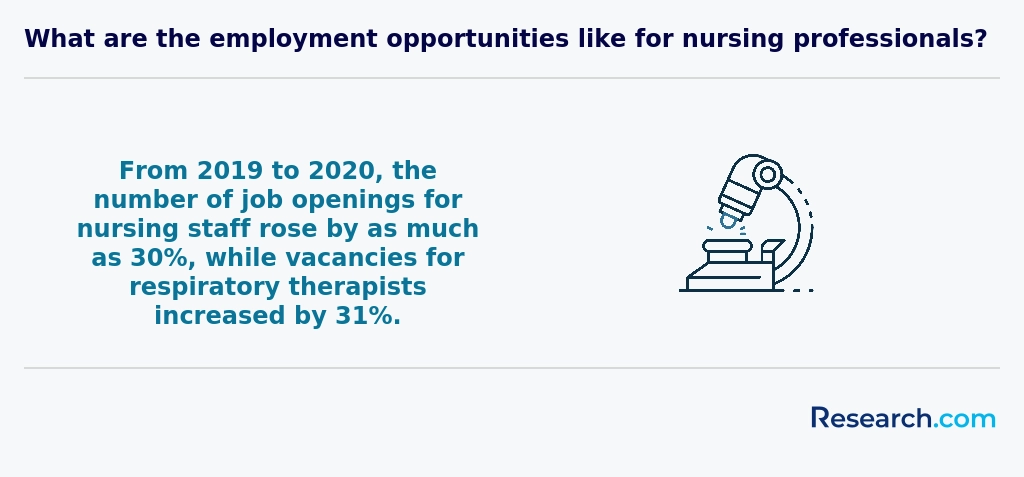
Graduates with an online healthcare degree in South Carolina find a range of practical career paths that directly respond to local healthcare needs. Many choose to become Registered Nurses (RN) or Nurse Practitioners (NP), roles that are consistently in demand as South Carolina's population ages. Others move into healthcare administration positions, managing hospital operations or public health programs-a path that fits well for students from major institutions like the University of South Carolina or Clemson University. Real experiences from graduates show that becoming a Health Informatics Specialist can lead to impactful roles handling medical data and technology, crucial in modern South Carolina clinics.
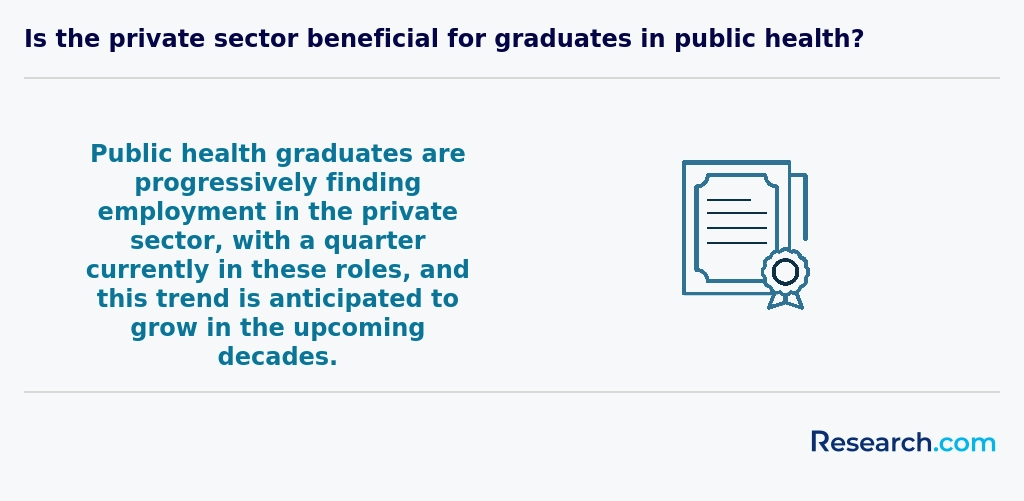
Public Health Specialists also play a vital role, especially in rural areas, by engaging community wellness and disease prevention programs. For those interested in research, opportunities exist as Medical and Health Services Researchers contributing to evidence-based healthcare improvements. To explore affordable options for advancing through online degrees, consider the Most Affordable Online Master's in Healthcare Degree Programs Ranking in Columbia, MO, which can guide your next steps towards these careers.
These paths reflect both the state's evolving outlook on healthcare and the practical benefits of pursuing online healthcare degree careers South Carolina offers.
What is the job market for online healthcare degree in South Carolina?
The online healthcare job opportunities South Carolina offers are strong, reflecting the state's growing healthcare sector. Graduates from popular institutions like the University of South Carolina and Clemson University often find themselves readily employed in hospitals, outpatient centers, and home healthcare services. Many report feeling energized by the practical skills gained and the flexibility online programs provide, allowing them to work while studying. The increasing demand for qualified nurses, healthcare managers, and therapists means that students are stepping into roles with promising advancement opportunities and financial stability.
For students concerned about affordability, online programs frequently present competitive options compared to traditional degrees. Those aiming to accelerate their career path might explore the fastest associates degree online available, which some graduates have used as a springboard to more advanced healthcare roles. The positive employment outlook reflects an encouraging blend of growing job openings and practical training aligned with South Carolina healthcare degree employment outlook projections.
Frequently Asked Questions About healthcare
Online healthcare degree students in South Carolina can maximize their learning by actively engaging with digital resources and virtual classrooms. Utilizing interactive tools such as discussion boards and video conferencing helps foster communication with instructors and peers, which is crucial for mastering complex healthcare topics. Supplementing coursework with local healthcare webinars or workshops can enhance practical knowledge.
Given South Carolina's expanding healthcare industry, with a growth rate surpassing the national average at 15.5% between 2020-2030 (Bureau of Labor Statistics), students should seek internships or clinical opportunities nearby to gain hands-on experience. Accessing state-specific healthcare data and policies can also deepen understanding relevant to local practice environments.
The healthcare industry is rapidly evolving, creating new opportunities for professionals pursuing online degrees. Emerging niches in South Carolina include telehealth, which has grown significantly due to increased demand for remote patient care. The South Carolina Department of Health and Environmental Control notes telemedicine visits rose by over 150% between 2019 and 2022.
Another promising area is healthcare informatics, where specialists analyze data to improve patient outcomes. South Carolina hospitals increasingly adopt advanced electronic health records, boosting demand for these skills.
Additionally, gerontology is expanding as the state's elderly population grows. According to the U.S. Census Bureau, South Carolina's population aged 65 and older is expected to increase by 30% by 2030, fueling care needs in this field.
After completing an online healthcare degree in South Carolina, preparing for the job market involves several key steps. First, graduates should obtain any required state licensures or certifications, which are essential for many healthcare roles. South Carolina's Department of Labor and Licensing regulates these credentials. Networking is also crucial; joining local healthcare associations, such as the South Carolina Hospital Association, can create valuable connections.
Gaining practical experience through internships or volunteer work enhances employability. According to the U.S. Bureau of Labor Statistics, healthcare occupations in South Carolina are projected to grow 14% from 2020 to 2030, highlighting increasing job opportunities. Finally, tailoring resumes to highlight both academic and hands-on skills helps graduates stand out in this competitive field.
Employers in South Carolina highly value healthcare graduates who demonstrate strong clinical knowledge paired with effective communication skills. According to the South Carolina Department of Health and Environmental Control, professionals must be adept at patient interaction and teamwork to improve care quality.
Analytical thinking and proficiency in healthcare technology are also critical, given the increasing use of electronic health records in local hospitals. The state's healthcare sector emphasizes adaptability to evolving regulations and policies, especially as telehealth services grow.
Leadership and ethical decision-making are essential, particularly in management roles within healthcare facilities. These combined skills enhance employability and career advancement in South Carolina's competitive healthcare environment.
Finding healthcare internships in South Carolina begins with researching hospitals, clinics, and public health organizations that partner with academic programs. Institutions like the Medical University of South Carolina (MUSC) offer various internship opportunities directly aligned with healthcare studies. According to the South Carolina Department of Health and Environmental Control, healthcare jobs in the state are projected to grow over 15% through 2030, increasing demand for hands-on experience.
Students should also explore local non-profits and government health agencies, which frequently provide internships. Utilizing university career centers and online internship platforms focused on healthcare can narrow down available positions. Networking with professionals at healthcare conferences or through alumni connections can further uncover hidden internship options.
An online healthcare degree in South Carolina can significantly enhance career mobility and advancement for professionals in the region. With a growing healthcare industry that employed over 320,000 workers as of 2023, the demand for qualified leaders and specialists is rising (South Carolina Department of Employment and Workforce).
Obtaining a degree online offers flexibility, allowing working professionals to upskill without interrupting their careers. This can lead to roles in administration, policy-making, or advanced clinical positions. Online programs also often connect students with regional healthcare networks, increasing job opportunities within the state.
South Carolina's healthcare sector reports a median wage growth potential of about 8% over the next decade, higher than many other industries (Bureau of Labor Statistics). Thus, an online healthcare degree can be a pathway to higher salaries and leadership roles, supporting upward mobility in a competitive job market.
Studying for an online healthcare degree in South Carolina equips students with skills essential for interdisciplinary roles by emphasizing collaboration across various healthcare fields. Programs often integrate courses in public health, nursing, administration, and health informatics to foster a broad understanding of healthcare systems.
South Carolina faces diverse healthcare challenges, including rural health disparities and chronic disease management, which require coordinated efforts among professionals. According to the South Carolina Department of Health and Environmental Control (DHEC), these programs prepare students to work effectively in teams addressing such complexities.
Additionally, accredited online degrees align with national standards, ensuring graduates can confidently collaborate with physicians, nurses, and social workers. This approach mirrors the growing trend of interdisciplinary care models in U.S. healthcare, promoting improved patient outcomes and efficient service delivery.
When choosing between a thesis and a non-thesis healthcare degree program in South Carolina, consider your career goals and learning preferences. Thesis programs often focus on research, ideal for students who want to pursue academic or research careers. Non-thesis options typically emphasize practical skills for immediate application in healthcare settings.
South Carolina has a growing healthcare sector, contributing over 13% to the state's GDP, according to the SC Department of Commerce. This creates demand for professionals skilled in applied knowledge.
Thesis programs may require stronger writing and analytical skills, while non-thesis routes offer more flexible, coursework-based tracks that suit working professionals.
Students based in South Carolina interested in studying healthcare abroad typically explore online programs offered by international universities with US accreditation. These programs allow South Carolina residents to earn reputable healthcare degrees without relocating. South Carolina ranks among the top states for healthcare job growth, which encourages learners to seek advanced degrees that broaden their knowledge globally. For example, many schools in Canada and the UK offer online healthcare degrees recognized by US credentialing bodies, making credits transferable for licensure in South Carolina.
It's important to verify that the foreign program meets South Carolina's licensing requirements before enrollment. Resources like the South Carolina Board of Medical Examiners provide guidance on accepted credentials.
In South Carolina, part-time jobs that complement online healthcare degrees offer valuable practical experience. Positions such as medical assistants, pharmacy technicians, and home health aides provide hands-on exposure while accommodating flexible schedules. According to the South Carolina Department of Employment and Workforce, healthcare support roles are projected to grow by 15% from 2020 to 2030, highlighting strong job prospects.
Working as a patient care technician or medical receptionist can also strengthen communication and organizational skills critical in healthcare settings. These jobs often pay between $12 and $18 per hour, allowing students to support themselves financially while studying.
Moreover, volunteering or part-time roles in local clinics and hospitals offer networking opportunities with licensed professionals. These experiences enhance resumes and deepen understanding of healthcare administration, patient interaction, and clinical procedures.
Online healthcare students in South Carolina have several networking opportunities designed to support their academic and professional growth. Many universities offering online healthcare degrees provide virtual events, webinars, and online forums where students can connect with peers and faculty. Additionally, professional organizations like the South Carolina Healthcare Association offer memberships that include access to conferences and local chapters.
Healthcare in South Carolina is growing, with the sector employing over 331,000 people as of 2023, according to the South Carolina Department of Employment and Workforce. This growth creates strong networking potential for students transitioning to the workforce.
Students are also encouraged to participate in local healthcare workshops and internships facilitated by their schools, helping to build regional professional connections even while studying online.
Alumni networks offer significant benefits to students pursuing online healthcare degrees in South Carolina by creating strong professional connections. These networks allow current students to engage with graduates working in diverse healthcare settings across the state, including hospitals, clinics, and public health organizations.
Through alumni events and online platforms, students gain access to mentorship, job opportunities, and industry insights. Given South Carolina's growing healthcare sector, which added over 30,000 jobs from 2015 to 2022 (Bureau of Labor Statistics), such connections can be crucial for career advancement.
Furthermore, alumni often share advice on navigating licensure requirements and continuing education, which enhances students' chances of success post-graduation.
Customizing an online healthcare degree in South Carolina allows students to align education with specific career goals. Many universities offer flexible curricula, enabling learners to select electives in areas like health administration, nursing leadership, or public health. This tailored approach supports diverse career paths, from hospital management to healthcare policy.
Students can also pursue certificate programs or concentrations within their degrees to deepen expertise. South Carolina's healthcare sector emphasizes fields such as gerontology and rural health, reflecting local workforce needs, which universities often integrate into their programs.
Choosing accredited schools with strong clinical partnerships enhances practical experience crucial for career advancement.
Online healthcare students in South Carolina face several common challenges related to balancing rigorous academic workloads with personal and professional responsibilities. Many students struggle with limited hands-on clinical experiences, which are crucial in healthcare education but sometimes difficult to arrange remotely. Additionally, South Carolina has a shortage of healthcare professionals, increasing competition for local clinical placements, as noted by the South Carolina Department of Health and Environmental Control.
Connectivity issues in rural areas also pose barriers, since internet access is essential for participating in online courses. According to the FCC, approximately 22% of South Carolina's rural residents lack high-speed internet. Furthermore, students often encounter difficulties in staying motivated and managing time effectively without traditional campus support. Access to academic advising and tutoring services can vary greatly across institutions, impacting student success.
Graduates with an online healthcare degree in South Carolina can pursue various professional certifications to enhance their careers. Common certifications include Certified Medical Manager (CMM), Certified Professional in Healthcare Quality (CPHQ), and Registered Health Information Technician (RHIT). These credentials recognize specialized skills and often improve job prospects.
The South Carolina Department of Health and Environmental Control supports healthcare professionals by providing resources on licensure and certification requirements, ensuring local standards are met.
Many programs prepare students to sit for national exams from recognized bodies such as the American Health Information Management Association (AHIMA) or the Healthcare Financial Management Association (HFMA). Achieving certification may lead to higher salaries and leadership roles in South Carolina's expanding healthcare sector.
Applying to an online healthcare program in South Carolina requires clear demonstration of your commitment to the field. Start by thoroughly researching the program's prerequisites and aligning your application materials accordingly. Highlight relevant experience, especially in healthcare settings within South Carolina, as local context matters to many admissions committees.
Emphasize your academic strengths, such as GPA and any healthcare certifications. South Carolina's healthcare industry employs nearly 400,000 individuals, showcasing strong job prospects for graduates, so stress your career goals and how the program supports them.
Craft a concise, focused personal statement explaining why you want to study healthcare online and how you will contribute to the state's healthcare system.
The global perspective on a healthcare career highlights its increasing importance due to worldwide population growth and aging trends. In the US, including South Carolina, healthcare remains one of the fastest-growing job sectors. The Bureau of Labor Statistics projects a 13% growth in healthcare occupations from 2021 to 2031, much faster than the average for all occupations.
South Carolina faces unique healthcare challenges like rural access and chronic disease prevalence. This creates strong demand for qualified healthcare professionals trained through accessible online degree programs.
Internationally, health systems emphasize culturally competent care and digital health, areas integrated into many US healthcare curricula to prepare professionals for global health demands.
Gaining practical experience while studying for an online healthcare degree in South Carolina is essential to meet both educational and licensing requirements. Many online programs incorporate clinical or practicum components, which students typically complete at approved local healthcare facilities. South Carolina has over 300 hospitals and numerous clinics offering opportunities for hands-on training.
Students often arrange these experiences through partnerships their schools maintain with healthcare providers. Additionally, South Carolina's growing health sector, including facilities like Prisma Health, provides diverse environments for internships and externships. This local access helps students enhance their skills without relocating.
Licensing boards in South Carolina may require a set number of clinical hours, so students should confirm these requirements early. Utilizing virtual simulation labs can also supplement in-person experience, a method increasingly common in healthcare education.
Choosing the right concentration within an online healthcare degree program in South Carolina begins with understanding your career goals. Healthcare is a broad field, so focus on areas with strong local demand, such as nursing leadership, healthcare administration, or public health. The South Carolina Department of Employment and Workforce expects healthcare occupations to grow by 15% from 2020 to 2030, highlighting opportunities in various specialties.
Next, consider accrediting bodies like CAHME or CCNE to ensure program quality. Review curriculum specifics, focusing on concentrations that align with your interests and the skill sets valued by South Carolina employers. Finally, investigate faculty expertise and available support services that can enhance your learning experience.
Related Healthcare Rankings for Nearby States
- 2027 Easiest Online Doctorate in Healthcare Degree Programs Ranking in Georgia
- 2027 Easiest Online Doctorate in Healthcare Degree Programs Ranking in Florida
- 2027 Easiest Online Doctorate in Healthcare Degree Programs Ranking in Tennessee
- 2027 Easiest Online Doctorate in Healthcare Degree Programs Ranking in Virginia
- 2027 Easiest Online Doctorate in Healthcare Degree Programs Ranking in Kentucky
- 2027 Easiest Online Doctorate in Healthcare Degree Programs Ranking in Louisiana
- 2027 Easiest Online Doctorate in Healthcare Degree Programs Ranking in Missouri
- 2027 Easiest Online Doctorate in Healthcare Degree Programs Ranking in Ohio
- 2027 Easiest Online Doctorate in Healthcare Degree Programs Ranking in Indiana
- 2027 Easiest Online Doctorate in Healthcare Degree Programs Ranking in Pennsylvania
Top Trending Healthcare Rankings
See What Experts Have To Say About Studying Healthcare
Read our interview with Healthcare experts

References
- Guide to Mastering South Carolina Nursing Prerequisites https://www.prereqcourses.com/guide-south-carolina-nursing-prerequisites/
- Public Health Careers in South Carolina | MPH Programs https://www.publichealthonline.org/south-carolina/
- Medical University of South Carolina https://www.healthcare-management-degree.net/school-profiles/medical-university-of-south-carolina/
- Online Nursing Schools in South Carolina: Choosing a ... https://www.edumed.org/online-schools/nursing-rn-programs/south-carolina/
- Healthcare Training & Career Pathways https://www.palmettogoodwill.org/service/healthcare-career-training-sc/
- Experiential Learning to Enhance ... https://annalsofglobalhealth.org/articles/10.5334/aogh.4537
- Health Careers Program https://www.scahec.net/healthcareers.html
- Different Careers in the Medical & Healthcare Industry https://www.onlinedegree.com/career/medical-healthcare/
- Online Healthcare Degrees https://teach.com/online-ed/healthcare-degrees/
- Online Colleges in South Carolina https://mycollegeguide.org/online-colleges-in-south-carolina/