2027 Most Affordable Counseling Degree Programs Ranking in Denton

Co-Founder and Chief Data Scientist
If you're considering a counseling degree in Denton, this article will guide you through the best options available. The 2027 Most Affordable Counseling Degree Programs Ranking in Denton was created by the Research.com team of data scientists to help you make an informed decision about which programs deserve your attention.
Choosing the right program can open doors to a rewarding career in helping others. Reading this article will give you a clear, budget-friendly overview so you can confidently plan your educational journey.
Key benefits of getting counseling degree in Denton
- Counseling degree graduates in Denton can earn competitive salaries, such as $76,000 annually for Intervention Specialists and about $60,080 for Addiction Counselors, offering financial stability and rewarding career options.
- A graduate from a Denton university might explore diverse career paths including roles like Rehabilitation Specialist or Community Outreach Coordinator, allowing for meaningful work that positively impacts communities.
- Obtaining a counseling degree online from a Denton-based institution provides flexibility and convenience, making it easier to balance studies with personal commitments while still gaining valuable skills.
- Key benefits of getting counseling degree in Denton
- What can I expect from counseling degree in Denton?
- Where can I work with counseling degree in Denton?
- How much can I make with counseling degree in Denton?
- 2027 Most Affordable Counseling Degree Programs Ranking in Denton
- Key Findings
- How long does it take to complete counseling degree in Denton?
- What's the difference between online and on-campus counseling degree?
- What is the average cost of counseling degree in Denton?
- What financial aid is available to counseling degree students in Denton?
- What are the prerequisites for enrolling in counseling degree program in Denton?
- Accreditation and Licensure Requirements
- What courses are typically in counseling degree programs in Denton?
- What types of specializations are available in counseling degree programs in Denton?
- How do you choose the best counseling degree in Denton?
- What career paths are available for counseling degree students in Denton?
- What is the job market for counseling degree in Denton?
- Top Trending Counseling Rankings
- See What Experts Have To Say About Studying Counseling
What can I expect from counseling degree in Denton?
The average cost of a counseling degree in Denton varies, but public universities such as the University of North Texas often provide more affordable tuition rates for residents. Graduates commonly report balancing financial concerns with the substantial value gained from comprehensive training that includes around 60 credit hours and supervised clinical practice. Some describe the availability of assistantships and financial aid as a vital support, easing the burden during intensive programs.
While tuition is a significant factor, many students emphasize the practical benefits of hands-on fieldwork in diverse settings like schools and community service agencies, viewing this as an investment in their professional readiness rather than merely an expense. Experiences from UNT graduates suggest that the program's accreditation by CACREP adds credibility, which can enhance job prospects and justify costs.
Notably, students weigh the cost against opportunities to develop cultural competence and ethical skills, which are central to licensure in Texas. Although expenses vary by institution, the combination of affordable rates and quality training in Denton often leads to positive, hopeful outcomes for new counselors entering the mental health workforce.
Where can I work with counseling degree in Denton?
Graduates with counseling degrees from institutions like the University of North Texas or Texas Woman's University in Denton often find themselves entering diverse career paths. Many secure roles in mental health clinics or nonprofit organizations, where they provide therapy and crisis intervention-experiences that alumni describe as both challenging and deeply rewarding. One graduate shared how working in an outpatient therapy center helped develop practical skills while positively impacting clients' lives.
School counseling positions also attract Denton graduates, especially within Denton Independent School District. Here, counselors support students through academic and emotional challenges, a role described by some alumni as fulfilling due to the direct, daily difference they make.
Some graduates pursue opportunities at university counseling centers, assisting peers with stress management and career decisions, reflecting Denton's emphasis on holistic student support. Others engage with community agencies focused on trauma recovery and substance abuse, highlighting the growing local need for specialized counseling.
Although less common, roles in corporate wellness programs and private practices appeal to those seeking flexible, entrepreneurial careers in counseling, supported by Texas's licensing requirements that ensure professional standards are met.
How much can I make with counseling degree in Denton?
Graduates with counseling degrees from Denton-area institutions often find that salaries vary widely depending on the exact role they pursue. For instance, those working as Intervention Specialists command mean annual wages around $76,000, reflecting specialized skills and demand. Meanwhile, positions such as Rehabilitation Specialists offer lower annual earnings, averaging about $48,430, yet still provide a meaningful and stable income.
Other common career paths for Denton counseling graduates include Addiction Counselors, with average salaries near $60,080, and Community Outreach Coordinators or Family Support Workers, each earning roughly $54,020 annually. Graduates from institutions like the University of North Texas frequently share that securing licensure and gaining field experience can significantly boost earning potential, especially in healthcare or private practice settings.
Although entry-level salaries in Denton may start closer to $40,000-$45,000, many find motivation in witnessing positive client progress and community impact, which fosters job satisfaction beyond income alone. Those pursuing advanced certifications often experience wage growth, aligning with local demand and regional economic trends.
2027 Most Affordable Counseling Degree Programs Ranking in Denton
How do we rank schools?
Investing in your education is a significant decision that can shape your future, and the Research.com team understands the importance of making informed choices. To assist prospective students in Denton, we have meticulously crafted the "2027 Most Affordable Counseling Degree Programs Ranking in Denton." Our commitment to quality, credibility, and accuracy is reflected in the extensive research and analysis conducted to compile this ranking.
We utilized the following reputable data sources to ensure a comprehensive evaluation of counseling programs:
By exploring this ranking, readers will gain valuable insights into the most affordable counseling degree programs available in Denton, empowering them to make well-informed decisions about their educational paths. For more details on our methodology, please visit our Research.com methodology page.


Key Findings
- Counseling degrees in Denton are available at bachelor's, master's, and sometimes doctoral levels through local institutions.
- Tuition for counseling programs in Denton generally ranges from $8,000 to $15,000 per year for in-state students at public universities.
- Starting salaries for entry-level counselors in Denton average around $42,000, with experienced professionals earning between $55,000 and $65,000 annually.
- Job opportunities for counselors in Denton are growing, with roles available in schools, hospitals, community centers, and private practices.
- CACREP accreditation is important for licensure; Texas requires a master's degree from an accredited program and passing a national exam to become a Licensed Professional Counselor.
- Licensure in Texas also requires completing about 3,000 supervised clinical hours over two years after graduation.
How long does it take to complete counseling degree in Denton?
Completing a counseling degree in Denton often reflects a blend of formal timelines and personal circumstances. Graduates from the University of North Texas report that earning a bachelor's degree typically takes about four years full-time, laying a solid groundwork for advanced study. Many find this period both challenging and rewarding, appreciating the structured progression toward their career goals.
Master's programs, such as the MA or MEd in Counseling, usually span two to three years full-time. Students often describe these years as intense but fulfilling, especially when engaging in practicum and internships that provide hands-on experience essential for Texas licensure. Some working professionals choose part-time or online study options, which may stretch the timeline to three to five years but offer needed flexibility.
Doctoral programs in Denton extend this journey to four to six years, combining research, coursework, and clinical practice. Graduates pursuing these paths often express satisfaction in the depth of expertise gained, preparing them for niche roles in counseling psychology or academia. Ultimately, while timelines offer guidance, each student's pace may vary based on life demands and educational choices.
What's the difference between online and on-campus counseling degree?
Online and on-campus counseling degrees in Denton offer distinct experiences that suit different lifestyles and learning preferences. Graduates from the University of North Texas often recall the energizing face-to-face interactions and immediate support from faculty during their on-campus practicum, which enriched their hands-on training and networking opportunities. In contrast, those who chose online programs appreciated the flexibility to balance work and family, attending lectures at their own pace through video and discussion boards, though they sometimes missed the spontaneous conversations that happen in a physical classroom.
Cost is another notable difference; on-campus students face expenses like commuting and housing, while online learners might encounter additional technology fees but save on travel. Both paths require completing rigorous practicum hours recognized by accrediting bodies like CACREP, yet online students often need to seek local in-person internships independently, which can be challenging yet rewarding in familiar Denton communities.
Ultimately, the choice hinges on individual circumstances-whether valuing structured schedules with direct supervision or the freedom to customize one's study rhythm while engaging remotely with peers and instructors.
What is the average cost of counseling degree in Denton?
In Denton, the average cost of obtaining a counseling degree varies notably by residency and degree level, with typical in-state students facing a median total cost around $11,309, while out-of-state students often see costs escalate to approximately $33,433. This difference reflects the tuition structure at popular institutions like the University of North Texas, where graduates often recall managing these costs alongside expenses for books, practicum fees, and internship requirements-essential components of their training.
Many graduates express satisfaction knowing their investment contributes to comprehensive education, including preparation to meet necessary licensing criteria. For some, the financial commitment felt daunting initially, but the availability of scholarships and assistantships helped balance expenses. This understanding is critical for students seeking an affordable counseling degree programs Denton Texas offers, enabling calculated decisions on where and how to pursue their goals without unexpected burdens.
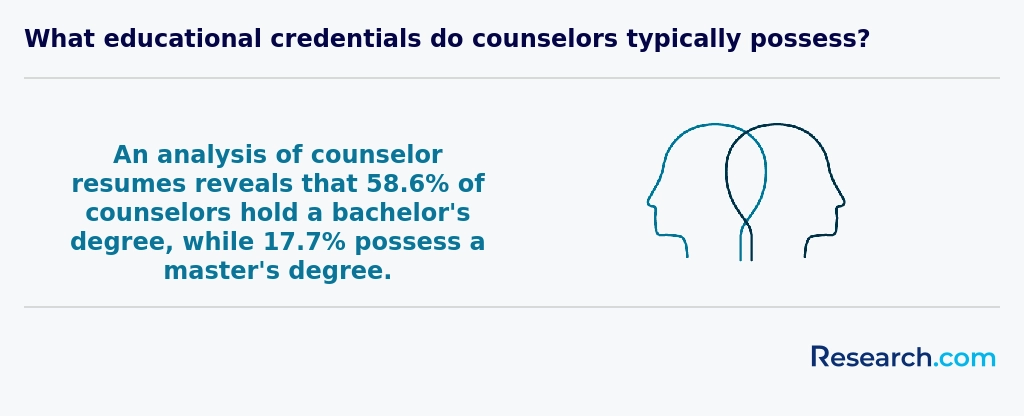
Graduate students pursuing master's-level counseling degrees in Denton experience a higher cost, often spanning $18,000 to $30,000 depending on residency and program length. For these students, the financial strain is often offset by the intrinsic reward of gaining expertise needed for a fulfilling counseling career. Inquiry into how to become a licensed marriage and family therapist is a common path illustrating the kind of professional opportunities available after graduation.
What financial aid is available to counseling degree students in Denton?
Students pursuing counseling degrees in Denton typically rely on a combination of federal, state, and institutional aid to manage costs. Many graduates from the University of North Texas recall how completing the FAFSA unlocked access to Pell Grants-up to $7,395 in 2023-2024-which relieved financial stress without requiring repayment. This federal aid often forms the backbone of funding, supplemented by Federal Direct Loans known for their manageable interest rates and repayment plans suited to counseling students.
State programs also play a crucial role. For example, undergraduates aiming for counseling-related fields often benefit from Texas Grant or TEXAS Grant awards, easing tuition costs and opening doors at local institutions. Graduate students might pursue support through the Texas Education Agency or local workforce grants, especially when committed to mental health professions.
At Denton universities, institution-specific scholarships and assistantships offer hands-on opportunities-some graduates share that working as research assistants not only offered stipends but deepened their academic experience. Others found employer tuition reimbursement programs invaluable, especially when balancing work in healthcare or education with studies.
Professional associations like the NBCC Foundation further expand options by providing scholarships linked to community service, a path many Denton counseling students embrace with enthusiasm and purpose.
What are the prerequisites for enrolling in counseling degree program in Denton?
Enrolling in a counseling degree program in Denton typically means meeting solid academic and experiential prerequisites. For example, graduates from the University of North Texas recall that an undergraduate diploma or GED is essential before applying for a bachelor's program. Many found that maintaining a GPA of around 2.5 to 3.0 helped strengthen their applications. Those aiming for master's degrees, like at Texas Woman's University, often need a bachelor's degree from an accredited college, although not always in psychology or social work.
Interestingly, some students mention how programs now sometimes waive GRE requirements, which relieved a lot of stress during their admissions process, illustrating a trend toward holistic evaluation. Volunteer or paid experience in counseling or human services frequently impressed admissions committees, as it demonstrated genuine passion and readiness for the field.
Students appreciate that local Denton institutions often emphasize comprehensive applications, including essays and recommendation letters, helping them share personal journeys that connect deeply with their stated career goals.
Accreditation and Licensure Requirements
Choosing a CACREP-accredited program ensures your coursework meets national standards and counts toward Texas licensure. After graduation, you must:
- Complete a master’s degree in counseling or marriage and family therapy from an accredited institution
- Accumulate at least 3,000 supervised clinical hours (2 years full-time or equivalent part-time)
- Pass the National Counselor Examination (NCE) or the Association of Marital & Family Therapy Regulatory Boards (AMFTRB) exam
- Apply for licensure with the Texas Behavioral Health Executive Council and submit official transcripts and exam scores
For guidance on meeting educational and supervised-hours requirements in marriage and family therapy, see how to become a licensed marriage and family therapist.
What courses are typically in counseling degree programs in Denton?
Counseling degree programs in Denton, such as those at the University of North Texas, consistently include core courses designed to blend theory with practical application. Graduates often recall how classes in human development and counseling theories provided essential frameworks, helping them understand clients' experiences from diverse psychological perspectives like cognitive-behavioral and humanistic models.
Many students find ethics courses particularly impactful, as these deepen awareness of professional responsibilities and legal issues specific to practicing counseling in Texas. For example, discussing real cases during these classes often sparks thoughtful debates on maintaining confidentiality and client rights.
Other key courses involve assessment and diagnosis, where graduates describe developing skills to use tools like the DSM-5 for evaluating mental health. Group counseling and crisis intervention classes simulate real-life scenarios, helping students practice facilitating therapy sessions and managing emergency situations with confidence.
Multicultural counseling courses resonate deeply among students by emphasizing cultural competence, preparing them to support Denton's diverse communities effectively. Meanwhile, research methods equip students at Denton colleges to critically evaluate evidence-based practices and improve client outcomes.
What types of specializations are available in counseling degree programs in Denton?
In Denton, counseling degree programs typically offer specializations that align closely with local community needs and professional environments. Graduates often recall how their training in School Counseling prepared them to support the social and academic growth of K-12 students in the area's many public and private schools. Many found hands-on collaboration with teachers and families particularly rewarding, reflecting the community's strong educational focus.
Another common path is Mental Health Counseling, where students engage with real-world scenarios involving anxiety or trauma, often through internships in Denton's nearby urban centers. This specialization appeals to those motivated by helping diverse populations and growing demand in healthcare facilities. Career counselors and addiction specialists represent other notable options, each with unique challenges that help graduates find meaningful roles. Students choosing affordable counseling programs with specializations Denton-wide appreciate the balance of cost and quality, especially at institutions known for accredited accelerated degree programs online. These tailored experiences reveal that selecting a focus is not just academic but deeply tied to personal and community impact.
How do you choose the best counseling degree in Denton?
When choosing the best counseling degree in Denton, it's important to weigh factors beyond just program reputation. Graduates from local schools like the University of North Texas often emphasize the benefit of programs that integrate supervised clinical hours within the community, which fosters a sense of real-world readiness and connection. Since Denton offers a variety of affordable counseling degree programs Denton, focusing on cost alone can overlook critical elements like accreditation and curriculum focus.
Consider whether the program's coursework aligns with your counseling interests-whether mental health, school counseling, or family therapy-as this directly impacts your career path. Some graduates share how flexible learning formats, such as hybrid or online classes, accommodated their schedules while still providing access to nearby clinical sites. While exploring options, prospective students might also explore what is the easiest bachelor degree for foundational studies before committing to advanced counseling degrees.
Ultimately, assess programs' licensure pass rates, financial aid availability, and community ties. These provide insight into long-term success and satisfying, hands-on experiences in Denton's supportive counseling environment.
What career paths are available for counseling degree students in Denton?
Graduates with a counseling degree in Denton often explore diverse career paths that reflect the city's growing needs in mental health and education. Many find rewarding roles as licensed professional counselors, school counselors in local districts like Denton Independent School District, or marriage and family therapists. Those attending well-regarded Denton universities share how hands-on clinical experiences and strong ties with nearby healthcare providers helped them secure positions in hospitals and outpatient clinics. These opportunities illustrate practical outcomes for students seeking jobs with counseling degree in Denton Texas, confirming that the local job market values degree holders who adapt to various settings.
While some graduates pursue certifications such as the LPC or Texas Education Agency licensing to work in public schools, others leverage their skills for substance abuse counseling or career guidance roles. The environment encourages a positive sense of purpose, whether in community agencies or private practice. Additionally, students mindful of educational expenses often consider alternatives like a cheap associate degree online before committing to counseling programs in Denton.
What is the job market for counseling degree in Denton?
The job market for counseling degree graduates in Denton reflects a dynamic and expanding environment, shaped by local demand and regional growth. Many graduates from institutions like the University of North Texas find opportunities in public schools, community health organizations, and rehabilitation centers. These roles offer the chance to make meaningful community impacts, especially as mental health awareness gains traction. However, the market also demands licensure, typically as a Licensed Professional Counselor, which requires additional training but can lead to higher wages and job security. Graduates often appreciate the supportive network among local agencies and peers, which eases their transition from education to employment.
Students considering counseling degree job opportunities Denton should weigh the benefits of studying locally, including access to affordable tuition and strong connections to area employers. Some graduates report feeling optimistic about their career prospects due to Denton's growing healthcare infrastructure and expanding mental health services. Those interested in financial considerations might explore colleges that accept fafsa to reduce debt and focus on professional development.
Frequently Asked Questions About counseling
Counseling degree students in Denton can maximize their learning experience by actively engaging in both academic and practical opportunities. Denton is home to institutions like the University of North Texas, which offers CACREP-accredited counseling programs known for integrating theory with clinical practice.
Students should seek internships and practicum placements early, as hands-on experience is crucial for skill development and meeting licensure requirements in Texas. Local clinics, schools, and community centers often provide such options.
Joining professional organizations, such as the Texas Counseling Association, can enhance networking and access to workshops and conferences.
Additionally, staying updated with Texas licensure policies and utilizing campus counseling centers to practice client interactions fosters a stronger educational foundation.
The counseling profession is rapidly evolving, with several emerging niches gaining importance in Denton and across the US. One growing area is trauma-informed counseling, driven by increased awareness of mental health impacts after events like natural disasters or personal trauma. According to the National Board for Certified Counselors, demand for trauma specialists has grown by over 20% in recent years.
Another niche is substance abuse and addiction counseling, responding to the ongoing opioid crisis affecting many Texas communities, including Denton County. Additionally, career counseling focused on evolving job markets, including technology fields, is becoming vital for local students and adults.
Lastly, multicultural and diversity counseling is gaining traction to better serve Denton's increasingly diverse population. The US Bureau of Labor Statistics projects overall counselor employment to grow 22% through 2031, highlighting expanding opportunities in these niches.
Preparing for the job market after completing a counseling degree in Denton involves strategic steps that ensure smooth career entry. Graduates should obtain their required state licensure through the Texas Behavioral Health Executive Council by completing supervised clinical hours, which typically range from 3,000 to 4,000 hours depending on specialization.
Networking within Denton's professional community, including local chapters of the Texas Counseling Association, can provide valuable job leads. Additionally, Denton's proximity to Dallas offers a broader job market with higher demand; the U.S. Bureau of Labor Statistics projects a 23% growth in counselors' employment in Texas through 2031.
Building a strong resume with internships or practicum experiences gained during the degree program enhances employability. Utilizing Denton-based counseling centers for practicum can provide relevant local exposure.
Employers in Denton seek counseling degree graduates who demonstrate strong communication and interpersonal skills. These abilities are essential for building trust with clients and effectively addressing their mental health needs. According to the Texas Workforce Commission, empathy and active listening are among the most valued traits in local counseling roles.
Analytical thinking also plays a key role, as counselors must assess client situations and develop appropriate treatment plans. Familiarity with evidence-based practices and ethical guidelines strengthens a graduate's candidacy. Additionally, proficiency in case management and record-keeping software is increasingly important.
Overall, a blend of emotional intelligence, practical skills, and professionalism makes graduates competitive in Denton's counseling job market.
Finding counseling internships in Denton involves exploring local agencies, educational institutions, and healthcare facilities that offer hands-on training. Many counseling programs affiliated with schools like the University of North Texas provide internship placement assistance as part of curriculum requirements. Students can also search for opportunities through Denton County Mental Health Center and local nonprofit organizations, which often partner with universities to host interns.
Additionally, state licensure resources recommend completing at least 3,000 supervised clinical hours, making internships vital. Checking career services and attending local job fairs in Denton can connect students to relevant openings. The Texas Department of State Health Services website offers updated lists of approved internship sites for counseling students.
Obtaining a counseling degree in Denton significantly enhances career mobility and advancement opportunities within the local mental health and social services sectors. According to the Texas Workforce Commission, the Dallas-Fort Worth-Arlington metropolitan area, which includes Denton, is expected to see a 20% growth in counselor roles from 2020 to 2030. This growth increases demand for qualified professionals who hold degrees in counseling. A formal degree is often a prerequisite for licensure as a Licensed Professional Counselor (LPC) in Texas, enabling graduates to practice independently and access higher-paying positions.
Specialized counseling degrees also open doors to diverse fields such as school counseling, substance abuse treatment, and marriage and family therapy. Employers in Denton increasingly prefer candidates with master's degrees due to rigorous state licensing requirements and the complexity of client needs. Advancing your education typically leads to supervisory or administrative roles, offering expanded career pathways and salary increases.
Studying for a counseling degree in Denton equips students with skills essential for interdisciplinary roles. Programs often emphasize collaboration with professionals in social work, healthcare, and education, mirroring real-world settings where counselors work alongside diverse teams.
Many Denton institutions incorporate practicum experiences within community agencies and schools, fostering hands-on learning about multidisciplinary approaches. According to the Texas Workforce Commission, demand for counselors who can navigate multiple fields is growing, reflecting broader healthcare and social service trends.
This interdisciplinary focus helps graduates meet licensing requirements and prepares them for varied roles, from mental health to school counseling. The integration of evidence-based practices and ethical training further supports adaptability across professions.
Choosing between a thesis and a non-thesis counseling degree program in Denton depends on your career goals and learning preferences. Thesis options involve conducting original research and writing a detailed paper, which is ideal if you plan to pursue a PhD or work in research-intensive roles. According to Texas Higher Education Coordinating Board, thesis programs might take longer to complete, typically 2 to 3 years. Non-thesis programs focus more on coursework and practical skills, suited for those aiming for clinical practice or counseling licensure in Texas.
Programs in Denton often reflect these differences, with universities like the University of North Texas offering both tracks. Consider your time availability, interest in research, and long-term plans when deciding.
Students based in Denton who wish to study counseling abroad have several pathways to consider. Many U.S. institutions offer study abroad programs through partnerships with universities overseas, allowing students to gain international experience while earning credit toward their counseling degrees. These opportunities are often available in countries with established counseling accreditation frameworks.
Alternatively, students can enroll in international counseling programs directly, though they should verify accreditation and how the degree will transfer back to Texas for licensure. The Texas State Board for Licensed Professional Counselors requires degrees to meet specific standards, so careful planning is essential.
Local universities like the University of North Texas provide resources and advising to explore these options responsibly.
Students pursuing counseling degrees in Denton can benefit from several part-time job opportunities that enhance their academic experience and build practical skills. One common option is working as a mental health technician or aide in local clinics and hospitals. This role provides direct client interaction and exposure to counseling environments. Another possibility is becoming a case manager assistant at community service organizations, where students learn about client assessment and resource coordination.
Additionally, many counseling students find internships or peer support roles at the University of North Texas Counseling and Psych Services valuable for gaining relevant experience. According to the Texas Workforce Commission, Denton's healthcare support occupations are growing steadily, offering an expanding job market for counseling students.
Counseling students in Denton have access to diverse networking opportunities that support their academic and professional growth. The University of North Texas (UNT), a leading institution in the area, offers various student organizations such as the Association for Counselor Education and Supervision and the Chi Sigma Iota honor society. These groups regularly host events, workshops, and conferences where students can connect with licensed professionals and alumni.
Additionally, Denton's proximity to the Dallas-Fort Worth metroplex expands access to regional counseling associations and job fairs. Students often benefit from practicum placements through UNT's partnerships with local mental health centers and schools, fostering practical connections within the counseling field. According to UNT data, nearly 70% of counseling students secure internships or employment through these networks before graduation.
Alumni networks offer valuable support to counseling degree students in Denton by providing access to professional connections and mentorship opportunities. Graduates often share job leads and internship openings within local mental health organizations, which can help students enter the workforce more smoothly. According to the National Board for Certified Counselors, strong networks contribute to higher employment rates among recent graduates.
In Denton, where community ties and local agencies play significant roles in counseling careers, alumni can guide students through licensing processes, such as meeting Texas's LPC requirements. Networking events hosted by colleges also enhance students' communication skills and professional confidence.
In Denton, customizing your counseling degree program to match your career goals often involves selecting specialized tracks or concentrations offered by local universities. Many institutions provide options such as clinical mental health, school counseling, or marriage and family therapy. According to the Texas Higher Education Coordinating Board, students can tailor practicum experiences to fit specific populations or settings. Electives and internships allow you to gain hands-on experience aligned with your interests.
Additionally, flexible scheduling and online course availability enable working professionals in Denton to balance education with other commitments, enhancing focus on desired counseling fields. State licensure requirements also guide curriculum choices to ensure eligibility for counseling credentials in Texas.
Counseling students in Denton often face several challenges related to academic rigor and practical training requirements. Many programs emphasize both theoretical knowledge and supervised clinical experience, which can be demanding to balance alongside personal commitments. According to the Texas Higher Education Coordinating Board, counseling students typically complete 600 to 1,000 hours of practicum and internship, requiring strong time management skills.
Financial strain is another common challenge. While Denton offers affordable options, including community colleges and state universities, students may still struggle with tuition, materials, and living expenses. Additionally, navigating the licensing process post-graduation adds stress, as requirements in Texas include passing the National Counselor Examination and accruing supervised hours.
Adaptation to diverse client needs and staying current with evolving counseling techniques also present obstacles. Students must develop cultural competence and resilience to serve Denton's varied populations effectively.
With a counseling degree in Denton, graduates can pursue several professional certifications that enhance their qualifications and career opportunities. One common certification is the Licensed Professional Counselor (LPC), which requires completing a master's degree in counseling, supervised clinical hours, and passing a state exam. Denton falls under Texas regulations, where the Texas Behavioral Health Executive Council governs LPC licensure.
Other certifications include the National Certified Counselor (NCC) credential, offered by the National Board for Certified Counselors (NBCC). This nationally recognized certification requires a master's degree, relevant experience, and passing the National Counselor Examination.
Additional specialized certifications in areas like addiction counseling or school counseling are also available, depending on the chosen focus during graduate studies. These credentials improve employability in Denton's growing mental health sector.
When applying to counseling programs in Denton, it is important to start with a clear and focused personal statement. Admissions committees value applicants who articulate their motivation for becoming a counselor and how their experiences align with the program's mission. Highlight any relevant volunteer work, internships, or employment in mental health settings to demonstrate commitment and practical exposure.
Denton is home to universities like the University of North Texas, whose counseling program emphasizes both academic excellence and field experience. Mentioning familiarity with such programs and how you plan to contribute can strengthen your application.
Ensure all academic records meet the program's minimum GPA requirement, typically around 3.0. Also, securing strong letters of recommendation from professionals familiar with your skills in counseling or psychology is critical.
The counseling profession is increasingly recognized worldwide for its vital role in mental health and wellbeing. In the United States, including Denton, Texas, counseling careers often require a master's degree and state licensure, emphasizing rigorous education and ethical standards. Globally, demand for skilled counselors rises as mental health awareness grows across cultures. According to the U.S. Bureau of Labor Statistics, employment for mental health counselors is projected to grow 22% from 2020 to 2030, illustrating strong domestic and international opportunities.
In Denton, local universities offer accredited counseling programs aligned with national standards, preparing students for diverse roles. These programs reflect global trends emphasizing multicultural competence and evidence-based practices, crucial for effective counseling in diverse societies.
Gaining practical experience while studying for a counseling degree in Denton involves engaging in supervised internships and practicum placements, which are essential components of accredited counseling programs. Many institutions in Denton collaborate with local clinics, schools, and mental health organizations to provide students with hands-on training.
For example, Texas Woman's University, a prominent school in Denton, requires students in their counseling programs to complete clinical hours under the supervision of licensed professionals. These experiences help students develop counseling skills and meet licensure board requirements.
Additionally, students can volunteer with community organizations such as the Denton County Friends of the Family or local mental health centers, gaining exposure to diverse client populations. According to the American Counseling Association, practical experience is key to a successful counseling career.
Choosing the right concentration within a counseling degree program in Denton depends on your career goals and local demand. Popular options often include mental health counseling, school counseling, and marriage and family therapy. According to the Texas Workforce Commission, Denton County shows steady growth in mental health service jobs, which may influence your choice.
Consider accreditation status, such as CACREP, which ensures program quality and is often required for licensure. Also, reflect on where you want to work-schools, clinics, or private practice-and the population you prefer to serve. Research faculty expertise and internship opportunities available within Denton-based programs to find the best fit for your ambitions.
Related Counseling Rankings for Nearby Cities
- 2027 Most Affordable Counseling Degree Programs Ranking in Dallas
- 2027 Most Affordable Counseling Degree Programs Ranking in Houston
- 2027 Most Affordable Counseling Degree Programs Ranking in San Antonio
- 2027 Most Affordable Counseling Degree Programs Ranking in Lubbock
- 2027 Most Affordable Counseling Degree Programs Ranking in Springfield
- 2027 Most Affordable Counseling Degree Programs Ranking in Kansas City
- 2027 Most Affordable Counseling Degree Programs Ranking in New Orleans
- 2027 Most Affordable Counseling Degree Programs Ranking in Saint Louis
- 2027 Most Affordable Counseling Degree Programs Ranking in Des Moines
- 2027 Most Affordable Counseling Degree Programs Ranking in Nashville
Top Trending Counseling Rankings
See What Experts Have To Say About Studying Counseling
Read our interview with Counseling experts

Charles Figley
Counseling Expert
Kurzweg Distinguished Chair in Disaster Mental Health
Tulane University

References
- Financial Aid Counselor in Denton at University of North Texas | Apply now! – Vaia – Talents https://talents.vaia.com/companies/university-of-north-texas/denton/financial-aid-counselor-83390858/
- Becoming An International School Counselor https://iscainfo.com/becoming-an-international-school-counselor/
- What Degree Do I Need to Become a Counselor or Therapist? https://paloaltou.edu/resources/blog/what-degree-do-i-need-become-counselor-or-therapist
- Counseling Programs https://www.dentoncounty.gov/593/Counseling-Programs
- Interdisciplinary Training: Preparing Counselors for Collaborative Practice - The Professional Counselor https://tpcjournal.nbcc.org/interdisciplinary-training-preparing-counselors-for-collaborative-practice/
- Best Online Counseling Degree Programs 2025 https://www.psychology.org/rankings/best-online-counseling-programs/
- Mental Health Counseling MS Salary Guide | University of Bridgeport https://www.bridgeport.edu/news/masters-in-counseling-salary-guide/
- Amberton vs UNT Dallas: Counseling Program Cost Comparison https://amberton.edu/2025/09/29/amberton-vs-unt-dallas-counseling-cost/
- Networking for Therapists: Building Connections for Career Success & Client Care https://www.mentalyc.com/blog/networking-for-therapists
- College Affordability for Counseling Students https://www.counselingschools.com/blog/college-affordability-guide