2027 Entry-Level Jobs With a Speech Pathology Master's Degree

Co-Founder and Chief Data Scientist

Reviewed by Rhea Paul, PhD
SLP Education & Research Expert
Graduate employment in speech pathology often hinges on navigating a complex landscape of credentialing, employer preferences, and specialized service demands. Many entry-level roles are concentrated in settings prioritizing state licensure and certification compliance, shaping candidate viability beyond academic achievement. The 2024 ASHA workforce report highlights a growing demand for clinicians adept in telehealth modalities, reflecting shifting service delivery models that influence hiring criteria. Additionally, early-career speech pathologists face variable role expectations depending on clinical focus, from pediatric interventions to adult neurogenic care, requiring adaptability and targeted experience. This article examines typical entry points and labor market contours that shape initial career steps for master's graduates.
Key Benefits of Entry-Level Jobs With a Speech Pathology Master's Degree
- Entry-level roles often demand extensive clinical hours; this tradeoff means graduates must weigh significant unpaid training time against quicker licensure eligibility, affecting short-term earning capacity.
- Employers prioritize candidates with diverse clinical experience-programs emphasizing varied settings improve workforce adaptability, reflecting sector-wide shifts toward comprehensive care models.
- Average program lengths impact access: longer master's pathways correlate with delayed workforce entry, influencing early-career advancement and financial planning decisions for prospective students.
What Entry-Level Jobs Can You Get With a Speech Pathology Master's Degree?
Entry-level roles for Speech Pathology master's graduates often involve substantive clinical responsibilities that require advanced knowledge and critical decision-making, contrary to the assumption that "entry-level" means basic or observational work. Many graduates begin their careers engaged in meaningful assessment, intervention planning, and collaborative care, which sets the foundation for professional growth and specialization. These opportunities vary significantly depending on the healthcare or educational setting, prior clinical experience, and program focus. Early-stage positions serve as essential developmental platforms, offering exposure to diverse patient populations and complex cases, which are critical for eventual autonomy and leadership.
- Speech-Language Pathologist in Healthcare Settings: Working primarily in hospitals, outpatient clinics, or rehabilitation centers, these roles involve diagnosing and treating communication and swallowing disorders across age groups. Although entry-level, the position expects mastery of specialized clinical protocols and active participation in interdisciplinary teams, positioning clinicians for eventual specialization in areas like pediatric or neurogenic disorders.
- School-Based Speech-Language Pathologist: This role focuses on supporting students with speech and language deficits affecting academic performance, requiring collaboration with educators and families to develop individualized education plans. Despite often lower starting salaries compared to healthcare, school-based roles offer structured caseload management experience and serve as a gateway to roles in educational policy or district-level coordination.
- Early Intervention Therapist: In this setting, practitioners provide therapy to infants and toddlers at risk for developmental delays, demanding adaptability and a deep understanding of early childhood milestones. Entry in early intervention programs fosters skills in family-centered practice and multisystem navigation, opening pathways toward specialization in pediatric speech pathology.
- Telepractice Clinician: Delivering remote therapy services has gained prominence, requiring technological fluency alongside clinical expertise to manage diverse client needs virtually. Early-career telepractice roles enable flexibility and broaden exposure to various populations, which may accelerate competence in communication technologies and remote assessment tools.
The U.S. Bureau of Labor Statistics highlights a robust job market for entry-level speech pathology jobs in healthcare settings, with median wages around $80,000 and growth driven by demographic shifts. Graduates should consider how each role aligns with their long-term goals and the potential for clinical fellowship requirements and licensure, which are pivotal in advancing beyond initial positions. Those evaluating pathways can find further contextual information linked to related fields by exploring options such as an online pharmacy degree, showing the interconnected nature of healthcare professions and the diversity of opportunities available to those with graduate-level clinical training.
What Sectors Have the Strongest Demand for Graduate-Level Talent?
Demand for graduate-level talent in speech pathology reflects deeper structural needs tied to healthcare advances, educational mandates, and evolving population demographics rather than the mere number of degree holders entering the workforce. Sectors sustaining strong hiring often require not only clinical expertise but also the capacity to navigate complex regulatory environments, apply data-driven assessments, and lead multidisciplinary teams. This alignment with advanced skills positions master's graduates to fill roles demanding comprehensive knowledge and adaptive problem-solving capabilities.
- Healthcare Facilities: Hospitals, outpatient care centers, and nursing homes consistently exhibit high demand due to an aging population and increased survival rates from neurological events like strokes and brain injuries. These settings rely on speech pathologists to deliver specialized diagnostic evaluations and therapeutic interventions addressing communication and swallowing impairments, leveraging both clinical acumen and emerging technologies.
- Educational Institutions: Public and private K-12 schools maintain steady openings driven by federal and state education laws requiring tailored support for students with speech and language disabilities. Graduates often engage in individualized education program (IEP) development, consult with educators, and manage heavy caseloads within unionized and tenure-based systems that influence job stability and progression.
- Early Intervention and Pediatric Clinics: Expanding awareness of developmental disorders propels growth in early intervention services and specialized outpatient pediatric care. Demand here is linked to policy emphasis on early diagnosis and family-centric treatment, though funding models frequently depend on grants or government programs, creating variable employment security and sometimes part-time roles.
- Private Practice and Correctional Facilities: While less prevalent, private practice offers career pathways emphasizing entrepreneurial skills and client acquisition, often rewarding autonomy but requiring business management expertise. Correctional settings increasingly need speech pathologists to address aging inmate populations and neurological impairments, though positions are scarcer and operationally constrained by security protocols.
One recent graduate recalled grappling with timing challenges during rolling admissions for speech pathology master's programs that influenced her sector targeting. Uncertain whether to wait for a preferred school's decision or accept earlier offers in healthcare-focused programs, she weighed job market data showing rising healthcare demand against the delayed responses from education-centric programs. This tension between application pacing and labor market realities underscored how strategic timing and market awareness can shape early career trajectories beyond academic qualifications alone.
Which Entry-Level Speech Pathology Careers Have the Highest Starting Salaries?
Starting salaries for entry-level speech pathology roles depend on more than academic credentials; they reflect a blend of market demand, required technical expertise, regulatory frameworks, and the economic value the employer attributes to specific job functions. Positions commanding higher pay typically involve greater clinical complexity, specialized knowledge, and substantial responsibility for patient outcomes or organizational performance. Elevated starting compensation often signals both scarcity of skills in niche areas and the employer's investment in roles critical to achieving specific healthcare or rehabilitation goals.
- Hospital Speech Pathologist ($65,000-$80,000): Hospital settings offer the highest starting salaries due to the acuity and diversity of the caseload, requiring practitioners to manage complex neurological and speech disorders under fast-paced, high-stakes conditions. These roles demand acute clinical judgment, interdisciplinary collaboration, and readiness for irregular schedules, which justify premium pay. The hospital environment also provides a structured pathway for clinical specialization and leadership advancement.
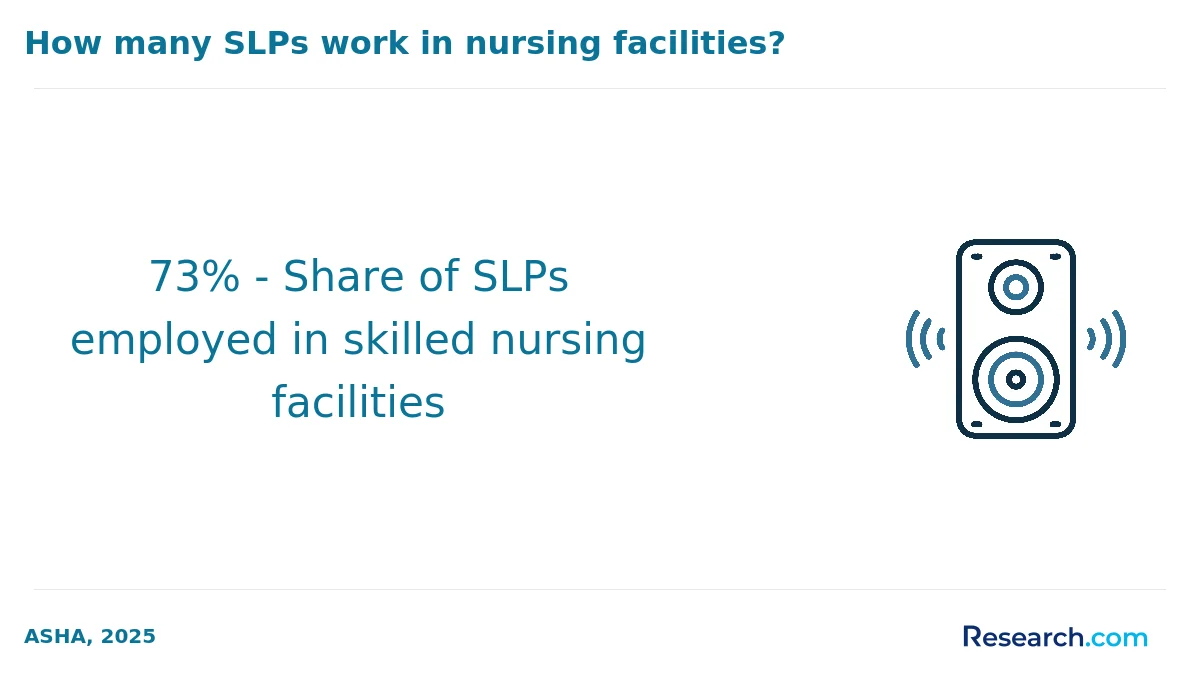
- Skilled Nursing Facility Speech Therapist ($60,000-$70,000): These roles focus on geriatric populations with multifaceted rehabilitation needs, including stroke recovery and cognitive communication impairments. The technical demands and workload intensity in skilled nursing facilities place a premium on therapists who can deliver specialized care across chronic and degenerative conditions, linking salary levels to both clinical expertise and the challenges of managing medically complex patients.
- Private Practice or Outpatient Clinic Therapist ($55,000-$75,000): Compensation here is more variable but can reach competitive levels in markets with high demand or niche specializations. Flexibility and entrepreneurial skills influence earnings, as success depends on client volume and practice reputation. These settings reward therapists who combine clinical proficiency with business acumen and offer faster advancement for those pursuing focused specializations or independent practice management.
- Educational Speech-Language Pathologist ($50,000-$60,000): School-based roles generally yield lower starting salaries due to budget constraints and a more standardized caseload. However, they offer steady employment and benefits with less clinical complexity compared to medical settings. This path suits those prioritizing predictable hours and community-based intervention, though salary growth may be slower given public sector pay structures.
Entry-level compensation for speech pathology master's graduates varies significantly across industries, reflecting the economic and regulatory frameworks that shape demand for specialized skills. Higher salaries tend to emerge in sectors characterized by strong revenue streams, stringent compliance requirements, or complex clinical demands where speech pathology expertise mitigates operational risks or enhances patient outcomes. In these fields, employers justify premium pay by linking early-career clinical effectiveness directly to organizational performance, especially in environments marked by talent scarcity and evolving reimbursement models.
- Hospitals and Acute Care Facilities: Acute care hospitals top the list for entry-level jobs with a speech pathology master's degree salary by industry due to their high-margin service models and regulatory mandates around patient rehabilitation. Speech pathologists in these settings support critical recovery processes post-stroke or neurological injury, with compensation reflecting the urgency and complexity of care delivery required within tightly integrated medical teams.
- Rehabilitation Centers: These centers attract higher starting salaries because they serve a niche population with specialized neurological or pediatric needs, demanding interdisciplinary coordination and advanced therapeutic skills. The emphasis on long-term functional recovery and outcomes measurement amplifies employers' willingness to invest in skilled graduates, especially in regions with concentrated clinical talent shortages.
- Private Practice and Outpatient Clinics: Offering more flexible schedules and entrepreneurial potential, outpatient settings can yield competitive early earnings tied to private pay rate structures. While starting salaries may initially lag behind institutional employers, successful clinicians can increase income rapidly through client base development and personalized care models, balancing lower regulatory overhead against market variability.
- School Districts and Educational Settings: Although generally offering the lowest entry-level pay, educational institutions compensate with stable funding and predictable employment, which appeals to graduates prioritizing steady caseloads and meaningful childhood intervention experience. Salary constraints here reflect public budget limits rather than skill underutilization, underscoring the tradeoff between compensation and job security.
For students navigating conditional admission programs or atypical academic pathways, understanding these industry-specific compensation dynamics is crucial to aligning career goals with realistic financial expectations. The U.S. Bureau of Labor Statistics and labor market data from 2024 confirm growing demand across healthcare systems, emphasizing the need to evaluate not just salary but the strategic context of where speech pathology skills are most valued. Prospective candidates exploring advanced credentials might consider how these patterns influence long-term employability and earnings trajectories, especially when weighed against program selectivity and accreditation standards. Those looking to expand clinical qualifications via less traditional routes should also explore resources like PhD nursing programs online for complementary pathways in healthcare education and leadership development.
Entry-level hiring in speech pathology increasingly hinges on demonstrable skills rather than solely on holding a master's degree. Employers assess candidates based on their ability to translate clinical knowledge into effective, measurable outcomes that address patient needs and organizational goals. Early-career professionals who exhibit practical expertise in applying these skills often secure stronger job offers and faster advancement opportunities. Understanding which skills carry the most weight can guide new graduates toward meaningful workplace impact from day one.
- Clinical Diagnostic and Intervention Skills: This remains the core competency employers scrutinize during hiring, as early proficiency in accurately evaluating speech and language disorders directly affects treatment quality. New clinicians who can craft evidence-based, tailored intervention plans reduce patient risk and enhance therapy success, which facilities regard as essential to operational efficiency.
- Effective Communication and Interpersonal Skills: Speech pathologists work closely with diverse client groups and multidisciplinary teams, so the ability to convey complex information clearly and empathetically influences patient engagement and team collaboration. According to recent labor market research, higher communication effectiveness correlates with improved patient satisfaction scores, which in turn can impact compensation and performance reviews.
- Data Management and Documentation Proficiency: Skillful navigation of electronic health records and precise documentation are critical for compliance with healthcare regulations and for maintaining continuity of care. Employers prize candidates who minimize administrative errors and streamline workflow, as this reduces liability risks and supports evidence accumulation for treatment adjustments.
- Adaptability and Clinical Problem-Solving: Entry-level speech pathologists frequently encounter varied and evolving clinical presentations, necessitating flexible approaches and quick integration of new research findings. Professionals who demonstrate responsiveness to feedback and innovation in therapy techniques are often preferred, as these traits enhance patient outcomes and reflect well on the institution's standard of care.
A recent graduate recalled the uncertainty and strategic thinking involved in navigating the rolling admissions timeline of several programs. Faced with delayed responses from some schools, they grappled with whether to accept an earlier offer or hold out for a preferred program. This experience underscored the value of timely decision-making and proactive communication during admissions, skills that surprisingly resonated with later clinical experiences where responsiveness and clarity were paramount. The tension between patience and decisiveness in this process mirrored the need for adaptability and effective communication in early clinical roles, highlighting how these foundational skills extend beyond treatment rooms into all professional interactions.
Many employers do hire speech pathology master's graduates without professional experience, especially for structured entry-level positions designed to cultivate early-career talent. These roles often exist in educational settings or outpatient clinics that recognize the inherent value of clinical education and supervised practicum embedded within accredited programs. The hiring process increasingly considers candidates' academic credentials alongside demonstrated competencies, allowing those who have completed relevant internships or capstone projects to bridge the gap created by a lack of formal job experience. According to recent workforce data, a sizable portion of entry-level openings explicitly target new graduates, reinforcing the view that professional experience, while advantageous, is not an absolute barrier to employment in this field.
Hiring such graduates hinges on specific factors that compensate for their limited professional background. Strong academic performance combined with extensive supervised clinical hours mandated by accredited programs helps signal practical readiness to employers. Certifications or specialized skill demonstrations, especially in patient assessment and individualized treatment planning, further enhance candidacy. While many employers prefer candidates with clear evidence of applied skills, including internships, some accommodate those with less experience if they display exceptional theoretical knowledge and communication capabilities. This dynamic is reflected in the varied entry-level jobs for speech pathology master's graduates with no experience, where the emphasis remains on proven hands-on learning and the ability to adapt quickly to professional demands.
Industry variation also shapes hiring openness toward inexperienced graduates. Schools and early intervention programs may tolerate minimal direct experience if candidates present strong foundational skills, whereas hospitals and specialized clinics strongly favor demonstrated internship exposure due to higher regulatory and clinical complexities. This pattern is akin to trends in other fields where highly regulated or client-facing roles demand prior exposure, contrasting with sectors like technology or consulting that exhibit greater flexibility. For those exploring related healthcare pathways or supplementary training, some may consider 1 year radiology tech programs online as an alternative or complementary route to gain practical experience and improve employability prospects.
Employers in speech pathology use certifications to verify practical competencies that a master's degree alone may not fully demonstrate. While a master's program delivers foundational knowledge, certifications serve as key signals that candidates have met industry-specific standards and are prepared for real-world clinical responsibilities. These credentials can differentiate applicants in competitive job markets by confirming applied skills, ethical practice commitments, and readiness to engage with specialized workflows.
- Certificate of Clinical Competence in Speech-Language Pathology (CCC-SLP): Viewed as the gold standard, this certification validates a candidate's clinical proficiency and adherence to professional ethics. Although entry-level graduates often initiate but do not immediately complete the CCC-SLP, early progress toward this credential is highly regarded. Recent workforce data indicate over 80% of speech pathology roles in healthcare and education settings prioritize candidates pursuing CCC-SLP, reflecting its importance as a benchmark for clinical readiness.
- State Licensure: Required nationwide to practice speech pathology, state licensure confirms candidates have met regulated clinical experience and examination requirements. Starting the licensure process promptly after graduation signals to employers a candidate's preparedness for independent practice, reducing the need for extensive onboarding and supervision.
- Specialty Certifications in Pediatric Feeding and Swallowing or Augmentative and Alternative Communication (AAC): These targeted endorsements highlight advanced expertise in niche areas valued by certain employers like early intervention programs and rehabilitation centers. Given labor market trends showing a 10% higher starting salary for speech pathologists with specialty credentials, these certifications enhance employability by signifying specialized technical skills tailored to client needs.
Ultimately, the value of certifications depends on balancing time, cost, and immediate job prospects. Employers frequently prioritize candidates demonstrating measurable clinical experience alongside active certification progress over those holding multiple certifications without practical exposure. For entry-level speech pathology graduates, strategically pursuing the most relevant certifications while building hands-on experience tends to optimize early-career hiring opportunities and long-term workforce competitiveness.
Remote job opportunities for graduates with a master's degree in speech pathology have broadened significantly due to digital transformation, cloud-based platforms, and increased global talent sourcing. However, the suitability of various roles for remote work depends largely on how measurable, digital, and collaboration-friendly the responsibilities are. Positions that emphasize documented outcomes, virtual client engagement, and asynchronous teamwork align best with remote structures, influencing workload management and performance metrics.
- Teletherapy Clinician: These roles involve conducting speech and language assessments and interventions via secure video platforms, primarily targeting schools or outpatient settings. Remote delivery requires mastery of digital communication tools and documentation software, with clear outcome tracking crucial for credentialing and supervisory review. Performance is often evaluated through both client progress and adherence to telepractice standards, which shapes early-career skill development.
- Remote AAC Device Specialist: Specialists provide training and support for augmentative and alternative communication tools to clients and caregivers remotely. This role is well-suited to remote work due to its focus on digital device troubleshooting, asynchronous tutorial development, and virtual coaching. Master's-level expertise supports tailored communication strategies delivered through cloud-based resources, with remote workflows enabling flexible schedules but requiring strong self-management.
- Consultant for Educators and Caregivers: In this role, speech pathology graduates offer guidance on speech and language strategies remotely, often through video conferences or written reports. The nature of consultative work-largely knowledge transfer and problem solving-fits remote environments where collaboration is document-heavy and scheduled asynchronously. Success here depends on effective virtual communication and data-driven recommendations aligned with client goals.
- Research Assistant/Data Analyst: Supporting clinical studies remotely includes tasks like data collection, analysis, and reporting related to speech and language disorders. These roles leverage quantitative and qualitative skills honed during graduate training and capitalize on cloud-based data tools. Remote setups demand disciplined workflow management and independent productivity, with contributions often evaluated through project milestones rather than direct supervision.
The entry-level job market for speech pathology master's graduates in 2024 is shaped by significant variation in competitiveness depending on industry demand, geographic labor markets, and specialization levels within speech pathology disciplines. According to the U.S. Bureau of Labor Statistics, employment for speech-language pathologists is projected to grow 17% from 2025 to 2035, indicating a generally favorable outlook. However, demand is unevenly distributed, with urban centers offering more opportunities but also attracting higher volumes of applicants, while rural or specialized fields may experience talent shortages. Understanding these dynamics is crucial for graduates navigating entry-level jobs for speech pathology master's graduates who face varying market saturation and employer priorities.
Employer expectations further increase competition at the entry level by emphasizing not only degree completion but also technical proficiency, clinical practicum diversity, certification attainment, and applied project experience. Many employers prioritize candidates with completed clinical fellowships and state licensure, often creating bottlenecks despite robust demand. Specialized skills, such as expertise in pediatric feeding or neurogenic disorders, can set candidates apart by addressing niche needs in healthcare or education settings. These factors elevate the hiring bar, underscoring that the supply of qualified graduates often outstrips available clinical fellowship year (CFY) positions, driving a more intense competitive landscape.
Graduates who strategically build varied clinical experiences and pursue targeted certifications improve their positioning within saturated markets. Entry-level roles tied to telepractice or less common specialties may face less competition due to evolving service delivery models. In some cases, exploring adjacent healthcare education tracks, such as through a 1 year NP program, can diversify career options and mitigate entry barriers. Thus, navigating the job market for speech pathology master's graduates involves recognizing where demand exceeds supply and aligning training with these labor market signals to optimize employability.
The entry-level job market trends for speech pathology master's degree holders reflect these multi-layered realities, requiring informed preparation rather than reliance on broad projections alone.
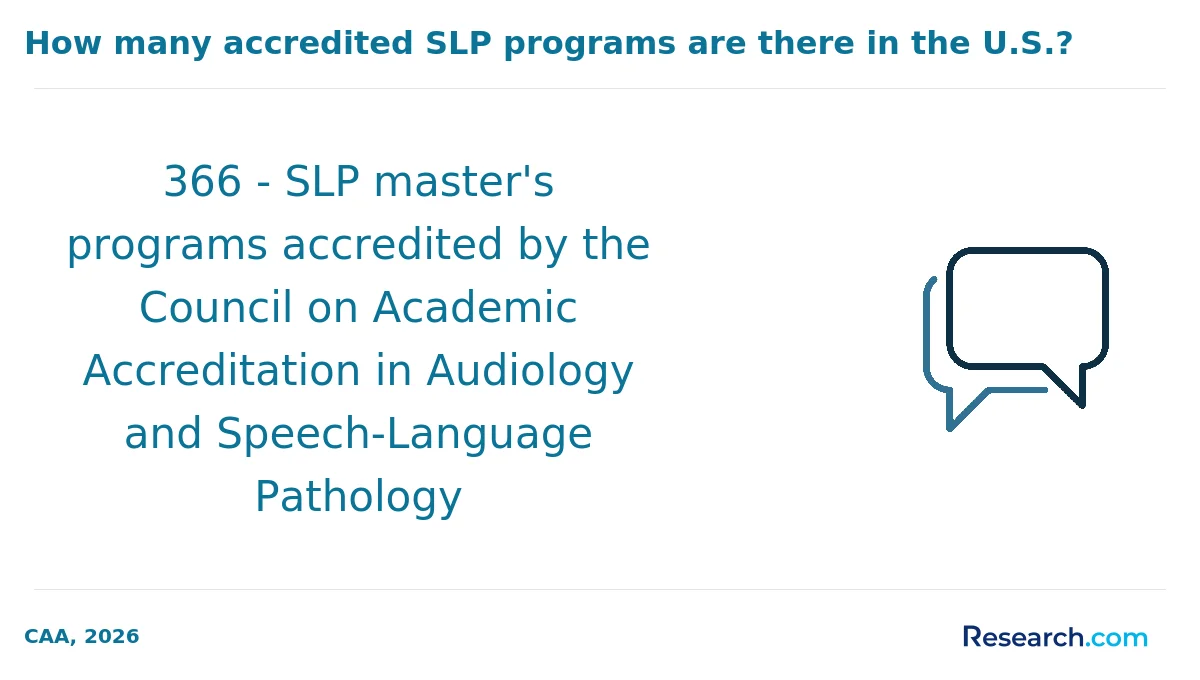
Conditional admission to a master's program in speech pathology typically requires meeting specific benchmarks such as GPA thresholds or prerequisite course completions. Failing to satisfy these conditions can delay graduation and increase the overall time and financial investment required. Prospective students must weigh the implications of these short-term hurdles against longer-term career outcomes. The program's accreditation, particularly by bodies like the Council on Academic Accreditation (CAA), plays a critical role in ensuring curriculum standards and improving employability in competitive markets. Access to clinical practicum placements is another key factor, providing hands-on experience essential for skill development and professional networking.
Entry-level speech pathology jobs with long term growth often exist in schools, healthcare facilities, and private practices. Demand is particularly strong for pediatric speech-language pathologists, medical speech pathologists working in hospitals, and specialists focused on swallowing disorders. These roles frequently lead to advanced certification, leadership opportunities, or specialization, all of which correlate with increased salary potential and job stability. Additionally, students should consider available career advising and graduate employment support services, which can significantly impact early-career success. For those exploring related fields, programs offering a doctorate in counseling online may also complement therapy-centered career paths.
Long-term career growth in speech pathology often depends less on the initial job title and more on the role's capacity to build transferable skills, provide exposure to strategic decision-making, and support development of specialized expertise that remains valuable as industry needs evolve. Entry-level positions that embed these factors offer stronger foundations for sustained professional advancement.
- Pediatric Speech-Language Pathologist: Early experience in pediatric settings cultivates specialized clinical skills with high demand. This role frequently opens avenues to leadership in educational or healthcare institutions and advanced certifications related to childhood disorders.
- Medical Speech Pathologist in Hospitals: Working in hospital environments exposes practitioners to diverse, complex cases and interdisciplinary teams. This setting fosters skill diversity and visibility that facilitate progression into supervisory roles or clinical specialization.
- Swallowing Disorders Specialist: Focusing on dysphagia offers niche expertise that is increasingly valued due to aging populations. Such specialization can lead to roles in research, advanced therapy, or administrative leadership.
- School-Based Speech Therapist: Positions in public or private schools provide repeated practice managing caseloads and collaborating with educators, creating pathways toward program coordination or policy-related roles within school districts.
What Graduates Say About Entry-Level Jobs With a Speech Pathology Master's Degree
- Esteban: "During my job search, I quickly realized that having a solid portfolio and internship experience mattered more to employers than just holding licensure. My entry-level role involved a lot of hands-on work with diverse client needs, which was challenging but rewarding. I had to be flexible with location and schedule options, and luckily the clinic I joined offered partial remote work, which helped me balance caseloads. It's clear that advancing beyond the entry level will require additional certifications or supervising hours, but this position gave me crucial real-world insight into therapy planning and documentation workflows."
- Alexis: "I approached entering the workforce pragmatically, knowing that the market for entry-level speech pathology roles is competitive and often prefers candidates with broad clinical exposure. I chose to accept a contract position rather than wait for a staff opening, which allowed me to start sooner even though the salary was modest. This early experience helped me build connections and fine-tune my client communication skills, though I'm aware salary growth here might be limited without pursuing licensure or specialized credentials. Realistically, the learning curve is steep, but being proactive about certifications added value to my resume."
- Eli: "Reflecting on my transition from graduate school to employment, I found that many employers prioritized adaptability and prior internship experience over formal licenses. I made a deliberate decision to pivot into pediatric speech pathology, which wasn't my original focus, because there were more openings and greater flexibility around remote session options. While the workload is demanding, I appreciate the collaborative environment and mentorship I'm receiving. It became apparent that advancing quickly requires negotiating for opportunities beyond initial job descriptions, so I'm actively seeking continuing education to diversify my skillset and improve promotion chances."
Other Things You Should Know About Speech Pathology Degrees
Entry-level positions often demand a significant portion of time on administrative tasks such as documentation and insurance paperwork, which can limit direct patient interaction. Prioritizing roles or settings with a stronger emphasis on clinical hours-like hospital-based or specialized pediatric clinics-can enhance hands-on learning and skill development early in your career. Being aware of this tradeoff helps manage expectations and guides decisions about where to apply, especially if developing clinical expertise quickly is a priority.
High caseloads can accelerate exposure to diverse communication disorders but risk burnout and reduce time for thoughtful treatment planning. Conversely, roles with lower caseloads allow for detailed client management and reflective practice but may limit breadth of experience. New graduates should assess their resilience and learning preferences; those seeking rapid skill expansion might tolerate heavier caseloads initially, while others may benefit from more manageable workloads that enable deeper clinical insight.
Willingness to relocate, especially to underserved or rural areas, significantly expands job opportunities and can lead to faster job placement. However, geographic relocation may involve personal tradeoffs such as social adjustments and cost of living considerations. Graduates should weigh the benefits of improved employability against lifestyle factors; prioritizing flexibility can be a strategic move in tight markets but may complicate personal and financial stability in the short term.
Recent graduates should consider their personal interests and career goals when choosing between generalist and specialist roles in speech pathology. Generalist roles offer broader experiences and adaptability, while specialist roles provide deeper expertise in specific areas. Evaluating job market trends and professional growth opportunities can guide the decision. Ultimately, the choice should align with one's aspirations and the demand within the field.
- U.S. Bureau of Labor Statistics - Speech-Language Pathologists https://www.bls.gov/ooh/healthcare/speech-language-pathologists.htm
- ASHA EdFind - Accredited Speech-Language Pathology Programs https://find.asha.org/ed/
- ETS Praxis - Speech-Language Pathology (5331) https://praxis.ets.org/test/speech-language-pathology-5331.html
- James Madison University - Master of Science (M.S.) in Speech-Language Pathology (Distance Education / Online) https://www.jmu.edu/chbs/csd/online_ms/index.shtml
- Baylor University - Master of Science in Speech-Language Pathology (Online) https://csd.robbins.baylor.edu/graduate/online-csd-graduate-program
- Idaho State University - Master of Science in Speech-Language Pathology (Online/Distance Education) https://www.isu.edu/slp/programs-offered/slp-graduate-program/
- Abilene Christian University - Master of Science in Speech-Language Pathology (Online) https://acu.edu/academics/graduate/master-of-science-in-speech-language-pathology/
- University of Nebraska at Kearney - Speech-Language Pathology, Master of Science in Education (Online Track) https://www.unk.edu/online/degrees-programs/speech-language-pathology-online.php