2027 Career Paths with a Speech Pathology Master's Degree Explained

Co-Founder and Chief Data Scientist

Reviewed by Rhea Paul, PhD
SLP Education & Research Expert
The evolving landscape for professionals with a Speech Pathology master's degree demands advanced expertise beyond basic clinical skills. Employers increasingly seek graduates with refined analytical problem-solving abilities, leadership in managing multidisciplinary teams, and fluency in specialized diagnostic and therapeutic technologies such as AAC devices and telepractice platforms. Graduates often engage with compliance frameworks like HIPAA and IDEA, enhancing their capacity to navigate complex regulatory environments. According to the National Center for Education Statistics, over 60% of speech pathology graduate enrollments in 2024 are in hybrid or fully online formats, reflecting a shift toward flexible learning that accommodates working adults and career changers.
These programs cultivate competencies that support career progression into management roles and specialized sectors including healthcare administration, education, and research. This article examines the career paths available to those with a Speech Pathology master's degree, offering insights to evaluate alignment with long-term professional goals in this dynamic field.
Key Things to Know About Career Paths With a Speech Pathology Master's Degree
- The demand for speech pathology experts is growing steadily, but specialized certifications often dictate advancement, requiring strategic investment in niche training to access leadership roles in healthcare settings.
- Employers increasingly prioritize candidates with clinical experience and adaptable skills, making practical internships crucial despite the added time and cost commitments during graduate study.
- According to the National Center for Education Statistics, the rise in online speech pathology master's programs expands access for adult learners, yet the extended time-to-degree can delay workforce entry and initial salary progression.
What Can You Do With a Speech Pathology Master's Degree?
Graduates with a master's degree in speech pathology must carefully assess career paths that align with their professional goals and market realities. Each option presents tradeoffs in terms of clinical responsibility, specialization, administrative roles, and compensation. Understanding these distinctions is critical to identifying where a graduate's expertise can be maximized and how the degree shapes their positioning within various settings.
- Clinical Practice Leadership: Many graduates enter direct client care roles in schools, hospitals, or private practice. These positions require acute clinical skills and often serve as entry points, but advancing into supervisory or management roles demands additional experience and licensing, reflecting a clear hierarchy within clinical environments.
- Specialized Clinical Roles: A master's degree enables focus on niche areas such as swallowing disorders or neurogenic communication impairments. While this specialization can increase demand for a clinician's services and provide higher compensation, it often narrows the scope of job opportunities geographically and requires ongoing professional development.
- Educational Settings: Working in schools involves applying speech pathology within educational frameworks to impact children's academic success. These roles offer stability and predictable hours but may come with lower wages compared to healthcare settings, posing a tradeoff between work-life balance and financial remuneration.
- Research and Innovation: Some graduates leverage their degree to engage in research, contributing to new therapeutic techniques or clinical trials. This pathway typically requires collaboration with academic institutions or healthcare providers, often involving grant writing and publication, adding administrative layers beyond clinical practice.
- Policy and Administration: Careers in program management or healthcare administration capitalize on the degree for leadership but typically demand a combination of clinical background and additional qualifications in business or public health. These roles may diverge from patient interaction but increase influence over service delivery systems.
- Cross-Disciplinary Expansion: Speech pathologists who extend into audiology or assistive technology development broaden their employability and enter emergent markets. This trajectory enhances career flexibility but may require supplementary certification and a shift away from traditional speech therapy roles.
Evaluating Speech Pathology career options near me requires recognizing how these diverse pathways affect long-term career mobility and earnings. For working professionals considering a switch, understanding the balance between specialization and flexibility, leadership ambition and clinical desire is essential. Meanwhile, job seekers weighing entry into the field must consider the licensing and credentialing demands that accompany each trajectory.
While pursuing a master's degree in speech pathology can solidify clinical credentials, some individuals might explore alternatives like fast medical assistant programs to enter healthcare more rapidly with different scopes of practice, underscoring the importance of aligning educational investment with career objectives.
What Are the Highest-Paying Careers With a Speech Pathology Master's Degree?
Compensation in speech pathology careers hinges largely on specialization, leadership roles, technical expertise, and the complexity of the service environment. Graduates must weigh tradeoffs between clinical practice, administrative responsibilities, and emerging fields where demand often outpaces supply, affecting salary ceilings and job security. For example, choosing to enter outpatient rehabilitation at a specialty hospital can command higher pay but may also demand advanced competencies and flexibility compared to more stable school system positions.
- Clinical Director: Oversees speech pathology programs or departments, managing staff and budgets; high salaries reflect leadership duties and accountability for clinical outcomes and regulatory compliance.
- Outpatient Rehabilitation Specialist: Focuses on specialized adult care in neurology or voice therapy, benefiting from complex caseloads and healthcare system reimbursements that drive premium compensation.
- Private Practice Owner: Combines clinical expertise with business operations, often achieving high earnings through client volume and service diversity, though facing greater administrative burdens and income volatility.
- Academic Researcher: Leads funded studies or clinical trials, with income augmented by grants and consulting; demands strong credentials and ties to evolving clinical practices or telepractice innovation.
- Telepractice Specialist: Provides remote therapy services, capitalizing on growing demand for accessible care, where tech proficiency and niche expertise can command higher pay rates amidst expanding healthcare networks.
Which Industries Hire Graduates With a Speech Pathology Master's Degree?
Graduates with a speech pathology master's degree often navigate employment landscapes that differ significantly in operational focus and advancement trajectories. Healthcare dominates as an employer, leveraging clinical expertise to support acute and rehabilitative patient needs within hospitals and specialized clinics. Positions here demand not only competence in diagnostic and therapeutic interventions but also the ability to integrate within multidisciplinary teams, often under fast-paced, high-stakes conditions.
Schools represent another major sector, where practitioners apply their understanding of developmental disorders in compliance-driven environments influenced by laws such as IDEA. This pathway emphasizes longitudinal student progress and family collaboration, often involving less clinical intensity but requiring sustained case management and advocacy skills.
Alternative sectors like early intervention services, social agencies, and research roles diversify opportunities but are comparatively niche, with specific recruitment tied to population-level outcomes or policy development. Technology firms developing assistive communication tools and telepractice platforms illustrate evolving industry demands that prioritize technical fluency alongside traditional speech pathology skills.
Salary ranges and professional growth can vary considerably across these domains, influenced by specialization, certification status, and organizational scale. Choosing a public school position may offer stability but generally caps earning potential, while healthcare or tech roles may present higher compensation but increased pressure to continuously update clinical or technical expertise.
One speech pathology graduate recounted the challenge of deciding between a hospital setting and a regional school district. Initially attracted by the hospital's dynamic environment, she found the pace overwhelming and the case turnover rapid. Transitioning to educational services allowed her to leverage her clinical skills over longer-term student relationships, though it required adapting to regulatory documentation demands and a slower advancement timeline. This experience illustrated how workplace culture and job structure can deeply impact career satisfaction beyond salary or title considerations, underscoring the importance of aligning personal strengths with sector-specific realities.
The job outlook for careers requiring a speech pathology master's degree in the United States remains notably strong, driven by a combination of demographic shifts and evolving care models. Employment growth is projected at 17% from 2025 to 2035, signaling robust expansion compared to many other professions. This growth is unevenly distributed: healthcare and educational settings, particularly schools serving children with speech and language disorders, exhibit high demand, while private practice and telehealth roles are growing but require greater adaptability and often advanced specialization. Candidates entering the field must navigate rigorous credentialing, including state licensure and clinical hours, which can delay entry but serves as a key differentiator in a competitive market.
For prospective graduates, the necessity to meet these credentialing standards poses practical challenges but also secures better long-term stability and salary prospects. Growth in aging populations ensures steady demand for speech pathology services addressing conditions like dementia and stroke recovery, reinforcing the value of a master's degree for sustained employability. Moreover, advancements in telepractice and interdisciplinary team care expand work environments but demand ongoing professional development.
Those weighing options often contrast speech pathology's outlook with related health programs, and some consider alternatives such as a BSN online for different career trajectories, highlighting that career decisions hinge on personal and market-aligned factors rather than purely on projected growth rates.
Graduates with a master's degree in speech pathology typically enter the workforce in roles such as clinical fellows, assistants, or early intervention therapists, where supervised, hands-on experience is emphasized. These entry-level positions involve direct patient care and are often prerequisites for full licensure, reflecting employer expectations for practical competence before independent practice. Starting salaries around $60,000 reflect both geographic variability and the setting, with schools, hospitals, and rehabilitation centers valuing clinical adaptability.
However, immediate access to advanced roles usually requires additional certifications or demonstrated specialty expertise, as employers differentiate candidates based on scope of practice and technical skill levels. Thus, progressing beyond these roles often demands strategic credentialing and experience accumulation rather than relying solely on the degree itself.
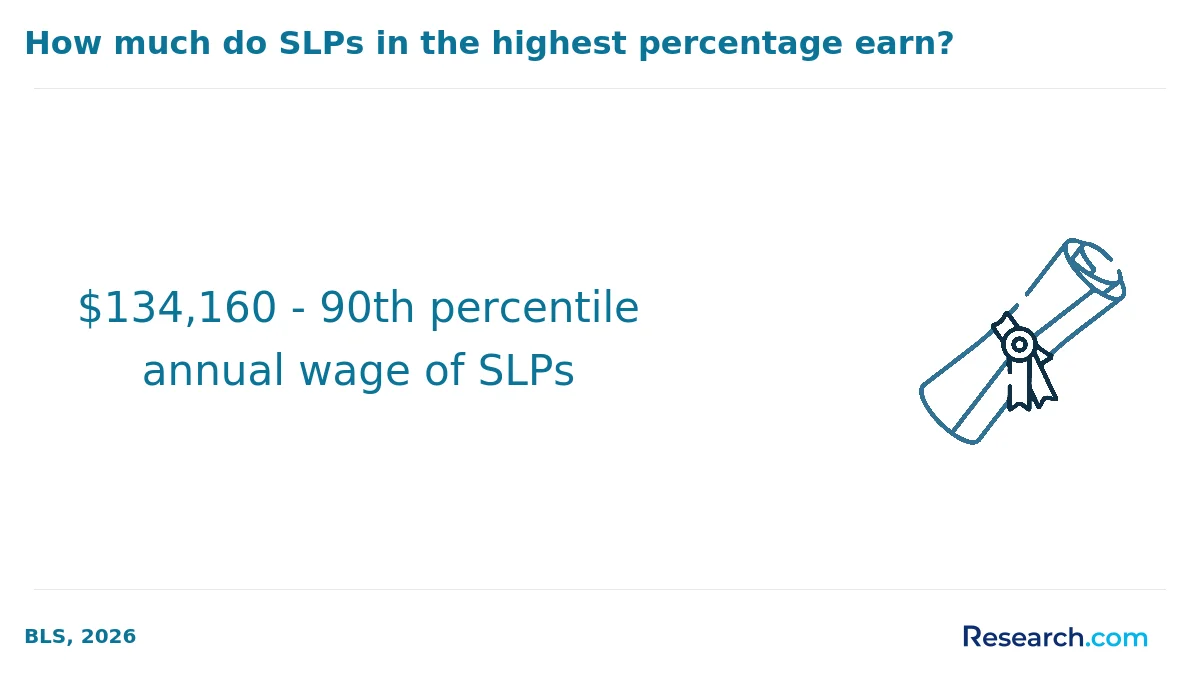
For those who advance, opportunities arise in specialized therapy fields, administrative leadership, and academic or research positions, each with distinct responsibilities and higher compensation-often exceeding $90,000 annually. Specialists in pediatric therapy, neurogenic disorders, or voice care typically need board certification or focused training, which enhances employability and decision-making authority within clinical teams.
Furthermore, leadership roles such as program directors involve overseeing operations and shaping service delivery, requiring both clinical expertise and management skills. Variations in employer priorities and sector-specific demand mean that a graduate's pathway depends heavily on prior experience, chosen specialization, and ongoing professional development, highlighting the importance of deliberate career planning to capitalize on the degree's longer-term labor market potential.
According to 2024 U.S. Bureau of Labor Statistics projections, employment growth in this field is expected to outpace average occupational growth, reinforcing the value of targeted skill acquisition for navigating a competitive, evolving job market.
A master's degree in speech pathology serves as a strategic credential for career transition, though its effectiveness varies with prior experience and field specialization. For individuals moving from unrelated sectors, the degree bridges critical gaps by providing specialized clinical skills and mandatory licensure pathways required to qualify for healthcare and educational roles. This credential, however, often entails practical tradeoffs such as entry-level salary resets and a significant investment of time and effort to accumulate relevant clinical experience and professional networks. Career changers must navigate licensure variability across states and demonstrate both theoretical mastery and applied competencies through internships or practicum components, which are heavily weighted by employers during hiring.
Those changing careers after earning a speech pathology master's degree may find smoother transitions if they come from related disciplines like allied health or education, leveraging overlapping skills such as patient assessment or therapeutic communication. Specializations within speech pathology, such as pediatric therapy or neurogenic communication disorders, shape professional opportunities and may facilitate access to leadership or niche roles with targeted experience.
Practical considerations include a range of tuition costs-for example, speech pathology programs with rolling admissions report tuition between $10,000 and $45,000, underscoring the financial commitment relative to expected salary shifts. Given these factors, career changers should carefully evaluate how additional master's-level training aligns with industry demands and long-term mobility, especially in highly regulated settings.
For those exploring intersecting healthcare management fields, resources like MHA programs online can offer complementary pathways that integrate clinical and administrative expertise.
Holding a master's degree in speech pathology often positions graduates for leadership roles that demand a blend of clinical knowledge and operational management skills. Unlike direct service roles, these positions require navigating organizational systems, balancing regulatory compliance with resource allocation, and coordinating multidisciplinary teams. For example, in hospital settings, speech pathologists may shift to supervisory roles overseeing clinical protocols and staff scheduling while addressing budget limitations-a tradeoff that demands administrative acumen beyond clinical expertise.
This managerial layer also impacts compensation and promotion eligibility, as employers expect distinguished accountability in quality assurance and policy enforcement. However, leadership trajectories vary by setting, with private clinics emphasizing business development and marketing alongside clinical oversight, while educational institutions stress navigating complex mandates such as IDEA and cross-departmental collaboration.
Leadership in speech pathology is not monolithic and reflects diverse industry demands. Many institutions expect advanced regulatory knowledge and team coordination experience for senior roles, which can include multi-site oversight or consulting positions influencing program design across healthcare or educational systems. This complexity often necessitates additional credentials in healthcare administration or management.
A growing number of employers prioritize candidates who can demonstrate strategic planning and stakeholder engagement capabilities, signaling shift away from purely clinical leadership toward roles requiring operational agility and decision-making under regulatory scrutiny. Consequently, professionals need to evaluate how their career aspirations align with these varying pathways, weighing the increased responsibility and potential compensation against demands that may distance them from direct patient care.
One graduate recalled her application process amid rolling admissions, feeling uncertain about when to commit due to advice to gain more clinical hours before applying. She weighed the risk of delaying entry against potential competitiveness, ultimately deciding to send her application late in the cycle. The waiting period introduced anxiety as she awaited news, but the experience sharpened her resolve to approach leadership preparation pragmatically-recognizing that timing and readiness often influence early leadership opportunities more than credentials alone.
Employers in the speech pathology field prioritize technical proficiency that extends beyond foundational communication skills to include mastery of standardized assessment tools and evidence-based intervention methods. These competencies are critical for producing accurate diagnostics and effective treatment plans, especially as clients present increasingly complex conditions. For example, a clinician working with neurogenic communication impairments must integrate augmented communication technologies alongside traditional therapeutic approaches, demonstrating flexibility and advanced technical skill.
Graduates who lack experience with such tools may struggle to meet employer expectations, limiting their ability to command salaries that range typically from $60,000 to $90,000 annually, depending on setting and geographic region, as reported in recent workforce data (Bureau of Labor Statistics, 2024). This salary span reflects how technical and analytical skills directly influence hiring potential and compensation within various healthcare and educational contexts.
Analytical and leadership skills also shape career trajectories, with employers valuing professionals capable of interpreting multifaceted clinical data and adjusting treatment dynamically. In operational roles, managing caseloads efficiently and ensuring HIPAA compliance are non-negotiable responsibilities that underscore a graduate's readiness for practical practice environments. Conversely, administrative positions demand additional competencies in budgeting and policy interpretation, highlighting a tradeoff where technical expertise must be paired with strategic oversight to advance.
Interpersonal skills, such as teamwork and client advocacy, vary in weight across specialties, from pediatric feeding disorders to adult rehabilitation clinics, influencing organizational fit and promotion pathways. Graduates need to recognize these nuances to align their professional development with industry demands, especially as real-world caseload complexity and technology adoption continue to evolve rapidly.
Remote and flexible careers within speech pathology depend heavily on the clinical setting and specific job functions, making these work arrangements unevenly distributed across the field. Adult rehabilitation, research, and supervisory roles more commonly support remote work due to limited direct client interaction, while educational and pediatric speech pathology often require on-site presence for hands-on assessments and real-time collaboration. Performance expectations and regulatory compliance, including adherence to data privacy standards, further restrict the scope of remote practice. For example, mid-career clinicians in private practice may negotiate hybrid or telehealth schedules, balancing digital engagement demands with the need for effective client communication, whereas entry-level professionals typically lack this flexibility due to required supervised clinical hours.
Employers exercise caution around remote speech pathology careers, mindful of challenges in productivity monitoring, confidentiality, and interdisciplinary teamwork. Geographic pay variations and access to flexible speech pathology jobs also influence career trajectories, particularly for independent contractors or consultants who can leverage technology for broader client bases but must manage the tradeoff between autonomy and organizational oversight.
Notably, a growing share of programs reporting enrollment trends in 2024 indicate an increased interest in telepractice-oriented training, reflecting workforce adaptation to hybrid models. Professionals considering flexibility must assess role-specific constraints and how remote or hybrid work aligns with long-term career goals and lifestyle preferences, recognizing practical limits beyond the appeal of location independence.
Transitioning pathways akin to a FNP to acute care NP bridge program illustrate the importance of targeted training for specialized settings requiring in-person competencies.
Licensure and certifications fundamentally shape career trajectories for graduates holding a speech pathology master's degree in the US, with real consequences for employability and advancement. State licensure remains a non-negotiable legal requirement to practice independently in clinical or educational settings, making it the baseline credential for most employers, especially in healthcare and school systems.
By contrast, certifications such as the Certificate of Clinical Competence in Speech-Language Pathology (CCC-SLP) from ASHA, while not legally required, often serve as de facto industry standards signaling verified professional competence and adherence to ongoing education. For example, clinicians targeting specialized roles or leadership positions frequently pursue additional credentials in areas like fluency or neurogenic communication disorders to differentiate themselves. The variable emphasis on certifications versus licensure across sectors reflects operational demands: healthcare entities prioritize licensure for reimbursement and compliance, whereas educational settings may weigh credentialing more heavily for IDEA-mandated services.
These requirements translate directly into workforce implications, affecting salary scales and role eligibility. Professionals without state licensure or recognized certifications face narrower hiring prospects, limited scope of practice, and slower wage growth. Career changers and new graduates seeking smooth entry into speech pathology roles must navigate these licensing regulations carefully to avoid gaps that could delay employment. Maintaining certifications also introduces additional workload, including continuing education and ethical commitments, but offers tangible returns in credibility and advancement potential. This is especially relevant given growing demand across healthcare systems for licensed speech pathologists and certified specialists.
Prospective students and professionals weighing pathways may find tailored guidance in resources like online speech pathology degrees for veterans, which address the interplay of licensure, certifications for speech pathology master's degree in the US, and varied licensed speech pathologist requirements and certifications across jurisdictions.
What Graduates Say About Career Opportunities With a Speech Pathology Master's Degree
- Stephie: "Balancing full-time work while completing my master's in speech pathology was a major time constraint. I chose a program with evening classes to keep my job, which limited some hands-on internships but allowed me to build a diverse portfolio through virtual practicums. Ultimately, I landed a remote role that values demonstrated skills over traditional licensure, though I'm aware this may limit my long-term salary growth."
- Alexis: "After switching careers, I was cautious about investing heavily in a master's program given the financial strain. I opted for a program with a strong internship placement record and manageable workload, which paid off when I secured a clinical internship at a reputable hospital. This experience not only boosted my confidence but made me competitive in a field where employers now prioritize practical experience and certifications alongside degrees."
- Helen: "The demanding coursework and clinical hours in my speech pathology program forced me to reconsider my initial goal of licensing immediately. I decided to focus instead on gaining specialized certifications and building a portfolio through freelance consulting projects. While I faced challenges competing for traditional positions, this strategy opened doors to flexible remote work and niche roles in educational settings, which better suited my lifestyle."
Other Things You Should Know About Speech Pathology Degrees
Full-time programs typically immerse students deeply, often providing more comprehensive clinical experience and stronger academic relationships, which translates to better preparation and networking. However, they may not be feasible for working professionals or those with caregiving responsibilities. Part-time or accelerated formats offer flexibility but can compress clinical hours or reduce peer interaction, potentially weakening skill development and employment readiness. Choosing the right format requires weighing the urgency to complete the degree against the need for depth in training and connection with clinical mentors.
Programs fully accredited by recognized bodies and with strong professional networks consistently offer graduates better access to competitive clinical placements and employers. Accreditation rigor ensures standardized clinical training and curriculum quality, which many healthcare facilities mandate when hiring. Graduates from lesser-known or non-accredited programs may face limited job prospects or delayed certification. Thus, prioritizing accredited programs with proven graduate outcomes should be a decisive factor when selecting a program, as employers often scrutinize training backgrounds.
Speech pathology training involves not only mastering complex scientific content but also managing the emotional weight of working with clients facing communication disorders, often across vulnerable populations. This dual demand can lead to burnout if students underestimate the psychological resilience needed. Programs with strong support systems, such as counseling and peer groups, tend to improve student retention and well-being. Prospective students should assess the availability of these resources and be prepared to proactively address stress to sustain both academic performance and clinical empathy.
- U.S. Bureau of Labor Statistics - Speech-Language Pathologists https://www.bls.gov/ooh/healthcare/speech-language-pathologists.htm
- ASHA EdFind - Accredited Speech-Language Pathology Programs https://find.asha.org/ed/
- Audiology and Speech-Language Pathology Interstate Compact https://aslpcompact.com/compact-map/
- Idaho State University - Master of Science in Speech-Language Pathology (Online/Distance Education) https://www.isu.edu/slp/programs-offered/slp-graduate-program/
- Emerson College - Master of Science (M.S.) in Communication Disorders (Speech@Emerson, online) https://speech.emerson.edu/
- California State University-Northridge - Master of Science in Communicative Disorders (Online) https://tsengcollege.csun.edu/programs/CDS
- Auburn University, Montgomery - Master of Science in Speech-Language Pathology https://www.aum.edu/degree/ms-speech-language-pathology/
- University of North Carolina at Greensboro - Speech-Language Pathology, M.A. (Online) https://csd.uncg.edu/graduate/masters-of-arts-online/