2027 Best Speech Pathology Master's Specializations for Career Growth

Co-Founder and Chief Data Scientist

Reviewed by Rhea Paul, PhD
SLP Education & Research Expert
Choosing a speech pathology master’s specialization is a career-planning decision, not just a course selection. The concentration you choose can influence where you complete clinical placements, which populations you serve, how easily you meet licensure expectations, and whether your future roles lean toward schools, hospitals, private practice, telepractice, research, or management.
The best choice depends on your target setting, tolerance for clinical intensity, interest in technology or interdisciplinary care, and long-term goals for salary growth and leadership. Pediatric speech-language pathology, medical speech pathology, dysphagia, AAC, bilingual and multicultural practice, and telepractice-related training can all support strong careers, but they do so in different ways.
This guide explains which speech pathology master’s specializations show strong career growth, which are in demand, what skills they build, how licensure affects your options, and how students can avoid choosing a concentration that fits their interests but not their career plans.
Key Benefits of the Best Speech Pathology Master's Specializations for Career Growth
- Specializing in pediatric or geriatric speech pathology narrows clinical focus, enhancing expertise but limiting adaptability to diverse client needs, which may restrict job opportunities in broader healthcare settings.
- Employers increasingly prioritize specialization credentials; a 2024 American Speech-Language-Hearing Association report links advanced certifications to 35% higher placement rates, signaling competitive advantage in specialized roles.
- Part-time master's programs extend completion timelines, impacting upfront earnings and family commitments, a crucial consideration given the average program length now exceeds three years for working adults.
Which Speech Pathology Master's Specializations Offer the Best Career Growth?
The speech pathology master’s specializations with the strongest career growth are usually those tied to large service populations, hard-to-fill clinical needs, or skills that transfer across schools, hospitals, rehabilitation centers, private practice, and telehealth. Career growth is not only about getting the first job. It also includes promotion potential, setting flexibility, leadership access, and the ability to adapt as care models change.
- Pediatric Speech Pathology: This is one of the most stable pathways because children need services across schools, early intervention programs, pediatric clinics, and community agencies. The U.S. Bureau of Labor Statistics projects a 17% growth in educational speech-language pathologist roles. Pediatric training can also lead to case management, school district leadership, early intervention coordination, and supervisory roles.
- Adult Neurogenic Speech Pathology: This specialization focuses on communication and cognitive-communication impairments related to stroke, traumatic brain injury, degenerative disease, and other neurological conditions. It supports growth in hospitals, rehabilitation facilities, skilled nursing settings, and long-term care. Clinicians who become confident in complex assessment, interdisciplinary care planning, and outcome tracking can move into lead clinician or rehabilitation team leadership roles.
- Voice Disorders Specialization: Voice disorders is a narrower field, but it can offer strong professional differentiation. It is especially relevant for clinicians who want to work with singers, teachers, performers, executives, and other professional voice users. Because this area often involves collaboration with ENT specialists and may support private practice or academic work, it can create paths toward autonomy, niche expertise, and specialized referral networks.
- Augmentative and Alternative Communication (AAC): AAC is valuable for clinicians interested in assistive technology, complex communication needs, and interdisciplinary care. AAC specialists may work with children and adults who use devices, symbol systems, or other supports to communicate. This specialization can also connect to telepractice leadership, product development, research, school consultation, and technology implementation roles.
Students should compare specializations by asking four practical questions: Which settings hire for this expertise? Does the concentration support licensure and certification goals? Will the skills remain useful if you relocate? Can the specialization lead to leadership, private practice, or advanced clinical roles?
Students who want to combine clinical expertise with future administrative work may also compare speech pathology training with broader management-oriented preparation, such as an online healthcare administration degree, especially if their long-term goal is department leadership rather than direct care alone.
Which Speech Pathology Master's Specializations Are Most In Demand?
The most in-demand speech pathology specializations are those linked to early intervention, aging-related care, complex medical needs, technology-enabled services, and culturally responsive practice. Demand can vary by region and employer type, but several areas consistently align with workforce needs in healthcare and education.
- Pediatric Speech-Language Pathology: Pediatric SLPs remain in demand because children may need support for articulation, language development, fluency, social communication, and developmental disorders. Schools, early intervention systems, and pediatric clinics often need clinicians who can assess young clients, write clear treatment plans, collaborate with families, and meet documentation requirements.
- Medical Speech Pathology Focusing on Neurogenic Disorders: Demand in this area is supported by the aging population and the need for rehabilitation after stroke, traumatic brain injury, and other neurological events. Labor forecasts from the U.S. Bureau of Labor Statistics highlight ongoing expansion in roles tied to neurological rehabilitation. These roles can be clinically demanding because treatment often occurs in fast-moving medical environments.
- Swallowing Disorders (Dysphagia): Dysphagia expertise is highly valued in hospitals, rehabilitation centers, and long-term care because swallowing problems can create serious health risks. Clinicians in this area need strong knowledge of anatomy, physiology, instrumental assessment, diet recommendations, patient safety, and interdisciplinary communication with physicians, nurses, dietitians, and caregivers.
- Telepractice in Speech Pathology: Telepractice is not always listed as a formal concentration, but employers increasingly value clinicians who can deliver effective services online. This is especially important in rural communities, underserved districts, home-based care, and hybrid service models. Students should look for training in virtual assessment limits, privacy requirements, caregiver coaching, digital engagement, and documentation.
- Bilingual and Multicultural Speech Pathology: Bilingual and culturally responsive clinicians are needed as client populations become more linguistically diverse. This specialization requires more than speaking another language. It also requires culturally appropriate assessment, awareness of dialect differences, and the ability to avoid misidentifying language differences as communication disorders.
The strongest demand usually appears where a specialization solves a workforce shortage or reduces risk for an employer. For example, a school district may prioritize pediatric and bilingual skills, while a hospital may prioritize dysphagia and neurogenic rehabilitation. Before choosing a concentration, students should review local job postings, practicum availability, and state licensure expectations instead of relying only on national trends.
What Skills Are Developed in Different Speech Pathology Master's Specializations?
Different speech pathology master’s specializations build different combinations of clinical, technical, communication, and leadership skills. A strong program should prepare students for assessment, diagnosis, treatment planning, documentation, ethical practice, and supervised clinical experience, but the emphasis changes by concentration.
- Pediatric Speech Pathology: Students develop skills in language development, articulation and phonological disorders, fluency, social communication, family-centered care, school collaboration, and intervention planning for young clients. This path is especially useful for students who want to work in schools, early intervention, pediatric outpatient clinics, or community programs.
- Adult Neurogenic Speech Therapy: This specialization develops skills in aphasia, motor speech disorders, cognitive-communication disorders, traumatic brain injury, stroke rehabilitation, degenerative conditions, and recovery-oriented treatment planning. Students learn to work within interdisciplinary medical teams and adapt therapy to changing patient status.
- Augmentative and Alternative Communication (AAC): AAC builds skills in assistive technology selection, device programming, symbolic communication systems, access methods, caregiver training, environmental modification, and progress monitoring. Students also learn to collaborate with occupational therapists, educators, families, and technology vendors.
- Voice and Swallowing Disorders: This area develops specialized knowledge of laryngeal function, vocal health, resonance, swallowing physiology, dysphagia assessment, treatment planning, and risk management. It often requires close collaboration with ENT specialists, physicians, dietitians, and other healthcare professionals.
- Interprofessional Collaboration and Leadership: Some programs embed leadership training across concentrations, while others offer explicit coursework in supervision, case coordination, program development, healthcare communication, and service delivery models. These skills matter for students who want to become lead clinicians, coordinators, supervisors, or administrators.
According to the 2024 American Speech-Language-Hearing Association workforce report, advanced assessment and intervention skills remain core to all master’s-level specializations. The key difference is how those skills are applied: a pediatric clinician may focus on school-based service delivery and family coaching, while a medical SLP may focus on acute care documentation, swallowing safety, and rehabilitation planning.
One graduate who specialized in pediatric speech pathology described the admissions process as a reminder that specialization choices affect real life before classes even begin. She delayed submitting final materials while weighing work, family obligations, and intensive practicum expectations. When acceptance arrived, she had to make quick schedule changes, showing why students should plan early for clinical training demands instead of treating specialization as a purely academic preference.
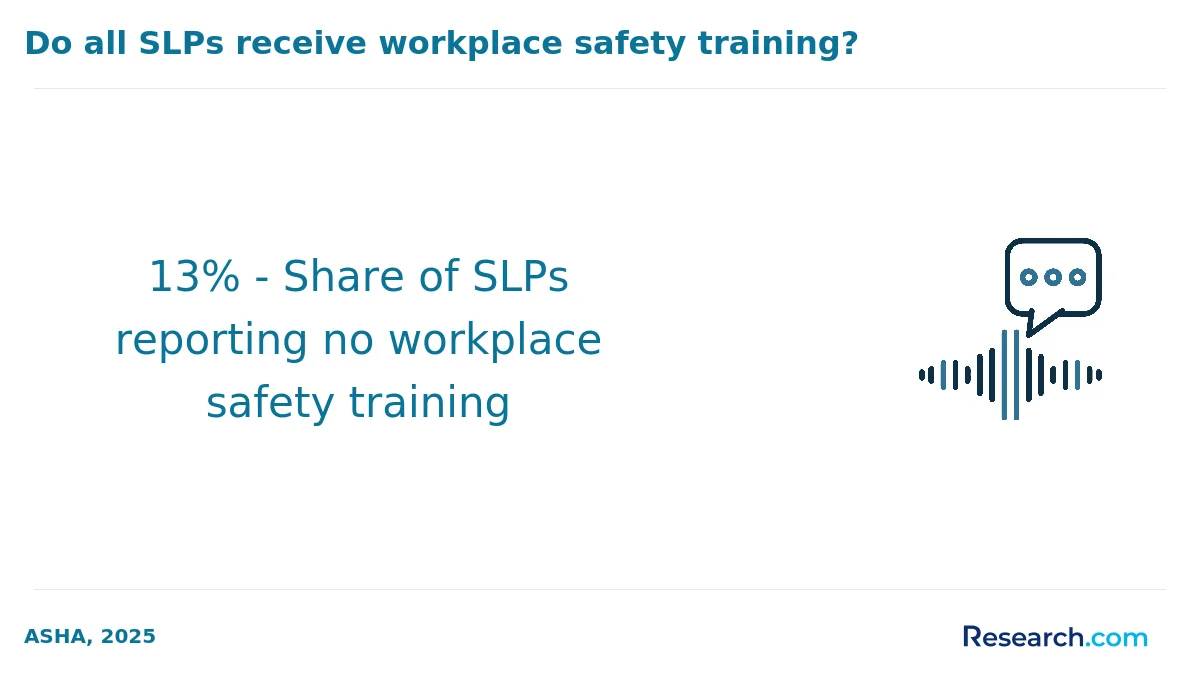
Clinical speech-language pathology roles generally require professional licensure, regardless of whether the clinician specializes in pediatrics, neurogenic disorders, voice, dysphagia, or AAC. Licensure rules vary by state, but students should assume that any specialization involving direct assessment, diagnosis, and treatment of communication or swallowing disorders will require a formal credentialing pathway.
Licensure requirements matter because they affect program selection, clinical hours, exams, supervised post-graduate practice, state eligibility, and job mobility. A specialization may be interesting, but if the program does not align with licensure expectations, graduates may face delays in employment or restrictions on clinical practice.
- Pediatric Speech-Language Pathology: Pediatric practice requires licensure because clinicians diagnose and treat communication disorders in children. Students need supervised clinical experience that prepares them for schools, clinics, early intervention, and family-centered practice while meeting state and national expectations.
- Adult Neurogenic Disorders: This specialization also requires licensure because it involves clinical decision-making for conditions such as post-stroke aphasia and traumatic brain injury. Employers in hospitals and rehabilitation facilities typically expect licensed clinicians who can work safely with complex patients and interdisciplinary teams.
- Voice and Resonance Therapy: Voice and resonance treatment generally falls within the licensed scope of speech-language pathology. Because care may involve medical referral patterns and collaboration with physicians, students should confirm that their clinical placements provide relevant supervised experience.
- Swallowing and Dysphagia Management: Dysphagia is one of the clearest examples of why licensure matters. Assessment and treatment can involve aspiration risk and serious medical consequences, so employers expect documented competency, supervised training, and compliance with clinical standards.
Non-clinical paths, such as speech science research, program coordination, policy, or administrative work, may not require the same direct clinical licensure if the role does not involve patient diagnosis or treatment. However, these paths can limit access to clinical leadership roles, because many advanced positions prefer professionals who understand licensed practice from the inside.
According to recent labor market analyses, nearly 80% of advanced clinical positions in Speech Pathology fields favor or require licensure. That makes licensure a practical gatekeeper for employability, salary progression, supervision eligibility, and geographic mobility.
Students should verify licensure alignment before enrolling, not after graduation. Important questions include whether the program is designed for state licensure, how clinical placements are arranged, whether online students receive placement support, and how the curriculum prepares students for clinical fellowships. Licensure planning also helps students compare speech pathology with other healthcare routes, such as a nursing school that doesn't require TEAS test, where admissions and credentialing requirements follow a different structure.
The best speech pathology specializations for career changers are usually those that allow students to use prior experience while building the clinical competencies required for licensed practice. Career changers should not choose only the “fastest” path. They should choose the path where their background, practicum options, and target employers fit together.
- Pediatric Speech-Language Pathology: This is often a strong fit for people coming from education, child development, psychology, social services, tutoring, special education support, or allied health. Prior experience with children, families, IEP meetings, classroom communication, and developmental milestones can make the transition more coherent. It also offers a large employment base in schools and pediatric settings.
- Neurogenic Communication Disorders: This path can work well for career changers from nursing, occupational therapy, physical therapy, rehabilitation support, counseling, or healthcare administration. Prior familiarity with patient care, neurological conditions, medical documentation, and interdisciplinary teams can be an advantage, although the clinical learning curve may be steeper.
- Augmentative and Alternative Communication (AAC): AAC can suit career changers with backgrounds in special education, assistive technology, instructional design, software, disability services, or occupational therapy. Students without technology or disability-services experience may need additional time to become comfortable with devices, access methods, and implementation planning.
- Voice Disorders: Voice disorders may appeal to career changers from music, theater, vocal performance, teaching, or coaching. However, it can require specialized clinical observation, instrumentation exposure, and medical collaboration that may not be as widely available in every program or region.
According to a 2024 report by the American Speech-Language-Hearing Association, graduates focusing on pediatric specializations achieve a 15% higher employment rate within a year than peers from other tracks. For career changers, that matters because a broader hiring market can reduce transition risk.
One healthcare professional described entering a speech pathology program through rolling admissions and delaying a final specialization choice until their interview answers clearly connected prior experience to pediatric practice. The eventual offer included advice to use their clinical background in pediatric speech-language pathology, showing how career changers can improve admissions and employment outcomes by explaining transferable skills with precision.
Online speech pathology master’s specializations can support strong career growth when they combine academic flexibility with rigorous clinical preparation. The strongest options are not simply the easiest to complete online. They are the specializations that provide relevant supervised placements, teach skills employers need, and prepare students for licensure-related requirements in their state.
- Pediatric Speech-Language Pathology: Pediatric training can translate well to online coursework because students can study developmental theory, assessment planning, intervention design, and school-based documentation remotely, then apply those skills in supervised clinical placements. Employment growth in this area is projected at 17% through 2035 by the U.S. Bureau of Labor Statistics. This specialization may support advancement into school leadership, early intervention coordination, or pediatric program development.
- Medical Speech Pathology: Medical speech pathology can support career growth, but students should evaluate online programs carefully because hospital-based skills require high-quality clinical placements. Strong programs emphasize neurogenic disorders, swallowing disorders, diagnostics, documentation, ethics, and interdisciplinary care. Graduates who build credible medical experience may qualify for advanced clinical roles in hospitals and rehabilitation settings.
- Augmentative and Alternative Communication (AAC): AAC is especially compatible with online learning because it involves technology, digital tools, remote consultation, and team-based problem-solving. Students can develop skills in device selection, implementation planning, caregiver coaching, and cross-disciplinary collaboration. This can lead to roles in schools, clinics, technology integration, consultation, and research.
- Telepractice: Telepractice-focused training is valuable for students who want to work in hybrid or remote service delivery. It builds competencies in virtual assessment limits, online therapy engagement, privacy and documentation, family coaching, digital materials, and caseload management. It can also support future roles in clinical coordination or program development.
Students comparing online options should look beyond the concentration name. Key factors include accreditation, state authorization, clinical placement support, faculty expertise, technology training, licensure alignment, and whether the program has experience supporting students in the state where they plan to practice. Cost also matters, so applicants evaluating a master's in speech pathology online should compare affordability with clinical quality and licensure preparation.
Online students who want broader healthcare exposure may also consider complementary entry-level training, such as the 4-week medical assistant program online, though this should be viewed as supplemental healthcare familiarity rather than a substitute for speech-language pathology graduate training.
The most effective online specialization is the one that matches your intended setting and provides a realistic path to supervised experience. A student aiming for school-based pediatric practice needs different placement support than a student targeting dysphagia or acute care. Digital flexibility is useful, but clinical readiness is what determines career growth.
Speech pathology management careers usually require more than strong clinical skills. Managers need to understand staffing, budgets, compliance, documentation systems, quality improvement, supervision, interdepartmental communication, and service delivery strategy. Some concentrations develop these abilities more directly than others.
- Healthcare Administration and Clinical Leadership: This is the most direct route for students who want to manage clinical teams, departments, or service lines. Coursework in healthcare policy, budgeting, operations, ethics, quality improvement, and organizational behavior can help clinicians move from individual caseload management to department-level decision-making.
- Research and Education in Speech Pathology: Research-oriented concentrations can lead to management through program evaluation, grant writing, curriculum design, academic coordination, and evidence-based practice leadership. This route is useful for students interested in universities, training programs, research clinics, or institutional policy work.
- Interdisciplinary Concentrations with Public Health or Business Administration: Pairing speech pathology with public health or business concepts can prepare graduates for broader leadership roles. These concentrations help students understand population health, organizational strategy, reimbursement pressures, financial planning, and cross-sector collaboration.
- Practicum and Administration-Focused Internships: Students who want management roles should seek placements that expose them to supervision, scheduling, compliance monitoring, staff development, workflow design, and program planning. Administrative experience can make leadership coursework more credible to employers.
Data from the U.S. Bureau of Labor Statistics (2024) indicates that speech-language pathologists with specialized training in management or administration demonstrate a 15% higher promotion rate to supervisory roles within five years. That does not mean every management-focused student will be promoted quickly, but it does show the value of pairing clinical expertise with operational training.
Students targeting management should ask programs whether they offer leadership electives, supervisor mentorship, administrative practicum options, interprofessional coursework, and exposure to compliance or billing systems. A concentration that builds both clinical credibility and organizational judgment provides a clearer route to supervisory and administrative roles.
Earning potential in speech pathology varies by specialization, work setting, geographic market, licensure status, experience, and whether the role includes leadership or specialized clinical responsibility. Median earnings typically range from about $75,000 in school-based roles to over $90,000 in private practice or specialized clinical environments, according to 2024 data from the U.S. Bureau of Labor Statistics and corroborated by Payscale.
Medical and healthcare-focused speech pathologists, including those working in acute care, swallowing disorders, neurological rehabilitation, and complex adult care, often earn 10-20% more than those in educational settings. This difference reflects higher clinical intensity, medical risk, documentation demands, and interdisciplinary responsibilities. It may also reflect employer type, funding model, and availability of specialized roles.
School-based speech-language pathologists often benefit from predictable schedules, public-sector benefits, strong demand, and job stability. However, compensation may be shaped by district salary schedules, union agreements, and structured pay steps. That can limit rapid salary acceleration even when the clinician has advanced expertise.
Private practice and specialized clinical environments may offer higher income potential, especially for clinicians with strong referral networks, niche expertise, leadership responsibilities, or business skills. These settings can also bring trade-offs, including variable caseloads, productivity expectations, administrative burden, insurance complexity, and less predictable income in some cases.
Long-term earnings often improve when a specialization supports scarce expertise or leadership authority. Dysphagia, neurogenic rehabilitation, voice, AAC, and management-oriented concentrations may help clinicians move into advanced roles, but salary outcomes still depend on licensure, experience, local demand, and employer needs. Students should compare both starting salary and long-term advancement potential before choosing a concentration.
The biggest mistake students make is treating specialization as a preference question instead of a career strategy. Personal interest matters, but it should be tested against job demand, licensure requirements, clinical placement access, salary expectations, and the daily realities of the work.
- Choosing Based on Perceived Ease: Some students choose a concentration because it seems less stressful or less technical. That can backfire if the path has fewer openings, weaker advancement potential, or limited clinical relevance. A manageable workload is important, but it should not be the only criterion.
- Ignoring Job Demand Trends: Students sometimes choose a specialization without checking local and regional hiring patterns. Pediatric speech disorders may show strong growth in many areas, while other specializations may be more dependent on specific hospitals, private practices, or urban markets. Reviewing job postings can reveal what employers actually request.
- Lack of Clinical and Research Exposure: Choosing a track before observing the work can lead to disappointment. A student may like the idea of dysphagia or voice disorders but later discover that the clinical setting, documentation load, or medical collaboration is not a fit. Shadowing, volunteering, research assistantships, and practicum exposure can prevent costly misalignment.
- Overlooking Licensure and Certification Requirements: Some specializations require additional supervised experience, continuing education, or employer-specific competencies. Underestimating these requirements can delay employment or limit mobility. Students should confirm how their program supports licensure and whether additional credentials may be expected in their target setting.
- Neglecting Long-Term Industry Changes: Students may focus only on current trends and overlook technology, telepractice, policy shifts, interdisciplinary care, and changing patient demographics. Cross-disciplinary awareness can improve adaptability, as seen in other healthcare paths such as the functional medicine nurse practitioner pathway.
A 2024 survey by the National Board for Certification in Speech-Language Pathology revealed that nearly 38% of students prioritized workload perceptions over career potential. That finding highlights why students should weigh interest, difficulty, demand, and long-term opportunity together.
A better approach is to build a decision checklist: target population, preferred setting, licensure pathway, clinical placement availability, salary expectations, geographic mobility, technology exposure, and leadership goals. The best speech pathology master’s specialization for career growth is the one that fits both the student’s strengths and the labor market they plan to enter.
Students can align specialization choices with long-term career plans by starting with the job they want, then working backward to the skills, licensure requirements, placements, and credentials needed to qualify for that role. A concentration should function as part of a multi-year plan, not as an isolated academic interest.
First, students should identify their preferred population and setting. A future school-based clinician may prioritize pediatric language, literacy, autism-related communication, bilingual services, and IEP collaboration. A future medical SLP may prioritize dysphagia, neurogenic communication disorders, cognition, acute care documentation, and interdisciplinary practice. A future consultant or technology-focused clinician may prioritize AAC and telepractice.
Second, students should evaluate portability. Some specializations are widely useful across many regions, while others depend on access to specialized clinics, hospitals, or referral networks. Growth projections, like those reported by the U.S. Bureau of Labor Statistics in 2024, are not uniform across settings or populations, so students should compare national outlooks with local hiring realities.
Third, students should plan for credentials and advancement. A concentration that supports licensure, clinical fellowships, continuing education, supervision eligibility, or future leadership roles can provide more long-term value than a track chosen only for short-term convenience. Students who want administrative or interdisciplinary careers may also consider supplemental training, including an online environmental health and safety degree or related credentials, when relevant to broader healthcare operations or compliance interests.
The most practical strategy is to create a specialization map: list target roles, required skills, required credentials, likely employers, practicum needs, salary expectations, and possible next-step positions. This makes it easier to see whether a concentration supports long-term advancement or simply matches a current interest.
What Graduates Say About the Best Speech Pathology Master's Specializations for Career Growth
- : "After completing my master's with a specialization in speech pathology, I realized that employers often valued a strong portfolio and hands-on internship experience more than licensure during hiring. I had to proactively seek out clinical placements to build a credible resume, which meant balancing work and study carefully. While licensure remains a goal, the program helped me enter the workforce faster by emphasizing practical skills and real-world communication strategies. — Kelly"
- : "The flexibility offered by the speech pathology specialization allowed me to explore remote therapy roles, which was a game changer given my personal circumstances. That said, I discovered that salary growth without official certification can plateau quickly, making it necessary to plan for additional credentials down the line. Navigating these trade-offs early on helped me make informed decisions about where to invest my energy post-graduation. — Alexis"
- : "Transitioning from my original career was challenging, but my master's with a speech pathology focus provided a clear pathway into the field. I found that entry-level roles are competitive and employers prioritized actual therapy experience over just academic success. This pushed me to take extra internships and volunteer positions, which eventually paid off by opening up opportunities in specialized clinics that aligned with my interests. — Margaret"
Other Things You Should Know About Speech Pathology Degrees
Some master's specializations demand significantly more clinical practicum hours, which can extend the total time commitment and limit flexibility. For example, specializations focused on pediatric speech disorders often involve more hands-on client interaction during practicums compared to those emphasizing research or administrative roles. Students prioritizing work-life balance should carefully assess program structures because intense clinical requirements may reduce time available for coursework, part-time jobs, or family obligations.
Specializing in a very specific niche early on can offer a competitive edge in that domain but may hinder lateral or upward mobility if market demand shifts or if one desires to transition to broader roles. Employers often value versatility, especially in healthcare settings where diverse caseloads are common. Graduates who focus on widely applicable areas such as adult neurogenic disorders may maintain broader employment opportunities, while those who choose rarer specializations risk limiting geographic or sector flexibility.
In 2027, choosing a specialization aligned with leadership roles can open doors to administrative positions and policy-making roles, enhancing career versatility. In contrast, focusing on clinical expertise can lead to higher demand in specialized therapy delivery, catering to niche populations with specific speech and language needs.
The decision depends on your career goals: clinical-focused specializations may accelerate skill mastery and client impact, but leadership-oriented tracks frequently require additional administrative or policy training. If advancement into supervisory or program development roles is a priority, pursuing a specialization that integrates leadership principles alongside clinical skills is beneficial. However, those intent on direct patient care should prioritize specializations offering deeper clinical exposure, as management roles often build on strong foundational expertise.
- U.S. Bureau of Labor Statistics - Speech-Language Pathologists https://www.bls.gov/ooh/healthcare/speech-language-pathologists.htm
- ASHA EdFind - Accredited Speech-Language Pathology Programs https://find.asha.org/ed/
- ETS Praxis - Speech-Language Pathology (5331) https://praxis.ets.org/test/speech-language-pathology-5331.html
- Nova Southeastern University - SLP Program - Master of Science in Speech-Language Pathology https://osteopathic.nova.edu/degrees/masters/speech-language-pathology/index.html
- New York University - Online MS, Communicative Sciences and Disorders (Speech@NYU) https://steinhardt.nyu.edu/degree/online-ms-communicative-sciences-and-disorders
- University of Scranton - Master of Science (M.S.) in Speech-Language Pathology https://www.scranton.edu/academics/pcps/health-and-human-performance/programs/speech-language-pathology/index.shtml
- New England Institute of Technology - Master of Science in Speech Language Pathology https://www.neit.edu/academics/graduate-degrees/speech-language-pathology-ms
- University of North Carolina at Greensboro - Speech-Language Pathology, M.A. (Online) https://csd.uncg.edu/graduate/masters-of-arts-online/