2027 Most Valuable Speech Pathology Degree Programs Ranking in the USA Territories

Co-Founder and Chief Data Scientist

Reviewed by Rhea Paul, PhD
SLP Education & Research Expert
Exploring a career in speech pathology can open doors to meaningful work and personal fulfillment. If you're in the USA Territories, choosing the right degree program is an important step. This article introduces the 2027 Most Valuable Speech Pathology Degree Programs Ranking in the USA Territories, created by the Research.com team of data scientists.
The ranking is designed to help you identify programs that offer strong value and quality education. Reading this guide will give you clarity and confidence in finding a program that fits your goals and sets you up for success.
Key benefits of getting speech pathology degree in the USA Territories
- Graduates with a speech pathology degree can expect strong earning potential, with roles like Speech Therapist offering a mean annual wage of $96,790 and hourly wage of $46.54, ensuring financial stability.
- Career paths are diverse, ranging from Speech-Language Pathology Assistants earning around $47,010 annually to Clinical Research Coordinators making about $43,350, providing flexibility to find the right fit.
- Obtaining a speech pathology degree online from a respected university in the USA Territories allows for flexible learning schedules and the ability to balance work and study while gaining the same valuable skills as traditional degrees.
- 2027 Most Valuable Speech Pathology Degree Programs Ranking in the USA Territories
- What can I expect from speech pathology degree in the USA Territories?
- Where can I work with speech pathology degree in the USA Territories?
What can I expect from speech pathology degree in the USA Territories?
The average cost of a speech pathology degree in the USA Territories typically falls between $7,000 and $15,000 per year, making it generally more affordable than many mainland programs. Graduates from universities like the University of Puerto Rico often share how this pricing allowed them to pursue their passion without overwhelming financial burdens. Imagine balancing vibrant campus life with rigorous classes, all while knowing tuition remains manageable-this fosters a focused, energized journey into the world of communication sciences.
These programs offer bilingual instruction, such as in Spanish and English, which adds an enriching layer to the learning experience. Students recall the rewarding challenge of practicing clinical skills in local community clinics or schools, feeling deeply connected to diverse populations. The cost-effectiveness paired with hands-on training invites students to dive into their studies with enthusiasm, keenly aware they are preparing for a meaningful career that meets both local and national standards.
Where can I work with speech pathology degree in the USA Territories?
Imagine starting your career as a speech pathologist right here in the USA Territories, where opportunities are as vibrant and diverse as the communities you'll serve. Graduates from popular programs at local colleges often find themselves working in hospitals or rehabilitation centers, helping patients regain their voices after strokes or injuries. It's deeply rewarding to witness firsthand how your skills can transform lives.
Others have embraced roles in public and private schools, inspired by the challenge of supporting bilingual children navigating speech difficulties. With laws like IDEA guiding these efforts, schools across Puerto Rico or Guam actively seek passionate SLPs, making your education highly relevant and impactful.
Early intervention clinics are another exciting frontier, where graduates cherish their roles in nurturing toddlers' communication milestones. Plus, many adventurous alumni launch private practices or explore telepractice, reaching remote clients across islands and rural areas.
Every day brings new learning and connection, proving that a speech pathology degree in the USA Territories opens doors to meaningful, dynamic careers shaped by the unique culture and needs of the region.
Graduates with a speech pathology degree in the USA Territories step into a uniquely rewarding field, where earnings blend regional realities with impactful work. For example, a typical role like a Speech-Language Pathology Assistant offers an average annual wage around $47,000, based on national data. This can feel exciting for students from universities in Puerto Rico or Guam, where healthcare needs open doors to meaningful employment.
More advanced careers, such as certified Speech Therapists, can expect mean wages near $97,790 annually, though local salaries in the territories may range from about $50,000 to the mid-$60,000s, reflecting the smaller markets but rich community interactions. Graduates often recall their vibrant clinical experiences on campuses in these territories, learning alongside diverse populations, which prepares them for roles in schools, hospitals, or military bases with competitive benefits.
Positions like Clinical or Community Outreach Coordinators also hover around $43,350 to $96,790 yearly, sparking enthusiasm for versatile career paths after graduation. Imagine yourself thriving in bilingual settings, where your skills truly bridge cultures and open salary potentials.
- Speech pathology degree options are limited in USA Territories like Puerto Rico, Guam, and the U.S. Virgin Islands due to fewer universities offering specialized programs.
- Graduate tuition in these territories typically ranges from $5,000 to $15,000 per year, which is generally lower than many mainland U.S. programs.
- Starting salaries for speech pathologists in the territories usually fall between $50,000 and $60,000 annually, below the national average.
- Experienced speech pathologists can earn up to $80,000 depending on location and work setting.
- Job market growth is steady but jobs can be sparse and competitive, with employers mainly including schools, hospitals, and private clinics.
- Licensing generally requires graduating from an accredited program and passing the national ASHA examination.
Embarking on a speech pathology journey in the USA Territories sparks a rewarding adventure that typically spans about six years. Imagine starting at the University of Guam or the University of Puerto Rico, where eager graduates recall their initial four years dedicated to earning a bachelor's degree in communication sciences or a similar field. This foundation sparks curiosity and confidence as you dive into the science of language and communication.
The excitement grows as you transition into a master's program, usually two years long, fully accredited by the American Speech-Language-Hearing Association (ASHA). Graduates delight in the mix of challenging coursework and hands-on clinical practicums, where real-life patient interaction sharpens skills and feeds their passion for helping others.
Beyond academics, the journey includes an inspiring clinical fellowship of 9 to 12 months-about 36 weeks of supervised experience that bridges classroom knowledge with professional practice. These immersive experiences in local clinics or hospitals prepare students for a fulfilling career right in their home territories.
Imagine juggling your daily life on a beautiful island in the USA Territories while earning a speech pathology degree: online programs let you dive into coursework with flexible schedules, perfect for balancing work and family. Graduates from popular universities like the University of Guam share how video lectures and virtual simulations made learning feel immersive, even from afar.
On the other hand, enrolling on-campus at schools near the Territories brings the excitement of face-to-face connections. Students cherish the chance to engage directly with professors and peers, especially during hands-on clinical practicums right on site. This immediate feedback sharpens skills and builds confidence in real-time.
Tuition looks similar between both routes, but choosing online often means saving on rent and commuting-huge perks when living far from campus hubs. Yet, all students must complete supervised clinical hours for certification, with online learners navigating local placement opportunities, adding a thrilling challenge to their journey.
The average cost of a speech pathology degree in the USA Territories offers an inviting opportunity for many aspiring students. At popular institutions like the University of Puerto Rico, graduates often find that the total expenses hover around $6,650 for in-state residents, making specialized education surprisingly affordable. Reflecting on one graduate's journey, the manageable tuition allowed them to focus on clinical practicums and explore hands-on learning without overwhelming financial stress, enhancing their passion for speech-language pathology.
The average cost of speech pathology degree programs in USA territories reflects a median total expense near $17,450 for those who study as out-of-state or attend distance learning programs. For students in Guam or the U.S. Virgin Islands, this means planning for tuition costs that can range from $10,000 to $25,000 annually, capturing the adventurous spirit of those who may move beyond their islands to pursue advanced degrees. These students share stories of vibrant challenges and the reward of connecting island communities through their future careers.
Understanding total expenses for speech pathology degrees in US territories also involves considering additional fees, such as clinical training and certification exams. These costs, while sometimes surprising, enrich the educational experience by preparing students for real-world success. Aspiring speech pathologists are encouraged to explore options widely, including online paths, where the best accelerated degree college options for working adults might align perfectly with busy schedules and financial goals.

Imagine starting your speech pathology journey at the University of Guam, where financial aid feels like a welcoming hand guiding you forward. Many students discover relief through the Federal Student Aid program, unlocking Pell Grants up to $7,395-funds that can turn tuition costs from daunting to doable.
Other graduates recall how Direct Subsidized and Unsubsidized Loans helped them bridge gaps, offering low-interest options with flexible repayment plans, easing their path through programs that typically cost between $6,000 and $8,000 annually in the territories.
Beyond federal aid, students here often tap into local scholarships-like those from the Puerto Rico Department of Education-designed to nurture healthcare careers right where you live, sparking a strong sense of purpose and community connection.
The American Speech-Language-Hearing Association also extends private scholarships, rewarding dedication and merit, while federally funded work-study positions provide both income and hands-on clinical experience, deepening your skills and confidence.
Filling out the FAFSA is your first step to uncovering these opportunities. At institutions across the territories, financial aid offices stand ready to help tailor your funding journey, making your dream of studying speech pathology feel within reach and vibrant with promise.
Accreditation ensures your degree is recognized by employers, certification bodies, and licensure boards across the USA Territories.
- Enroll in a CAA-accredited program to meet ASHA standards.
- Complete a minimum of 400 supervised clinical practicum hours.
- Pass the Praxis® Examination in Speech-Language Pathology.
- Apply for territorial licensure through boards in Puerto Rico, Guam, USVI, or CNMI.
- Maintain ASHA Certificate of Clinical Competence (CCC) with ongoing professional development.
To compare tuition rates and find cost-effective options, see affordable slp programs in texas.
Diving into speech pathology degrees in the USA Territories means embracing a set of prerequisites designed to prepare you thoroughly for this exciting journey. Graduates from universities in Puerto Rico and Guam often share how taking foundational courses like biology, anatomy, and psychology gave them a clear understanding of the human body and behavior, making their advanced coursework feel more approachable and rewarding.
Imagine walking into a class on the anatomy and physiology of speech and hearing mechanisms at the University of Puerto Rico, where the hands-on labs illuminate how our voices actually work. Many students describe that early exposure as eye-opening, fueling their passion for communication sciences.
To enroll, you'll commonly need a bachelor's degree that includes classes such as Introduction to Communication Disorders, Phonetics, and Developmental Psychology. These prerequisites bridge the gap between curiosity and expertise and set you on course to meet licensure requirements recognized across all US states and territories.
Hands-on clinical experiences and preparation in research methods are often part of this foundational journey, just as recent graduates from the University of Guam recall their practicum enriched by strong theoretical knowledge. It's a challenging but exciting path that local applicants find deeply rewarding and uniquely tailored to the community's needs.

Diving into a speech pathology degree in the USA Territories means immersing yourself in courses that balance science with hands-on practice, tailored to unique local communities. Graduates from well-known universities in Puerto Rico and Guam often share how courses like Introduction to Communication Sciences and Disorders sparked their curiosity about how language and hearing shape human connection.
Imagine studying the Anatomy and Physiology of the Speech and Hearing Mechanism-unlocking the mysteries behind speech production while surrounded by diverse cultural influences. Students find the Phonetics and Speech Sound Disorders classes fascinating, where they decode real-world speech errors they later encounter during clinical practicum.
Courses such as Language Development and Disorders go beyond textbooks by exploring how children in the territories grow linguistically, making learning deeply relatable. Many describe the Assessment and Diagnosis of Communication Disorders course as empowering, equipping them to provide accurate support in local schools and clinics.
The blend of Neurology for Speech Pathologists and Treatment and Intervention Techniques prepares students to face challenges confidently, while culturally relevant content nurtures empathy and understanding. These programs, often more affordable here, offer an exciting, well-rounded adventure into speech pathology.
Diving into speech pathology specializations in USA Territories is like embarking on a unique educational journey. Graduates from popular programs such as the University of Puerto Rico often share how their focus on child language development enriched their ability to support young learners facing communication challenges in bilingual settings. These specializations include vibrant fields like voice and resonance disorders, which are particularly relevant in island territories where vocal health can be impacted by local environmental factors.
Exploring types of speech pathology degrees in USA Territories reveals options tailored to real community needs. Adult neurogenic communication disorders, for instance, prepare students to assist the region's aging populations recovering from strokes or brain injuries. Others find passion in augmentative and alternative communication (AAC), providing vital tools for individuals in remote areas lacking speech resources.
Such programs cultivate confident professionals ready to engage with diverse cultures and languages. If you're curious about how to navigate these pathways, learning what are the easiest masters degrees related to speech pathology can help shape your adventurous educational plans.
When navigating the quest for the best speech pathology degree programs USA Territories, imagine stepping into a journey where accreditation is your compass. Graduates from respected local universities often share how choosing a program accredited by the Council on Academic Accreditation (CAA) opened doors to fulfilling clinical experiences and smooth certification pathways. Many students find themselves eager learners, embracing hybrid or online classes offered by mainland institutions willing to support Territory residents, blending convenience with rigorous training.
Affordability also colors this adventure, with many embracing the challenge of uncovering affordable speech pathology degrees in USA Territories. Public universities in the region often bring a breath of fresh air by offering lower tuition compared to private mainland options. These brave explorers encourage peers to dive into scholarships and financial aids, making quality education truly accessible without sacrificing dreams.
Picture a graduate recounting their clinical practicum tales, highlighting how local placements or strategic relocation enriched their skills deeply. Since hands-on experience is vital - the ASHA requires 400 clinical hours - programs facilitating these experiences locally can transform daunting logistics into exciting opportunities. To embark quickly on this path, some even pursue quick masters programs that keep momentum strong and passion alive.
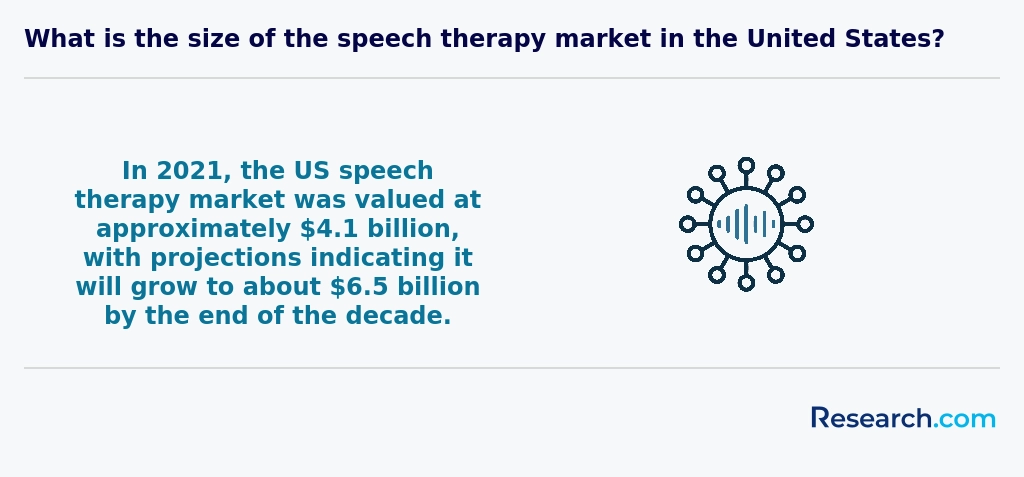
Graduates with a speech pathology degree in the USA Territories embark on exciting career paths, discovering opportunities in hospitals, schools, and private practices that truly impact lives. Clinical speech-language pathologists assist patients recovering from strokes or brain injuries in local rehabilitation centers, while educational speech therapists support children struggling with communication delays across public and private schools in territories like Puerto Rico and Guam. Many graduates cherish their roles providing early intervention services to infants, feeling rewarded as they watch little ones flourish. Private practice offers the adventurous path of diagnosing voice and swallowing disorders, giving clinicians independence and close patient relationships.
In popular programs at universities throughout the territories, speech pathology students find inspiration in real-world settings, preparing to become researchers or faculty members who shape future professionals. The job prospects for speech pathology graduates in USA Territories continue to grow alongside funding for special education. Those considering further study often explore options like cheapest online degrees, making advanced education affordable while fueling their passion for helping diverse communities.
The speech pathology job outlook USA Territories is unique and offers a sense of community not always found in larger states. Graduates from popular colleges in Puerto Rico or Guam often share how their training prepares them to work closely with children and elders in local schools and clinics. Many find the work deeply rewarding as they directly see their impact on individual lives, though the job market is smaller compared to the mainland. This demand stems from educational settings and healthcare centers across the islands, creating steady career opportunities for speech pathology graduates USA Territories.
Salaries tend to be lower here, ranging from $40,000 to $55,000 annually, but graduates appreciate the lower living costs and the chance to be part of island communities. Tuition at these local universities also remains affordable, often between $4,000 and $10,000 per year, making it easier for residents to pursue their passion without overwhelming debt. Some students explore cheapest online schools for job holders to complement their local studies, balancing work and education. The adventure of serving your own community can make challenges feel worthwhile and inspire a true calling in speech pathology.
2027 Most Valuable Speech Pathology Degree Programs Ranking in the USA Territories
Investing in your education is a significant decision that can shape your future, and the Research.com team understands the importance of making informed choices. To assist prospective students in the USA Territories, we have meticulously crafted the "2027 Most Valuable Speech Pathology Degree Programs Ranking in the USA Territories." Our commitment to quality, credibility, and accuracy is reflected in the extensive research and analysis conducted to compile this ranking.
We utilized the following reputable data sources to ensure a comprehensive evaluation of speech pathology programs:
By exploring this ranking, readers will gain valuable insights into the most valuable speech pathology degree programs in the USA Territories, helping them make well-informed decisions about their educational paths. For more details on our methodology, please visit our Research.com methodology page.
# 1 position
Universidad Ana G. Mendez-Gurabo Campus
Master of Science in Speech-Language Pathology (MSLP)
# 2 position
Albizu University-San Juan
Master of Science in Speech and Language Pathology
# 4 position
Inter American University of Puerto Rico-Metro
Master of Science in Speech-Language Pathology

# 5 position
University of Puerto Rico-Medical Sciences
Master of Science (M.S.) education program in Speech-Language Pathology (residential), University of Puerto Rico, Medical Sciences Campus
# 6 position
Universidad Ana G. Mendez-Cupey Campus
Bachelor of Science in Speech-Language Pathology

# 7 position
Inter American University of Puerto Rico-Ponce
Master of Science in Speech-Language Pathology
# 8 position
Pontifical Catholic University of Puerto Rico-Ponce
Bachelor of Science in Speech-Language Pathology

# 9 position
Inter American University of Puerto Rico-Aguadilla
Master of Science in Speech-Language Pathology
# 10 position
Inter American University of Puerto Rico-Fajardo
Master of Science in Speech-Language Pathology
Frequently Asked Questions About speech pathology
Speech pathology degree students in the USA Territories can maximize their learning experience by engaging deeply with accredited programs recognized by the Council on Academic Accreditation in Audiology and Speech-Language Pathology (CAA). Given the limited number of local institutions offering specialized courses, students should seek blended or online options from mainland universities to broaden their academic exposure.
Practical experience is crucial. Students should pursue clinical placements early, ideally within community health centers or schools servicing diverse multilingual populations, common in territories like Puerto Rico and Guam. This hands-on learning enhances cultural competence and practical skills.
Networking with professional organizations such as the American Speech-Language-Hearing Association (ASHA) can provide valuable mentorship and access to continuing education. Current data shows that such involvement improves job placement rates by up to 20% in territorial graduates.
Emerging niches in speech pathology within the USA Territories focus on specialized areas adapting to local community needs. Telepractice has rapidly expanded, allowing practitioners to reach remote island populations where healthcare access is limited. This approach aligns with national trends showing a 15% annual growth in telehealth services, according to the American Speech-Language-Hearing Association (ASHA).
Another growing area is bilingual speech therapy. Given the linguistic diversity of territories like Puerto Rico and Guam, clinicians with expertise in both English and native languages can better serve children and adults. ASHA reports that bilingual services improve patient outcomes by fostering culturally relevant treatment.
Additionally, speech pathologists increasingly address age-related communication disorders as the territories experience gradual population aging. These niches offer promising career paths for graduates aiming to meet unique regional demands.
After completing a speech pathology degree in the USA Territories, it is essential to prepare strategically for the job market. Graduates should first obtain state licensure, which generally requires passing the national Praxis exam in Speech-Language Pathology and completing a Clinical Fellowship Year (CFY). These steps ensure compliance with licensure boards in territories such as Puerto Rico or Guam.
Building a strong professional network is also critical. Joining organizations like the American Speech-Language-Hearing Association (ASHA) can provide access to job listings and continuing education. Additionally, gaining experience through internships or volunteer work can improve employment prospects.
According to the U.S. Bureau of Labor Statistics, the demand for speech pathologists in US territories is expected to grow about 21% by 2030, highlighting the importance of early career preparation.
Employers in the USA Territories seek speech pathology graduates with strong communication skills, clinical proficiency, and cultural competence. Given the diverse populations in territories like Puerto Rico and Guam, understanding bilingualism and multicultural communication is especially valuable. According to the American Speech-Language-Hearing Association (ASHA), clinical experience with various disorders and age groups is critical for employment.
Furthermore, employers prioritize graduates who demonstrate strong problem-solving abilities and adaptability to different healthcare and educational settings. Knowledge of evidence-based therapy techniques and technological tools, such as speech analysis software, also enhances job prospects.
Overall, a combination of technical skills and interpersonal sensitivity prepares graduates to meet regional demands effectively.
Finding internships for speech pathology degrees in the USA Territories involves leveraging local educational institutions and healthcare providers. Many speech-language pathology graduate programs in territories like Puerto Rico, Guam, and the U.S. Virgin Islands have partnerships with nearby hospitals, clinics, and schools that offer practical training opportunities.
The American Speech-Language-Hearing Association (ASHA) maintains a directory of accredited programs, which often include internship placements. Students should contact their program coordinators early for guidance on securing clinical experiences that meet ASHA's certification requirements.
Additionally, internships may be available through territorial public health departments or special education services, providing hands-on experience within the community.
Obtaining a speech pathology degree in the USA Territories significantly enhances career mobility and advancement for professionals in this field. Accredited programs comply with the American Speech-Language-Hearing Association (ASHA) standards, which are recognized across all US jurisdictions, including territories such as Puerto Rico, Guam, and the US Virgin Islands.
Graduates become eligible for the Certificate of Clinical Competence in Speech-Language Pathology (CCC-SLP), a crucial credential for working in both public and private sectors. According to ASHA, speech pathologists holding this certification earn 20% higher salaries on average and have broader job prospects.
The demand for speech-language pathologists in the territories is growing, driven by increased awareness of communication disorders and the expansion of healthcare services. This trend opens opportunities for career advancement into specialties or leadership roles within educational and healthcare systems.
Studying for a speech pathology degree in the USA Territories offers unique preparation for interdisciplinary roles due to the close collaboration among healthcare, education, and social services in these regions. Programs emphasize team-based approaches, ensuring students work alongside professionals such as audiologists, educators, and occupational therapists. This cooperative training aligns with standards set by the American Speech-Language-Hearing Association (ASHA), which accredits programs like those in Puerto Rico and Guam.
Students gain practical experience in diverse settings, including schools and community clinics, reflecting the territories' multicultural environments. According to the U.S. Bureau of Labor Statistics, demand for speech-language pathologists in these areas is growing by 12% through 2030, highlighting the need for professionals skilled in cross-disciplinary communication.
Choosing between a thesis and a non-thesis speech pathology degree program in the USA Territories depends on your career goals and learning preferences. Thesis programs typically involve original research, which is ideal if you plan to pursue a PhD or a career in academia. These programs usually take longer to complete but provide a strong foundation in research methodology.
Non-thesis programs focus more on clinical practice and coursework, preparing students for immediate licensure and work in healthcare settings. According to the American Speech-Language-Hearing Association (ASHA), most Territory programs align with national certification trends, requiring practicum hours rather than research.
Consider your long-term plans and consult Territory-specific program advisors to select the best fit for your professional development.
Students based in the USA Territories seeking speech pathology degrees abroad often consider accredited programs within the continental United States or Puerto Rico. Limited local options prompt many to explore universities on the mainland, where speech pathology programs accredited by the Council on Academic Accreditation (CAA) offer recognized certification opportunities essential for professional licensure.
Distance education and hybrid models have expanded access, allowing some students to begin or complete coursework remotely. However, clinical practicum components typically require in-person participation, which may necessitate relocation.
Given the compact size and smaller populations of the Territories, financial aid and scholarship opportunities specifically targeting these students remain limited but are growing. For more precise guidance, students should consult the American Speech-Language-Hearing Association (ASHA) and institutions' international student offices.
Students pursuing speech pathology degrees in the USA Territories can benefit from part-time job opportunities that build practical experience. Common roles include teacher's aide positions in local schools, where students assist with language development activities. Additionally, some healthcare facilities and community centers offer part-time rehabilitation aide roles, helping licensed speech pathologists with therapy sessions.
These positions enhance clinical skills and improve understanding of diverse patient needs. According to the American Speech-Language-Hearing Association (ASHA), gaining direct client interaction is crucial for licensure preparation.
In Guam and Puerto Rico, part-time work in special education programs is particularly relevant, supporting students with speech and language challenges. Such roles not only supplement income but also strengthen resumes for future speech pathology careers.
Speech pathology students in the USA Territories have growing networking opportunities through regional and national organizations. The American Speech-Language-Hearing Association (ASHA) offers student memberships with access to conferences and online forums, which are crucial for connecting with professionals.
In territories such as Puerto Rico and Guam, local universities often host workshops and community events that help students build professional networks. Additionally, collaborative programs with mainland institutions can provide remote internships and mentorship options.
State and territorial health departments sometimes partner with educational institutions, creating avenues for students to engage in public health projects and expand their contacts within clinical settings.
Alumni networks provide valuable support for speech pathology degree students in the USA Territories by creating strong professional connections. These networks often facilitate job placements, internships, and mentorship opportunities crucial for early career development. According to the American Speech-Language-Hearing Association (ASHA), graduates with access to active alumni groups report higher employment rates within six months of program completion.
In the dispersed geography of the USA Territories, where local clinical placements can be limited, alumni networks help students access broader resources and remote job openings. Additionally, they promote continuing education and updates on licensing requirements specific to territories like Puerto Rico and Guam.
Participation in alumni events also encourages collaboration on research and advocacy efforts that address regional speech-language needs, enhancing students' professional growth and community impact.
Students in the USA Territories can customize their speech pathology degree programs by selecting elective courses that align with specific career interests, such as pediatric, geriatric, or bilingual speech-language pathology. Many programs offer options for clinical practicum placements in diverse community settings, allowing hands-on experience with local populations. Accreditation by the American Speech-Language-Hearing Association (ASHA) ensures that coursework meets national standards, providing flexibility in specialization.
Some institutions in territories like Puerto Rico incorporate bilingual training, reflecting local language needs. Utilizing online courses or inter-territory partnerships can expand learning opportunities beyond the home campus. Advising services help tailor study plans to meet licensure requirements and long-term goals, maximizing relevance to regional job markets.
Speech pathology students in the USA Territories often face unique challenges compared to those in the mainland. One major issue is the limited availability of accredited graduate programs locally, which may require students to relocate or pursue online options. According to the American Speech-Language-Hearing Association (ASHA), Guam and Puerto Rico have fewer graduate training sites, impacting clinical placement opportunities crucial for certification.
Additionally, students may encounter difficulties due to limited local language diversity in training, which restricts exposure to varied speech disorders common in multicultural settings. Financial constraints and fewer scholarships tailored to territorial students further complicate access to education.
Infrastructure limitations, such as fewer specialized faculty members and resources, also impact the learning experience. These factors combined make it important for prospective students to carefully plan their academic path.
With a speech pathology degree, graduates in the USA Territories can pursue the Certificate of Clinical Competence in Speech-Language Pathology (CCC-SLP), awarded by the American Speech-Language-Hearing Association (ASHA). This certification is widely recognized and often required for employment in clinical and educational settings.
The CCC-SLP ensures that professionals meet national standards for knowledge and clinical experience. Additionally, to practice legally in many USA Territories, licensure specific to the territory is necessary, which may require passing the Praxis exam in Speech-Language Pathology.
Some professionals also pursue specialty certifications or teacher endorsements to expand their career opportunities.
Writing a winning application for a speech pathology program in the USA Territories involves clear communication of your academic background and relevant experience. Focus on meeting the prerequisites set by territorial universities, which typically include coursework in communication sciences, biology, and psychology.
Highlight any volunteer or work experience related to speech therapy or healthcare, as these demonstrate commitment and practical understanding. The American Speech-Language-Hearing Association (ASHA) emphasizes the importance of strong recommendation letters from professionals familiar with your skills.
Many programs in territories like Puerto Rico and Guam require a personal statement outlining your motivation and career goals. Be concise, authentic, and align your goals with regional healthcare needs.
Lastly, ensure you meet all testing requirements, such as the GRE if requested, and submit all materials well before deadlines to strengthen your application's competitiveness.
The field of speech pathology is increasingly recognized worldwide for its critical role in communication health. In the USA Territories, speech pathology careers align with global trends emphasizing evidence-based practice and cultural competence. According to the American Speech-Language-Hearing Association (ASHA), speech pathologists are among the fastest-growing healthcare professions in the U.S., including its territories, with expected job growth of 29% from 2021 to 2031.
Globally, speech pathology professionals often collaborate across disciplines and borders to enhance client care. The multilingual and multicultural environment of the USA Territories offers unique opportunities to develop skills valued in international contexts. Many territories follow the U.S. accreditation standards for speech pathology degrees, facilitating professional mobility worldwide.
Students pursuing a speech pathology degree in the USA Territories can gain practical experience through clinical placements often required by accredited programs. These hands-on opportunities typically occur in local hospitals, schools, or community health centers. The American Speech-Language-Hearing Association (ASHA) mandates a minimum of 400 clinical clock hours, including supervised direct client interaction, for certification eligibility. Territory-based universities usually partner with regional health providers to facilitate these essential practicum experiences.
Some programs also support internships or volunteer positions, allowing students to work with diverse populations. This practical training helps develop communication assessment and therapy skills crucial for professional readiness.
Resources like the ASHA website and local education departments provide up-to-date listings of clinical sites and opportunities in the territories.
Choosing the right concentration within a speech pathology degree program in the USA Territories requires understanding local healthcare needs and job opportunities. Concentrations often focus on areas like pediatric speech disorders, adult neurogenic communication, or bilingual speech therapy, all relevant in diverse Territory populations.
In regions like Guam or Puerto Rico, bilingual skills are especially valuable due to the mix of English and other languages spoken. According to the American Speech-Language-Hearing Association (ASHA), programs emphasizing multicultural competency tend to better prepare students for Territory-specific challenges.
Prospective students should review program accreditation and curriculum alignment with Territory licensure requirements. Practical experience options, such as clinical placements within Territory communities, are also important factors in selecting a concentration.
See What Experts Have To Say About Studying Speech Pathology
Read our interview with Speech Pathology experts

- Finding your niche in private practice - Dysphagia Cafe https://dysphagiacafe.com/finding-your-niche-in-private-practice/
- Role of a Speech-Language Pathologist: How Are SLPs Changing the World? https://slponline.ithaca.edu/blog/how-slps-changing-world
- Scholarships https://speechpathologymastersprograms.com/scholarships/
- Speech Language Pathology in 2026: Trends Clinicians Need to Watch - Lighthouse Therapy https://lighthouse-therapy.com/speech-language-pathology-in-2026-trends-clinicians-need-to-watch/
- How to Make a Career Change from Teaching to Speech Pathology https://teach.com/online-ed/healthcare-degrees/online-masters-speech-language-pathology/transition-from-teacher-to-slp/
- What’s Your Niche? Specializing as an Speech-Language Pathologist https://www.meaningfulspeech.com/blog/private-practice-SLP
- Grad School Application Resource Center https://www.nsslha.org/programs/grad-school-application-resource-center/
- Challenges Facing Speech Pathologists 2025 | SLP Career https://www.speechpathologygraduateprograms.org/blog/top-10-issues-facing-speech-language-pathologists/
- How to Navigate 6 Common Challenges for School-Based SLP https://invocompanies.com/blog/how-to-navigate-6-common-challenges-for-school-based-speech-language-pathologists/
- Admission Requirements https://www.ualberta.ca/en/communications-sciences-and-disorders/programs/msc-in-speech-language-pathology/admissions/admission-requirements/index.html