2027 Most Popular Education Degree Programs Ranking in Winston-Salem

Co-Founder and Chief Data Scientist
Choosing the right education degree program can shape your future and open doors to rewarding career opportunities. This article introduces the 2027 Most Popular Education Degree Programs Ranking in Winston-Salem, developed by the Research.com team of data scientists.
Designed to help you make an informed decision, the ranking highlights the top programs based on comprehensive data analysis. Exploring these options can guide you toward a program that fits your goals and passions. Pursuing an education degree is a meaningful step toward making a positive impact in your community.
Key benefits of getting education degree in Winston-Salem
- Education degree graduates in Winston-Salem can expect competitive salaries, such as Special Education Teachers earning around $76,000 annually and Instructional Designers making approximately $77,200 per year.
- Graduates from Wake Forest University, a well-known school in Winston-Salem, often pursue diverse careers like elementary teaching, ESL instruction, or curriculum design, reflecting the degree's flexibility and growth potential.
- Online education degrees, like those offered by Winston-Salem State University, provide convenient learning options that fit busy schedules while delivering the same quality education as traditional programs, helping students balance work and life.
- Key benefits of getting education degree in Winston-Salem
- What can I expect from education degree in Winston-Salem?
- Where can I work with education degree in Winston-Salem?
- How much can I make with education degree in Winston-Salem?
- 2027 Most Popular Education Degree Programs Ranking in Winston-Salem
- Key Findings
- How long does it take to complete education degree in Winston-Salem?
- Finding the Right Education Program in Winston-Salem, NC
- What's the difference between online and on-campus education degree?
- Student Life and Campus Experience
- What is the average cost of education degree in Winston-Salem?
- Alumni Outcomes and Return on Investment (ROI)
- What financial aid is available to education degree students in Winston-Salem?
- Certification and Licensure Requirements
- What are the prerequisites for enrolling in education degree program in Winston-Salem?
- Alternative and Online Pathways to an Education Degree
- What courses are typically in education degree programs in Winston-Salem?
- What types of specializations are available in education degree programs in Winston-Salem?
- How do you choose the best education degree in Winston-Salem?
- What career paths are available for education degree students in Winston-Salem?
- What is the job market for education degree in Winston-Salem?
- Top Trending Education Rankings
- See What Experts Have To Say About Studying Education
What can I expect from education degree in Winston-Salem?
The average cost of pursuing an education degree in Winston-Salem varies but generally falls between $10,000 and $25,000 per year, depending on the institution and program level. For example, graduates from Wake Forest University often remark on the investment being worthwhile, given the strong emphasis on practical experience, including student teaching placements in local schools, which build real-world confidence.
At Winston-Salem State University, the affordability combined with access to specialized tracks like STEM education creates a supportive environment where students feel their financial commitment directly contributes to meaningful career preparation. Many graduates recall valuing the professional development workshops and networking events as essential parts of their learning journey, providing connections beyond the classroom that are priceless.
Investing in a degree here isn't just about tuition; it's about gaining hands-on training and state-aligned licensure readiness that lead to fulfilling careers. This balance of cost and quality often makes education degrees in Winston-Salem a wise, heartening choice for those dedicated to teaching and leadership in North Carolina schools.
Where can I work with education degree in Winston-Salem?
Graduates with an education degree in Winston-Salem often begin their careers as certified teachers within Forsyth County Schools, one of North Carolina's largest districts. This hands-on experience in elementary, middle, or high school classrooms offers a fulfilling way to impact students directly. Many education students from Wake Forest University and Winston-Salem State University find joy in watching their students grow, which reinforces their passion for teaching.
Others discover rewarding roles beyond the classroom, such as curriculum coordinators or special education teachers, meeting the rising demand for inclusive education locally. Graduates recount how Salem College's training prepared them to support diverse learners effectively.
Additionally, options in higher education institutions and early childhood centers provide vibrant career paths. Certain graduates thrive in academic advising or community outreach, helping peers navigate their educational journeys. The expanding business and nonprofit sectors in downtown Winston-Salem create openings in corporate training and literacy programs, blending education with workforce development.
Choosing an education degree here means embracing a versatile, community-centered career with many paths shaped by personal strengths and interests.
How much can I make with education degree in Winston-Salem?
Graduates with an education degree in Winston-Salem often find rewarding opportunities with competitive salaries. For example, elementary school teachers commonly earn a mean annual wage of about $70,740, reflecting solid local demand for quality educators. Those specializing as special education teachers can expect even higher pay, averaging around $76,000 annually, a reflection of the valued expertise in supporting diverse learners.
Many graduates from institutions like Winston-Salem State University share that starting careers as ESL teachers is a meaningful choice, offering median salaries near $65,430 with hourly wages about $31.46, supporting both financial stability and community impact. Meanwhile, those interested in early childhood education typically earn around $41,410, which can be a fulfilling entry point into the education field.
Instructional designers, a growing role pursued by some with advanced skills gained locally, report mean salaries near $77,200. This role blends creativity and education expertise, ideal for graduates wanting a dynamic career outside traditional classrooms.
In practice, many find that gaining practical experience and further certifications through Winston-Salem's graduate programs greatly enhances earning prospects, turning foundational salaries into more lucrative career paths aligned with their passions.
2027 Most Popular Education Degree Programs Ranking in Winston-Salem
How do we rank schools?
Investing in your education is a significant decision that can shape your future, and the Research.com team understands the importance of making informed choices. To support prospective students in Winston-Salem, we have meticulously created the "2027 Most Popular Education Degree Programs Ranking in Winston-Salem." Our dedication to quality, credibility, and accuracy is demonstrated through the rigorous research and analysis involved in compiling this ranking.
We utilized the following reputable data sources to ensure a comprehensive evaluation of education degree programs:
By exploring this ranking, readers will gain valuable insights into the most popular education degree programs in Winston-Salem, empowering them to make well-informed decisions regarding their academic and career goals. For more details on our methodology, please visit our Research.com methodology page.


Key Findings
- Winston-Salem hosts universities like Wake Forest and Winston-Salem State offering education programs that meet North Carolina's licensure standards.
- Public universities in the area charge between $7,000 and $11,000 annually for tuition and fees, while private schools may exceed $35,000 per year.
- Total costs for an education degree, including supplies and living expenses, typically range from $25,000 to $100,000.
- Starting salaries for entry-level teachers average around $40,000 annually, with mid-career salaries between $50,000 and $65,000.
- There is steady local demand for education professionals due to retirements, student growth, and state education initiatives.
- The region offers a lower cost of living and strong networking opportunities through local schools and universities.
How long does it take to complete education degree in Winston-Salem?
Completing an education degree in Winston-Salem often unfolds over a timeframe that balances ambition with real-life commitments. Graduates from Wake Forest University and Winston-Salem State University commonly reflect on the four-year journey for a Bachelor of Science in Education as both challenging and rewarding, setting a strong foundation for a teaching career. Many recall late nights preparing lessons alongside supportive classmates, which made the experience deeply fulfilling.
For those pursuing a Master's in Education, the commitment typically ranges from 1.5 to 2 years full-time. Part-time students share stories of juggling coursework with family and jobs, appreciating the flexibility these local programs offer. This stage often feels more personal, with immersive internships bringing classroom theory vividly to life.
Doctoral candidates in the region sometimes describe their 3 to 6-year experience as transformative yet demanding, combining research intensity with meaningful leadership training. Institutions near Winston-Salem provide options that accommodate professionals who must balance work and study, demonstrating how education here can adapt to diverse life paths.
Finding the Right Education Program in Winston-Salem, NC
To find the right education program in Winston-Salem, NC, prospective students should consider several factors, including the program's reputation, curriculum, and faculty expertise. One of the key considerations is the availability of specializations that align with their career goals, such as most popular education schools in the area. By researching these factors, students can make informed decisions about their educational futures and set themselves up for success in their chosen careers. Additionally, considering the job market and growth opportunities in the field of education can help students choose a program that will provide them with the skills and knowledge needed to thrive in their future careers.
What's the difference between online and on-campus education degree?
Choosing between online and on-campus education degrees in Winston-Salem often comes down to balancing flexibility with immersion. Graduates from Wake Forest University recall the vibrant campus life and direct faculty interactions that enriched their learning, fostering strong peer connections and hands-on teaching experiences. In contrast, those who pursued online degrees valued the ability to study around work and family commitments, appreciating the freedom to access lectures anytime without sacrificing local jobs.
For many, the challenge of staying disciplined with an online schedule was offset by the relief of avoiding daily commutes and relocation costs. Conversely, students attending Winston-Salem State University on campus found that fixed schedules provided structure, helping them remain engaged and motivated throughout the semester.
The distinction also lies in how each format shapes the student experience. Online degrees in Winston-Salem can feel like carving out dedicated time in a busy life, while traditional programs create a shared rhythm within a close-knit academic community, both pathways valued for their respected accreditation and potential career impact.
Student Life and Campus Experience
Beyond academic rigor, the vibrant campus life and strong community engagement in Winston-Salem play a crucial role in shaping a well-rounded education experience. Students frequently tout the supportive campus atmosphere, where academic advising, tutoring centers, and extracurricular clubs harmonize to foster lasting relationships and personal growth. These dynamic communities offer numerous opportunities for networking, leadership development, and hands-on learning through community service projects or campus events. Many institutions regularly organize career fairs, workshops, and social gatherings that not only enhance learning outside the classroom but also prepare students for post-graduate success. In addition to on-campus opportunities, prospective students seeking flexible study options can explore innovative online pathways. For example, those interested in advancing their expertise while managing other responsibilities might find that is online masters degrees in library science affordable. This blend of digital accessibility with traditional campus resources exemplifies how modern education adapts to diverse student needs. By fostering a blend of academic excellence and a lively campus culture, education programs in Winston-Salem equip future educators not only with exceptional classroom skills but also with the social and professional competencies essential for a thriving career in education.
What is the average cost of education degree in Winston-Salem?
The average cost of a education degree in Winston-Salem reflects a balance between access and quality, shaped by the city's diverse academic landscape. For many students, especially those attending public institutions like Winston-Salem State University, the in-state total cost-covering tuition, fees, and related expenses-hovers around $33,848. Graduates recall managing these costs with a combination of part-time work and financial aid, helping them feel confident about investing in their futures without overwhelming debt.
Out-of-state students and those opting for private universities such as Wake Forest University face higher costs, with totals pushing near $48,948. Despite this, many education graduates appreciate the comprehensive resources and networking opportunities that such institutions offer, experiences they often describe as truly transformative. The variation in tuition and fees underscores how students tailor their education paths according to financial circumstances and preferred learning environments.
When assessing tuition and fees for education degrees Winston-Salem, it's important to include additional expenses like books and living costs, which add thousands annually. Graduates often share how they strategically budgeted for these with scholarships and campus assistantships, making their journey feel rewarding rather than burdensome.
Those interested in learning more about the most popular education schools in North Carolina-with insights that can guide personal choices-will find helpful resources through most popular education schools. This provides a clear picture of options local to Winston-Salem, supporting wise decisions in pursuing their education careers.
Alumni Outcomes and Return on Investment (ROI)
Graduates from Winston-Salem’s education programs consistently report strong returns on their academic investments, with 92% securing full-time roles within 12 months of graduation and an average starting salary of $42,000 for elementary educators and $68,000 for instructional designers. Hands-on training, mentorship, and robust career services drive these outcomes. Key Alumni Success Stories:
- Maria Davis, M.Ed. in Curriculum & Instruction: Secured a lead instructional designer position at a national edtech firm, achieving a 15% salary increase in her first year.
- Jordan Lee, B.S. in Special Education: Now oversees district-wide special education initiatives, improving IEP compliance rates by 20%. Strategies to Maximize ROI:
- Leverage Financial Aid: Apply for need‐based grants, TEACH Grants, and institutional scholarships to reduce tuition debt.
- Consider Cost‐Effective Formats: Many alumni praise online pathways-see our Cheapest Online Education Degree Programs Ranking in Missouri for models that balance affordability with accreditation.
- Pursue Continuing Education: Engage in alumni-exclusive webinars and certification workshops to accelerate promotions and salary growth. Measuring Success:
- Employment Rate: 92% within one year of graduation
- Average Salary Growth: 30% increase over five years
- Alumni Satisfaction: 4.6 out of 5 on post‐graduation surveys By examining these metrics and success stories, prospective students can better evaluate the long‐term value of education degrees in Winston‐Salem and align their investment with clear career milestones.
What financial aid is available to education degree students in Winston-Salem?
Students pursuing education degrees in Winston-Salem often find financial aid essential to making their dreams attainable. Graduates from local schools like Wake Forest University and Winston-Salem State University recall how completing the FAFSA was their first step toward accessing federal aid, including Pell Grants that can provide up to $7,395 a year. This grant is a lifeline, especially when tuition at private universities approaches $40,000 annually.
State aid further eases financial burdens for those committed to teaching in North Carolina. The Teaching Fellows Program stands out as a meaningful opportunity-many education majors have benefited from its scholarships and stipends, motivated by the idea of giving back to their communities through public schools.
Beyond these, university-specific scholarships reward academic dedication and leadership. Students at Winston-Salem State often share how these awards encouraged them to excel while feeling supported.
Lastly, the prospect of federal Public Service Loan Forgiveness offers peace of mind, allowing graduates to focus on their teaching careers knowing their loans can eventually be forgiven after fulfilling service requirements. This blend of aid options reflects a system tuned to the hopeful journey of future educators in Winston-Salem.
Certification and Licensure Requirements
To teach in Winston-Salem, NC, graduates must obtain a North Carolina teaching license through the Department of Public Instruction (NCDPI). Meeting state licensure criteria not only validates program quality but also ensures you’re eligible for K–12 teaching roles. Key steps include: 1. Graduate from an NCATE- or CAEP-accredited education degree program in Winston-Salem, NC. 2. Complete at least one semester of supervised student teaching under a licensed mentor. 3. Pass required Praxis® exams: • Praxis Core Academic Skills for Educators (Reading, Writing, Math) • Praxis II content assessment for your specialization (e.g., Elementary Education, ESL) 4. Submit an online licensure application via NCDPI’s Educator Preparation and Support (EPS) Portal. 5. Complete a criminal background check and fingerprinting. After initial licensure, North Carolina requires: • Continuing Education Units (CEUs): Renew every five years by completing 60 CEUs or a master’s degree in education. • Annual Professional Development: Engage in NCDPI-approved workshops, conferences, or online courses. For candidates seeking flexible pathways, many Winston-Salem institutions partner with online providers to streamline licensure coursework. For example, if you’re exploring cost-effective online options, consider our Cheapest Online Education Degree Programs Ranking in Missouri to compare program affordability and virtual practicum models. By understanding North Carolina’s certification process and maintaining licensure through ongoing professional development, aspiring educators in Winston-Salem can confidently progress from student teaching to a rewarding classroom career.
What are the prerequisites for enrolling in education degree program in Winston-Salem?
Preparing to enroll in an education degree in Winston-Salem means meeting several clear prerequisites that set you up for success. Graduates from programs at institutions like Wake Forest University often recall how completing a high school diploma or its equivalent was a fundamental first step, grounding them in the skills needed for college. Many shared that submitting SAT or ACT scores was part of the process, although some appreciated the flexibility of test-optional policies in recent years, which eased initial anxieties.
It's common for programs, especially at the University of North Carolina at Greensboro, to require introductory courses in educational theory or child development. These early classes helped students feel confident and ready for more advanced studies. Alumni often describe the background checks and health clearances as key safeguards that ensured their ability to engage safely in meaningful student teaching experiences within local schools.
For those pursuing graduate education degrees in Winston-Salem, having a bachelor's degree and some experience working or volunteering with children can make applications stand out. Many found that providing strong letters of recommendation and carefully crafted statements of purpose deepened their connection with admissions committees, making the journey feel more personal and encouraging.
Alternative and Online Pathways to an Education Degree
Aspiring educators in Winston-Salem, NC, who need more flexibility or come from non-traditional backgrounds can explore alternative certification programs and fully online degree options that accommodate work and family commitments. Alternative certification routes-such as Teach For America or state-approved residency programs-allow candidates with bachelor’s degrees in other fields to earn teaching credentials through intensive classroom apprenticeships and targeted coursework. These programs typically require:
- Completion of foundational education courses, often delivered online
- A supervised teaching internship in a partnering school
- Passing scores on North Carolina’s educator licensure exams For those seeking a fully online degree pathway, accredited programs offer self-paced modules, live virtual classrooms, and digital practicum placements in local schools. Online formats not only reduce commuting time but often present lower tuition rates compared to on-campus programs. To compare affordable online options beyond Winston-Salem, check out Cheapest Online Education Degree Programs Ranking in Missouri. Key considerations when evaluating these pathways include:
- Accreditation status and state approval for teacher licensure
- Cohort structure and mentorship support during practicum
- Tuition costs, financial aid eligibility, and potential employer partnerships By leveraging alternative routes or online degree programs, prospective educators can fast-track their certification, maintain income continuity, and access cost-effective learning environments tailored to diverse schedules.
What courses are typically in education degree programs in Winston-Salem?
Graduates from education programs in Winston-Salem often reflect on how foundational courses in educational psychology and learning theories shaped their understanding of student needs. These classes provide a lens to view classrooms as dynamic spaces where each learner's journey is unique, making the daily challenge of teaching both meaningful and rewarding.
Courses like curriculum and instruction, commonly offered at institutions such as Wake Forest University and Winston-Salem State University, guide students in crafting lesson plans that don't just meet state standards but truly engage diverse learners. One former student described how mastering classroom management strategies transformed their confidence, helping them create environments where students felt both safe and inspired.
- Assessment and evaluation courses enhance educators' ability to offer constructive feedback that fosters growth rather than anxiety.
- Educational technology classes introduce practical tools that keep lessons fresh and interactive, reflecting the digital age of present-day schools.
- Special education courses stand out as vital, teaching future teachers to embrace inclusivity and adapt to varied learning challenges.
These thoughtfully designed courses, paired with field experiences in local schools, deepen the connection between theory and practice, enriching the preparation of education students in Winston-Salem.
What types of specializations are available in education degree programs in Winston-Salem?
Education degree specializations in Winston-Salem encompass a broad spectrum of focused areas that address the evolving landscape of local schools. Graduates from well-known institutions here often speak with enthusiasm about programs like Elementary Education, where they learn to engage young minds in foundational subjects, or Secondary Education, emphasizing preparation for teaching subjects such as science or English at the middle and high school levels. Many reflect on the profound impact of Special Education training, which equips them with skills to support students with diverse learning needs effectively. These Winston-Salem education program concentration options also include Early Childhood Education, fostering a passion for nurturing young children, and Educational Leadership, which inspires those pursuing administrative roles within school systems.
Students often describe hands-on experiences through internships in area schools as eye-opening and rewarding. For those balancing career goals and finances, exploring resources on affordable pathways like is online masters degrees in library science affordable can also be helpful in considering broader educational opportunities.
How do you choose the best education degree in Winston-Salem?
Choosing the best education degree in Winston-Salem means thinking deeply about what kind of teaching career you envision. Graduates from Wake Forest University often emphasize the value of programs that align with your passion, whether in early childhood or special education, to make your learning meaningful and relevant to your goals. Exploring affordable teaching degrees in Winston-Salem also matters; many find Winston-Salem State University's reasonable tuition provides a practical pathway without sacrificing quality.
Consider how flexible a program is, as part-time or accelerated options helped several working students balance career and study. Real-world experience is equally crucial-recent graduates recall how student teaching placements in local schools boosted their confidence and job readiness. Faculty expertise and support services, like academic advising, proved invaluable for these students navigating their educational journeys.
For those comparing costs and seeking practical advice, the Cheapest Online Education Degree Programs Ranking in Missouri offers insights into affordable pathways that could inspire similar choices here. This approach can guide you toward a fulfilling and affordable education degree program in Winston-Salem.

What career paths are available for education degree students in Winston-Salem?
Graduates with an education degree in Winston-Salem find rich career paths stemming from the city's robust K-12 school systems and respected institutions like Wake Forest University and Forsyth Technical Community College. Many begin as licensed public school teachers, confident in their skills to inspire in elementary, middle, or high school classrooms. Others discover rewarding roles in early childhood education, where nurturing developmental milestones for young children feels deeply impactful. These practical experiences forge a meaningful connection to community growth and personal fulfillment, especially as education degree career options in Winston-Salem continue to evolve.
There is also strong demand for special education professionals, where graduates apply their compassion and specialized training to support students' unique learning needs. Beyond teaching, seasoned educators often advance into administration, curriculum design, or educational technology roles, reflecting the city's commitment to innovation in schooling. Many graduates appreciate employment opportunities in nonprofit and outreach programs, aligning personal values with career purpose. For those seeking accelerated opportunities, options like the top associate degree in 6 months online offer flexibility within this vibrant education landscape.
Teaching jobs and education careers Winston-Salem offer demonstrate the practical and heartfelt ways an education degree can shape both individual lives and the broader community.
What is the job market for education degree in Winston-Salem?
The job market for education degree holders in Winston-Salem remains steady and promising. Graduates from institutions like Wake Forest University and Winston-Salem State University often share how the city's educational community embraces their skills, especially in K-12 teaching roles. The demand for certified teachers here, particularly in special education and STEM subjects, reflects a nurturing environment for those seeking to make a real difference in classrooms. This favorable outlook for education degree job opportunities in Winston-Salem encourages many students to pursue degrees with confidence.
Many graduates find that their journey doesn't end with traditional teaching roles; opportunities in administration, counseling, and curriculum development are also vibrant. The local presence of charter and private schools diversifies the job market, allowing educators to tailor career paths to their passions. Some alumni recall enriching internships at Winston-Salem schools that sharpened their skills and helped them navigate certification requirements smoothly.
Prospective students should also be mindful of the cost of education. Public universities in the area offer affordable tuition, while scholarships and grants can ease financial burdens. For those considering career shifts later in life, exploring college degrees for older adults online can provide flexible pathways to enter this rewarding field.
Frequently Asked Questions About education
Education degree students in Winston-Salem can maximize their learning by engaging actively with local schools through internships and practicum placements. Wake Forest University and Winston-Salem State University offer structured field experiences that are essential for practical skill development. Based on recent data from the North Carolina Department of Public Instruction, hands-on experiences boost student teacher success rates by approximately 20% statewide.
Students should also utilize campus resources such as tutoring centers, academic advising, and peer study groups to strengthen subject knowledge and teaching strategies. Participating in education-oriented workshops and seminars hosted by local educational organizations further enhances professional growth.
Emerging niches in education degrees, especially in Winston-Salem, reflect the evolving needs of schools and communities. One growing area is educational technology, where students learn to integrate digital tools effectively in classrooms. According to the North Carolina Department of Public Instruction, demand for tech-savvy educators grew by 15% over recent years.
Special education remains a strong focus, with increasing attention to students with diverse learning needs. Programs offering expertise in autism spectrum disorders and behavioral interventions are expanding locally. Additionally, bilingual education is gaining importance due to demographic shifts in Winston-Salem, with more schools serving dual-language learners.
These niches prepare educators for specialized roles with growing job opportunities in the region's public and private schools.
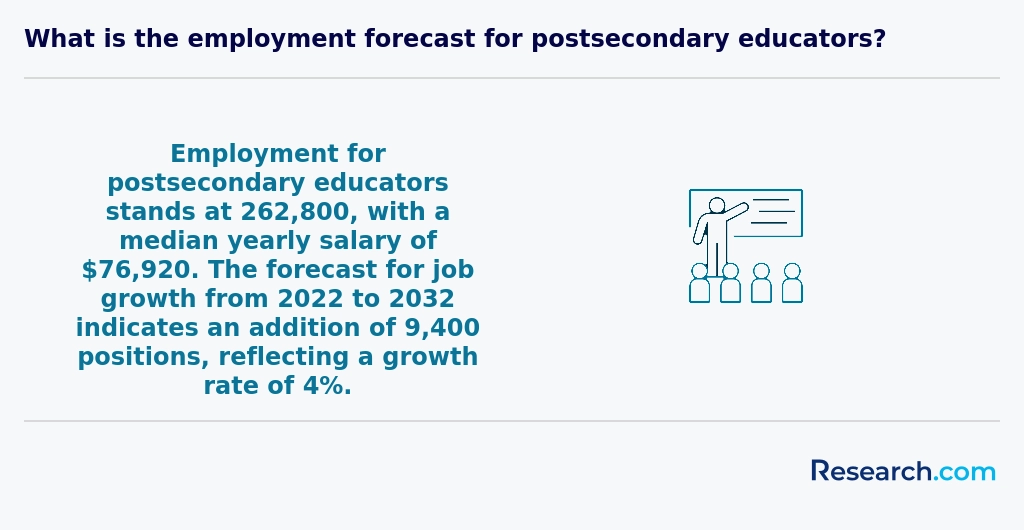
Graduates with education degrees in Winston-Salem can enhance their job market readiness by gaining practical experience through local internships or student-teaching programs. Schools like Winston-Salem State University offer partnerships with nearby school districts, allowing hands-on learning that employers highly value. Additionally, obtaining state licensure through the North Carolina Department of Public Instruction is essential for teaching positions. Networking with local education professionals via organizations such as the Winston-Salem/Forsyth County Chamber of Commerce can also improve job prospects. According to the Bureau of Labor Statistics, demand for teachers in North Carolina is expected to grow by 4% by 2030, indicating steady opportunities for qualified candidates.
Employers in Winston-Salem value education degree graduates who demonstrate strong communication skills. Being able to clearly explain concepts and engage diverse student populations is essential in local schools. According to the North Carolina Department of Public Instruction, classroom management skills are also highly sought after, as effective discipline contributes to better learning environments.
Additionally, employers look for proficiency in using educational technology. With increasing digital integration in classrooms, familiarity with software like SMART Boards or learning management systems boosts a candidate's appeal. Critical thinking and adaptability are important too, allowing teachers to respond to evolving curriculum standards and student needs.
Data from Forsyth County schools emphasize the importance of collaboration. Graduates who work well with colleagues, parents, and administration tend to thrive. Finally, a solid grounding in subject matter, backed by state licensure, remains a core requirement for any education graduate seeking employment locally.
Finding internships in Winston-Salem relevant to an education degree involves several practical steps. Local universities like Winston-Salem State University and Wake Forest University often partner with public schools and education centers, providing structured internship programs. According to the North Carolina Department of Public Instruction, the area's school districts actively seek education interns to support classroom learning and community projects.
Students should also explore opportunities through the Winston-Salem/Forsyth County Schools system, which regularly advertises internships for teaching assistants and curriculum support roles. Networking through career services and attending local education job fairs can increase chances of placement. Additionally, online platforms like Handshake and local education nonprofits offer internship listings tailored to education majors.
Obtaining an education degree in Winston-Salem can significantly enhance career mobility and advancement opportunities. According to the North Carolina Department of Public Instruction, professionals with a teaching license and advanced degrees often qualify for higher-paying roles within local school districts, such as Winston-Salem/Forsyth County Schools.
Higher education credentials also open pathways beyond classroom teaching. Graduates frequently move into administration, curriculum development, or specialized instructional positions. The demand for qualified educators in Winston-Salem remains strong, with regional job growth for educational professionals projected at approximately 5% over the next decade, based on Bureau of Labor Statistics data.
Furthermore, earning an advanced degree positively impacts promotion potential and salary increases, helping educators access leadership roles in schools and related educational organizations.
Studying for an education degree in Winston-Salem offers strong preparation for interdisciplinary roles by integrating diverse subject areas within the curriculum. Local institutions emphasize collaboration across disciplines such as psychology, technology, and social sciences to equip students with versatile skills.
Winston-Salem State University and Wake Forest University provide programs that foster critical thinking, communication, and problem-solving abilities, which are essential for interdisciplinary work. According to NC Department of Public Instruction data, graduates with interdisciplinary training are increasingly in demand within regional schools and community organizations.
Hands-on experiences, including internships in diverse educational settings around Winston-Salem, further prepare students to adapt knowledge to real-world challenges involving multiple fields.
When choosing between a thesis and a non-thesis education degree program in Winston-Salem, consider your career goals and learning preferences. A thesis option is research-intensive and suited for those interested in academic or advanced research roles. It typically requires completing a significant research project and defending it before a faculty committee, which can take additional time and effort.
Non-thesis programs focus more on practical skills and coursework, appealing to professionals aiming for direct application in teaching or administration. According to data from Forsyth Technical Community College and Winston-Salem State University, non-thesis options are slightly more popular locally due to their flexibility and quicker completion times.
Assess your workload capacity, future plans for doctoral studies, and preferred learning style before deciding.
Students in Winston-Salem seeking education degrees have several pathways to study abroad through US higher education programs. Universities such as Wake Forest University and Winston-Salem State University often offer study abroad options tied to their education departments. These include partnerships with international institutions allowing students to gain classroom and teaching experiences overseas.
American Council on Education data from 2022 indicates about 10% of education majors nationwide participate in study abroad programs, with similar opportunities available locally. Programs typically last a semester and cover countries in Europe, Asia, and Latin America.
Financial aid and scholarships specific to education students planning to study abroad may be accessed through university international offices or national organizations such as the Gilman Scholarship Program.
Part-time job opportunities in Winston-Salem that complement education degree studies include roles such as teacher assistant positions, tutoring, and childcare worker roles. Local school districts, like Winston-Salem/Forsyth County Schools, often hire part-time teacher assistants, providing hands-on classroom experience valuable for education majors. Tutoring is another common option, especially with growing demand in subjects like math and reading, supported by community centers and nonprofits.
Childcare centers in Winston-Salem also offer flexible jobs helping students develop skills in child development and classroom management. According to the Bureau of Labor Statistics, these roles help build practical experience important for licensure and future teaching careers.
Education students in Winston-Salem have access to a variety of valuable networking opportunities that can support their career growth. Local universities like Wake Forest University and Winston-Salem State University offer student organizations focused on teaching and education, which regularly host events connecting students with experienced educators and school administrators. According to the North Carolina Department of Public Instruction, collaborative workshops and conferences in the area attract hundreds of professionals each year, providing students with chances to build professional relationships.
Community partnerships with nearby school districts also enable internship placements that often lead to personal introductions and mentorships. These real-world connections prove essential for job placement after graduation.
Alumni networks play a significant role for education degree students in Winston-Salem by offering access to experienced professionals and local job opportunities. Graduates from schools like Wake Forest University and Winston-Salem State University benefit from connections that help secure internships and teaching positions in the area.
These networks often organize events, workshops, and mentoring programs that support career development. According to recent surveys, nearly 65% of education graduates in Winston-Salem found employment through alumni referrals, highlighting the practical advantage of these communities.
Moreover, alumni connections provide guidance on licensure requirements in North Carolina, which is essential for entering the teaching profession in the state. Such support enhances students' understanding of local educational standards and policies.
Customizing an education degree program in Winston-Salem involves selecting specializations and electives aligned with your career goals. Many institutions, including Wake Forest University and Winston-Salem State University, offer flexible degree paths with concentrations such as special education, administration, or curriculum development. According to NC Department of Public Instruction data, specialized credentials can improve job placement rates by up to 20% locally.
Students can also engage in practicum experiences and internships in nearby schools to gain relevant skills. Some programs allow dual certification or graduate-level course options to broaden career opportunities. Understanding local certification requirements helps tailor the program effectively for the Winston-Salem job market.
Education students in Winston-Salem often face several notable challenges during their studies. Balancing demanding coursework with field experiences in local schools can be difficult, especially as many programs require 12 to 15 hours weekly in classroom practicum. According to data from the North Carolina Department of Public Instruction, securing quality placements can pose a hurdle due to limited availability in high-need schools.
Financial constraints are also common, with tuition and living costs rising. Many students juggle part-time jobs while maintaining a full academic load, impacting their study time and stress levels. Additionally, adapting to evolving educational technologies and inclusive teaching practices requires ongoing training.
With an education degree in Winston-Salem, graduates can pursue a variety of professional certifications that enhance their teaching credentials and career opportunities. The most common certification is the North Carolina Standard Professional 1 (SP1) teaching license, required for public school educators. This license qualifies graduates to teach in elementary, middle, or high schools.
Beyond state teaching licensure, educators can seek national certifications such as the National Board Certification, recognized across the U.S. This demonstrates advanced teaching skills and commitment to professional growth.
Specialized certifications in Winston-Salem also include Special Education and English as a Second Language (ESL) endorsements, meeting growing local demands as indicated by Winston-Salem/Forsyth County Schools data.
To write a winning application for an education program in Winston-Salem, start by researching local institutions such as Wake Forest University and Winston-Salem State University, both well-regarded for their education degrees. Highlight your passion for teaching and any relevant experience, as programs often value hands-on work with children or educational settings. According to the National Center for Education Statistics, nearly 15% of graduates from North Carolina education programs enter local classrooms, showing strong regional demand.
Tailor your personal statement to reflect how you will contribute to the Winston-Salem community and its diverse schools. Emphasize your understanding of educational challenges unique to this area.
Be sure to include strong letters of recommendation from academic or professional contacts familiar with your teaching potential. Additionally, maintain a competitive GPA, as top programs typically expect at least a 3.0.
Education careers hold significant importance worldwide, reflecting a shared value placed on teaching and learning. In the United States, including Winston-Salem, education degrees prepare graduates for diverse roles such as teaching, administration, and counseling. According to the National Center for Education Statistics, the demand for qualified teachers is expected to grow by 5% through 2031. Locally, Winston-Salem State University and Wake Forest University offer respected education programs aligned with these trends.
Globally, professionals with education degrees often engage with varied curricula emphasizing cultural competence and global awareness. This enhances the ability to teach in diverse classrooms and supports international collaboration. Pursuing education in Winston-Salem equips students with skills applicable in both local and global contexts, meeting evolving educational standards and workforce needs.
Students pursuing education degrees in Winston-Salem typically gain practical experience through student teaching placements, internships, and volunteer opportunities arranged by local universities. For example, Wake Forest University partners with Forsyth County Schools to provide hands-on teaching experiences, allowing students to graduate with classroom-ready skills. According to local education reports, nearly 80% of teacher candidates complete at least one semester of student teaching in the Winston-Salem area before graduation.
Additionally, many programs encourage involvement in after-school tutoring and community education projects. These experiences help students apply theory in real classroom settings, enhancing their professional growth and employability in the region.
Choosing the right concentration within an education degree program in Winston-Salem involves assessing your career goals and interests. Common concentrations include early childhood education, special education, and educational leadership. Local employers often seek candidates with expertise in special education, reflecting a growing need in area schools. According to the North Carolina Department of Public Instruction, Winston-Salem/Forsyth County Schools reported a 10% increase in special education positions over recent years. Additionally, evaluating program curriculum and faculty expertise at institutions like Wake Forest University can inform your decision. Consider also state licensure requirements, which vary by concentration and impact your ability to teach or lead in North Carolina schools.
Related Education Rankings for Nearby Cities
- 2027 Most Popular Education Degree Programs Ranking in Greenville
- 2027 Most Popular Education Degree Programs Ranking in Columbia
- 2027 Most Popular Education Degree Programs Ranking in Orangeburg
- 2027 Most Popular Education Degree Programs Ranking in Knoxville
- 2027 Most Popular Education Degree Programs Ranking in Charleston
- 2027 Most Popular Education Degree Programs Ranking in Washington
- 2027 Most Popular Education Degree Programs Ranking in Atlanta
- 2027 Most Popular Education Degree Programs Ranking in Macon
- 2027 Most Popular Education Degree Programs Ranking in Baltimore
- 2027 Most Popular Education Degree Programs Ranking in Pittsburgh
Top Trending Education Rankings
See What Experts Have To Say About Studying Education
Read our interview with Education experts

Alan J. Singer
Education Expert
Professor of Teaching, Learning and Technology
Hofstra University


References
- How to Gain Real-World Experience While Studying Online | American National University https://an.edu/how-to-gain-real-world-experience-while-studying-online/
- Know more about thesis vs non- thesis: what is the difference? https://studyfans.com/en/blogs/816
- How To Write A Great Cover Letter For Teacher Training - Engage Education https://engage-education.com/blog/how-to-write-a-great-cover-letter-for-teacher-training/
- Tips for Choosing Your Graduate Concentration - Graduate Programs for Educators https://www.graduateprogram.org/blog/tips-for-choosing-your-graduate-concentration/
- Education: Teaching, Schools, and Society | Salem College https://www.salem.edu/academics/academic-programs/teaching-schools-and-society/
- How to Choose a Concentration for Your Master of Education 3 Questions to Consider https://www.aiuniv.edu/degrees/education/articles/how-to-choose-an-education-specialization
- Schools Work to Create College and Career Ready Graduates https://spectrumlocalnews.com/nc/triad/back-to-school/2016/08/13/schools-work-to-create-college-and-career-ready-graduates
- Practical Learning: Real-World Experience https://www.studiumalliance.com/post/how-practical-experience-enhances-learning
- Students: This is How You Should Prepare for the Job Market https://www.agencycentral.co.uk/articles/students-this-is-how-you-should-prepare-for-the-job-market/
- 10 Reasons Why Education Helps to Advance Your Career - Insight Training https://insight.edu.au/blog/career-advancement-through-education/