2027 Easiest Online Bachelor's in Criminal Justice Degree Programs Ranking in Iowa

Co-Founder and Chief Data Scientist
Choosing the right criminal justice degree program can feel overwhelming, especially when balancing work, family, and other commitments. This article introduces the 2027 Easiest Online Bachelor's in Criminal Justice Degree Programs Ranking in Iowa, created by the Research.com team of data scientists to guide Iowa students toward programs that fit their needs.
By exploring this ranking, you'll discover accessible options that help you pursue a meaningful career in criminal justice with confidence. Earning this degree opens doors to rewarding opportunities, making your educational journey both achievable and worthwhile.
Key benefits of getting online criminal justice degree in Iowa
- Salary for criminal justice degree graduates: Graduates in Iowa can expect competitive pay, such as $76,550 annually for police officers and $95,930 for crime scene investigators, reflecting strong earning potential in the field.
- Potential career paths: Iowa graduates often find opportunities in roles like correctional officers, forensic science technicians, and court clerks, offering diverse careers that make a real difference in the community.
- Benefits of online degrees: Earning a criminal justice degree online in Iowa provides flexibility for working students, allowing balance between study and life, while still gaining quality education recognized by employers.
- Key benefits of getting online criminal justice degree in Iowa
- What can I expect from online criminal justice degree in Iowa?
- Where can I work with online criminal justice degree in Iowa?
- How much can I make with online criminal justice degree in Iowa?
- 2027 Easiest Online Bachelor's in Criminal Justice Degree Programs Ranking in Iowa
- Key Findings
- How long does it take to complete online criminal justice degree in Iowa?
- Regional Affordability Comparison: Iowa vs. the Midwest
- What's the difference between online and on-campus criminal justice degree?
- Accreditation and Quality Assurance
- What is the average cost of online criminal justice degree in Iowa?
- What financial aid is available to online criminal justice degree students in Iowa?
- Advancing Your Education: Graduate and Specialized Program Options
- What are the prerequisites for enrolling in online criminal justice degree program in Iowa?
- What courses are typically in online criminal justice degree programs in Iowa?
- What types of specializations are available in online criminal justice degree programs in Iowa?
- How do you choose the best online criminal justice degree in Iowa?
- What career paths are available for online criminal justice degree students in Iowa?
- What is the job market for online criminal justice degree in Iowa?
- Related Criminal Justice Rankings for Nearby States
- Top Trending Criminal Justice Rankings
- See What Experts Have To Say About Studying Criminal Justice
What can I expect from online criminal justice degree in Iowa?
The average cost of an online criminal justice degree in Iowa typically ranges between $12,000 and $25,000 for a bachelor's program, depending on the institution and residency status. Public universities such as the University of Iowa and Iowa State University offer competitive tuition rates, especially for in-state students, making education more affordable while maintaining accredited, high-quality programs.
Graduates from these programs often share how flexible online scheduling and affordable tuition permitted them to work alongside coursework, balancing family or job responsibilities with studies. One graduate described completing internship requirements through local agencies, which helped solidify practical skills without incurring extra costs related to relocation or commuting.
Private colleges may charge higher tuition but sometimes provide financial aid packages and scholarships that alleviate expenses. Students frequently highlight the value of these investments as they prepare for rewarding careers in law enforcement, probation services, or forensic analysis within Iowa's expanding criminal justice sector.
Where can I work with online criminal justice degree in Iowa?
Graduates of online criminal justice programs from respected institutions such as the University of Iowa and Iowa State University often find themselves employed across a broad spectrum of public safety roles within the state. Many begin their careers in local police departments or county sheriff's offices, notably in cities like Des Moines or Cedar Rapids, where their degree provides a competitive edge in securing academy training and advancing to supervisory positions.
Correctional facilities operated by the Iowa Department of Corrections are another common employment destination. Graduates frequently report positive experiences working as probation officers or parole agents, roles that combine public service with opportunities for promotion and professional growth, backed by their academic credentials.
Other alumni pursue opportunities within the court system, serving as victim advocates or juvenile justice specialists, where understanding criminal law directly enhances their effectiveness. Some graduates are drawn to private sector careers in security management, benefiting from Iowa's growing demand for skilled professionals who blend legal knowledge with practical experience.
How much can I make with online criminal justice degree in Iowa?
Graduates with an online criminal justice degree in Iowa can expect competitive salaries across various careers. For instance, police officers in the state earn a mean annual wage of approximately $76,550, reflecting steady growth from entry-level pay. Correctional officers make about $58,810 yearly, while crime scene investigators command higher wages, with mean salaries near $95,930. Forensic science technicians typically earn around $71,540 annually, and court clerks receive about $48,760.
Many graduates from popular Iowa institutions, such as those studying at community colleges or state universities offering criminal justice programs, find these figures motivating as they launch their careers. They often describe the excitement of applying hands-on training from their coursework to real-world investigations or law enforcement duties.
These salary outcomes highlight the tangible benefits of pursuing criminal justice studies in Iowa, especially when combined with local networking opportunities and internships in cities like Des Moines or Cedar Rapids. The financial prospects, paired with the rewarding nature of protecting communities, inspire many graduates to advance quickly within their fields.
2027 Easiest Online Bachelor's in Criminal Justice Degree Programs Ranking in Iowa
How do we rank schools?
Investing in your education is a significant decision that can shape your future, and the Research.com team understands the importance of making informed choices. To assist prospective students in Iowa, we have meticulously crafted the "2027 Easiest Online Bachelor's in Criminal Justice Degree Programs Ranking in Iowa." Our commitment to quality, credibility, and accuracy is reflected in the extensive research and analysis conducted to compile this ranking.
We utilized the following reputable data sources to ensure a comprehensive evaluation of criminal justice programs:
By exploring this ranking, readers will gain valuable insights into the easiest online criminal justice degree programs available in Iowa, enabling them to make well-informed decisions about their educational journey. For more information on our methodology, please visit our Research.com methodology page.


Key Findings
- Several accredited institutions in Iowa offer fully online criminal justice bachelor's degree programs, providing flexible options for students across the state.
- Tuition for online programs at public universities ranges from $8,000 to $12,000 annually for in-state students, while private schools may charge over $20,000 per year.
- Employment for police officers and detectives in Iowa is projected to grow about 4% from 2022 to 2032, with stable opportunities for correctional and probation officers.
- Starting salaries for criminal justice graduates in Iowa vary from $38,000 to $45,000 per year, increasing to $50,000-$65,000 with experience.
- Programs frequently include coursework on Iowa state laws and procedures, helping students prepare for local careers and certification requirements.
How long does it take to complete online criminal justice degree in Iowa?
Completing an online criminal justice degree in Iowa typically requires four years of full-time study, aligning with the 120 to 128 credit hours mandated by institutions such as the University of Iowa and Iowa State University. Graduates often reflect on managing coursework alongside personal responsibilities, emphasizing the importance of time management and dedication.
For students balancing jobs or family commitments, part-time enrollment extends completion to five or six years or more. This flexibility is especially valued by working professionals in cities like Des Moines, allowing steady progress without sacrificing livelihood. Some motivated learners opt for accelerated programs that can reduce this timeframe to as little as three years, capitalizing on intensive coursework and year-round sessions, often available at institutions like Drake University.
Associate degrees serve as a quicker option, typically finished in two years, and provide an efficient stepping stone towards a bachelor's credential. Transfer credits from military service or previous education also play a crucial role by enabling students to fast-track their path, often shortening degree completion significantly.
Regional Affordability Comparison: Iowa vs. the Midwest
When evaluating the true cost of an online Criminal Justice degree, Iowa’s median total tuition of $55,680 positions it competitively within the region. Compared to the broader Midwest average-where many programs range between $48,000 and $62,000-Iowa’s offerings strike a balance between quality and affordability. For students seeking even lower tuition rates or exploring budget-friendly alternatives beyond Iowa’s borders, consider our Cheapest Criminal Justice Degree Programs Ranking in the Midwest to pinpoint exceptional value across neighboring states. Beyond sticker price, prospective students should factor in scholarship opportunities, in-state residency discounts, and flexible payment plans that Midwest institutions frequently offer. For example, some Illinois and Nebraska programs provide tuition breaks for online learners who work in public service roles, while Missouri schools may waive fees for transfer credits from community colleges. Iowa institutions also collaborate with regional law enforcement agencies to offer grant-funded internships, reducing out-of-pocket expenses and enhancing professional networks. Ultimately, comparing total cost of attendance-including fees, materials, and potential travel for residencies-ensures an evidence-based decision. By aligning your budgetary needs with program strengths across Iowa and the Midwest, you’ll optimize both educational outcomes and financial sustainability as you pursue an online Criminal Justice degree.
What's the difference between online and on-campus criminal justice degree?
Online and on-campus criminal justice degrees in Iowa differ primarily in delivery and experience. Graduates from the University of Iowa praise the online program's flexibility, which allows them to balance jobs and family obligations by accessing asynchronous lectures anytime. This model suits those in rural areas who wish to avoid lengthy commutes, a common challenge across much of Iowa.
Conversely, students attending Iowa State University highlight the benefit of direct, face-to-face interaction with instructors and peers. On-campus programs facilitate hands-on learning through criminal justice simulation labs and community internships, which many graduates found invaluable for building practical skills and professional networks.
Both formats generally cost between $8,000 and $10,000 annually for in-state students, making them financially comparable. However, employer preferences in Iowa's public safety sector may still favor the traditional classroom setting for perceived rigor, though online credentials increasingly gain recognition.
Accreditation and Quality Assurance
Ensuring your online Criminal Justice degree in Iowa comes from an accredited institution is crucial for both academic credibility and career mobility. Regional accreditation-such as from the Higher Learning Commission (HLC)-confirms that a program meets rigorous educational standards, while programmatic accreditation from bodies like the Academy of Criminal Justice Sciences (ACJS) further validates specialized curricula. Before applying, verify accreditation status on each school’s website and the U.S. Department of Education database. Accredited programs benefit you by: • Qualifying for federal financial aid and employer tuition reimbursement. • Facilitating credit transfers if you switch institutions or pursue dual-enrollment options. • Meeting eligibility requirements for licensure and certification in roles such as police officer, crime scene investigator, or corrections administrator. Accreditation also ensures continuous program evaluation, including faculty credentials, curriculum relevance, and student outcomes. Many Iowa institutions host regular advisory board reviews with law enforcement professionals to keep coursework aligned with real-world challenges. Furthermore, accredited bachelor’s graduates often pursue advanced studies; for example, those interested in forensic analysis can explore highly regarded graduate pathways such as the most affordable online forensic science masters degree, which extends investigative expertise into laboratory techniques and evidence interpretation. By prioritizing accreditation, you safeguard your investment and lay the foundation for a dynamic, lifelong career in Criminal Justice.
What is the average cost of online criminal justice degree in Iowa?
The average cost of an online criminal justice degree in Iowa typically centers around a median total of $38,213. This reflects the overall investment many students make when pursuing their education through public and private institutions offering accredited online programs. Graduates from universities such as the University of Iowa and Iowa State University frequently share how this cost aligns with the value of comprehensive coursework and practical training provided remotely. These programs often include tuition, fees, and necessary course materials within this price range, making the expense reasonable compared to many other states.
When considering tuition and fees for criminal justice degree Iowa, public universities generally offer more affordable options, especially for in-state residents. Annual tuition averages near $8,000 for online studies, which helps keep total degree costs between $25,000 and $35,000 at many state schools. The appeal is clear to students balancing budgets and ambitions-online learning allows for flexibility without sacrificing educational quality. Graduates appreciate how this accessibility supports career advancement in law enforcement, corrections, or legal studies.
Private colleges in Iowa may present higher tuition costs exceeding $25,000 annually, but often provide smaller classes and specialized curriculum to enhance student experience. Many enrolled students also strategically explore financial aid, scholarships, and grants crafted for criminal justice majors, which significantly reduce out-of-pocket expenses and broaden access to these programs.
For those seeking related advanced study options, it is helpful to review the most affordable online forensic science masters degree, which can complement career goals within the criminal justice field.

What financial aid is available to online criminal justice degree students in Iowa?
Students pursuing an online criminal justice degree in Iowa often rely on multiple financial aid sources to make their education affordable. Graduates from institutions like the University of Iowa and Iowa State University frequently highlight the importance of the Free Application for Federal Student Aid (FAFSA) in accessing Pell Grants, which provide essential non-repayable funds up to $7,395 annually. This grant substantially eases the financial burden for many.
Beyond federal aid, Iowa-specific programs such as the Iowa Tuition Grant and the All Iowa Opportunity Scholarship offer additional support, especially helpful to those enrolled in online courses at private colleges. Many students report that these awards reduce anxiety over tuition costs, making degree completion more attainable.
- Federal Direct Subsidized and Unsubsidized Loans help eligible students manage expenses, with subsidized loans offering in-school interest relief.
- The Federal Work-Study program enables part-time employment opportunities aligned with academic schedules.
- Iowa's National Guard Education Assistance Program provides tuition help to qualifying National Guard members, including online learners.
Many graduates also benefit from scholarships from local criminal justice organizations and law enforcement foundations, which further personalize financial assistance. Institutional scholarships and flexible payment plans available at prominent Iowa universities enhance access for online students, creating a supportive environment focused on student success.
Advancing Your Education: Graduate and Specialized Program Options
After completing an online Bachelor’s in Criminal Justice in Iowa, many graduates look to deepen their expertise and increase their marketability through advanced studies and certifications. Pursuing a master’s degree or specialized certificate not only elevates your professional profile but also unlocks higher earning potential and leadership roles within law enforcement, forensic analysis, and public safety administration. • Master’s Degrees in Forensic Science and Criminal Justice – A graduate degree can open doors to supervisory positions and specialized investigative roles. For Iowa graduates focused on evidence analysis, consider exploring the most affordable online forensic science masters degree for a cost-effective pathway to advanced technical skills. – Programs often cover topics such as advanced crime scene investigation, toxicology, and legal aspects of forensic reporting, blending theory with virtual lab experiences. • Graduate Certificates and Post-Baccalaureate Programs – Certificate tracks in areas like cybercrime, homeland security, and correctional leadership allow focused upskilling without the time commitment of a full degree. – Many certificate credits count toward a subsequent master’s, creating a seamless academic progression. • Professional Certifications and Licensing – Consider certifications such as Certified Fraud Examiner (CFE), Certified Forensic Interviewer (CFI), or the Law Enforcement Executive Development Association’s programs to validate niche expertise. – State licensure and accreditation-such as CALEA for law enforcement agencies-can further distinguish your qualifications. • Continuing Education and Research Opportunities – Engage in workshops, seminars, and online symposia offered by professional bodies like the American Society of Criminology. – Participate in applied research projects or teach-as-you-learn roles that build both academic and practical credentials. By mapping out a clear postgraduate pathway-whether through master’s programs, focused certificates, or industry-recognized credentials-you’ll position yourself for strategic career growth, leadership roles, and specialized investigative assignments across Iowa and beyond.
What are the prerequisites for enrolling in online criminal justice degree program in Iowa?
To enroll in an online criminal justice degree program in Iowa, prospective students must first hold a high school diploma or equivalent, such as a GED, ensuring a foundational readiness for college-level study. Graduates from institutions like Des Moines Area Community College often recall submitting official transcripts as part of their application, a crucial step for admissions to verify academic history and readiness. Many Iowa public universities require a minimum GPA, typically around 2.0 to 2.5, ensuring students can handle rigorous coursework.
While standardized tests like the SAT or ACT are less emphasized due to test-optional policies, applicants should confirm specific school requirements; some programs may waive these exams or accept relevant professional experience. Comfort with technology is essential-students must navigate online learning platforms confidently and have reliable internet access. Additionally, a personal statement expressing career goals and motivation often plays a key role in the application process, helping admissions committees identify committed individuals ready to succeed in Iowa's criminal justice field.
What courses are typically in online criminal justice degree programs in Iowa?
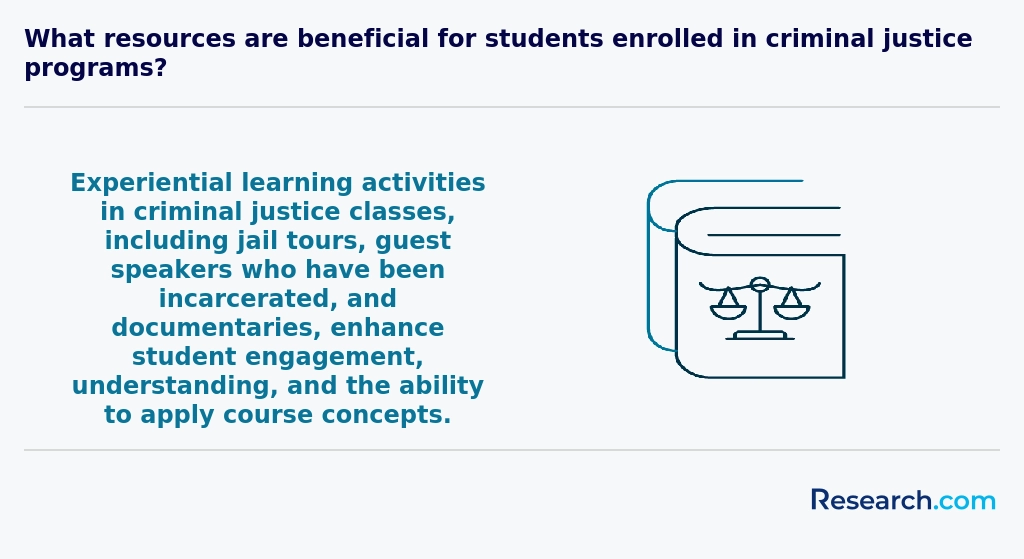
Online criminal justice degree programs in Iowa typically include foundational courses such as Introduction to Criminal Justice and Criminology, which provide a clear overview of the U.S. justice system and the social factors influencing crime. Graduates from institutions like the University of Iowa and Iowa State University often recall how these courses helped them grasp the intricate roles of police, courts, and correctional facilities.
Core classes usually cover Criminal Law and Procedure, Law Enforcement Operations, Corrections and Rehabilitation, Juvenile Justice Systems, Ethics, and Research Methods. Many students find the practical application of these subjects rewarding, as they prepare them for real-world challenges in Iowa's legal environment.
Electives may include specialized topics such as cybersecurity and forensic science, allowing learners to align their studies with emerging trends. Students appreciate the inclusion of sociology and psychology courses, which deepen understanding of offender behavior and community dynamics-knowledge crucial for effectively serving Iowa's diverse populations.
What types of specializations are available in online criminal justice degree programs in Iowa?
Online criminal justice degree programs in Iowa commonly offer a range of specializations tailored to meet varied career ambitions. These include law enforcement, focusing on policing and community safety; corrections and rehabilitation, emphasizing management of correctional facilities and offender programs; forensic science and crime scene investigation, which combines science and criminal justice; cybercrime and cybersecurity, addressing technology-related offenses; legal studies or criminal law, centered on court procedures and legal systems; and juvenile justice, involving youth offender rehabilitation. Graduates from popular institutions in Iowa often share how these focused areas helped them secure roles aligned with their passions, such as becoming detectives, forensic analysts, or juvenile services coordinators.
A thoughtful selection of the best criminal justice degree focus areas Iowa offers can notably enhance employment prospects. Students value the flexible online format at well-regarded Iowa colleges and often appreciate the more affordable tuition compared to national averages. Prospective students can also explore the Cheapest Criminal Justice Degree Programs Ranking in the Midwest to identify cost-effective pathways in this field.
How do you choose the best online criminal justice degree in Iowa?
Choosing the best online criminal justice degree Iowa offers involves verifying regional accreditation to ensure the program is respected by employers and graduate schools. Graduates from popular Iowa universities often highlight the value of curricula covering law enforcement, corrections, and criminology, which directly prepared them for roles in state and local agencies. Affordability is a significant factor; many Iowa public universities offer lower tuition rates for residents, and it's important to confirm whether online students benefit from in-state pricing. Students balancing work and family commitments praise programs with asynchronous courses and accelerated options, which enable completion on their own schedules. In terms of support, access to faculty expertise and career counseling frequently makes a difference in successful internship placements. Exploring programs that align with your career goals, whether in policing or rehabilitation, is essential. For those seeking flexibility, considering accelerated online associate degrees can also be a strategic step toward affordable criminal justice programs Iowa students trust.
What career paths are available for online criminal justice degree students in Iowa?
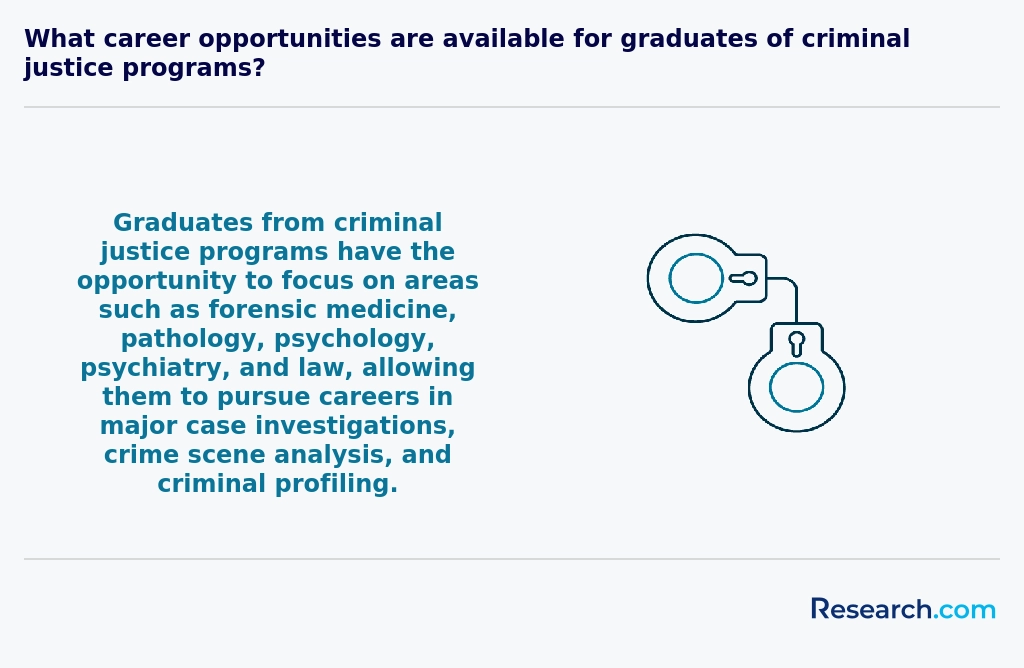
Graduates of online criminal justice degree programs in Iowa frequently pursue careers in law enforcement, corrections, federal agencies, and emerging sectors like cybersecurity and private security. Many alumni from popular Iowa colleges, such as the University of Iowa and Iowa State University, share that their hands-on coursework and flexible online formats prepare them effectively for roles as police officers, sheriffs, and state troopers across the state. These roles demand strong critical thinking and communication, qualities emphasized in their studies.
Others find success in the corrections field, working as probation officers or parole officers, positions supported by the Iowa Department of Corrections. Graduates also report rewarding experiences when transitioning to federal agencies like the FBI or Homeland Security, where their degrees are essential for eligibility.
For those exploring broader opportunities, many view their criminal justice background as a foundation for careers in social work or counseling, contributing to community rehabilitation. Students interested in expanding their education further often explore cheapest phd online programs, enhancing their qualifications for advanced roles.
Career options for online criminal justice careers in Iowa remain diverse, offering pathways that match a wide range of interests and ambitions.
What is the job market for online criminal justice degree in Iowa?
The job market for individuals with an online criminal justice degree in Iowa demonstrates strong potential, particularly for graduates from well-regarded programs at Iowa State University and the University of Iowa. These graduates frequently secure positions in local and state police departments, correctional institutions, and juvenile justice agencies. The flexibility of online programs allows professionals to balance work and study, enhancing their ability to quickly enter the workforce. Positive reports from graduates highlight successful transitions to roles such as probation officers and federal agency trainees, underscoring the practical benefits of the degree.
Compensation in Iowa typically ranges from $35,000 to $45,000 for entry-level roles, with opportunities for advancement into supervisory positions earning significantly higher. Employers value candidates who combine academic knowledge with community-based experience, common among students who engage in internships. For those researching online criminal justice jobs in Iowa, the degree offers a cost-effective route to a rewarding career in public safety and crime prevention.
With continuing investments in public safety and community engagement, an Iowa criminal justice degree salary outlook remains positive. Prospective students can explore anchors part-time Ph.D. in economics to understand advanced educational trajectories related to public sector careers.
Frequently Asked Questions About criminal justice
Online criminal justice students in Iowa can enhance their learning by actively engaging with coursework and utilizing available resources. Many Iowa institutions offer access to virtual libraries and criminal justice databases, which are essential for research. Iowa law enforcement data, available through state agencies, can provide practical insights relevant to studies. Students should participate in online discussions and group projects to build critical thinking and communication skills. Additionally, seeking internships with Iowa's Department of Public Safety or local law enforcement can provide valuable hands-on experience. Staying informed on Iowa crime trends through the Iowa Uniform Crime Reporting Program aids contextual understanding.
Emerging niches within the criminal justice field reflect shifting societal and technological trends, creating new opportunities for professionals. One notable area is cybercrime investigation, where experts combat offenses like identity theft and online fraud. Iowa's expanding tech sector increases demand for specialists skilled in digital forensics.
Another growing niche is forensic psychology, focusing on mental health assessments related to criminal behavior. This field supports rehabilitation and legal processes.
Additionally, restorative justice programs are gaining traction in Iowa, emphasizing conflict resolution and community-based approaches over traditional punishment.
According to the Iowa Department of Public Safety, jobs in these specialized areas are projected to grow faster than general criminal justice roles through 2030.
After completing an online criminal justice degree in Iowa, it is important to build practical skills and professional connections to enter the job market successfully. Many Iowa employers value internships and volunteer work, which provide hands-on experience and can often lead to job offers. According to the Iowa Workforce Development, jobs in law enforcement and corrections are expected to grow around 5% through 2030, reflecting steady demand.
Networking with local agencies, joining professional organizations like the Iowa Police Chiefs Association, and attending career fairs can increase employment opportunities. Additionally, obtaining relevant certifications such as CPR or specialized law enforcement training enhances your resume. Staying informed about Iowa's legal and criminal justice system changes will prepare you for interviews and future challenges.
Employers in Iowa highly value criminal justice graduates who demonstrate strong analytical skills, critical thinking, and attention to detail. These skills help professionals assess situations accurately and make informed decisions in law enforcement, corrections, and legal settings.
Communication is another essential skill. Graduates must be able to write clear reports and effectively interact with the public and other agencies. The Iowa Workforce Development data highlights that interpersonal skills rank among the top requirements for criminal justice roles statewide.
Understanding ethical standards and legal procedures is also crucial. Employers expect graduates to be knowledgeable about Iowa's laws and committed to upholding justice responsibly.
Finding internships relevant to a criminal justice degree in Iowa involves a combination of online research, networking, and leveraging university resources. Students should start by exploring opportunities with Iowa's law enforcement agencies, such as local police departments, the Iowa Division of Criminal Investigation, and county sheriff offices, which often offer internships for criminal justice majors.
Many universities in Iowa provide internship placement assistance through career services, even for online students. Additionally, organizations like the Iowa Department of Corrections and nonprofit groups focused on criminal justice reform may offer hands-on experience.
Checking the Iowa Workforce Development website and local government job boards can also reveal paid or unpaid internship openings. Students are encouraged to apply early and prepare well, as these internships provide crucial practical knowledge in the field.
An online criminal justice degree in Iowa can significantly enhance career mobility and advancement opportunities within the state's law enforcement and legal sectors. Many Iowa employers value accredited online degrees as equivalent to on-campus programs, especially when earned from regionally accredited institutions. According to the Iowa Department of Public Safety, the state has seen a steady demand for qualified criminal justice professionals, with job growth projected at 4% through 2030.
Graduates with an online degree often qualify for positions ranging from probation officers to federal agents. Additionally, having a degree supports eligibility for promotions and specialized roles, which typically require at least a bachelor's level education. In Iowa, agencies including the Department of Corrections and the State Patrol emphasize education credentials during hiring and advancement decisions.
Moreover, online programs often offer flexible schedules, allowing students to continue working while earning credentials crucial for career growth. This flexibility is valuable for current professionals aiming to meet State of Iowa training requirements or leadership criteria.
Studying for an online criminal justice degree in Iowa equips students with a broad understanding of law enforcement, the legal system, and social services. Iowa programs emphasize a multidisciplinary approach, combining courses in sociology, psychology, and public administration to prepare graduates for diverse roles.
Students learn how to analyze crime data, understand community impacts, and navigate policy development. According to the Iowa Department of Public Safety, this well-rounded training aligns with increasing needs for roles that connect law enforcement with social work and mental health services.
Additionally, Iowa colleges often incorporate local case studies, helping students grasp state-specific challenges and collaborate across fields.
When choosing between a thesis and a non-thesis online criminal justice degree program in Iowa, consider your career goals. A thesis option demands research skills and is suited for those aiming at graduate studies or research-focused roles. Non-thesis programs focus more on practical coursework, ideal for students pursuing immediate employment in law enforcement, corrections, or public safety.
Thesis programs typically require completing a research project under supervision, enhancing critical thinking and analytical abilities. Non-thesis tracks may offer internships or applied projects instead, which provide hands-on experience.
Cost and time commitment also differ. Thesis programs can take longer, while non-thesis paths often finish faster.
According to Iowa's Bureau of Criminal Investigation, practical experience is highly valued in state agencies, which may influence your choice.
Students based in Iowa seeking to study criminal justice abroad face limited direct options through fully online international programs recognized by U.S. institutions. Most Iowa colleges with online criminal justice degrees, such as the University of Iowa and Iowa State University, emphasize accredited U.S.-based curricula. However, some institutions offer study abroad partnerships or exchange programs that allow students to gain international perspectives while completing degree requirements.
Additionally, students can enrich their education by enrolling in virtual global seminars or online courses from universities in countries with notable criminal justice systems, although credit transfer may vary. According to the Iowa Department of Education, collaboration between Iowa schools and foreign universities remains modest but is slowly growing.
Students interested in combining online study with international experience should consult academic advisors to explore approved options that align with their degree plans and transfer policies.
Part-time job opportunities in Iowa that complement online criminal justice degrees are varied and practical. Many students find roles as security officers, a position that offers firsthand experience with safety protocols and law enforcement interaction. According to the U.S. Bureau of Labor Statistics (BLS), Iowa employed over 3,000 security guards in 2023, reflecting steady demand.
Internships with local sheriff's offices or police departments also provide valuable insights into criminal investigations and public safety operations. Additionally, jobs in victim advocacy programs help students develop skills in communication and support services.
These roles are vital for building practical knowledge while pursuing an academic degree.
Online criminal justice students in Iowa benefit from various networking opportunities that connect them with professionals and peers. Many Iowa universities offer virtual career fairs and alumni events specific to criminal justice disciplines. These events facilitate connections with local law enforcement agencies, legal experts, and social service organizations.
The Iowa Department of Public Safety and professional groups, such as the Iowa Law Enforcement Academy, often collaborate on webinars and workshops accessible to online students. Students can also join statewide organizations like the Iowa Criminal Justice Association, which hosts annual conferences and online forums.
These networking avenues help students stay informed about job openings and internships in Iowa, enhancing career prospects upon graduation.
Alumni networks offer significant advantages for online criminal justice degree students in Iowa. These networks provide access to a community of graduates who are familiar with the local criminal justice system, including agencies like the Iowa Department of Public Safety. Through alumni connections, students can find mentorship, job leads, and internship opportunities tailored to Iowa's law enforcement and corrections sectors.
Many Iowa colleges maintain active alumni groups that host networking events and share regional job market insights. For example, Iowa's labor market reports indicate that networking can improve employment chances in criminal justice roles by up to 30%, according to the Iowa Workforce Development data.
These networks help students transition from education to careers by facilitating critical professional relationships and ongoing support within Iowa's unique criminal justice landscape.
Customizing an online criminal justice degree in Iowa involves selecting electives and concentrations that align with your career goals. Many Iowa schools offer specializations such as forensic science, corrections, or homeland security, enabling you to tailor your studies.
You can also gain practical experience through internships or partnerships with local agencies. For example, the Iowa Department of Public Safety and local law enforcement bodies often collaborate with universities for experiential learning opportunities.
Courses focused on Iowa's legal system and policies help build relevant regional knowledge. According to the Iowa Workforce Development, careers in criminal justice are expected to grow by 8% through 2030, highlighting the value of targeted training.
Advisors and faculty members typically assist in designing personalized degree plans, ensuring your education supports your professional objectives.
Online criminal justice students in Iowa often face unique challenges related to balancing coursework with professional and personal commitments. Many students juggle full-time jobs or family responsibilities while pursuing their degree remotely, which can impact their study time and overall progress.
Access to local internship or fieldwork opportunities is another common hurdle, as practical experience is critical in criminal justice programs. Some rural areas in Iowa offer limited placements, making it harder for students to fulfill hands-on requirements.
Additionally, navigating the complexities of online learning technology and maintaining motivation without in-person interaction can affect student success. According to the Iowa Department of Education, retention rates for online students fluctuate due to these factors, highlighting the importance of strong time management and support systems.
With an online criminal justice degree in Iowa, you can pursue several professional certifications that enhance your career prospects. Popular options include the Certified Criminal Justice Professional (CCJP) and the Certified Law Enforcement Officer (CLEO), which are recognized nationally. These certifications validate your expertise in areas like law enforcement, corrections, and legal studies.
The Iowa Department of Public Safety supports certifications such as the Iowa Law Enforcement Academy (ILEA) certification for those entering policing roles. Additionally, many graduates seek the Crime Scene Investigator (CSI) certification to specialize in forensic work.
Professional certifications often require passing an exam and meeting experience criteria. According to the Bureau of Labor Statistics, certified professionals have better job advancement opportunities in Iowa's criminal justice system.
Applying to an online criminal justice program in Iowa requires careful preparation. Begin by researching accredited schools approved by the Higher Learning Commission, which ensures quality education recognized nationwide. Highlight your interest in criminal justice by including relevant experiences or coursework in your personal statement. Emphasize your commitment to public safety or social justice, areas important in Iowa's legal landscape.
Include your official transcripts, showcasing good academic standing. Some programs may require standardized test scores or letters of recommendation, so confirm application requirements early. According to Iowa's Bureau of Criminal Investigation, practical knowledge of state laws or community challenges strengthens applications.
Finally, ensure your application is error-free and submitted before deadlines to improve your chances of acceptance.
Criminal justice careers in Iowa reflect broader global trends emphasizing community safety, human rights, and rehabilitation. Worldwide, professionals in this field must understand local laws while adapting to international standards and practices. For Iowa students, an online criminal justice degree offers insight into both state-specific law enforcement and global issues such as transnational crime and cyber security.
Iowa's criminal justice system works closely with federal agencies, providing graduates with opportunities linked to international efforts against organized crime and terrorism. According to the Iowa Department of Public Safety, ongoing training increasingly includes global perspectives to prepare officers for diverse challenges.
Additionally, U.S. Bureau of Labor Statistics projects a steady 7% national growth in criminal justice roles through 2031, driven partly by globalized crime trends.
Students pursuing an online criminal justice degree in Iowa have several options to gain practical experience. Many programs encourage internships with local law enforcement agencies, courts, or correctional facilities. These internships provide hands-on experience and networking opportunities within Iowa's justice system.
Iowa also offers opportunities through partnerships between universities and state organizations, allowing students to engage in research projects or community-based programs. According to the Iowa Department of Public Safety, participating in these settings enhances understanding of real-world challenges.
Additionally, some schools support virtual simulations and case studies to supplement field experience. Balancing online coursework with such practical activities helps develop relevant skills for future careers in criminal justice.
Choosing the right concentration within an online criminal justice degree program in Iowa depends on your career goals and interests. Common concentrations include law enforcement, corrections, forensic science, and juvenile justice. Each focuses on different aspects of the criminal justice system, so understanding local job markets is important.
Iowa's Bureau of Criminal Apprehension reports steady growth in law enforcement jobs, which may benefit those pursuing policing concentrations. Meanwhile, the Iowa Department of Corrections notes ongoing demand for professionals in rehabilitation and corrections.
Research the curriculum to ensure it aligns with your intended path. Consider if the program offers internships or partnerships within Iowa, as practical experience enhances employability.
Also, evaluate how flexible the program is with your schedule, especially if balancing work or family commitments.
Related Criminal Justice Rankings for Nearby States
- 2027 Easiest Online Bachelor's in Criminal Justice Degree Programs Ranking in Illinois
- 2027 Easiest Online Bachelor's in Criminal Justice Degree Programs Ranking in Missouri
- 2027 Easiest Online Bachelor's in Criminal Justice Degree Programs Ranking in Kansas
- 2027 Easiest Online Bachelor's in Criminal Justice Degree Programs Ranking in Indiana
- 2027 Easiest Online Bachelor's in Criminal Justice Degree Programs Ranking in Ohio
- 2027 Easiest Online Bachelor's in Criminal Justice Degree Programs Ranking in Kentucky
- 2027 Easiest Online Bachelor's in Criminal Justice Degree Programs Ranking in Tennessee
- 2027 Easiest Online Bachelor's in Criminal Justice Degree Programs Ranking in Colorado
- 2027 Easiest Online Bachelor's in Criminal Justice Degree Programs Ranking in Louisiana
- 2027 Easiest Online Bachelor's in Criminal Justice Degree Programs Ranking in Alabama
Top Trending Criminal Justice Rankings
See What Experts Have To Say About Studying Criminal Justice
Read our interview with Criminal Justice experts

Mark Moore
Criminal Justice Expert
Research Professor of Public Management
Harvard University

Frank Schmalleger
Criminal Justice Expert
Professor Emeritus
The University of North Carolina

James W. Marquart
Criminal Justice Expert
Associate Provost and Professor of Criminology
Texas Christian University

References
- Tips to Help Criminal Justice Students and Grads Network Successfully https://www.allcriminaljusticeschools.com/blog/networking-strategies-for-criminal-justice-students-and-grads/
- Criminal Justice Transfer Major, AA Degree - Iowa Lakes Community College https://iowalakes.edu/program/associate-in-arts-criminal-justice-transfer-aa/
- Online Bachelor's Degree Criminal Justice https://www.umgc.edu/online-degrees/bachelors/criminal-justice
- Explore Criminal Justice Certificate Programs https://www.criminaljusticedegreeschools.com/degrees/certificate/
- Criminal Justice Career Goals https://www.bartleby.com/essay/Criminal-Justice-Career-Goals-8B09294D4789A4A5
- Professional Networking in Criminal Justice https://www.criminaljustice.com/resources/professional-networking/
- Criminal Justice Instructor Cover Letter Example https://www.kickresume.com/en/help-center/criminal-justice-instructor-cover-letter-sample/
- Criminal Justice Salary - How Much Can I Make With a Criminal Justice Degree? - Grace Christian University https://gracechristian.edu/blog/criminal-justice-salary/
- Most Affordable Online Criminal Justice Degrees https://www.affordablecollegesonline.org/degrees/criminal-justice-programs/
- Bachelor's in Criminal Justice Programs in Iowa (N-Z) - Top Criminal Justice Schools https://www.top-criminal-justice-schools.net/bachelors-in/iowa-n-z/