2027 Most Affordable Speech Pathology Degree Programs Ranking in the USA Territories

Co-Founder and Chief Data Scientist

Reviewed by Rhea Paul, PhD
SLP Education & Research Expert
Choosing the right speech pathology degree program can be a big step toward a rewarding career. For students in the USA Territories, finding affordable options is especially important. This article features the 2027 Most Affordable Speech Pathology Degree Programs Ranking in the USA Territories, carefully created by the Research.com team of data scientists.
Reading this ranking will help you make an informed decision and discover programs that balance quality and cost. Pursuing a speech pathology degree opens doors to meaningful work, supporting communication and improving lives.
Explore your options confidently and take the first step toward a fulfilling future.
Key benefits of getting speech pathology degree in the USA Territories
- Salary for graduates: Speech pathology degree holders can expect competitive salaries, with Speech Therapists earning a mean annual wage of $96,790 and Speech-Language Pathology Assistants earning around $47,010.
- Career paths: Graduates often pursue roles such as Speech Therapists, Clinical Coordinators, or Community Outreach Coordinators, offering diverse opportunities for growth and impact in the USA Territories.
- Online degree benefits: Earning a speech pathology degree online from a respected institution provides flexible learning schedules and access to quality education without relocating, ideal for busy students balancing life commitments.
- 2027 Most Affordable Speech Pathology Degree Programs Ranking in the USA Territories
- What can I expect from speech pathology degree in the USA Territories?
- Where can I work with speech pathology degree in the USA Territories?
What can I expect from speech pathology degree in the USA Territories?
The average cost of a speech pathology degree in the USA Territories typically ranges between $15,000 and $30,000 for a Master of Science in Speech-Language Pathology. Graduates from well-known institutions in Puerto Rico and Guam report that these costs are generally lower than mainland tuition fees, making the programs more accessible for local students.
Many students find the smaller class sizes and personalized faculty attention in these territorial universities add significant value to their investment. One graduate shared how hands-on clinical practicum in nearby schools and hospitals provided practical skills that boosted confidence and employability immediately after graduation.
Additionally, online or hybrid course options accredited by U.S. standards can reduce overall expenses while maintaining quality education. These flexible formats help students balance work and study, which eases financial pressure. Bilingual program components, especially in Puerto Rico, give students a competitive edge in the job market, enhancing the return on their tuition investment.
Where can I work with speech pathology degree in the USA Territories?
With a speech pathology degree from institutions like the University of Puerto Rico or Guam Community College, graduates often find rewarding careers in public and private schools where they help children overcome speech and communication challenges. Many share how working alongside teachers in classrooms feels deeply fulfilling, especially as they watch their students grow confident in speaking and learning.
Hospitals and clinics in the territories also provide meaningful employment. Graduates commonly treat patients recovering from strokes or surgeries, applying hands-on skills learned during internships. These roles offer emotional rewards as they contribute directly to improving patients' quality of life.
Community health programs, including early intervention services, frequently hire SLPs to support young children with developmental delays. For example, speech pathologists involved in Puerto Rico's Early Hearing Detection and Intervention program report a strong sense of purpose helping families navigate early diagnosis.
Some graduates pursue private practice, leveraging local networks to build their own clinics or join multidisciplinary teams. While smaller healthcare infrastructures pose challenges, staying informed about regional licensure and clinical fellowship opportunities can open doors to stable and impactful careers within the territories.
Graduates with a speech pathology degree in the USA Territories can expect varied earnings depending on their chosen role and experience. For example, Speech-Language Pathology Assistants typically earn a mean annual wage around $47,010, offering a solid starting point for those entering the field.
Speech Therapists, with advanced qualifications, often command higher salaries, averaging about $96,790 per year. This range aligns with reports from graduates of popular institutions such as the University of Puerto Rico, where students have shared positive experiences balancing local job opportunities and competitive wages despite regional economic differences.
Some graduates pursue roles like Clinical Research Coordinators or Clinical Coordinators, with mean annual wages near $43,350, providing alternatives that still leverage speech pathology training. Success stories from colleges in Guam reflect how graduates adapt by targeting public schools or healthcare clinics, where funding influences salaries but steady demand ensures growth potential.
For students in the USA Territories, focusing on certifications aligned with mainland standards and seeking positions in public or private sectors can maximize income while contributing to community health. Real-life experiences show that with dedication, earning a rewarding salary and making an impact is achievable despite regional pay scale variations.
- The cost of a speech pathology degree in USA Territories ranges from $12,000 to $25,000 per year, generally lower than mainland programs.
- Starting salaries for graduates range from $50,000 to $60,000 annually, with experienced professionals earning $70,000 to $85,000 depending on the territory.
- Available programs are limited in the territories, so students may need to choose between local schools and mainland institutions.
- Licensure requirements include earning the CCC-SLP credential, completing a clinical fellowship, and passing the national exam.
- Job demand is steady, especially in pediatric and rehabilitative care, but opportunities may be fewer due to smaller populations and healthcare facilities.
Completing a speech pathology degree in the USA Territories typically takes about seven years, combining a four-year bachelor's degree with a two-year master's program and a 9-12-month clinical fellowship. Graduates from institutions such as the University of Puerto Rico often highlight the value of this timeline, sharing how balancing coursework and clinical hours prepared them well for licensure and practice.
Many students appreciate that the master's program includes 400 required clinical hours, ensuring hands-on experience essential for success. This practical training, paired with academic learning, makes the journey feel both manageable and rewarding. With limited local programs available, some students choose online or mainland options while still meeting territorial licensing requirements, demonstrating flexibility in achieving their goals.
Choosing a university like the University of Puerto Rico often lowers tuition costs, alleviating some financial stress. Graduates express satisfaction in completing their training close to home, which enhances motivation and connection to local communities.
Online speech pathology degrees offer flexibility that appeals to many students in the USA Territories, especially those balancing work and family or living far from universities such as the University of Guam or the University of Puerto Rico. Graduates often share how completing coursework remotely allowed them to stay connected with their local communities while progressing in their studies without relocation stress.
In contrast, on-campus programs-popular at institutions like the University of the Virgin Islands-provide direct interaction with faculty and peers, plus hands-on clinical experiences on campus. Graduates note the value of immersive learning and immediate feedback during labs and supervised clinical hours.
Both formats require 400 to 500 clinical practicum hours. Online students usually arrange local placements, sometimes facing challenges coordinating sites, but benefiting from applying skills within familiar environments. On-campus students complete clinical hours on campus or nearby facilities, which can mean additional travel and living expenses for those from remote islands.
Prospective students should weigh flexible, community-based online study against in-person engagement and structured support available on campus, considering their lifestyle and access to resources.
The average cost of obtaining a speech pathology degree in the USA Territories is approximately $6,650 for in-state students, reflecting more affordable tuition compared to many mainland options. Graduates from popular institutions like the University of Puerto Rico often recount their satisfaction with quality education that fits their budget, thanks to tuition averaging under $5,000 annually for residents. This moderate pricing allows students to pursue their passion with less financial strain, making speech pathology an achievable goal in these regions.
However, for students who are not residents of the territories or those attending private schools, costs can rise significantly, with total expenses nearing $17,450 or higher. Many students from Guam or the U.S. Virgin Islands share that attending mainland universities leads to out-of-state tuition fees averaging around $25,000, which can pose budgeting challenges. Exploring local public institutions will often provide more affordable speech pathology programs pricing 2027 options, keeping education accessible.
Financial aid, scholarships, and online alternatives are crucial strategies for managing costs. Several graduates highlight how combining these resources helped ease expenses for certification exams and materials. For those considering flexible study routes, a fast track bachelor degree online can be a practical solution that balances affordability with academic rigor while living in the territories.
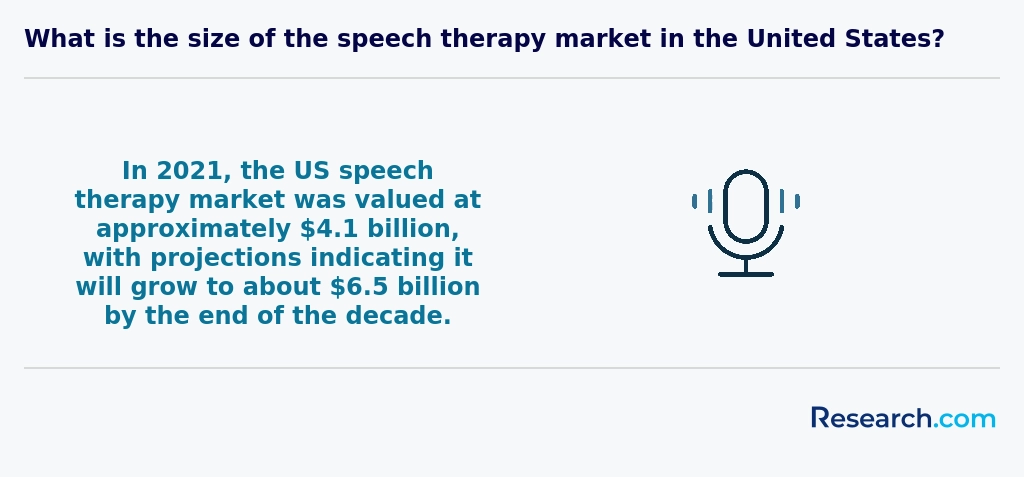
Speech pathology students in the USA Territories can access several forms of financial aid to ease the cost of their education. Graduates from universities in Puerto Rico often share how federal aid, mainly through Federal Direct Loans, helped manage tuition fees ranging from $15,000 to $30,000 a year. The flexible repayment plans available after graduation bring peace of mind, especially when combined with Federal Work-Study programs that some students use to gain practical experience while earning money on campus.
Territorial scholarships also play a crucial role. For example, students at institutions like the University of Guam benefit from scholarships sponsored by local government programs targeting healthcare fields. This support often feels like a direct investment in their futures, motivating many to excel academically.
Institutional aid is another lifeline. Several colleges in the U.S. Virgin Islands offer assistantships, which cover tuition and provide stipends, allowing students to focus on research or teaching roles. This has been described by recent graduates as empowering, offering both financial relief and professional growth.
National professional organizations such as the American Speech-Language-Hearing Association (ASHA) offer competitive scholarships and resources for loan forgiveness programs. Graduates who committed to working in underserved territorial communities have found loan forgiveness to be a game-changer in reducing debt, underscoring the real-world benefits of these programs.
Students are encouraged to start early by completing the FAFSA and consulting local education offices. This proactive approach increases chances of combining multiple aid sources, turning a challenging financial journey into a manageable and hopeful path toward a rewarding speech pathology career.
Certification and licensure are essential to practice as a speech-language pathologist in the USA Territories. Key steps include:
- Graduate from an ASHA-accredited master’s program
- Complete at least 400 supervised clinical practicum hours
- Pass the Praxis Examination in Speech-Language Pathology
- Fulfill a 36-week Clinical Fellowship Year (CFY)
- Obtain the ASHA Certificate of Clinical Competence (CCC-SLP)
- Apply for state licensure in your territory
- Explore accredited programs, such as affordable speech pathology graduate programs in texas, to ensure eligibility for certification
To enroll in a speech pathology degree program in the USA Territories, students must first complete a bachelor's degree, often with prerequisite coursework that lays the foundation for advanced study. Graduates from institutions like the University of Guam or the University of Puerto Rico commonly recall taking essential classes such as Introduction to Communication Disorders, Phonetics, and Anatomy of the Speech and Hearing Mechanism. These courses ensure you build core knowledge crucial for success in graduate studies.
Applicants should verify if their undergraduate credits match Council on Academic Accreditation (CAA) guidelines, especially if they studied outside the mainland. This step prevents delays in program acceptance and aligns you with licensure requirements. Many graduates emphasize the confidence gained through early volunteer experiences or internships in local clinics, which highlight practical skills and passion for helping communities.
Maintaining a GPA of around 3.0 is advised, reflecting academic strength and readiness. Students who have engaged with speech pathology environments in universities throughout the territories often find themselves well-prepared and optimistic about their career paths.
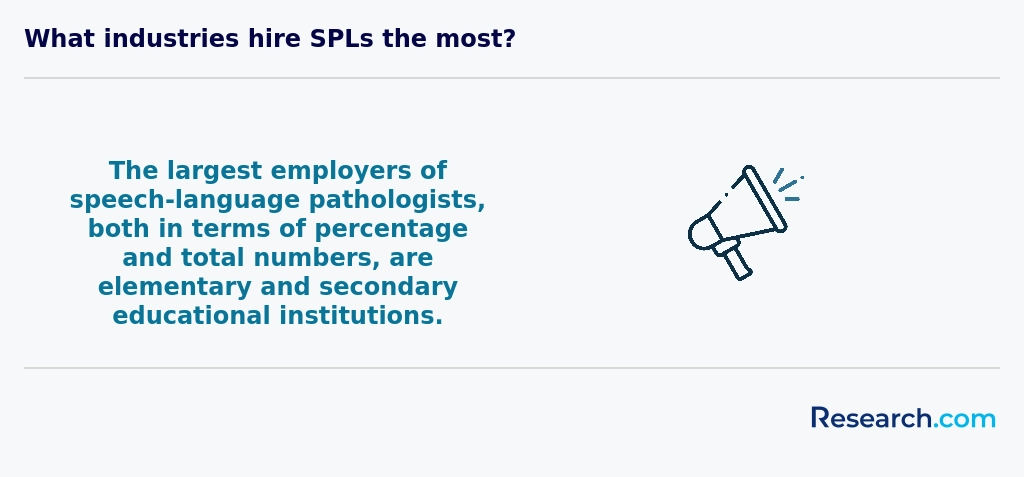
Speech pathology degree programs in the USA Territories, such as those at the University of Puerto Rico, include a diverse range of courses that blend foundational knowledge with practical skills. Graduates often highlight how courses in anatomy and physiology of speech and hearing gave them a clear understanding of the human communication systems, which made clinical work more approachable and rewarding.
Students also study phonetics and linguistics, enabling them to decode speech sounds and language patterns - essential skills when working in bilingual or multilingual settings common in Puerto Rico or Guam. Courses on normal language development and disorders help students grasp how communication evolves and where interventions are needed.
Practical training through clinical practicum is emphasized, allowing students to apply assessment and intervention techniques directly with clients under supervision. This hands-on approach fuels confidence and prepares students for real-world challenges.
- Speech and hearing science
- Neurological bases of communication disorders
- Assessment and intervention techniques
- Augmentative and alternative communication systems
- Voice and fluency disorders
- Ethics and professional issues in speech pathology
Incorporating these courses with cultural and language considerations specific to the territories helps graduates feel well-equipped and motivated, ready to make a positive impact in their communities.
Speech pathology degrees in the USA Territories commonly include specializations focused on addressing the unique needs of local communities. Graduates from institutions like the University of Puerto Rico often emphasize child language disorders, helping young children overcome speech delays and articulation challenges through hands-on clinical practice. Another popular concentration is adult neurogenic communication disorders, where students learn to support stroke survivors and patients with neurological conditions, preparing them to impact patients' everyday lives positively.
Many programs also offer training in swallowing disorders (dysphagia), an area growing in importance due to aging populations in territories such as Guam. Voice therapy and cognitive-communication disorders are additional options, enabling students to tailor their expertise to specific clinical settings. Some students appreciate the bilingual or Spanish-language focus available in these programs, reflecting regional demographics and enhancing their ability to serve diverse communities.
For those wondering what's the easiest masters degree to get, considering these practical specializations can make your study plan both effective and rewarding. Exploring speech therapy concentration options in USA Territories helps ensure your education fits local needs and boosts your future career flexibility.
When choosing the best speech pathology degree programs USA Territories, focus first on accreditation. Graduates from the University of Puerto Rico often share how crucial ASHA CAA accreditation was in ensuring their degree met national standards and qualified them for the Certificate of Clinical Competence (CCC). This accreditation guarantees your degree is respected across U.S. states and territories.
Affordable speech pathology degrees in USA Territories are a great option for students mindful of cost. Public universities here typically charge between $3,000 and $7,000 annually, much less than mainland private colleges. A graduate recalls managing tuition and materials more comfortably thanks to these lower fees, which allowed them to stay focused on mastering clinical skills.
Hands-on clinical practice is indispensable. Look for programs offering supervised practicums in local hospitals or schools, as these provide real experience interacting with patients. Many students from Guam praise their practicum opportunities that prepared them for state licensure exams.
Finally, consider program length and licensure prep. Most master's programs span around two years and prepare you for the Praxis exam, essential for certification. To plan your finances better, you might explore the cheapest associate degree online before advancing to your master's degree.

Graduates with a speech pathology degree in the USA Territories can pursue diverse career paths tailored to local needs. Many become licensed speech-language pathologists working in schools, helping children with communication challenges. In Puerto Rico, for example, public schools require SLPs to support over a million students, making educational roles a prominent option. Others find opportunities in healthcare settings such as hospitals and rehab centers in Guam or the U.S. Virgin Islands, where growing health infrastructure demands specialized care for stroke survivors or children with delays.
Research and administrative positions within local public health organizations offer alternative routes for graduates interested in shaping communication disorder programs. Some also embrace telepractice, providing remote services to isolated island communities-a rewarding career path considering the geographic realities. Graduates from popular institutions in the territories highlight how practical training and bilingual competence uniquely prepare them for success in these roles. For those exploring cost-effective education aligned with regional job openings, checking out affordable online college programs can be a practical step toward entering speech pathology careers in USA Territories.
The speech pathology job outlook in USA Territories offers both rewarding opportunities and distinct challenges. Graduates from popular institutions in Puerto Rico and Guam report that while local programs can be limited, pursuing a degree from mainland schools or through hybrid formats allows them to meet national licensure standards and gain valuable experience. Employment opportunities for speech pathologists in USA Territories often arise within public schools, health clinics, and government-funded programs, where the need for SLPs to support community health and special education is strong despite smaller job pools.
Many graduates emphasize the importance of networking and staying informed about localized policies to navigate competition for positions effectively. For students weighing options, exploring the cheapest online bachelor's degree routes can provide a cost-conscious pathway without sacrificing quality or accreditation. Successfully entering this market means embracing adaptability and leveraging connections within educational and healthcare systems specific to these regions.
2027 Most Affordable Speech Pathology Degree Programs Ranking in the USA Territories
Investing in your education is a significant decision that can shape your future, and the Research.com team understands the importance of making informed choices. To assist prospective students, we have meticulously developed the "2027 Most Affordable Speech Pathology Degree Programs Ranking in the USA Territories." Our commitment to quality, credibility, and accuracy is reflected in the rigorous research and analysis conducted to create this ranking.
We utilized the following reputable data sources to ensure a comprehensive evaluation of speech pathology programs:
By exploring this ranking, readers will gain valuable insights into the most affordable and credible speech pathology degree programs available in the USA Territories, empowering them to make well-informed educational choices. For more details on our methodology, please visit our Research.com methodology page.
# 1 position
Pontifical Catholic University of Puerto Rico-Ponce
Bachelor of Science in Speech-Language Pathology

# 2 position
Inter American University of Puerto Rico-Metro
Master of Science in Speech-Language Pathology

# 3 position
Inter American University of Puerto Rico-Ponce
Master of Science in Speech-Language Pathology
# 4 position
Inter American University of Puerto Rico-Aguadilla
Master of Science in Speech-Language Pathology
# 5 position
Inter American University of Puerto Rico-Fajardo
Master of Science in Speech-Language Pathology
# 6 position
Universidad Ana G. Mendez-Gurabo Campus
Master of Science in Speech-Language Pathology (MSLP)
# 7 position
Universidad Ana G. Mendez-Cupey Campus
Bachelor of Science in Speech-Language Pathology

# 8 position
Albizu University-San Juan
Master of Science in Speech and Language Pathology
# 10 position
University of Puerto Rico-Medical Sciences
Master of Science (M.S.) education program in Speech-Language Pathology (residential), University of Puerto Rico, Medical Sciences Campus
Frequently Asked Questions About speech pathology
Speech pathology students in the USA Territories can enhance their learning by taking advantage of local resources and tailored academic programs. Many universities in Puerto Rico and Guam offer specialized courses aligned with the Council on Academic Accreditation in Audiology and Speech-Language Pathology (CAA) standards, which ensure quality education and eligibility for certification. Students should seek internships at local healthcare facilities, schools, or community centers to gain practical experience and understand regional speech and language challenges.
Additionally, engaging with professional organizations such as the American Speech-Language-Hearing Association (ASHA) provides access to webinars and networking opportunities. Utilizing online resources and collaborating with peers from mainland institutions can further broaden academic perspectives and skill sets.
Emerging niches within the speech pathology field are expanding rapidly, especially in underserved USA Territories. One notable area is telepractice, which grew by over 40% between 2020 and 2023, improving access in remote communities such as Guam and Puerto Rico, according to the American Speech-Language-Hearing Association (ASHA).
Another growing specialty is bilingual and multicultural speech therapy. In territories where multiple languages are spoken, clinicians trained in culturally responsive care are in high demand. The need for expertise in addressing speech disorders in both English and indigenous languages is rising significantly.
Additionally, medical speech pathology, focusing on patients with neurological impairments or swallowing disorders in hospitals, remains a promising niche. With local healthcare facilities expanding, this area offers increased career opportunities for graduates in these regions.
After earning a speech pathology degree in the USA Territories, graduates should focus on meeting state licensure requirements, which typically include completing a clinical fellowship of about 36 weeks and passing the Praxis exam in Speech-Language Pathology. It is essential to verify licensure specifics with agencies such as the American Speech-Language-Hearing Association (ASHA) and local licensing boards. Networking through internships and professional associations can increase job prospects, especially in regions where demand for speech pathologists is growing. According to the U.S. Bureau of Labor Statistics, employment in this field is expected to grow by 16% through 2031, including positions in territories like Puerto Rico and Guam.
Employers in the USA Territories highly value speech pathology graduates with strong clinical skills, including accurate assessment and effective intervention techniques. Graduates must demonstrate proficiency in working with diverse populations, especially children and elderly patients, common in these regions. Communication and interpersonal skills are crucial, allowing therapists to collaborate with families and multidisciplinary teams.
Knowledge of culturally responsive practices is increasingly important due to the Territories' varied linguistic and cultural backgrounds. According to the American Speech-Language-Hearing Association (ASHA), adaptability and problem-solving abilities rank among the top skills employers seek.
Finding internships in the USA Territories for speech pathology students often starts with connecting to local healthcare and educational institutions. Territories like Puerto Rico, Guam, and the U.S. Virgin Islands have hospitals, schools, and community clinics that may offer clinical placements.
Accredited programs typically require students to complete supervised clinical hours. The American Speech-Language-Hearing Association (ASHA) provides a Clinical Fellowship (CF) process and a searchable database to help students find these opportunities nationwide, including territories.
Networking with licensed speech-language pathologists working locally is essential, as many internship spots are secured through professional contacts and local ASHA chapters.
Additionally, some universities within the territories partner with local agencies to facilitate internships, so contacting program advisors or career services can provide tailored guidance.
Obtaining a speech pathology degree in the USA Territories significantly enhances career mobility and advancement opportunities. Accredited programs prepare students to meet the requirements for certification by the American Speech-Language-Hearing Association (ASHA), a credential recognized across all US states and territories. This recognition enables graduates to practice professionally with greater ease throughout the region.
In territories like Puerto Rico and Guam, demand for certified speech-language pathologists is growing due to increased awareness of speech and language disorders. According to the U.S. Bureau of Labor Statistics, job growth for speech pathologists in these areas is projected at 13% through 2030, faster than the national average.
The degree also opens pathways into various settings such as schools, healthcare facilities, and community programs in the territories. Professionals holding this qualification are more likely to access leadership roles, specialized clinical work, or research opportunities locally and beyond.
Studying for a speech pathology degree in the USA Territories equips students to work effectively in interdisciplinary teams by emphasizing collaborative care. Programs accredited by the American Speech-Language-Hearing Association (ASHA) include coursework and clinical experiences that integrate knowledge from education, healthcare, and social services.
Students gain skills in communication with professionals such as teachers, physicians, and occupational therapists. This is crucial since speech-language services often intersect with other disciplines in schools and medical settings within the Territories.
According to ASHA, about 70% of certified speech-language pathologists in US Territories engage regularly in interdisciplinary roles, highlighting the importance of this training. Additionally, Territory-based programs address local cultural and linguistic diversity, preparing graduates to collaborate in varied community contexts effectively.
When choosing between a thesis and a non-thesis speech pathology degree program in the USA Territories, students should consider their career goals carefully. A thesis program involves conducting original research and writing a detailed academic paper, which is beneficial for those interested in clinical research or pursuing a doctoral degree later. Non-thesis programs typically focus more on practical coursework and clinical experience, ideal for students aiming to enter the workforce directly as speech-language pathologists.
According to the American Speech-Language-Hearing Association, program accreditation and clinical practicum hours are critical factors for all paths. In the USA Territories, limited research-focused programs mean fewer thesis options, so students should evaluate program availability and faculty expertise.
Students based in the USA Territories who wish to study speech pathology abroad generally consider accredited programs within the mainland United States or nearby regions. Due to limited local options-such as in Puerto Rico, Guam, or the U.S. Virgin Islands-many seek universities recognized by the American Speech-Language-Hearing Association (ASHA) for their accredited clinical programs.
Programs in states such as Florida or California often appeal because of their high graduation rates and affordable tuition compared to mainland national averages. Additionally, some Virgin Islands students explore nearby Caribbean institutions with U.S. accreditation partnerships.
Distance learning options have expanded, allowing students to engage in certified speech pathology degrees remotely while gaining local clinical experience, adhering to ASHA's certification requirements.
Students pursuing speech pathology degrees in the USA Territories can enhance their education by engaging in several part-time job opportunities. Working as a speech therapy aide or assistant in local clinics provides practical experience and complements academic studies. Many community health centers in Puerto Rico and Guam hire part-time aides to support licensed speech-language pathologists. Additionally, educational support roles, such as paraprofessionals in schools, offer valuable exposure to speech and language interventions in diverse populations.
According to the U.S. Bureau of Labor Statistics, demand for speech pathology support roles is expected to grow by 21% nationwide from 2022 to 2032, reflecting positive job prospects. These experiences help build essential skills and professional networks within the territories.
Speech pathology students in the USA Territories have access to various networking opportunities crucial for their professional growth. Universities and colleges within territories such as Puerto Rico and Guam often collaborate with local healthcare providers, enabling students to engage with speech therapists and clinicians during clinical placements. These connections help students build practical experience and professional relationships.
Additionally, students can join regional branches of national organizations like the American Speech-Language-Hearing Association (ASHA). ASHA provides conferences, webinars, and local events where students meet experts and peers. Such involvement is essential because the territories have smaller, tightly knit healthcare communities.
The limited number of accredited programs in territories means networking is often more personalized, enhancing mentorship possibilities. This can be advantageous for students seeking job placements or research roles within local institutions. According to the National Center for Education Statistics, over 70% of speech pathology graduates in these areas report positive networking outcomes aiding their careers.
Alumni networks play a vital role for speech pathology degree students in the USA Territories by connecting them with professionals in their field. These networks offer mentorship opportunities that help students understand local licensure requirements and clinical practicum options. For example, territories like Puerto Rico and Guam have distinct certification processes, so guidance from alumni familiar with these is invaluable.
Additionally, alumni often share job openings and help with internships in specialized settings. According to the American Speech-Language-Hearing Association, networking significantly improves employment outcomes for graduates.
Through events, workshops, and online platforms, alumni networks foster a supportive community that encourages career growth and professional development specific to the needs of students in the territories.
In the USA Territories, students can tailor their speech pathology degree programs by selecting elective courses that align with specific career interests, such as pediatric communication disorders or adult neurogenic speech rehabilitation. Many institutions offer practicum placements in local healthcare or school settings, allowing hands-on experience relevant to territorial populations. Additionally, students may pursue research projects focused on regional language variations or culturally appropriate therapy methods.
Accreditation by the Council on Academic Accreditation ensures programs meet national standards, but customization options vary between campuses. According to the American Speech-Language-Hearing Association (ASHA), local clinical hours are essential to qualify for certification.
Speech pathology students in the USA Territories often face unique challenges due to limited local educational resources. Compared to mainland programs, there are fewer accredited institutions offering speech-language pathology degrees within these regions, which can restrict access and increase reliance on online or mainland schools. Clinical placement opportunities, essential for certification, may also be scarce locally, impacting hands-on experience.
Financial constraints can be significant, as many students qualify for less federal funding and face higher travel or relocation costs. Language diversity in the territories adds complexity, requiring students to develop skills in multiple dialects and cultural competence, which is not always fully addressed in standard curricula.
According to the American Speech-Language-Hearing Association (ASHA), representation in the territories remains low, signaling ongoing barriers to entry and retention.
With a speech pathology degree obtained in the USA Territories, graduates are eligible to pursue several key professional certifications that enable clinical practice and career growth. The most important certification is the Certificate of Clinical Competence in Speech-Language Pathology (CCC-SLP) offered by the American Speech-Language-Hearing Association (ASHA). This credential is widely recognized throughout the United States and its territories and often required for employment.
Additionally, obtaining state or territory licensure is mandatory to practice legally. Requirements vary but typically include completing a Master's degree in speech pathology, a supervised clinical fellowship, and passing the Praxis exam.
The U.S. Territories such as Puerto Rico adhere closely to these certification standards, ensuring that speech-language pathologists can provide professional services equivalently to their mainland counterparts.
Writing a winning application for a speech pathology program in the USA Territories requires careful attention to both academic and professional components. Most programs expect applicants to hold a bachelor's degree with strong grades in communication sciences or related fields. A competitive GPA is typically around 3.0 or higher, according to guidelines from the American Speech-Language-Hearing Association (ASHA).
Applicants should provide clear, well-written personal statements demonstrating their passion for speech pathology and understanding of the profession's unique challenges in the Territories. Letters of recommendation from relevant academic or clinical supervisors are essential.
Additionally, programs often require GRE scores, though some territories' schools may waive this depending on the course format and COVID-19 impacts. Research local institutions like the University of Guam or University of Puerto Rico, as their admissions criteria may differ slightly, reflecting regional healthcare needs and opportunities.
The field of speech pathology is increasingly recognized worldwide for its vital role in healthcare and education. In the USA Territories, speech pathology degrees follow accreditation standards set by the American Speech-Language-Hearing Association (ASHA), ensuring graduates meet professional requirements recognized globally. This alignment helps students from the territories pursue careers both locally and internationally.
Globally, the demand for speech pathologists is growing due to aging populations and heightened awareness of communication disorders. According to data from the U.S. Bureau of Labor Statistics, employment for speech-language pathologists is expected to grow 21% from 2020 to 2030, reflecting a robust career outlook.
For students in USA Territories, earning a degree accredited by ASHA opens opportunities not only in local healthcare systems but also in countries that acknowledge these standards, supporting a global career path in speech pathology.
Gaining practical experience while studying for a speech pathology degree in the USA Territories is essential for licensure and career readiness. Most accredited programs incorporate clinical practicum hours, where students work directly with clients under supervision. These opportunities often take place in local schools, hospitals, or community health centers.
The American Speech-Language-Hearing Association (ASHA) requires at least 400 supervised clinical hours, including direct client interaction, for certification eligibility. Students in territories like Puerto Rico and Guam can access regional clinics or telepractice settings to meet this requirement.
Additionally, some universities have partnerships with territorial health agencies, enabling internships that provide exposure to diverse speech and language disorders common in these communities. Engaging in these practicum experiences develops both assessment and intervention skills crucial for future professionals.
Choosing the right concentration within a speech pathology degree program in the USA Territories involves understanding local healthcare needs and available specialties. Common concentrations include pediatric speech disorders, adult neurogenic communication disorders, and bilingual speech therapy. Given the multicultural populations in territories like Puerto Rico and Guam, bilingual speech pathology is often in high demand.
Students should consider the accreditation status of programs, preferably those accredited by the Council on Academic Accreditation in Audiology and Speech-Language Pathology (CAA). This ensures quality education and eligibility for certification.
Exploring local employment trends may reveal growth areas, such as services for elders or children with developmental delays, which can guide specialization choices. Consulting resources like the Bureau of Labor Statistics and territorial health departments provides current, relevant data.
See What Experts Have To Say About Studying Speech Pathology
Read our interview with Speech Pathology experts

- Role of a Speech-Language Pathologist: How Are SLPs Changing the World? https://slponline.ithaca.edu/blog/how-slps-changing-world
- Speech Pathology Programs https://speechpathologymastersprograms.com/speech-pathology-programs/
- 17+ Cheap and Affordable Speech Pathology Masters Programs https://onlinespeechpathologyprograms.org/affordable-slp-programs/
- SLP Scholarships 2025: Fund Your Grad Degree https://www.speechpathologygraduateprograms.org/slp-scholarship-guide/
- Finding your niche in private practice - Dysphagia Cafe https://dysphagiacafe.com/finding-your-niche-in-private-practice/
- 24 Online Speech Pathology Programs https://speechisbeautiful.com/2016/05/24-online-speech-pathology-programs/
- The 10 Biggest Challenges of Being a Speech Pathologist https://www.friendshipcircle.org/blog/2014/03/03/the-10-biggest-challenges-of-being-a-speech-pathologist
- Speech-Language Pathology (SLP) Career Outlook - USAHS https://www.usa.edu/blog/speech-language-pathology-slp-career-outlook/
- 6 Exciting Career Goals for Speech Pathologists https://www.speechease.net.au/our-voice/career-goals-for-speech-pathologists/
- Speech Pathology Licensing | OzTREKK https://oztrekk.com/licensing/practicing-speech-pathology-in-canada/