2027 Best Psychology Degree Programs Ranking in Denton

Co-Founder and Chief Data Scientist
Are you considering pursuing a psychology degree in Denton? This article introduces the 2027 Best Psychology Degree Programs Ranking in Denton, created by the Research.com team of data scientists to help you find the programs that truly stand out.
Choosing the right program can make a big difference in your academic journey and future career. Psychology offers rewarding opportunities to understand human behavior and make a positive impact.
Explore this ranking to make an informed decision and take a confident step toward your goals.
Key benefits of getting psychology degree in Denton
- Salary benefits: Graduates with a psychology degree in Denton can expect competitive salaries, such as a Marketing Research Analyst earning around $83,190 annually or a Clinical Research Associate making approximately $62,370 yearly.
- Diverse career paths: Psychology graduates from local institutions like the University of North Texas often pursue roles in human resources, clinical research, or childcare-fields offering meaningful work and growth opportunities.
- Online degree advantages: Earning a psychology degree online from Denton-based colleges provides flexibility and accessibility, allowing students to balance studies with personal commitments while still opening doors to similar rewarding careers.
- Key benefits of getting psychology degree in Denton
- What can I expect from psychology degree in Denton?
- Where can I work with psychology degree in Denton?
- How much can I make with psychology degree in Denton?
- 2027 Best Psychology Degree Programs Ranking in Denton
- Key Findings
- How long does it take to complete psychology degree in Denton?
- Student Life and Campus Experience in Denton, TX
- What's the difference between online and on-campus psychology degree?
- Optimizing Your Psychology Degree Experience in Denton, TX
- What is the average cost of psychology degree in Denton?
- Licensure and Certification Requirements for Psychology Graduates in Denton, TX
- What financial aid is available to psychology degree students in Denton?
- Faculty Expertise and Research Opportunities
- What are the prerequisites for enrolling in psychology degree program in Denton?
- Licensure Pathways for Psychology Graduates in Texas
- What courses are typically in psychology degree programs in Denton?
- What types of specializations are available in psychology degree programs in Denton?
- How do you choose the best psychology degree in Denton?
- What career paths are available for psychology degree students in Denton?
- What is the job market for psychology degree in Denton?
- Top Trending Psychology Rankings
- See What Experts Have To Say About Studying Psychology
What can I expect from psychology degree in Denton?
The average cost of a psychology degree in Denton is quite manageable, especially for in-state students. For example, graduates from the University of North Texas (UNT), a top choice for psychology, typically pay around $11,000 per year in tuition. This affordability allows many students to focus more on their studies and less on financial strain.
Graduates often recall balancing coursework in clinical and developmental psychology with hands-on research and internships offered through UNT's well-connected programs. These experiences provide practical skills essential for careers or advanced studies without the burden of excessive debt.
Choosing public institutions in Denton means access to strong academic programs paired with a student-friendly cost structure. Many psychology students find they can live locally, reducing housing expenses while engaging with a supportive community of peers and faculty focused on mental health.
In short, the cost structure in Denton makes pursuing a psychology degree both feasible and rewarding, fostering confidence and motivation among students as they prepare for future careers.
Where can I work with psychology degree in Denton?
Psychology graduates in Denton have clear paths to rewarding careers by leveraging local opportunities. Many find roles as licensed mental health counselors or therapists, often gaining extra certification after studying at the University of North Texas (UNT). These jobs at clinics or Denton County MHMR Center allow graduates to provide real help to individuals facing mental health challenges, offering a fulfilling work life.
Others enter educational roles within Denton Independent School District, serving as school counselors or academic advisors. Graduates recall assisting students with special needs or academic stress, directly impacting their success and well-being.
Business environments in Denton also welcome psychology grads to human resources teams, where understanding people enhances workplace culture and training programs-skills honed through hands-on class projects at local colleges.
Research at UNT offers a chance to support important community studies in mental health or behavior, ideal for those aiming to build a career in psychology research. Meanwhile, government and nonprofits bring opportunities to coordinate impactful social programs, letting graduates feel they contribute meaningfully to Denton's public good.
How much can I make with psychology degree in Denton?
Graduates from psychology programs in Denton, such as those attending the University of North Texas, typically land roles that align with the salary data shown by the U.S. Bureau of Labor Statistics. For example, entry-level positions like Human Resources Specialists earn around $76,060 annually, providing a practical starting point for those with a bachelor's degree.
Some graduates find work as Marketing Research Analysts, where the average annual salary is approximately $83,190, reflecting the growing demand for psychological insight in consumer behavior roles. Clinical Research Associates, a common position for those involved in health-related psychology fields, receive about $62,370 per year.
Childcare Worker roles, often pursued by those interested in developmental psychology, pay closer to $32,070 annually but offer valuable hands-on experience. Survey Researchers command salaries near $62,370, highlighting opportunities in data collection and analysis within social science research.
Graduates from Denton's top psychology schools report feeling encouraged by these earnings, which balance well with the city's moderate cost of living. These figures demonstrate achievable income paths when applying practical skills gained from psychology studies to the local job market.
2027 Best Psychology Degree Programs Ranking in Denton
How do we rank schools?
Investing in your education is a significant decision that can shape your future, and the Research.com team understands the importance of making informed choices. To assist prospective students in Denton, we have meticulously crafted the "2027 Best Psychology Degree Programs Ranking in Denton." Our commitment to quality, credibility, and accuracy is reflected in the extensive research and analysis conducted to compile this ranking.
We utilized the following reputable data sources to ensure a comprehensive evaluation of psychology programs:
By exploring this ranking, readers will gain valuable insights into the best psychology degree programs available in Denton, helping them make informed decisions about their educational paths. For more details on our methodology, please visit our Research.com methodology page.


Key Findings
- Denton offers accredited psychology programs at both bachelor's and graduate levels, covering developmental, clinical, and social psychology.
- Annual tuition costs range from $10,000 to $15,000 at public universities for in-state students, while private schools may charge over $25,000.
- Starting salaries for entry-level psychology jobs in Denton are typically between $40,000 and $50,000 per year.
- Experienced clinical psychologists and counselors often earn between $70,000 and $90,000 annually in the area.
- Job growth for psychology-related roles is expected to be about 8% over the next decade, faster than the average for all occupations.
- State licensure requires advanced degrees, supervised clinical hours, and exams, which are important for career advancement and higher pay.
How long does it take to complete psychology degree in Denton?
Completing a psychology degree in Denton depends largely on the program level and your pace. Most students at the University of North Texas, Denton's main public university, finish their bachelor's in psychology within four years by maintaining a steady, full-time schedule. Graduates often describe this as a rewarding timeline that balances coursework and campus life without rushing.
If you're considering an associate degree through local community colleges like North Central Texas College, you can realistically finish in about two years. Many graduates found this option ideal for entering the workforce quickly or transferring later to a four-year school, providing flexibility to adapt plans as life changes.
For advanced degrees, expect an additional two years for a master's at local institutions if you study full-time. Doctoral degrees in psychology generally require five to seven years and are pursued outside Denton, often through nearby universities or accredited online programs. Graduates pursuing doctoral studies emphasize the importance of planning for internships and research, which extend your timeline but enrich professional skills.
Student Life and Campus Experience in Denton, TX
Beyond the classroom, discovering the vibrant campus culture and supportive community in Denton plays a crucial role in shaping your overall educational journey. Students not only engage in rigorous academic work but also benefit from a range of extracurricular activities, wellness programs, and networking events that enhance both personal and professional development. Whether you're joining clubs, attending guest lectures by experienced professionals, or participating in community outreach, these experiences help build a well-rounded perspective that is invaluable in the field of psychology. Many students have found that the unique balance of academic excellence and campus life in Denton serves as a stepping stone to long-term success. Additionally, if you are considering alternative formats for your studies, exploring rankings of the best online accelerated psychology degree programs can also provide insights into flexible programs that might suit your busy lifestyle. Embracing both the academic rigor and the vibrant student experiences available in Denton ensures that your degree is not only a stepping stone in your career but also a memorable and transformative life experience.
What's the difference between online and on-campus psychology degree?
Choosing between an online or on-campus psychology degree in Denton largely comes down to your daily routine and learning style. On-campus programs at places like the University of North Texas offer hands-on experiences-imagine collaborating directly with professors during lab sessions or participating in active group projects on campus. Many graduates recall how this face-to-face interaction boosted their confidence and helped build a supportive peer network.
Conversely, online programs provide flexibility ideal for those balancing work or family. Digital courses let you study asynchronously, cutting costs on commuting or housing. However, some online students mention the difficulty of securing local internships or lab work, though some Denton-area programs arrange practicum placements to bridge this gap.
Both formats require checking accreditation, especially from the APA, ensuring your degree meets licensing and graduate school standards. Think about your personal responsibilities and preferred learning environment when deciding what fits best for you in Denton's psychology community.
Optimizing Your Psychology Degree Experience in Denton, TX
: To maximize the benefits of your psychology degree in Denton, TX, it's essential to consider factors beyond academics, such as affordability and career opportunities. Exploring affordable psychology programs in Texas can help you make an informed decision about your educational investment. By understanding the financial aspects and potential career paths, you can better prepare yourself for a successful and fulfilling career in psychology. For instance, knowing the average cost of a psychology degree in Denton, TX, and the available financial aid options can significantly reduce your educational expenses, allowing you to focus on your studies and career goals.
What is the average cost of psychology degree in Denton?
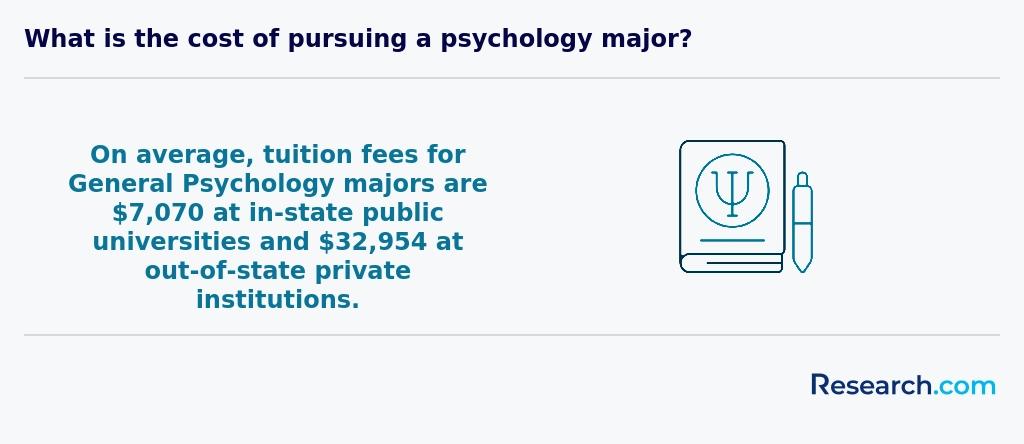
The average cost of a psychology degree in Denton typically revolves around $9,974 for in-state students, according to recent data on psychology degree tuition fees Denton 2027. Graduates from the University of North Texas often share their sense of accomplishment, reflecting on manageable tuition rates compared to other states. They emphasize how budgeting strategically for tuition alone allowed them to focus more on coursework and practical experiences rather than financial stress.
Out-of-state students should anticipate higher tuition fees, sometimes reaching median totals near $33,041. These costs may feel daunting at first, but many who pursued graduate psychology degrees found that assistantships and scholarships substantially eased financial burdens. For instance, those enrolled in master's programs at UNT reported that balancing academic responsibilities with partial tuition waivers was a practical way to keep expenses reasonable and stay motivated through challenging courses.
It's crucial to remember the average cost of psychology degree in Denton also includes living expenses and textbooks. While these can add to the budget, Denton's generally lower cost of living softens the overall impact. Graduates recall renting affordable apartments near campus and benefiting from local resources, making the total investment feel more manageable. Prospective students should explore financial aid options and scholarship opportunities available to psychology majors and consider the affordable psychology programs in Texas to maximize value during their studies.
Licensure and Certification Requirements for Psychology Graduates in Denton, TX
After earning your psychology degree in Denton, TX, obtaining state licensure is the critical next step toward professional practice. In Texas, aspiring psychologists must satisfy education, supervised experience, and examination requirements set by the Texas State Board of Examiners of Psychologists (TSBEP). Education and Supervised Experience • Education: Bachelor’s-level graduates may pursue licensure as Psychological Associates with a master’s degree, while those targeting full psychologist status must hold a doctoral degree in psychology from an APA-accredited program. • Supervision: You’ll need to accrue a minimum of 3,000 hours of supervised experience. At least 1,750 hours must be post‐doctoral and supervised by a licensed psychologist. These hours often take 18–24 months to complete, encompassing assessment, therapy, and research activities. Examination Requirements • EPPP Exam: All candidates must pass the Examination for Professional Practice in Psychology (EPPP), a national licensure exam covering biological bases of behavior, assessment and diagnosis, and ethics. Prepare using workshops or online prep courses recommended by TSBEP. • Jurisprudence Exam: Texas also requires passing a jurisprudence exam focused on state laws and ethical standards. Many programs integrate this into senior courses, but independent study guides can strengthen your readiness. Continuing Education and Renewal • Continuing Education (CE): Licensed psychologists in Texas must complete at least 12 hours of CE annually, including ethics, to maintain licensure. Local universities and professional associations frequently host workshops and webinars-some aligned with Cheapest Online Psychology Degree Programs Ranking in the West-that count toward CE credits. • Renewal: Licenses renew every two years. Timely documentation of CE hours and a renewal application submitted through TSBEP’s online portal are required to avoid lapses. Planning for Licensure Success Begin fulfilling supervised experience hours while enrolled in your degree program by seeking internships with campus counseling centers or community clinics. Regular check‐ins with faculty mentors ensure you meet both academic and licensure milestones. By understanding these requirements early, you can streamline your path from graduation to a thriving licensed practice in Denton, TX.
What financial aid is available to psychology degree students in Denton?
Psychology students in Denton often rely first on federal financial aid by completing the FAFSA, which unlocks access to grants, loans, and work-study opportunities. For instance, graduates from the University of North Texas recall how Pell Grants, covering up to $7,395 annually, significantly eased their tuition burden without the stress of repayment.
State aid offers additional relief through programs like the Texas Grant, designed for undergraduates with demonstrated need attending public institutions in Denton. Many psychology majors found this support critical in managing costs alongside their coursework.
Dept. scholarships at Denton's universities provide targeted help for psychology students excelling academically or engaged in research. Several graduates remember how these awards helped fund their research projects or offset fees, creating a sense of accomplishment alongside financial relief.
Federal student loans remain an option but require careful planning to avoid long-term debt. Work-study positions, often related to psychology, give students hands-on experience while easing financial pressure. Local employers and organizations also occasionally offer tuition assistance, making it worth exploring every avenue early and consistently.
Faculty Expertise and Research Opportunities
Denton’s psychology programs stand out not only for their curricula but also for the depth and diversity of faculty-led research. At the University of North Texas, over 50 full-time faculty members hold terminal degrees and maintain active research labs in areas such as cognitive neuroscience, developmental psychopathology, and health psychology. Texas Woman’s University faculty contribute expertise in women’s mental health, community outreach, and behavioral interventions, often securing NIH and NSF grants that support both graduate and undergraduate assistants. The University of North Texas Health Science Center boasts specialized centers-like the Center for BrainHealth-where students collaborate on cutting-edge studies in memory, aging, and neurorehabilitation. Hands-on involvement begins early: undergraduates can apply for summer research fellowships, co-author peer-reviewed articles, and present at state or national conferences. Graduate students often serve as teaching or research assistants, receiving stipends while honing skills in advanced statistics, grant writing, and lab management. Regular faculty-student seminars foster mentorship, and many professors maintain partnerships with local clinics and nonprofit agencies, providing practicum placements that bridge academic theory and real-world impact. If you’re exploring cost-effective online pathways to similar research opportunities, consider our Cheapest Online Psychology Degree Programs Ranking in the West, which highlights programs combining affordability with strong faculty engagement and virtual lab experiences.
What are the prerequisites for enrolling in psychology degree program in Denton?
To enroll in a psychology degree in Denton, start by ensuring you have a high school diploma or GED if aiming for an undergraduate program. Graduates from Denton universities often recall submitting official transcripts showing solid academic performance, especially in subjects like biology and math, which come in handy during stats-heavy psychology courses.
If you're applying for graduate studies, holding a bachelor's degree with about a 3.0 GPA is usually essential. Many students share that completing foundational psychology classes before applying-such as introductory psychology, research methods, and statistics-makes the transition smoother and boosts admission chances at Denton's top schools.
Alongside academic records, letters of recommendation and a well-crafted statement of purpose are frequently required. Some Denton colleges may ask for GRE scores; however, this is becoming less common, reducing stress for many applicants.
Overall, successful students highlight the value of researching specific Denton programs early and tailoring their applications with relevant coursework and experiences, which truly helps them feel confident and prepared.

Licensure Pathways for Psychology Graduates in Texas
Becoming a licensed psychologist in Texas requires meeting specific educational, examination, and supervised experience standards set by the Texas State Board of Examiners of Psychologists. Many candidates strengthen their credentials by pursuing an online psych masters degree, which offers flexible coursework and often aligns directly with state-required coursework in ethics, assessment, and intervention. Key steps to licensure include:
- Education: Complete a minimum of a master’s degree in psychology from an APA-accredited program. Those aiming for independent practice must earn a doctoral degree (Ph.D. or Psy.D.).
- Supervised Experience: Accumulate at least 3,000 hours of supervised professional experience, including 1,500 hours in direct client contact under a licensed psychologist’s oversight.
- Examination: Pass the Examination for Professional Practice in Psychology (EPPP) administered by the Association of State and Provincial Psychology Boards.
- State Jurisprudence: Successfully complete the Texas Jurisprudence Examination, covering state laws, ethical codes, and regulations.
- Application: Submit official transcripts, verification of supervised hours, examination scores, and the licensure application to the Texas State Board, along with the required fees. After initial licensure, psychologists must complete 40 hours of continuing education every two years, including at least six hours in ethics. Specialized credentials-such as school psychologist certification or clinical neuropsychology board certification-may require additional supervised hours or specialty exams. By understanding and following these licensure pathways, Denton graduates can confidently transition from academic programs into professional practice, ensuring they meet both state requirements and national standards for quality psychological services.
What courses are typically in psychology degree programs in Denton?
In Denton, psychology degree programs typically start with foundational courses in biological bases of behavior, cognitive processes, and developmental psychology. Graduates recall how these classes laid a clear groundwork, helping them understand everyday human actions-from stress responses to memory recall-making the material feel relevant and engaging.
As you move forward, expect to tackle specialized topics like abnormal psychology, which dives into mental health disorders, and social psychology, focusing on how people influence one another in settings like classrooms or workplaces. Denton students often share how these courses helped them interpret real interactions, such as resolving conflicts or understanding group dynamics on campus.
Research methods and statistics are emphasized, providing essential tools to design studies and analyze data. At universities like the University of North Texas, students describe gaining confidence in practical skills like conducting experiments and interpreting results-abilities that open doors to internships or graduate programs.
Additionally, many programs include ethics classes, helping you navigate legal and professional standards relevant to clinical or counseling work. Electives let you explore areas such as clinical or industrial-organizational psychology, tailoring your education to your career goals while feeling motivated by applicable knowledge.
What types of specializations are available in psychology degree programs in Denton?
Students pursuing a psychology degree in Denton typically choose from specializations that prepare them for diverse career paths. Clinical psychology is a top choice, focusing on diagnosing and treating mental health disorders-a graduate from a Denton university shared how this specialization offered hands-on experience in local hospitals, making the learning practical and rewarding. Counseling psychology is another practical option, training students to assist individuals with everyday emotional challenges, often through internships at schools and community clinics.
For those interested in workplace dynamics, industrial-organizational psychology provides skills in improving employee wellbeing and productivity, leveraging Denton's growing business environment. Graduates found corporate internships nearby invaluable for gaining real-world insights. Other specializations include developmental psychology, school psychology, and neuropsychology, each aligning with specific community needs in Denton.
Prospective students should weigh these options carefully when exploring the best psychology programs Denton Texas offers. To explore flexible learning alternatives, check the rankings of the best online accelerated psychology degree programs for additional pathways that match your pace and goals.
How do you choose the best psychology degree in Denton?
Choosing the best psychology degree programs in Denton means prioritizing programs like the University of North Texas, where graduates often praise the combination of strong faculty support and relevant research opportunities. Many students highlight the advantage of curriculum that matches both clinical and experimental interests, helping them feel confident about future career directions. Practical experiences such as internships in Denton's vibrant health services sector make learning tangible and rewarding, boosting enthusiasm for the field.
Affordability is key, so weigh tuition and additional fees carefully to find affordable psychology degrees Denton Texas offers without compromising quality. Graduates often recommend exploring financial aid and scholarships early to ease financial stress. Accreditation is another critical point-picking programs with APA ties or professional affiliations ensures your degree carries weight with employers and grad schools. For those considering advanced study, look closely at programs that support practical engagement and strong networking.
Many students find Denton's location near Dallas irresistible for building connections. For flexible learning options, consider programs that provide pathways like an online psych masters degree, which can fit busy schedules while maintaining academic rigor.
What career paths are available for psychology degree students in Denton?
Graduates with a psychology degree in Denton often find clinical psychology careers rewarding, working in local mental health clinics or hospitals to provide therapy and assessments. Many report satisfaction from helping patients directly, reflecting the hands-on opportunities available near Denton's universities. For those interested in education, school psychology offers a practical career path within the Denton Independent School District, where professionals support student well-being and learning, addressing behavioral issues in real classrooms.
Industrial-organizational psychology is another strong option, especially around Denton's growing business scene. Graduates frequently speak about contributing to workplace productivity improvements in startups or established firms. These job opportunities with psychology degree Denton graduates find often blend science and business, creating dynamic daily challenges.
For a research-focused path, many students from Denton colleges pursue advanced degrees, engaging in projects that contribute to local and national psychological science. This route benefits those aiming for academia or specialized roles. Considering cost is crucial; Denton schools' affordable tuition helps ease financial planning, as outlined in the Cheapest Online Psychology Degree Programs Ranking in the West.
What is the job market for psychology degree in Denton?
The psychology degree job opportunities Denton offers reflect a promising yet competitive landscape. Graduates from the University of North Texas and Texas Woman's University often find roles in counseling, social work, and school psychology within Denton and the broader Dallas-Fort Worth area. Entry-level positions like case managers or behavioral health technicians typically start between $35,000 and $50,000 annually, while advanced roles requiring graduate degrees can reach median salaries around $80,000, based on Texas data.
Students should consider practical steps such as gaining internships or volunteer experience at local mental health clinics or school districts, which frequently hire psychology graduates. These hands-on opportunities enhance job prospects and clarify career paths in community mental health or education sectors. School districts, nonprofits, and healthcare providers are key employers to target.
For those planning their education, balancing the cost of a degree with potential earnings is critical. Denton students can explore in-state tuition options to mitigate expenses. Reviewing a list of college majors including psychology may help you confirm this path fits your career goals and financial plans.
Frequently Asked Questions About psychology
Psychology degree students in Denton can maximize their learning experience by engaging actively in both coursework and hands-on opportunities. Taking advantage of research labs at local universities, such as the University of North Texas, allows students to apply theoretical knowledge practically. According to UNT's Department of Psychology, participating in faculty-led research projects significantly enhances understanding of experimental methods and statistical analysis.
Internships and volunteer work with mental health organizations in Denton offer additional real-world experience, helping students develop clinical skills. Joining psychology clubs and attending local conferences fosters networking and professional growth. Balancing academic rigor with these extracurriculars supports a well-rounded education, preparing students for graduate studies or careers.
Emerging niches within the psychology field reflect growing societal needs and advances in research. One key area is neuropsychology, focusing on brain-behavior relationships, which is gaining traction due to technological progress in brain imaging.
Another expanding niche is health psychology, addressing how psychological factors impact physical health, especially relevant with rising chronic illnesses in the U.S. population. For Denton students, local universities offer specialized courses preparing graduates for these fields.
Additionally, forensic psychology is becoming prominent, bridging psychology and the legal system. According to the Bureau of Labor Statistics, jobs in applied psychology roles are expected to grow 14% by 2030, higher than average.
Environmental psychology, studying human interaction with surroundings, also shows increasing interest related to sustainability efforts regionally.
After earning a psychology degree in Denton, preparing for the job market requires practical experience and networking. Many local employers value internships and research roles, so students should seek opportunities through the University of North Texas or Texas Woman's University, which both offer strong psychology programs.
The U.S. Bureau of Labor Statistics reports a 6% growth in psychologist jobs through 2032, emphasizing the importance of specialized skills. Pursuing certifications, such as Licensed Psychological Associate, may enhance job prospects in Texas.
Additionally, joining professional organizations like the Texas Psychological Association helps graduates access job listings and professional development. Strong communication and analytical skills are also critical for stands out in Denton's competitive market.
Employers in Denton highly value psychology graduates who demonstrate strong critical thinking and analytical skills. These abilities help in interpreting research data and applying psychological theories effectively in diverse settings. According to the Texas Workforce Commission, Denton-area employers also prioritize excellent communication skills, both written and verbal, given the importance of client interaction in clinical and counseling roles.
Additionally, problem-solving and interpersonal skills stand out as crucial for teamwork and client rapport. Knowledge of ethical practices and familiarity with psychological assessment tools enhance employability. Local job postings reveal an increasing demand for graduates skilled in data analysis software like SPSS, reflecting the growing role of technology in psychology careers.
Finding internships relevant to a psychology degree in Denton involves exploring opportunities at local universities, healthcare facilities, and community organizations. The University of North Texas (UNT) Psychology Department often lists internships and practicum placements within their program, offering partnerships with area clinics and nonprofits. According to UNT's internship office, nearly 70% of psychology students secure local internships before graduation.
Students should also contact counseling centers, hospitals, and social service agencies in Denton, as these often provide practical experience in clinical and research settings. Networking through university career fairs and psychology faculty can greatly enhance internship prospects.
Online platforms like Handshake and Texas Workforce Commission's job portal frequently list psychology-related internships around Denton, providing accessible options for students. Early application and strong academic records increase the chance of placement.
A psychology degree in Denton offers solid prospects for career mobility and advancement within the local and broader Texas job markets. Graduates can enter various fields such as mental health counseling, social services, and human resources, where knowledge of psychological principles is highly valued. According to the Texas Workforce Commission, employment in psychology-related roles in the Denton area is projected to grow by 10% through 2030, reflecting an increasing demand for qualified professionals.
Holding a degree also enhances eligibility for specialized positions and higher salaries. For example, licensed psychologists and counselors in Denton earn median wages above the state average, as reported by the Bureau of Labor Statistics. Additionally, advancing to graduate studies or certifications often opens doors to leadership roles in healthcare, education, or corporate settings.
Networking opportunities through Denton-based universities and professional organizations further support upward career movement. These connections can facilitate job placements and continuing education critical for long-term success in psychology-related careers.
Studying for a psychology degree in Denton equips students with skills applicable across multiple fields. Programs at local universities often emphasize interdisciplinary coursework, combining psychology with areas such as education, health sciences, and social work. This approach reflects the growing demand for professionals who can navigate complex social and behavioral issues in diverse settings.
Denton's psychology degrees include practical training, internships, and research opportunities that foster collaboration with other disciplines. For example, students might work alongside nursing or counseling departments, gaining experience essential for integrated care roles. According to the Texas Higher Education Coordinating Board, Denton's institutions report a 20% increase in cross-departmental research projects in psychology since 2020.
Such experiences help graduates pursue careers in healthcare, education, law enforcement, and human services. They develop communication and analytical skills required for teamwork in interdisciplinary environments, which is crucial in today's job market.
Choosing between a thesis and a non-thesis psychology degree program in Denton depends largely on your career goals and learning preferences. A thesis program typically requires conducting original research and writing a detailed paper, which is ideal for students aiming for careers in research, academia, or pursuing a PhD. According to data from the National Center for Education Statistics, research-based skills significantly enhance graduate school admission chances.
Non-thesis programs emphasize coursework and practical experience, appealing to those pursuing professional roles in counseling or clinical settings. In Denton, universities offer both options, so consider the workload, time commitment, and whether you prefer hands-on practice or scholarly research. Your decision should align with long-term ambitions and personal strengths.
Students based in Denton who wish to study psychology abroad have several paths available within the U.S. higher education system. Many universities in Texas, including those in Denton, offer study abroad programs that allow psychology majors to take courses at partner institutions overseas while earning credits toward their degree. These programs commonly run during summer sessions or semesters abroad.
Additionally, students may consider transfer opportunities or dual-degree programs with international universities, although these are less common. It is advisable to consult academic advisors at institutions like the University of North Texas, where psychology enrollment exceeded 3,000 students in 2023, to explore tailored options.
Financial aid and scholarships often support study abroad experiences, helping manage costs. According to the Institute of International Education, about 10% of U.S. psychology undergraduates participate in such programs, reflecting strong interest but requiring proactive planning.
Students pursuing psychology degrees in Denton can find several part-time job opportunities that strengthen their educational experience. Common roles include behavioral health technician positions, where students assist licensed therapists in local clinics. These roles provide practical insights into patient care and therapy techniques.
Research assistant jobs at the University of North Texas are also valuable, as they offer hands-on experience with psychological studies and data analysis.
Additionally, tutoring positions for psychology courses allow students to reinforce their own knowledge while helping peers. According to the Bureau of Labor Statistics, Denton's healthcare support job market grew by 7% from 2020 to 2023, reflecting increased local opportunities.
Psychology students in Denton benefit from several valuable networking opportunities that connect them with professionals and peers in the field. The University of North Texas (UNT), Denton's primary institution for psychology education, hosts regular events such as guest lectures, career fairs, and student organizations, like Psi Chi, the international honor society in psychology. These platforms allow students to meet faculty experts, local clinicians, and researchers.
Additionally, Denton's proximity to the Dallas-Fort Worth metroplex expands access to internships and professional workshops. According to the Texas Higher Education Coordinating Board, about 70% of UNT psychology students engage in internships or practicum placements in the area, fostering real-world connections and career development opportunities.
Alumni networks provide valuable support for psychology degree students in Denton by connecting them with experienced graduates working in various psychology fields. These networks offer mentorship opportunities, helping current students gain career guidance, internship leads, and job placement advice. According to the University of North Texas alumni office, over 70% of psychology graduates benefit directly from alumni referrals within the first year after graduation.
In Denton, alumni events and online platforms facilitate professional relationship-building, which is essential in psychology where networking often leads to employment in clinical, counseling, or research settings. Such connections also increase awareness of local job openings and volunteer opportunities, enhancing practical experience.
Customizing a psychology degree program in Denton allows students to align their education with specific career goals. Many local institutions offer flexible curricula featuring elective courses in clinical, developmental, or industrial-organizational psychology. This flexibility helps students develop expertise in areas that match their interests. Internship opportunities with Denton-based healthcare providers or community organizations provide valuable hands-on experience.
Additionally, students can participate in undergraduate research projects, often overseen by faculty involved in federally funded studies, enhancing both practical skills and resumes. According to the Texas Higher Education Coordinating Board, Denton's universities graduate hundreds of psychology majors annually, providing diverse specialization paths.
Careful selection of courses and experiential opportunities is key to tailoring your program for graduate study or workforce entry.
Psychology students in Denton often face a range of challenges common to many US psychology programs. One significant difficulty is managing the heavy coursework, which combines theoretical classes with practical research methods. Students must develop strong time management skills to balance assignments, lab work, and internships.
Another challenge is accessing quality research opportunities. While Denton hosts universities with active psychology departments, placement in competitive labs can be limited due to high demand.
Financial constraints also affect many students. According to the National Center for Education Statistics, nearly 60% of undergraduate psychology students nationally take on student loans, and Denton is no exception.
Additionally, students must navigate complex ethical and clinical skill requirements, which demand both academic knowledge and interpersonal abilities.
With a psychology degree in Denton, graduates have several professional certification options to enhance their careers. Common certifications include the Licensed Professional Counselor (LPC), which allows practice in therapy and counseling across Texas.
Additionally, becoming a Certified Alcohol and Drug Counselor (CADC) is popular for those interested in addiction treatment. Denton is part of Texas's licensure network, overseen by the Texas Behavioral Health Executive Council.
For research or academic careers, the Board Certified Behavior Analyst (BCBA) credential is valuable, especially for those working with autism spectrum disorders-a growing field in Denton and nationwide.
Certification requirements typically involve supervised experience and passing national exams, aligning with U.S. Department of Education standards and Texas state regulations.
When applying to psychology programs in Denton, a clear and well-structured application is crucial. Start by emphasizing your academic achievements, especially courses related to psychology and science. Programs such as those at the University of North Texas value applicants with strong GPAs, typically around 3.0 or higher, reflecting readiness for rigorous study.
Personal statements should highlight your passion for psychology and any relevant experience, such as internships or volunteer work involving mental health. Be specific about why you want to study in Denton, mentioning local resources or faculty expertise that attract you. Letters of recommendation carry weight, ideally from professors familiar with your academic abilities.
Lastly, demonstrating knowledge of current research trends, including local studies at Denton institutions, can set your application apart. Careful adherence to deadlines and requirements, often listed on official university websites, completes a competitive application package.
Psychology careers in the United States, including Denton, offer a growing range of opportunities influenced by global trends. The American Psychological Association reports a 14% growth in psychology jobs nationwide from 2021 to 2031, reflecting increased demand for mental health professionals worldwide. Globally, psychology professionals often collaborate across cultures to address diverse mental health needs, emphasizing culturally competent care.
Students in Denton seeking psychology degrees benefit from programs aligned with these international standards, preparing graduates for careers in clinical, counseling, and research settings. Additionally, psychology roles in global health organizations signal rising opportunities beyond traditional US settings.
Gaining practical experience while studying for a psychology degree in Denton involves engaging in internships, research projects, and volunteer opportunities. Many universities in Denton collaborate with local hospitals, clinics, and counseling centers, allowing students to apply classroom knowledge in real-world settings. For example, Texas Woman's University encourages psychology students to participate in supervised internships that fulfill degree requirements.
Students may also join faculty-led research, which provides hands-on experience in data collection and analysis. According to the National Center for Education Statistics, around 65% of psychology undergraduates in Texas participate in internships or research before graduation, enhancing their job prospects.
Denton's growing healthcare sector offers ample volunteering options, adding to students' practical learning. Local nonprofit organizations often welcome psychology students, helping them develop client interaction skills and professional networks.
Choosing the right concentration within a psychology degree program in Denton involves understanding your career goals and interests. Many programs offer specializations such as clinical psychology, cognitive psychology, or industrial-organizational psychology. Clinical psychology often appeals to students interested in therapy and counseling, while industrial-organizational psychology suits those drawn to workplace behavior and human resources.
Denton is home to institutions like the University of North Texas, which reports over 5,000 undergraduate psychology majors, providing diverse concentration options. Exploring faculty expertise and available internships locally can guide your choice.
Additionally, reviewing the Texas Workforce Commission data highlights growth in mental health service jobs, indicating strong demand for clinical specializations.
Related Psychology Rankings for Nearby Cities
- 2027 Best Psychology Degree Programs Ranking in Wichita
- 2027 Best Psychology Degree Programs Ranking in Springfield
- 2027 Best Psychology Degree Programs Ranking in Baton Rouge
- 2027 Best Psychology Degree Programs Ranking in Kansas City
- 2027 Best Psychology Degree Programs Ranking in New Orleans
- 2027 Best Psychology Degree Programs Ranking in Hattiesburg
- 2027 Best Psychology Degree Programs Ranking in Lincoln
- 2027 Best Psychology Degree Programs Ranking in Saint Louis
- 2027 Best Psychology Degree Programs Ranking in Mobile
- 2027 Best Psychology Degree Programs Ranking in Birmingham
Top Trending Psychology Rankings
See What Experts Have To Say About Studying Psychology
Read our interview with Psychology experts

Elizabeth L. Jeglic Ph.D.
Psychology Expert
Professor of Psychology
City University of New York

Robin M. Kowalski. Ph.D.
Psychology Expert
Professor of Psychology
Clemson University

Catherine Caldwell-Harris, Ph.D.
Psychology Expert
Associate Professor of Psychology
Boston University

References
- Why Get a Psychology Degree Online? | University of Bridgeport https://www.bridgeport.edu/news/reasons-to-get-your-psychology-degree-online/
- Financial Aid For Psychology Students | Psychology.org https://www.psychology.org/resources/financial-aid/
- A Guide to Psychology Internships | Psychology Degree Guide https://psychologydegreeguide.org/resources/internships/
- How to help students cope with mental health challenges https://www.eaie.org/resource/help-students-cope-mental-health-challenges.html
- Skills of a Psychology Major - Psychology Department https://wagner.edu/psychology/skills/
- Society for the Teaching of Psychology https://teachpsych.org/page-1784686/8675326
- From the Classroom to Your Career: How a Psychology Degree Opens Doors https://www.torontomu.ca/arts/undergraduate/bachelor-of-arts-degree/from-the-classroom-to-your-career-how-a-psychology-degree-opens/
- Financial Aid for Psychology Students https://www.onlinepsychologydegrees.com/financial-aid/
- Study Psychology Abroad https://astarfuture.co.uk/study_psychology_abroad.html
- Mental Health Challenges Faced by Psychology Students | The Healthcare Guys https://healthcareguys.com/2023/11/23/mental-health-challenges-faced-by-psychology-students/