2027 Best Human Resources Degree Programs Ranking in Kentucky

Co-Founder and Chief Data Scientist
Exploring human resources degree options in Kentucky just got easier with the 2027 Best Human Resources Degree Programs Ranking in Kentucky. This ranking was developed by the Research.com team of data scientists to help you make an informed choice when selecting programs that truly stand out.
Choosing the right degree can boost your career and open doors in a growing field focused on people and organizations. This article offers clear insights to guide your journey toward a rewarding future in human resources.
Key benefits of getting human resources degree in Kentucky
- Salary: Graduates with a human resources degree in Kentucky can expect competitive salaries, such as $76,060 annually for roles like Recruitment Coordinator or Human Resources Generalist. This strong earning potential reflects the valuable skills gained from the degree.
- Career Paths: A human resources graduate from the University of Kentucky can pursue diverse roles, including Employee Relations Specialist and Training and Development Coordinator, each offering rewarding opportunities to grow professionally. These roles enable graduates to make a meaningful impact in workplace culture.
- Online Degree Benefits: Completing a human resources degree online through a school like Eastern Kentucky University provides flexibility for working adults, allowing students to balance education and life commitments easily. This option also accelerates career advancement by fitting education into busy schedules.
- Key benefits of getting human resources degree in Kentucky
- What can I expect from human resources degree in Kentucky?
- Where can I work with human resources degree in Kentucky?
- How much can I make with human resources degree in Kentucky?
- 2027 Best Human Resources Degree Programs Ranking in Kentucky
- Key Findings
- How long does it take to complete human resources degree in Kentucky?
- What's the difference between online and on-campus human resources degree?
- Expert Insights & Future Industry Trends
- What is the average cost of human resources degree in Kentucky?
- What financial aid is available to human resources degree students in Kentucky?
- What are the prerequisites for enrolling in human resources degree program in Kentucky?
- Certifications and Professional Development
- What courses are typically in human resources degree programs in Kentucky?
- What types of specializations are available in human resources degree programs in Kentucky?
- How do you choose the best human resources degree in Kentucky?
- What career paths are available for human resources degree students in Kentucky?
- What is the job market for human resources degree in Kentucky?
- Related Human Resources Rankings for Nearby States
- Top Trending Human Resources Rankings
- See What Experts Have To Say About Studying Human Resources
What can I expect from human resources degree in Kentucky?
The average cost of obtaining a human resources degree in Kentucky typically ranges between $10,000 and $30,000 per year, depending on the institution and program type. Public universities often offer competitive in-state tuition rates, which many local students find affordable while still delivering comprehensive coursework and valuable internship opportunities.
Graduates from popular Kentucky universities frequently highlight the balance of theoretical knowledge and practical experience as a key benefit of their programs. For example, students appreciate how programs integrate case studies and cooperative education alongside core subjects such as labor laws and organizational behavior, helping them feel confident stepping into real-world HR roles immediately after graduation.
Many report feeling a strong sense of community and support throughout their studies, which makes the investment in tuition feel worthwhile. By combining classroom instruction with hands-on learning in diverse industries like healthcare and manufacturing, Kentucky's HR degree programs equip students with practical skills that employers in the state actively seek.
Where can I work with human resources degree in Kentucky?
Graduates with a human resources degree from institutions like the University of Kentucky or Northern Kentucky University often find rewarding careers across diverse sectors within the state. Many secure positions in healthcare, working for large hospitals and medical centers where they manage critical functions such as employee recruitment, training programs, and regulatory compliance. This sector's steady growth offers both job stability and opportunities to make a meaningful impact on workforce wellness.
Others thrive in Kentucky's prolific manufacturing industry, joining automotive plants or logistics companies that demand HR expertise for workforce planning and labor relations. These roles provide a dynamic environment where graduates apply skills learned during internships or cooperative education programs.
State and local government agencies also represent attractive career paths for HR degree holders, offering stable employment focused on benefits administration and policy enforcement. Additionally, colleges and school districts throughout Kentucky employ HR professionals to navigate the complexities of educational staffing.
These varied opportunities create a promising landscape for graduates eager to contribute to Kentucky's economy while enjoying fulfilling human resources careers close to home.
How much can I make with human resources degree in Kentucky?
Graduates with a human resources degree in Kentucky typically find entry and mid-level HR roles offering competitive earnings compared to regional averages. For instance, many graduates from the University of Kentucky or Western Kentucky University begin their careers as Human Resources Assistants, with mean annual wages around $76,060 nationally, reflecting promising initial compensation. Roles such as Recruitment Coordinators and Employee Relations Specialists also align with this salary range, averaging approximately $76,060 per year, providing solid financial stability early on.
Those pursuing careers as Training and Development Coordinators can expect annual earnings near $71,980, which aligns well with growing demand in sectors prevalent throughout Kentucky, including manufacturing and healthcare. Alumni recount positive experiences translating academic knowledge into impactful workplace contributions, boosting both confidence and salary prospects.
Kentucky graduates benefit from salary growth tied to experience and industry specialization. The consistently strong pay figures, combined with professional certifications, enable many to envision rewarding, upwardly mobile HR careers within the state's diverse economic landscape.
2027 Best Human Resources Degree Programs Ranking in Kentucky
How do we rank schools?
Investing in your education is a significant decision that can shape your career, and the Research.com team understands the importance of making informed choices. To support prospective students in Kentucky, we have carefully developed the "2027 Best Human Resources Degree Programs Ranking in Kentucky." Our dedication to quality, credibility, and accuracy is demonstrated through rigorous research and thorough analysis behind this ranking.
We utilized the following reputable data sources to ensure a comprehensive evaluation of human resources degree programs:
By exploring this ranking, readers gain valuable insights into the top human resources programs in Kentucky, empowering them to make well-informed decisions about their educational futures. For further information on how this ranking was created, please visit our Research.com methodology page.


# 4 position
Sullivan University
Master of Science in Human Resource Leadership

# 5 position
Sullivan University
Best Value Human Resource Management Bachelor's
Key Findings
- Tuition for a bachelor's degree in human resources at Kentucky public universities ranges from $10,000 to $12,000 per year for in-state students.
- Associate degrees or community college programs in human resources often cost less than $5,000 per year for in-state students.
- Starting salaries for recent human resources graduates in Kentucky typically range from $45,000 to $55,000 annually.
- Experienced human resources managers can earn median salaries between $75,000 and $85,000 after several years.
- Employment in human resources in Kentucky is expected to grow by about 7% over the next decade.
- Key industries hiring human resources professionals include healthcare, manufacturing, education, and retail.
How long does it take to complete human resources degree in Kentucky?
Completing a human resources degree in Kentucky typically takes around two years for an associate's degree, which many students pursue at community colleges such as Owensboro Community and Technical College. Graduates often feel encouraged by the practical skills gained, helping them secure entry-level HR roles quickly.
Bachelor's degrees, commonly obtained from institutions like the University of Kentucky or Northern Kentucky University, generally require four years of full-time study. Many graduates reflect on this period as an enriching experience that combines theory and internships, preparing them thoroughly for diverse HR careers in recruitment and employee development.
For those advancing to graduate studies, master's programs in human resource management or labor relations usually take an additional one to two years. These programs, offered by universities such as Eastern Kentucky University, deepen strategic HR expertise, opening doors to leadership positions. Part-time or online options extend these timelines but offer flexibility that students appreciate when balancing work and study.
What's the difference between online and on-campus human resources degree?
Online and on-campus human resources degree programs in Kentucky differ primarily in delivery and student experience. Graduates from the University of Kentucky on-campus programs often highlight the value of face-to-face interactions with professors and peers, which foster immediate feedback and meaningful networking. Such direct engagement in campus events and career fairs can lead to strong local industry connections in Kentucky's workforce.
Conversely, graduates from Eastern Kentucky University's online programs emphasize the convenience of flexible schedules that accommodate working professionals or those with family commitments. Studying remotely allows students to balance employment with coursework, sometimes reducing overall costs since commuting and campus fees are minimized. However, maintaining motivation and active participation in virtual discussions demands discipline and proactive communication skills.
Both formats share core curriculums endorsed by SHRM, covering essential subjects like labor laws and talent management. Tuition rates between online and on-campus options at reputable Kentucky institutions are often comparable, although online learning sometimes presents modest savings.
Expert Insights & Future Industry Trends
As the landscape of human resources continues to evolve, industry experts emphasize the importance of staying ahead in an ever-changing environment. This section offers a closer look at emerging trends and expert perspectives that can help current and prospective students anticipate the future of the HR field in Kentucky. Faculty and industry leaders note that advancements in HR technology-such as artificial intelligence in recruitment, data-driven decision-making, and remote workforce management-are reshaping traditional roles and creating new opportunities. Embracing these trends enables graduates to not only adapt but also to lead innovations within their organizations. Experts advise that aligning your educational pursuits with these industry shifts can provide a significant edge in the competitive job market. Whether you are assessing traditional programs or exploring more flexible pathways, consider programs that integrate modern HR practices and digital tools. For personalized guidance and to discover more cost-effective options, exploring affordable human resources programs in kentucky can be a strategic first step toward your career advancement. Staying informed and adaptable is key to thriving in the HR field of tomorrow.
What is the average cost of human resources degree in Kentucky?
The average cost of a human resources degree in Kentucky varies depending on residency status and type of institution. For in-state students attending public universities, the median total cost for completing a human resources program is approximately $14,491. This aligns with typical tuition and fees reported by graduates from universities such as the University of Kentucky and the University of Louisville, who describe managing their expenses carefully while benefiting from quality education.
Out-of-state students face significantly higher costs, with a median total cost around $35,424. Graduates from these backgrounds often describe balancing the financial challenges by leveraging scholarships and federal aid, which help make earning their degree more feasible despite the greater expense.
Private institutions in Kentucky generally charge tuition that mirrors the higher out-of-state rates, contributing to the median total cost near $35,424 regardless of residency. Many students have found that starting at community colleges and transferring credits to these universities effectively lowers their overall expenses, allowing them to pursue their degree while managing budget constraints.
Additional costs beyond tuition, including books, supplies, and living expenses, often add several thousand dollars annually. Kentucky students exploring the average cost of human resources degree in Kentucky frequently emphasize the importance of researching financial aid options. Programs like the Kentucky Tuition Grant support eligible students attending private colleges, making higher education more accessible.
For prospective students seeking more information on affordable human resources programs in Kentucky, reviewing options at a variety of institutions is essential to balance quality and cost.
What financial aid is available to human resources degree students in Kentucky?
Students pursuing human resources degrees in Kentucky frequently benefit from a variety of financial aid options that significantly ease the cost of education. Graduates from institutions like the University of Kentucky and Western Kentucky University often share how federal student aid-including Pell Grants and Direct Loans-provided essential support. Pell Grants, awarded based on financial need without requiring repayment, have proven especially helpful for those managing tight budgets.
State-specific programs like the Kentucky Higher Education Assistance Authority (KHEAA) and the Kentucky College Access Program (CAP) offer additional scholarships and grants aimed at in-state human resources students. Many recipients report that these awards greatly reduced their tuition burden while supporting their academic progress.
Institutional scholarships at these universities, often awarded on merit or need, also play a key role, with financial aid offices regularly providing tailored assistance to HR majors. Furthermore, employer tuition reimbursement programs remain a practical resource for working students, reflecting Kentucky's robust industrial and service sectors.
Professional organization scholarships, such as those from the Society for Human Resource Management (SHRM), supplement traditional aid and inspire many students with their support focused uniquely on HR careers.
What are the prerequisites for enrolling in human resources degree program in Kentucky?
Enrolling in human resources degree programs in Kentucky requires meeting clear academic and administrative prerequisites tailored to different educational levels. For associate degrees at community colleges or regional campuses, applicants must present a high school diploma or GED, submit official transcripts, and sometimes provide SAT or ACT scores, although many institutions now offer test-optional admissions. Graduates from these programs often recall the accessibility and supportive application processes that helped them launch their HR careers with confidence.
Bachelor's degree candidates at universities like the University of Kentucky or Eastern Kentucky University encounter more rigorous criteria, including a strong high school GPA and demonstration of communication and analytical skills, reflecting the interpersonal nature of the field. Many students reflect positively on how these prerequisites prepared them to thrive in complex organizational settings.
For master's programs, students must hold a bachelor's degree, submit GRE or GMAT scores, and provide recommendation letters and statements of purpose. Some programs value prior HR or business experience, especially for working professionals pursuing part-time study. Kentucky's HR graduates frequently emphasize that meeting these standards opened doors to leadership roles and lifelong professional growth.

Certifications and Professional Development
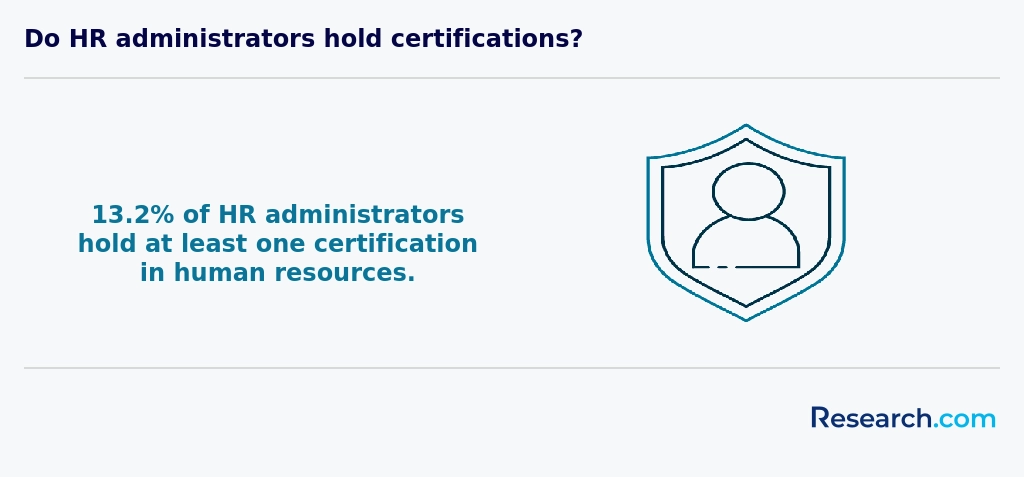
Pursuing industry-recognized certifications alongside your Human Resources degree can accelerate career growth and validate your expertise. Many Kentucky programs integrate preparatory coursework for credentials such as SHRM-CP, SHRM-SCP, PHR, and aPHR, ensuring graduates are exam-ready upon completion. In addition to classroom instruction, students often gain access to professional development workshops, career coaching, and local Society for Human Resource Management (SHRM) chapter events, all of which strengthen practical skills in areas like talent acquisition, compensation strategy, and conflict resolution. For those seeking advanced academic paths to complement certification efforts, online master’s options offer targeted courses in HR analytics, strategic management, and organizational development. To compare affordable pathways that combine academic rigor with professional credentialing, explore the Most Affordable Online Master's in Human Resources Degree Programs Ranking in Michigan. Continuous learning-through webinars, industry conferences, and specialized short-term certificates in diversity and inclusion or labor relations-ensures HR professionals stay current with evolving workplace regulations and best practices. By blending formal education with recognized certifications and ongoing development opportunities, graduates position themselves as trusted HR advisors and strategic business partners.
What courses are typically in human resources degree programs in Kentucky?
Human resources degree programs in Kentucky typically encompass a comprehensive curriculum designed to prepare students for effective talent and organizational management. Graduates from well-regarded institutions such as the University of Kentucky and Western Kentucky University often highlight courses like Introduction to Human Resources Management, which covers recruitment and employee relations, as pivotal to their understanding of day-to-day HR operations.
Core classes such as Organizational Behavior and Employment Law ground students in essential principles, enabling them to navigate workplace dynamics and legal frameworks specific to Kentucky and federal standards. Many students appreciate the practical focus on real-world scenarios, such as resolving conflicts or ensuring compliance during hiring processes.
The inclusion of Compensation and Benefits and Performance Management prepares students to design pay structures and evaluate employee contributions, skills often praised by recent graduates for their relevance in dynamic Kentucky job markets. Additionally, courses like Training and Development and HR Information Systems (HRIS) equip learners with the tools to foster employee growth and leverage technology effectively, reflecting the evolving workplace environment.
What types of specializations are available in human resources degree programs in Kentucky?
Human resources degree specializations in Kentucky typically encompass a range of focused areas that equip students with targeted skills relevant to the local job market. Graduates from well-regarded programs at institutions like the University of Kentucky often emphasize concentrations such as Talent Acquisition and Recruitment, where they learn modern sourcing and onboarding techniques essential for Kentucky's competitive workforce.
Kentucky HR degree program concentrations also include Compensation and Benefits, enabling students to design salary structures and incentive plans aligned with state business practices. Specializations in Labor Relations and Employment Law are particularly valuable, given Kentucky's active manufacturing sector, helping students navigate collective bargaining and workplace dispute resolution.
Students are equally drawn to Training and Development, enhancing their ability to foster leadership and performance improvement, as well as Organizational Behavior and Leadership, which focus on managing change within organizations. Many graduates appreciate how these practical focuses reflect real-world challenges faced across Kentucky's diverse industries. Prospective students may explore options through programs listed in the Most Affordable Online Master's in Human Resources Degree Programs Ranking in Michigan for comparative insights.
How do you choose the best human resources degree in Kentucky?
Choosing the best human resources degree programs in Kentucky requires prioritizing accredited institutions that provide strong academic and practical training. Graduates from universities such as Western Kentucky University and the University of Kentucky emphasize how SHRM-aligned programs enhanced their readiness for certifications like SHRM-CP, which employers highly value. Considering degree level and delivery format is also crucial; many working professionals benefit from flexible online or hybrid options offered within the state.
Affordability must be balanced with quality. Affordable human resources degrees Kentucky offers can range widely in cost, with public schools averaging $10,000 to $12,000 annually, making financial planning essential. Students often share that programs incorporating internships and cooperative education deliver confidence and real-world skills by connecting theory with workplace challenges.
Exploring additional training such as 6-month certificate courses that lead to high paying careers can complement your degree, improving job prospects in Kentucky's expanding HR field.

What career paths are available for human resources degree students in Kentucky?
Graduates holding a human resources degree in Kentucky often find rewarding opportunities in a variety of roles tailored to the state's economic landscape. Popular career paths include positions such as Human Resources Specialist, where professionals focus on recruiting, hiring, and managing benefits while ensuring compliance with labor regulations. HR Managers play a critical role in leading departments and crafting policies that bolster employee performance and relations, especially within Kentucky's manufacturing and healthcare sectors. Another viable option is the Recruitment Coordinator role, which involves sourcing talent and facilitating job placements in the region's diverse industries. These career avenues are commonly pursued by graduates from prominent Kentucky universities known for their strong business and human resources programs. For those considering more advanced studies, pursuing a phd degree without dissertation can enhance career prospects further.
Specialized positions are increasingly in demand, including Compensation and Benefits Analyst roles that ensure lawful pay structures, and Training and Development Managers who design impactful employee education initiatives. Employee Relations Specialists also play a vital part in maintaining workplace harmony and satisfaction, reflecting Kentucky's evolving workforce needs. These diverse pathways offer positive career experiences, underscoring the robust human resources career opportunities in Kentucky for graduates ready to make a meaningful impact.
Kentucky human resources degree job prospects are strengthened by both the state's steady economic growth and affordable educational options. Many graduates from well-regarded Kentucky colleges express satisfaction with the practical skills gained during their studies, which translate into confident and adaptable professionals in vibrant local job markets.
What is the job market for human resources degree in Kentucky?
The human resources job outlook in Kentucky remains robust, supported by the state's diverse economy and strong industrial sectors. Graduates holding HR degrees from well-regarded institutions in Kentucky often find employment opportunities in large manufacturing firms, healthcare providers, and logistics companies concentrated in metropolitan areas like Louisville and Lexington. These graduates frequently share positive experiences about entering stable roles focused on talent management and compliance, which contribute to steady career growth.
Kentucky HR degree employment opportunities are reflected in steady demand growth, with entry-level salaries typically ranging from $45,000 to $55,000 annually. Many graduates appreciate the competitive tuition rates at Kentucky universities, coupled with scholarships and grants that alleviate financial burdens. These factors foster a supportive environment for students eager to join the workforce. Some graduates highlight how these opportunities have allowed them to explore various HR functions, enhancing their engagement and satisfaction.
For those considering a human resources career while balancing practical concerns, understanding the job market dynamics is essential. Students eager to learn about the highest paying job in trade school can find insights that complement their HR career planning in Kentucky's thriving labor market.
Frequently Asked Questions About human resources
Students pursuing human resources degrees in Kentucky can maximize their learning by engaging in internships with local businesses and government agencies. Kentucky's labor market benefits from sectors like manufacturing and healthcare, providing diverse HR opportunities for hands-on experience (Kentucky Cabinet for Economic Development, 2023).
Additionally, joining professional organizations such as the Kentucky Society for Human Resource Management (KYSHRM) allows students to network, attend workshops, and stay updated on industry trends. This professional involvement complements academic study and enhances employability.
Utilizing university career centers for resume building and interview preparation is also valuable. According to the U.S. Bureau of Labor Statistics, HR specialist jobs in Kentucky are expected to grow 7% through 2032, signaling strong future demand for skilled graduates.
The human resources field in Kentucky is expanding into several emerging niches that reflect broader workplace trends. One growing area is HR analytics, where professionals use data to improve hiring and retention. According to the Kentucky Society for Human Resource Management, 40% of local HR teams are increasing their focus on data literacy.
Another important niche is diversity, equity, and inclusion (DEI). Kentucky businesses are investing in DEI specialists to foster more inclusive work environments. The Kentucky Chamber of Commerce reports that 55% of companies plan to add DEI roles by 2028.
Additionally, talent management for remote and hybrid workers is gaining importance, especially post-pandemic. Organizations need HR experts who understand virtual onboarding, engagement, and compliance with evolving labor laws.
After completing a human resources degree in Kentucky, it is essential to build practical skills alongside academic knowledge to enter the job market successfully. Many employers value internships and cooperative education experiences, which Kentucky universities typically offer through partnerships with local businesses.
Certification can enhance job prospects. The Society for Human Resource Management (SHRM) and the HR Certification Institute (HRCI) provide credentials that are recognized nationwide, including in Kentucky's growing job market. According to the U.S. Bureau of Labor Statistics, employment for human resources specialists in Kentucky is projected to grow by about 5% through 2030.
Networking within local chapters of professional HR organizations also helps graduates connect with employers and learn about opportunities in cities like Louisville and Lexington.
Employers in Kentucky value human resources graduates who demonstrate strong communication skills, critical for managing diverse workforces. Effective interpersonal abilities enable HR professionals to handle conflict resolution and foster positive employee relations.
Analytical skills are also essential, helping graduates interpret workforce data and optimize hiring strategies. According to the Kentucky Society for Human Resource Management, 68% of employers prioritize candidates proficient in HR software and data management tools.
Knowledge of employment law and compliance is crucial due to Kentucky's evolving labor regulations. Graduates who understand federal and state legal requirements can help organizations avoid costly lawsuits and maintain ethical practices.
Finally, adaptability and problem-solving are key qualities, enabling HR professionals to respond to changing business needs and workforce dynamics efficiently.
Finding internships in Kentucky relevant to a human resources degree involves several strategic steps. Students should start by exploring resources offered by their college's career services, which often maintain partnerships with local businesses and corporations. The Kentucky Society for Human Resource Management (KYSHRM) is a valuable professional organization providing networking opportunities and internship listings tailored to HR students.
Target industries in Kentucky include healthcare, manufacturing, and logistics, sectors with significant HR staffing needs. Online job platforms like Handshake and LinkedIn also list internships specifically in Kentucky, allowing filtering by location and field. According to the Kentucky Cabinet for Economic Development, Louisville and Lexington host many companies with active internship programs, providing practical experience for future HR professionals.
Establishing connections through internships boosts employment prospects post-graduation, making networking and proactive outreach essential in Kentucky's competitive HR market.
A human resources degree in Kentucky significantly enhances career mobility and advancement opportunities within the state's workforce. According to the U.S. Bureau of Labor Statistics (BLS), the demand for HR specialists and managers in Kentucky is projected to grow steadily through 2030, highlighting increasing opportunities for qualified professionals.
Completing a human resources degree equips graduates with essential skills in recruitment, labor laws, and organizational behavior, which are highly valued by employers in diverse industries like manufacturing, healthcare, and education.
Many Kentucky employers prefer candidates holding a degree or relevant certification because it demonstrates a comprehensive understanding of HR practices and compliance. This can lead to faster promotions and access to supervisory roles.
Additionally, degree holders often benefit from higher average salaries; for example, HR managers in Kentucky earn a median annual wage of approximately $92,000, higher than the national median for HR roles without advanced education.
Studying for a human resources degree in Kentucky offers students a strong foundation in interdisciplinary skills essential for today's workforce. Programs typically integrate courses in business management, psychology, and labor law, enabling graduates to navigate diverse workplace environments effectively.
Kentucky's higher education institutions often emphasize practical experience through internships and cooperative education, which help students develop leadership and communication skills applicable across multiple industries. According to the Kentucky Council on Postsecondary Education, this experiential learning boosts employment readiness significantly.
Students also gain exposure to data analysis and conflict resolution, preparing them to collaborate with finance, marketing, and legal departments. This interdisciplinary approach aligns with current industry demands, supporting career flexibility within the state's evolving job market.
When choosing between a thesis and a non-thesis human resources degree program in Kentucky, consider your career goals first. A thesis option typically involves conducting original research, which suits students interested in HR research or pursuing a doctoral program later. It also helps develop strong analytical and writing skills.
The non-thesis route focuses more on practical skills and coursework, ideal for students aiming to enter the workforce quickly as HR specialists or managers. According to the Kentucky Department of Labor, the demand for HR professionals with practical experience is growing by 6% annually.
Programs like those at the University of Kentucky offer both tracks, allowing flexibility based on your future plans.
Students based in Kentucky who wish to study human resources abroad have several options linked to U.S. universities offering international exchange programs. Many Kentucky institutions, including the University of Kentucky and the University of Louisville, have partnerships with universities in Europe, Asia, and Australia. These programs often allow students to earn credits that count toward their human resources degree while gaining global perspectives on workforce management.
According to the Kentucky Council on Postsecondary Education, about 4% of Kentucky college students participate in study abroad programs, often focusing on business and management fields related to human resources.
Additionally, some programs offer internships abroad to develop practical HR skills in international contexts, enhancing employability in Kentucky's growing business sectors, such as logistics and healthcare, where HR expertise is increasingly important.
Part-time job opportunities in Kentucky that complement human resources degree education include roles such as HR assistant, recruitment coordinator, and payroll clerk. These positions provide practical experience in workforce management, recruitment processes, and employee record-keeping, which are essential skills for HR professionals.
Kentucky's growing industries, including healthcare and manufacturing, often hire part-time workers in HR-related roles. According to the Kentucky Center for Statistics, the state's HR services sector is expected to grow by 7.4% from 2022 to 2030, increasing demand for trained personnel.
Interning or working part-time in these roles allows students to build industry networks, understand labor laws, and develop communication skills critical to human resources careers.
Human resources students in Kentucky benefit from several strong networking opportunities that can aid their career growth. Many universities, including the University of Kentucky and Western Kentucky University, host SHRM (Society for Human Resource Management) student chapters. These chapters provide access to HR professionals, guest speakers, and local SHRM events, helping students build industry connections.
Additionally, Kentucky's HR Association offers workshops, seminars, and conferences attracting over 500 HR professionals statewide. Participating in these events allows students to engage with experts and potential employers directly.
Internships with Kentucky-based companies often serve as valuable networking platforms, linking students with experienced HR managers and recruiters in industries like manufacturing and healthcare.
Alumni networks offer significant benefits to human resources degree students in Kentucky by providing vital professional connections. Through these networks, students gain access to experienced HR professionals who can offer mentorship and career guidance.
Many Kentucky universities maintain active alumni groups that organize events, workshops, and job fairs tailored to human resources fields. These opportunities help students build relationships with local employers and improve their chances of securing internships and full-time positions.
According to data from the Kentucky Chamber of Commerce, 65% of recent college graduates find their first job through networking, highlighting the value of strong alumni connections in this state.
Moreover, alumni networks often share job openings exclusive to members, giving enrolled students an advantage in a competitive HR job market.
Customizing a human resources degree program in Kentucky involves selecting electives and concentrations that align with your career goals. Many Kentucky universities offer flexibility through courses in labor law, organizational behavior, or talent management. This approach lets you tailor learning to specific HR fields such as recruitment, employee relations, or benefits administration.
Practical experience is crucial, so seek programs with internships or cooperative education options. Kentucky's growing industries, including manufacturing and healthcare, often partner with local schools to provide relevant work placements, enhancing job readiness. According to the Kentucky Cabinet for Economic Development, HR roles in these sectors are steadily increasing, emphasizing specialized skills.
Additionally, consider certifications offered alongside degrees, such as SHRM-CP, which many Kentucky programs support to boost professional credentials. Choosing programs that integrate these options can better prepare you for Kentucky's competitive HR job market.
Human resources students in Kentucky face several common challenges throughout their academic journey. One significant issue is balancing coursework with practical experience, as internships and cooperative education are vital for job readiness but often limited in availability. According to the Kentucky Department of Education, less than 40% of HR students secure internships during their studies, which can hinder hands-on learning.
Additionally, many students struggle with understanding complex employment laws, a key component of human resources education. The ever-evolving nature of labor regulations requires continuous adaptation. Kentucky's diverse economy demands familiarity with varied industries, adding complexity to the curriculum.
Access to specialized HR technology training is also a concern, as not all programs provide adequate exposure.
With a human resources degree in Kentucky, graduates can pursue several professional certifications to enhance their career prospects. The most recognized certification is the Professional in Human Resources (PHR), offered by the HR Certification Institute (HRCI). This credential demonstrates foundational HR knowledge and is valued nationally. Another valuable option is the SHRM Certified Professional (SHRM-CP), provided by the Society for Human Resource Management, which focuses on both strategic and operational HR expertise.
For those in Kentucky, earning these certifications can lead to higher earnings and better job opportunities, as reported by the Kentucky Department of Labor. Other specialized certifications include the Certified Compensation Professional (CCP) and Talent Management Practitioner.
To write a winning application for a human resources program in Kentucky, start by carefully researching the specific program's requirements. Many Kentucky colleges prioritize applicants who demonstrate clear career goals related to HR, so clearly articulate your interest and how the degree aligns with your ambitions. Highlight any relevant experience, such as internships or work in HR-related roles. Kentucky's labor market for human resources professionals is expected to grow by 6% through 2030, according to the U.S. Bureau of Labor Statistics, making it important to show your enthusiasm for this expanding field.
Strong letters of recommendation, especially from professionals in business or HR, can strengthen your application. Additionally, ensure your personal statement includes examples of leadership, communication skills, and problem-solving abilities, as these are key competencies in HR careers. Finally, meet all deadlines and submit all required documents to avoid disqualification.
The global perspective on a human resources (HR) career highlights the growing importance of HR professionals in managing diverse workforces and navigating international labor laws. In the United States, including Kentucky, HR roles increasingly require skills in cross-cultural communication and global talent management.
According to the U.S. Bureau of Labor Statistics, employment of HR specialists is projected to grow 7% nationally from 2022 to 2032. Kentucky's economy, with its focus on manufacturing and healthcare, benefits from HR professionals who understand both local and international labor trends.
Universities in Kentucky often emphasize global HR strategies, preparing students to manage multicultural teams and comply with global regulations. This global outlook enhances career opportunities domestically and abroad.
Gaining practical experience while studying human resources in Kentucky is vital for career readiness. Many universities in Kentucky offer internship programs that connect students with local businesses and organizations. These opportunities allow hands-on work in recruiting, employee relations, and benefits administration.
Additionally, some schools collaborate with the Kentucky SHRM (Society for Human Resource Management) chapters, providing students access to networking events, workshops, and mentorships. Participation in student HR clubs can further develop leadership and practical skills.
According to the Kentucky Center for Statistics, internships significantly improve employment chances post-graduation in HR roles within the state's growing service and healthcare sectors.
Choosing the right concentration within a human resources (HR) degree program in Kentucky involves understanding both your career goals and the local job market. Popular specializations include talent acquisition, employee relations, compensation and benefits, and HR analytics. According to the Kentucky Center for Statistics, demand for HR professionals with skills in workforce planning and employee engagement is growing steadily.
Evaluate concentrations based on industry needs in Kentucky. For example, manufacturing and healthcare sectors often seek HR specialists skilled in labor relations and compliance. Consider programs accredited by the Society for Human Resource Management (SHRM) as they align curricula with industry standards, increasing employability.
Internship opportunities within Kentucky companies also shape the value of each concentration. Hands-on experience is key to building practical skills that employers prioritize. Research universities and colleges that partner with local businesses to offer relevant placements.
Finally, reflect on your personal strengths and interests. A concentration that matches your skills and passion will enhance your success in Kentucky's evolving HR landscape. Consulting academic advisors and attending program information sessions can provide additional guidance.
Related Human Resources Rankings for Nearby States
- 2027 Best Human Resources Degree Programs Ranking in Indiana
- 2027 Best Human Resources Degree Programs Ranking in Ohio
- 2027 Best Human Resources Degree Programs Ranking in Missouri
- 2027 Best Human Resources Degree Programs Ranking in Alabama
- 2027 Best Human Resources Degree Programs Ranking in Iowa
- 2027 Best Human Resources Degree Programs Ranking in Florida
- 2027 Best Human Resources Degree Programs Ranking in New Jersey
- 2027 Best Human Resources Degree Programs Ranking in Massachusetts
- 2027 Best Human Resources Degree Programs Ranking in Nebraska
- 2027 Best Human Resources Degree Programs Ranking in Colorado
Top Trending Human Resources Rankings
See What Experts Have To Say About Studying Human Resources
Read our interview with Human Resources experts

Rick Hackett
Human Resources Expert
Professor, Human Resources & Management
McMaster University

Chester S. Spell
Human Resources Expert
Professor of Management
Rutgers University


References
- 18 HR Skills Every HR Professional Needs [2025 Guide] - AIHR https://www.aihr.com/blog/hr-skills/
- International HR Perspectives (MHR104) https://www.uis.no/en/course/MHR104
- HR Exchange Network https://www.hrexchangenetwork.com/
- Navigating Your Options: Which HR Career Path Is Right for You? https://online.law.tulane.edu/blog/finding-your-hr-career-path
- HUMAN RESOURCE MANAGEMENT (THESIS / NON-THESIS) - Lisansüstü Eğitim Enstitüsü https://lee.nisantasi.edu.tr/en/human-resource-management-thesis-non-thesis/
- What Degree Might You Need to Pursue an HR Career Path? The Requirements to Know https://www.trident.edu/what-degree-do-you-need-for-hr-requirements-to-know/
- Human Resources Internships https://careers.slb.com/early-careers/internships/hr-intern
- 4 tips for leveraging alumni networks for recruitment https://www.eaie.org/resource/leveraging-alumni-networks-recruitment.html
- Human Resources - Alumni.space https://www.alumni.space/en/you-are/human-resources/
- Salary Guide for Future HR Managers https://www.allbusinessschools.com/human-resources/salary/