2027 Easiest Online Healthcare Degree Programs Ranking in Maine

Co-Founder and Chief Data Scientist
If you're considering a healthcare degree in Maine, finding the right online program can feel overwhelming. This article introduces the 2027 Easiest Online Healthcare Degree Programs Ranking in Maine, carefully created by the Research.com team of data scientists. It's designed to help you make an informed choice about which programs offer the best combination of quality and accessibility.
Exploring this ranking can guide you toward programs that fit your lifestyle and goals. Earning a healthcare degree opens doors to meaningful, stable careers that truly make a difference-so take this step with confidence and clarity.
Key benefits of getting online healthcare degree in Maine
- Healthcare degree graduates in Maine can expect competitive salaries, such as Medical Assistants earning around $43,350 annually and Quality Improvement Coordinators making over $103,000 per year, offering strong financial stability.
- Popular career paths for graduates include roles like Patient Care Technician or Health Information Technician, with many Maine colleges supporting these diverse opportunities through specialized programs.
- Online healthcare degrees provide flexible schedules and allow students, such as those from the University of Southern Maine, to balance work and study, making education more accessible without sacrificing quality.
- Key benefits of getting online healthcare degree in Maine
- What can I expect from online healthcare degree in Maine?
- Where can I work with online healthcare degree in Maine?
- How much can I make with online healthcare degree in Maine?
- 2027 Easiest Online Healthcare Degree Programs Ranking in Maine
- Key Findings
- How long does it take to complete online healthcare degree in Maine?
- Accreditation and State Licensing Requirements
- What's the difference between online and on-campus healthcare degree?
- Accreditation and Licensing Requirements
- What is the average cost of online healthcare degree in Maine?
- Emerging Trends in Online Healthcare Education
- What financial aid is available to online healthcare degree students in Maine?
- Licensure and Certification After Graduation
- What are the prerequisites for enrolling in online healthcare degree program in Maine?
- Licensure & Certification Guidance for Online Healthcare Graduates in Maine
- What courses are typically in online healthcare degree programs in Maine?
- What types of specializations are available in online healthcare degree programs in Maine?
- How do you choose the best online healthcare degree in Maine?
- What career paths are available for online healthcare degree students in Maine?
- What is the job market for online healthcare degree in Maine?
- Related Healthcare Rankings for Nearby States
- Top Trending Healthcare Rankings
- See What Experts Have To Say About Studying Healthcare
What can I expect from online healthcare degree in Maine?
The average cost for an online healthcare degree in Maine typically falls between $300 and $500 per credit hour. Graduates from programs like those at the University of Southern Maine often share how this investment felt manageable, especially considering financial aid and scholarships available for healthcare students. Many found that balancing work and study was easier knowing the tuition stayed within a reasonable range.
Imagine completing your coursework from home while still gaining essential clinical experience at a nearby healthcare facility, just like others have done. This structure supports both your education and your local community's needs. It's encouraging to know that these programs are designed with affordability and accessibility in mind, especially in rural areas where broadband improvements make online learning more seamless. By choosing programs focused on flexibility and support, students steadily advance their careers without the stress of overwhelming costs or relocation.
Where can I work with online healthcare degree in Maine?
Graduates with online healthcare degrees from schools like the University of Maine or Southern Maine Community College often find themselves welcomed in diverse workplaces across the state. Imagine stepping into a bustling hospital within MaineHealth or Northern Light Health, where your skills as a registered nurse or medical technologist are critical to patient care. These positions not only offer rewarding careers but also a chance to impact your community directly.
Others pursue roles in primary and urgent care centers scattered from rural towns to cities such as Portland and Bangor, where nurse practitioners or physician assistants fill vital gaps in healthcare access. Graduates recall how these settings allow them to build close relationships with patients while exercising a great deal of professional autonomy.
Long-term care facilities and home health agencies also actively seek healthcare coordinators and licensed practical nurses, especially as Maine's senior population grows. Many online degree holders appreciate this path for its mix of compassion and leadership opportunities. Additionally, the administrative side of healthcare-working with health information systems or regulation compliance-offers promising careers for those who enjoy combining healthcare knowledge with technology.
Finally, public health roles with agencies like the Maine Center for Disease Control support broader community well-being, attracting graduates driven by purpose and public service. With an online healthcare degree from Maine institutions, your options are broad, impactful, and rewarding.
How much can I make with online healthcare degree in Maine?
If you earn an online healthcare degree in Maine, your salary depends greatly on your chosen career path and experience level. Graduates from programs at institutions like the University of Southern Maine or the University of New England often find fulfilling roles where starting salaries align well with state averages. For example, medical assistants typically earn around $43,350 annually, offering a solid entry point into healthcare. Many graduates working as health information technicians or clinical research coordinators also see mean wages close to $43,380 and $43,350 respectively, providing stable incomes as they gain experience.
For those aiming higher, becoming a patient care technician can boost your earnings to about $60,790 per year, reflecting the added responsibilities and skills involved. If you pursue roles in quality improvement coordination, your salary can rise significantly, with median earnings reaching approximately $103,150 annually. Graduates proud of their achievements at Maine's healthcare programs often share how these salaries empowered them to thrive personally and professionally in vibrant communities such as Portland or Bangor.
Taking advantage of Maine's growing healthcare sector and reputable online programs can truly open doors to rewarding careers filled with lifelong learning and meaningful impact.
2027 Easiest Online Healthcare Degree Programs Ranking in Maine
How do we rank schools?
Investing in your education is a significant decision that can shape your future, and the Research.com team understands the importance of making informed choices. To assist prospective students in Maine, we have meticulously crafted the "2027 Easiest Online Healthcare Degree Programs Ranking in Maine." Our commitment to quality, credibility, and accuracy is reflected in the extensive research and analysis conducted to compile this ranking.
We utilized the following reputable data sources to ensure a comprehensive evaluation of healthcare degree programs:
By exploring this ranking, readers will gain valuable insights into the easiest and most accessible online healthcare degree programs in Maine, empowering them to make well-informed decisions tailored to their educational goals. For more details on our methodology, please visit our Research.com methodology page.


Key Findings
- Employment for healthcare practitioners and technical occupations in Maine is expected to grow by around 12% from 2020 to 2030.
- Annual costs for online healthcare degrees range from $8,000 to $15,000 at public universities and $20,000 to $35,000 at private institutions.
- Starting salaries for entry-level healthcare professionals in Maine average between $50,000 and $60,000 per year.
- Experienced healthcare workers, especially in specialized fields, can earn over $80,000 annually.
- Online programs cover nursing, health informatics, public health, and allied health, preparing students for certification and state licensure.
- Clinical practice is completed locally to meet hands-on training requirements despite the online format.
How long does it take to complete online healthcare degree in Maine?
Completing an online healthcare degree in Maine often takes between two to four years, but the exact time depends on your chosen path and how you balance your studies with life. For example, graduates from institutions like the University of Maine and Southern Maine Community College often share how their associate degrees wrapped up in about two years, providing a swift entry into healthcare roles such as medical assisting or nursing. These programs are perfect if you want to start working sooner without waiting too long.
If you're aiming higher, bachelor's degrees-like a BSN or health administration-usually span four years of full-time study at universities like the University of New England. Yet, many students find motivation in accelerated RN-to-BSN programs finishing in as few as 12 to 18 months, which lets them progress quickly while working.
Graduate programs, such as a Master of Science in Nursing, usually take two to three years, but part-time options give busy professionals the flexibility to advance without pausing their careers. So, your pace is truly in your hands!
Accreditation and State Licensing Requirements
Ensuring your online healthcare degree is properly accredited and meets Maine’s licensing standards is paramount to both the quality of your education and your eligibility for professional practice. Accreditation not only validates a program’s curriculum against rigorous industry benchmarks but also often determines your ability to sit for certifying exams and access federal financial aid. Key Accreditation Bodies: • Commission on Collegiate Nursing Education (CCNE) or Accreditation Commission for Education in Nursing (ACEN) for nursing programs • Council on Education for Public Health (CEPH) for public health tracks • Commission on Accreditation of Healthcare Management Education (CAHME) for administrative and leadership specializations State Licensing Essentials: 1. Verify that your institution is recognized by Maine’s Department of Education and, where applicable, the Maine State Board of Nursing or Board of Licensure in Medicine. 2. Confirm clinical practicum requirements align with state regulations; many online programs partner with Maine healthcare facilities to fulfill hands-on hours. 3. Maintain documentation of completed coursework and supervised clinical hours for smooth licensure application. Beyond core healthcare degrees, specialized administrative roles such as medical billing and coding require targeted training. For example, you can bolster your credential portfolio by enrolling in a highly regarded medical billing and coding online class with financial aid, which combines accreditation assurance with cost-effective financing options. By prioritizing accredited programs and understanding state licensing prerequisites, you’ll secure a competitive edge and a clear path to licensure in Maine’s dynamic healthcare landscape.
What's the difference between online and on-campus healthcare degree?
Choosing between online and on-campus healthcare degrees in Maine comes down to how you want to experience learning. Online programs, like those offered by the University of Southern Maine, let you study from home-perfect if you're juggling work or family. Graduates often share how the flexibility to access lectures anytime helped them stay motivated while managing life's demands. You'll engage with coursework through digital platforms, but still complete essential local clinical hours in Maine's healthcare facilities, ensuring hands-on experience.
On-campus programs provide a vibrant learning environment with face-to-face interaction, immediate access to campus resources, and structured schedules. Many nursing graduates reflect on the rich peer support and direct mentorship they received at colleges like Maine Medical Center School of Nursing, which deeply enhanced their confidence and skills.
Both formats meet accreditation standards and license requirements, but online learners enjoy savings on commuting and housing, while on-campus students immerse themselves fully in campus life. Your choice depends on your personal rhythm, but each path offers a solid step toward a rewarding healthcare career in Maine.
Accreditation and Licensing Requirements
Choosing an accredited program ensures your online healthcare degree is recognized by employers and qualifies you for state licensure in Maine. Look for:
- Commission on Collegiate Nursing Education (CCNE) accreditation for nursing degrees
- Commission on Accreditation of Allied Health Education Programs (CAAHEP) for allied health fields
- Council on Education for Public Health (CEPH) accreditation for public health programs
After graduation, follow these steps to obtain licensure:
- Apply to the Maine State Board of Nursing or relevant licensing board.
- Register for and pass the required national exam (e.g., NCLEX for RNs/LPNs).
- Submit official transcripts, clinical hour verification, and background check results.
For students seeking an accelerated pathway that meets licensing criteria, consider a 6 month lpn program online.
What is the average cost of online healthcare degree in Maine?
The average cost of an online healthcare degree in Maine typically centers around $30,820 for the entire program, with in-state students often paying a bit less, near $28,080. Many graduates who studied through popular local institutions, such as those within the University of Maine system, describe their investment as worthwhile-balancing quality education with a manageable financial commitment. Their stories often highlight how affordable online options allow them to maintain jobs and family responsibilities while advancing their healthcare careers.
For students exploring affordable online healthcare degree programs Maine offers, public universities remain attractive due to lower tuition rates for residents. These programs provide access to experienced faculty and practical training without the hefty price tag of private schools. One graduate recalled how their flexible schedule and steady costs made it easier to commit fully, turning financial concerns into motivation rather than obstacles.
It's also important to remember that additional expenses-like textbooks, technology fees, and certification exams-can add up, typically between $1,000 and $3,000. Being aware of these helps students plan better and take full advantage of scholarships or employer tuition assistance. If you want to explore alternatives like a cheap mba in healthcare management online programs, which can complement your healthcare degree, there are focused options available to enhance your expertise without overwhelming costs.

Emerging Trends in Online Healthcare Education
As the digital world rapidly evolves, online healthcare programs in Maine are not only adapting to current industry needs but are also paving the way for a future enriched by advanced learning technologies and innovative teaching methods. Today’s programs increasingly incorporate interactive modules, virtual simulations, and real-time data analytics to mirror the hands-on experiences of traditional clinical education. Integrated platforms now offer capabilities such as augmented reality lab simulations and telemedicine practice sessions, ensuring that students develop both technical expertise and adaptive problem-solving skills. These emerging trends are shaping curricula to be more responsive to the changing dynamics of the healthcare field, where technology plays a pivotal role in patient care and administrative excellence. For instance, many programs are now partnering with industry leaders to deliver up-to-date content and career-focused training that addresses both local challenges and national standards. Alongside these innovations, learners are encouraged to explore interdisciplinary perspectives. For example, students interested in business aspects of healthcare can consider options like cheap mba in healthcare management online programs, which provide a blend of healthcare knowledge with robust management skills. By embracing these advancements early on, prospective online healthcare students in Maine can position themselves as forward-thinking professionals who are well-prepared to drive change in an increasingly digital industry. This section underscores the importance of staying informed about education trends, ensuring that your chosen program not only meets today’s standards but also equips you with insights for tomorrow’s innovations.
What financial aid is available to online healthcare degree students in Maine?
When pursuing an online healthcare degree in Maine, financial aid can make your educational journey much more accessible and less stressful. Many graduates from institutions like the University of New England and the University of Southern Maine share how federal aid through FAFSA was a crucial stepping stone. The Pell Grant, offering up to $7,395, often serves as a lifeline for students facing financial barriers and doesn't require repayment.
State-specific options, such as the Maine State Grant Program, also play a vital role. This grant supports residents attending in-state schools by helping to cover tuition and fees, easing out-of-pocket expenses for many learners. Additionally, numerous online programs provide scholarships based on academic merit or professional background-students frequently find these opportunities by reaching out directly to their schools.
Workforce development funds and nursing-specific aid can be game changers. Graduates report how programs from Maine's Office of Family Independence and healthcare associations helped them manage costs in exchange for commitment to serve underserved communities.
Licensure and Certification After Graduation
Understanding licensure and certification requirements is essential for translating your Online Healthcare degree in Maine into a valid, career-ready credential. Each healthcare role typically demands specific board exams, clinical hours, and state approvals. To ensure you meet Maine’s regulations: 1. Verify Program Accreditation • Choose a regionally accredited program recognized by Maine’s Board of Licensure in Medicine or Nursing. • Many employers require graduation from a program with Commission on Collegiate Nursing Education (CCNE) or Accreditation Commission for Education in Nursing (ACEN) approval. 2. Complete State-Required Clinical Hours • Maine often mandates supervised clinical practicums-check your program syllabus for compliant hours. • Document practicum hours with the clinical site and maintain logs for your licensure application. 3. Apply for National Certification Exams • Registered Nurses: Schedule the NCLEX-RN through the Maine State Board; review official candidate bulletins for deadlines. • Health Information Technicians: Pursue AHIMA’s Registered Health Information Technician (RHIT) or AAPC’s Certified Professional Coder (CPC) credentials. • Other roles: Consult state licensure websites for Physician Assistant (PANCE) or Medical Assistant certification pathways. 4. Submit Licensure Application • Prepare transcripts, proof of clinical hours, and background check documents. • Pay application fees promptly to avoid processing delays. 5. Maintain and Renew Credentials • Most licenses require continuing education units (CEUs) every 1–2 years. • Maine offers approved online CEU courses; plan ahead to fulfill renewal deadlines. For students balancing budget and licensure goals, explore our Cheapest Online Healthcare Degree Programs Ranking in the Northeast to find cost-effective yet accredited options that streamline your path to certification and practice in Maine.
What are the prerequisites for enrolling in online healthcare degree program in Maine?
To enroll in an online healthcare degree program in Maine, be ready to show your academic readiness, typically starting with a high school diploma or GED. Graduates from popular Maine institutions often recall how a solid GPA-usually around 2.5 to 3.0 in undergraduate programs-helped them confidently move forward. Some programs value standardized tests like the SAT or ACT, though many colleges now offer test-optional options, making access easier for busy learners.
At institutions such as the University of Southern Maine or Husson University, students share how submitting letters of recommendation and personal statements gave them a chance to tell their unique stories and ambitions. Many found completing prerequisite courses in biology or chemistry vital in preparing for demanding healthcare studies.
If you're aiming for graduate degrees like a Master of Science in Nursing, expect to provide a relevant bachelor's degree along with proof of work experience or licensure. Maine's healthcare sector values these qualifications because they ensure students are prepared to excel in real-world clinical settings. This preparedness not only builds confidence but opens doors to rewarding careers.
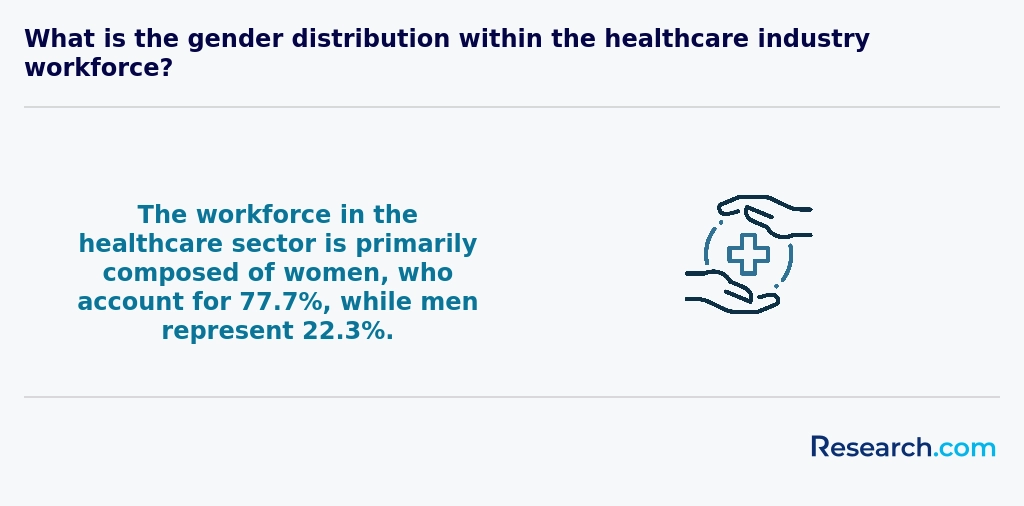
Licensure & Certification Guidance for Online Healthcare Graduates in Maine
After completing your online healthcare degree, the next crucial step is obtaining the necessary licensure and certifications to practice in Maine. Licensing requirements vary depending on your chosen healthcare field-from nursing to allied health professions-and may involve passing comprehensive examinations and completing state-approved clinical practicums. Prospective students are encouraged to research the specific certification standards set by Maine’s regulatory bodies, such as the Maine Board of Nursing or the Maine Office of Professional and Occupational Regulation. Key considerations include: • Understanding Certification Exams: Identify the exams essential for your field (for example, the NCLEX for Registered Nurses) including eligibility criteria, exam format, and recommended study resources. • Verifying Program Accreditation & Clinical Requirements: Ensure that the online program meets Maine’s state guidelines for clinical training, as hands-on experience is often a mandatory component of licensure. • Utilizing Post-Graduation Support Services: Many institutions provide dedicated exam preparation, mentoring programs, and peer study groups designed to help graduates successfully navigate the licensure process. • Staying Updated on Regulatory Changes: Licensing standards can evolve, so it’s important to follow updates from state agencies and professional associations to ensure ongoing compliance throughout your career. By proactively addressing licensure and certification requirements, you can ensure a smooth transition from your academic journey to a dynamic professional role, positioning yourself for long-term success in Maine’s healthcare industry.
What courses are typically in online healthcare degree programs in Maine?
Online healthcare degrees in Maine typically include courses that build a strong, practical foundation readying you for real-world challenges. Graduates from popular programs at universities like the University of Southern Maine share how courses such as Introduction to Healthcare Systems gave them a clear picture of Maine's unique healthcare landscape, especially important in rural communities where access is key.
Understanding medical language through Medical Terminology helped many confidently communicate with patients and professionals alike, while Health Informatics prepared them to use technology to enhance patient care-critical as digital health grows statewide.
Courses in Anatomy and Physiology grounded students in the science behind body functions, while Healthcare Ethics and Law challenged them to navigate real ethical dilemmas they'll face in Maine's healthcare settings.
Many also highlight electives like Mental Health Care or Chronic Disease Management that reflect Maine's community health needs. These programs are designed to inspire and equip you to lead and innovate in a field that truly serves your neighbors.
What types of specializations are available in online healthcare degree programs in Maine?
In Maine, online healthcare degree specializations are designed to meet real-world needs, ensuring graduates hit the ground running. Nursing remains a leading path, where many students advance to roles like Nurse Practitioner or Nurse Educator, crucial for supporting Maine's rural and aging populations. Graduates from well-regarded colleges describe the rewarding challenge of applying these skills locally, making a tangible difference without relocating.
Health Informatics is another exciting area, focusing on technology's role in patient care. Students learn to manage electronic health records and analyze data, preparing for careers that shape future healthcare systems. Many find this specialization fits perfectly with Maine's growing digital health initiatives.
Other popular tracks include Healthcare Administration and Public Health, where learners prepare to lead hospitals or tackle community health issues, especially in rural settings. Allied Health professions like respiratory therapy offer steady career opportunities. For those seeking affordable, practical options, exploring a medical billing and coding online class with financial aid can also be an excellent step.
How do you choose the best online healthcare degree in Maine?
To choose the best online healthcare degree in Maine, start by verifying the accreditation of the program to ensure it meets rigorous standards employers and licensing boards expect. Graduates from the University of Southern Maine's nursing program often share how their program's strong accreditation and support helped them confidently pass the NCLEX-RN exam on the first try.
Consider the healthcare field you are passionate about-whether nursing, allied health, or health administration-and select a program that aligns with Maine's job market needs. Students balancing family and work find that the University of Maine System's flexible, asynchronous courses make pursuing affordable healthcare degrees Maine online a realistic and fulfilling goal.
Cost matters, so explore financial aid and in-state tuition discounts. Many find this helpful when reviewing the Cheapest Online Healthcare Degree Programs Ranking in the Northeast. Lastly, seek programs with high graduation and licensure pass rates, along with strong clinical placement support in Maine's healthcare facilities for hands-on experience.
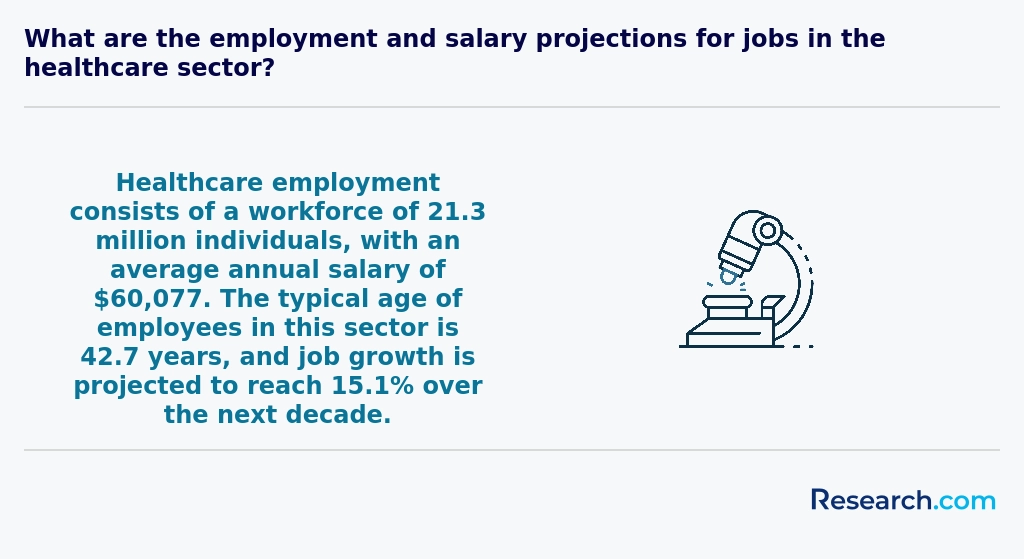
What career paths are available for online healthcare degree students in Maine?
Graduates with an online healthcare degree in Maine have diverse career paths that tap into the state's growing healthcare industry. Many find rewarding roles as registered nurses, prepared through online Bachelor of Science in Nursing programs offered by institutions like the University of Maine. These graduates often recall the confidence they gained balancing coursework with real-world clinical placements, ultimately stepping into RN positions across hospitals and clinics in Maine's communities. The job outlook for healthcare graduates in Maine also includes positions as medical and health services managers, where leadership and coordination skills drive better patient outcomes while earning competitive salaries.
Other alumni thrive as health information technicians managing electronic health records, or as therapy assistants in physical and occupational services that support Maine's aging population. Healthcare social work is another powerful avenue, offering emotional and practical support to families in need. With the rise of telehealth in rural areas, emerging roles like telemedicine coordinators expand options further.
For those considering quicker entry into the field, graduates often explore quick 6 month certifications that lead to high paying jobs, facilitating timely career advancements in healthcare.
What is the job market for online healthcare degree in Maine?
The job market for online healthcare degree graduates in Maine is exceptionally promising, with strong growth driven by the state's aging population and expanding healthcare needs. Graduates from well-known institutions like the University of Southern Maine often share how their degrees opened doors to roles such as Registered Nurses and Medical and Health Services Managers. These positions are not only in high demand but also offer rewarding career paths in local hospitals and clinics.
For those exploring online healthcare jobs in Maine, programs through community colleges offer an affordable, flexible way to balance work and study. Many graduates find themselves employed by leading healthcare providers like MaineHealth, feeling fulfilled by serving their communities while securing financial stability.
Choosing online healthcare degrees in Maine also means accessing strong local networks and meeting licensing requirements to confidently enter the workforce. Prospective students can explore top degree programs for seniors online to find options tailored to diverse needs and schedules.
Frequently Asked Questions About healthcare
Online healthcare degree students in Maine can maximize their learning by actively engaging with their coursework and utilizing available resources. Participating in virtual discussion boards and study groups promotes deeper understanding and peer support. Many Maine schools offer access to online tutoring and academic advising, which students should regularly use.
Completing clinical hours at local healthcare facilities is crucial; students should seek partnerships bridging online programs with Maine's healthcare providers. According to the Maine Department of Labor, healthcare jobs are growing faster than average, underscoring the value of practical experience.
Finally, managing time effectively and setting a consistent study schedule helps students balance work, family, and school commitments while succeeding in their studies.
The healthcare field is rapidly evolving, with several emerging niches gaining attention, especially for online degree seekers in Maine. Telehealth is a significant growth area, accelerated by recent technology adoption and rural access needs. The Maine Department of Health reports telemedicine visits increased by over 40% from 2019 to 2022.
Behavioral health is another expanding niche, partly driven by increasing mental health awareness and demand for qualified professionals. Substance abuse counseling and psychiatric nursing programs are growing.
Additionally, health informatics combines healthcare and data science, improving patient care through technology. This specialty offers strong career prospects in Maine's healthcare system and beyond.
Preparing for the job market after completing an online healthcare degree in Maine involves strategic planning and skill development. Start by obtaining any necessary state licensure; Maine requires healthcare professionals like nurses and medical assistants to be licensed before practicing. Familiarize yourself with the Maine Department of Health and Human Services guidelines to ensure compliance.
Gain practical experience through internships or clinical placements offered by your program or local healthcare facilities. Networking is vital-join professional organizations such as the Maine Healthcare Association for connections and job leads. According to the Maine Department of Labor, healthcare employment in the state is projected to grow by 16% through 2030, highlighting steady opportunities.
Enhance your resume by obtaining relevant certifications like CPR or specialized healthcare IT training. Tailor your job search toward growing sectors in Maine, including elder care and telehealth services, which have expanded rapidly in recent years.
Employers in Maine seek healthcare degree graduates with a blend of technical expertise and interpersonal skills. Proficiency in patient care, understanding medical terminology, and competency in electronic health records (EHR) systems are highly valued. According to the Maine Department of Labor, strong communication skills rank among the top qualities for healthcare roles, supporting effective teamwork and patient interaction.
Critical thinking and adaptability are also important as healthcare environments evolve rapidly, especially with ongoing technological advancements. Additionally, knowledge of Maine's healthcare regulations and cultural competence improves job readiness in diverse community settings. These skills help graduates meet employer expectations in Maine's growing healthcare sector.
Finding internships in Maine related to healthcare degrees often begins with leveraging resources available through your educational institution. Many online healthcare programs have partnerships with local hospitals, clinics, and public health organizations that offer structured internships.
In Maine, key healthcare employers include MaineHealth and Mercy Hospital, which frequently provide internship opportunities for students entering fields like nursing, health administration, and medical technology. According to the Maine Department of Labor, healthcare occupations are projected to grow by 15% through 2030, increasing intern availability.
Students should also explore state-run resources such as the Maine CDC and community health centers, which sometimes offer internships focused on public health initiatives. Networking through professional associations like the Maine Healthcare Association can further expand internship options.
Online healthcare degrees in Maine offer significant career mobility by providing flexible access to accredited education without geographical barriers. This flexibility allows working professionals to upgrade their skills while maintaining employment, which is crucial in Maine's rural healthcare landscape.
According to the Maine Department of Labor, healthcare jobs are projected to grow by 14% between 2020 and 2030, faster than the overall state job growth. Earning an online degree can qualify students for advanced roles like nurse practitioner or healthcare administrator, increasing earning potential and job security.
Many Maine employers recognize online degrees from regionally accredited institutions, valuing practical competencies along with formal education. This acceptance supports smooth career advancement and opens opportunities in hospitals, clinics, and community health organizations across the state.
Studying for a healthcare degree online in Maine equips students with the skills necessary for interdisciplinary roles by emphasizing collaboration across diverse medical fields. Maine's programs often integrate courses in nursing, public health, healthcare administration, and social work to reflect real-world team settings. According to the Maine Department of Health and Human Services, interdisciplinary teamwork is critical in rural healthcare delivery, which is prominent in the state.
Programs also incorporate case studies and practicum experiences focusing on communication and coordination between specialists, enhancing problem-solving capabilities.
This approach prepares graduates to contribute effectively in settings where multiple healthcare professionals work together to improve patient outcomes.
Choosing between a thesis and a non-thesis healthcare degree program in Maine depends largely on your career goals and learning preferences. Thesis programs typically require students to conduct original research, which can be beneficial if you aim to pursue further education like a Ph.D. or work in research-focused roles.
Non-thesis programs emphasize practical skills and coursework, appealing to those prioritizing immediate entry into healthcare professions. According to the Maine Department of Labor, healthcare roles are projected to grow 18% by 2030, underscoring demand for job-ready professionals.
Consider your schedule as well; thesis tracks usually take longer due to research requirements, while non-thesis options often allow for more flexible, faster completion.
Students based in Maine who wish to study healthcare abroad through online programs face limited options due to accreditation and licensing requirements. Most U.S. employers and licensing boards prefer degrees from nationally or regionally accredited institutions, typically within the United States. However, some Maine residents enroll in online healthcare programs offered by foreign universities with U.S.-recognized accreditations or partnerships.
According to the Maine Department of Education, it is essential for students to verify that any foreign online program aligns with requirements for Maine healthcare licensure, especially for fields such as nursing or health administration. Additionally, Maine's Bureau of Health and Professional Regulation encourages students to consult with professional boards before pursuing international degrees.
In summary, while online healthcare degrees from abroad are possible, Maine students must carefully ensure program legitimacy and regulatory compliance to avoid barriers to certification and employment.
Students pursuing online healthcare degrees in Maine can benefit from several part-time job opportunities that complement their education. Common roles include medical assistants, pharmacy technicians, and certified nursing assistants (CNAs), which provide practical experience alongside coursework.
The Maine Department of Labor reports that healthcare occupations are among the fastest-growing in the state, with medical assistant jobs expected to grow 19% from 2020 to 2030. These positions often offer flexible hours suitable for students.
Hospitals, clinics, and pharmacies in Maine frequently hire part-time workers, allowing students to apply theoretical knowledge in real-world settings. Such roles also strengthen resumes and professional networks within the local healthcare community.
Online healthcare students in Maine benefit from several networking opportunities despite the remote nature of their studies. Many accredited Maine universities offering online degrees facilitate virtual events, guest lectures, and discussion groups that connect students with faculty and healthcare professionals statewide.
Additionally, Maine's healthcare sector employs over 90,000 professionals, creating a broad network for internships and mentorships. Organizations like the Maine Primary Care Association and the Maine Hospital Association often host conferences and workshops open to students, providing valuable face-to-face interaction.
Professional social platforms like LinkedIn allow students to join Maine-focused healthcare groups. These spaces enhance connections with local healthcare providers, researchers, and alumni. Networking in such environments can improve job prospects in Maine's growing healthcare market, projected to increase by 15% through 2030 (Maine Department of Labor).
Alumni networks provide significant support to online healthcare degree students in Maine by fostering professional connections essential for career growth. Many programs encourage graduates to join these networks, which often include local healthcare professionals and Maine-based employers.
Such networks help students access internships, job openings, and mentorship opportunities. According to the Maine Department of Labor, healthcare is among the fastest-growing sectors in the state, making alumni connections valuable for entering this competitive market.
Alumni also offer guidance on licensure requirements specific to Maine, aiding students' smooth transition into practice. These networks create a community that benefits both new graduates and seasoned professionals.
Customizing an online healthcare degree program in Maine involves selecting courses and specializations that align with your career goals. Many Maine institutions offer flexibility through electives in fields like public health, health informatics, or nursing. For instance, the Bureau of Labor Statistics reports that healthcare jobs in Maine are projected to grow by 13% from 2022 to 2032, reflecting a strong demand for specialized skills.
Advisors often help students tailor programs to focus on administration, clinical care, or technology. Additionally, Maine's online programs frequently allow part-time study, enabling you to gain work experience simultaneously. Accreditation and state licensure requirements should also guide your choices to ensure your degree meets professional standards.
Online healthcare students in Maine often encounter challenges related to balancing coursework with clinical requirements. Since healthcare programs mandate hands-on experience, arranging local clinical placements can be difficult, especially in rural areas. According to the Maine Department of Education, nearly 40% of the state's population lives in rural regions, where clinical sites are fewer and travel distances increase. This logistical hurdle can delay program completion.
Students also face technological barriers, as reliable high-speed internet is not universally available across Maine. The Federal Communications Commission reports around 16% of Maine households lack broadband access. This impacts live lectures and access to digital resources.
Another common difficulty is adapting to self-directed learning, which requires strong time management skills. Online learners often report feeling isolated compared to traditional campus students, affecting motivation and performance.
With an online healthcare degree, students in Maine can pursue various professional certifications that enhance career opportunities. Common certifications include Certified Nursing Assistant (CNA), Registered Nurse (RN), and Licensed Practical Nurse (LPN), each requiring passing specific state-approved exams. For more advanced roles, degrees can lead to certifications such as Certified Medical Assistant (CMA) or Certified Health Education Specialist (CHES).
Maine's healthcare industry, valued at roughly $6 billion annually, shows strong demand for certified professionals, especially in nursing and health administration roles. According to the Maine Department of Labor, certified healthcare workers enjoy better job prospects and higher salaries statewide.
Other notable certifications include American Health Information Management Association credentials, helpful for those focusing on healthcare informatics or administration. Online degree programs often prepare students specifically for these certification exams.
Writing a strong application for an online healthcare program in Maine requires clear focus on relevant healthcare experience and academic preparedness. Highlight any prior work or volunteer roles in healthcare settings, as Maine has a growing demand for healthcare professionals, especially in rural areas, according to the Maine Department of Labor.
Include a well-crafted personal statement that explains your motivation to study healthcare online and how it fits your career goals. Emphasize your ability to manage online learning, since programs expect self-discipline and strong time management skills.
Provide solid academic records, particularly in science and math, to demonstrate readiness. Some programs may require prerequisite courses. Lastly, secure strong letters of recommendation from supervisors or educators familiar with your dedication and skills in healthcare.
The global perspective on a healthcare career highlights increasing demand and diverse opportunities worldwide. According to the U.S. Bureau of Labor Statistics, healthcare occupations are projected to grow 13% from 2021 to 2031, faster than average for all fields. Maine reflects this trend with a growing need for healthcare workers, especially in rural areas, where online degree programs offer accessible education.
Internationally, healthcare professionals face common challenges like aging populations and rising chronic diseases. This shared context drives innovation in telehealth and cross-border collaborations. For Maine students, understanding global trends enhances career prospects, as many online programs incorporate global health issues to prepare graduates for diverse settings.
The Institute for Healthcare Improvement notes that embracing global health perspectives strengthens problem-solving skills, valuable in Maine's evolving healthcare environment.
Students pursuing an online healthcare degree in Maine can gain practical experience through clinical placements, internships, or externships. Many programs partner with local hospitals, clinics, and community health organizations to arrange hands-on training. This is essential as Maine's healthcare system, including institutions like MaineHealth, requires practical competency for licensure and job readiness. According to the Maine Department of Labor, healthcare occupations are among the fastest growing, highlighting the importance of real-world experience. Online students should actively communicate with their program advisors to locate approved sites within Maine or nearby areas to fulfill clinical hour requirements.
Additionally, volunteering at healthcare facilities or public health organizations in Maine provides valuable exposure. Some programs also offer simulation labs or virtual practicums, helping students develop skills remotely while complying with state regulations.
Choosing the right concentration within an online healthcare degree program in Maine requires assessing both personal interests and local workforce needs. Maine has a growing demand for nurses, with the Maine Department of Labor projecting a 15% job growth in the healthcare sector by 2030. Popular concentrations include nursing, healthcare administration, and public health. Consider your career goals and which roles have strong local demand.
Research each concentration's curriculum and certification opportunities. For example, nursing programs often prepare students for the NCLEX exam, necessary for licensure in Maine. Look for programs accredited by recognized US bodies like CCNE or CAHME.
Lastly, evaluate online programs offered by Maine institutions or regional schools with flexible schedules and clinical placements close to home to meet state-specific licensing requirements.
Related Healthcare Rankings for Nearby States
- 2027 Easiest Online Healthcare Degree Programs Ranking in New York
- 2027 Easiest Online Healthcare Degree Programs Ranking in New Jersey
- 2027 Easiest Online Healthcare Degree Programs Ranking in Pennsylvania
- 2027 Easiest Online Healthcare Degree Programs Ranking in Virginia
- 2027 Easiest Online Healthcare Degree Programs Ranking in West Virginia
- 2027 Easiest Online Healthcare Degree Programs Ranking in Kentucky
- 2027 Easiest Online Healthcare Degree Programs Ranking in North Carolina
- 2027 Easiest Online Healthcare Degree Programs Ranking in South Carolina
- 2027 Easiest Online Healthcare Degree Programs Ranking in Tennessee
- 2027 Easiest Online Healthcare Degree Programs Ranking in Indiana
Top Trending Healthcare Rankings
See What Experts Have To Say About Studying Healthcare
Read our interview with Healthcare experts

References
- Healthcare Training - Maine Adult Education - CourseStorm https://maineadulted.coursestorm.com/category/healthcare-training
- The Best Online Schools In Maine https://www.affordablecollegesonline.org/online-colleges/maine/
- U. Maine online student earns bachelor's degree in 3 months https://www.thecollegefix.com/u-maine-online-student-earns-bachelors-degree-in-3-months/
- Health Sciences - Southern Maine ... https://www.smccme.edu/academics/pathways/health-sciences/
- » Health Sciences https://www.emcc.edu/academics/pathways/health-sciences/
- Associate of Science https://www.umfk.edu/program_degree/associate-of-science/
- Medical Student Financial Aid https://mainephysicians.org/education/medical-student-financial-aid/
- Healthcare | Work Source Maine https://www.worksourcemaine.com/industries/healthcare
- Accredited Online Degrees & Flexible Programs | MCCS https://www.mccs.me.edu/programs-colleges/online-offerings/
- University of Maine System Partners with the ... https://harvardmedsim.org/blog/university-of-maine-system-partners-with-the-center-for-medical-simulation-to-elevate-nursing-education/