2027 Most Valuable Education Degree Programs Ranking in University Park

Co-Founder and Chief Data Scientist
Choosing the right education degree program can shape your future in meaningful ways. This article presents the 2027 Most Valuable Education Degree Programs Ranking in University Park, carefully created by the Research.com team of data scientists. It's designed to guide you in making an informed decision about which programs offer the best value and opportunities.
By exploring this ranking, you'll discover options that align with your goals and passions, helping you build a rewarding career in education. Embracing an education degree opens doors to inspiring work and lifelong growth.
Key benefits of getting education degree in University Park
- Education degree graduates in University Park can expect rewarding salaries, such as $76,000 for Special Education Teachers and $77,200 for Instructional Designers, reflecting strong earning potential in diverse roles.
- Graduates from local universities often pursue careers in teaching, instructional design, or early childhood education, offering flexible pathways to make a meaningful impact on students' lives.
- Online education degrees provide the advantage of flexible schedules and access to expert instructors, allowing students to balance studies with personal commitments while earning the same respected credentials.
- Key benefits of getting education degree in University Park
- What can I expect from education degree in University Park?
- Where can I work with education degree in University Park?
- How much can I make with education degree in University Park?
- 2027 Most Valuable Education Degree Programs Ranking in University Park
- Key Findings
- How long does it take to complete education degree in University Park?
- Student Life and Campus Culture: Building a Holistic Educational Experience
- What's the difference between online and on-campus education degree?
- Certification and Licensure Requirements
- What is the average cost of education degree in University Park?
- Licensure and Certification Requirements
- What financial aid is available to education degree students in University Park?
- Return on Investment (ROI) for Education Degrees in University Park, PA
- What are the prerequisites for enrolling in education degree program in University Park?
- Certification and Licensure Requirements
- What courses are typically in education degree programs in University Park?
- What types of specializations are available in education degree programs in University Park?
- How do you choose the best education degree in University Park?
- What career paths are available for education degree students in University Park?
- What is the job market for education degree in University Park?
- Top Trending Education Rankings
- See What Experts Have To Say About Studying Education
What can I expect from education degree in University Park?
Imagine stepping into a bright lecture hall at Penn State University, the energy buzzing as future educators gather, notebooks ready to capture the fusion of theory and hands-on practice. Here in University Park, the average cost for pursuing an education degree typically hovers around $18,000 per year for in-state students, a price that feels like a wise investment rather than a burden. Graduates often recall feeling the relief of manageable tuition combined with the support of financial aid, making their dreams reachable without endless worry about debt.
Catching glimpses of peers during student teaching placements in local classrooms brings this value into focus-tuition isn't just a number, but a gateway to rich, immersive experiences. Whether developing curriculum strategies or managing a bustling classroom, students savor knowing their expense supports real-world preparation that transforms them into confident educators ready to face Pennsylvania's growing demand.
From scholarship awards to flexible payment options at familiar campuses, the cost feels tailored to empower rather than impede passionate learners.
Where can I work with education degree in University Park?
Graduates holding an education degree in University Park often imagine themselves stepping into vibrant classrooms within the bustling State College Area School District, where every lesson transforms young minds. Many find joy shaping curious elementary or energetic secondary students, weaving their passion into public and private schools nearby.
Others pivot from teaching to become inspiring leaders-principals steering school culture, curriculum coordinators crafting innovative programs, or education directors guiding district-wide initiatives. The pulse of University Park's education scene hums with this career momentum, reflecting growth and community impact.
Just a few miles from Penn State University, grads explore roles in higher education-advising peers on academic choices or supporting student life-turning their own campus experiences into meaningful guidance.
Special education spots also glow with promise, where graduates passionately champion inclusive classrooms, fueled by federal mandates like IDEA, finding stability and purpose. Meanwhile, tech-savvy graduates dive into instructional design, building digital bridges for tomorrow's learners.
Community-driven souls embrace roles in nonprofits or government, turning education policy and youth outreach into vibrant forces for change right here in University Park.
How much can I make with education degree in University Park?
Imagine stepping out of Penn State with your education degree, ready to shape young minds in University Park. You could land a role as an elementary school teacher earning around $70,740 yearly-enough to enjoy life in Centre County while making a real impact. If your passion lies in empowering diverse learners, becoming a Special Education teacher here might bring an income closer to $76,000, reflecting both your dedication and the specialized skills you've honed.
For graduates who dream beyond the classroom, designing learning experiences as an Instructional Designer in University Park offers a competitive salary near $77,200, combining creativity with education expertise. Those leaning toward nurturing early learners could find positions as Early Childhood Educators, earning about $41,410, embracing the joy and challenge of shaping foundations.
These figures mirror the experiences of University Park graduates who often balance salary growth with community ties and professional fulfillment. The proximity to local school districts ensures these roles come with benefits and chances for advancement, showing that an education degree here is not just a job, but a rewarding journey.
2027 Most Valuable Education Degree Programs Ranking in University Park
How do we rank schools?
Investing in one's education is a significant decision that can profoundly impact future opportunities, and the Research.com team is fully aware of the responsibility involved in providing trustworthy guidance. To support students and professionals in University Park, we have carefully developed the "2027 Most Valuable Education Degree Programs Ranking." Our dedication to quality, credibility, and accuracy is demonstrated through rigorous research and comprehensive analysis.
We utilized the following reputable data sources to create this ranking:
By reviewing this ranking, readers will obtain valuable insights into the most impactful education degree programs in University Park, enabling well-informed decisions regarding their academic and career paths. For a detailed explanation of our ranking process, please visit our Research.com methodology page.
# 1 position
Pennsylvania State University-Main Campus
Bachelor of Science in Education

# 2 position
Pennsylvania State University-World Campus
Master of Education
# 3 position
Pennsylvania State University-Main Campus
Master of Education (MEd)
# 4 position
Pennsylvania State University-Main Campus
Doctor of Education
Key Findings
- Education degree programs in University Park typically cost $10,000 to $15,000 per year for in-state students and up to $25,000 for out-of-state students; private schools can charge over $35,000 annually.
- Starting salaries for education graduates average around $45,000 per year, increasing to between $60,000 and $70,000 with experience and advanced degrees.
- Job growth in education is expected at about 5% over the next decade, with demand for state-certified teachers in urban and suburban districts.
- Many programs require student teaching or internships locally to gain hands-on experience and improve job placement chances.
- State certification is usually required to teach in public schools, including passing exams and completing background checks.
How long does it take to complete education degree in University Park?
Diving into an education degree in University Park feels like embarking on a tailored journey through time. Most undergraduates at the local universities wrap up their Bachelor of Science in Education in about four vibrant years-think of it as four chapters full of hands-on teaching moments, lively campus debates, and late-night lesson plan brainstorms. Graduates recall the excitement of stepping into classrooms as student teachers, where theory met real kids and active learning sparked genuine joy.
Moving into the Master of Education realm, the timeline shifts into a two-year dance, often stretching to three or four for those balancing work and studies. Many part-time enrollees treasure the flexibility offered by programs at University Park's colleges, finding a rhythm between career and study that feels empowering rather than exhausting.
Doctoral candidates-those aspiring to shape education's future-embrace anywhere from three to seven years of deep research and discovery. Imagine digging into a dissertation amid local libraries and university hubs, fueled by passion and the community's encouragement.
Student Life and Campus Culture: Building a Holistic Educational Experience
University Park, PA, is not just about rigorous academics; it’s also home to vibrant student life and a supportive campus culture that enriches every Education degree experience. Students quickly discover that campus resources extend well beyond textbooks and lectures. From state-of-the-art libraries and collaborative workspaces to engaging extracurricular activities and mentorship programs, every aspect of campus life is designed to cultivate personal growth and professional success. Many institutions in University Park offer comprehensive wellness programs, career counseling, and networking events that empower future educators to build connections that last a lifetime. For instance, students exploring opportunities at a valuable education school in pennsylvania often highlight how campus organizations and community service initiatives not only complement classroom learning but also foster leadership and innovation. Moreover, the spirited campus atmosphere encourages interdisciplinary collaboration and real-world problem solving, enabling students to seamlessly integrate academic theory with practical application. This balance between academic rigor and dynamic campus culture creates an ideal setting for cultivating the skills needed to thrive in today’s ever-evolving educational landscape.
What's the difference between online and on-campus education degree?
Imagine juggling a toddler's tantrum while pausing a lecture on child development at Penn State-this is the reality for many online education students in University Park. They thrive on the freedom to learn anywhere, blending coursework seamlessly with life's chaos. Contrast that with on-campus students, who stroll through the leafy quads of State College, trading notes face-to-face and diving into hands-on practicums that bring theory to life amid buzzing classrooms and lively peers.
Graduates from both paths share a pride in their relentless dedication, whether it's the online learner mastering tech hurdles or the on-site student navigating tight schedules packed with student teaching. Tuition hovers between $7,000 and $10,000 yearly for in-state spots, but online learners often dodge some fees while shouldering tech costs. Still, all programs meet rigorous CAEP standards, guaranteeing their diplomas hold equal weight in Pennsylvania's teacher certification arena.
Certification and Licensure Requirements
Earning your teaching certificate in Pennsylvania involves several clear steps to ensure you meet state standards.
- Complete a CAEP-accredited teacher preparation program at a regionally accredited institution in University Park.
- Pass required exams: the Pennsylvania Educator Certification Tests (PECT) or Praxis Core and Praxis II for your subject area.
- Secure background clearances, including Act 34 (criminal history) and Act 151 (child abuse) checks.
- Submit an application through the Pennsylvania Department of Education (PDE) with official transcripts, test scores, and clearance documentation.
- Maintain your certificate by earning 180 Act 48 professional development credits every five years.
Some educators enhance their qualifications and transition into school library roles by completing an mlis after initial certification.
What is the average cost of education degree in University Park?
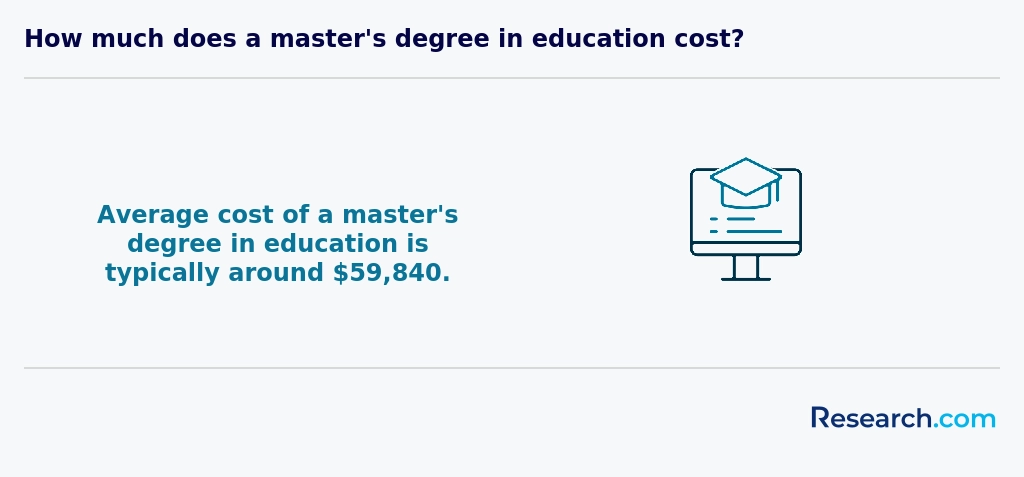
The average cost of an education degree in University Park weaves together numbers that many graduates recall with a mix of pride and relief. The median in-state total cost rests near $20,644, painting a clear picture for local students as they navigate tuition bills, book expenses, and campus life. Out-of-state students encounter a unified figure around $58,264, highlighting the investment from beyond Pennsylvania's borders. These figures embody the financial landscape when you step onto campuses like Penn State, where the halls echo with stories of dedication and growth.
Consider a typical first-year education student at a renowned local university who budgets not just for tuition but also the energy of campus events, study sessions in the library, and coffee breaks with classmates pursuing their dreams. The total expenses for education degree programs 2027 University Park reflect this holistic journey-beyond tuition alone, they include living costs and essential supplies that color the overall college experience.
Graduates often share how scholarships, teaching assistantships, and financial aid soften the financial path, turning daunting costs into manageable, hopeful stepping stones. For those seeking insights on how to maximize their investment, exploring options at this valuable education school in pennsylvania becomes a vital step-connecting costs with opportunities and making the abstract concrete during a remarkable academic adventure.

Licensure and Certification Requirements
Graduates of Education degree programs in University Park, PA must meet Pennsylvania’s state certification requirements to become licensed classroom teachers, ensuring their credentials are recognized nationwide. Most bachelor’s programs align with the Pennsylvania Department of Education (PDE) standards, covering essential content areas and professional education competencies. Candidates complete a combination of coursework, student teaching, and standardized assessments-typically the Praxis Core Academic Skills for Educators and Praxis II content exams-to demonstrate proficiency in subject matter and pedagogical techniques. After passing the required Praxis exams and fulfilling a supervised teaching practicum, aspiring teachers apply for an Instructional I Certificate through PDE’s online portal. This provisional license is valid for five years and may be converted to an Instructional II Certificate upon earning three graduate-level credits in education and maintaining satisfactory performance evaluations. For career changers and individuals holding non-education degrees, Pennsylvania offers Alternative Route to Certification programs that combine accelerated coursework with in-classroom mentorship. Continuing professional development is mandatory to renew teaching certificates. Educators must complete 180 hours of PDE-approved activities-such as workshops, graduate courses, or professional conferences-over a five-year cycle. Many professionals opt for an advanced degree to meet renewal requirements and expand their qualifications. Prospective master's students seeking accelerated pathways often explore programs that balance rigorous content with flexibility; for insights into rapid graduate options, review what is the best 1 year masters degree in education program online. By understanding licensure steps and ongoing certification obligations, future educators in University Park can confidently navigate their journey from degree completion to a long-term teaching career.
What financial aid is available to education degree students in University Park?
Imagine walking the leafy paths of Penn State University, clutching a Federal Pell Grant that quietly lifts a $7,395 weight off your shoulders, making the dream of teaching in University Park feel that much closer. Graduates often recall how FAFSA opened doors to Stafford Loans with manageable terms-capped at $5,500 annually for undergraduates-helping balance budgets without drowning in debt.
For those aiming higher, the TEACH Grant sparks hope-a $4,000 annual boost that turns a commitment to serve high-need districts into a heartfelt promise and a financial lifeline. Local scholarships feel like friendly nudges from community wings, cheering you on toward classrooms filled with eager minds.
State programs dance quietly in the background, like the Pennsylvania State Grant, slipping aid to residents attending nearby colleges. And when energy surges mid-semester, work-study programs offer meaningful campus or community roles, blending experience with a paycheck. This patchwork of support molds journeys of education students into shared stories of persistence and promise.
Return on Investment (ROI) for Education Degrees in University Park, PA
When weighing the true value of an Education degree, it’s critical to compare total costs against long-term earnings. In University Park, PA, the average total cost of attendance for in-state undergraduates at public institutions is approximately $27,146 per year, rising to $45,708 for out-of-state students. Meanwhile, ESL Teachers earn a mean annual salary of $63,130 and Instructional Designers command about $73,080. By calculating a simple payback period-total tuition divided by first-year salary-you’ll find that most graduates recoup their investment within 4–6 years, depending on residency and degree level. Beyond traditional on-campus expenses, online options can further shorten that payback window. Additionally, students may explore Inexpensive Online Education Degree Programs to reduce upfront costs while still earning a reputable credential. Factoring in living expenses, supplies, and potential debt, be sure to: • Estimate your cumulative tuition and fees across 4 years (bachelor’s) or 1–2 years (master’s). • Project starting salaries based on your chosen specialization (e.g., Special Education, Curriculum Design). • Account for loan interest rates-federal Stafford loans currently average 4.99% for undergraduates. • Leverage grants, scholarships, and work-study to lower borrowing needs. By combining local salary data, program fees, and financial aid strategies, prospective students can make an informed decision that maximizes earning potential and minimizes long-term debt.
What are the prerequisites for enrolling in education degree program in University Park?
Unlocking the door to an education degree in University Park starts with a foundation many graduates fondly recall: the humble high school diploma or its equivalent. Imagine yourself walking through the historic halls of a local university, clutching official transcripts that whisper tales of your academic journey so far. These transcripts, alongside heartfelt letters of recommendation from mentors who truly know your passion, form the gateway to your teaching dreams.
Many grads remember the mix of nerves and excitement submitting their personal essays-those intimate reflections that reveal why teaching calls them. For those stepping into graduate programs, a polished resume showcasing volunteer hours in classrooms or tutoring sessions often makes you shine, echoing your real-world commitment.
Some programs here may ask you to wrestle with standardized tests like the GRE or SAT, though others give you room to breathe with test-optional policies. And don't forget the background checks-an essential step ensuring you're ready to become a trusted guide in children's learning adventures around University Park's community schools.
Certification and Licensure Requirements
Graduates from education degree programs in University Park must meet state credentialing steps before teaching in Pennsylvania schools:
- Complete a Pennsylvania Department of Education–approved educator preparation program at University Park.
- Pass the Pennsylvania Educator Certification Tests (PECT) for your grade level or subject area.
- Obtain clearances: Act 34 criminal background check, Act 151 child abuse history clearance, and FBI fingerprinting.
- Submit an online application to PDE for the Instructional I certificate, including transcripts and test scores.
- Maintain and upgrade your certificate through professional development, mentor-supported induction, and renewal every five years.
For insights on earning potential across fields, also review majors that make the most money.
What courses are typically in education degree programs in University Park?
Imagine diving into courses like Educational Psychology at a popular University Park college, where graduates recall moments of "aha!" as they connect student behaviors to brain development. You'll explore how children and adults learn differently, preparing you to adapt your teaching like a pro navigating diverse classrooms. Curriculum Design and Assessment classes transform theory into action-think crafting lesson plans that spark curiosity and assessing progress with confidence.
Classroom Management courses are more than rules; they're strategies to shape vibrant learning spaces where students feel safe and inspired, a reality many University Park education students celebrate after hands-on practicums.
Special Education classes challenge you to champion every learner's potential, equipping you with tools to embrace diversity and meet individual needs compassionately. Meanwhile, Educational Technology courses unlock digital innovations, adding a modern twist to your teaching toolkit, just as many University Park grads have experienced firsthand.
What types of specializations are available in education degree programs in University Park?
Imagine diving into an education degree in University Park where your academic journey unfolds into specialized realms designed to ignite your passion and sharpen your skills. Graduates from popular colleges here often share stories about immersing themselves in special education, gaining the heart and resolve to support learners with diverse challenges, transforming classrooms into inclusive, empowering spaces. Others find their voice through educational leadership, inspired by real campus experiences managing school policies and leading teams at University Park institutions, preparing for roles that shape the futures of entire schools.
Fieldwork in early childhood education brings graduates joy as they witness the spark of curiosity in young minds, an experience rooted deeply in University Park's rich education culture. Meanwhile, those drawn to educational technology channel creativity, experimenting with e-learning platforms and digital tools that redefine how knowledge flows in local classrooms. For students in University Park seeking direction or exploring these options, understanding the what is the best 1 year masters degree in education program online can sharpen focus on their preferred paths within education degree specializations in University Park.
University Park education program concentrations perfectly blend tradition with innovation, crafting educators ready to meet today's needs with tomorrow's vision.
How do you choose the best education degree in University Park?
Choosing the best education degree programs University Park requires more than just scanning brochures-it demands diving into the heart of what each path offers. Imagine sitting in a cozy classroom at Penn State, where graduates speak of personalized mentorship, small class sizes, and the thrill of hands-on teaching experiences in local schools that sharpen their skills beyond textbooks.
Consider the cost too. While private schools can skyrocket tuition, many find comfort in University Park's flagship institution offering competitive rates, roughly $19,000 for in-state students, blending quality with affordability. One graduate recalls the relief of financial aid helping turn dreams into reality without drowning in debt.
Real-world practice is the secret ingredient. Education degrees here weave extensive student teaching placements that transform theory into confident classroom magic.
For those seeking budget-wise options, exploring Inexpensive Online Education Degree Programs nearby can be a game changer, balancing quality and savings.
Ultimately, intricate factors like accreditation, faculty expertise, and local school district connections shape a journey as unique as your ambitions for affordable education degrees cost University Park.
What career paths are available for education degree students in University Park?
Graduates who earn an education degree in University Park find themselves stepping into a vibrant landscape of teaching and education jobs University Park offers, from lively K-12 classrooms where inspired educators craft young minds to the calm offices of administrative and counseling roles that knit school communities tighter. Imagine a recent graduate at a popular University Park college, energized by hands-on practicum experiences, now guiding a middle school student through a breakthrough moment-this is the pulse of real impact. Others venture into curriculum development or special education coordination, crafting tailored learning journeys that spark joy and confidence in students with unique needs.
For those drawn to higher education, the bustling University Park campus propels graduates into roles as academic advisors or instructional coordinators, where they shape college journeys with empathy and insight. Many find fulfillment in roles outside traditional schooling too, like educational policy or nonprofit training, driven by visions of system-wide improvement. Some even explore innovative 6-month certificate programs that pay well, expanding skills and opening doors to corporate training sectors. These diverse paths demonstrate how an education degree career opportunities in University Park transform passion into meaningful work.
What is the job market for education degree in University Park?
Graduates diving into the education degree job outlook University Park find themselves in a vibrant ecosystem fueled by nearby schools and universities eager for fresh talent. Imagine a graduate from a top education program stepping into a classroom in University Park-special education and STEM roles beckon with steady openings, reflecting a community that values diverse learning needs. These graduates cherish not only the rewarding prospect of teaching but also the camaraderie found in local school districts, where practical experience gained during their student teaching translates directly into job readiness.
University Park teaching career opportunities extend beyond classrooms. Many education degree holders discover fulfilling paths in school administration or educational counseling within area colleges. The proximity of reputable institutions amplifies networking chances, nurturing chances for career growth and personal fulfillment. Graduates often recall how their education degrees integrated hands-on experience, making real-world impact feel tangible and immediate.
With public universities in Texas offering affordable tuition, it's no surprise many students opt here for a degree. Those who seek flexibility might explore the top degrees for seniors online to enhance their skills. University Park truly stands as a launching pad for education careers that combine mission-driven purpose with promising growth.
Frequently Asked Questions About education
Education degree students in University Park can maximize their learning experience by engaging actively with both classroom and community resources. Participating in local schools through internships or volunteer teaching provides practical skills that complement theoretical knowledge.
Connecting with faculty advisors and joining education-focused student organizations can enhance networking and professional growth. According to data from the National Center for Education Statistics, students who combine coursework with real-world experiences report higher satisfaction and job placement rates.
Moreover, utilizing University Park's access to research libraries and workshops helps deepen subject understanding and teaching methods.
The education field is evolving, with new specialties emerging to meet modern demands. In University Park, growing interest surrounds educational technology, driven by the need for innovative digital tools in classrooms. According to the National Center for Education Statistics, jobs in educational technology are expected to grow 10% from 2020 to 2030.
Another niche gaining traction is special education with a focus on inclusive practices and support for students with diverse learning needs. Local schools increasingly seek educators trained in behavior analysis and adaptive learning methods.
Early childhood education also remains vital, especially with increased awareness of developmental milestones and learning readiness.
Preparing for the job market after completing an education degree in University Park involves several key steps. Graduates should focus on gaining practical experience through student teaching or internships, which are often required by state certification programs. The Pennsylvania Department of Education emphasizes such hands-on training as critical for employment readiness. Networking with local schools and education professionals in University Park can increase job opportunities. Additionally, staying informed about state licensure exams and continuing education requirements ensures compliance with hiring criteria. Developing strong communication and classroom management skills also improves employability in competitive school districts. Utilizing university career services can provide valuable job placement assistance.
Employers in University Park highly value education degree graduates who demonstrate strong communication skills. These are crucial for effectively interacting with students, parents, and colleagues. According to the National Center for Education Statistics, 85% of schools in the region emphasize this skill during hiring.
Critical thinking and problem-solving abilities are also essential. Candidates who can adapt lesson plans and address diverse classroom challenges tend to stand out. Local school districts report that 78% of new hires excel in these areas.
Additionally, technological proficiency is increasingly important. With the growing use of digital tools in education, 70% of institutions in University Park require graduates to be comfortable with virtual learning platforms and educational software, as noted by the University Park Educational Consortium.
Finding internships relevant to an education degree in University Park can significantly enhance your practical skills and career prospects. Start by exploring the career services offered by universities in the area, such as Pennsylvania State University, which connects students with local schools and educational programs for hands-on experiences. Many internships come through partnerships with nearby public schools and educational nonprofits. Additionally, the Pennsylvania Department of Education's website provides listings for internships and teaching assistant roles valuable to education majors. Networking through faculty advisors and attending local education career fairs also increases your chances, as 65% of education students in University Park secure internships via these channels, according to recent university reports.
In University Park, holding an education degree significantly improves career mobility and advancement opportunities. According to recent data from the National Center for Education Statistics, individuals with education degrees are more likely to secure teaching and administrative roles that offer higher salaries and greater job security. Employers in the region value specialized credentials, such as a Master's in Education, which can lead to positions like curriculum coordinator or school principal.
Moreover, the Texas Education Agency reports that University Park's demand for qualified educators is steadily rising, supporting continued career growth. This makes education degrees a valuable asset for professionals aiming to progress within the local school systems and education-related organizations.
Studying for an education degree in University Park offers strong preparation for interdisciplinary roles by emphasizing collaboration across various fields. Many programs integrate coursework from psychology, sociology, and technology, equipping students with diverse skills relevant to modern educational settings. According to data from the National Center for Education Statistics, education programs in this region often include practicum experiences that foster real-world application and teamwork with professionals in health, social services, and administration.
Students learn to address complex challenges by combining knowledge of pedagogy, communication, and data analysis. This interdisciplinary approach supports careers beyond traditional teaching, including curriculum design, educational policy, and counseling. University Park's access to local schools and community organizations further enhances this practical, cross-sector learning.
Choosing between a thesis and a non-thesis education degree program in University Park depends largely on your career goals and learning preferences. Thesis options typically require conducting original research and writing a detailed paper, which benefits students aiming for academic careers or doctoral studies.
Non-thesis tracks focus more on coursework and practical experiences, ideal for those seeking immediate employment in teaching or education administration. According to the National Center for Education Statistics, graduate programs emphasizing practical skills often show higher employment rates within six months of graduation.
In University Park, many universities offer both paths, enabling students to tailor their degree to their professional needs. Consider workload, faculty expertise, and program reputation when deciding.
Students based in University Park have several options for studying education abroad through affiliated programs and partnerships offered by local universities. Many institutions in University Park participate in exchange agreements with international universities, enabling students to take courses overseas while earning credits toward their education degrees. Common destinations include countries with strong education systems like the United Kingdom, Australia, and Canada.
According to the Institute of International Education, approximately 4% of education majors in the U.S. engage in study abroad programs, a figure likely reflected in University Park's active student community. These programs often focus on comparative education, teaching methodologies, and cultural immersion.
Additionally, some University Park schools provide short-term abroad experiences during summer or winter breaks, allowing students to gain global perspectives without interrupting their graduation timeline.
Part-time job opportunities in University Park that complement education degree programs often center around hands-on experience with children and educational settings. Many students find roles as teacher assistants in local schools, which allows them to apply pedagogical theories in real classrooms. According to the National Center for Education Statistics, such experiences can improve teaching skills significantly.
Positions in after-school programs and tutoring services are also prevalent. These roles help develop communication and lesson-planning abilities. University Park's community centers frequently seek education students for part-time roles.
Additionally, working as a library aide on campus offers valuable exposure to literacy development and resource management. These opportunities not only support academic growth but also enhance resumes for future teaching careers.
Education students in University Park benefit from a variety of networking opportunities designed to enhance their academic and professional growth. Local universities, such as Penn State University, host regular events where students can connect with experienced educators and school administrators. According to Penn State's College of Education, these events include career fairs and speaker series featuring industry leaders.
Additionally, students have access to numerous student organizations and professional societies like the Future Educators Association. These groups offer workshops, mentoring, and community engagement projects. The National Center for Education Statistics notes that students involved in such organizations have a higher employment rate after graduation.
Partnerships between University Park institutions and nearby school districts also provide valuable internship and volunteer experiences, further expanding students' professional networks.
Alumni networks provide significant benefits to education degree students in University Park by offering access to experienced professionals and potential mentors within the field. These networks often facilitate connections that can lead to internships and job opportunities in nearby school districts, enhancing practical experience.
In University Park, education graduates join communities that share regional insights and teaching strategies tailored to local needs. According to the National Center for Education Statistics, schools with active alumni involvement report higher employment rates for new teachers. These networks also support ongoing professional development through workshops and events.
For many students, leveraging alumni connections helps build a strong foundation for a successful career in education, making these networks an invaluable resource throughout and after their studies.
Customizing an education degree program in University Park to align with your career goals involves selecting specializations, electives, and practical experiences that match your interests. Many local universities offer flexible curricula, allowing students to focus on areas such as early childhood education, special education, or educational leadership. According to the National Center for Education Statistics, 65% of education students in Pennsylvania tailor their programs to include internships and field placements, which increase job readiness.
Students may also choose to pursue dual certifications or add-on endorsements depending on workforce demands. Consulting academic advisors and career counselors on campus can help you design a path that balances theory and applied skills. This personalized approach is crucial for standing out in competitive job markets within University Park and beyond.
Education students in University Park often face a variety of challenges during their studies. Many struggle with balancing demanding course loads alongside practical teaching experiences required for certification. Research shows that 65% of education majors in the area report difficulties managing time effectively between classroom theory and fieldwork (National Center for Education Statistics, 2023).
Additionally, adapting to diverse classroom environments poses challenges, as students must learn strategies for working with multicultural and special needs populations. Funding constraints and limited access to updated educational technology can also hinder their learning experience. Understanding evolving state teaching standards further adds complexity, requiring continuous effort to stay current.
With an education degree from University Park, you can pursue several professional certifications to enhance your career opportunities. A common path is obtaining a teaching license, required for K-12 educators in most states. This involves passing exams like the Praxis series.
Specializations such as Special Education, ESL (English as a Second Language), or Reading Specialist certifications are also popular and valuable. These certifications often require additional coursework and practical experience.
Moreover, National Board Certification is an advanced credential recognized nationwide, indicating a high level of teaching excellence. According to the National Center for Education Statistics, approximately 4% of teachers in the U.S. hold this certification.
Writing a winning application for an education program in University Park starts with understanding the specific requirements of your chosen institution. Most programs require a strong academic record, usually including a minimum GPA of 3.0 or higher. Be sure to highlight any teaching experience or volunteer work with children to strengthen your profile.
Personal statements are critical; use this space to clearly explain your passion for education and your career goals. According to data from the National Center for Education Statistics, programs in Pennsylvania value clear, concise essays that demonstrate both commitment and reflective insight.
Letters of recommendation should ideally come from academic advisors or professionals who can speak to your teaching potential. Additionally, some programs may require GRE scores, so check each school's policy early to prepare adequately.
Education careers in the United States, including University Park, benefit from a growing global emphasis on teacher quality and professional development. According to the National Center for Education Statistics, schools increasingly prioritize candidates with strong pedagogical skills and cultural competence. Globally, there is a trend toward integrating technology and inclusive teaching methods, impacting education degrees locally as programs adapt to prepare future educators for diverse classrooms.
Graduates with education degrees from University Park are positioned well to engage in international collaborations or advanced studies. The U.S. Department of Education highlights that careers in education are projected to grow by 5% through 2030, reflecting demand for skilled educators worldwide. These global perspectives shape curriculum development and career opportunities for aspiring teachers in University Park.
Gaining practical experience while studying for an education degree in University Park is essential for career readiness. Many local universities offer fieldwork placements in nearby schools, allowing students to observe classrooms and assist certified teachers. These hands-on experiences are often required components of education programs and can last a full semester. According to the National Center for Education Statistics, over 90% of education students in Pennsylvania participate in some form of practica before graduation.
Additionally, internships with educational nonprofits or tutoring programs provide valuable experience. Students may also engage in research projects targeting local educational challenges, guided by faculty expertise.
Choosing the right concentration within an education degree program in University Park involves aligning your interests with local workforce demands. Popular concentrations include Special Education, Curriculum and Instruction, and Educational Leadership, reflecting national trends shown by the National Center for Education Statistics. Exploring job placement rates in University Park, recent data from the Texas Workforce Commission indicates higher demand for Special Education teachers, with a 12% growth projected through 2029.
Consider how each concentration matches your career goals. If leadership appeals to you, programs often include administrative internships in nearby districts. Additionally, reviewing course offerings and faculty expertise at local institutions can guide your decision.
Moreover, internships and practicum availability in University Park schools play a significant role in gaining practical experience. Consulting academic advisors and attending local education career fairs can provide personalized insights to ensure your concentration enhances employability in this competitive field.
Related Education Rankings for Nearby Cities
- 2027 Most Valuable Education Degree Programs Ranking in Birmingham
- 2027 Most Valuable Education Degree Programs Ranking in Atlanta
- 2027 Most Valuable Education Degree Programs Ranking in Montgomery
- 2027 Most Valuable Education Degree Programs Ranking in Macon
- 2027 Most Valuable Education Degree Programs Ranking in Greenville
- 2027 Most Valuable Education Degree Programs Ranking in Mobile
- 2027 Most Valuable Education Degree Programs Ranking in Cincinnati
- 2027 Most Valuable Education Degree Programs Ranking in Tallahassee
- 2027 Most Valuable Education Degree Programs Ranking in Indianapolis
- 2027 Most Valuable Education Degree Programs Ranking in Greensboro
Top Trending Education Rankings
See What Experts Have To Say About Studying Education
Read our interview with Education experts

Nooshan Ashtari
Education Expert
Professor & Book Author
University of Southern California


References
- Is a thesis always mandatory in a master's degree program? - EFMU: The Euler-Franeker Memorial University and Institute https://euler.euclid.int/is-a-thesis-always-mandatory-in-masters-degree-program/
- How to Choose a Concentration for Your Master of Education 3 Questions to Consider https://www.aiuniv.edu/degrees/education/articles/how-to-choose-an-education-specialization
- The 8 challenges of education in a changing world https://casvitrescantos.com/en/the-8-challenges-of-education-in-a-changing-world/
- Why Experience is Just as Important as Education https://lateral-connect.com/why-experience-is-just-as-important-as-education/
- Practical Learning: Real-World Experience https://www.studiumalliance.com/post/how-practical-experience-enhances-learning
- Why Is Education Important in Your Career Advancement? - KWSP Malaysia https://www.kwsp.gov.my/en/w/article/career-advancement
- International teaching and education jobs https://www.tes.com/jobs/search/international
- Teaching Degree Requirements in 2023 | Teachers of Tomorrow https://www.teachersoftomorrow.org/blog/insights/teaching-degree-requirements/
- The Pros and Cons of Online Learning vs. Traditional Education https://www.sophia.org/blog/higher-education/pros-cons-online-learning-vs-traditional-education/
- The 10 Highest Paying Jobs With a Teaching Degree [Quiz] https://www.umassglobal.edu/blog-news/highest-paying-jobs-with-a-teaching-degree