2027 Most Popular Education Degree Programs Ranking in Terre Haute

Co-Founder and Chief Data Scientist
Choosing the right education degree program can shape your future in meaningful ways. If you're a student in Terre Haute, this article offers valuable guidance tailored just for you.
The 2027 Most Popular Education Degree Programs Ranking in Terre Haute was developed by the Research.com team of data scientists to help you explore top programs based on reliable data. By understanding which programs are in demand, you can confidently select a path that aligns with your goals.
Whether you're passionate about teaching or educational leadership, pursuing an education degree opens doors to rewarding career opportunities and personal growth.
Key benefits of getting education degree in Terre Haute
- Salary benefits: Graduates with an education degree in Terre Haute can expect competitive salaries, such as $76,000 for Special Education Teachers and $77,200 for Instructional Designers, reflecting strong earning potential in rewarding education roles.
- Career paths: Education degree holders from local universities can pursue diverse careers, including Early Childhood Educator or ESL Teacher, allowing flexibility and meaningful impact in different learning environments.
- Online degree advantages: Completing an education degree online offers convenience and flexibility, ideal for busy students or working adults in Terre Haute, enabling them to balance life while gaining valuable credentials.
- Key benefits of getting education degree in Terre Haute
- What can I expect from education degree in Terre Haute?
- Where can I work with education degree in Terre Haute?
- How much can I make with education degree in Terre Haute?
- 2027 Most Popular Education Degree Programs Ranking in Terre Haute
- Key Findings
- How long does it take to complete education degree in Terre Haute?
- Affordable Online Education Alternatives
- What's the difference between online and on-campus education degree?
- Teacher Certification and Licensure Requirements
- What is the average cost of education degree in Terre Haute?
- Teacher Certification and Licensure Requirements in Indiana
- What financial aid is available to education degree students in Terre Haute?
- Return on Investment for Education Degrees in Terre Haute, IN
- What are the prerequisites for enrolling in education degree program in Terre Haute?
- Current Trends and Future Outlook in Education
- What courses are typically in education degree programs in Terre Haute?
- What types of specializations are available in education degree programs in Terre Haute?
- How do you choose the best education degree in Terre Haute?
- What career paths are available for education degree students in Terre Haute?
- What is the job market for education degree in Terre Haute?
- Top Trending Education Rankings
- See What Experts Have To Say About Studying Education
What can I expect from education degree in Terre Haute?
The average cost of pursuing an education degree in Terre Haute remains surprisingly reasonable, especially for in-state students attending Indiana State University (ISU), a leading institution for education studies in the area. Graduates often recall the balance between quality instruction and affordable tuition, which allowed them to focus on mastering their craft without overwhelming debt. Many describe the investment as a gateway to a fulfilling career, where learning teaching strategies and engaging in hands-on field placements felt deeply connected to their future classrooms.
Local tuition rates at ISU, for example, compare favorably to national averages, helping students maintain financial stability while gaining access to a variety of programs-from bachelor's degrees to specialized master's tracks in educational leadership and special education. This affordability combined with practical experience opportunities, like partnerships with nearby school districts, makes Terre Haute uniquely nurturing for aspiring educators aiming to make an impact without the burden of excessive cost.
Where can I work with education degree in Terre Haute?
Graduates with an education degree in Terre Haute often find themselves stepping into dynamic roles beyond the classroom walls of Vigo County School Corporation. Many early-career educators recall the rewarding challenge of shaping young minds in local public schools, where demand remains strong for specialties like early childhood and STEM education. This isn't just a job; it's a calling that fuels a deep sense of purpose.
Others from Indiana State University have discovered fulfilling opportunities within the university itself-serving as teaching assistants or advisors, blending academic expertise with mentorship. These roles enrich their perspectives and create pathways to careers in educational leadership or program development.
Imagine working in a Terre Haute early childhood center, turning theory into practice by designing engaging curriculums for pre-K learners. Graduates often describe this work as both creatively satisfying and profoundly impactful, connecting directly to family and community growth.
For those questioning the traditional route, Terre Haute's education grads often branch out into nonprofits, youth programs, or innovative tutoring services, finding ways to reshape education in fresh and entrepreneurial ways that bring joy and meaning to their careers.
How much can I make with education degree in Terre Haute?
Graduates from education programs in Terre Haute often encounter salary prospects that defy simple expectations. For example, an elementary school teacher fresh out of Indiana State University might initially earn around $41,410, similar to early childhood educators, reflecting starting salaries in the area.
However, those who persevere and specialize, such as in special education, can anticipate a median annual salary closer to $76,000, surpassing general teaching averages. This aligns with the experience of graduates who pursue advanced certifications or roles that demand additional expertise.
Instructional designers, another pathway open to education degree holders, can expect mean wages near $77,200, revealing opportunities beyond traditional classroom teaching. This was the case for Terre Haute graduates who leverage local university training programs to engage in curriculum development or educational technology.
Meanwhile, ESL teachers in the area, earning about $65,430 annually, benefit from Terre Haute's diverse student population, finding both meaningful work and competitive compensation. Clearly, an education degree here can translate to a spectrum of salaries shaped by specialization, experience, and the dynamic educational landscape of Terre Haute.
2027 Most Popular Education Degree Programs Ranking in Terre Haute
How do we rank schools?
Investing in your education is a significant decision that can shape your future, and the Research.com team understands the importance of making informed choices. To assist prospective students in Terre Haute, we have meticulously crafted the "2027 Most Popular Education Degree Programs Ranking in Terre Haute." Our commitment to quality, credibility, and accuracy is reflected in the extensive research and analysis conducted to compile this ranking.
We utilized the following reputable data sources to ensure a comprehensive evaluation of education degree programs:
By exploring this ranking, readers will gain valuable insights into the most popular education degree programs available in Terre Haute, helping them make informed decisions about their educational paths. For more details on our methodology, please visit our Research.com methodology page.

Key Findings
- Indiana State University in Terre Haute offers education programs with in-state tuition costs between $10,000 and $12,000 per year.
- Out-of-state students can expect to pay between $20,000 and $23,000 annually for education degrees.
- Entry-level salaries for education graduates typically range from $40,000 to $45,000 per year.
- Experienced teachers in the area can earn median salaries close to $55,000 annually.
- There is steady demand for qualified teachers, especially in special education, STEM, and early childhood education fields.
- Indiana's teacher licensure requires an accredited degree, passing assessments, and completing student teaching.
How long does it take to complete education degree in Terre Haute?
Completing an education degree in Terre Haute most often takes about four years for a traditional bachelor's program, aligning with the experiences of many graduates from Indiana State University. These students describe balancing around 120 to 130 credit hours that mix general education, core teaching courses, and hands-on student teaching. It's common to hear that the rhythm of a full-time schedule provides a clear path, but many who choose part-time study find the journey more flexible yet extended, sometimes stretching beyond four years.
Some graduates share how accelerated or combined bachelor's-plus-master's programs appeal to those eager to fast-track their careers, trimming the overall timeline to about five years. For many pursuing master's degrees locally, two years of full-time study feels both intense and rewarding, especially as they juggle teaching responsibilities. The integration of certification requirements, like workshops and practical hours, often challenges students but also deepens their connection to the profession.
Terre Haute education degree seekers often reflect on how planning their timeline is as much about personal life and finances as academic credit hours, making their educational path uniquely their own.
Affordable Online Education Alternatives
Students in Terre Haute, IN seeking to minimize tuition costs without compromising program quality can benefit from exploring accredited online education degree programs. While in-state tuition at local public universities averages $9,750 per year, fully online options often reduce total expenses by 30–50%. For a broader view of budget-friendly programs, refer to the Cheapest Online Education Degree Programs Ranking in Mequon, WI, which highlights institutions with annual tuition under $8,000 and robust student support services. Key considerations when evaluating affordable online education programs:
- Accreditation and State Approval: Ensure the program is approved by the Indiana Professional Standards Board (IPSB) and regionally accredited to facilitate licensure and credit transfer.
- Flexible Scheduling: Many top-value programs deliver asynchronous coursework, allowing working professionals to balance teaching practicums and family commitments.
- Financial Aid and Scholarships: Look for online-only scholarships or tuition waivers tailored to distance learners; some institutions offer grants up to $5,000 per year for high-need education majors.
- Technological Resources: Confirm that platforms include virtual labs, interactive simulations, and dedicated technical support to replicate hands-on student teaching experiences. By comparing cost per credit hour, total program length, and support infrastructure, prospective students can identify an online education degree that aligns with both their financial goals and career ambitions in K–12 or higher education.
What's the difference between online and on-campus education degree?
In Terre Haute, choosing between online and on-campus education degrees reveals strikingly different experiences beyond just where you study. Graduates from Indiana State University often recall the energizing atmosphere of face-to-face classes, where lively discussions and spontaneous questions spark deeper understanding. The hands-on student teaching coordinated through local schools becomes an eye-opening bridge to real classrooms, making the learning intensely personal and tangible.
Conversely, those who pursued education degrees online describe the empowering freedom to balance family, jobs, and study without uprooting their lives. Digital platforms transform distant interactions into meaningful exchanges, yet there is a distinct challenge in cultivating the same connection with peers and mentors as on campus. Still, many find pride in mastering self-discipline and navigating practical requirements like in-person practica, demonstrating resilience and adaptability uncommon in traditional routes.
Cost and scheduling often crystallize these contrasts for Terre Haute students. While on-campus programs involve campus fees and structured hours, online degrees typically reduce expenses and offer flexibility, albeit sometimes at the price of missing spontaneous campus camaraderie that shapes many unforgettable educational moments.
Teacher Certification and Licensure Requirements
Aspiring educators in Terre Haute, IN, must navigate Indiana’s state-specific certification process to transition from degree completion to classroom teaching. The journey begins with passing the CORE Academic Skills for Educators (Core) assessments-covering reading, writing, and mathematics-which are mandatory for most entry-level teaching licenses. Following Core, candidates must clear subject-area exams (often Praxis II) tailored to their specialization, ensuring they possess the required content knowledge for elementary, secondary, or special education roles. In addition to exam requirements, the Indiana Department of Education mandates a criminal background check and fingerprinting through the Indiana State Police and FBI, safeguarding student safety and upholding program quality. Candidates then apply for an Initial Practitioner License, valid for five years, during which they complete a state-approved Induction Program that includes mentoring by an experienced teacher and performance evaluations. Upon successful completion, educators are eligible for a Standard License, which is renewable every six years through evidence of professional growth. For those weighing time-to-licensure and program rigor, exploring easiest teaching degrees can reveal accelerated pathways that integrate certification coursework with degree requirements, reducing redundant credits and streamlining exam preparation. Many institutions in Terre Haute partner with local school districts to offer “grow-your-own” programs, allowing candidates to teach under provisional licenses while completing their final certification components. Lastly, Indiana’s continuing education obligations require licensed educators to earn a minimum of 30 Professional Growth Points (PGPs) every six years, which can be achieved through graduate coursework, workshops, or district-approved professional development. By understanding these certification and licensure steps up front, prospective teachers can strategically plan their education degree path in Terre Haute, ensuring a seamless transition from campus to classroom.
What is the average cost of education degree in Terre Haute?
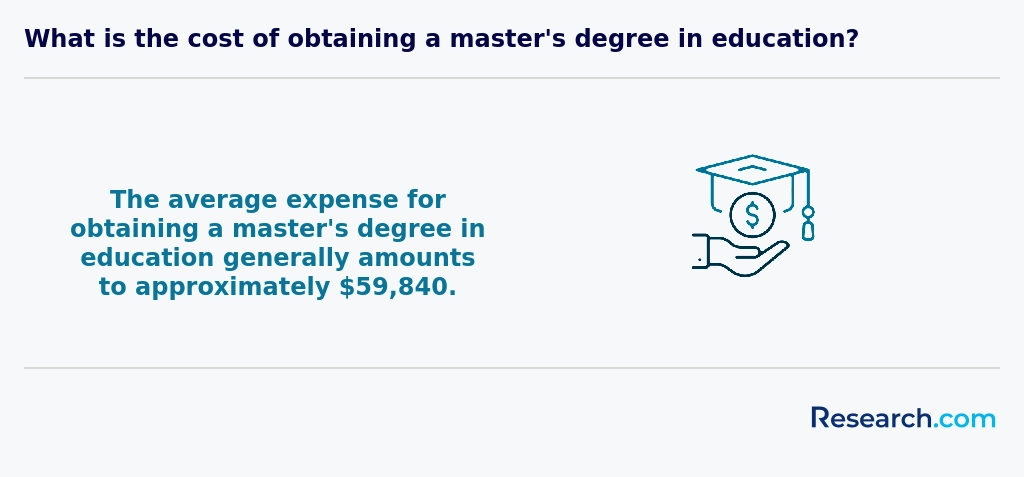
The average cost of an education degree in Terre Haute notably centers around $10,258 for in-state students at institutions like Indiana State University, reflecting a more accessible pathway compared to the $34,340 median total for out-of-state students. Graduates often recall balancing the tangible financial investment against the rewarding experience of hands-on teaching practicums and community engagement embedded in these programs. This balance transforms the cost into a meaningful investment in a fulfilling career.
Understanding Terre Haute education degree tuition and fees requires looking beyond tuition alone: students also contend with expenses such as books, supplies, and living costs, which can push the total yearly investment considerably higher. Many describe the shared challenges and victories of managing these costs, supported by scholarships and flexible enrollment options that ease the financial burden while maintaining momentum toward degree completion.
While some prospective students weigh the cost against immediate career returns, others find motivation in exploring paths that extend beyond traditional teaching roles. For those curious, an insightful resource details https://research.com/careers/best-jobs-you-can-get-with-an-education-degree-that-arent-teaching, expanding the horizon of possibilities and justifying the investment in education degrees with diverse post-graduate opportunities.

Teacher Certification and Licensure Requirements in Indiana
Prospective educators in Terre Haute must complete state-mandated licensure steps to teach in Indiana’s K–12 schools. First, candidates should enroll in an accredited Education degree program that aligns with Indiana’s Professional Standards Board requirements. Accredited programs typically include approved coursework, a supervised student-teaching practicum of at least 12 weeks, and preparation for the state-required licensure exams: the CORE Academic Skills for Educators (CORE) and the specific Content Area Assessments. After completing coursework and passing the exams, applicants submit a formal licensure application through the Indiana Department of Education, including a background check and verification of fingerprint clearance. Upon initial licensure, educators earn a Standard License valid for five years. To advance to a Professional License, teachers must accrue two years of successful teaching experience and complete additional professional development, such as workshops on culturally responsive teaching or special-education training. Renewal cycles then require ongoing professional growth units (PGUs) and may involve mentoring new teachers, serving on curriculum committees, or completing graduate-level courses. For candidates exploring flexible pathways to certification through an affordable program, consider our Cheapest Online Education Degree Programs Ranking in Mequon, WI, which highlights fully online options approved by the Indiana Department of Education. By understanding these licensure milestones and selecting an accredited program, future teachers in Terre Haute can confidently navigate Indiana’s certification process and advance their careers.
What financial aid is available to education degree students in Terre Haute?
Many education students in Terre Haute discover that navigating financial aid feels less like a maze and more like a ladder toward their dreams. At Indiana State University, for example, graduates often reflect on the relief Pell Grants brought-covering up to $7,395 and easing the pressure of $9,000-$11,000 annual tuition. This kind of federal support doesn't just reduce bills; it sparks hope and perseverance.
Stafford Loans, with interest rates below 6%, offer a practical path for students balancing immediate costs with future aspirations. Many remember how these loans were manageable stepping stones rather than burdens, especially when paired with state scholarships designed specifically for aspiring Indiana educators.
- Local colleges supplement this with merit-based institutional scholarships that recognize dedication and achievement, making education majors feel valued.
- Work-study opportunities allow students to earn while gaining hands-on experience, turning classrooms into workplaces.
- Community scholarships add another layer of support, reminding students they are part of a network rooting for their success.
These combined resources help students in Terre Haute forge a financially sustainable academic journey, transforming fear into excitement as they prepare to enter the education field with confidence.
Return on Investment for Education Degrees in Terre Haute, IN
Investing in an education degree requires weighing upfront costs against long-term earning potential. On average, Terre Haute graduates spend between $26,000 and $30,000 per year on tuition, fees, and living expenses, while early childhood educators earn about $38,640 annually and instructional designers can reach $73,080. Assuming a median annual salary of $53,000 for education professionals in the region, most graduates recoup their total program investment within 5–7 years post-graduation. Key factors influencing ROI include: • Program cost variability: Public in-state tuition averages $9,750 per year compared to private institutions at $38,421. • Career specialization: Roles such as instructional design or educational administration command higher salaries, shortening break-even timelines. • Duration of program: Accelerated master’s or certification tracks can reduce total investment and time to enter the workforce. To optimize ROI, prospective students should explore lower-cost online alternatives without sacrificing quality. For instance, the Cheapest Online Education Degree Programs Ranking in Mequon, WI highlights programs with annual tuition under $7,000, enabling graduates to achieve positive cash flow faster. Additionally, leveraging scholarships, federal grants, and work-study opportunities can further diminish out-of-pocket expenses. Pairing cost-effective program selection with strategic specialization choices-such as special education or instructional technology-can maximize long-term financial returns, ensuring that an education degree in Terre Haute remains both a rewarding and sustainable investment.
What are the prerequisites for enrolling in education degree program in Terre Haute?
To enroll in an education degree program in Terre Haute, the journey starts with meeting foundational requirements like holding a high school diploma or GED. Graduates from Indiana State University often recall the relief of surpassing the 2.5 GPA threshold-a seemingly modest benchmark that, in practice, reflects sustained effort in subjects like English and math, essential for effective teaching.
While standardized tests such as the SAT or ACT remain common admission staples, many programs in Terre Haute have embraced a test-optional approach since 2020. This shift speaks to the evolving understanding that academic potential extends beyond scores, a perspective echoed by past students who found these policies made their aspirations more attainable.
Letters of recommendation act as windows into a candidate's determination and character, frequently cited by graduates as pivotal in securing spots in competitive tracks like special education. Similarly, personal statements offer a genuine glimpse into motivations, often stirring pride in those who reflect deeply on their calling to teach.
For graduate hopefuls, possessing a bachelor's degree and relevant experience often weighs heavily. In Terre Haute, many recalls the balance of professional work alongside further study, a challenging yet fulfilling dual path. Additionally, practical hurdles like background checks for student teaching underscore the real-world responsibilities awaiting education majors, reinforcing their commitment to future students' safety and growth.
Current Trends and Future Outlook in Education
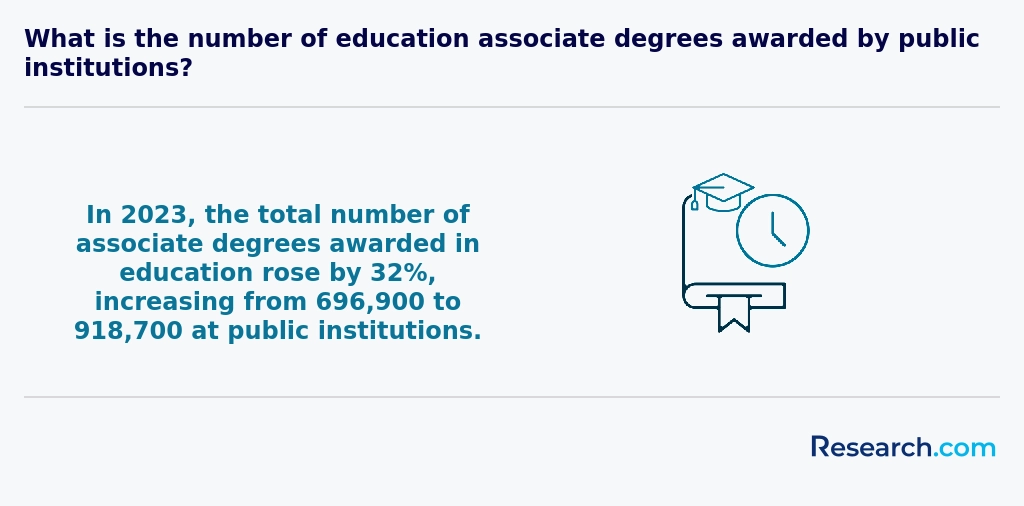
The field of education is constantly evolving, with new trends and technologies emerging regularly. To stay ahead, it's essential for prospective students to understand the current landscape and future projections. According to recent data, education remains one of the most popular fields of study, with over 1 million associate's degrees conferred in the 2020-21 academic year. For those interested in pursuing a career in this field, exploring in demand education programs can provide valuable insights into the most sought-after specializations and career paths. As the job market continues to shift, graduates with education degrees can expect a range of opportunities, from traditional teaching roles to innovative positions in corporate training, counseling, and educational technology. With the right training and adaptability, education graduates can navigate the changing landscape and carve out fulfilling careers that make a lasting impact on their communities and beyond.
What courses are typically in education degree programs in Terre Haute?
Education degree programs in Terre Haute, especially at Indiana State University, dive deep into courses that shape students into confident, effective educators. Graduates often reflect on how studying educational psychology helped them understand the diverse ways children learn-knowledge they carried into classrooms filled with unique challenges and bright potential.
Hands-on courses in curriculum design and instructional methods aren't just theory; they push students to create meaningful lesson plans that truly engage learners. Alumni recall the satisfaction of developing those first lesson plans during their studies and seeing their ideas come alive during student teaching.
Assessment and evaluation techniques courses provide crucial skills to measure progress fairly and accurately, grounding future teachers in reflection and adaptability. Classroom management strategies taught in local programs prepare candidates to foster environments where students feel safe, respected, and eager to participate.
Terre Haute's programs emphasize foundations of education, blending history and philosophy to instill a strong sense of purpose. Students often say this holistic approach turns education from a job into a calling, readying them for meaningful careers in Indiana's diverse schools.
What types of specializations are available in education degree programs in Terre Haute?
In Terre Haute, education degrees feature specializations that challenge traditional teaching roles and equip graduates for dynamic careers. Elementary education focuses on foundational skills for young learners, blending literacy and child development in programs at Indiana State University, making graduates confident in shaping early childhood education. Secondary education, another popular path, immerses students in subject-specific pedagogy for middle and high school, where real classroom experiences in Terre Haute schools bring theory to life through hands-on practice.
Graduates of special education programs share a profound sense of fulfillment, having learned inclusive strategies aligned with federal laws like the IDEA, directly addressing diverse learner needs. For those driven toward leadership, Terre Haute's educational leadership courses open doors to roles such as principals or curriculum coordinators, combining policy insight with practical internships. Aspiring students exploring Terre Haute education degree program options often discover pathways into administrative leadership or specialized teaching fields.
Many find that advancing beyond initial teaching roles, such as through curriculum and instruction phd programs online, unlocks deeper understanding and opportunities to influence education systems.
How do you choose the best education degree in Terre Haute?
Choosing the best education degree in Terre Haute means looking beyond just cost or reputation. Graduates from Indiana State University often share how the accredited programs there, especially those with flexible schedules including evenings or online options, allowed them to balance work and study-a crucial real-life factor that shaped their success. Considering affordable education degrees Terre Haute offers, the tuition feels manageable, but real value comes from program quality and local school partnerships that ease the transition from study to teaching careers.
Reflect on what level of education and specialization truly excites you. Graduates who focused on curriculum development or special education found fulfillment teaching locally, supported by programs designed around Indiana's teacher licensure requirements. Others seeking growth took advantage of an online master's in teaching ESL, blending advanced skills with the flexibility needed in today's evolving classrooms.
Ultimately, imagining yourself in those shoes-navigating practicum placements, benefiting from student support services, and leveraging internship networks-can redefine what "best" really means for your education journey in Terre Haute.

What career paths are available for education degree students in Terre Haute?
Choosing an education degree in Terre Haute opens a diverse array of career paths beyond the classroom. Graduates from Indiana State University and other regional colleges find themselves stepping into roles as K-12 teachers, thriving in subjects like mathematics and special education due to local demand. But the journey often evolves-many embrace roles in educational administration, working as principals or curriculum coordinators where leadership shapes entire school communities. These career trajectories aren't just job titles; they represent meaningful ways to influence future generations, echoing the rich educational traditions of Vigo County.
Career options in Terre Haute extend further into school counseling, educational technology, and adult education, illustrating the breadth available to those armed with an education degree. Graduates frequently share stories of hands-on internships facilitated by university partnerships with local schools, experiences that inject real-world insights and excitement into their professional outlook. Additionally, understanding the need for proper certification often leads graduates to explore resources like the Montana teaching license application to navigate next steps in unique ways.
For students evaluating teaching jobs and salaries in Terre Haute, prospects remain encouraging. Median wages hover around $50,000, reflecting balanced value relative to the cost of education. This reality encourages education degree career opportunities Terre Haute to be seen not only as a noble pursuit but also a sustainable professional investment with real community impact.

What is the job market for education degree in Terre Haute?
Graduates holding an education degree in Terre Haute encounter a job market marked by steady stability rather than rapid fluctuations. Local employers like the Vigo County School Corporation drive demand, especially for educators in core subjects and special education. This grounded consistency means graduates often find themselves stepping into positions that offer balanced workloads and meaningful community impact, unlike the high-stress, overcrowded districts seen elsewhere.
Many Terre Haute education degree students from Indiana State University share experiences of seamless transitions into teaching roles, aided by strong partnerships between the university and local schools. These relationships foster a network that eases the path into employment, giving new teachers confidence and connection right from the start. For those seeking to explore options beyond traditional classroom roles, the local market also offers openings in administrative and curriculum development positions.
Terre Haute education degree employment opportunities remain uniquely attractive due to below-average tuition costs, which help reduce financial pressure as graduates begin their careers. Those interested in furthering education may consider programs like the anchors part-time Ph.D. in economics to expand their impact while balancing work and study.
Frequently Asked Questions About education
Education degree students in Terre Haute can enhance their learning by actively engaging with local schools for practical experience. Indiana State University, one of the main institutions in Terre Haute, offers partnerships with area schools, enabling students to participate in classroom internships and observe seasoned educators. Such hands-on experiences are crucial, as research shows that 70% of teacher preparation programs' effectiveness comes from real-world practice (National Council for Accreditation of Teacher Education).
Additionally, students should take advantage of the many workshops and seminars offered by local education organizations and the university's education department. Networking with local educators can provide insights into Indiana's specific curriculum standards and regulations. Staying updated with state education policies through Indiana Department of Education resources also benefits future teachers in the region.
Emerging niches within the education field in Terre Haute reflect broader national trends emphasizing technology and specialized learning. One notable area is educational technology, where professionals design and implement digital tools to improve classroom engagement. According to the Bureau of Labor Statistics, employment for instructional coordinators in this niche is projected to grow 7% through 2031.
Special education remains a critical focus, with increased demand for teachers trained in addressing diverse student needs. Terre Haute's local schools report a steady rise in special education enrollment, influencing degree programs.
Additionally, STEM education and early childhood education continue to expand, driven by community needs and state initiatives promoting foundational skills.
Graduates with education degrees in Terre Haute should start preparing early for the job market. Building a strong résumé through student teaching and internships in local schools is essential. Indiana's Department of Education often recommends completing at least one full semester of supervised student teaching to gain practical experience.
Networking is another key strategy. Joining professional organizations such as the Indiana State Teachers Association can connect new educators to job openings and mentors. According to the U.S. Bureau of Labor Statistics, teacher employment in Indiana is expected to grow by 3% from 2022 to 2032, highlighting stable prospects.
Additionally, candidates should focus on obtaining state licensure through the Indiana Department of Education, which requires passing specific Praxis exams. Continuing education and certifications in special education or ESL can improve employability in Vigo County's diverse school districts.
Employers in Terre Haute commonly seek strong communication and classroom management skills in education degree graduates. According to recent data from the Indiana Department of Education, effective verbal and written communication remains essential for collaborating with students, parents, and colleagues. Technical proficiency with educational technology tools is increasingly valued, especially as schools integrate digital learning platforms.
Adaptability and cultural competence are also critical, reflecting Terre Haute's growing student diversity. The U.S. Bureau of Labor Statistics notes that teachers who can customize instruction to varied learning needs are in higher demand nationwide, including Indiana. Finally, graduates demonstrating strong organizational skills and a commitment to continuous professional development are preferred in the local job market.
Finding internships in Terre Haute relevant to an education degree involves exploring local schools, community organizations, and higher education institutions. Indiana State University, located in Terre Haute, often partners with area K-12 schools to offer practical teaching experiences. Students should utilize university career services that maintain relationships with local school districts, including Vigo County School Corporation, which is the largest employer of educators in the region.
Additionally, organizations such as the Terre Haute Education Foundation provide opportunities to connect with schools for volunteer work or internships. Networking events and local job fairs hosted by Terre Haute educational institutions can also be helpful. The Indiana Department of Education's website lists approved internship programs and requirements for education majors.
In Terre Haute, earning an education degree significantly enhances career mobility and advancement opportunities. According to the Bureau of Labor Statistics, teachers with a bachelor's or master's degree generally experience higher employment stability and better salary prospects. Local school districts like Vigo County actively seek licensed educators, favoring candidates with advanced degrees for leadership roles such as department heads or curriculum coordinators.
Additionally, educators who pursue graduate degrees often qualify for salary increases and promotions. Terre Haute's access to institutions offering specialized education programs supports continuous professional development, which is critical for career growth in this region.
Studying for an education degree in Terre Haute offers a strong foundation for interdisciplinary roles by integrating diverse fields such as psychology, sociology, and technology into the curriculum. Universities like Indiana State University emphasize collaborative learning, preparing students to work across different sectors in education and community services. Graduates gain skills in curriculum development, data analysis, and communication, which are essential for addressing complex educational challenges.
Terre Haute's education programs often partner with local schools and social organizations, providing practical experience that supports interdisciplinary collaboration. According to the National Center for Education Statistics, Indiana's teacher education programs focus heavily on cross-disciplinary approaches to improve student outcomes and community engagement.
Choosing between a thesis and a non-thesis education degree program in Terre Haute depends largely on your career goals and academic interests. A thesis program typically suits students aiming for research roles or further graduate study, as it involves conducting original research and writing a substantial paper. Non-thesis programs emphasize coursework and practical skills, which appeal to those seeking immediate employment in teaching or administration.
Indiana State University in Terre Haute offers both options, with the thesis path often taking more time to complete. According to the latest data from the National Center for Education Statistics, approximately 40% of Terre Haute education graduates opt for thesis programs, reflecting a strong academic research culture locally.
Consider also your preference for independent research versus structured classes. The thesis route demands self-motivation and critical analysis, valuable in academia, while non-thesis programs focus on applied knowledge and certification readiness.
Students based in Terre Haute interested in studying education abroad have several avenues through US-based institutions. For instance, Indiana State University, the primary public university in Terre Haute, offers study abroad programs that include opportunities to gain international experience while pursuing education degrees. These programs often collaborate with partner universities worldwide, allowing students to earn credits applicable toward their degree.
Additionally, many education degree programs in the US encourage participation in semester-long exchanges or short-term faculty-led trips abroad. This exposure helps future educators develop global perspectives critical in today's classrooms. According to Indiana State University's 2023 study abroad report, approximately 5% of education majors engage in such international experiences annually.
Students can also explore scholarship options like the Gilman Scholarship, which supports Pell Grant recipients from Terre Haute and across the US to study abroad in educational fields.
Part-time job opportunities in Terre Haute that complement education degree studies often include roles such as teacher's aide, tutoring, and childcare assistant positions. These jobs provide practical classroom experience, crucial for developing teaching skills. According to data from the Bureau of Labor Statistics, education support roles are projected to grow nationally by 7% through 2032, reflecting steady demand in local Indiana school districts.
Local organizations, including Vigo County School Corporation, frequently offer part-time positions suited for education students. Additionally, tutoring centers around Terre Haute allow students to assist peers, which enhances instructional techniques and communication skills.
Positions in after-school programs and community centers also offer hands-on experience working with children and youth. These roles foster classroom management and lesson planning abilities integral to education professions.
Education students in Terre Haute benefit from a variety of networking opportunities critical to their career growth. Indiana State University, a major institution in the city, hosts regular events such as career fairs and workshops tailored to future educators. These events connect students with local school districts and education professionals. Additionally, Terre Haute is part of the Wabash Valley region where multiple educational organizations collaborate, offering students access to mentoring programs and internships.
The Indiana State University College of Education also supports student networks through clubs and professional associations, enhancing peer connections. According to the university's recent reports, over 60% of education students participate in at least one networking event annually, strengthening their professional ties before graduation.
Alumni networks play a significant role in supporting education degree students in Terre Haute. These networks connect current students with graduates who have professional experience in teaching and administration, offering valuable mentorship and career guidance. According to the National Association of Colleges and Employers (NACE), alumni connections increase job placement rates by nearly 15% for education majors nationwide.
In Terre Haute, local alumni often collaborate with schools and universities to provide internships and practicum opportunities. This direct access to workplaces enhances practical learning and helps students build professional relationships within the Indiana education community.
Additionally, alumni events and online platforms foster continuous learning and networking, which benefit licensure preparation and professional development. Schools like Indiana State University emphasize active alumni engagement to help education students transition smoothly into Indiana's job market.
Customizing your education degree program in Terre Haute allows you to align your studies with specific career goals. Many local institutions, such as Indiana State University, offer flexible options including electives in special education, curriculum development, and educational technology. These choices enable students to gain skills relevant to their interests.
Practical experience is essential; Terre Haute schools often support internships and student-teaching opportunities that provide hands-on training. According to the National Center for Education Statistics, such fieldwork can significantly enhance job prospects.
Additionally, certificate programs or endorsements can be added to degree plans to focus on areas like ESL or administration, which may increase employability within the region's school districts.
Education students in Terre Haute often face challenges related to financial constraints and balancing work with studies. According to the National Center for Education Statistics, many undergraduates nationwide, including those in Terre Haute, work part-time jobs to support themselves, which can limit study time. Additionally, the practical experience required through student teaching placements can be difficult to secure and manage alongside coursework obligations. Another common issue is adapting to evolving teaching standards and technology integration, as schools increasingly demand proficiency in digital tools. Lastly, students must navigate certification exams that require thorough preparation, making time management essential for success.
With an education degree in Terre Haute, you can pursue a variety of professional certifications that enhance career opportunities. The most common certification is the Indiana teaching license, required to teach in public schools. This certification focuses on specific grade levels or subjects, such as elementary education or special education.
Additionally, educators often seek National Board Certification, a respected voluntary credential that demonstrates advanced teaching skills. For those interested in leadership roles, certifications like school principal or curriculum specialist are available through Indiana's Department of Education.
Paraprofessional and substitute teaching certificates are also options, allowing work flexibility. Many local colleges in Terre Haute, including Indiana State University, offer preparatory programs aligned with these certifications, supporting students with practical training and up-to-date state requirements.
Applying for an education degree program in Terre Haute requires a clear, well-organized application. Start by thoroughly researching local institutions such as Indiana State University, which offers respected education programs accredited by CAEP. Highlight your passion for teaching and commitment to student success. Include a strong personal statement explaining why you chose education and how you plan to impact the community.
Ensure your academic records meet program requirements, typically a minimum GPA of 2.5 to 3.0. Document relevant experience, such as volunteering or tutoring. Letters of recommendation from educators or employers can strengthen your application. Follow application deadlines carefully, noting that many programs in Terre Haute require submission by late spring or early summer for fall enrollment.
Education careers in the United States, including Terre Haute, are viewed within a global context that emphasizes adaptability and cultural awareness. According to the National Center for Education Statistics, U.S. educators increasingly engage in international exchange programs and globally informed curricula to prepare students for a connected world. Terre Haute's colleges, like Indiana State University, are adapting their education degree programs to include global perspectives and teaching strategies relevant in diverse settings.
Worldwide, education professionals focus on fostering critical thinking and digital literacy, skills vital for the 21st century. This trend influences U.S. standards and helps local graduates remain competitive internationally. The global demand for educators sensitized to multicultural classrooms continues to grow, offering Terre Haute students broad career opportunities beyond their region.
Gaining practical experience while studying for an education degree in Terre Haute is essential for career readiness. Many local higher education institutions, such as Indiana State University, include student teaching as a key component of their programs. This hands-on experience allows students to work directly in classrooms under supervision.
Additionally, Terre Haute offers numerous partnerships with local school districts, enabling internships and fieldwork opportunities. According to the Indiana Commission for Higher Education, these placements help bridge theory and practice, enhancing teaching skills.
Volunteering in after-school programs or tutoring can also provide valuable experience, developing classroom management and lesson planning abilities.
Choosing the right concentration within an education degree program in Terre Haute involves understanding local workforce needs and personal interests. According to the Indiana Department of Education, Terre Haute area schools increasingly seek specialists in special education and STEM fields. Prospective students should review course offerings at local institutions like Indiana State University, which provides concentrations in early childhood, middle grades, and secondary education. Reflecting on your career goals and the age group you wish to teach can help narrow choices. Additionally, consider licensure requirements in Indiana, which vary by concentration and impact your teaching eligibility statewide.
Related Education Rankings for Nearby Cities
- 2027 Most Popular Education Degree Programs Ranking in Indianapolis
- 2027 Most Popular Education Degree Programs Ranking in Louisville
- 2027 Most Popular Education Degree Programs Ranking in Chicago
- 2027 Most Popular Education Degree Programs Ranking in River Forest
- 2027 Most Popular Education Degree Programs Ranking in Nashville
- 2027 Most Popular Education Degree Programs Ranking in Columbus
- 2027 Most Popular Education Degree Programs Ranking in Dubuque
- 2027 Most Popular Education Degree Programs Ranking in Knoxville
- 2027 Most Popular Education Degree Programs Ranking in Cleveland
- 2027 Most Popular Education Degree Programs Ranking in Memphis
Top Trending Education Rankings
See What Experts Have To Say About Studying Education
Read our interview with Education experts

Alan J. Singer
Education Expert
Professor of Teaching, Learning and Technology
Hofstra University

Nooshan Ashtari
Education Expert
Professor & Book Author
University of Southern California

References
- Teacher of Global Perspectives (IGCSE) https://www.scie.com.cn/jobs-global-perspectives/
- THN is a member of the Indiana Common Core Schools - Terre Haute North https://web.vigoschools.org/terre-haute-north/thn-is-a-member-of-the-indiana-common-core-schools/
- Education Technology Trends to Watch in 2065: 10 Innovations Shaping the Future of Learning https://www.digitallearninginstitute.com/blog/education-technology-trends-to-watch-in-2026
- The 10 Highest Paying Jobs With a Teaching Degree [Quiz] https://www.umassglobal.edu/blog-news/highest-paying-jobs-with-a-teaching-degree
- Why Is Education Important in Your Career Advancement? - KWSP Malaysia https://www.kwsp.gov.my/en/w/article/career-advancement
- Get the skills employers want | Study UK https://study-uk.britishcouncil.org/why-study/succeed-your-career/get-skills-employers-want
- Higher Education http://www.union.health/jobs/community-living/higher-education
- Latest Trends in the Field of Education - ICERT https://icert.org.in/latest-trends-in-the-field-of-education/
- What Can I Do With a Teaching Degree (Besides Teach)? https://www.alleducationschools.com/blog/what-can-i-do-with-a-teaching-degree-besides-teach/
- Education Study Abroad | CIEE https://www.ciee.org/go-abroad/college-study-abroad/programs/subjects-disciplines/education-study-abroad