2027 Easiest Online Education Degree Programs Ranking in Columbia, MO

Co-Founder and Chief Data Scientist
Choosing the right education degree can shape your future, especially in Columbia, MO. Our article introduces the 2027 Easiest Online Education Degree Programs Ranking in Columbia, MO, designed by Research.com's team of expert data scientists. This ranking helps students like you discover which programs offer the best combination of accessibility and quality.
Reading this guide will simplify your decision-making and inspire confidence in pursuing an education degree. Taking this step can open doors to rewarding careers and personal growth, making your learning journey both achievable and fulfilling.
Key benefits of getting online education degree in Columbia
- Education degree graduates in Columbia can expect competitive salaries such as $70,740 annually for elementary school teachers and $76,000 for special education teachers, ensuring a rewarding financial future.
- A degree opens diverse career paths including teaching, instructional design, and ESL roles, as demonstrated by graduates from popular Columbia universities expanding into various education sectors.
- Online education degrees provide flexibility and convenience, allowing graduates from Columbia's well-regarded online programs to balance work, family, and studies while gaining valuable skills faster than traditional routes.
- Key benefits of getting online education degree in Columbia
- What can I expect from online education degree in Columbia?
- Where can I work with online education degree in Columbia?
- How much can I make with online education degree in Columbia?
- 2027 Easiest Online Education Degree Programs Ranking in Columbia, MO
- Key Findings
- How long does it take to complete online education degree in Columbia?
- Program Accreditation and Quality Assurance
- What's the difference between online and on-campus education degree?
- Accreditation and Certification Requirements
- What is the average cost of online education degree in Columbia?
- Accreditation and Quality Assurance
- What financial aid is available to online education degree students in Columbia?
- Student Support and Resources
- What are the prerequisites for enrolling in online education degree program in Columbia?
- Emerging Trends in Online Education in Columbia, MO
- What courses are typically in online education degree programs in Columbia?
- What types of specializations are available in online education degree programs in Columbia?
- How do you choose the best online education degree in Columbia?
- What career paths are available for online education degree students in Columbia?
- What is the job market for online education degree in Columbia?
- Top Trending Education Rankings
- See What Experts Have To Say About Studying Education
What can I expect from online education degree in Columbia?
The average cost of an online education degree in Columbia varies but is generally more affordable than traditional on-campus programs. Graduates from the University of Missouri, a leading institution in the area, often share that their tuition fees were balanced by savings from reduced commuting and housing expenses. Many found state grants and scholarships, such as the Access Missouri Financial Assistance Program, invaluable in easing financial burdens.
Students often describe the process of managing tuition alongside their personal and professional lives as empowering. The flexibility of online courses allows you to learn while maintaining your current job or family responsibilities. For instance, one graduate recalled completing assignments during evenings after work, appreciating access to virtual academic advising and robust library resources.
This balance between cost savings and quality education makes pursuing an online degree in Columbia a practical and fulfilling choice. With Missouri's strong support for educators, investing in your degree here can unlock career advancement opportunities without overwhelming financial strain.
Where can I work with online education degree in Columbia?
Graduates with an online education degree in Columbia find exciting opportunities in the city's vibrant school systems and beyond. Many step confidently into roles within Columbia Public Schools, the largest district locally, where there's high demand for licensed teachers in special education and STEM fields. Imagine yourself collaborating with passionate educators, shaping young minds in classrooms equipped with the latest digital tools you mastered through your online courses.
Others thrive in private and charter schools, where your flexible training and familiarity with remote learning technologies set you apart. Graduates from the University of Missouri and local colleges often secure positions as instructional designers, adjunct instructors, or academic advisors, helping develop innovative online programs.
Many find fulfilling careers as curriculum developers or training specialists in educational agencies, leveraging skills in modern teaching methods. Columbia's growing education sector opens diverse paths for online degree holders who want to make a meaningful impact close to home.
How much can I make with online education degree in Columbia?
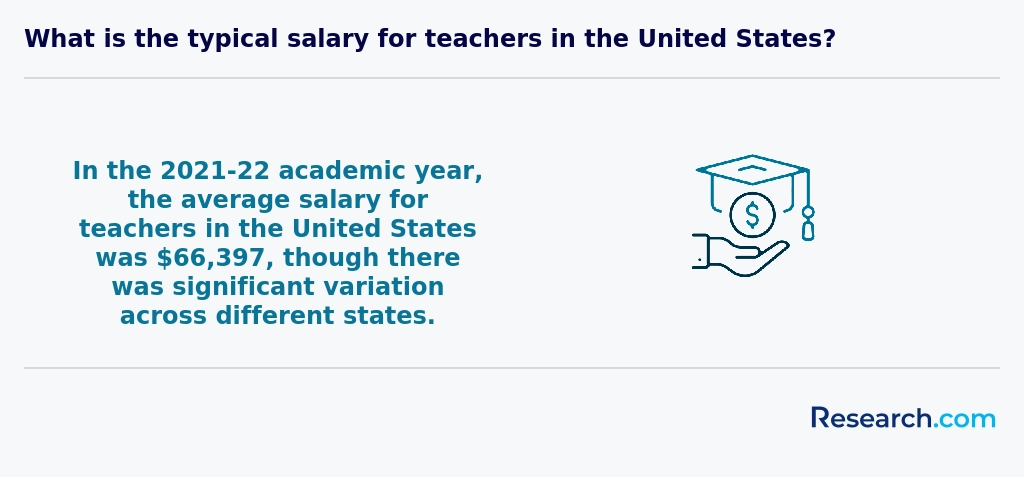
Graduates with an online education degree in Columbia can look forward to rewarding salaries that reflect both their dedication and local demand. For example, elementary school teachers often earn a mean annual wage of about $70,740, a figure that aligns with Columbia's reputation for strong school districts and competitive pay. Those stepping into special education roles can expect even higher earnings, with salaries averaging near $76,000, which highlights the value and specialty of that expertise.
In Columbia, where education programs at institutions like the University of Missouri provide flexible online options, graduates have secured positions earning between $40,000 and $50,000 starting pay, growing substantially with experience. English as a Second Language teachers earn a mean salary of $65,430, demonstrating how diversification in teaching roles can enhance your earning potential. Early childhood educators earn around $41,410, a solid starting point for those passionate about shaping young minds.
Many online education graduates from Columbia's colleges have shared how earning a degree allowed them to step confidently into careers that offer not just salaries, but also purpose and community impact. Instructional designers, another growing path, earn approximately $77,200 annually, which makes it a lucrative option for those interested in the evolving educational technology field.
2027 Easiest Online Education Degree Programs Ranking in Columbia, MO
How do we rank schools?
Investing in your education is a significant decision that can shape your future, and the Research.com team understands the importance of making informed choices. To support individuals seeking the easiest online education degree programs in Columbia, MO, we have carefully developed the "2027 Easiest Online Education Degree Programs Ranking." Our dedication to quality, credibility, and accuracy is demonstrated through rigorous research and the use of trusted data sources.
We utilized the following reputable data sources to ensure a comprehensive evaluation of programs:
By exploring this ranking, readers will gain valuable insights into the most accessible online education degree options in Columbia, MO, enabling informed and confident decisions about their academic futures. For more details on our methodology, please visit our Research.com methodology page.


# 3 position
University of Missouri
Bachelor of Human Development and Family Science with an emphasis in Early Childhood Education in a Mobile Society
Key Findings
- Columbia offers online education degrees through reputable institutions like the University of Missouri with flexible programs for future educators.
- Undergraduate tuition costs range from $250 to $350 per credit hour for in-state students, with total bachelor's degree costs between $15,000 and $25,000.
- Graduate programs typically cost between $400 and $600 per credit hour, totaling $12,000 to $30,000 depending on credit hours and fees.
- Entry-level salaries for education graduates start around $40,000 per year, while experienced educators earn median salaries near $55,000 annually.
- Many programs include state certification pathways to help graduates become licensed teachers in Missouri public schools.
How long does it take to complete online education degree in Columbia?
Completing an online education degree in Columbia often aligns with the rhythm of traditional programs, taking about four to six years for bachelor's degrees depending on whether you study full-time or part-time. Many graduates from the University of Missouri-Columbia share how balancing work and family while pursuing their degree online made the flexibility invaluable, even if it extended their timeline a bit. This flexibility lets you tailor your pace to your life, which can turn what seems like a long journey into an achievable, fulfilling experience.
For those aiming higher, online master's degrees in education typically take between one and three years. Programs at universities in Columbia often offer accelerated tracks designed for busy professionals, with some finishing in as little as 18 to 24 months. Graduates appreciate how these options let them advance their careers without putting life on hold.
Keep in mind factors like transfer credits, course load, and availability of summer classes, as these can shorten or extend your path. Choosing the right balance will empower you to stay motivated and thrive throughout your educational journey.
Program Accreditation and Quality Assurance
Accreditation is a vital marker of quality for any online Education degree program in Columbia, MO. Regional accreditation-such as that granted by the Higher Learning Commission (HLC)-ensures that the institution meets rigorous academic standards, while programmatic accreditation from bodies like the Council for the Accreditation of Educator Preparation (CAEP) confirms that the teacher-preparation curriculum aligns with state licensure requirements. Prospective students should verify both institutional and programmatic accreditation to guarantee eligibility for federal financial aid, seamless transfer of credits, and recognition by employers and licensing boards. To confirm accreditation status, start by checking the U.S. Department of Education’s Database of Accredited Postsecondary Institutions and Programs. Alternatively, visit the institution’s official website for direct accreditation statements and renewal dates. Keep an eye out for warnings about “candidate” or “pre-accreditation” status, which may limit eligibility for certain certifications or graduate programs. When comparing cost vs. credibility, you might also explore our Most Affordable Online Education Degree Programs Ranking in Gainesville, FL to see how accredited programs can meet both your budget and quality standards. Quality assurance extends beyond initial accreditation. Look for evidence of continuous improvement processes-such as annual program reviews, student-learning outcomes assessments, and advisory committees involving local school districts. Programs that publish clear performance metrics (graduation rates, job placement statistics, student satisfaction surveys) demonstrate transparency and a commitment to evolving with educational best practices. Accreditation reviews typically occur every five to ten years, so confirming the latest review dates will help you choose a program that is up-to-date and responsive to the changing demands of K–12 and higher education environments.
What's the difference between online and on-campus education degree?
Choosing between an online or on-campus education degree in Columbia, Missouri, depends largely on your lifestyle and learning preferences. Graduates from the University of Missouri-Columbia often share that the on-campus experience offers energizing face-to-face interactions with professors and peers, enriching their learning through real-time discussions and hands-on activities. Imagine walking through campus, attending lectures in person, and forming connections that can lead to valuable networks in education careers.
Conversely, some graduates praise online education degrees for their incredible flexibility-perfect for balancing work, family, or other commitments. Online courses at local institutions deliver lectures and assignments via digital platforms, allowing you to learn at your own pace without the stress of daily commuting or housing costs.
Both paths offer accredited degrees valued by employers; it's about choosing a route that aligns with your personal motivation and how you thrive academically. Reflect on whether you flourish in a classroom's dynamic environment or prefer the self-discipline and freedom of remote learning in Columbia's unique educational landscape.
Accreditation and Certification Requirements
A credible online education degree in Columbia must hold both regional and programmatic accreditation to ensure state licensure and employer recognition.
- Regional accreditation by the Higher Learning Commission (HLC) verifies institutional quality.
- Programmatic accreditation by CAEP (Council for the Accreditation of Educator Preparation) or NCATE ensures educator preparation standards.
- Alignment with Missouri Department of Elementary and Secondary Education (DESE) requirements streamlines teacher certification.
Graduates must also pass DESE-approved assessments (often Praxis exams or approved alternatives), complete a supervised teaching practicum, submit a teaching portfolio, and clear a background check. For cost-effective options, consider affordable online master's programs that meet these accreditation criteria.
What is the average cost of online education degree in Columbia?
In Columbia, the average cost of an online education degree reflects both the quality of the institutions and the commitment students bring to their studies. Typically, students pursuing these degrees can expect a median total cost around $35,160, with in-state students paying closer to $49,800 and out-of-state students facing higher expenses nearing $52,680. These figures help to set expectations clearly for anyone budgeting their path to a career in education.
Graduates from the University of Missouri often share how the balance of affordability and strong instructional support made their online education degree worthwhile. The university's reputation as a public institution means that in-state tuition provides significant savings and a familiar community feel, even when studying remotely. Meanwhile, some Columbia College graduates highlight the flexibility their programs offered, despite higher tuition per credit, allowing them to juggle work and family obligations alongside their studies.
Understanding the average cost of online education degree tuition fees Columbia Missouri is essential for making smart financial decisions. Beyond tuition, students must consider fees, materials, and occasional on-campus visits, though many appreciate how digital resources reduce travel costs. Exploring financial aid and scholarships can also ease the financial journey significantly.
If you're curious about the easiest education in Missouri, it's wise to connect with institutions directly to tailor your plans. Navigating these choices with clear knowledge sets a strong foundation for success in your educational ambitions.

Accreditation and Quality Assurance
Ensuring that an online Education degree program in Columbia, MO is properly accredited is vital for academic credibility, financial aid eligibility, and seamless credit transfers. Prospective students should look for regional accreditation from bodies such as the Higher Learning Commission (HLC), which validates that an institution meets high standards of teaching, student support, and continuous improvement. In addition, programmatic accreditation-particularly from the Council for the Accreditation of Educator Preparation (CAEP)-confirms that the Education curriculum aligns with state licensure requirements and prepares graduates for classroom success. Accreditation also impacts graduate outcomes and professional recognition. An accredited program in Columbia, MO guarantees that employers, licensing boards, and graduate schools recognize your degree, helping you secure positions in K–12 schools, higher education institutions, or educational technology firms. Financial aid, including federal grants and loans, often requires enrollment in an accredited institution, making this a non-negotiable factor in your decision. For those exploring specialized areas like early childhood learning pathways, our career options with online bachelors degree in early childhood education guide offers insights into accredited programs that align with both professional standards and real-world classroom demands. Before applying, verify each program’s accreditation status on the U.S. Department of Education’s Database of Accredited Postsecondary Institutions and Programs (DAPIP). Check for state-specific approval from the Missouri Department of Elementary and Secondary Education (DESE) to ensure licensure eligibility upon graduation. By prioritizing accredited and quality-assured programs, you safeguard your investment, enhance your career prospects, and set a solid foundation for lifelong professional growth in the education sector.
What financial aid is available to online education degree students in Columbia?
If you're pursuing an online education degree in Columbia, Missouri, financial aid is within your reach and can truly ease your journey. Many graduates from the University of Missouri share how completing the FAFSA opened doors to Pell Grants, which can provide up to $7,395 a year-covering a large portion of tuition. Imagine earning your degree while balancing work and family, supported by aid that lifts financial pressure.
State programs like Missouri's Access Missouri Financial Assistance also offer valuable grants to in-state students attending schools like Columbia College. Some alumni recount how these grants made it possible to attend without accumulating overwhelming debt.
Institutional scholarships are another beacon of hope. At popular local universities, education students are frequently awarded scholarships for academic merit or leadership, transforming their aspirations into reality.
For working professionals, employer tuition reimbursement often accelerates progress. Many who teach in local districts benefit from these programs, making continuing education a practical and affordable option.
Don't forget private scholarships through nonprofits and online databases-many successful grads have combined these resources to fully fund their degrees.
Student Support and Resources
Online education students in Columbia benefit from dedicated services that enhance learning and career readiness:
- 24/7 technical support to resolve platform issues and ensure uninterrupted access
- Personalized academic advising for course planning, credit transfers, and degree milestones
- Digital library and research databases offering peer-reviewed journals, e-books, and media
- Tutoring and writing centers providing one-on-one workshops to refine assignments and study strategies
- Career services connecting you with local internships, job fairs, resume reviews, and interview prep
- Access supplementary professional development through online certification programs
What are the prerequisites for enrolling in online education degree program in Columbia?
To embark on your journey toward an online education degree in Columbia, the foundational step is meeting key academic prerequisites that set you up for success. Most undergraduate programs require a high school diploma or a GED, coupled with official transcripts showing your readiness. Graduates often mention how having a minimum GPA around 2.5 helped them stay motivated and focused throughout their coursework.
For those aiming higher with graduate degrees like a Master of Education, a bachelor's degree from an accredited institution is essential. Many Columbia students found maintaining at least a 3.0 GPA in their undergraduate studies was their ticket to acceptance at well-known schools such as the University of Missouri.
Along with transcripts, some programs ask for letters of recommendation or a compelling statement of purpose, offering you the chance to share your passion for education. Local graduates often recall these application steps as opportunities to reflect on their commitment to shaping future learners.
Being aware of Columbia-specific requirements-like prerequisite coursework or occasional test scores-can help you plan ahead, especially since some programs have adapted to flexible formats. This preparation fuels confidence and keeps your goals within reach.
Emerging Trends in Online Education in Columbia, MO
As the landscape of online education continues to evolve, prospective students in Columbia, MO can look forward to a dynamic learning environment that integrates cutting‐edge technology with personalized education pathways. In the coming years, innovations such as artificial intelligence-driven tutoring, virtual reality classrooms, and adaptive learning platforms are expected to reshape how students engage with their coursework and collaborate with peers. Institutions are increasingly investing in robust digital infrastructures and mobile-friendly resources that allow learners to access high-quality education anytime, anywhere. Moreover, partnerships between industry leaders and academic institutions are paving the way for specialized certificate programs and micro-credentialing, which can enhance career readiness and offer more targeted skill development. For those eager to stay ahead, exploring updated rankings and trends-like those found in the easiest education in Missouri-is essential to make informed decisions about their academic future while adapting to emerging educational innovations.
What courses are typically in online education degree programs in Columbia?
When pursuing an online education degree in Columbia, Missouri, you'll encounter courses designed to build both your confidence and competence in teaching. Graduates from the University of Missouri often describe how foundational classes like curriculum development helped them create lesson plans that truly engage diverse classrooms, turning theory into impactful practice.
Courses in educational psychology open doors to understanding student behavior firsthand. Imagine managing a lively classroom with calm assurance because you grasp how students learn and respond. This skill, emphasized in Columbia's programs, is invaluable for future teachers facing real-world challenges.
Instructional technology courses are another cornerstone, especially relevant in today's blend of remote and in-person learning. Many local students report how mastering digital tools in these courses allowed them to innovate and connect with their students more effectively.
Additionally, you'll study classroom management, assessment techniques, and educational law-each preparing you to navigate and contribute positively to the school environment. These courses collectively empower you to enter the education field in Columbia equipped with practical and adaptable skills.
What types of specializations are available in online education degree programs in Columbia?
When exploring online education degree specializations Columbia MO offers, you'll discover options tailored to diverse career paths. Graduates from the University of Missouri often share how focusing on areas like Educational Leadership and Administration prepared them to lead with confidence in local school districts, directly impacting their communities. Others found their passion in Special Education, where programs equip them to support students with unique learning needs-an area of growing demand in Columbia's schools.
Another popular path involves Curriculum and Instruction, where students learn to design engaging lesson plans that truly resonate. Early Childhood Education remains a favorite, especially given Columbia's strong network of early learning centers. For students interested in technology and innovation, Educational Technology specializations teach how to integrate digital tools to enhance the classroom experience.
Columbia students appreciate the flexibility and focus of these programs, which align well with local workforce needs. Many emerging professionals find that exploring career options with online bachelors degree in early childhood education unlocks rewarding paths suited to their talents and ambitions. These choices reflect a vibrant, supportive learning environment tailored for success.
How do you choose the best online education degree in Columbia?
Choosing the best online education degree in Columbia starts with understanding what truly matters for your future. Many graduates from the University of Missouri highlight how accreditation shaped their confidence in the program's quality and recognition by employers. Aligning your curriculum with your passion-whether it's special education or educational leadership-can fuel your motivation and sharpen your career focus. Affordable options are key, and exploring affordable online teaching degrees Columbia Missouri offers ensures you won't be overwhelmed financially while pursuing your dreams.
Picture balancing your studies alongside life's demands with programs that provide flexible schedules and strong online support. Alumni often praise the tailored guidance and career services available at Columbia's institutions, which make a significant difference in staying on track and connected. Don't forget to examine graduate outcomes-these provide real proof of a program's success in preparing students like you for impactful teaching roles.
For detailed cost comparisons and program features, you might find the Most Affordable Online Education Degree Programs Ranking in Gainesville, FL a useful resource.
What career paths are available for online education degree students in Columbia?
Graduates of online education degrees in Columbia often find themselves empowering the next generation as licensed K-12 teachers, leveraging certification tracks aligned with Missouri's state requirements. Many alumni from the University of Missouri and Columbia College share how their training directly prepared them for classroom challenges, leading to fulfilling teaching careers from online education programs Columbia MO. The steady salary and community impact create a rewarding professional life.
Others advance into educational leadership, stepping into roles like school principals or instructional coordinators. These positions, typically demanding additional credentials, offer exciting opportunities for influence and growth. Graduates express pride in guiding schools toward success, inspired by their leadership coursework and flexible online studies.
Some graduates become instructional designers or education technology specialists, creating dynamic learning experiences informed by their familiarity with digital tools. With online education expanding rapidly, these jobs are increasing in demand, offering innovative career paths for those passionate about tech-driven education.
For those interested in specialized roles, Columbia's online education programs also open doors to special education, counseling, or early childhood education. These paths require certifications but provide lifelong fulfillment helping diverse learners thrive. Many students weigh options carefully, comparing costs including exploring cheap online doctorate routes to extend their expertise.
What is the job market for online education degree in Columbia?
The job market for online education degree job opportunities in Columbia MO is strong and steadily growing, fueled by the city's renowned public school system and vibrant higher education institutions like the University of Missouri. Graduates from these popular schools often find rewarding careers as K-12 teachers, curriculum developers, or educational administrators within Columbia Public Schools, which employs thousands of educators. Many recent graduates share how their online programs allowed them to balance work and family while earning credentials that meet Missouri's licensure requirements.
Columbia MO education degree career outlook highlights steady demand in special education, STEM, and early childhood roles. Local employers value graduates who bring flexible, modern teaching skills honed through online courses. Some graduates have leveraged this advantage to advance into administrative or counseling roles, earning salaries above $60,000 annually. For those curious about maximizing their potential, exploring highest paying online master's degrees can provide valuable direction toward specialized roles with higher earning power.
Frequently Asked Questions About education
Students pursuing online education degrees in Columbia can enhance their learning by engaging actively with course materials and instructors. Regular participation in discussion boards and virtual study groups fosters deeper understanding and connection with peers. According to the University of Missouri's e-learning guidelines, dedicating consistent weekly hours improves retention and academic success.
Utilizing campus resources remotely, such as the library's digital collections and tutoring services, also supports learning. Time management skills are critical; tools like planners or apps help maintain a balanced study schedule, reducing stress. Additionally, ensuring a reliable internet connection and a quiet study space minimizes distractions, allowing students to focus efficiently.
Emerging niches within education are rapidly expanding to meet evolving societal and technological demands. In Columbia, MO, online degrees focusing on educational technology and digital curriculum design are gaining traction, reflecting a national trend toward innovative teaching tools. According to the National Center for Education Statistics, programs emphasizing STEM education and special education have shown steady growth. Additionally, bilingual and multicultural education fields are increasingly important in Missouri due to its diversifying population. These specialized niches prepare educators to address unique classroom challenges, integrating technology and inclusivity into learning, which aligns well with current workforce needs across the state and the US.
After completing an online education degree in Columbia, MO, preparing for the job market requires strategic steps to enhance employability. Networking with local educators and joining organizations like the Missouri National Education Association can provide valuable connections and job leads. According to the Missouri Department of Elementary and Secondary Education, strong communication and classroom management skills greatly improve hiring prospects in Columbia's schools.
Gaining practical experience through student teaching or substitute teaching in Columbia Public Schools helps build a competitive resume. Additionally, candidates should pursue relevant certifications and renew licenses promptly to meet Missouri state regulations. Staying aware of local education trends with sources such as the Columbia Daily Tribune supports informed job searches.
Employers in Columbia, MO, highly value education degree graduates who demonstrate strong communication skills. Effective verbal and written communication is essential for interacting with students, parents, and colleagues. According to the Missouri Department of Elementary and Secondary Education, educators who excel in classroom management are also in high demand, as they create positive learning environments.
Another top skill is adaptability. With online and hybrid learning growing, teachers must be comfortable using technology and adjusting lesson plans to meet diverse student needs. Critical thinking and problem-solving abilities are key for addressing challenges quickly.
Finally, employers appreciate candidates who show cultural competence, especially in Columbia's diverse school districts, where understanding different backgrounds improves student engagement and outcomes.
Finding internships in Columbia, Missouri, relevant to an education degree involves leveraging local resources and university partnerships. The University of Missouri, located in Columbia, offers extensive career services and internship placement programs specifically designed for education majors. Students can access opportunities through the Mizzou Career Center, which connects students with local schools and educational organizations for practical experience.
Additionally, Columbia Public Schools frequently collaborate with local universities, providing internships in various educational settings. According to Mizzou's 2023 Career Outcomes Report, over 60% of education students secure internships within the Columbia area before graduation.
Networking at education job fairs and joining professional organizations like the Missouri Association of Colleges for Teacher Education can also enhance internship prospects.
In Columbia, Missouri, obtaining an online education degree can significantly enhance career mobility and advancement opportunities within the local job market. The University of Missouri, a major employer and educational institution in Columbia, values advanced degrees, including those earned online, when considering candidates for leadership roles in education and administration.
According to the Missouri Department of Higher Education, graduates with education degrees-particularly those with master's credentials-report higher employment rates and increased salary potential in the region.
Online programs provide flexibility for current professionals in Columbia to upskill without disrupting their work, facilitating promotions and transitions into specialized roles such as curriculum development or educational leadership.
Employers in Columbia increasingly recognize reputable online degrees, provided they come from accredited U.S. institutions, aligning with national trends documented by the National Center for Education Statistics.
Studying for an education degree online in Columbia, MO offers a strong foundation for interdisciplinary roles by integrating diverse teaching methods and collaborative skills. Programs emphasize cross-disciplinary approaches, combining education theory with psychology, technology, and communication. This prepares graduates to work effectively in varied environments.
For example, the University of Missouri, based in Columbia, incorporates research-backed practices and real-world case studies in its online curriculum, promoting adaptability across fields. According to the Missouri Department of Higher Education, interdisciplinary competencies are increasingly valued in the workforce, enhancing employment prospects for education graduates.
Such programs also encourage critical thinking and problem-solving, key skills for interdisciplinary collaboration in education and related sectors.
Choosing between a thesis and a non-thesis education degree program in Columbia depends on your career goals and learning preferences. Thesis programs typically require conducting original research and producing a formal thesis, which is beneficial if you plan to pursue doctoral studies or research roles. Non-thesis programs focus more on coursework and practical skills, ideal for professionals targeting immediate advancement in teaching or administration.
In Columbia, MO, universities like the University of Missouri offer both options. According to the Missouri Department of Higher Education, about 60% of graduate students in education opt for non-thesis tracks for quicker completion.
Consider your time availability, interest in research, and professional objectives before deciding.
Students based in Columbia, Missouri, seeking to study education abroad have several strong options through U.S.-based online degree programs. The University of Missouri, located in Columbia, offers reputable online education degrees that meet state certification standards, making it an ideal choice for local students.
Many U.S. universities provide fully online bachelor's and master's programs in education, allowing students in Columbia to access quality international curricula without leaving home. Examples include programs focused on educational leadership, curriculum development, and special education.
These programs often have flexible schedules and competitive tuition, with some institutions reporting graduation rates above 70% for online education students (National Center for Education Statistics, 2023).
Federal financial aid and scholarships are frequently available, supporting Columbia students in managing costs while earning accredited degrees recognized federally and internationally.
In Columbia, part-time job opportunities that complement an education degree are often found within the local school district and community programs. Positions such as teacher aides, substitute teachers, and after-school program assistants provide practical experience while studying. The Columbia Public Schools district, serving over 17,000 students, frequently hires part-time staff, which can help future educators gain classroom management skills.
Additionally, tutoring roles through organizations like the Columbia Public Library or local tutoring centers are valuable. These allow students to develop communication and instructional abilities. According to the Missouri Department of Elementary and Secondary Education, gaining hands-on experience enhances employability upon graduation.
Online education students in Columbia, MO, have access to various networking opportunities despite the virtual learning environment. Many local universities, such as the University of Missouri, offer virtual events, webinars, and discussion groups specifically designed for online learners. These platforms allow students to connect with peers, faculty, and education professionals across the state.
Additionally, Columbia's education community frequently hosts regional conferences and workshops open to online students. According to the Missouri Department of Higher Education, participation in such events can improve career prospects and professional connections.
Local education-related organizations also provide virtual networking sessions, mentorship programs, and job placement assistance to online degree candidates.
Alumni networks provide valuable support to online education degree students in Columbia by fostering professional connections and mentorship opportunities. Graduates often share job leads, advice, and guidance, which can be especially helpful for those entering the competitive education field.
In Columbia, schools like the University of Missouri have large alumni associations with more than 300,000 members nationwide, offering a broad network for recent graduates. These networks also organize events, workshops, and webinars online, which help students build skills and stay updated on trends in education.
Research from the Chronicle of Higher Education indicates that alumni connections can increase job placement rates by up to 20%, a significant advantage for online degree holders seeking roles in K-12 and higher education sectors within Missouri.
Customizing an online education degree program in Columbia, MO allows students to align their studies closely with their career goals. Many universities, including the University of Missouri, offer flexible degree tracks where students choose electives or specializations such as curriculum design, educational leadership, or special education.
Students can often work with academic advisors to select courses that emphasize skills relevant to their desired job roles. Additionally, some Columbia programs provide options for practical experiences like virtual internships or project-based learning that enhance employability.
Online platforms frequently enable pacing adjustments, letting students balance education with work commitments effectively. According to Missouri Department of Higher Education, nearly 70% of education students in Columbia customize their course plans to better prepare for specific roles within K-12 or higher education sectors.
Online education students in Columbia, MO, often face challenges related to balancing coursework with personal and professional responsibilities. Many learners juggle jobs and family, which can limit time for study and participation in online discussions. According to recent data from the University of Missouri's Office of Institutional Research, about 60% of their online education students work full-time while studying.
Another common issue is limited face-to-face interaction, which can affect motivation and sense of community. Technical difficulties and unreliable internet connections also pose obstacles for some students, especially those living in rural areas around Columbia.
Finally, navigating financial aid and understanding degree requirements without on-campus support can create additional stress for online students.
An online education degree can open doors to several professional certifications that enhance your teaching credentials and career opportunities. Common certifications pursued include the Certified Teacher credential, which qualifies you to teach in public K-12 schools across Missouri. Many online programs in Columbia align with state requirements to help you prepare for this certification.
Additionally, you may pursue specialized credentials such as the Reading Specialist certification or the School Counselor certification, depending on your career interests. According to the Missouri Department of Elementary and Secondary Education, about 68% of educators in Columbia hold at least one professional certification, reflecting strong regional support for continuous professional development.
National certifications like the National Board Certification are also accessible with an online degree and can significantly boost your qualifications and salary potential.
When applying for an online education program in Columbia, MO, it is essential to carefully prepare your application to stand out. Start by thoroughly researching the specific program requirements, as local institutions such as the University of Missouri provide detailed admissions guidelines online. Tailor your personal statement to highlight your passion for education and explain how the program aligns with your career goals.
Include strong letters of recommendation from professionals familiar with your academic or teaching experience. According to the National Center for Education Statistics, clear communication of your prior learning and relevant experience strengthens your application.
Finally, ensure all documents are complete and submitted on time, as deadlines are strictly enforced by Columbia area schools.
Education careers are increasingly valued worldwide due to a growing emphasis on lifelong learning and skill development. In the United States, particularly in educational hubs like Columbia, MO, there is strong demand for teachers with online degrees, given advances in digital learning technologies. According to the National Center for Education Statistics, employment for kindergarten and elementary teachers is projected to grow by 5% through 2031, reflecting steady opportunities.
Globally, pursuing an education degree online offers flexibility and access to diverse pedagogical methods. Employers often seek candidates proficient in digital tools and inclusive teaching practices. For students in Columbia, engaging with accredited online programs ensures alignment with U.S. credential standards and local school requirements.
The global perspective highlights a shift towards adaptive skills in educators, emphasizing technology integration and cultural competence, which are critical in today's classrooms.
Gaining practical experience while studying for an online education degree in Columbia, MO, is essential to prepare for real-world teaching roles. Many online programs in the region offer supervised student teaching placements in local schools, allowing candidates to apply theories directly in the classroom.
Students can also engage in virtual internships or tutoring sessions, which enhance communication and instructional skills. According to the University of Missouri's College of Education, over 75% of online education students participate in field experiences within Columbia-area schools.
Additionally, joining local education associations or volunteer programs provides valuable networking and hands-on opportunities to deepen practical knowledge.
Choosing the right concentration within an online education degree program in Columbia, MO, depends on your career goals and interests. Columbia hosts several universities offering various specializations, such as curriculum design, special education, and educational leadership. According to the Missouri Department of Elementary and Secondary Education, demand for licensed teachers in specialized areas like ESL and special education is growing, influencing concentration choices.
Research local job market trends to see which skills are in demand. For example, Columbia Public Schools reported a 10% increase in roles needing instructional technology expertise. Additionally, consider accreditation and faculty experience at your chosen institution to ensure quality education.
Related Education Rankings for Nearby Cities
- 2027 Easiest Online Master's in Education Degree Programs Ranking in Springfield, MO
- 2027 Easiest Online Education Degree Programs Ranking in Emporia, KS
- 2027 Easiest Online Education Degree Programs Ranking in Fayetteville, AR
- 2027 Easiest Online Education Degree Programs Ranking in Manhattan, KS
- 2027 Easiest Online Education Degree Programs Ranking in Omaha, NE
- 2027 Easiest Online Education Degree Programs Ranking in Murray, KY
- 2027 Easiest Online Education Degree Programs Ranking in Winfield, KS
- 2027 Easiest Online Master's in Education Degree Programs Ranking in Wichita, KS
- 2027 Easiest Online Education Degree Programs Ranking in Joliet, IL
- 2027 Easiest Online Education Degree Programs Ranking in Bloomington, IN
Top Trending Education Rankings
See What Experts Have To Say About Studying Education
Read our interview with Education experts

Nooshan Ashtari
Education Expert
Professor & Book Author
University of Southern California

Alan J. Singer
Education Expert
Professor of Teaching, Learning and Technology
Hofstra University

References
- 5 Tips on Choosing the Right Course or Study Program - Edunation https://www.edunation.co/5-tips-on-choosing-the-right-course-or-study-program/
- The importance of networking in the education sector https://www.tlclive.com/blog/the-importance-of-networking-in-the-education-sector
- Skills Employers Look for In Graduates https://careerdc.com.au/resources/what-skills-employers-want/
- Education Study Abroad Programs | Go Overseas https://www.gooverseas.com/study-abroad/education
- Seven Major Challenges Facing Education in the 21st Century https://www.internationalschoolparent.com/articles/seven-global-education-challenges/
- Putting theory into practice: The value of an interdisciplinary approach to teaching https://my.chartered.college/impact_article/putting-theory-into-practice-the-value-of-an-interdisciplinary-approach-to-teaching/
- Benefits of Networking for Students https://www.melioeducation.com/blog/benefits-of-networking-for-students/
- EDUCATION AS A KEY IN CAREER BUILDING https://journals.vilniustech.lt/index.php/JBEM/article/download/15399/10674
- Master's in Innovation in Teaching and Learning | Columbia College https://www.columbiasc.edu/academics/graduate/masters-innovation-teaching-and-learning
- Working in Ed Tech: How to Identify Your Niche and Build Relevant Skills https://www.highfivepartners.com/blog/working-in-ed-tech-how-to-identify-your-niche-and-build-relevant-skills