2027 Most Valuable Online Master's in Counseling Degree Programs Ranking in Alabama

Co-Founder and Chief Data Scientist
For students in Alabama seeking to advance their careers in counseling, choosing the right online master's program is a crucial step. This article introduces the 2027 Most Valuable Online Master's in Counseling Degree Programs Ranking in Alabama, created by the Research.com team of data scientists to help you make an informed decision.
Discover programs that offer quality education, flexibility, and strong career prospects. Earning a counseling degree can open doors to meaningful work and personal growth. Exploring this ranking will guide you toward programs that truly match your goals.
Key benefits of getting online counseling degree in Alabama
- Salary: Graduates in Alabama with counseling degrees can expect competitive salaries such as $60,080 annually for Licensed Mental Health Counselors and Substance Abuse Counselors, and up to $134,440 for Clinical Supervisors.
- Career paths: Counseling graduates from the University of Alabama often find rewarding roles like Licensed Professional Counselors or Marriage and Family Therapists, providing diverse opportunities to support community well-being.
- Online degree benefits: Earning a counseling degree online from institutions like Auburn University allows flexible scheduling and the ability to balance work and study, making higher education more accessible and convenient.
- Key benefits of getting online counseling degree in Alabama
- What can I expect from online counseling degree in Alabama?
- Where can I work with online counseling degree in Alabama?
- How much can I make with online counseling degree in Alabama?
- 2027 Most Valuable Online Master's in Counseling Degree Programs Ranking in Alabama
- Key Findings
- How long does it take to complete online counseling degree in Alabama?
- What's the difference between online and on-campus counseling degree?
- What is the average cost of online counseling degree in Alabama?
- What financial aid is available to online counseling degree students in Alabama?
- What are the prerequisites for enrolling in online counseling degree program in Alabama?
- What courses are typically in online counseling degree programs in Alabama?
- What types of specializations are available in online counseling degree programs in Alabama?
- How do you choose the best online counseling degree in Alabama?
- What career paths are available for online counseling degree students in Alabama?
- What is the job market for online counseling degree in Alabama?
- Related Counseling Rankings for Nearby States
- Top Trending Counseling Rankings
- See What Experts Have To Say About Studying Counseling
What can I expect from online counseling degree in Alabama?
The average cost of an online counseling degree in Alabama typically ranges between $20,000 and $40,000 for the entire program. Graduates from popular universities like the University of Alabama or Auburn University often report that tuition can vary based on residency status and whether they attend full-time or part-time. Many students find financial aid options and employer tuition reimbursement helpful in managing these costs.
Graduates appreciate how flexible online programs allow them to work while studying, reducing the financial strain. For example, some balance evening live sessions with daytime jobs, making timely payments manageable. Courses emphasize essential topics such as ethics and human development, preparing students for licensure without incurring extra costs for inaccessible materials or unnecessary fees.
This investment is considered worthwhile by many, especially given Alabama's requirement of 3,000 supervised clinical hours for LPC licensure and the increasing demand for counselors. Practical internships offered through local agencies often come with little to no additional cost, allowing students to gain experience without extra financial burden.
Where can I work with online counseling degree in Alabama?
Graduates of online counseling programs from institutions like the University of Alabama or Auburn University often find career opportunities in various settings across the state. Many start at community mental health centers, serving vulnerable populations such as those struggling with addiction or families facing crises. These roles typically require obtaining the Licensed Professional Counselor (LPC) license, which is achievable after completing a master's degree and fulfilling supervised clinical hours.
Others choose hospitals and outpatient clinics in cities like Birmingham or Huntsville, where they work alongside healthcare teams supporting patients with behavioral health challenges or chronic conditions. This environment provides rich, hands-on experience with diverse patient needs.
School counseling is also popular, with graduates securing roles in Alabama's public schools. The state mandates certification specifically for school counselors, ensuring preparation for the unique demands of working with children and adolescents in educational settings.
Many graduates eventually open private practices, drawing on their experience and licensure to specialize in areas such as trauma or marriage counseling, offering flexibility and personal fulfillment.
How much can I make with online counseling degree in Alabama?
Graduates with an online counseling degree in Alabama can expect starting salaries around $38,000 to $42,000 annually, especially in entry-level roles. For example, counselors who completed their programs at well-regarded institutions in Alabama often begin working in schools or community centers within this range. With experience and additional certification, these counselors typically see their income rise. Licensed Professional Counselors (LPCs) in Alabama earn a mean annual wage of about $52,360, according to recent data. Graduates focusing on mental health counseling may expect even higher wages, near $60,080 per year.
Specialized roles, such as Marriage and Family Therapists, offer mean salaries around $68,730, reflecting the advanced skills acquired through targeted online programs in the state. Substance Abuse Counselors earn similarly, near $60,080 annually. Graduates who pursue clinical supervisory positions can eventually earn upward of $134,440, especially in urban centers like Birmingham or Huntsville where demand and pay are higher.
Graduates from Alabama colleges share positive experiences of steadily increasing wages as their careers progress, especially when combining licensure with practical experience in healthcare or educational settings. This steady growth in income supports their decisions to invest time and effort into online counseling degrees at recognized Alabama institutions.
2027 Most Valuable Online Master's in Counseling Degree Programs Ranking in Alabama
How do we rank schools?
Investing in your education is a significant decision that can shape your future, and the Research.com team understands the importance of making informed choices. To assist prospective students in Alabama, we have meticulously crafted the "2027 Most Valuable Online Master's in Counseling Degree Programs Ranking in Alabama." Our commitment to quality, credibility, and accuracy is reflected in the extensive research and analysis conducted to compile this ranking.
We utilized the following reputable data sources to ensure a comprehensive evaluation of counseling programs:
By exploring this ranking, readers will gain valuable insights into the best online master's in counseling programs available in Alabama, empowering them to make well-informed decisions about their educational paths. For more details on our methodology, please visit our Research.com methodology page.

# 2 position
Amridge University
Master of Professional Counseling


Key Findings
- Online counseling degrees in Alabama are often offered by regionally accredited schools recognized by SACSCOC, which is essential for state licensure.
- The average tuition for an online master's degree in counseling in Alabama ranges from $15,000 to $30,000, with public universities generally being more affordable.
- Employment for mental health counselors and marriage and family therapists in Alabama is projected to grow by 16% from 2020 to 2030, faster than the national average.
- Early-career counselors in Alabama earn about $44,000 per year, while experienced and licensed counselors can make $58,000 or more, especially in cities like Birmingham and Huntsville.
- Graduates must complete 3,000 supervised clinical hours post-graduation to meet Alabama licensure requirements.
- Online programs often include practicum and internships that comply with state clinical hour standards, offering flexibility for working students.
How long does it take to complete online counseling degree in Alabama?
Completing an online counseling degree in Alabama typically takes between two and three years for full-time master's students. For example, graduates from the University of Alabama's online MS program often finish in about three years, balancing coursework and clinical hours efficiently. Part-time students, such as those at Auburn University, may take up to four years or more, adjusting their schedules around work and family.
Key to finishing on time is managing the 48 to 60 credit hours required and scheduling 600 to 700 supervised clinical practicum hours mandated by the Alabama Board of Examiners in Counseling. Graduates frequently share how securing good clinical placements early helped them avoid delays.
Doctoral programs like those at the University of South Alabama take substantially longer, often three to six years due to dissertation research and extended clinical training. Students appreciate the flexibility of hybrid formats, which allows them to keep up with their careers while progressing steadily.
What's the difference between online and on-campus counseling degree?
Choosing between an online and on-campus counseling degree in Alabama mainly comes down to your daily routine and learning style. Online programs, like those offered by Auburn University or the University of Alabama, let you watch lectures and complete assignments on your own schedule. Graduates often share how this flexibility means they could work full-time or care for family while studying, without rushing to campus. Many found the ability to pause and rewind lectures helpful for mastering complex counseling theories.
On-campus degrees at schools such as Samford University provide face-to-face interaction with instructors and classmates, fostering a sense of community and instant feedback. Students describe the value of hands-on access to counseling labs and campus resources, which can boost confidence before clinical work.
Both formats require the same supervised practicum hours-over 700 in Alabama-typically arranged through local agencies. Graduates appreciate that whether online or on campus, the rigorous clinical training prepares them well for licensure and real-world counseling.
What is the average cost of online counseling degree in Alabama?
The average cost of an online counseling degree in Alabama typically centers around $16,050, reflecting a balance between affordability and quality. Graduates from well-known institutions like the University of Alabama and Auburn University often report paying tuition within this median range, which covers most or all required credit hours for master's programs in counseling. These programs usually demand 48 to 60 credit hours, and the cost per credit for online courses ranges between $400 and $600, making the cost predictable and manageable for many students.
Affordability is a key benefit highlighted by alumni who pursued an affordable online master's in counseling Alabama tuition fees, noting that even with added expenses such as technology fees, books, and practicum placements, the total investment remains competitive compared to national averages. Financial aid and scholarships frequently help reduce out-of-pocket expenses, making the pursuit of counseling degrees more accessible.
Students who choose online routes appreciate the flexibility and the cost transparency, allowing them to plan their budgets effectively. For those balancing work and study, exploring accelerated options can be valuable; programs listed among the fastest online degrees for working adults provide a way to complete degrees faster without dramatically increasing tuition costs.
Overall, understanding the average cost of online counseling degree programs in Alabama helps prospective students make informed decisions about their education path and financial planning.

What financial aid is available to online counseling degree students in Alabama?
When pursuing an online counseling degree in Alabama, federal aid is a crucial first step. Completing the FAFSA opens doors to Pell Grants and Direct Loans, which many counseling students find manageable due to income-driven repayment options. Graduates from Auburn University have often shared how this aid kept their finances steady through the program.
In addition, Alabama's state programs offer valuable support. For example, the Alabama Student Grant Program provides need-based funds that can make a big difference, especially for residents enrolled in counseling degrees. Graduates from the University of Alabama report that applying for these grants early relieved much of their tuition stress.
Many universities themselves provide scholarships targeted specifically at counseling students. These merit-based awards have helped students reduce costs significantly, creating opportunities to focus fully on studies.
Professional organizations like the Alabama Counseling Association also award scholarships and travel stipends, rewarding community engagement and academic excellence.
Lastly, working students should explore employer tuition reimbursement, which can turn your current job into a funding source. Healthcare and social services employees in Alabama often use this benefit to complete their degrees without overwhelming debt.
What are the prerequisites for enrolling in online counseling degree program in Alabama?
To enroll in an online counseling degree program in Alabama, you'll first need a bachelor's degree from an accredited university. Most graduates from schools like the University of Alabama or Auburn University share that this foundation was crucial for tackling advanced counseling topics online. A cumulative GPA around 3.0 is often expected, but if your GPA is slightly lower, demonstrating relevant work or volunteer experience in mental health can make a strong case.
Applicants must typically submit official transcripts, letters of recommendation from professors or supervisors familiar with counseling skills, and a personal statement explaining their passion and goals in counseling. For example, many who succeeded at Alabama State University highlight how their personal essays helped admissions see their commitment clearly.
Some programs require prerequisite courses in psychology or human development, which graduates found helpful to refresh before starting. While GRE scores are increasingly optional, check the specific university's policy, since some may still request them. Lastly, be prepared for background checks and immunization proof if the program involves in-person practicums.
What courses are typically in online counseling degree programs in Alabama?
When pursuing an online counseling degree in Alabama, you can expect courses that build a strong foundation in essential counseling skills and ethics. Graduates from popular Alabama institutions often describe their coursework as both challenging and rewarding, helping them feel well-prepared for real-world counseling. Typical classes include Introduction to Counseling Theories, where you learn different approaches like cognitive-behavioral and psychodynamic techniques-useful for understanding diverse client needs.
Ethics and Professional Orientation is another core course, focusing on confidentiality and rules set by the Alabama Board of Examiners in Counseling. Many grads mention how this helped them navigate complex situations confidently during internships. Human Growth and Development teaches about psychological changes over a lifetime, which is practical when working with clients of all ages.
- Assessment and Testing, important for accurately diagnosing client issues
- Group Counseling and Dynamics, useful for facilitating therapeutic group sessions
- Career Development Counseling, critical for guiding clients' vocational paths
- Multicultural Counseling, which equips you to serve Alabama's diverse populations
- Research Methods and Program Evaluation, helping you apply evidence-based practices
- Practicum and Internship, offering supervised clinical experience required for licensure
Completing these courses through respected Alabama programs like those at the University of Alabama or Auburn University not only aligns with CACREP standards but also positions you well for LPC licensure. Many graduates express pride in how their clinical experiences, often arranged locally despite online classes, gave them confidence and readiness to support clients effectively in their communities.
What types of specializations are available in online counseling degree programs in Alabama?
Online counseling degree specializations Alabama students commonly choose include Clinical Mental Health Counseling, School Counseling, Marriage and Family Therapy (MFT), and Addiction Counseling. Graduates from well-known Alabama institutions often share how the Clinical Mental Health track helped them address real patient challenges with practical techniques learned online. For example, many appreciated how coursework aligned with state licensing requirements like the Licensed Professional Counselor (LPC) credential.
Those pursuing School Counseling specialization find the emphasis on K-12 environments extremely relevant, especially when internships are arranged in local schools. This hands-on experience, common at popular Alabama colleges, fosters confidence in managing academic and emotional issues among youth. Marriage and Family Therapy graduates often highlight the personal satisfaction from supporting families, thanks to supervised clinical hours tailored to Alabama's licensing board standards.
Many students also select Addiction Counseling to confront Alabama's specific substance abuse challenges. These programs teach intervention and recovery strategies that feel immediately applicable. Practical planning involves understanding these available options so you can tailor your path accordingly, and if you want to get an associates degree fast, that can be a helpful stepping stone towards these master's concentrations.
How do you choose the best online counseling degree in Alabama?
To choose the best online counseling degree in Alabama, start by confirming CACREP accreditation. Graduates from popular universities in the state often praise how this accreditation ensured their coursework aligned perfectly with Alabama's LPC licensing requirements. This is essential because the Alabama Board of Examiners mandates at least 48 graduate semester hours covering critical topics like human growth and ethics.
Affordability is another practical consideration. Many students find that affordable accredited counseling degrees Alabama offer tuition between $8,000 and $20,000 annually, often with financial aid opportunities. One graduate from a well-known Alabama university shared how balancing work and study was easier due to competitive tuition and available scholarships.
Program flexibility also matters. Some schools offer fully asynchronous courses, which helped a recent graduate schedule studies around their job and family. Additionally, check that the program includes practicum placements within Alabama to meet licensure requirements.
For those seeking a quicker path, exploring short online master's programs is useful. Finally, strong faculty expertise and student support were frequently mentioned by graduates as important factors that enhanced their learning experience.

What career paths are available for online counseling degree students in Alabama?
Graduates with an online counseling degree in Alabama often find career options in roles like Licensed Professional Counselors (LPCs), who work in settings ranging from private practices to community mental health centers. Many graduates from well-regarded Alabama colleges report that their programs' focus on supervised clinical experience helped them meet LPC licensure requirements efficiently.
Another common pathway is becoming a School Counselor, supporting students' academic and emotional development within Alabama's schools. With salaries typically between $40,000 and $55,000, recent graduates appreciate the stable opportunities in education that a counseling degree from a recognized institution offers.
Graduates can also pursue marriage and family therapy as Licensed Marriage and Family Therapists (LMFT), addressing family dynamics in clinical environments. Others find rewarding roles as substance abuse counselors or mental health specialists in social service agencies, requiring additional certification and clinical hours.
Those exploring job opportunities after counseling master's Alabama often consider tuition costs and flexibility; many turn to nationally recognized online colleges that balance quality and affordability while opening doors to diverse career paths.
What is the job market for online counseling degree in Alabama?
Graduates holding an online counseling degree in Alabama can expect a promising job market, especially as demand rises in urban centers like Birmingham and Montgomery. Many counseling students from respected Alabama universities report successful placements in community health centers and school systems that increasingly prioritize student mental health. For example, graduates often find roles as licensed professional counselors or marriage and family therapists, areas experiencing steady job openings according to the Alabama Department of Labor. By aligning their training with local licensure requirements such as LPC or LMFT, these graduates tap into expanding opportunities fueled by Medicaid expansion and state efforts targeting substance abuse.
When exploring online counseling jobs in Alabama, consider programs popular at state colleges that offer affordable tuition and practical experience, enhancing job readiness. Alumni often highlight the benefit of flexible schedules that accommodate working full-time while pursuing degrees online. Understanding this job outlook can guide your career planning and help you strategically focus on certifications and internships valued by local employers.
For comprehensive insights on counseling degrees fitting your schedule, check resources on anchors part-time Ph.D. in economics.
Frequently Asked Questions About counseling
Online counseling degree students in Alabama can maximize their learning by actively engaging with course materials and instructors through available digital platforms. Establishing a regular study schedule helps maintain consistency, which is critical given the rigorous curriculum aligned with standards from the Council for Accreditation of Counseling and Related Educational Programs (CACREP).
Students should seek out local Alabama-based internship and practicum opportunities to fulfill hands-on experience requirements, as this practical training is essential for licensure. According to the Alabama Board of Examiners in Counseling, supervised experience hours are mandatory for Licensed Professional Counselor (LPC) candidates.
Networking with peers via online discussion forums and local counseling organizations can also enhance understanding of regional counseling challenges and resources. Utilizing Alabama state resources, such as the Alabama Counseling Association, supports professional growth and knowledge of state-specific regulations.
The counseling field is evolving rapidly, with new specialties emerging to address diverse client needs. In Alabama, areas like telehealth counseling are growing, reflecting national trends due to increased demand for remote mental health services. This shift offers flexible opportunities for online graduates seeking licensure.
Another emerging niche is trauma-informed counseling, focusing on treating clients affected by trauma, which is crucial given Alabama's rates of adverse childhood experiences reported by the CDC.
Additionally, school counseling continues to expand as Alabama invests in student mental health programs, creating roles that integrate academic and emotional support.
Substance abuse counseling remains vital, especially with rising opioid use in the state, presenting steady employment prospects.
After completing an online counseling degree in Alabama, graduates should focus on obtaining licensure to enter the job market. The Alabama Board of Examiners in Counseling requires passing the National Counselor Examination and accumulating supervised clinical hours, typically 3,000, for Licensed Professional Counselor (LPC) status. Understanding state-specific certification is crucial.
Networking through professional organizations like the Alabama Counseling Association can provide job leads and mentorship. Additionally, gaining experience via internships or part-time roles improves employability.
Alabama's healthcare sector is projected to grow by 12% through 2030, increasing demand for counseling professionals (Bureau of Labor Statistics). Tailoring resumes to highlight clinical skills and state licensure boosts job prospects.
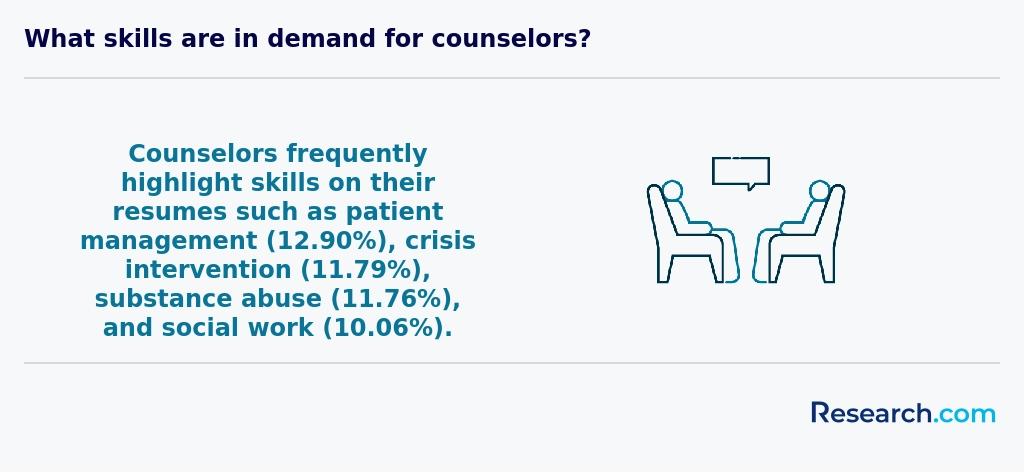
Employers in Alabama prioritize several key skills when hiring graduates with online counseling degrees. Strong communication abilities rank highest, as counselors must clearly convey empathy and guidance to diverse clients.
Additionally, proficiency in crisis intervention and conflict resolution is essential, especially given Alabama's increasing demand for mental health services in rural and underserved areas, according to the Alabama Department of Mental Health.
Employers also value cultural competence, reflecting Alabama's diverse population, to ensure inclusive support. Knowledge of ethical standards and confidentiality rules is critical, aligning with licensure requirements by the Alabama Board of Examiners in Counseling.
Finally, technological skills for telehealth platforms are growing in importance amid expanding online service delivery.
Finding internships in Alabama relevant to a counseling degree requires targeted research and networking. Begin by exploring partnerships that universities maintain with local mental health centers, schools, hospitals, and nonprofit organizations. These entities often provide practical training for counseling students. The Alabama Board of Examiners in Counseling recommends that students seek internships approved by their academic programs to meet licensure requirements.
Utilize online resources like the Alabama Counseling Association job board and university career centers, which regularly post internship opportunities. Contacting professional counselors directly for advice or potential openings is also effective. Many licensed counselors in Alabama supervise interns, helping meet state practicum standards. According to the Alabama Department of Labor (2023), mental health services in Alabama are growing, creating increasing internship availability in community health settings.
An online counseling degree in Alabama enhances career mobility by offering flexible access to accredited programs recognized by the Alabama Board of Examiners in Counseling. Graduates can pursue licensure as Licensed Professional Counselors (LPC), which is essential for advanced clinical roles. According to the U.S. Bureau of Labor Statistics, Alabama's employment for mental health counselors is projected to grow by 22% from 2021 to 2031, faster than the national average. This growth supports opportunities for salary increases and promotions. Online degrees also allow professionals to upskill while working, making transitions into specialized fields like school or addiction counseling more accessible.
Studying for a counseling degree in Alabama equips students with skills that extend beyond traditional therapy roles, fostering interdisciplinary collaboration. Alabama universities emphasize core counseling theories alongside training in social work, psychology, and healthcare systems. This integrative approach prepares graduates to work effectively with professionals from diverse fields, such as education, healthcare, and social services.
Alabama's counseling programs often include practicum experiences in varied community settings, enhancing practical understanding of different populations and needs. According to the Alabama Board of Examiners in Counseling, over 60% of licensed counselors engage regularly in interdisciplinary teams, underscoring the degree's relevance to real-world applications.
Such preparation is critical given Alabama's growing focus on integrated care models, where mental health services intersect with physical health and social support systems.
When choosing between a thesis and a non-thesis counseling degree program in Alabama, consider your career goals first. Thesis programs require a research project, which is ideal for those planning to pursue a doctoral degree or a career in research or academia.
Non-thesis options typically focus more on practical skills and applied learning, suited for students aiming to become licensed counselors quickly. According to the Alabama Board of Examiners in Counseling, graduates must complete supervised hours and pass exams regardless of the track.
Online programs in Alabama vary; those offering flexibility might lean toward non-thesis paths to accommodate working professionals.
Review program curricula and accreditation to ensure they meet licensure standards in Alabama's regulated counseling field.
Students based in Alabama seeking to study counseling abroad have limited direct options due to the nature of U.S. accreditation and licensure requirements. Most counseling programs recognized in Alabama are offered by domestic institutions, as licensure generally requires degrees from programs accredited by the Council for Accreditation of Counseling and Related Educational Programs (CACREP) or recognized regional accreditors.
Some Alabama students enroll in international universities with U.S.-accredited online counseling programs, ensuring transferability and alignment with Alabama's licensing board standards. According to Alabama's Board of Examiners in Counseling, counseling degrees must meet specific curriculum criteria to qualify for licensure.
It is crucial for students to verify that any international study will satisfy Alabama's licensure requirements before enrollment.
In Alabama, part-time job opportunities that complement online counseling degrees often involve roles in educational, healthcare, and social service settings. Positions such as mental health technician, case manager assistant, or school counseling aide provide valuable practical experience while studying.
According to the Alabama Department of Labor, the mental health and social services fields are growing steadily, with an expected 12% increase in related jobs through 2030, aligning well with counseling careers. Engaging in roles like crisis hotline responder or peer support specialist can also deepen skills in communication, assessment, and client care.
These roles enhance understanding of diverse populations, supporting career goals in counseling licensure and practice within the state.
Online counseling students in Alabama benefit from several networking opportunities that support their professional growth. Many Alabama institutions offering counseling degrees encourage virtual connections through online forums, webinars, and study groups. Additionally, students can join the Alabama Counseling Association (ALCA), a state branch of the American Counseling Association, which provides access to events, workshops, and local networking sessions tailored to counseling professionals.
Internships and practicum placements within Alabama also facilitate networking by connecting students to licensed counselors and mental health organizations across the state. This hands-on experience is crucial for career development and licensure.
Alumni networks provide essential support to online counseling degree students in Alabama by offering professional connections and career resources. Graduates can access job leads in local agencies, schools, and healthcare institutions where demand for counselors grows steadily. According to the Alabama Department of Labor, counseling jobs are projected to increase by 15% through 2030, emphasizing the value of networking.
Through alumni groups, students gain mentorship opportunities from experienced practitioners who understand the state's licensure requirements and job market. Networking events and online forums also help build relationships that may lead to internships and employment after graduation. These networks foster ongoing professional development, crucial in a field governed by evolving best practices and state regulations.
Customizing an online counseling degree program in Alabama begins with selecting a specialization that aligns with your career aspirations. Common focus areas include clinical mental health, school counseling, and marriage and family therapy, each preparing students for specific licensure paths regulated by the Alabama Board of Examiners in Counseling.
Students can often choose electives that deepen expertise in areas like trauma, substance abuse, or career counseling, enhancing job market competitiveness. Many programs also offer practicum and internship placements within Alabama, allowing tailored, real-world experience.
Accredited programs by CACREP ensure relevant coursework and eligibility for licensure in Alabama, which requires 48-60 credit hours and supervised experience. Customization helps meet both state requirements and personal goals more effectively.
Online counseling students in Alabama often face unique challenges related to the state's specific licensing and educational requirements. One major hurdle is meeting the practicum and internship hours mandated by the Alabama Board of Examiners in Counseling, which can be difficult to complete remotely.
Access to local sites for clinical experience is essential but sometimes limited, especially for students in rural areas. Additionally, ensuring that online programs are accredited and meet Alabama's licensure standards requires careful research.
Technical issues such as poor internet connectivity and balancing coursework with personal or professional responsibilities also impact many students. According to the Alabama Commission on Higher Education, approximately 30% of online students report these challenges.
Graduates of online counseling degree programs in Alabama can pursue several professional certifications to advance their careers. The most common certification is the Licensed Professional Counselor (LPC), regulated by the Alabama Board of Examiners in Counseling. This credential allows counselors to practice independently after meeting education, experience, and examination requirements.
Other certifications include the National Certified Counselor (NCC) from the National Board for Certified Counselors, which enhances national mobility and credibility. School counselors may seek certification through the Alabama State Department of Education to work in educational settings.
Choosing the right certification depends on career goals and practice settings. Many Alabamians benefit from pursuing licensure and specialized certifications to meet the state's counseling workforce demands, as reported by the U.S. Bureau of Labor Statistics in 2023.
When applying to an online counseling program in Alabama, a clear and well-crafted personal statement is crucial. Admissions committees value applicants who can articulate their passion for counseling and demonstrate an understanding of the profession's demands. Highlight any relevant experience, such as volunteer work or internships, particularly those involving Alabama communities or mental health services.
Include specific goals aligned with Alabama's licensing requirements, such as preparing for the Licensed Professional Counselor (LPC) exam overseen by the Alabama Board of Examiners in Counseling. Academic records should reflect strong performance in psychology or related courses.
Letters of recommendation from professionals familiar with your counseling aptitude strengthen your application significantly. According to the Alabama Commission on Higher Education, nearly 60% of counseling programs consider recommendations a top factor.
Globally, counseling is recognized as an essential profession supporting mental health and well-being. In the United States, including Alabama, the demand for qualified counselors is growing steadily. According to the U.S. Bureau of Labor Statistics, employment of mental health counselors is projected to grow 23% from 2021 to 2031, much faster than average.
In Alabama, counselors often work in schools, healthcare, and private practice, reflecting global trends where mental health support spans various settings. Online counseling degrees offer flexible access to education and meet rigorous accreditation standards important for licensure in Alabama and other states.
Internationally, different countries emphasize unique counseling approaches, but in the U.S., evidence-based methods and multicultural competence are key components of training programs.
Gaining practical experience while pursuing an online counseling degree in Alabama is essential for licensure and career readiness. Most accredited programs require internships or practicum hours to meet state licensure standards. Alabama's Board of Examiners in Counseling mandates at least 1,500 supervised clinical hours for Licensed Professional Counselors (LPCs), which students typically start during their studies.
Online students can complete fieldwork at approved local counseling centers, schools, or mental health agencies. Many universities assist in placing students within Alabama's growing mental health sector, which has increased demand by 16% since 2018, as reported by the Alabama Department of Labor.
Virtual supervision and telehealth practicums also provide flexible options, helping students build skills through remote counseling sessions under licensed professionals' guidance.
Choosing the right concentration within an online counseling degree program in Alabama depends on your career goals and interests. Alabama offers various focus areas such as school counseling, clinical mental health, and marriage and family therapy. Each concentration aligns with different licensure paths regulated by the Alabama Board of Examiners in Counseling.
Consider local demand: for example, school counseling is in high demand due to Alabama's growing student populations, as reported by the Alabama State Department of Education. Clinical mental health counseling often requires specific coursework and supervised hours that differ by concentration.
Review program curricula and compare how well each concentration prepares you for state licensure exams. You can verify accreditation through CACREP, which many Alabama programs comply with to ensure quality training recognized statewide.
Finally, reflect on your personal interest areas, internship opportunities, and potential employer preferences within Alabama's healthcare or education sectors, which vary by region and specialization.
Related Counseling Rankings for Nearby States
- 2027 Most Valuable Online Master's in Counseling Degree Programs Ranking in Indiana
- 2027 Most Valuable Online Master's in Counseling Degree Programs Ranking in Texas
- 2027 Most Valuable Online Master's in Counseling Degree Programs Ranking in Virginia
- 2027 Most Valuable Online Master's in Counseling Degree Programs Ranking in Wisconsin
- 2027 Most Valuable Online Master's in Counseling Degree Programs Ranking in Florida
- 2027 Most Valuable Online Master's in Counseling Degree Programs Ranking in New York
- 2027 Most Valuable Online Master's in Counseling Degree Programs Ranking in California
Top Trending Counseling Rankings
See What Experts Have To Say About Studying Counseling
Read our interview with Counseling experts

Charles Figley
Counseling Expert
Kurzweg Distinguished Chair in Disaster Mental Health
Tulane University

References
- How to Write a School Counselor Cover Letter | VocoVision https://www.vocovision.com/resources/uncategorized/how-to-write-a-strong-school-counselor-cover-letter/
- Internship Opportunities | PCS https://pacounseling.com/internships/
- 25+ Affordable Online Masters in School Counseling Programs https://schoolcounselingmasters.org/cheapest-school-counseling-programs/
- Mental Health, Counseling & Therapy Internships https://www.counselingschools.com/blog/preparing-for-a-mental-health-internship
- What Degree Do I Need to Become a Counselor or Therapist? https://paloaltou.edu/resources/blog/what-degree-do-i-need-become-counselor-or-therapist
- Networking for Therapists: Building Connections for Career Success & Client Care https://www.mentalyc.com/blog/networking-for-therapists
- Interdisciplinary Training: Preparing Counselors for Collaborative Practice - The Professional Counselor https://tpcjournal.nbcc.org/interdisciplinary-training-preparing-counselors-for-collaborative-practice/
- 11 Challenges That Counselors & Therapists Face - Talkspace https://www.talkspace.com/blog/counselor-challenges/
- Paid Clinical Internship https://www.pathwaysmhs.org/internship-program.html
- Bringing the benefits of career counselling/guidance to youth https://euroguidance.eu/to-bring-the-benefits-of-career-counseling-guidance-to-the-youth