2027 Best Counseling Degree Programs Ranking in Rochester

Co-Founder and Chief Data Scientist
Choosing the right counseling degree program is an important step toward a fulfilling career in helping others. Our 2027 Best Counseling Degree Programs Ranking in Rochester offers valuable insights to guide you through this journey.
Developed by the Research.com team of data scientists, this ranking presents an evidence-based overview of the top programs you should consider. Whether you're just starting or looking to advance, this article is designed to support your decision-making process.
Explore your options with confidence and take the first step toward making a meaningful difference in people's lives.
Key benefits of getting counseling degree in Rochester
- Graduates with a counseling degree in Rochester can expect competitive salaries, such as $76,000 annually for Intervention Specialists and around $60,080 for Addiction Counselors, offering financial stability and rewarding career options.
- Potential career paths include roles like Rehabilitation Specialist or Community Outreach Coordinator, providing diverse opportunities to make a positive impact in local communities and support vulnerable populations.
- Obtaining a counseling degree online from a Rochester-based university offers flexibility for working students, enabling personalized pacing while gaining valuable skills that lead to meaningful and well-paid careers.
- Key benefits of getting counseling degree in Rochester
- What can I expect from counseling degree in Rochester?
- Where can I work with counseling degree in Rochester?
- How much can I make with counseling degree in Rochester?
- 2027 Best Counseling Degree Programs Ranking in Rochester
- Key Findings
- How long does it take to complete counseling degree in Rochester?
- What's the difference between online and on-campus counseling degree?
- What is the average cost of counseling degree in Rochester?
- What financial aid is available to counseling degree students in Rochester?
- What are the prerequisites for enrolling in counseling degree program in Rochester?
- What courses are typically in counseling degree programs in Rochester?
- What types of specializations are available in counseling degree programs in Rochester?
- How do you choose the best counseling degree in Rochester?
- What career paths are available for counseling degree students in Rochester?
- What is the job market for counseling degree in Rochester?
- Top Trending Counseling Rankings
- See What Experts Have To Say About Studying Counseling
What can I expect from counseling degree in Rochester?
The average cost of pursuing a counseling degree in Rochester varies depending on the institution and level of study, but many graduates find the investment worthwhile given the comprehensive education and practical experience gained. For example, students attending Nazareth College or Roberts Wesleyan College often report tuition costs ranging between $20,000 and $30,000 per year for master's programs, which include hands-on internship placements within the local community.
Graduates from the University of Rochester's Ph.D. Counseling Psychology program acknowledge that while tuition may be higher, their education is enriched by cutting-edge research opportunities and strong connections to clinical sites around the city. Many reflect positively on how the cost offsets when considering the quality of licensure preparation and the support available during the demanding supervised clinical hours.
Students often share how investing in CACREP-accredited programs in Rochester enables them to confidently meet state licensure requirements and pursue fulfilling careers here. The blend of ethical training, multicultural skill-building, and practical internships helps justify the financial commitment through meaningful professional outcomes.
Where can I work with counseling degree in Rochester?
Graduates from counseling programs at institutions like the University of Rochester and Monroe Community College often find meaningful roles within the region's healthcare and social service sectors. Many describe collaborating closely with interdisciplinary teams at places such as Rochester Regional Health System, supporting patients through mental health challenges or substance abuse recovery-a truly rewarding experience.
Others have built careers in local schools, like those in the Monroe County School District, serving as licensed school counselors who guide students through personal and academic hurdles. These roles provide daily opportunities to make a real difference in young lives, fueling a sense of purpose and connection to the community.
Community organizations, including Catholic Family Center, offer dynamic settings where counselors engage with diverse populations facing homelessness or addiction. Graduates often share the deep fulfillment that comes from offering support in such critical moments.
For those pursuing private practice, Rochester's state licensure process ensures a strong foundation, enabling counselors to cultivate personalized client relationships. Additionally, government agencies provide roles focused on at-risk youth or public health, expanding the scope for counselors dedicated to impactful work in their hometown.
How much can I make with counseling degree in Rochester?
Graduates with counseling degrees from institutions like the University of Rochester often find that their education opens doors to a variety of meaningful careers with solid earning potential. For example, working as an Addiction Counselor can bring an average annual salary of about $60,080 in Rochester, reflecting a rewarding balance between impact and income. Similarly, roles such as Community Outreach Coordinator or Family Support Worker offer steady salaries near $54,020, enabling graduates to support vulnerable populations while sustaining their own financial stability.
Other counseling-related careers, including Rehabilitation Specialist positions, even provide competitive wages averaging $48,430 annually. These figures align well with reported local salaries, where experienced professionals often surpass the $50,000 mark and at times push closer to $60,000, especially when advanced certifications or supervisory responsibilities come into play.
Many graduates feel encouraged when they see peers thriving in local schools, hospitals, and nonprofit agencies, knowing their efforts contribute directly to community well-being. This financial steadiness, combined with the personal fulfillment found in helping others heal and grow, often makes pursuing counseling studies in Rochester a deeply satisfying choice.
2027 Best Counseling Degree Programs Ranking in Rochester
How do we rank schools?
Investing in your education is a significant decision that can shape your future, and the Research.com team understands the importance of making informed choices. To assist prospective students in Rochester, we have meticulously crafted the "2027 Best Counseling Degree Programs Ranking in Rochester." Our commitment to quality, credibility, and accuracy is reflected in the extensive research and analysis conducted to compile this ranking.
We utilized the following reputable data sources to ensure a comprehensive evaluation of counseling programs:
By exploring this ranking, readers will gain valuable insights into the best counseling degree programs available in Rochester, helping them make informed decisions about their educational paths. For more details on our methodology, please visit our Research.com methodology page.


Key Findings
- Counseling master's programs in Rochester usually take two years of full-time study after an undergraduate degree.
- The yearly cost ranges from $20,000 to $35,000, with public universities generally being more affordable for in-state students.
- Entry-level salaries average around $45,000, while mid-career counselors earn between $55,000 and $65,000 annually.
- Long-term professionals in specialized counseling can earn over $75,000 per year.
- Licensure in New York requires 3,000 supervised clinical hours after graduation, often taking two years or more to complete.
- The job market in Rochester is growing at about 12% through 2031, faster than the average for all occupations.
How long does it take to complete counseling degree in Rochester?
Completing a counseling degree in Rochester is a journey that varies with the path you choose. Graduates from the University of Rochester often reflect on the solid four years spent earning a bachelor's degree, which builds a strong foundation in psychology and human development. This phase feels like laying the groundwork for meaningful future work with clients. For many, the next step is a master's degree, typically taking 2 to 3 years at institutions like Rochester Institute of Technology. This period, though intense, is deeply rewarding as it combines rigorous coursework with supervised clinical hours that prepare students for licensure-a vital credential for professional counselors in New York State.
Those aiming higher often pursue doctoral degrees, extending their studies by 3 to 6 more years. Graduates describe this time as transformative, blending research with hands-on practice and opening doors to advanced clinical or academic roles. Part-time options and online courses offer flexibility, accommodating students balancing life's demands. Yet, post-degree, the real world often requires about 2 additional years of supervised clinical experience before full licensure-a commitment that graduates embrace with pride and anticipation.
What's the difference between online and on-campus counseling degree?
Choosing between online and on-campus counseling degrees in Rochester often comes down to how you envision your daily learning experience. Graduates from the University of Rochester frequently recall the energizing atmosphere of on-campus classes, where immediate feedback from professors and spontaneous discussions with peers sparked deeper understanding. The face-to-face connections during practicums and internships at local mental health agencies created strong professional networks and a sense of community.
Conversely, alumni of Nazareth College's online programs cherish the flexibility that allowed them to balance work and family while pursuing their degree. Being able to watch lectures on their own schedule relieved stress and fostered self-discipline. Yet, their clinical hours were still grounded in Rochester's healthcare settings through partnerships, ensuring hands-on experience without losing the convenience online learning offers.
Both pathways carry a sense of accomplishment, but they reflect different rhythms of life in Rochester-whether it's walking the campus paths or logging in from home, each route nurtures your growth toward becoming a competent, licensed counselor.
What is the average cost of counseling degree in Rochester?
The average cost of a counseling degree in Rochester reflects a balance between quality education and financial commitment. Graduates from public universities in Rochester often find the median total cost to be around $42,450, which is notably more affordable for in-state students. On the other hand, out-of-state students typically face costs closer to $59,926. These figures represent the full scope of tuition and fees for counseling programs, providing a clearer picture than the usual per semester or yearly breakdowns. Many graduates recall how these costs, though significant, were offset by the strong support networks and robust program offerings found at institutions like the University of Rochester and Rochester Institute of Technology.
Understanding Rochester counseling degree tuition and fees can feel daunting at first, but students often highlight the tangible value of their investment. For example, many have shared how assistantships and practicum placements helped reduce expenses while enriching their hands-on learning experience. This practical blend encourages confidence and a sense of preparedness for future professional roles. Additionally, the vibrant local community and lower living expenses compared to larger cities contribute positively to the overall affordability.
For those juggling commitments, exploring fast adult degree programs online available in Rochester can also make pursuing a counseling degree more accessible without compromising quality. Over time, embracing these education opportunities in Rochester allows many to thrive both personally and professionally.
What financial aid is available to counseling degree students in Rochester?
Many counseling students in Rochester find federal financial aid indispensable, especially through FAFSA, which unlocks Pell Grants and low-interest federal loans. Graduates from local institutions like the University of Rochester recall how a Pell Grant, covering up to $7,395, lifted a huge weight off their shoulders, making their education feel more attainable.
State support adds another layer of relief. New York's Tuition Assistance Program (TAP) and the Excelsior Scholarship have helped Rochester students attending SUNY schools reduce or even cover tuition, turning what once seemed daunting into a manageable goal.
Merit-based scholarships awarded by schools such as St. John Fisher College give high-achieving students targeted funding, often recognizing leadership or dedication to counseling. Many graduates treasure how these scholarships felt like affirmations of their potential.
Graduate assistantships or work-study positions stand out by combining financial aid with valuable hands-on experiences, easing both budgets and resumes. And some students have been pleasantly surprised by local employers who sponsor their tuition, a testament to the growing recognition of counseling's vital role in Rochester's community.
What are the prerequisites for enrolling in counseling degree program in Rochester?
To enroll in a counseling degree program in Rochester, the journey begins with a solid academic foundation. Graduates often reflect that completing a bachelor's degree from an accredited institution is non-negotiable, whether at the University of Rochester or surrounding colleges. Many found that maintaining a GPA close to 3.0 opened doors, even if some programs offered flexibility for slightly lower scores.
Applicants typically submit official transcripts and letters of recommendation, which can elevate an application when they come from professors or supervisors who genuinely understand the candidate's potential in counseling. One graduate shared how their personal statement, crafted to convey sincere passion and clear goals, made a significant impression during admissions.
Some schools require GRE scores, but many Rochester programs are shifting toward test-optional policies, easing stress for applicants. Beyond academics, real-world experiences-volunteering in community mental health centers or assisting in local clinics-are highly valued, enriching candidates' insights and confidence before stepping into the classroom atmosphere familiar to Rochester's counseling students.
What courses are typically in counseling degree programs in Rochester?
Students in counseling programs at Rochester institutions often find themselves immersed in courses that balance theory with real-life application. Graduates recall how classes like Human Growth and Development brought to life the patterns of behavior they observed in internships at local clinics, helping them understand clients across ages and backgrounds.
Courses in Counseling Theories and Techniques are particularly impactful, presenting frameworks such as cognitive-behavioral and person-centered therapy. Many Rochester graduates reflect on how practicing these methods during supervised sessions at universities like the University of Rochester or Nazareth College boosted their confidence in addressing client challenges.
Ethics and Professional Issues courses resonate deeply, especially as students prepare to navigate sensitive situations and uphold client confidentiality. This foundation is seen as essential for meeting New York's licensure standards and fostering trust in their counseling roles.
Assessment and Testing classes introduce tools for evaluating client progress, often paired with research methods training, which empowers students to interpret data and apply evidence-based strategies. Graduates appreciate how these skills translate directly to their work in diverse Rochester communities.
Specialized topics such as Group and Multicultural Counseling also enrich the curriculum, reflecting Rochester's diverse populations. Hands-on practicum experiences remain a highlight, where students' theoretical knowledge is tested in real-world settings, evoking a rewarding sense of accomplishment.
What types of specializations are available in counseling degree programs in Rochester?
Counseling degree specializations Rochester students often choose include clinical mental health counseling, which equips graduates to diagnose and treat mental and emotional disorders across hospitals and private practices. Many graduates from popular Rochester universities find this specialization especially rewarding, as it prepares them to impact diverse communities meaningfully. School counseling is another sought-after path, with programs tailored to meet New York State's certification requirements. Graduates in this track frequently express fulfillment in supporting K-12 students' academic and emotional growth within local schools.
Marriage and family therapy is a deeply engaging specialization focusing on relationship dynamics. Students often share how hands-on supervised clinical hours helped them develop practical skills trusted by community agencies. Addiction counseling has gained prominence, reflecting Rochester's commitment to addressing substance use disorders. Programs here integrate evidence-based approaches, and certified graduates report strong career prospects. For those exploring varied interests, emerging specializations like trauma or gerontological counseling add meaningful options.
Tuition costs are reasonable for in-state students, aligning with national trends, and many find value investing in these programs. For additional professional growth, consider exploring online certs that pay well to complement your counseling education.
How do you choose the best counseling degree in Rochester?
Choosing the best counseling degree program in Rochester requires looking beyond just the name and reputation of universities or colleges. Graduates commonly highlight the value of enrolling in CACREP-accredited programs, as this accreditation smooths the path toward licensure in New York State and ensures a curriculum aligned with professional standards. For those who studied at popular Rochester institutions, specialization was a guiding factor-selecting programs with tracks in mental health or school counseling helped sharpen their career focus and opened doors to practical internships within local hospitals or schools.
Affordability also plays a pivotal role. Many find that affordable counseling degrees Rochester 2027 offerings at public universities combine quality education with manageable tuition, especially when paired with scholarships or financial aid. Considering faculty expertise and the support system is equally important; graduates often speak warmly of professors engaged in real counseling research who provide mentorship and hands-on training.
Finally, balancing the choice between campus-based and online programs depends on your personal needs. While online classes offer flexibility, traditional campus experiences tend to provide deeper practicum opportunities essential for career readiness. As you weigh your options, remember to explore resources that highlight the most profitable college majors to understand how counseling fits within the broader educational market.
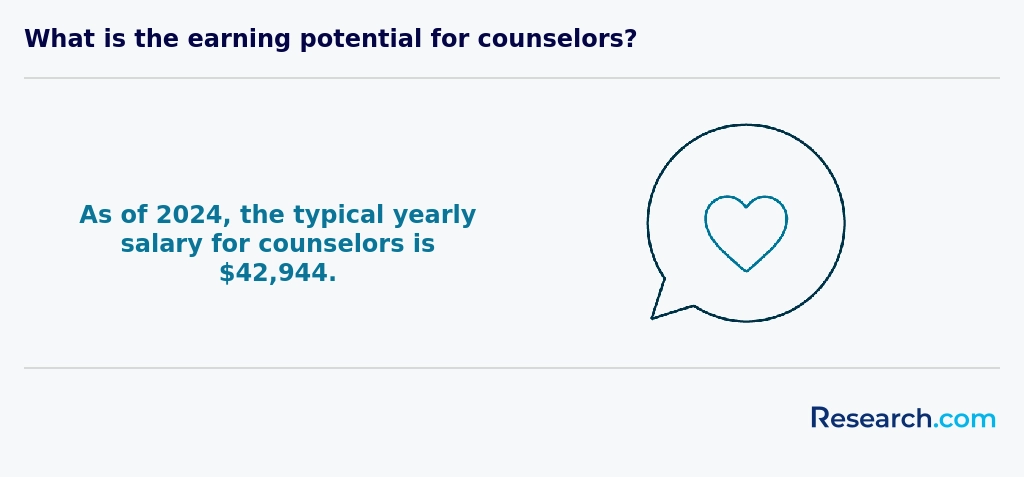
What career paths are available for counseling degree students in Rochester?
Graduates from counseling programs at well-known Rochester institutions often discover diverse career paths that align closely with their passions and skills. Many find themselves drawn to mental health counseling, working directly with clients facing anxiety or depression, which is in high demand locally due to expanding access initiatives. Seeing former classmates thrive as licensed professional counselors highlights how effective clinical training and local licensure requirements can prepare graduates well.
Others take up roles in school counseling throughout Rochester's public and private schools, guiding students academically and emotionally while handling crisis intervention. These opportunities not only utilize one's interpersonal strengths but also offer competitive salaries, often cited by graduates as a deeply rewarding way to influence youth development. Regarding job opportunities for counseling graduates Rochester offers a supportive professional community and certification programs unique to the region.
Specializations such as substance abuse counseling or marriage and family therapy attract graduates eager to address pressing social issues in Western New York. Many appreciate how practical experience gained in local rehab centers and clinics sharpens their skills. For students concerned about costs while exploring counseling careers in Rochester, the option of an online degree low cost can be a strategic choice to balance education and financial demands.
What is the job market for counseling degree in Rochester?
The counseling degree job opportunities in Rochester present a landscape marked by steady growth and meaningful community impact. Graduates from popular Rochester colleges often share how clinical placements within local hospitals and school districts provide both practical skills and job connections. Many find themselves drawn to specialized roles in addiction and trauma counseling, sectors expanding thanks to regional health initiatives and an increasing emphasis on behavioral health.
Those pursuing counseling degrees in Rochester benefit from the city's commitment to multidisciplinary teams, where cultural competence and diverse counseling methods are highly valued. Entry-level salaries typically range from $45,000 to $55,000, with scope for increases upon licensure and experience, making it a viable option for those weighing the cost-to-benefit ratio of advanced education in this field.
For students considering this path, understanding the Rochester counseling career outlook 2027 is essential. The city's schools, healthcare providers, and community centers consistently seek licensed professionals, creating a resilient job market. Those interested in roles suited for quieter personalities might explore introvert best jobs within counseling, highlighting the diverse opportunities in the field.
Frequently Asked Questions About counseling
Students pursuing counseling degrees in Rochester can enhance their learning by engaging deeply with both academic coursework and practical experiences. Local universities emphasize supervised internships, which provide essential hands-on training in diverse clinical settings. According to the New York State Education Department, completing at least 600 supervised practicum hours is vital for licensure eligibility.
Joining professional organizations, such as the American Counseling Association or local chapters, offers networking and continuing education opportunities. Rochester's growing mental health workforce also provides access to workshops and seminars tailored to regional needs.
Additionally, leveraging Rochester's community resources, including mental health clinics and nonprofit agencies, helps students apply theoretical knowledge in real-world environments, improving skill development and cultural competence.
Emerging niches within the counseling field reflect changes in societal needs and increased awareness of mental health diversity. In Rochester, specialization areas such as trauma-informed counseling and telehealth counseling are gaining traction. According to the New York State Office of Mental Health, demand for trauma specialists has risen by over 15% in recent years.
Additionally, substance abuse counseling remains critical, especially with the ongoing opioid crisis affecting the region. Another growing field is gerontological counseling, addressing the mental health of Rochester's aging population, which is projected to increase by 20% by 2030, per the U.S. Census Bureau.
Career counselors focusing on underserved communities and multicultural counseling are also expanding due to Rochester's diverse demographics. These emerging niches offer a variety of career paths for students pursuing counseling degrees in the area.
After completing a counseling degree in Rochester, preparing for the job market involves several strategic steps. First, obtaining licensure is essential; typically, this requires passing the National Counselor Examination (NCE) and completing supervised clinical hours, as outlined by New York State regulations. According to the New York State Education Department, candidates must complete at least 3,000 hours of supervised experience before full licensure.
Networking with local counseling associations, such as the Rochester Mental Health Council, can connect graduates with job openings and mentorship. Additionally, Rochester offers various internship opportunities in schools and health centers, providing hands-on experience that employers highly value. Staying updated on state licensure changes and pursuing continuing education also improves job prospects in this competitive market.
Employers in Rochester prioritize strong communication skills for counseling degree graduates, as effectively engaging with clients from diverse backgrounds is essential. According to the Bureau of Labor Statistics, active listening and empathy are critical for client trust and positive outcomes in therapeutic settings.
Problem-solving abilities also rank highly, helping counselors develop tailored treatment plans. Local Rochester organizations often seek candidates with cultural competence due to the city's increasing diversity, ensuring sensitivity to different client needs.
Additionally, familiarity with ethical standards and confidentiality laws, such as HIPAA, is crucial to maintain professional practice. Employers value graduates who demonstrate proficiency in these areas alongside strong interpersonal skills.
The Rochester Regional Health report highlights that teamwork skills and adaptability further enhance employability in counseling roles.
Finding internships in Rochester related to counseling degrees involves several strategic steps. Start by exploring local universities, such as the University of Rochester and Nazareth College, which often have partnerships with healthcare providers and counseling centers offering placement opportunities.
Check listings on state and local government websites like the New York State Education Department and Rochester's Mental Health Association, which post internship openings regularly. According to the Bureau of Labor Statistics, internships are critical for gaining supervised clinical hours required for licensure in New York.
Networking plays a key role; reach out to local counseling professionals through platforms like the Rochester Association for Counseling and Development. Volunteering in hospitals, schools, or community centers may also open doors to formal internships.
In Rochester, earning a counseling degree can significantly enhance career mobility by opening doors to various roles such as mental health counselor, school counselor, and substance abuse specialist. According to the New York State Education Department, positions in counseling are expected to grow by 12% through 2030, reflecting strong demand locally. This growth supports upward advancement opportunities, especially for those holding master's or doctoral degrees.
Higher credentials often lead to leadership roles in clinical settings or education, increasing earning potential. Additionally, licensure requirements in New York ensure that degree holders meet professional standards, boosting employer confidence and job security.
Studying for a counseling degree in Rochester equips students to engage effectively in interdisciplinary roles by emphasizing collaboration across fields such as psychology, social work, education, and healthcare. Programs typically integrate coursework that covers diverse methodologies, ethical considerations, and communication strategies vital for teamwork within multidisciplinary environments.
Institutions in Rochester often partner with local hospitals, schools, and community agencies to provide practical internships, exposing students to real-world settings where counselors work alongside other professionals. According to the National Board for Certified Counselors, graduates with interdisciplinary training are 25% more likely to obtain jobs that require cooperative skills.
This approach prepares graduates to address complex client needs holistically, enhancing their adaptability in varied professional contexts.
When choosing between a thesis and a non-thesis counseling degree program in Rochester, consider your career goals and academic preferences. A thesis program typically requires conducting original research and writing a comprehensive paper, which benefits those interested in clinical research or pursuing a doctorate. Non-thesis programs focus more on practical skills and clinical training, appealing to students aiming for immediate licensure and practice.
According to the New York State Education Department, Rochester counseling graduates often pursue licensure as Licensed Mental Health Counselors (LMHC), a pathway well-supported by non-thesis programs that emphasize hands-on experience. Cost and program length may also differ, with thesis options sometimes requiring additional semesters.
Lastly, check if your prospective Rochester program aligns with the Council for Accreditation of Counseling and Related Educational Programs (CACREP) standards, which impact licensure eligibility.
Students in Rochester interested in studying counseling abroad have several pathways through U.S. higher education programs that include international study components. Many counseling degrees, especially at the graduate level, offer study-abroad options or international internships to enrich students' cultural competence, which is crucial in counseling professions. For example, select programs partner with universities overseas or provide summer exchanges focused on global mental health.
According to the National Center for Education Statistics, approximately 7% of U.S. graduate students participate in international education experiences, which may appeal to counseling students aiming to broaden their perspectives.
Rochester-based students can also consider accredited online counseling programs with global practicums or collaborative projects with foreign institutions, allowing for remote international exposure while meeting U.S. licensure requirements.
It is important to verify that any study abroad option aligns with the American Counseling Association's ethical standards and state licensure guidelines to ensure a smooth path to professional certification.
Part-time job opportunities in Rochester that complement counseling degree education often include roles in mental health support and community services. Many students find work as behavioral health technicians or psychiatric aides in local hospitals like Rochester General Hospital, gaining hands-on experience with clients. According to the Bureau of Labor Statistics, these positions help develop critical interpersonal skills relevant to counseling careers.
Social service assistant jobs with agencies such as Lifespan provide exposure to case management and client advocacy. Tutoring or peer mentoring roles at Rochester-area colleges also enhance communication and counseling-related skills while fitting flexible schedules.
Counseling students in Rochester have access to various networking opportunities that can enhance their professional development. Local universities such as the University of Rochester and Nazareth College offer student organizations focused on counseling and mental health. These groups often host events that connect students with alumni and practicing counselors.
The Rochester Association for Counseling provides regular meetings and workshops, giving students a chance to meet licensed professionals. Additionally, the Finger Lakes Counseling Association serves as a regional platform for networking, continuing education, and peer support.
Internships and field placements arranged through these institutions frequently put students in direct contact with local agencies and clinics, expanding their professional networks early in their careers.
Alumni networks play a significant role for counseling degree students in Rochester by offering professional support and connections. Many Rochester institutions with counseling programs maintain active alumni groups that help students access internships and job opportunities through established local contacts. According to the Rochester Regional Chamber of Commerce, over 60% of recent counseling graduates found employment through network referrals.
These networks also provide mentoring from experienced counselors who understand the specific needs of Rochester's community mental health landscape. Students can attend workshops, networking events, and collaborate on research projects, gaining practical insights beyond the classroom.
Engagement with alumni often leads to long-term professional relationships that enhance career development in counseling fields.
Customizing a counseling degree program in Rochester allows students to align their education with specific career goals. Many local universities offer concentrations such as school counseling, mental health counseling, or marriage and family therapy. These specializations enable students to develop skills tailored to particular client populations or settings.
Rochester's institutions often provide flexible course schedules, including evening and online classes, to accommodate working professionals. Students can also choose elective courses or internship placements in nearby clinics, schools, or community agencies to build relevant hands-on experience. According to the National Board for Certified Counselors, practicum hours heavily influence licensure prospects.
Furthermore, advisors in Rochester's counseling programs frequently work individually with students to plan curricula that meet state licensure requirements and emphasize career aspirations. Choosing certifications or dual degrees-such as in social work or psychology-can also enhance employment opportunities in the region. Staying informed about New York State licensing updates ensures the program fits professional standards.
Counseling students in Rochester often face challenges balancing rigorous academic requirements with fieldwork demands. Many programs require extensive practicum hours, which can be difficult to manage alongside coursework and personal responsibilities.
Another common challenge is the competitive nature of securing quality internship placements, as local agencies and clinics in Rochester have limited openings. This intensifies stress among students aiming for hands-on experience.
Financial concerns also impact students, with the average graduate tuition for counseling programs in New York state exceeding $20,000 per year, according to NCES data. Limited financial aid adds to the pressure.
Mental health stigma remains a barrier for some seeking peer support, despite counseling students' awareness of its importance. This can affect their wellbeing during stressful times.
With a counseling degree in Rochester, you can pursue several professional certifications that enhance your career opportunities. One of the most common is the Licensed Professional Counselor (LPC) credential, which allows you to provide mental health services independently. To become an LPC in New York State, candidates must complete supervised clinical hours and pass the National Counselor Examination (NCE).
Other certifications include the Certified Alcohol and Substance Abuse Counselor (CASAC), especially relevant given Rochester's focus on addiction treatment programs. Additionally, credentials such as the National Certified Counselor (NCC) are recognized nationwide and can broaden your employment options.
These certifications require ongoing education, ensuring professionals stay updated on counseling methods. According to the New York State Education Department, over 1,200 LPCs were active in the Rochester area as of 2023, reflecting a strong local demand for certified counselors.
When applying for counseling programs in Rochester, a strong application highlights both academic achievement and relevant experience. Most programs require a bachelor's degree, often with coursework in psychology or related fields. Maintaining a GPA of 3.0 or higher improves competitiveness, as reported by the National Center for Education Statistics.
A compelling personal statement is essential; it should clearly explain your motivation for counseling and career goals. Admissions committees in Rochester value applicants who demonstrate understanding of community needs, especially given the city's focus on mental health services.
Including volunteer or work experience in counseling or social services strengthens your profile. Letters of recommendation from professionals familiar with your skills are also important. Lastly, be sure to meet deadlines and submit all required documents promptly for best chances of acceptance.
The counseling profession is gaining recognition globally for its vital role in mental health and well-being. In the United States, including Rochester, counseling careers are shaped by licensing regulations and educational requirements that ensure consistent standards. According to the Bureau of Labor Statistics, employment for counselors is expected to grow 24% from 2021 to 2031, reflecting increased demand for mental health services nationwide.
Globally, many countries are expanding their mental health support systems, but the U.S. remains a leader in structured graduate counseling education and professional certification. Rochester's universities provide programs aligned with national accreditation bodies like CACREP, which enhances international mobility for graduates.
Understanding these global trends helps Rochester students anticipate future career opportunities within and beyond the US.
Gaining practical experience while studying for a counseling degree in Rochester is essential to prepare for a career in mental health services. Many local universities and colleges offer supervised internships or practicum placements as part of their counseling programs. These opportunities allow students to work directly with clients under licensed professionals' guidance, building essential skills.
The Rochester area has several community agencies, hospitals, and schools that collaborate with educational institutions to provide hands-on training. According to the New York State Education Department, counseling students typically complete 600 to 1,000 hours of clinical experience to qualify for licensure.
Additionally, workshops, volunteer roles, and research assistantships at local organizations can supplement practical learning while enrolled.
Choosing the right concentration within a counseling degree program in Rochester requires careful consideration of your career goals and local needs. Rochester offers several counseling specializations, such as mental health, school counseling, and addiction counseling, each aligned to different career paths.
Check for program accreditation by bodies like CACREP to ensure quality education recognized by employers and licensing boards. According to the New York State Education Department, Rochester's demand for licensed mental health counselors is growing fast, with a projected 12% increase between 2022 and 2032.
Consider local employment trends and internship opportunities offered by Rochester-area institutions to gain practical experience. Align your choice with populations you wish to serve and your preferred workplace setting.
Related Counseling Rankings for Nearby Cities
- 2027 Best Counseling Degree Programs Ranking in Scranton
- 2027 Best Counseling Degree Programs Ranking in Pittsburgh
- 2027 Best Counseling Degree Programs Ranking in Cleveland
- 2027 Best Counseling Degree Programs Ranking in Bronx
- 2027 Best Counseling Degree Programs Ranking in New York
- 2027 Best Counseling Degree Programs Ranking in Philadelphia
- 2027 Best Counseling Degree Programs Ranking in Springfield
- 2027 Best Counseling Degree Programs Ranking in Baltimore
- 2027 Best Counseling Degree Programs Ranking in Washington
- 2027 Best Counseling Degree Programs Ranking in Harrisonburg
Top Trending Counseling Rankings
See What Experts Have To Say About Studying Counseling
Read our interview with Counseling experts

Meredith A. Rausch
Counseling Expert
Associate Professor
University of Alabama

References
- Bringing the benefits of career counselling/guidance to youth https://euroguidance.eu/to-bring-the-benefits-of-career-counseling-guidance-to-the-youth
- Counseling Career Paths in New York - Counseling Degrees New York https://counselingnewyork.org/career-paths/
- Study Counseling Abroad - Top Universities for Masters, MBA, PhD Degree Programs https://studee.com/degree/abroad/counseling
- What Degree Do I Need to Become a Counselor or Therapist? https://paloaltou.edu/resources/blog/what-degree-do-i-need-become-counselor-or-therapist
- Clinical Mental Health Counseling - CACREP https://www.cacrep.org/program/clinical-mental-health-counseling-47/
- Online Degrees https://onlinecounselingprograms.com/online-counseling-degrees/
- Fastest Online Master's In Counseling Programs https://www.psychology.org/counseling/fastest-online-degrees/
- What Degree Do I Need to Be a Counselor? | University of Bridgeport https://www.bridgeport.edu/news/degree-needed-to-be-a-counselor/
- Alternative Careers for Counselors Who Are Burnt Out [2025 Update] - The Bad Therapist https://www.thebadtherapist.coach/blog/alternative-careers-for-counselors
- Mental Health challenges that counselors and therapists experience - RESILIENCE PSYCHOLOGY COUNSELLING http://resonsindiyo.com/mental-health-challenges-that-counselors-and-therapists-experience-due-to-the-nature-of-their-profession/