2027 Which Entertainment Business Degree Careers Are Most Likely to Be Remote in the Future?

Co-Founder and Chief Data Scientist
Entertainment business students who want flexible careers need a realistic answer: some roles in this field can be remote for the long term, while others will stay tied to studios, venues, sets, courts, agencies, or live audiences. The difference is rarely the degree title itself. It depends on the work you do every day, the employer’s remote policy, the technology used to manage projects, and whether the role requires physical production, client presence, regulated documents, or live-event coordination.
Nearly 38% of entertainment business jobs now incorporate remote-compatible functions, especially in digital marketing, content strategy, analytics, licensing, communications, finance, and project management. That does not mean every job will be fully remote. In many cases, the practical option is hybrid work, freelance flexibility, or a remote-first role with occasional travel to industry hubs.
This guide explains where remote work is most realistic for entertainment business degree holders, which specializations are likely to remain flexible, what skills employers expect, and where remote access is limited by geography, regulation, equipment, or live production needs. Use it to compare career paths before choosing a specialization, applying to jobs, or investing in additional credentials.
Key Things to Know About the Entertainment Business Degree Careers Most Likely to Be Remote in the Future
- Entertainment business careers emphasizing digital marketing, content strategy, and analytics show higher remote adoption-over 60% report flexible work options due to technology-driven task compatibility and cloud-based collaboration tools.
- Employers in media and streaming industries often foster remote cultures-roles with low onsite geographic constraints and strong technology proficiency requirements, such as digital project management, benefit greatly.
- Freelance and contract work remain vital-self-employment in entertainment business allows sustained remote flexibility, with long-term trajectories favoring professionals skilled in virtual networking and multimedia platforms.
What Does 'Remote Work' Actually Mean for Entertainment Business Degree Careers, and Why Does It Matter?
In entertainment business careers, “remote work” can mean several different arrangements. A fully remote job can be performed off-site nearly all the time. A hybrid job combines remote tasks with scheduled office, studio, venue, or client-facing work. A remote-eligible job is usually based on-site but allows occasional off-site work for tasks such as reporting, planning, research, scheduling, or digital communication.
This distinction matters because entertainment is not a single work environment. A rights analyst, social media strategist, or streaming audience insights associate may work mostly through cloud systems. A venue manager, production coordinator, or stage manager usually cannot perform the core job away from the physical site. Students who ignore this difference may choose a path that conflicts with their need for location flexibility.
Since 2020, studies from the Pew Research Center and Stanford Institute for Economic Policy Research show remote work adoption has expanded widely across professional fields, though its persistence varies. Knowledge-based roles with digital deliverables are more likely to sustain remote or hybrid arrangements. Roles dependent on specialized equipment, live events, confidential in-person meetings, or real-time production activity remain harder to move off-site.
Remote access also affects career opportunity. Geographic flexibility can widen the job market beyond a graduate’s local region, reduce commute costs, and make it easier to apply to employers in high-wage metropolitan markets without relocating. Peer-reviewed studies also associate remote and hybrid work with improved job satisfaction and retention, which can matter in an entertainment labor market known for competition, networking pressure, and project-based employment.
A practical framework for judging remote potential
Entertainment business students and early-career professionals should evaluate remote potential using three questions:
- Task-level remote compatibility: Can the main work be completed off-site without reducing quality, speed, confidentiality, or collaboration?
- Employer-level remote adoption: Does the employer actually support remote or hybrid work, or does it expect employees to be available on-site despite digital tools?
- Structural constraints: Do licensing rules, client-presence expectations, production equipment, venue operations, regulations, or live-event demands require physical presence?
This framework helps separate genuinely remote-capable entertainment business careers from roles that only include a few remote tasks. It also shows why freelance and self-employment models can be attractive: independent consultants, digital marketers, content strategists, and rights-management specialists may have more control over where and how they work, although they also take on business development, income variability, and client-management responsibilities.
Prospective students should look for programs that build digital collaboration, analytics, marketing, finance, project management, and communication skills. Some students compare online study formats, including programs discussed among the easiest online college degrees, but the better question is whether the curriculum prepares them for remote-compatible tasks employers actually hire for.
Which Entertainment Business Career Paths Have the Highest Remote Work Adoption Rates Today?
The entertainment business career paths with the strongest remote or hybrid adoption today are the ones built around digital deliverables, measurable outcomes, cloud-based collaboration, and communication that does not require a set, venue, courtroom, or physical production office. Evidence from BLS telework supplements, LinkedIn Workforce Insights, Ladders 2024 remote job tracking, and Gallup workplace surveys points to durable remote access in several job families, especially where employers already manage distributed teams.
Remote-friendly entertainment business paths
- Marketing and digital media management: These roles often involve campaign planning, audience segmentation, analytics review, paid media coordination, email marketing, and social content calendars. Because the work is measured by engagement, conversion, reach, and campaign performance, employers can often evaluate results without requiring daily office presence.
- Entertainment licensing and distribution specialists: Rights tracking, contract coordination, territory management, distribution planning, and partner communication can often be handled through secure document systems, virtual meetings, and cloud workflows. Hybrid models remain common when negotiations, confidential reviews, or major partner meetings require in-person work.
- Public relations and communications: Press releases, media lists, crisis statements, interview coordination, brand messaging, and executive communications can be managed remotely when the team has strong approval workflows. However, premieres, press junkets, red-carpet events, and high-profile client meetings may still require travel or on-site support.
- Content strategy and development: Content strategists work with audience data, editorial calendars, platform requirements, brand goals, and creative briefs. Much of this work is digital, but early concept development, writers’ rooms, production meetings, and stakeholder workshops may remain hybrid.
- Data analysis and audience insights: Streaming platforms, studios, distributors, and media companies rely on analysts to interpret audience behavior, subscription trends, campaign performance, and content engagement. These roles are among the most remote-compatible because the main tools are databases, dashboards, spreadsheets, and reporting platforms.
- Finance and budgeting roles: Entertainment accountants, budget analysts, and finance coordinators can often work through secure financial systems. Remote access is strongest in mid to large companies with mature controls, while audits, compliance reviews, or production finance meetings may require occasional on-site work.
- Project management: Digital projects, marketing launches, streaming releases, and post-production workflows can often be coordinated through remote tools. Production-heavy project management is more likely to be hybrid because schedule changes, vendor issues, and crew coordination may require physical presence.
What these paths have in common
The most remote-compatible career paths share three traits: the deliverables are digital, the workflow can be tracked through systems, and performance can be judged by outcomes rather than visibility in an office. Students comparing majors or business-focused online options may want to prioritize programs that develop analytics, communication, budgeting, and project coordination skills; many accredited online business degree programs can support these foundations when paired with entertainment-specific internships, portfolios, or industry experience.
Even in these remote-friendly paths, employer size and culture matter. Large entertainment companies, streaming platforms, digital agencies, and media-tech firms often have more formal remote systems. Small studios, boutique agencies, and founder-led companies may expect more in-person availability even when the work itself could be completed remotely.

How Does the Nature of Entertainment Business Work Determine Its Remote Compatibility?
Remote compatibility in entertainment business depends more on daily tasks than on job titles. Two people with the same title may have very different remote options if one works on digital campaign analytics and the other supports live shoots, in-person talent meetings, or venue operations. Before choosing a role, evaluate the actual task mix.
Tasks that support remote work
- Digital deliverables: Reports, campaign plans, budgets, briefs, dashboards, presentations, licensing trackers, and content calendars are easier to produce remotely because they do not require a physical production site.
- Virtual interaction: Talent managers, project coordinators, communications staff, and marketing teams can complete some coordination work through video calls, shared documents, and asynchronous updates when expectations are clear.
- Data and systems access: Data analysts, licensing managers, distribution coordinators, and finance staff can work remotely when employers provide secure access to proprietary platforms, performance metrics, contract systems, and financial tools.
- Supervisory and advisory work: Senior professionals often have more remote leverage because their value comes from judgment, strategy, approvals, and team leadership rather than physical task execution.
- Research and knowledge work: Market research, intellectual property analysis, competitive research, rights research, and industry reporting are naturally suited to remote or hybrid work.
Tasks that limit remote work
- Physical production requirements: Work involving cameras, lighting, sound, sets, props, stage logistics, live direction, or venue operations usually requires physical presence.
- Client or talent presence: Some negotiations, auditions, relationship-building meetings, and sensitive conversations are still handled in person because trust, confidentiality, and industry norms matter.
- Compliance and inspection duties: Roles involving physical documents, regulatory offices, permits, inspections, or jurisdiction-specific processes may have limited remote flexibility.
- Collaborative creative sessions: Some creative development can happen remotely, but production-dependent brainstorming, rehearsal, performance review, and live troubleshooting often benefit from in-person collaboration.
A useful test is to divide a target job description into remote-ready, hybrid, and on-site tasks. Resources such as O*NET, employer job postings, informational interviews, and conversations with working professionals can help reveal whether “remote” is realistic or mostly aspirational.
- : "Negotiating my remote eligibility meant constantly dissecting which parts of my role demanded office time versus virtual flexibility. Understanding the detailed nature of my job's tasks was key to carving out a sustainable remote work path."
This kind of task-level analysis is especially important in entertainment because many jobs combine digital planning with physical execution. The more clearly you can explain which parts of your work can be done remotely, how you will communicate progress, and when you will be available on-site, the stronger your case for hybrid or remote flexibility becomes.
The entertainment business specializations most likely to offer remote roles in the next decade are those tied to digital distribution, audience data, online marketing, cloud-based finance, virtual collaboration, and scalable content operations. These areas are less dependent on physical production spaces and more dependent on tools, judgment, communication, and measurable output.
Specializations with stronger long-term remote potential
- Digital marketing and social media management: Entertainment brands need professionals who can plan campaigns, manage platform calendars, interpret analytics, coordinate creators, and adjust messaging quickly. These tasks can often be done from anywhere with access to the right systems and approval workflows.
- Content licensing and distribution management: Rights administration, windowing strategies, contract coordination, distribution reporting, and partner communication are increasingly supported by secure digital tools. The global nature of entertainment distribution also makes virtual collaboration practical.
- Entertainment finance and budget analysis: Cloud-based financial platforms, secure reporting, and privacy technologies support remote budgeting, forecasting, cost tracking, and financial review. Sensitive information means employers may still require strong controls and occasional in-person meetings.
- Project management for creative productions: Project management is becoming more remote-compatible for digital releases, marketing launches, post-production workflows, and cross-functional planning. Physical production management, however, is more likely to remain hybrid.
Specializations with persistent remote barriers
- Talent acquisition and casting coordination: Virtual auditions and online submissions have expanded access, but many roles still rely on in-person evaluation, relationship-building, confidentiality, and client interaction.
- Live event planning and venue management: Events require physical coordination with vendors, performers, security teams, venue staff, permitting authorities, and audiences. Planning tasks may be remote; execution is not.
- Legal compliance in entertainment: Some compliance work can be digitized, but physical documentation, jurisdiction-specific requirements, client consultations, and regulatory procedures can limit full remote adoption.
Students should not choose a specialization based on remote work alone. A strong path should align remote potential with demand, income expectations, skill fit, and tolerance for project-based employment. Those seeking broader management credentials may compare options such as the fastest online construction management degree, but any credential should be evaluated for relevance to the specific entertainment business roles being targeted.
The most remote-friendly industries for entertainment business graduates are those already built around digital products, distributed teams, cloud systems, and measurable outputs. A job in entertainment is not automatically remote-friendly; the employing industry and company operating model strongly influence flexibility.
Industries where remote access is more common
- Technology and digital media: Digital-native companies often support remote work because content strategy, platform operations, digital marketing, audience analytics, and product coordination can be managed through online systems. These employers are more likely to judge performance by outcomes rather than office presence.
- Advertising, public relations, and marketing agencies: Agencies increasingly use hybrid or fully remote models to hire specialized talent, manage virtual client meetings, track campaigns, and coordinate deliverables across teams. Remote access is strongest when the role is tied to digital campaigns, analytics, copy, strategy, or account coordination.
- Financial services with an entertainment focus: Media financing, royalty administration, rights management, and entertainment accounting can support remote work when secure systems and standardized reporting are in place. Company culture and data-security requirements may still limit flexibility.
- Software and app development for entertainment: Entertainment technology companies often run distributed product, marketing, and operations teams. Graduates who combine entertainment business knowledge with product coordination, user research, project management, or technical marketing skills may find stronger remote options here.
- Education and training services targeting entertainment professionals: Online course providers, training platforms, and professional development companies may hire graduates for curriculum coordination, enrollment marketing, program operations, and digital content management.
Industries where remote work is more limited
Industries with physical safety requirements, regulated facilities, on-site client service, or hands-on operations are less remote-friendly. In entertainment, that includes many venue, live-event, production, and location-based employers. Even so, strategic planning, marketing, finance, and analytics roles inside less flexible organizations may still offer hybrid arrangements.
- : "Remote work was challenging but empowering at first. I had to prove productivity without direct supervision, learn asynchronous communication tools, and deliver consistent results before managers trusted the arrangement."
This experience reflects a common pattern: remote access is easier to win when employees can document outcomes, communicate clearly, and show that flexibility improves performance rather than reducing accountability.

Government and public-sector entertainment business roles can offer remote or hybrid options, but access is less predictable than in digital media or technology firms. Public agencies must balance telework with public accountability, administrative policy, security rules, political direction, and service obligations.
Federal agencies displayed strong telework capabilities for entertainment business roles during 2020-2022, particularly during the pandemic peak. Work involving policy analysis, research, program administration, grant review, communications, and data analysis adapted more easily to remote settings. Since 2023, evolving political and administrative demands have reduced telework options in some agencies, making long-term remote availability uncertain.
How remote access differs by level of government
- Federal government: Remote or hybrid work is more feasible for policy, research, communications, grants, cultural programming, media analysis, and administrative roles. Applicants should review each vacancy carefully because telework eligibility can differ by agency, position, supervisor, and bargaining unit.
- State government: State policies vary widely. Some states support hybrid arrangements for grant management, arts administration, tourism promotion, compliance review, and public communications. Others require more regular on-site presence.
- Local government: Remote options are often more limited because local agencies may have smaller teams, public-facing duties, venue responsibilities, community events, inspections, or operational needs that require in-person work.
Public-sector roles most likely to support remote or hybrid work
- More remote-compatible: Policy analysis, research, compliance monitoring, grant administration, communications, data analysis, cultural program administration, and digital public engagement.
- Less remote-compatible: Direct service delivery, inspections, venue operations, law enforcement support, emergency response, and community-facing event roles.
Job seekers should not assume that all government roles follow the same telework policy. During federal hiring, ask about telework eligibility, required reporting days, probationary-period rules, and whether the position is remote, telework-eligible, or simply flexible at the supervisor’s discretion. Reviewing OPM survey data on telework prevalence by agency can also help applicants set realistic expectations.
Technology proficiency is one of the clearest gatekeepers for remote entertainment business roles. Employers hiring remote workers need evidence that candidates can communicate, coordinate, protect information, and deliver work without constant supervision. A degree helps, but it is often not enough if the applicant cannot show practical fluency with remote tools.
Core tools remote employers expect
- Communication platforms: Zoom and Microsoft Teams are commonly used for meetings, presentations, interviews, and stakeholder updates.
- Cloud collaboration suites: Google Workspace and Microsoft 365 support shared documents, calendars, spreadsheets, slide decks, approvals, and version control.
- Project management systems: Asana, Trello, or Monday.com help teams assign work, monitor deadlines, document decisions, and reduce unnecessary meetings.
- Entertainment business platforms: Digital asset management systems, content scheduling software, Frame.io, Slack, and Airtable are common in distributed creative, marketing, and production-adjacent workflows.
How to prove remote readiness
Applicants should do more than list tools on a resume. Stronger evidence includes portfolios, campaign reports, project dashboards, content calendars, budget samples, case studies, remote internship experience, and examples of asynchronous collaboration. If confidentiality prevents sharing real work, candidates can create anonymized or simulated examples that show process, organization, and decision-making.
- Build a portfolio: Include samples that show planning, analytics, written communication, and project tracking.
- Document remote collaboration: Explain your role, tools used, timeline, deliverables, and measurable outcomes.
- Target role-specific tools: A social media role may require scheduling and analytics platforms, while licensing roles may prioritize rights databases, spreadsheets, and secure document workflows.
- Use coursework strategically: Choose projects that mirror remote workplace tasks, not only theoretical assignments.
- Close gaps before applying: Review job descriptions for repeated software requirements and learn the tools that appear most often in your target specialization.
Technology skills do not replace entertainment business judgment, but they make that judgment employable in remote settings. Candidates who can demonstrate both industry understanding and disciplined remote execution have a stronger case for flexible roles.
Geographic location still affects remote work access for entertainment business degree graduates. Remote does not always mean “work from anywhere.” Many employers limit remote hiring to specific states, time zones, labor markets, or regions where they already have legal, payroll, tax, and management infrastructure.
Metropolitan areas such as Los Angeles, New York City, and Atlanta remain major entertainment business hubs and lead in remote job postings because they have dense employer networks. Graduates near these markets may find more hybrid roles, networking opportunities, internships, and employers willing to consider remote arrangements after trust is established. By contrast, states in the Midwest and parts of the South may show fewer remote opportunities, creating uneven access even for qualified applicants.
Why location restrictions still exist
The geographic paradox of remote work is that a role may not require physical presence, yet the employer may still restrict where applicants can live. Common reasons include tax nexus, employment law compliance, licensure reciprocity, payroll rules, data privacy obligations, and time zone coordination. Some companies also prefer employees within travel distance of a hub for quarterly meetings, production launches, client events, or team retreats.
Specializations with state-specific credentials or regulated responsibilities face the strictest limits. Compliance officers, legal-adjacent roles, and positions connected to regulated industries may be tied to jurisdiction-specific rules. Client-facing roles may also be restricted by client location, confidentiality requirements, or privacy regulations.
How graduates can evaluate geographic fit
- Geographic concentration: Los Angeles, New York City, and Atlanta have the highest volume of remote entertainment business job postings.
- State hiring restrictions: Employers may limit remote hiring to certain states because of tax and employment laws despite nominal remote work flexibility.
- Specialization impact: Licensed and regulated roles face strict geographic restrictions in remote employment eligibility.
- Job search tools: LinkedIn filters, Flex Index data, and licensure reciprocity databases can help applicants evaluate remote access by geography.
- Trend insight: A recent BLS survey reports 35% of entertainment and media sector jobs incorporate some form of remote work, illustrating ongoing growth but significant regional disparities.
Graduates considering adjacent fields may also compare options such as a real estate development degree online, particularly if they are interested in media facilities, entertainment districts, venue development, or property-linked business roles. The same geographic caution applies: check whether the target career is truly remote, hybrid, or location-bound.
Entertainment business careers most likely to remain on-site are those tied to live environments, specialized equipment, venue operations, regulated spaces, or in-person talent and client interaction. Remote tools can support planning and communication, but they cannot replace the physical presence required for many production and event responsibilities.
Based on the Dingel-Neiman remote work feasibility index, McKinsey's task analysis, and BLS telework data, these roles have task dependencies and regulatory considerations that make full remote work difficult except under extraordinary technological advances.
Careers with durable on-site requirements
- Production coordinators and stage managers: These professionals manage timing, crews, schedules, equipment movement, and real-time issues in film, television, theater, or live production environments. The work depends on being present where production is happening.
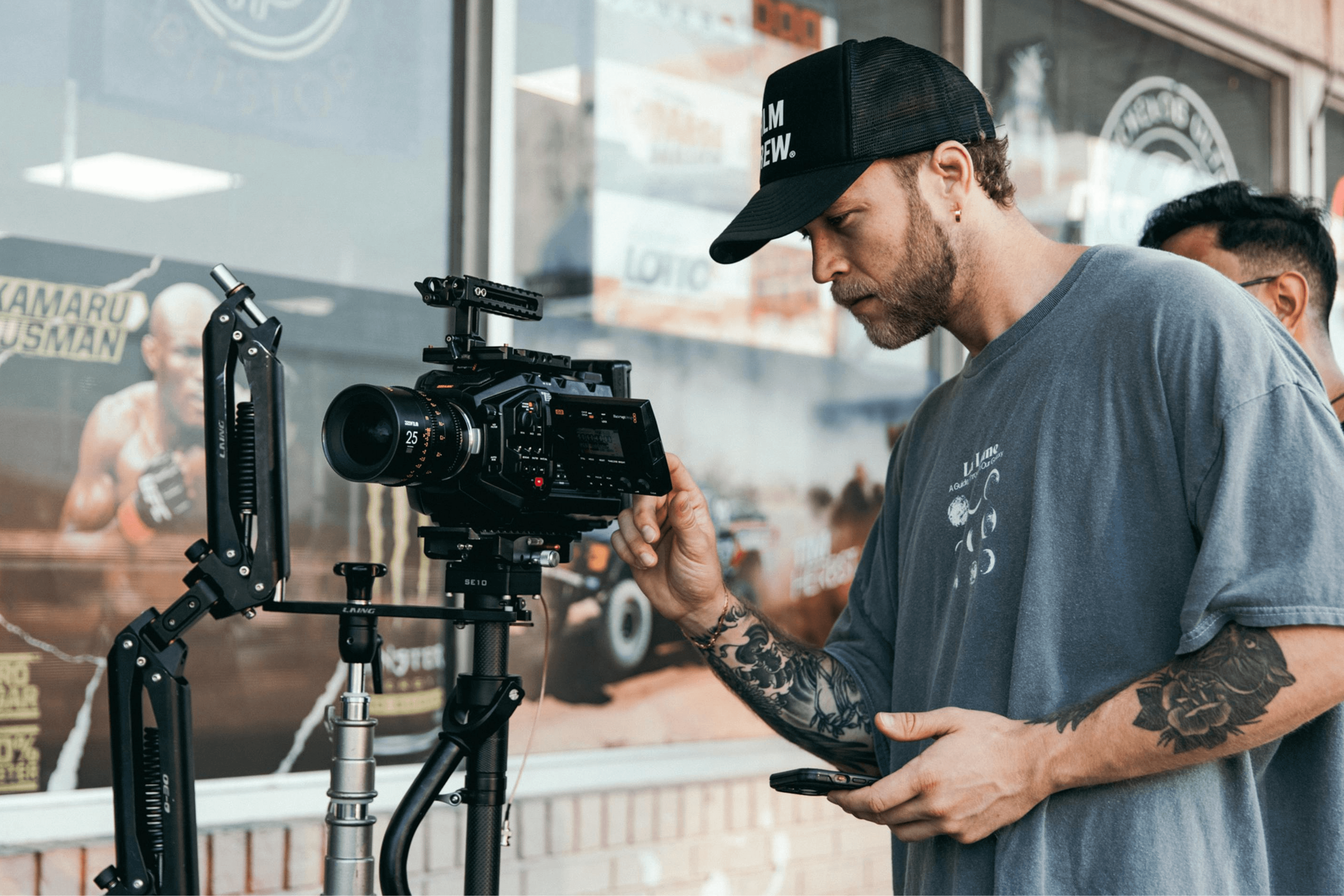
- Technical crew and equipment operators: Camera, lighting, sound, special effects, and other technical roles require hands-on equipment operation, physical adjustment, maintenance, and immediate response to production conditions.
- Venue and event managers: Crowd flow, vendor coordination, safety procedures, permits, inspections, emergencies, and guest experience require on-site leadership. Some planning can be remote, but the event itself cannot be managed entirely off-site.
- Talent agents and casting directors: Virtual communication is common, but auditions, relationship-building, sensitive negotiations, client meetings, and high-stakes representation often still rely on in-person interaction or secured meeting spaces.
- Entertainment law specialists and regulatory compliance officers: Some document review and client communication can be remote, but courtrooms, licensing boards, regulatory offices, jurisdiction-specific procedures, and supervision requirements can require physical presence.
How to plan if you want flexibility
Students who want remote flexibility do not necessarily need to avoid these careers, but they should enter them with realistic expectations. A hybrid strategy may work better than a fully remote goal. For example, a venue professional might move into event strategy, sponsorship operations, ticketing analytics, or consulting. A production professional might develop remote-compatible skills in budgeting, scheduling, post-production coordination, or production accounting.
Some students also build complementary creative or technical credentials that support remote specialist work. For instance, a graphic design bachelor degree may help with remote-capable roles in entertainment marketing, branding, digital assets, or content production support.
The main trade-off is clear: many on-site entertainment careers offer direct industry exposure, strong networks, and hands-on experience, but they may limit geographic freedom. Career planning should weigh remote work opportunities alongside compensation, employment stability, advancement potential, and personal fit.
A graduate degree can improve remote work access for entertainment business professionals, but usually indirectly. The credential itself does not guarantee remote eligibility. Its value comes from helping graduates qualify for senior, specialized, analytical, strategic, academic, or management roles where employers are more willing to offer autonomy.
Data from sources including the NACE First-Destination Survey and LinkedIn Workforce Insights show that employers often reserve remote privileges for professionals who can work independently, manage projects, lead teams, protect sensitive information, and deliver results without close supervision. Graduate education may accelerate movement toward those roles, especially when paired with relevant experience.
Graduate credentials that may support remote access
- Professional master's degrees: These can prepare graduates for senior individual contributor, management, strategy, analytics, finance, marketing, or operations roles that are more likely to include remote flexibility.
- Doctoral programs: Doctoral graduates may pursue academic, research, consulting, or independent analysis careers that often provide significant autonomy and remote work potential.
- Specialized graduate certificates: Certificates in analytics, digital marketing, project management, finance, intellectual property, or technology-related areas may help candidates target remote-friendly niches without completing a full degree.
- Credential vs. remote eligibility: Some graduate credentials mainly improve advancement or compensation prospects without meaningfully expanding remote access. Applicants should examine job postings before assuming the degree will change work-location options.
Alternatives to graduate school
- Build seniority: Start in a remote-compatible role and earn flexibility through trust, performance, and institutional knowledge.
- Develop technical skills: Learn the software, analytics tools, content systems, financial platforms, or project management methods used in remote entertainment roles.
- Target remote-first employers: Companies with established distributed teams may offer stronger remote access than traditional employers, even for candidates without graduate credentials.
- Use portfolio evidence: A strong record of remote project delivery can sometimes matter more than an additional degree.
Before enrolling in graduate school, compare cost, time, opportunity cost, target roles, and expected career mobility. The best choice is not simply the highest credential; it is the path that most efficiently moves you toward the specific remote-capable career you want.
The fastest entry-level routes to remote work in entertainment business are usually found in digital-first employers and roles with clear, measurable deliverables. New graduates are more likely to receive immediate remote access when the company already has remote infrastructure, documented processes, regular check-ins, and managers experienced with early-career remote employees.
Analytics from LinkedIn and Ladders show that early-career remote access is most common in companies with transparent performance metrics, virtual collaboration systems, and consistent policies across experience levels.
Entry-level roles with stronger remote potential
- Digital marketing coordinator: These roles often involve campaign calendars, email marketing support, paid media coordination, basic analytics, content uploads, and performance reporting. Because outputs are visible in dashboards and schedules, managers can evaluate work remotely.
- Content licensing assistant: Entry-level licensing roles may involve rights tracking, contract organization, metadata updates, partner communication, and internal reporting. Secure cloud systems can make this work remote-compatible when training and supervision are structured.
- Social media analyst: Analysts track engagement, trends, audience sentiment, platform performance, and competitor activity. The work is digital by nature and can be managed remotely with clear reporting expectations.
- Project coordinator in remote-first entertainment startups: Startups with distributed operations may hire coordinators to manage schedules, meeting notes, task boards, stakeholder updates, and launch logistics online.
Where entry-level remote access is slower
Traditional studio production support, talent management, casting, venue operations, and live-event roles often require an initial on-site period. Employers may want new hires to learn industry norms, build trust, observe workflows, handle sensitive situations, and develop relationships in person before granting hybrid flexibility.
Immediate remote work has trade-offs. It can provide flexibility and geographic access, but it may reduce informal mentorship, spontaneous feedback, and networking opportunities that help early-career professionals advance. A strong compromise is a hybrid role with structured mentorship, scheduled in-person learning, and remote days for digital tasks.
Entry-level applicants should ask specific questions during interviews: How is remote training handled? How often are check-ins scheduled? What tools does the team use? Are junior employees eligible for the same remote policy as senior staff? Is travel expected for events, launches, or client meetings? These answers reveal whether the job is truly remote-ready or only loosely flexible.
What Graduates Say About the Entertainment Business Degree Careers Most Likely to Be Remote in the Future
- : "The entertainment business degree really opened my eyes to how quickly the industry is embracing remote work. Adoption rates have soared beyond what I expected just a few years ago. What surprised me most was the deep dive into task-level compatibility analysis, which helped me understand exactly which roles flourish remotely and which need on-site presence. I feel well-equipped to navigate this changing landscape because of the program's focus on technology proficiency requirements. Those skills are essential for anyone looking to thrive in virtual settings. —Dante"
- : "Reflecting on my experience in entertainment business, I can say the program's thorough examination of industry and employer remote culture assessment was invaluable. It taught me to carefully evaluate which companies truly support remote flexibility versus those that only pay lip service to the idea. Also, knowing about freelance and self-employment alternatives gave me the confidence to carve out my own path in this evolving field without geographical constraints, which is a huge relief in today's market. —Collin"
- : "I approached the entertainment business degree with a professional mindset, and the curriculum exceeded expectations by focusing on the long-term remote work trajectory for the most promising careers. It became clear early on that certain roles are not only compatible with remote setups but will likely lead industry trends in the coming decade. The program's emphasis on technology proficiency is no joke. This is a must-have skill set that keeps you competitive and adaptable, especially in an environment where geographic constraints are becoming less relevant. —Dylan"
Other Things You Should Know About Entertainment Business Degrees
The 10-year employment outlook for entertainment business careers with the lowest unemployment risk remains stable to moderately positive.
Roles in digital content management, marketing coordination, and media analytics - which increasingly support remote setups - are expected to grow steadily as demand for online entertainment and streaming continues to expand. This makes them some of the safest bets for long-term remote work opportunities.
Mid-career roles in entertainment business that are most in-demand often involve project management, digital marketing strategy, and data analysis related to media consumption.
These roles require technical skills and adaptability to remote communication tools, making them well-suited for remote work environments. Professionals with credentials in media distribution and audience engagement have particular advantages in accessing these mid-career remote roles.
Freelance and self-employment options significantly impact unemployment risk for entertainment business graduates by providing flexible income streams and reducing dependency on traditional employer-based roles. Freelancers in content production, social media management, and event coordination often pivot easily to remote work, maintaining steadier employment during market fluctuations.
However, success in freelance work depends heavily on networking and entrepreneurial skills.
By 2026, careers in digital content creation, social media management, virtual event planning, and online marketing are most likely to be remote. The demand for digital solutions in entertainment continues to drive remote work trends, enabling flexibility and global collaboration in these fields.
- Top News + Entertainment Companies Hiring Remote (135) https://builtin.com/companies/hiring/remote/type/news-entertainment-companies
- Remote Work in the Entertainment Industry | CloserHire Blog https://www.closerhire.com/blog/remote-work-entertainment
- Benchmarking remote work in state and local government https://www.civicpulse.org/post/benchmarking-remote-work-in-state-and-local-government
- 5 In-demand IT Roles in the Media & Entertainment Industry https://www.vbeyond.com/blog/5-in-demand-it-roles-in-the-media-entertainment-industry/
- The Future of Jobs: Top 10 Specialties to Look Out for in the Next Decade | Education Blog https://21clradio.com/job-market-trends-next-decade
- Remote And Hybrid Work In The Entertainment Industry: ZipDo Education Reports 2026 https://zipdo.co/remote-and-hybrid-work-in-the-entertainment-industry-statistics/
- Which entertainment jobs are most likely to be disrupted by AI? New study has answers https://www.latimes.com/entertainment-arts/business/story/2024-01-30/ai-artificial-intelligence-impact-report-entertainment-industry
- What Role Does Entertainment Technology Play in Creating Better Experiences? - Xperi https://xperi.com/blog/what-role-does-entertainment-technology-play-in-creating-better-experiences/
- 10 Critical Tech Roles Needed in the Media and Entertainment Industry https://insightglobal.com/blog/it-roles-in-media/
- Top 5 Entertainment Industry Jobs That Will Dominate 2025 • Blog • allcasting https://allcasting.com/blog/industry-news/top-entertainment-jobs-2025