2027 Physical Education Degree Levels Explained: Bachelor's vs Master's vs Doctorate

Co-Founder and Chief Data Scientist
Choosing the right level of physical education degree can be daunting for those seeking to advance in sports coaching, healthcare, or academic roles. For instance, an aspiring athletic trainer may face limited job prospects with only a bachelor's degree, while over 30% of jobs in this field require at least a master's. With the job market evolving and specialization growing, understanding degree distinctions is crucial.
This article will clarify differences between bachelor's, master's, and doctorate degrees in physical education, helping readers align their education choices with career objectives and industry demands.
Key Things to Know About Physical Education Degree Levels
- Bachelor's degrees offer foundational knowledge with broader career options like teaching, while master's and doctorates provide specialization and higher leadership roles in research or administration.
- Graduates with master's or doctorates typically access advanced careers, such as athletic director or university professor, contrasting with entry-level teaching positions common to bachelor's holders.
- Completing a bachelor's averages four years and moderate cost, whereas master's requires two additional years with increased expense; doctorates demand 3-6 years, signifying the greatest time and financial investment.
How Are Physical Education Degree Levels Structured Academically?
Choosing the right level of physical education degree program depends on understanding the distinct academic structures that shape each degree. Recognizing these differences helps prospective students align their educational path with their career aspirations and readiness for scholarly challenges.
The key aspects of how physical education degree programs are structured academically in the United States include:
- Coursework Intensity: Bachelor's programs cover foundational topics like anatomy, physiology, kinesiology, and basic teaching methods to build a broad knowledge base suitable for entry-level roles or further study.
- Research Requirements: Master's degrees increase focus on research methods and critical analysis, often requiring a capstone project or thesis that emphasizes applied research, distinguishing them from bachelor's programs.
- Academic Rigor: Doctoral programs demand original research, theoretical advancement, and leadership skills, with candidates producing dissertations that contribute new insights to the field. This level is significantly more rigorous than preceding degrees.
- Independent Study: Expectations for self-directed learning and scholarly contribution grow progressively, with doctoral students engaging in substantial autonomous research compared to the guided learning in bachelor's and master's programs.
For professionals seeking advanced credentials, options such as BCBA masters programs online offer specialized tracks that can complement or enhance physical education expertise and career pathways.
Understanding the differences in academic requirements for bachelor's, master's, and doctorate degrees in physical education enables informed decisions tailored to individual growth and professional goals.
What Do You Learn in a Bachelor's Degree in Physical Education?
A bachelor's degree in physical education is designed to build foundational knowledge and skills for entry-level careers or further academic pursuits. This education blends theoretical concepts with practical experience, equipping students to succeed in diverse roles. The bachelor's degree curriculum in physical education typically covers essential subjects and opportunities that prepare students effectively.
- Core Coursework: Programs emphasize anatomy, physiology, kinesiology, motor learning, and exercise science to help students understand human movement and physical performance comprehensively.
- General Education: Courses in communication, psychology, and nutrition expand students' perspectives and improve their ability to engage with diverse populations and health contexts.
- Practical Experience: Internships, practicum placements, and lab work provide hands-on opportunities for real-world application of theory, allowing students to gain valuable field experience.
- Skill Development: Students cultivate critical thinking, leadership, and instructional skills vital for promoting physical wellness and effective teaching or coaching.
- Career Preparation: The curriculum readies graduates for roles in schools, community programs, and fitness organizations, while also establishing a strong base for advanced study, such as pursuing a fast track social work degree online or other graduate options.
Overall, understanding the core subjects in physical education bachelor's programs ensures graduates are well-prepared to impact health promotion and physical activity positively across various settings.

What Specializations Are Available in a Physical Education Master's Degree?
Specialization options are key when evaluating master's programs in physical education, as they enable students to tailor their studies to match specific career objectives, industries, or skill development areas. Selecting the right focus helps cultivate expertise that aligns with targeted professional roles or advanced academic pursuits.
- Exercise Science: Concentrates on human physiology, biomechanics, and fitness evaluation. Coursework prepares students for careers in personal training, rehabilitation, or clinical exercise roles.
- Kinesiology: Emphasizes body movement and motor control, supporting career paths such as athletic training and physical therapy assistance.
- Sports Management: Combines leadership skills with organizational knowledge, suited for roles in sports marketing, facility oversight, and athletic administration.
- Adapted Physical Activity: Focuses on creating inclusive fitness and activity programs for individuals with disabilities, applicable to therapeutic recreation and special education settings.
- Health Promotion: Centers on community health and prevention strategies, preparing students for jobs in public health, corporate wellness, and health education.
Choosing the right doctoral degree in physical education is essential, as each type caters to different career ambitions and academic interests. In fact, doctorate completions in kinesiology and related health fields have increased by roughly 15% over the last ten years. Below is an overview of the primary doctoral paths available:
- Professional Doctorates: These include degrees like Doctor of Physical Therapy (DPT) or Doctor of Education (EdD) with a focus on physical education. They emphasize practical skills, leadership, and applying research to solve real-world problems, often leading to roles in administration or clinical practice.
- Research-Focused Doctorates: Typically a PhD in physical education or kinesiology, these programs prioritize original research, theoretical understanding, and methodological expertise. Graduates commonly pursue careers in academia, research organizations, or policy-making, culminating in a dissertation based on new knowledge.
- Specialized/Interdisciplinary Tracks: These programs combine physical education with related areas such as biomechanics, motor learning, or sports psychology. They offer customized curricula to align with specific professional goals in education, applied fields, or research.
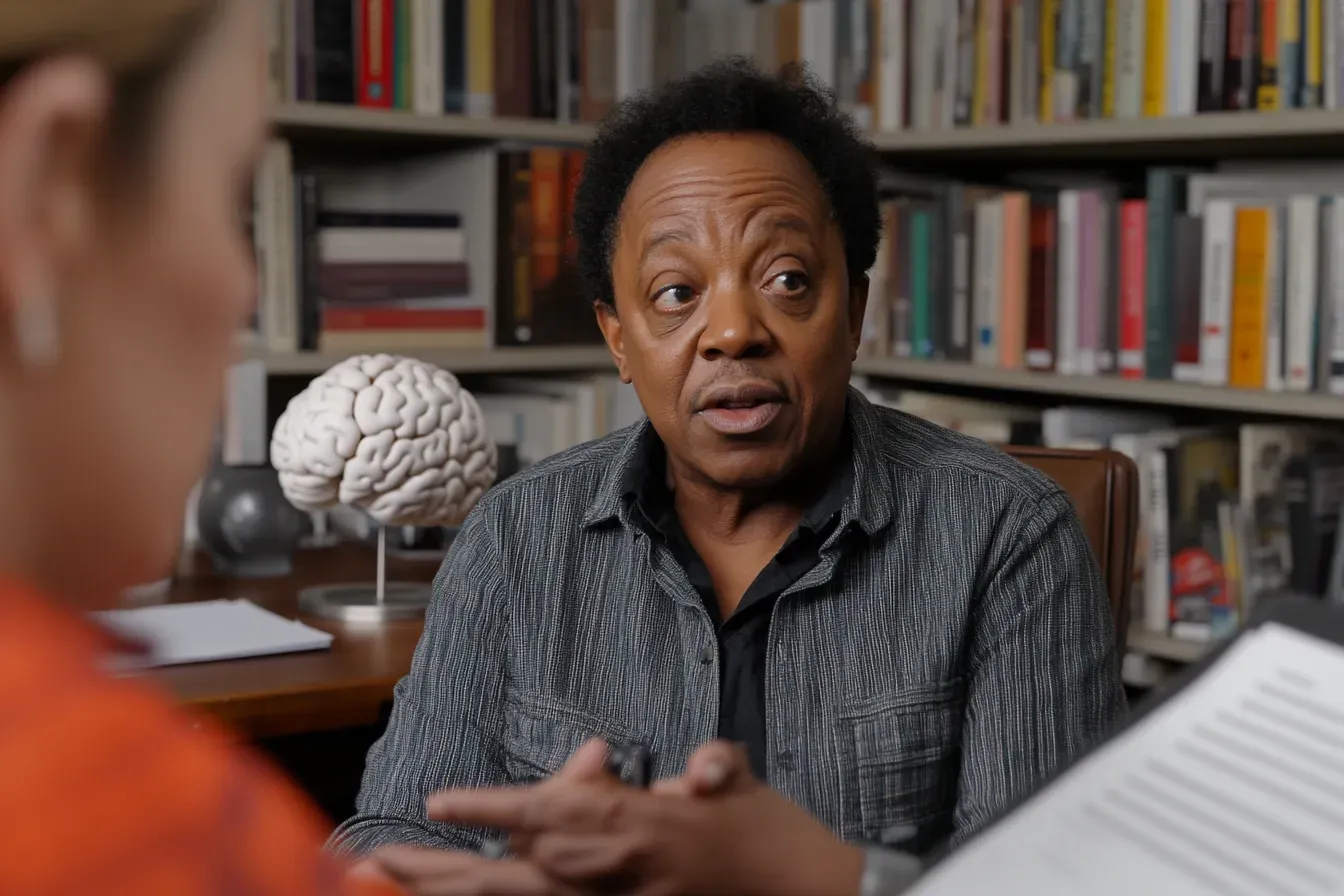
When I asked a graduate of a doctorate physical education program about his experience, he described the journey as "both demanding and deeply rewarding." He explained that balancing intensive coursework with original research was a significant challenge, requiring strong time management and resilience. The dissertation process, in particular, felt like navigating "uncharted territory," but it ultimately offered a sense of profound accomplishment. He emphasized that the diverse nature of the program helped him build skills beyond academics, preparing him comprehensively for his career ahead.
Knowing admission requirements is crucial for prospective students comparing bachelor's, master's, and doctoral physical education programs. These criteria help applicants gauge eligibility and prepare necessary documents for each degree level.
Bachelor's
- Educational Background: A high school diploma or equivalent is typically required, ensuring foundational readiness for college courses.
- GPA Expectations: Most programs look for a minimum GPA between 2.5 and 3.0, reflecting basic academic performance standards.
- Standardized Tests: Some institutions may request SAT or ACT scores to evaluate general college preparedness, though this varies.
- Prerequisite Courses: Coursework in biology, health, or kinesiology is often recommended to establish foundational knowledge but is not always mandatory.
Master's
- Degree Requirement: Applicants generally need a bachelor's degree in physical education or a closely related field, demonstrating subject area competence.
- GPA Standards: A higher GPA, commonly above 3.0, is expected to reflect advanced academic ability.
- Supporting Documents: Letters of recommendation and a statement of purpose are usually necessary to showcase motivation and suitability.
- Experience: Relevant professional or volunteer work strengthens an application by evidencing practical engagement.
- Additional Tests and Coursework: Some programs require GRE scores and specific prerequisite classes to ensure adequate preparation.
Doctorate
- Prior Degree: A master's degree in physical education or a related discipline is mandatory, confirming expert-level academic standing.
- Academic Achievement: High GPAs are essential to demonstrate scholarly capability.
- Research and Experience: Applicants should have substantial research involvement or professional experience pertinent to physical education.
- Recommendations and Proposals: Multiple letters of recommendation and a research proposal or writing samples are required to assess research potential.
- Standardized Testing: GRE scores are often requested to further evaluate readiness for doctoral study.

Completion times for bachelor's, master's, and doctoral physical education degrees vary significantly due to program requirements and personal circumstances. Generally, a full-time bachelor's degree takes around four years, while master's programs add approximately two more years, and doctoral studies often require four to six years beyond that. The National Center for Education Statistics notes the average duration for related bachelor's degrees is about 4.5 years, reflecting part-time study and other delays.
Several factors can influence how long it takes to finish a program, including:
- Enrollment Status: Full-time students usually complete degrees faster than part-time learners, who may extend their timeline to balance work or family commitments.
- Credit Transfers: Transferring previously earned credits or prior coursework can reduce the number of required classes, shortening program length.
- Prior Experience: Relevant work or academic background may allow students to bypass certain requirements or accelerate progression.
- Program Format: Online, hybrid, and in-person settings can impact pacing, with flexible programs often accommodating varied schedules but potentially lengthening duration.
- Additional Requirements: Elements like thesis projects, internships, or comprehensive exams can add time depending on their scope and individual pace.
When I spoke with a graduate of an online master's physical education program, she described her experience as "both challenging and rewarding." Balancing coursework with a full-time job required disciplined scheduling and occasional sacrifices, yet the flexibility of the online format allowed her to stay on track. She emphasized the importance of self-motivation and time management, stating, "There were moments when deadlines felt overwhelming, but completing the research project gave me a real sense of accomplishment." Her journey highlighted how an online master's degree can fit into busy lives without compromising educational depth or career advancement.
Knowing the total cost of a physical education degree at each level helps prospective students compare programs and manage their finances effectively. Below are key factors influencing costs across bachelor's, master's, and doctoral levels.
- Bachelor's Tuition: Typically charged per credit hour, bachelor's programs require about 120-130 credits. This often makes the total cost the highest among degree levels. Full-time students may pay a fixed semester rate, while part-time learners pay per credit, affecting overall duration and expenses.
- Master's Costs: Master's degrees usually involve 30-45 credits with higher per-credit tuition than bachelor's programs. While shorter in length, mandatory fees such as technology and lab fees can add several hundred to thousands of dollars annually. Materials or specialized equipment may increase costs for practical courses.
- Doctoral Expenses: Doctoral physical education degrees vary widely depending on research and dissertation needs. Credit requirements might be lower, but additional costs for conferences, research activities, and extended study time increase the total investment. Flexible part-time enrollment can spread out expenses over more semesters.
- Additional Fees: All levels face mandatory fees including tech, activity, and lab fees, alongside potential material costs like specialized clothing or fitness devices in physical education programs. These should be factored into the anticipated budget alongside tuition.
For prospective students exploring options and budgeting for a degree, understanding average tuition for physical education bachelor's master's doctorate programs and related costs is essential. Those interested in alternatives might also consider an online psychology degree for flexible learning paths and potentially different cost structures.
Financial aid plays a vital role in making physical education degree programs affordable and accessible for students at the bachelor's, master's, and doctoral levels. About 43% of undergraduate students receive some form of financial aid, with average aid amounts exceeding $15,000 each year. Below are some key financial aid options to consider when exploring scholarships and grants for physical education students and related funding sources.
- Grants and Scholarships: These are typically merit- or need-based awards that do not require repayment. Offered by government programs, private organizations, and professional associations connected to physical education, they help reduce tuition and educational expenses significantly.
- Federal Student Loans: Providing low-interest borrowing with flexible repayment plans, federal loans are a common choice for students pursuing physical education degrees. They often present more favorable terms compared to private loans.
- Private Loans: Generally carrying higher interest rates and less flexible conditions, private loans are usually considered only after exhausting federal and other aid options.
- Work-Study Programs: These offer part-time job opportunities that allow students to earn money while gaining experience related to their field of study, helping offset living and educational costs.
- Employer Tuition Assistance: Working professionals pursuing advanced physical education degrees may benefit from employer-sponsored tuition programs that cover part or all of their education expenses, easing financial burdens during career advancement.
- Military Education Benefits: Eligible veterans and service members can use military education benefits, such as the GI Bill, to substantially reduce or cover tuition and related costs.
Finding the right balance between financial aid and educational goals is essential for anyone considering physical education programs. Evaluating these options alongside career aspirations can help prospective students choose the degree level that aligns best with their long-term plans. For insights into how physical education ties into broader workforce trends, check out this majors that make the most money resource.
Career opportunities in physical education expand significantly with higher degree levels, offering diverse pathways for growth and specialization. Understanding these options helps students plan their education and professional trajectory effectively to match their goals.
Bachelor's Degree
- Physical Education Teacher: Graduates often work in schools instructing students on fitness, sports, and health, focusing on promoting physical activity and wellness.
- Fitness Trainer: Entry-level fitness trainers design exercise programs and guide individuals or groups in gyms or community centers to improve physical health.
- Sports Coach: This role involves coaching athletes in various sports, emphasizing skill development, teamwork, and physical conditioning.
Master's Degree
- Athletic Trainer: Professionals at this level provide specialized injury prevention, diagnosis, and rehabilitation services, often working with athletes and active individuals.
- Exercise Physiologist: These specialists analyze fitness levels and devise programs based on scientific assessment, enhancing performance and wellness.
- Wellness Program Manager: Leadership roles such as managing wellness initiatives in schools, corporations, or healthcare settings become accessible with a master's degree.
Doctorate Degree
- University Professor: Doctoral graduates often teach at the college level, conducting advanced research and mentoring future professionals in physical education career paths by degree level.
- Research Scientist: These experts lead innovative studies to advance knowledge in exercise science, health, and education policy.
- Policy Advisor: Roles include shaping health and education policies, consulting on physical education programs, and leading community or governmental initiatives.
For those considering online options, exploring the easiest bachelor degree to get online may also be useful in identifying flexible paths into physical education careers. Job opportunities with physical education bachelor master and doctorate degrees become clearer when students understand how each degree aligns with specific professional roles and advancement potential.
Salary differences are a key consideration for those choosing between bachelor's, master's, and doctorate degrees in physical education, as earnings often reflect the value of additional education and experience. Comparing typical salary ranges helps clarify which degree might best support your career ambitions and financial goals. Below is an overview of average earnings by degree level:
- Bachelor's Degree: Graduates with a bachelor's degree in physical education usually start with annual salaries between $40,000 and $55,000, varying by geographic location and employment sector.
- Master's Degree: Those holding a master's degree often earn more, with average yearly wages ranging from $55,000 to $70,000. This bump is largely due to advanced qualifications that enable access to specialized or supervisory roles.
- Doctorate Degree: Salary prospects improve substantially for doctorate holders, who typically make upwards of $80,000 a year. These positions tend to involve academia, research, or leadership roles within athletic organizations.
While the trend favors higher degrees correlating with better pay, individual salaries also depend on factors like practical experience, job location, and the particular segment of the industry employed in.
What Graduates Say About Their Physical Education Degree Level
- Meredith: "Choosing to study a bachelor's degree in physical education was one of the best decisions I've ever made, especially considering the average cost hovered around $20,000 per year. The investment was significant, but completing the program opened doors to rewarding coaching and community health roles that truly align with my passion. I'm grateful for how this education shaped my career trajectory. "
- Karl: "Reflecting on my master's degree journey in physical education, the tuition fees, which averaged about $25,000 annually, initially seemed daunting. However, the advanced knowledge and research skills I gained have been invaluable in my profession, enabling me to design effective training programs and contribute meaningfully to sports science. The cost felt justified as it brought both personal growth and professional credibility."
- Alexander: "Pursuing a doctorate in physical education was a rigorous and costly endeavor, with expenses reaching upwards of $30,000 per year, but it was a strategic move for my career in academia and leadership. The degree not only enhanced my expertise but also allowed me to influence curriculum development and mentor future educators, making every dollar spent worth it. Maintaining a professional perspective, I acknowledge the investment as essential for my role in the field."
Other Things You Should Know About Physical Education Degrees
While a bachelor's degree may open some entry-level opportunities, a master's degree is often required for more advanced roles in physical education administration. It provides specialized knowledge and skills needed for leadership positions, policy-making, and program management, making it crucial for career advancement in this field.
A doctorate prepares individuals for conducting original research and contributing new knowledge to the field of physical education. It is often necessary for securing faculty positions at universities or working in high-level research institutions. Doctoral graduates also frequently develop expertise in developing evidence-based practices and influencing policy.
Yes, most doctorate programs in physical education expect students to complete an internship or field experience. This requirement is designed to provide hands-on practice, critical for developing advanced teaching or research skills in real-world settings.
- The Lowdown on Master's versus Ph.D. Degrees https://www.oedb.org/advice/masters-vs-phd-degrees-for-graduate-students/
- MPT vs DPT: What You Need To Know https://radiusstaffingsolutions.com/physical-therapy-mpt-dpt/
- Undergraduate Programs https://www.uaeu.ac.ae/en/catalog/undergraduate/programs/bachelor-of-education-in-health-and-physical-education.shtml
- 3 Bachelor Degree Physical Education Scholarships available https://www.hotcoursesabroad.com/study/international-scholarships/all/bachelor-degree/physical-education/cid/124/ma.2/scholarship.html
- Different types of university degree levels https://www.torrens.edu.au/stories/blog/student-life/different-types-of-university-degree-levels
- DPT vs. PT Degrees: What's the Difference? | Brooks Rehabilitation https://careers.brooksrehab.org/therapy/physical-therapy/dpt-vs-pt/
- 5 Top Physical Therapy Majors to Prepare for a DPT | USAHS https://www.usa.edu/blog/5-best-undergraduate-degrees-for-physical-therapy/
- Physical Education Teaching and Coaching https://www.fastweb.com/directory/scholarships-for-physical-education-teaching-and-coaching-majors
- Masters Degrees in Physical Education https://www.postgraduatesearch.com/pgs/search
- Physical Education Scholarships https://www.collegescholarships.com/major-degree/physical-education-scholarships