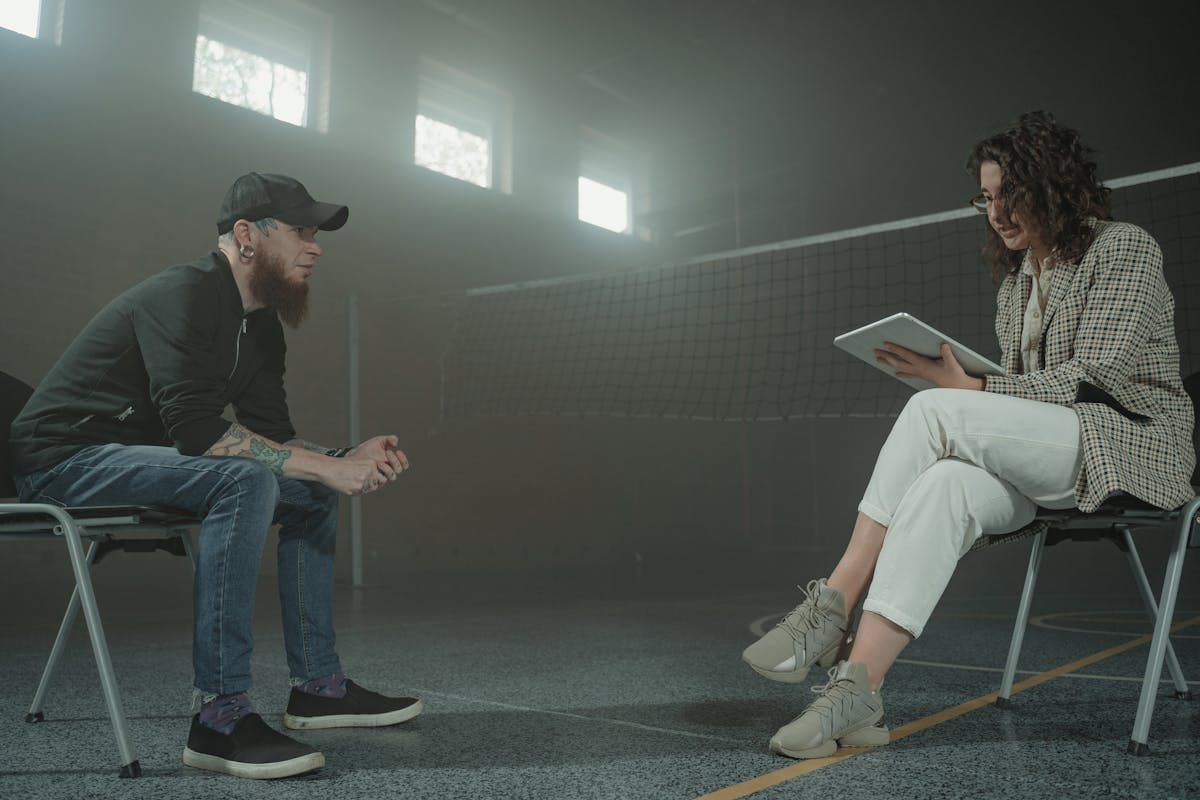
2027 Online Forensic Psychology Bachelor's Degree Programs With No Prerequisites

Co-Founder and Chief Data Scientist
Many aspiring professionals seek to enter forensic psychology but face barriers due to prerequisite courses required by traditional programs. This challenge limits access for career changers or those without related academic backgrounds. The Bureau of Labor Statistics forecasts a 13% growth in psychology-related employment through 2032, reflecting rising demand for forensic psychology expertise.
This article examines online forensic psychology bachelor's degree programs with no prerequisites, offering accessible pathways for those aiming to pivot careers. It highlights options designed for flexibility and accelerated entry to help prospective students overcome educational barriers and meet industry needs.
Key Benefits of Online Forensic Psychology Bachelor's Degree Programs With No Prerequisites
- Online forensic psychology bachelor's programs with no prerequisites offer flexible scheduling, allowing working adults to balance education with career and personal commitments effectively.
- These programs accelerate skill acquisition by providing streamlined curricula designed for immediate application in forensic or criminal justice fields.
- Students can build valuable credentials affordably and efficiently, with many options fitting diverse timelines and budgets without compromising accreditation standards.
What Does 'No Prerequisites' Mean for Online Forensic Psychology Bachelor's Degree Programs, and Who Benefits Most?
When an online forensic psychology bachelor's degree program advertises no prerequisites, it means applicants are not required to have completed specific prior college courses, standardized tests, or related academic credentials before enrollment. This differs from open admission policies, which allow nearly anyone to enroll but typically still require a high school diploma or equivalent, and from low-barrier enrollment, which reduces administrative obstacles without necessarily eliminating all academic requirements. No-prerequisite programs often streamline entry so students can begin coursework without delay or prior specialized preparation.
This enrollment model especially benefits several groups. Career changers seeking forensic psychology degrees without formal academic backgrounds can start fresh. Working adults needing flexible options without upfront coursework barriers find access easier. Returning learners who paused their education can avoid frustration from re-qualifying through prerequisites. Additionally, first-generation college students often face challenges navigating complex admission criteria, so no-prerequisite forensic psychology degrees provide a clearer, more equitable pathway.
Data from the National Center for Education Statistics (NCES) highlights a steady rise in non-traditional student enrollment, particularly among adults age 25 and older balancing education with work and family responsibilities. These trends confirm growing demand for programs tailored to learners needing flexible access and fewer barriers.
This article will cover:
- Admission Clarity: How no-prerequisite policies differ from open and low-barrier admissions, helping students choose the right pathway for their circumstances.
- Program Quality: Accreditation standards that ensure academic rigor despite easier entry criteria.
- Student Support: Essential resources like tutoring, advising, and financial aid that assist non-traditional learners in succeeding.
- Career Outcomes: Employment prospects and real-world success for graduates in forensic psychology and related fields.
For working adults considering return to education, it's also helpful to explore options such as the most affordable msw programs online which often share some flexible, no-prerequisite enrollment policies applicable to forensic psychology programs as well.
Which Accredited Online Forensic Psychology Bachelor's Programs Accept Students With No Prior College Coursework?
Several regionally accredited institutions offer online forensic psychology bachelor's programs designed for students with no prior college coursework. These programs appeal especially to adult learners and those pursuing career changes by featuring open-admission policies or minimal prerequisites. Some schools waive prerequisites outright, while others provide bridge or foundational courses to support learners transitioning into higher education.
- Arizona State University (ASU) Online: ASU delivers a Bachelor of Science in Forensic Psychology through its College of Liberal Arts and Sciences. Although not fully prerequisite-free, flexible enrollment options and foundational courses help students without prior college experience. ASU is accredited by the Higher Learning Commission (HLC) and serves over 30,000 online students annually.
- Southern New Hampshire University (SNHU): SNHU offers an open admissions policy for its fully online forensic psychology bachelor's degree, accommodating working adults with no previous college credits. The program includes strong academic advising and support services. SNHU holds accreditation from the New England Commission of Higher Education (NECHE) and enrolls more than 135,000 online learners.
- Liberty University Online: This regionally accredited program admits students without college prerequisites and offers optional foundational courses to ease the transition. Liberty University is accredited by the Southern Association of Colleges and Schools Commission on Colleges (SACSCOC) and provides extensive online resources and financial aid assistance.
- University of Massachusetts Lowell (UMass Lowell) Online: UMass Lowell supports nontraditional students through its fully online forensic psychology bachelor's program with pathways for those lacking college experience. It is regionally accredited by NECHE and may require some placement testing or bridge courses.
- National University: Known for serving adult learners, National University offers an online forensic psychology bachelor's degree with no prerequisite college coursework required. Their model features multiple start dates yearly and competency-based education options, enabling motivated students to progress faster. The university is accredited by the WASC Senior College and University Commission (WSCUC).
These accredited online forensic psychology bachelor's programs with open admission policies commonly include flexible scheduling and dedicated student support such as tutoring and career counseling. Prospective students should prioritize regionally accredited schools, confirm financial aid availability, and review credit transfer policies to ensure a smooth educational experience. Evaluating career placement assistance and alumni outcomes also helps in making informed decisions when pursuing a no-prerequisite forensic psychology degree.
For those interested in related accelerated degree options, exploring an accelerated masters in social work might complement career goals in criminal justice and mental health fields.

2026 Update: Career Pathway Checks Before Choosing a No-Prerequisite Program
For 2026, this update adds a closer look at how no-prerequisite online forensic psychology bachelor’s programs align with real career goals and future graduate study, not just easy entry.
- Confirm the curriculum includes forensic psychology, criminal justice, research methods, ethics, and abnormal psychology.
- Check whether the program offers a capstone, internship option, practicum, or applied project.
- Ask if courses prepare students for graduate programs in psychology, counseling, criminology, or social work.
- Review whether faculty have experience in forensic psychology, courts, corrections, victim services, or law enforcement settings.
- Understand that a bachelor’s degree alone does not qualify graduates to work as licensed psychologists.
- Ask about background check requirements for internships or justice-related placements.
These checks help students choose a no-prerequisite program that is not only accessible, but also useful for long-term academic and career planning.
How Do Open-Admission Policies in Online Forensic Psychology Programs Differ From Traditional Selective Admissions?
Open admission in online forensic psychology bachelor's programs allows entry for applicants who meet basic criteria, such as a high school diploma, without requiring prior coursework or competitive selection. This contrasts with selective admissions, which assess applicants' academic records and qualifications, or rolling admissions, which review applications continuously but maintain standards. Conditional admissions permit enrollment contingent on completing prerequisites or remedial work. Institutions like Southern New Hampshire University and Purdue Global openly state their open-admission policies on their admissions web pages, with supporting data available through IPEDS.
Programs with open admission often enroll students with varying levels of academic readiness. To support success, many schools provide developmental courses, orientations, and tutoring to bridge knowledge gaps. This approach helps accommodate learners without traditional academic backgrounds while preserving program quality and accreditation standards. Whether an open-admission forensic psychology program fits your goals depends on your motivation, learning style, and career plans, since these flexible entry points may require strong self-discipline and effective use of campus resources.
Enrollment in open-admission online bachelor's programs, including forensic psychology, has grown by approximately 12% between 2020 and 2023, reflecting increased demand for accessible higher education among working adults and first-generation students.
- Admissions Access: Accepts students meeting minimal criteria without high-stakes testing or prerequisite courses, enabling broad enrollment.
- Student Preparedness: Academic backgrounds vary greatly; schools often offer foundational courses and support services to ensure readiness.
- Documented Policies: Southern New Hampshire University and Purdue Global officially publish open-admission information verified through IPEDS data.
- Policy Differences: Unlike selective or conditional admissions, open admission removes competitive obstacles while maintaining accreditation and support for student success.
- Ideal Candidates: Best suited for career changers or first-generation students needing flexible enrollment but requiring strong motivation and resourcefulness.
A professional who enrolled in an online forensic psychology bachelor's degree program with no prerequisites shared that initial challenges included adjusting to academic expectations without prior coursework and managing time alongside work and family responsibilities. He noted, "The open-admission policy made it possible for me to start, but I quickly realized I had to be proactive in seeking tutoring and engaging with the orientation materials to keep up." He emphasized how the accessible entry was vital to his career shift, yet the real test was adapting to a new academic environment that demanded commitment beyond mere admission.
What Are the Typical Enrollment Requirements for No-Prerequisite Online Forensic Psychology Bachelor's Programs?
The typical enrollment requirements for online forensic psychology bachelor's degree programs with no prerequisites include the following:
- Proof of High School Completion: Nearly all programs require confirmation of a high school diploma or equivalent, such as a GED. This foundational credential remains essential even in no prerequisite online forensic psychology bachelor's program admission criteria, ensuring students have the basic academic preparation for college-level work.
- Age Requirements: Most institutions set a minimum age-commonly 17 or 18 years-before enrollment. Some schools offer dual-enrollment options where younger high school students can start earning college credits early, providing flexible entry points for prospective learners.
- English Proficiency: For applicants whose first language is not English, demonstrating proficiency through tests like TOEFL or IELTS is standard. Proof of prior study in English may also satisfy this requirement, helping maintain academic standards in online forensic psychology bachelor's degree programs.
- Application Materials: Submitting a complete and accurate application-including personal details, educational history, and occasionally a statement of purpose-is crucial. Careful preparation of these documents accelerates processing and admission decisions in open enrollment requirements for online forensic psychology bachelor's degree programs.
- Alternative Pathways: Those without a completed high school diploma can often qualify by earning a GED or enrolling in bridge programs designed to prepare students for full admission. Programs with open admissions often support these routes, promoting access while upholding essential standards.
For more information on flexible options that might suit career changers and first-generation students, consider exploring the accelerated paralegal certificate programs, which demonstrate similar open enrollment strategies and student supports.
Are No-Prerequisite Online Forensic Psychology Bachelor's Programs Available at Regionally Accredited Universities?
Choosing regionally accredited online forensic psychology bachelor's programs-even those without prerequisite requirements-is essential for ensuring a quality education recognized nationwide. Regional accreditation, granted by agencies approved by the U.S. Department of Education and CHEA, sets rigorous academic standards compared to national accreditation, which often serves vocational or career-focused schools. This distinction impacts credit transferability, employer acceptance, and financial aid access.
- Credit Transferability: Credits from regionally accredited schools generally transfer smoothly to other colleges and graduate programs, offering flexibility for future educational goals.
- Employer Recognition: Degrees from regionally accredited institutions carry greater weight among employers, enhancing career prospects in criminal justice, counseling, or social services.
- Financial Aid Eligibility: Eligibility for federal and state aid-including Pell Grants and federal loans-is typically limited to regionally accredited schools, making education more affordable.
- Program Quality Assurance: Regional accreditation guarantees regular evaluation of curricula, faculty credentials, and student support, vital for students entering with no formal prerequisites.
Before applying, prospective students should:
- Confirm Accreditation: Use the U.S. Department of Education's database or CHEA directory to verify the institution's regional accreditation status.
- Check Admission Policies: Ensure the forensic psychology program admits students without prerequisite coursework or has low barriers to entry.
- Verify Financial Aid: Confirm the school participates in federal and state financial aid programs suitable for your needs.
- Assess Student Support: Look for robust academic advising, tutoring, and career services designed for online learners.
A professional who earned her bachelor's in forensic psychology fully online without prerequisites shared that enrolling in a regionally accredited program brought peace of mind during a major career shift. She recalled, "Navigating my first semester was daunting since I was returning after years away from academia, but knowing the program met high standards kept me motivated." She appreciated the accessibility combined with institutional credibility, which helped her secure internships and eventually establish herself in the criminal justice field. Her experience highlights that programs with open admissions can still maintain quality and lead to meaningful career outcomes.

How Do Students Without Academic Prerequisites Catch Up in Online Forensic Psychology Bachelor's Courses?
Online forensic psychology bachelor's programs without academic prerequisites often provide essential supports to help students build foundational skills and succeed academically. These initiatives are crucial for learners who may lack prior coursework and contribute to improved retention and graduation, particularly in flexible programs catering to working adults and career changers.
- Developmental Courses: Many programs include introductory classes that cover essential writing, research methods, and psychology basics. These preparatory courses enable students to develop confidence before advancing to specialized forensic psychology topics.
- Personalized Tutoring: Access to one-on-one tutoring is common, offering tailored assistance that clarifies difficult material, reinforces study techniques, and supports overall coursework comprehension for students with diverse academic backgrounds.
- Peer Mentoring: Some institutions offer peer mentoring programs connecting newcomers with experienced students who provide guidance on academic expectations and effective study habits, fostering community in online environments.
- Bridge Programs and Foundational Modules: Accredited universities such as Arizona State University and Southern New Hampshire University provide specific bridge programs designed to enhance academic skills and discipline knowledge, helping students transition smoothly into college-level forensic psychology studies.
- NSSE Data on Support Impact: Research from the National Survey of Student Engagement shows that strong academic support correlates with higher retention and graduation rates in online programs, highlighting the critical role of ongoing assistance throughout the student experience.
- Self-Assessment and Engagement: Students are encouraged to honestly evaluate their academic preparation before enrolling, use orientation tools, and actively participate in support services like advising and workshops to boost their chances of success.
About 60% of students in online psychology bachelor's programs now take advantage of academic support options, reflecting increasing efforts to make education accessible and effective for all learners.
What Support Services Help No-Prerequisite Students Succeed in Online Forensic Psychology Bachelor's Programs?
Students in no-prerequisite online forensic psychology bachelor's programs often rely on a variety of support services that promote academic success and well-being while juggling work, family, and study commitments. Programs ranked highly by U.S. News Best Online Bachelor's Programs typically offer comprehensive student services designed to reduce dropout rates and encourage degree completion.
- Academic Advising: Students receive personalized guidance on course selection, degree progress, and transfer credits. Advisors use asynchronous communication or scheduled virtual meetings, providing flexible support that fits diverse schedules.
- Mental Health Resources: Confidential access to remote counseling and wellness programs helps students manage common stressors like anxiety, enhancing their ability to persist in their studies.
- Disability Accommodations: Accredited institutions ensure students receive necessary accommodations-such as extended test times or accessible materials-through secure online processes that respect privacy and accessibility.
- Career Counseling: Specialized career services offer virtual workshops, resume reviews, and job placement help geared toward forensic psychology career paths. These resources are crucial for career changers and those entering the workforce or pursuing advanced study.
Recent data indicate that institutions with strong student support report approximately 20% higher retention rates among their online learners, demonstrating the significant impact of these services on degree completion. Selecting a no-prerequisite forensic psychology program with nationally recognized support structures can be a key factor in enduring academic success.
Can Transfer Credits or Prior Learning Assessments Replace Prerequisites in Online Forensic Psychology Programs?
Many online forensic psychology bachelor's degree programs accommodate adult learners by accepting transfer credits and Prior Learning Assessments (PLAs), helping students bypass traditional prerequisite coursework. These options can reduce both the time and cost needed to complete a degree by officially recognizing college-level learning gained outside the classroom.
- Transfer Credit Policies: Accredited schools often accept transfer credits from regionally accredited institutions, allowing students to waive introductory forensic psychology or related general education courses. Limits on transferable credits vary, with some institutions accepting up to 90 semester hours. It is important to confirm whether the forensic psychology department or registrar evaluates transfer credits.
- Prior Learning Assessments (PLAs): PLA programs assess experiential learning through portfolio reviews, challenge exams, and standardized tests such as CLEP and DSST. These assessments help substitute prerequisite coursework for students with relevant work experience or professional certifications, a key resource for prior learning assessments in online forensic psychology programs.
- ACE Credit Recommendations: The American Council on Education (ACE) offers credit recommendations for military training, workplace education, and professional certifications. Programs aligned with ACE guidelines frequently grant credit for ACE-approved training, supporting students who wish to apply workplace or military experience toward their forensic psychology degree.
- Documentation and Submission: Students should compile detailed transcripts, training certificates, military discharge papers, and portfolios to demonstrate their prior knowledge. Early consultation with admissions or transfer counselors is advised to maximize prerequisite waivers based on school policies.
- Institutional Examples and Trends: Institutions like Thomas Edison State University, Excelsior College, and Charter Oak State College are noted for flexible PLA and transfer credit policies, with credit recognition ranging from 30 to 90 hours. A 2023 National Center for Education Statistics report found that over 60% of adult undergraduates use PLA credits to accelerate graduation.
Students seeking degree options that waive traditional prerequisites may also explore programs that emphasize credit flexibility alongside quality and accreditation standards. For working adults interested in broadening their perspectives, related fields offer opportunities-for example, many social media marketing schools also apply rigorous transfer credit policies, demonstrating the growing trend toward flexible credit acceptance in online education.
What Is the Average Time to Completion for No-Prerequisite Online Forensic Psychology Bachelor's Degree Programs?
The average time to complete an online forensic psychology bachelor's degree program generally follows the standard 120-credit-hour framework typical for bachelor's degrees in the United States. However, factors such as enrollment pace, term length, and prior credits significantly influence individual completion timelines. These programs, especially no-prerequisite options, often offer flexible pathways to accommodate working adults, first-generation students, and career changers.
- Credit Hour Requirement: Most forensic psychology bachelor's degrees require about 120 credit hours, which usually means four years of full-time study. Part-time students or those taking fewer credits each term may extend their studies to six years or more.
- Enrollment Pace and Term Length: Increasingly popular accelerated online programs feature eight-week terms instead of traditional 16-week semesters, allowing highly motivated students to finish in as little as three years.
- Prior Credit and Transfer Policies: No-prerequisite forensic psychology degrees admit students with no prior coursework but often accept transfer credits from community colleges or other institutions, reducing time to completion.
- Accelerated and Competency-Based Options: Accredited online programs like those at Western Governors University and Southern New Hampshire University offer competency-based, year-round enrollment formats. This flexibility enables students to progress based on mastery rather than seat time.
- Open vs. Selective Admission Impact: IPEDS data indicates that open-admission online programs with no prerequisites tend to have lower four-year graduation rates than selective programs. Despite this, they widen access to students with diverse academic backgrounds.
- Cost and Opportunity Considerations: Time-to-completion directly affects total tuition and lost earning potential. Evaluating accelerated pathways is vital when assessing no-prerequisite forensic psychology degrees.
For students researching options, identifying accredited, flexible programs with strong student support can make a meaningful difference. More information on accessible, adaptable education pathways is available through resources such as military friendly online colleges, which frequently overlap with institutions offering no-prerequisite forensic psychology degrees.
How Does Tuition Compare Between No-Prerequisite and Standard Online Forensic Psychology Bachelor's Programs?
Tuition differences stem from factors such as institutional funding, program format, and admission criteria.
- Tuition Rates: Open-admission online Forensic Psychology bachelor's programs generally have per-credit costs that are comparable to or slightly lower than those of selective-admission programs. However, evaluating tuition solely by credit hour can be misleading.
- Institutional Type: Public institutions offering no-prerequisite programs often charge lower tuition due to state funding, whereas private colleges with selective admissions tend to have higher rates. Community colleges and regional universities typically provide more affordable open-enrollment options compared to research universities.
- Program Delivery: No-prerequisite programs often feature flexible formats such as self-paced or accelerated tracks. While convenient, these may include technology or material fees that increase the overall expense beyond standard tuition.
- Additional Fees: Students in open-admission programs frequently need to complete foundational or developmental coursework to meet academic requirements. These extra classes usually come with additional fees not found in selective programs, raising the total investment despite lower upper-level per-credit costs.
- Total Cost Consideration: It is crucial to assess the full expense to degree completion rather than just comparing per-credit prices. Some open-admission paths require more credits or remedial courses, which can drive up cumulative tuition compared to standard programs.
Prospective students should evaluate all costs and fees when selecting an online Forensic Psychology bachelor's program to ensure a financially sound decision.
Which Online Forensic Psychology Bachelor's Programs Allow Students To Start Without A High School Diploma Or GED?
Many accredited online forensic psychology bachelor's programs accept applicants holding high school equivalency credentials like the GED or HiSET, providing an alternative path to admission without a traditional diploma. These institutions rely on standards from entities such as the College Board to verify the validity of equivalency credentials, ensuring applicants meet academic readiness requirements.
- Acceptable Credentials: Accredited programs generally recognize GED and HiSET as legitimate substitutes for a high school diploma, allowing students to apply without traditional transcripts.
- Conditional Enrollment: Some schools offer provisional admission to GED holders who must complete skills assessments or remedial courses during early semesters to confirm preparedness for college-level forensic psychology coursework.
- International Applicants: Students with secondary education completed abroad often need an official credential evaluation to prove equivalency, along with demonstrating English proficiency when required.
- Open-Admission Models: Certain institutions maintain open-admission policies catering to working adults and first-generation students, emphasizing support services such as tutoring, advising, and credit transfer evaluations to help students succeed.
- Financial and Academic Support: GED holders are eligible for federal aid similarly to diploma holders, and many programs offer dedicated resources including career counseling and transfer credit assessments to facilitate degree completion.
What Graduates Say About Their Online Forensic Psychology Bachelor's Degree Program With No Prerequisites
- Tobias: "Choosing the online forensic psychology bachelor's degree with no prerequisites was a game-changer for me because it allowed me to start immediately without worrying about previous credits. The affordability was a huge relief, as I could invest in my future without incurring overwhelming debt. Since graduating, I've seen a significant boost in my career prospects and confidence-employers appreciate the specialized knowledge I've gained on my own schedule."
- Rex: "I was drawn to the online forensic psychology degree because it offered flexibility alongside a comprehensive curriculum that fit my busy lifestyle. The cost-saving compared to traditional programs made it possible to pursue this passion without financial strain. Reflecting on my journey, the degree has opened doors to roles I never thought possible, enhancing my credibility and expertise in the criminal justice field."
- Arthur: "Professionally, I knew I needed a strong foundation, and the no-prerequisite online forensic psychology program provided exactly that-easy access without barriers. What stood out most was how economically feasible the program was, which made my decision straightforward. Ultimately, this degree has equipped me with the skills to step confidently into my desired career path, proving that a flexible and affordable online education can truly deliver real-world results."
Other Things You Should Know About Forensic Psychology Degrees
Students enrolling in no-prerequisite online forensic psychology programs in 2027 may have access to financial aid options like federal grants, loans, work-study programs, and scholarships offered by universities. It's essential to complete the FAFSA and also explore institution-specific aid and scholarships tailored to online learners.
Students can expect to dedicate approximately 10–15 hours per week per course for online forensic psychology programs in 2027. This includes video lectures, reading assignments, and participation in discussion forums, all designed to fit flexible schedules for working students.
References
- How Long Does it Take to Become a Forensic Psychologist? https://www.onlineeducation.com/psychology/faqs/how-long-to-become-forensic-psychologist
- Online Colleges with Open Admission Policies https://www.publicservicedegrees.org/online-degrees/online-colleges-with-open-admissions/
- Bachelor of Arts in Applied Psychology – Forensic Psychology https://online.fit.edu/degrees/undergraduate/applied-psychology/forensic-psych/
- How To Become A Forensic Psychologist: Step-By-Step Guide https://www.psychology.org/careers/forensic-psychologist/
- Top 10 Career Paths with an Online Master’s in Forensic Science https://www.stevenson.edu/online/about-us/news/top-10-career-paths-with-an-online-masters-in-forensic-science/
- Requirements To Become a Forensic Psychologist https://www.forensicscolleges.com/blog/htb/how-to-become-forensic-psychologist
- A Guide to On-Campus Vs. Online Forensic Psychology Programs https://www.thechicagoschool.edu/insight/career-development/online-m-a-forensic-psychology-programs-guide/
- Education Needed To Be A Forensic Psychologist https://webapps.cee1.org/virtual-library/bqFvy3/2FE048/EducationNeededToBeAForensicPsychologist.pdf
- education needed to be a forensic psychologist https://checkout.columbiacollege.edu/scholarship/bqFvy3/2FE048/education-needed-to-be-a_forensic__psychologist.pdf
- How many years does it take to comple your undergraduate degree for psychology? - Answers https://www.answers.com/education/How_many_years_does_it_take_to_comple_your_undergraduate_degree_for_psychology