2027 Intelligence Practicum Requirements Explained

Co-Founder and Chief Data Scientist
Meeting practicum requirements presents a significant hurdle for many students pursuing an Intelligence degree in the U. S. Higher education institutions often mandate supervised fieldwork hours, comprehensive background checks, minimum GPA thresholds, and adherence to state or program-specific regulations before graduation or licensure. Failure to understand these multifaceted standards early can lead to delays in certification or entering the workforce. Recent data reveals that nearly 70% of Intelligence students report challenges securing placements that satisfy both academic and professional criteria. This article explains core practicum expectations, variations across states and specializations, and offers guidance to help students navigate these hurdles efficiently and stay on track.
Key Things To Know About Intelligence Practicum Requirements
- Practicum training bridges theoretical knowledge and real-world application-enhancing analytical skills vital for intelligence analysis careers.
- Field experience and internships provide hands-on exposure, fostering professional networks and understanding organizational cultures within intelligence agencies.
- Supervised hours and clinical placements ensure rigorous skill assessment and mentorship, crucial for meeting certification and employment standards in intelligence professions.
What Is A Practicum In Intelligence Program?
A practicum in an Intelligence program provides a vital link between academic theories and practical job skills through structured, supervised fieldwork. These experiences are integrated across many U.S. higher education curricula to meet accreditation standards and employer expectations, helping students develop professional competencies.
Recent research shows that nearly 80% of employers in intelligence-related sectors prefer candidates who have completed practicum or supervised field experiences.
This overview explains the key components that define a practicum experience, highlighting how it supports the transition from classroom learning to workplace readiness:
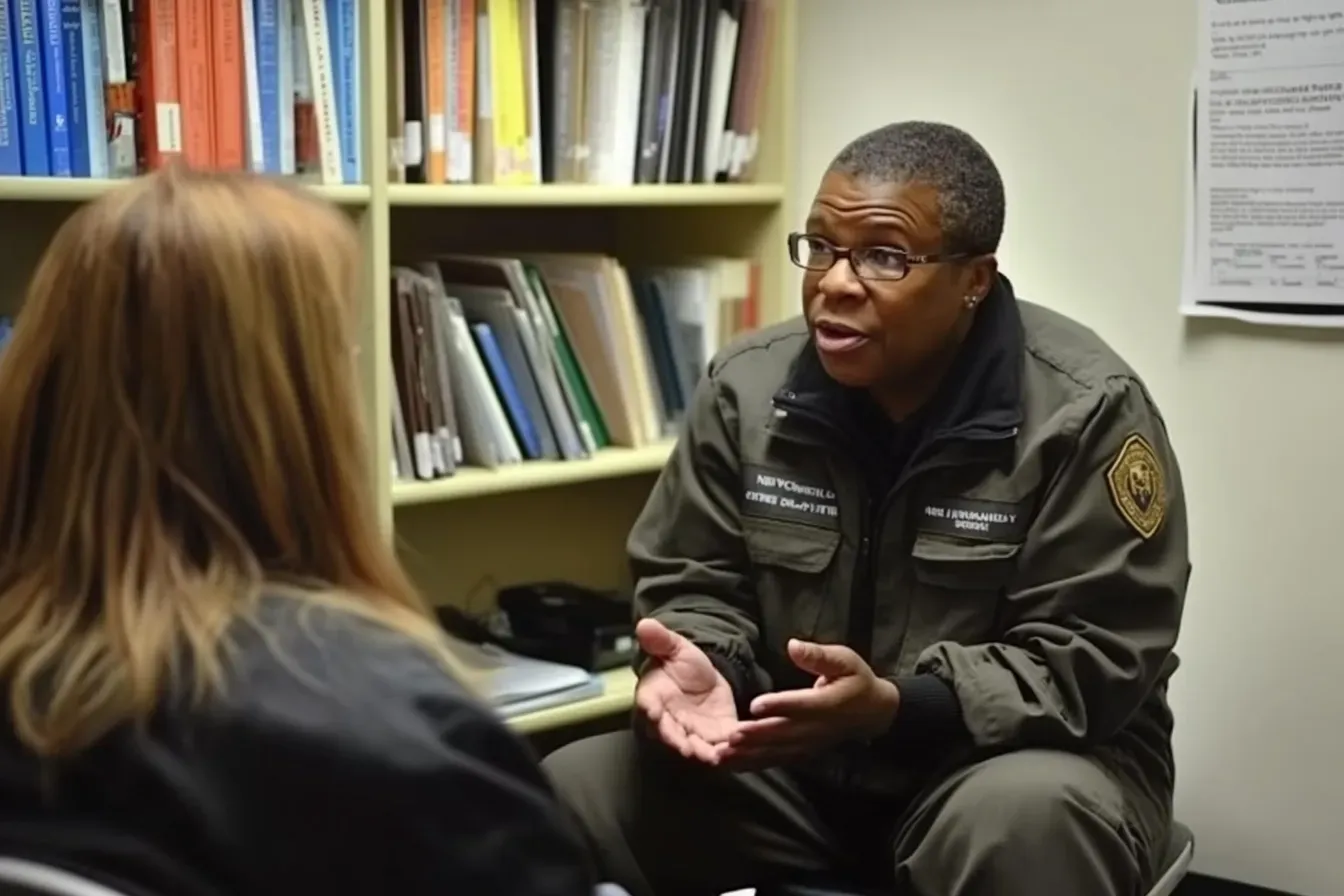
- Supervised Fieldwork: Unlike internships or capstone projects, practicums emphasize closely guided work in environments such as government agencies, research centers, or private firms. This hands-on approach ensures students apply intelligence methods under professional mentorship with ongoing evaluation and feedback.
- Academic Timing and Hours: Typically required during later stages of a degree, practicum requirements often include 100 to 300 hours of on-site work completed over a semester or multiple terms. This ensures sustained exposure to real-world intelligence tasks aligned with program objectives.
- Evaluation and Feedback: Performance is formally assessed by qualified supervisors who measure achievements against predefined learning goals. Structured feedback supports skill refinement, facilitating the development of industry-relevant competencies.
- Eligibility Criteria: Students usually must meet practicum requirements in intelligence programs by completing foundational coursework and maintaining a minimum GPA to qualify for placement. This academic readiness maximizes the value of the field experience.
- Role in Graduation and Certification: Completing a practicum is often a mandatory step toward graduation and professional certification, illustrating its significance beyond a curriculum requirement-embedding experiential learning as an essential career asset.
For students considering how to balance study with practical experience, pursuing the easiest degree to get online may be an option worth examining alongside practicum obligations.
What Are The Eligibility Requirements For Intelligence Practicum?
Practicum eligibility standards in Intelligence programs exist to ensure students are both academically qualified and professionally ready for immersive, supervised field experiences. Research shows that over 75% of graduate programs expect students to demonstrate foundational competencies before placement, enhancing retention and preparedness.
These requirements safeguard program quality and help align experiential learning with real-world demands, bridging theory and practice effectively.
Prospective students generally need to meet several key prerequisites before starting their Intelligence practicum experiences, including:
- Minimum GPA: Most programs require a cumulative GPA of around 3.0 to confirm students have attained sufficient academic mastery of Intelligence-related concepts and methods.
- Prerequisite Coursework: Completion of essential courses-covering topics like intelligence collection methods, data analysis, and ethical frameworks-is mandatory to build the theoretical foundation before hands-on application.
- Competency Demonstration: Students must often prove critical skills such as analytical reasoning, problem-solving, and effective communication via faculty assessments or standardized tests tailored to Intelligence practicum eligibility criteria.
- Faculty Approval: Formal endorsement from academic advisors or practicum coordinators confirms a student meets all program benchmarks and compliance guidelines, ensuring appropriate field placement.
- Administrative Compliance: Given the sensitive nature of Intelligence work, students must complete background checks, drug testing, health screenings, and submit required immunizations and liability waivers based on hosting agency policies.
It is important for students to remain actively enrolled at a designated stage in their program, often after accumulating specified credit hours, and engage in orientation or readiness evaluations that prepare them for practicum expectations. This structure not only develops practical skills but also supports career advancement through valuable mentorship and professional networking opportunities.
Students interested in related certification options, such as marriage and family therapy certification, can similarly benefit from understanding how foundational requirements align with professional competencies.

How Many Practicum Hours Are Required For Intelligence Program?
Practicum hour requirements in Intelligence programs are designed to ensure students gain essential hands-on experience that bridges academic theory and operational realities. These requirements vary widely depending on the institution, state mandates, and accrediting bodies. Research shows that over 70% of employers prefer candidates with practical training that complements their academic credentials.
Several factors influence how practicum hours are defined and fulfilled in Intelligence programs:
- Typical Hour Ranges: Programs usually require between 300 and 600 total hours. Undergraduate tracks often demand fewer hours, while graduate and certification pathways set higher thresholds to match advanced skill expectations.
- Observation vs. Participation: Practicum hours are split between passive observation and active, supervised work. While observation hours introduce students to methods and environments, most hours emphasize direct involvement in intelligence tasks, analysis, or casework.
- Phased Structure: Many programs organize practicums into sequential phases or rotations across different intelligence functions, such as cybersecurity, collection operations, or threat analysis, providing breadth of exposure.
- Supervision and Oversight: Continuous mentor or supervisor guidance is standard, ensuring work quality and professional feedback. Accountability mechanisms often include signed logs and progress evaluations to verify legitimate practicum activity.
- Weekly Time Commitments: Students generally dedicate 10 to 20 hours weekly, typically spread over one or multiple academic terms. Scheduling balances institutional timelines with practical learning needs.
Prerequisite coursework lays the essential groundwork for students before beginning practicum placement, ensuring they possess both theoretical understanding and practical skills necessary for supervised field experience. Academic programs require this foundational training to promote student readiness and professional competence, as research shows that students who complete well-structured preparatory curricula are significantly more likely to achieve practicum success benchmarks.
This sequencing of academic progression is critical in aligning coursework with practicum eligibility across disciplines. Generally, prerequisite courses for intelligence practicum in the United States fall into key academic areas designed to prepare students for applied learning. These include:
- Core Theory: Courses covering fundamental concepts and analytic frameworks provide the intellectual tools students need to understand intelligence processes and practice. This foundation supports transitioning from theory to real-world application.
- Professional Ethics: Instruction on ethical standards and legal considerations equips students to handle decision-making responsibly within intelligence contexts, fostering integrity throughout their practicum experience.
- Research and Assessment Methods: Training in designing studies, data collection, and critical evaluation enhances students' capacity to apply evidence-based approaches during placements and to rigorously assess intelligence outputs.
- Communication Skills: Development of effective writing, speaking, and interpersonal communication is vital for documentation, reporting, and collaborative work typical in intelligence roles.
- Field-Specific Competencies: Depending on program focus, students gain specialized abilities, such as technical expertise or cultural knowledge, tailored to the particular demands of their practicum tasks.
Prerequisite structures may vary among related disciplines like nursing, education, psychology, counseling, or allied health programs but consistently emphasize curriculum sequencing to ensure readiness. Students interested in comparing cost factors or planning their broader academic path might explore resources like psychology degree online cost for additional context on program affordability and structure.
The practicum placement process in intelligence programs is designed to connect academic learning with practical, supervised work experience. Institutions partner with external organizations to provide these hands-on opportunities, ensuring students are well-prepared for professional demands. Research shows that over 80% of employers favor candidates with applicable field experience, underscoring the impact of practicum participation on career readiness.
The process typically involves several critical stages:
- Eligibility Verification: Students must complete specific prerequisites and maintain required academic standards for practicum qualification. Institutions confirm these criteria before allowing placement to proceed.
- Application and Matching: Candidates submit their interests or applications through a designated coordinator, who aligns students' skills and goals with suitable host organizations.
- Host Collaboration: Schools coordinate with external agencies to formalize practicum arrangements, outlining expectations, learning objectives, and compliance with security or legal protocols.
- Screening and Interviews: Prospective students may face background checks or interviews reflecting the sensitive nature of intelligence work. These steps verify their suitability for placement environments.
- Faculty Oversight: Academic staff review and approve placements, monitor progress, and ensure the practicum aligns with curricular standards and accreditation mandates.
- Onboarding and Supervision: After confirmation, students undergo orientation and training, with joint supervision by faculty and site mentors supporting their development throughout the practicum.

Before starting a practicum in Intelligence degree programs, completing various documents is essential to confirm student eligibility and ensure compliance with institutional and legal standards. These paperwork requirements help safeguard student readiness and maintain quality control in field placements, with studies showing over 90% of training programs mandate such documentation during onboarding.
Common pre-practicum paperwork typically includes the following:
- Practicum Application: This form collects key student details, academic progress, and approvals needed to request participation. It acts as the foundation for institutional review and verifies a student's qualifications before placement.
- Consent Agreements: These contracts outline student responsibilities, supervision conditions, and adherence to site-specific policies. They also address liability, confidentiality, and data protection issues that arise during fieldwork.
- Medical Clearance: Students frequently must provide physical exam results or immunization records confirming compliance with health and safety standards-especially critical in secure or close-contact practicum environments.
- Background Checks: To meet regulatory and ethical standards, criminal history screenings ensure the student is suitable for sensitive Intelligence roles. Institutions often require timely submission and verification aligned with government or organizational policies.
- Insurance Verification: Proof of liability or health insurance protects both students and host sites from risks encountered during practicum activities. Some programs supply coverage, while others ask for student-arranged policies.
- Site-Specific Documentation: Depending on the practicum location, students may need to complete additional forms, confidentiality agreements, or training modules unique to that agency. These materials help guarantee smooth onboarding and regulatory compliance.
Pre-practicum compliance requirements ensure students entering intelligence practicums meet critical health, safety, and legal standards-safeguarding both participants and the populations they serve in field-based environments. These clearances align with regulatory mandates and institutional policies, fostering professional and ethical practicum settings.
Research indicates over 85% of academic programs mandate thorough screening before clinical or field placements to maintain secure and legally compliant learning spaces.
Commonly required checks and screenings include the following:
- Criminal Background Checks: These verify a student's suitability for roles in sensitive or secure settings by assessing any criminal history. Such screenings help institutions comply with legal protections for vulnerable populations and reduce risk during practicum engagements.
- Child Abuse and Fingerprint Clearances: Many programs require fingerprinting and child abuse clearances, especially when placements involve working with minors or protected groups. These protocols uphold safeguarding policies prescribed by state and federal law.
- Immunizations and Health Screenings: Students often must submit records for vaccines like MMR, Hepatitis B, and Influenza. Tuberculosis (TB) testing and physical exams may also be mandated to confirm readiness for onsite responsibilities.
- Certifications and Drug Testing: CPR certification, drug screenings, and occupational health clearances demonstrate preparedness for emergencies and compliance with workplace safety. Requirements vary by practicum setting, reflecting diverse state and institutional regulations.
- Documentation Maintenance: Students are responsible for timely renewal and accurate record-keeping of all clearances throughout their practicum to sustain eligibility and meet ongoing compliance standards.
Practicum placements serve as a crucial bridge between academic study and supervised real-world experience in Intelligence programs. They offer hands-on opportunities for students to apply classroom concepts in professional settings, which is essential for workforce preparation. Over 70% of employers prioritize candidates with practical experience, emphasizing how experiential learning enhances graduate readiness.
Students should anticipate several key components during their intelligence practicum placement supervision and evaluation, including:
- Day-to-Day Responsibilities: Typical tasks include data collection, analysis, preparing reports, and supporting investigations. These duties require attention to detail and critical thinking that reflect Intelligence's operational demands.
- Supervision and Mentorship: Experienced professionals closely oversee students, providing guidance and constructive feedback. This structure fosters skill refinement and helps students adapt to workplace protocols effectively.
- Professional Conduct: Strict adherence to confidentiality, ethics, and organizational policies is expected. Exhibiting reliability, discretion, and teamwork is necessary to maintain trust and professionalism throughout the placement.
- Performance Evaluation: Supervisors often use formal assessments and reflective self-reports to gauge adaptability, skills, and goal achievement. Sometimes peer feedback complements these evaluations, supporting comprehensive development.
- Practical Skill Development: Placements emphasize applying analytical methods, Intelligence software tools, and effective communication to real challenges, boosting problem-solving abilities and career readiness.
- Communication Practices: Clear, professional written and verbal communication is vital. Students learn to collaborate with teams, present findings, and engage diverse stakeholders, deepening understanding of workplace dynamics.
These experiences correlate closely with academic standards and accreditation expectations, ensuring students gain competencies that increase employability. Intelligence students and others may also explore complementary fields like social media marketing through programs such as a social media marketing degree, which similarly value practical training as a career foundation.
Supervision and evaluation in practicum experiences guide students in applying Intelligence studies to real-world environments while maintaining academic standards and accountability. These processes support professional growth by ensuring students meet competency benchmarks aligned with employer expectations. Recent research indicates that structured feedback during experiential learning can boost student workforce readiness by up to 40% in fields related to intelligence.
Supervision methods for intelligence practicum students typically involve multiple stakeholders working collaboratively to deliver guidance and assessment. Key aspects of how practicum students are supervised and evaluated include:
- Multifaceted Oversight: Students receive support from workplace mentors providing daily supervision, faculty advisors ensuring educational alignment, and site coordinators facilitating communication between the academic institution and placement site. This team approach creates a comprehensive support network.
- Ongoing Communication: Regular meetings, virtual check-ins, and written feedback maintain clarity on expectations and progress. These interactions help identify challenges early and reinforce learning objectives throughout the practicum.
- Performance Evaluation: Supervisors employ direct observation, competency checklists, and periodic progress reviews to assess student skills, professionalism, and adaptability within intelligence-specific tasks. These criteria form the basis for evaluation and developmental feedback.
- Reflective Documentation: Students often keep journals or portfolios to record their experiences and insights. These reflective practices encourage critical thinking and self-assessment, which are important components of evaluation criteria during intelligence practicum placements.
- Final Assessments: At the conclusion of the practicum, comprehensive evaluations combine faculty and site supervisor reviews to determine if learning objectives and professional readiness have been met.
- Variable Frameworks: Although supervision and evaluation structures vary among institutions and accrediting bodies, they universally emphasize ethical practice, competence development, and career preparedness. Such flexibility accommodates discipline-specific standards while maintaining core educational goals.
Students interested in related fields might also explore art therapy masters programs for additional perspectives on practicum engagement and supervision models.
Practicum experiences play a crucial role in helping students meet licensure and certification criteria in intelligence-related fields. These supervised, hands-on placements bridge academic knowledge with industry standards while complying with regulatory requirements. A 2023 survey from the National Association of Intelligence Professionals found that 78% of employers favor candidates with verified practicum experience, underscoring its importance in workforce readiness.
Key elements of practicum requirements for licensure include:
- Clinical Hours Fulfillment: Practicum hours are mandatory for completing clinical or field experience benchmarks necessary for licensure. They provide documented, real-world exposure in areas like intelligence analysis, threat evaluation, or cybersecurity operations.
- Competency Assessment: Student performance is measured against defined skill standards during practicum placements. These evaluations focus on critical thinking, ethical practices, and applied analytical skills required by licensing authorities.
- Supervised Evaluation: Licensed professionals or qualified supervisors oversee practicum participants, providing continuous guidance and formal assessments. This supervision ensures alignment with accreditation mandates and accountability.
- Documentation and Verification: Academic programs maintain detailed records verifying practicum hours, supervisor credentials, and performance feedback. Such documentation supports regulatory compliance during licensure reviews and audits.
- Discipline-Specific Pathways: Fields within intelligence-such as cybersecurity, behavioral analysis, or law enforcement intelligence-customize practicum criteria to fit their unique credentialing requirements and industry standards.
What Do Students Say About Their Intelligence Practicum Experience?
- Callen: "My practicum experience in intelligence was eye-opening despite the initial challenges I faced with eligibility-some prerequisites were more stringent than I expected, which delayed my start. Once placed, my expectations were exceeded because the practicum offered real-world scenarios that sharpened my analytical skills. Supervision was consistent and constructive, with regular feedback sessions that helped me identify areas for improvement."
- Koen: "The practicum met my expectations in providing hands-on experience, although the eligibility paperwork was slightly confusing and required multiple revisions before approval. My supervisors were approachable yet professional, offering both autonomy and guidance, which made evaluations thorough but fair. Reflecting on the experience, I feel it truly enhanced my critical thinking and report-writing capabilities in intelligence work."
- Owen: "I found the practicum to be professionally enriching, though I encountered hurdles regarding eligibility requirements that weren't clearly communicated at first-which was frustrating. However, the real payoff was the mentorship I received; supervisors implemented structured evaluations that motivated me to push my limits. This experience has solidified my passion for intelligence and prepared me well for future challenges in the field."
Other Things You Should Know About Intelligence Degrees
For the 2027 Intelligence Practicum, students are required to complete at least 50% of their practicum hours in-person. This ensures that participants gain essential onsite experience and direct interaction with professionals in the field, which is considered integral to their learning and skill development.
Intelligence practicums commonly take place in sectors such as government agencies, defense contractors, law enforcement, cybersecurity firms, and private intelligence organizations. While many programs provide a list of approved or preferred placement sites, students often have some flexibility to seek opportunities aligned with their career goals. Selecting placements within recognized and accredited organizations enhances the relevance and quality of the practicum experience.
Practica in intelligence consistently stress developing critical thinking, problem-solving, communication, and ethical reasoning skills. Students are expected to learn how to analyze complex information quickly and work collaboratively within multidisciplinary teams. Emphasizing professionalism, discretion, and adherence to security protocols prepares students for the sensitive nature of intelligence work.
Generally, prior professional experience in intelligence is not required before starting a practicum, as these placements serve as initial practical training. However, some advanced programs or specialized practicum opportunities may prefer candidates with prior relevant experience or certifications. Students without prior exposure should seek guidance from academic advisors to match their practicum selections with their skill levels and learning objectives.
- MACP Practicum Portal https://practicum.yorkvilleu.ca/students/practicum-information/
- U.S. Intelligence Community careers - Students and Internships https://www.intelligencecareers.gov/students-and-internships
- Eligibility Criteria https://www.ni-u.edu/eligibility/
- Writing About Recruitment for the Intelligence Community | Writers In The Storm https://writersinthestormblog.com/2023/03/recruiting-for-the-intelligence-community/
- 5 Essential Tips for Practicum Placement Success https://sundancecollege.com/blog/tips-for-practicum-success/
- Intelligence Professionalisation Programme - Institute for European Intelligence & Security https://ieis.eu/intelligence-training/
- Error https://findapprenticeshiptraining.apprenticeships.education.gov.uk/courses/382
- 7 Practicum Placement Tips to Succeed in Your Fieldwork https://robincollege.ca/7-tips-for-successful-practicum-placement/
- What are background checks and security clearances? https://help.usajobs.gov/faq/job-announcement/security-clearances