2027 Does a Human Services Program Require In-Person Clinical Training?

Co-Founder and Chief Data Scientist
Determining whether a human services program requires in-person clinical training can significantly affect a student's ability to complete program mandates-especially when accreditation bodies demand specific clock hours for licensure eligibility. Geographic constraints and scheduling challenges often complicate clinical placement logistics, creating barriers for those balancing work and family. Approximately 65% of human services professionals report that completing accredited clinical training directly influenced their certification and salary potential.
This article explores accreditation requirements, clinical training hours, placement considerations, and post-graduation licensure impacts-offering practical guidance to help readers navigate the full spectrum of in-person clinical training obligations effectively.
Key Things to Know About the Human Services Programs That Require In-Person Clinical Training
- Accreditation mandates often require a minimum number of in-person clinical hours-typically between 300 and 600-ensuring consistent training quality across all programs.
- Many programs impose geographic constraints that limit clinical placement options, affecting students in rural or underserved areas who must balance travel and scheduling challenges.
- Completion of in-person clinical training is essential for post-graduation licensure and certification eligibility-failure to meet these hours can delay or block professional credentialing.
What Is In-Person Clinical Training in the Context of a Human Services Program, and Why Does It Matter for Prospective Students?
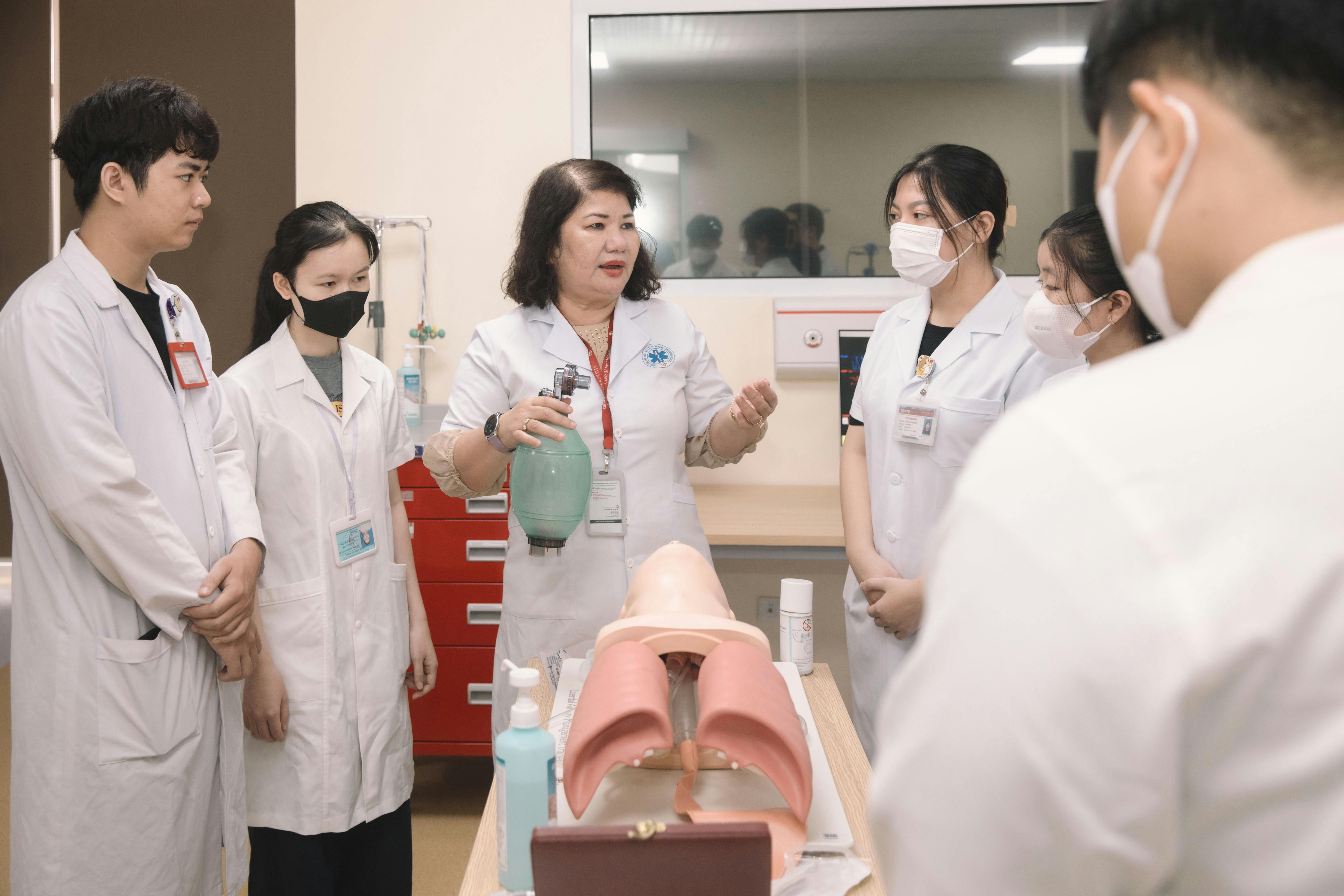
In-person clinical training in human services programs involves supervised, direct-practice hours completed in approved real-world settings such as clinics, community agencies, or institutional environments. This hands-on experience is distinct from classroom instruction, simulation labs, or virtual practicums, emphasizing live client interaction. Accreditation bodies like the Council for Standards in Human Service Education (CSHSE), the Council for Accreditation of Counseling and Related Educational Programs (CACREP), and related organizations set clear standards requiring this training as a professionally and often legally mandated component for program completion. These standards ensure the training is not merely a program preference but a necessary part of meeting licensure and certification criteria.
The in-person clinical training requirements carry significant implications for prospective students. They restrict scheduling flexibility, demand geographic proximity to approved clinical sites, and rarely allow waivers or substitutions. In most states, eligibility for licensure boards is directly linked to completing these approved clinical hours, making them critical for career advancement. Understanding these constraints is essential for anyone evaluating nursing programs with high acceptance rates or other related human services educational paths.
Prospective and current students navigating clinical training must consider how programs manage placement arrangements, ensure compliance with background checks, and document hour completion effectively. The impact of these requirements is especially pronounced for working adults, geographically remote candidates, and those balancing complex personal responsibilities.
Key considerations for readers include:
- Hours Required: The total practical hours needed to fulfill program and licensure mandates.
- Virtual Alternatives: The extent to which remote or simulated experiences may count toward clinical training.
- Placement Arrangements: Whether students or programs coordinate clinical site placements.
- Accreditation Influence: How accreditation bodies shape the structure and compliance of clinical training.
- Impact on Diverse Students: The challenges faced by working adults, students constrained by geography, and those with complex personal needs.
Is In-Person Clinical Training Legally or Professionally Required to Earn a Human Services Degree?
In-person clinical training is a legally mandated and professionally required component for most human services degree in-person clinical training requirements, governed primarily by accreditation bodies and state licensure boards. The Council for Standards in Human Service Education (CSHSE) sets rigorous standards emphasizing supervised clinical placements as a condition of accreditation, which assures program quality and student readiness. However, state licensing boards impose legally binding mandates-often stricter than accreditation standards-that specify the quantity and nature of in-person clinical hours necessary for eligibility to practice professionally.
Key distinctions include:
- Accreditation-Level Mandates: governing program approval and educational standards;
- Licensing Board Mandates: legally determining graduate eligibility for state licensure; and
- Program-Level Requirements: which may exceed minimum standards to better prepare students or satisfy employer expectations.
Programs that fail to meet clinical training requirements risk losing accreditation, thereby rendering their graduates ineligible for licensure in most regulated human services practice areas-making compliance effectively non-negotiable regardless of student circumstances.
For students, even when virtual or reduced-contact options exist, those pursuing licensure or certification must verify that their clinical hours satisfy both accreditation and state licensing board demands. Discrepancies between these can lead to licensure denial and thwart professional goals.
Students should consult three key sources to fully understand their obligations:
- Accreditation Body Standards such as CSHSE's published criteria,
- State Licensing Board Regulations governing practice in their jurisdiction, and
- Specific program's student handbook detailing clinical placement, background checks, and documentation procedures.
This understanding assists students in realistically assessing how in-person clinical training affects schedules, geographic flexibility, and their overall pathway to becoming credentialed professionals. Those seeking flexible or advanced pathways may also explore related options like BSN to DNP programs online for further educational advancement in human services fields.

How Many Hours of In-Person Clinical Training Does a Typical Human Services Program Require?
- Accreditation Minimums: Accredited human services programs typically require between 400 and 600 hours of supervised in-person clinical training to meet foundational standards. These minimums set by accreditation bodies ensure students gain hands-on experience within controlled, real-world settings.
- Median Program Requirements: Most programs nationally mandate around 500 to 600 clinical hours. This total is often divided into two phases: the practicum, focusing on observation and skill development with roughly 100 to 200 hours, and the internship or residency phase, emphasizing direct client engagement.
- Upper-End Intensive Models: Some advanced or licensure-focused programs require between 700 and 900 hours, with a stronger emphasis on independent client work under supervision during the internship phase.
- Training Phase Breakdown:
- Practicum: Early in the curriculum, requires fewer weekly hours-typically 8 to 12 hours on-site-allowing students to transition from theory to practice.
- Internship/Residency: Later stages demand higher weekly commitments, often 15 to 20 hours over one or two semesters, reflecting intensified clinical responsibilities.
- Time Commitment and Scheduling Impact: For example, completing 600 clinical hours over two semesters equates to about 15-20 on-site hours weekly, plus time for supervision and administrative tasks. This is a significant time investment to consider for students balancing jobs, families, or commuting challenges.
- Program Selection Considerations: Lower-hour programs aligned with accreditation minimums may be easier to fit into tight schedules but might offer less depth of clinical exposure. Higher-hour programs provide more extensive training and licensure exam preparation but require greater time and organizational commitment.
Reflecting on his clinical training, a professional who successfully graduated emphasized the balancing act between clinical hours and personal life: "Finding placements close to home was crucial-without that, the commute would have been overwhelming alongside my job. Documenting every hour felt tedious at times, especially when juggling family responsibilities, but those hours were indispensable for building confidence before licensure. It wasn't just about clocking time-it was about applying what I'd learned. The internship's intensity tested my resilience, but looking back, that immersion made all the difference."
Accrediting agencies and state licensing boards have carefully updated policies on telehealth and simulation-based training in response to the COVID-19 pandemic-though most emergency permissions allowing virtual clinical hours were rescinded by 2022. The current landscape for human services clinical training is nuanced, with strict expectations for in-person experiences alongside limited allowances for virtual components.
- Accreditation Standards: Core clinical skills such as direct client assessment, physical intervention, and crisis management require face-to-face encounters. These elements are deemed essential and cannot be replaced by virtual methods.
- Simulation vs. Clinical Placements: Simulation labs offer skill practice in controlled, campus settings but often do not fully count toward mandatory clinical hours. Authentic clinical placements with real clients in community or institutional environments remain the benchmark for meeting licensure prerequisites.
- Virtual and Telehealth Training: Some supervisory activities, case consultations, and documentation tasks may be completed online or via telehealth, typically forming supplementary rather than primary clinical hours.
- State Licensing Board Policies: Regulations differ by state; some allow a limited percentage of clinical hours through virtual channels, while others maintain strict in-person requirements. Prospective and current students must review their state's rules carefully to ensure compliance.
- Ongoing Developments: Permanent policy changes favoring telehealth components are cautiously evolving. Both accrediting bodies and licensing boards continue refining telehealth training guidelines post-pandemic.
- Critical Questions for Students:
- What portion of clinical training can be virtual or telehealth under my program's accreditor?
- Does my state's licensing board permit any remote clinical training?
- Are simulation lab hours acknowledged, fully or partially, toward graduation and licensure requirements?
Those exploring virtual clinical training options in human services education should carefully evaluate how their chosen program handles clinical hour requirements and compliance. To explore accredited alternatives that may include financial aid assistance, consider online medical coding programs as a related mode of flexible healthcare training worth researching.
Clinical placements in human services programs follow two main models: school-arranged and student-arranged. In the school-arranged setup, the program handles formal agreements with approved clinical sites and directly assigns students to these locations. This approach minimizes logistical challenges for students and provides clear pathways to meet clinical hour requirements. Conversely, student-arranged placements require learners to independently find, evaluate, and secure clinical sites, then obtain program approval before starting. This process demands starting searches months ahead and verifying that site supervisors hold the necessary credentials and can provide the required supervision hours. Such tasks may prove time-consuming and stressful, heavily reliant on the student's professional network or local market conditions.
Prospective students should investigate a program's clinical placement system by asking about:
- Formal Partnerships: Does the program maintain agreements with clinical sites near the student's location?
- Placement Rates: What percentage of students secure placements within their local geographic market?
- Support Services: Are there resources to assist students experiencing difficulty finding sites?
- Coverage: Does the clinical network extend to rural or underserved areas?
Enrolling in a program with limited placement infrastructure that also expects students to arrange their own sites risks delaying graduation, especially in less populated regions. This makes assessing clinical placement support a vital step in program selection for those balancing work, family, or geographic constraints.
Reflecting on this, a professional who built a career after completing the human services degree shared that arranging her clinical placement was unexpectedly daunting. She began her site search nearly six months before her start date, feeling the pressure of balancing coursework with networking efforts to find eligible supervisors. The approval process added stress, as she had to repeatedly confirm credential requirements and supervision availability. Despite the hurdles, she valued the experience-"It taught me resilience and deepened my understanding of the field's real-world demands," she explained. This personal challenge, though difficult, ultimately strengthened her confidence entering the profession.

Specialized accreditation agencies such as CACREP, CCNE, CSWE, and CEPH set definitive clinical training requirements that human services programs must meet to maintain their accreditation and ensure graduates' eligibility for licensure. These standards specify a minimum number of supervised clinical hours-typically between 600 and 1,000-guaranteeing enough direct client interaction for skill mastery.
- Supervisor Credentials: Supervisors are required to hold relevant licenses or certifications, like licensed clinical social workers or certified counselors, with defined experience to provide competent, ethical oversight.
- Supervision Ratios: Standards commonly mandate a ratio of one supervisor for every five or fewer students to ensure quality, individualized guidance.
- Setting and Population: Clinical hours must occur in approved environments that comply with safety and professionalism, often involving exposure to diverse populations to develop broad competencies.
- Enforcement: Failure to comply risks losing specialized accreditation, which directly affects graduates' ability to take national certification exams or obtain state licensure-making adherence non-negotiable for professional eligibility.
- Accreditation Types: Regional accreditation covers the whole institution but does not certify that a specific human services program meets specialized clinical training standards crucial for licensure.
- Verification: Prospective and current students should consult accreditation directories, request recent self-study or site visit reports from programs, and confirm with their state licensing board that the program's accreditation satisfies licensing mandates.
Accreditation bodies and professional associations recognize several clinical settings where students can complete required in-person clinical training hours, assuring the experience meets standards for quality and supervision in human services practice.
- Healthcare Systems: Hospitals, outpatient clinics, and integrated health centers offer diverse populations and complex behavioral health, substance abuse, and social support interventions.
- Community Mental Health Centers: Nonprofit or public agencies specializing in mental health counseling and social services provide experience with underserved populations and multidisciplinary teams.
- Schools: Educational settings including K-12 public schools support youth through counseling, crisis intervention, and resource coordination roles.
- Private Practices: Licensed therapists or social workers in private practice serve as clinical supervisors, offering one-on-one counseling and case management opportunities.
- Government Agencies: Child protective services, correctional facilities, and veterans' affairs offices expose students to policy-driven support and intersections with the legal system.
- Nonprofit Organizations: Charities and social service agencies facilitate community outreach, advocacy, and client support across varying demographics.
- Other Approved Settings: Residential treatment centers, elder care facilities, rehabilitation programs, and crisis hotlines-provided they meet supervision and engagement standards.
To qualify as approved, clinical sites must provide supervision by credentialed professionals such as licensed social workers, counselors, or psychologists, who meet required supervision hour mandates. The setting must allow direct client contact, service documentation, and professional development aligned with human services competencies.
Diversity of approved settings enhances flexibility in clinical placements-especially for students in rural or less populous areas-while programs restricting sites by institution type or population may limit placement options. Supervision availability varies by setting; healthcare and school environments often have licensed staff readily available, whereas government or nonprofit sites may require more coordination to fulfill supervision requirements.
Students should prioritize clinical settings that align with career goals yet remain accessible within their geographic region. Practical steps include consulting program-approved site lists, examining recent graduate placement data, and contacting clinical coordinators to understand common placement trends and supervision logistics locally.
Full-time working students balancing in-person clinical training and full-time employment in human services programs often face underestimated scheduling conflicts, especially in programs that assume weekday daytime availability during clinical placements. According to NACE First-Destination Survey data and research on adult learner completion rates, many learners discover that most approved clinical sites operate during traditional business hours-limiting options for those only available evenings or weekends. Employer leave policies rarely accommodate the sustained weekly time needed for clinical training, creating a practical barrier that complicates work, commuting, background checks, and hour documentation.
Graduates who managed full-time jobs while completing clinical training frequently report unexpected stress coordinating these overlapping demands. Some human services programs offer accommodations to help working students finish clinical requirements, including extended timelines that spread clinical hours over additional semesters, partnerships with evening and weekend placement sites, employer-coordinated placements within relevant job settings, and formal leave-of-absence options during intensive clinical phases. These adaptations acknowledge the real challenges full-time employed students encounter and aim to improve completion rates.
- Scheduling Conflicts: Clinical sites mostly operate during 9-to-5 hours, creating clashes for students working standard business schedules.
- Program Accommodations: Programs may support working students by:
- Extending clinical hour timelines across more semesters.
- Partnering with sites offering evening or weekend hours.
- Facilitating employer-based placements in relevant fields.
- Providing leave-of-absence policies during heavy clinical phases.
- Questions to Ask Before Enrolling: Prospective students should verify:
- The percentage of full-time employed students completing clinical training.
- Accommodations available for scheduling conflicts.
- Whether evening/weekend clinical placements exist locally.
- Options for timeline extensions to balance work and clinical hours.
Recognizing these factors ahead allows students to plan realistically for clinical placement logistics within their existing commitments. For those researching flexible options, exploring an HIM degree online may provide additional insights into managing clinical training with employment demands.
Hybrid or online human services programs do not eliminate the need for in-person clinical training. Accreditation bodies and state licensing boards maintain strict requirements for supervised clinical experience to ensure students demonstrate competencies that cannot be achieved through virtual simulations alone. This regulatory framework means online delivery mainly covers didactic coursework, while clinical training remains fully in-person and locally arranged to meet licensure eligibility. These standards apply uniformly regardless of delivery format, reflecting the practical nature of clinical skills assessment.
Most online human services clinical training programs require students to complete supervised practice hours at approved local sites, coordinated by the program's placement office. This arrangement offers geographic flexibility for students balancing work and family commitments but can introduce challenges like inconsistent site quality and supervisor credentials across different regions-common geographic limitations in online human services clinical training.
- Program Coordination: Placement offices assist students in identifying and approving clinical sites within their geographic region.
- Site Approval: Sites must comply with accreditation standards and be vetted for safety, supervision quality, and relevance to human services practice.
- Local Supervision: Credentialed professionals oversee and evaluate student performance during clinical hours.
- Student Responsibility: Students verify site availability, pass background checks, and accurately document clinical hours for compliance.
Before enrolling, students should evaluate whether a program has established clinical partnerships in their area, understands the vetting process, and provides adequate coordination support. Programs with documented placement success rates across diverse markets typically offer better outcomes than those focused only on metropolitan areas near campus. For students considering related health fields, programs like a nutritionist degree online also follow similar localized clinical training structures.
Securing clinical placements for human services students requires beginning the process at least three to six months ahead of the clinical training semester. This extended timeline accounts for multiple sequential tasks that must be completed thoroughly to avoid delays.
- Site Identification: Research and select appropriate clinical sites that meet program criteria, allowing enough time to confirm availability.
- Application Submission: Timely completion and submission of application materials are essential to meet site-specific deadlines.
- Site Interviews: Certain placements require interviews or orientations, which must be scheduled and attended.
- Supervisor Agreements: Written confirmation from site supervisors is needed to verify their ability to guide the student.
- Background Checks and Health Screenings: These mandatory steps may require several weeks to process, varying by location and site requirements.
- Liability Insurance: Professional liability coverage must be secured according to program or site mandates before clinical work begins.
- Program Approval: Submission of all documentation to the clinical coordinator is necessary for formal authorization to log clinical hours.
Failing to plan early risks encountering filled sites, extended background check wait times, or incomplete paperwork-often leading to semester postponements, elongated program durations, and added tuition expenses.
Developing a reverse timeline from the clinical start date helps manage preparation effectively. Allocating realistic time spans-such as eight weeks for identifying sites, four weeks for applications and interviews, six weeks for screenings and insurance, and two weeks for program approval-enables students to meet all milestones without last-minute complications.
Background Checks: These are mandatory to protect vulnerable client populations students serve during clinical training. Background screenings-often lasting two to eight weeks-may require fingerprinting or child abuse registry clearance depending on the placement setting, so starting early is crucial.
Health Screenings and Immunizations: Compliance with infection control standards at clinical sites includes documented immunizations like MMR, varicella, Hepatitis B, seasonal flu, and tuberculosis screening. Retrieving medical records or completing catch-up vaccinations can increase preparation time and expenses.
Professional Liability Insurance: Students must purchase malpractice insurance from approved, student-eligible providers to protect themselves and clinical sites against liability from practice mistakes. Budgeting for this cost ahead ensures coverage is in place before clinical work begins.
HIPAA Training: Completion of privacy and security education is required prior to accessing protected health information, guaranteeing students understand their legal duty to maintain client confidentiality.
Site-Specific Requirements: Beyond standard program mandates, clinical placements-such as hospitals or schools-often impose extra conditions like drug testing, N95 respirator fit testing, or specialized orientation. These criteria may extend lead times and vary widely by site type.
Students should address these prerequisites at application or early in the first semester and directly consult their assigned clinical sites for the complete, current set of requirements. Effective planning for cost, documentation, and timing avoids delays and ensures successful clinical placement and progress toward licensure.
What Graduates Say About the Human Services Programs That Require In-Person Clinical Training
- Timothy: "One thing that really stood out to me about the clinical training in my human services program was how accreditation mandates shaped every aspect of the experience-it ensured that my training met high industry standards. The required clock hours were intense but necessary to build real-world skills. Navigating placement logistics felt challenging at first, but ultimately I gained confidence working in diverse environments, which was invaluable. "
- Emilia: "Reflecting on my time in the human services program, the geographic constraints of clinical training were a significant hurdle-I had to commute quite far to complete my required hours. However, this challenge made me appreciate the importance of selecting quality placement sites that aligned with accreditation mandates. The clinical training profoundly impacted my licensure eligibility-without completing those hands-on hours, I wouldn't have qualified for certification. "
- Ava: "My human services program's in-person clinical training was a pivotal part of my education-especially given the strict required clock hours and how they ensured thorough practical experience. The placement logistics were meticulously coordinated, making the transition from theory to practice seamless. I genuinely believe that fulfilling these clinical requirements directly enhanced my post-graduate licensure and certification opportunities. "
Other Things You Should Know About Human Services Degrees
In 2027, legislation and policies can significantly influence in-person clinical training requirements. Some programs may adjust based on updated state regulations or accreditation standards, affecting whether training must occur in-person or can be supplemented with virtual experiences. Students should verify specific requirements with their intended programs.
Most accrediting bodies and licensing boards mandate the completion of specific in-person clinical hours to ensure competency in human services practice. If a student cannot fulfill these hours due to extenuating circumstances, alternatives are rare and typically involve strict documentation and approval processes. Some programs may offer limited virtual or simulated clinical experiences, but these rarely substitute fully for in-person requirements. Waivers, if available, depend heavily on state regulations and professional standards, making it essential for students to consult their program advisors early.
Completion of in-person clinical training is generally a non-negotiable prerequisite for licensure and certification in human services professions. Regulatory boards verify that candidates have met the supervised clinical hour requirements aligned with their discipline's standards. Failure to complete these hours can delay or prevent eligibility for credentials needed to practice professionally. Adequate documentation of clinical experiences during training-such as supervisor evaluations and hour logs-is vital for meeting licensure criteria.
Prospective students should research whether the program has established, accredited partnerships with quality clinical sites that fit their geographic and professional needs. Evaluating the availability of diverse placement options, the level of supervision offered, and support services for securing and managing clinical hours is critical. It is advisable to ask about compliance with accreditation standards, background check procedures, liability insurance requirements, and policies on documenting and verifying clinical experience. Confirming these details beforehand helps students understand the commitment and logistical demands involved in completing in-person clinical training.
- Human Services Major, B.S. - MSU Denver https://www.msudenver.edu/human-services-counseling/human-services-major/
- World Health Organization - Wikipedia https://en.wikipedia.org/wiki/World_Health_Organization
- Healthcare Background Check Requirements: What You Need to Know https://www.cisive.com/blog/healthcare-background-check-requirements
- NASW Practice Standards for Clinical Social Workers https://www.socialworkers.org/Practice/NASW-Practice-Standards-Guidelines/NASW-Practice-Standards-for-Clinical-Social-Workers
- Streamline Clinical Placement Management Process: 5 Tips https://cliniciannexus.com/resources/clinical-placement-management-process
- Online vs Hybrid vs Campus Learning in Healthcare: Which Is Right for You? https://www.edumed.org/articles/online-vs-hybrid-vs-campus/
- The Current Role of Remote Human Services Internships: A Follow-Up Study | Published in Journal of Human Services https://journalhumanservices.org/article/91221-the-current-role-of-remote-human-services-internships-a-follow-up-study
- Protecting nursing students: The need for placement site guidelines in smaller clinics - Healthy Debate https://healthydebate.ca/2026/05/topic/protecting-nursing-students-placement-guidelines/
- Clinical Placement Pledge and Guidance Process https://www.herzing.edu/clinical-placement-pledge-and-guidance-process
- Become a Nurse While Working Full Time | University of Bridgeport https://www.bridgeport.edu/news/become-a-nurse-while-working-full-time/