2027 Most Valuable Online Colleges Programs Ranking in Missouri

Co-Founder and Chief Data Scientist
Choosing the right online college program can be challenging, especially with so many options available in Missouri. This article introduces the 2027 Most Valuable Online Colleges Programs Ranking in Missouri, created by the Research.com team of data scientists. It aims to guide students toward degrees that offer strong value and future opportunities.
By exploring this ranking, you'll gain clear insights to make informed decisions about your education. Pursuing a degree opens doors to personal growth and career success, and this article helps you find the best path forward.
Key benefits of getting online degrees in Missouri
- Graduates with an online bachelor's degree in Missouri can earn an average salary of around $58,000 annually, while those with a master's degree often see salaries rise to about $75,000, showing higher degrees boost earnings significantly.
- An online graduate from the University of Missouri with a business degree often progresses to roles like marketing manager or financial analyst, enjoying exciting career growth in Missouri's diverse economy.
- Online degrees from Missouri State University offer flexibility that helped graduates balance work and study, leading to quicker job placement compared to traditional students, making education more accessible and rewarding.
- Key benefits of getting online degrees in Missouri
- What can I expect from online degrees in Missouri?
- How much can I make with online degrees in Missouri?
- 2027 Most Valuable Online Colleges Programs Ranking in Missouri
- Key Findings
- How long does it take to complete online degrees in Missouri?
- Online Accelerated Degrees: Fast-Track Your Success
- What's the difference between online and on-campus degree?
- How Do Missouri’s Online Programs Compare Nationally and to Other States?
- What is the average cost of online degrees in Missouri?
- Financial Aid & Scholarships: Unlocking Your Future in Missouri
- What financial aid is available to online degree students in Missouri?
- Key Findings from the 2024 Ranking
- What are the prerequisites for enrolling in online degree programs in Missouri?
- Financial Aid and Scholarship Opportunities
- What courses are typically in online degree programs in Missouri?
- How do you choose the best online degree in Missouri?
- What career paths are available for online degree graduates in Missouri?
- What is the job market for online degree graduates in Missouri?
- Related General Rankings for Nearby States
- Top Trending General Rankings
What can I expect from online degrees in Missouri?
When you enroll in an online degree program in Missouri, you can expect a learning experience as rigorous and respected as traditional on-campus studies. Graduates from the University of Missouri System often recall the challenge and reward of balancing coursework on flexible schedules, appreciating how their digital classrooms mirrored the quality of face-to-face interaction.
Missouri State University students frequently highlight the affordability that eased their financial concerns, especially with residency-based tuition discounts that made pursuing a degree more accessible. Many describe their courses delivered through platforms like Canvas, allowing them to engage deeply with lectures and discussions, all while managing work or family.
Technical support and academic advising commonly receive praise for making the online journey less isolating. Graduates from Lindenwood University share how career services helped them confidently transition from study to employment, emphasizing the comprehensive support Missouri institutions provide.
Overall, the combination of academic quality, affordability, and supportive resources shapes an encouraging and relatable path for students committed to earning their degree remotely in Missouri.
How much can I make with online degrees in Missouri?
Graduates with online degrees in Missouri often see a meaningful boost in earning potential, reflecting both their dedication and the strong local job market. Those earning an associate degree generally start with salaries near $35,000 annually, but advancing to a bachelor's degree can lift that median to between $50,000 and $70,000, depending on the field. For example, graduates from institutions like the University of Missouri's online programs often find themselves earning around $60,000 in roles such as healthcare administration or business management.
Those completing graduate degrees from schools such as Missouri State University frequently report salaries exceeding $75,000, especially in specialized sectors like technology or nursing leadership. Many alumni share that the flexibility of online study allowed them to continue working while advancing their careers, resulting in smoother transitions and rapid salary growth.
Personal accounts reveal that graduates focused on in-demand fields in cities like Kansas City or St. Louis feel confident about their earning prospects, emphasizing how practical skills gained online open doors to competitive wages and rewarding positions. These positive outcomes highlight the tangible value of investing in an online degree within Missouri's evolving economy.
2027 Most Valuable Online Colleges Programs Ranking in Missouri
How do we rank schools?
Investing in your education is a significant decision that can shape your future, and the Research.com team recognizes the importance of making well-informed choices. To guide prospective students in Missouri, we have carefully developed the "2027 Most Valuable Online Colleges Programs Ranking in Missouri." Our dedication to quality, credibility, and accuracy is demonstrated through rigorous research and thorough analysis underpinning this ranking.
We utilized the following reputable data sources to ensure a comprehensive evaluation of online college programs:
By reviewing this ranking, readers will gain valuable insights into the most valuable online college programs in Missouri, enabling them to make confident, strategic decisions about their education. For a deeper understanding of how this ranking was created, please visit our Research.com methodology page.

# 2 position
Research College of Nursing
Master of Executive Practice & Healthcare Leadership

# 3 position
Research College of Nursing
Master of Nurse Educator


Key Findings
- Missouri public universities, including the University of Missouri System, offer many fully online undergraduate and graduate degree programs.
- In-state tuition for online undergraduate programs ranges from about $8,000 to $12,000 per year, while graduate programs average $10,000 to $15,000 annually.
- Private online degree programs in Missouri can cost more than $20,000 per year.
- Financial aid and scholarships are available to reduce costs, with some schools offering lower rates for out-of-state online students.
- Graduates with online degrees in Missouri earn a median annual salary of around $50,000, rising to about $65,000 or more after ten years in many fields.
- Key growing industries for online degree holders include healthcare, IT, education, and business services, with the state's unemployment rate near the national average.
How long does it take to complete online degrees in Missouri?
In Missouri, completing an online bachelor's degree typically takes around four years for full-time students, mirroring the pace of traditional programs. Many graduates from the University of Missouri System appreciate the flexibility afforded by online courses, allowing them to balance work, family, and study without sacrificing progress. For those attending part-time, it's common to extend their education to six years, showing that pacing your studies to fit life's demands can be both practical and rewarding.
Associate degrees at Missouri community colleges usually require about two years of full-time study, providing a quicker route to workforce entry or further education. Graduates often recall how these programs felt manageable while still challenging, thanks to well-structured online formats.
Master's degrees online generally span two years, with some accelerated paths trimming that to 12-18 months for motivated learners. Doctoral candidates experience a wider range, from three to six years, shaped by dissertation work and field-specific needs. These timeframes offer flexibility, allowing you to tailor your journey based on commitments and goals.
Online Accelerated Degrees: Fast-Track Your Success
Missouri’s commitment to education extends to innovative, fast-paced learning models that cater to today's busy professionals and ambitious students. Accelerated online programs offer an efficient pathway to a degree, allowing you to complete coursework in a compressed timeframe without compromising academic rigor. These programs are designed to adapt to your schedule while empowering you to quickly transition into your desired career. With the right balance of intensive coursework and flexible learning environments, you can attain valuable skills faster than traditional formats. For those eager to explore such opportunities, many institutions now feature online accelerated degrees that not only save time but also boost your competitive edge in Missouri's dynamic job market. By choosing an accelerated degree program, you are investing in a future where speed and quality converge, giving you the tools to leap ahead in your professional journey.
What's the difference between online and on-campus degree?
Choosing between an online and an on-campus degree in Missouri often comes down to lifestyle and learning preferences. Graduates from the University of Missouri, for example, frequently share how online programs allowed them to juggle full-time jobs and family life without sacrificing quality education. Through flexible video lectures and digital assignments, they could study evenings after work, avoiding the stress of commuting.
Conversely, students attending on-campus programs at Missouri State University highlight the rewarding face-to-face interactions and immediate access to campus resources. They cherish the collaborative energy in classrooms and labs, which deepens their engagement and helps build strong networks.
In Missouri, the academic standards remain consistent across both formats, ensuring online learners earn degrees as respected as those earned on campus. Yet, the online route often means reduced housing costs and greater geographic freedom, perfect for those outside Springfield or Columbia who want a local education without relocating.
The difference reflects more than just location-it's about fitting education into your unique path while still gaining a credential valued statewide.
How Do Missouri’s Online Programs Compare Nationally and to Other States?
When evaluating online degrees in Missouri, it’s helpful to see how they stack up against national trends and offerings in neighboring states. Here’s a snapshot:
- Tuition and Affordability: Missouri’s average online bachelor’s tuition rate of $9,000 per year undercuts the national average of $12,000. Neighboring states like Illinois and Kansas report online rates closer to $11,500, making Missouri a cost-effective choice for in-state learners.
- Program Variety: With over 185 degree options, Missouri ranks in the top 20% of U.S. states for online program breadth. This diversity rivals leading e-learning hubs such as Florida (210 programs) and Texas (195 programs).
- Graduate Outcomes: Missouri’s online graduates report an average one-year post‐graduation employment rate of 85%, slightly above the national average of 82%. Fields like nursing and business administration show particularly strong placement, comparable to outcomes in California’s top public universities.
- Return on Investment (ROI): Studies indicate Missouri online alumni achieve a 5-year ROI of 120%, exceeding the national median of 100%. This is driven by competitive salaries-Missouri bachelor’s degree holders earn a median of $60,000, in line with peers in Ohio and Indiana.
- Alternative Pathways: For career-focused professionals, short-term credentials can bridge skill gaps faster. Consider exploring our resource on best online certifications that pay well to supplement your degree and accelerate your entry into high-demand roles. By comparing cost, outcomes, and program scope, Missouri’s online degrees emerge as both competitive and accessible, offering a compelling option for students nationwide.
What is the average cost of online degrees in Missouri?
The average cost of an online degree in Missouri generally centers around $31,080 for in-state students, with the median total cost across all students closer to $38,192. Graduates from popular institutions report a mix of relief and satisfaction, especially those who managed to keep expenses closer to the in-state figures by taking advantage of residency benefits and careful course planning. Missouri's online college tuition and fees tend to be more affordable than many neighboring states, making it an attractive option for students balancing quality and cost.
Many students enrolled in renowned Missouri universities find that the flexibility of online programs helps them work while studying, easing financial pressures along the way. For instance, a graduate from a well-known public university recalls feeling encouraged that tuition averaged around $300 per credit hour, enabling them to budget confidently for the full program. Out-of-state students often face higher tuition costs-usually around $36,000 total-but many programs waive these fees for distance learners, creating opportunities that feel more accessible than expected.
Additional costs such as technology fees and textbooks may add $1,000 to $2,000 annually, but scholarships and federal aid help brighten the outlook for many. Through firsthand stories and collective experience, it becomes clear that pursuing a degree online in Missouri often combines affordability with a practical, manageable education journey. Prospective students interested in details on affordable online programs may consider exploring the affordable online general programs in missouri.

Financial Aid & Scholarships: Unlocking Your Future in Missouri
Navigating the financial investment required for higher education can be a challenge, but numerous financial aid options and scholarship opportunities are available to support Missouri online students. Whether you’re a recent high school graduate or a working professional, understanding and leveraging grants, scholarships, and federal aid can alleviate tuition costs and pave the way for academic success. Key resources include state-sponsored aid programs, need-based grants, merit scholarships, and even employer tuition reimbursement plans. Additionally, many colleges offer tailored financial packages designed specifically for their online learners. It's essential to research each institution’s aid options early on and prepare a strong application highlighting your academic achievements, extracurricular activities, and career aspirations. As you compare programs, consider exploring affordable online general programs in missouri which often feature competitive financial packages and flexible payment plans. Embrace guidance from financial aid advisors, and utilize online scholarship search engines to identify awards that match your profile. With the right information at your fingertips, you can secure funding that makes your educational journey both manageable and rewarding.
What financial aid is available to online degree students in Missouri?
Many students pursuing online degrees in Missouri find federal financial aid to be a vital support. Programs like Pell Grants and Federal Supplemental Educational Opportunity Grants can ease the burden of tuition costs, especially when paired with federal student loans. For example, graduates from the University of Missouri often recall how the Pell Grant's maximum award of $6,895 for the 2022-2023 year made their education feel within reach despite initial financial worries.
State-level scholarships, such as the Access Missouri Financial Assistance program, also play a crucial role. Those attending schools like Missouri State University appreciated how these grants targeted residents' needs and helped cover gaps left by federal aid. Many have felt a strong sense of relief when scholarships directly reduced the cost on their tuition statements.
Institutions themselves encourage online learners by offering merit-based awards. Students from popular universities in Missouri often share stories of how their academic achievements unlocked additional funding, proving that dedication pays off. Moreover, veterans benefit from the GI Bill, which many Missouri colleges honor, turning military service into educational opportunity.
Finally, private scholarships from nonprofit organizations and employers round out the options. Graduates emphasize the importance of seeking these funds early, making the entire journey less stressful and more hopeful.
Key Findings from the 2024 Ranking
Our analysis of the 2024 Most Valuable Online Colleges Programs in Missouri revealed several actionable insights for prospective students seeking high return on investment and career growth: • Top Performing Institutions: - University of Missouri–St. Louis tops the list for highest ROI in business and healthcare programs, with graduates reporting an average salary increase of 20% within two years. - Washington University in St. Louis leads in specialized master’s programs, delivering salary gains of up to 25% for alumni in management and social work. • High-Value Fields: - Nursing and Health Sciences programs consistently rank highest in both affordability and post-graduation earnings, making them ideal for students prioritizing stable, well-paying roles. - Information Technology and Computer Science degrees from Missouri State University and University of Central Missouri offer rapid career advancement, with graduates securing roles in cybersecurity and data analysis within six months. • Cost vs. Earnings: - The average in-state tuition of $35,880 yields an estimated 10-year net ROI of $120,000, outperforming many traditional on-campus alternatives. - For students focused on minimizing upfront costs, consider our Low Cost Online Colleges Programs Ranking in Canton, MO, which highlights programs under $25,000 with competitive outcomes. • Emerging Trends: - Demand for flexible, accelerated formats continues to rise; accelerated bachelor’s completion tracks and stackable credentials are becoming standard offerings. - Interdisciplinary degrees combining business, technology, and healthcare (e.g., Health Informatics) stand out for their versatility and employer appeal. These key findings underscore the strategic value of selecting online programs that balance affordability, institutional quality, and strong career trajectories.
What are the prerequisites for enrolling in online degree programs in Missouri?
Enrolling in an online degree program in Missouri typically starts with having a high school diploma or GED, a foundation many graduates from schools like the University of Missouri or Missouri State University found essential before beginning their journey. Some undergraduates recall submitting official transcripts, which helped smoothly verify their academic background.
For those pursuing graduate studies online, holding a bachelor's degree with a decent GPA-often around 3.0-is a common expectation at institutions such as Webster University. These graduates often share how maintaining that GPA opened doors to advanced learning and deeper specialization.
Standardized tests like the SAT or ACT aren't usually mandatory anymore, easing the way for many applicants who appreciated this flexibility while balancing work and family commitments. Additionally, submitting letters of recommendation or personal statements allowed applicants to express their passion and professional goals, traits highlighted by alumni who appreciated this personal touch in their applications.
Practical needs, such as reliable internet and proper technology, are crucial. Graduates often emphasize how orientation sessions at schools like St. Louis Community College helped them feel confident navigating online platforms, turning initial anxiety into excitement for their studies.
Financial Aid and Scholarship Opportunities
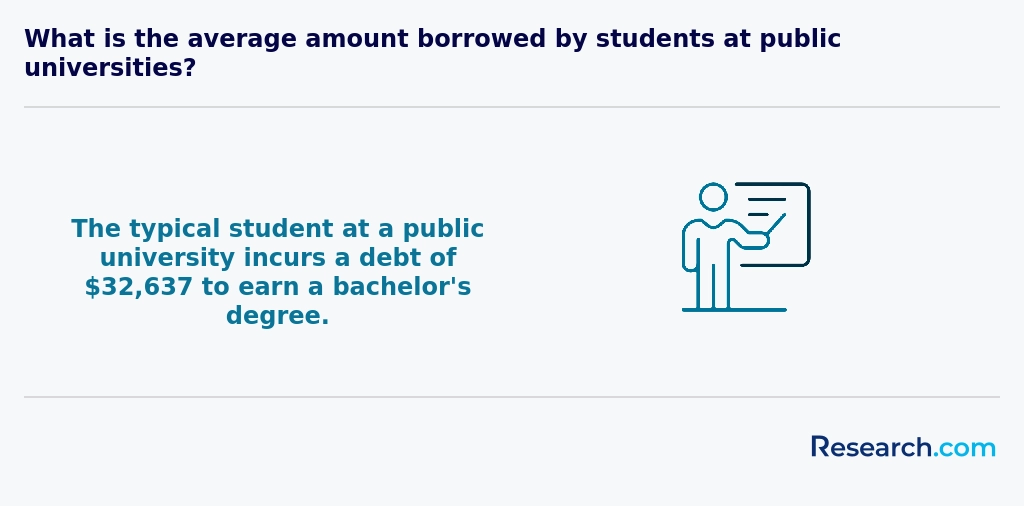
Navigating the cost of an online degree in Missouri can be simplified with a variety of financial aid options and scholarships designed to support learners at every level. To maximize your eligibility, start by completing the Free Application for Federal Student Aid (FAFSA), which opens access to federal Pell Grants, work-study programs, and subsidized loans. Many Missouri institutions also participate in the A+ Scholarship Program and the Missouri Access Program (MAP Grant), offering need-based awards that cover a portion of tuition for qualifying in-state students. Beyond state funding, individual colleges and universities maintain dedicated scholarship funds for online learners. For example, the University of Missouri System offers the Online Academic Achievement Scholarship for students demonstrating strong academic records, while Missouri State University provides merit-based awards specifically for distance-education enrollees. Be sure to consult your desired program’s financial aid office for institution-specific deadlines and application requirements. Employer tuition assistance and military benefits further reduce out-of-pocket expenses. Many Missouri employers partner with local universities to subsidize continuing education, and federal GI Bill® benefits can cover up to the full cost of qualifying programs. Veterans and active-duty service members should contact their school’s veteran affairs office to coordinate benefits efficiently. For those seeking accelerated pathways, consider exploring accelerated online associate degrees, which not only shorten time-to-degree but often come with specialized grants or reduced per-credit tuition. Finally, supplement institutional funding with private scholarships from community foundations, professional associations, and nonprofit organizations-many of which target specific demographics, fields of study, or career ambitions. By combining federal, state, institutional, and private resources, you can develop a tailored financial plan that keeps your online education affordable and accessible.
What courses are typically in online degree programs in Missouri?
Online degree courses in Missouri typically begin with a strong foundation in general education, designed to sharpen essential skills like communication, critical thinking, and quantitative reasoning. Graduates from well-known public universities in Missouri often reflect on how courses in English composition, social sciences, natural sciences, and mathematics equipped them to approach complex problems confidently, both academically and professionally.
In these Missouri accredited online programs, students often find that major-specific courses are integrated early enough to connect theory with real-world scenarios. For example, a business major might navigate classes in accounting and marketing, while healthcare students engage deeply with health informatics and anatomy, mirroring workforce demands in the region. This blend has helped many learners feel prepared for evolving job markets.
Advanced students in Missouri's online degree programs frequently praise the inclusion of research methods and leadership seminars, which broaden their perspectives and professional capacities. Choosing online accelerated degrees has also appealed to those seeking practical, timely education without compromising rigor or relevance.
How do you choose the best online degree in Missouri?
Choosing the best online degree program in Missouri means focusing on what truly matters for your future success. Accreditation is essential; graduates from recognized universities like Missouri State University often praise how the Higher Learning Commission's endorsement ensured their degree's credibility with employers across the state. Many found that programs tailored to Missouri's job market gave them a real advantage, blending practical coursework with flexible schedules that fit around work and family life.
Cost also plays a big role-affordable online colleges in Missouri, especially public institutions like the University of Missouri system, often offer competitive tuition that eases financial pressure. One graduate recalled how choosing an in-state online program enabled them to save significantly while still benefiting from quality education.
Look for programs offering strong student support and relevant internships that connect you to Missouri's industries. And if you want to enhance your career prospects even more, explore resources like the state's scholarships or best online certifications that pay well.

What career paths are available for online degree graduates in Missouri?
Graduates of online degree programs in Missouri find diverse career opportunities that reflect the state's evolving economy. Many who earned their degrees from institutions like the University of Missouri or Missouri State University have successfully pursued careers in healthcare, becoming registered nurses or healthcare managers in cities like St. Louis and Kansas City. These roles offer both fulfillment and financial stability, especially with Missouri's growing healthcare sector.
Others leverage their online studies to enter business roles, where graduates often secure positions in management or finance within Missouri's robust manufacturing and insurance industries. These paths showcase how online education can bridge into vibrant local economies. For those drawn to technology, numerous graduates from programs in cybersecurity and IT are stepping into well-paid jobs, supported by Missouri's expanding tech landscape.
Educators from online degrees also reinforce Missouri's schools, answering the demand for qualified teachers and administrators. This variety of opportunities highlights the rich job prospects for Missouri online graduates. Those interested in shorter pathways may explore accelerated online associate degrees to enter skilled trades or public service roles swiftly.
What is the job market for online degree graduates in Missouri?
The job market for online degree graduates in Missouri is showing promising growth, especially for those who pursued their studies at well-regarded institutions like the University of Missouri or Missouri State University. Graduates often share how the flexibility of online programs allowed them to balance work and study while still feeling prepared to enter competitive fields. In industries like healthcare, business, and technology, employers recognize the value of accredited online degrees, making employment opportunities for online college graduates Missouri increasingly accessible. For example, one graduate with an online nursing degree found rewarding roles in expanding healthcare facilities, appreciating how the state's growth supports this demand.
Business students from online programs frequently benefit from the vibrant economy in St. Louis and Kansas City, where financial services and tech startups drive job openings. Graduates report that employers value their practical skills enhanced by remote learning. The growing acceptance of remote work options complements this trend, broadening options statewide and beyond. Missouri's low unemployment rate further boosts confidence among graduates gearing up to launch their careers. For those exploring affordable options, the Low Cost Online Colleges Programs Ranking in Canton, MO offers practical guidance.
Ultimately, the job market for online degree graduates in Missouri blends expanding industry demands with greater openness to flexible education pathways, making it a hopeful landscape for emerging professionals.
Frequently Asked Questions
Students in Missouri can maximize their online learning experience by choosing accredited programs recognized by the Missouri Department of Higher Education & Workforce Development. Accreditation ensures quality education and eligibility for federal financial aid. Actively engaging with online resources, such as virtual libraries and discussion boards, can enhance understanding and connection with peers and instructors. Time management is essential; Missouri learners often balance work and study, so creating a structured schedule helps maintain progress. Additionally, Missouri's online students should explore local internships or practicum opportunities to gain practical experience, supported by universities like the University of Missouri System.
After completing an online degree in Missouri, preparing for the job market requires strategic steps. Begin by updating your resume to highlight relevant skills and experiences gained during your studies. Utilize Missouri's workforce development resources, such as the Missouri Job Center Network, which offers job listings, training programs, and career counseling.
Networking is crucial. Connect with alumni and local professionals through platforms like LinkedIn and the Missouri Chamber of Commerce. Internships and volunteer opportunities can also provide valuable experience. According to the Missouri Department of Higher Education & Workforce Development, graduates with practical experience have a 20% higher employment rate within six months after graduation.
Finally, consider obtaining industry-recognized certifications to boost your qualifications. Missouri's growing sectors-healthcare, technology, and manufacturing-often value such credentials alongside degrees.
Employers in Missouri prioritize a mix of technical and soft skills when hiring graduates. According to the Missouri Department of Higher Education and Workforce Development, strong communication abilities, critical thinking, and problem-solving are among the top qualities sought. Additionally, digital literacy, including proficiency with software relevant to each industry, is increasingly important.
Data from the Missouri Economic Research and Information Center shows that employers value teamwork and adaptability, especially given the rapid changes in technology and business environments. Time management and leadership potential also rank highly during recruitment.
Overall, combining these skills with a solid online education can improve job prospects significantly in Missouri's competitive job market.
Finding internships in Missouri involves a strategic approach that combines online resources and local networking. Many Missouri universities offer internship support through their career services, even for online students. Utilizing platforms like Handshake and Missouri Job Center's website can connect students to hundreds of internship opportunities statewide. According to the Missouri Department of Higher Education & Workforce Development, sectors such as healthcare, engineering, and agriculture have a growing demand for interns.
Networking through professional organizations based in Missouri, like the Missouri Chamber of Commerce, can also provide valuable leads. Additionally, reaching out directly to companies in Missouri's major cities, including St. Louis and Kansas City, often yields fruitful results. Staying proactive and using multiple resources maximizes the chance of securing a relevant internship.
In Missouri, earning an online degree can significantly impact career mobility and advancement. According to the Missouri Department of Higher Education & Workforce Development, individuals with a bachelor's degree or higher earn approximately 60% more than those with only a high school diploma. Employers in the state increasingly recognize online degrees from accredited institutions as credible, especially in fields like healthcare, education, and business.
The flexibility of online programs allows working professionals to upskill without interrupting their careers, which supports quicker promotions and access to specialized roles. Additionally, Missouri's statewide initiatives encourage employers to partner with online programs, enhancing job placement opportunities for graduates.
When choosing between a thesis and a non-thesis online degree program in Missouri, consider your career goals and learning preferences. Thesis programs typically require original research, suitable for students aiming for academic or research-oriented careers.
Non-thesis programs focus more on coursework and practical skills, which may appeal to professionals seeking advancement without the commitment of a major research project.
According to the Missouri Department of Higher Education, many online graduate programs at public universities like the University of Missouri offer both options, with thesis routes often extending program length by a semester or more.
Evaluate the time, resources, and professional outcomes before deciding.
Students based in Missouri who pursue online degrees can still access study abroad opportunities through their institutions. Many Missouri public universities, such as the University of Missouri system, offer virtual exchange programs or short-term international experiences that complement online studies. These options allow students to gain global perspectives without interrupting their remote learning.
Additionally, some Missouri colleges partner with universities abroad for dual-degree or exchange programs, which can be arranged alongside online coursework. According to the Institute of International Education, Missouri ranks mid-level nationally for outbound study abroad participation, suggesting growing options for remote learners seeking international exposure.
Financial aid and scholarships remain available for studying abroad, even in hybrid or online degree formats, making it feasible for Missouri students to broaden their academic horizons globally.
Missouri offers diverse part-time job opportunities that can complement your online degree education. For students in business and finance programs, roles such as accounting assistants or bookkeepers are in demand, especially in cities like St. Louis and Kansas City, where the unemployment rate hovered around 3.8% in early 2024 (BLS data). Healthcare students can find work as medical assistants or pharmacy technicians, aligning with Missouri's growing healthcare sector projected to add over 20,000 jobs by 2028 (Missouri Economic Research). Technology students may pursue roles like IT support specialists or junior developers, supported by a statewide tech employment increase of 5% annually. These opportunities provide practical experience while supporting academic progress.
Online students in Missouri have several networking opportunities despite the physical distance from campus. Many universities offer virtual career fairs, webinars, and alumni networking events tailored specifically for remote learners. For instance, the University of Missouri system promotes online student access to statewide alumni networks and professional groups.
Additionally, organizations such as the Missouri Association for Student Affairs encourage engagement through online workshops and local chapter meetings. Online students can also connect via LinkedIn groups focused on Missouri institutions, helping build professional relationships within the state's economy. According to Missouri Department of Higher Education data, nearly 40% of online grads find job placements through these virtual networks.
Alumni networks offer significant advantages for students pursuing online degrees in Missouri. These networks connect current students with graduates who have experience in the state's job market. Through networking events, mentorship programs, and online platforms, students gain access to job opportunities and professional advice tailored to Missouri's industries.
According to the Missouri Department of Higher Education, graduates connected with alumni networks are 20% more likely to find employment within six months of graduation. For online learners, these connections help overcome geographic barriers by fostering virtual engagement.
Additionally, some Missouri universities host regional alumni chapters that provide local support, internships, and career development workshops. This community creates a useful resource for building professional relationships in Missouri's growing sectors, such as healthcare and technology.
Customizing your online degree program in Missouri to fit your career goals starts with selecting a school offering flexible curriculum options. Many institutions, such as the University of Missouri system, provide online degrees with multiple concentrations or elective courses, allowing students to tailor their education to specific industries.
Advisors play a key role in this process by helping students align course choices with professional ambitions. Missouri also supports transferring credits from prior coursework or professional experience, which can accelerate degree completion.
Some programs incorporate internships or project-based learning relevant to local Missouri markets, enhancing practical skills. According to the Missouri Department of Higher Education & Workforce Development, personalized degree plans improve student success and employability statewide.
Online students in Missouri often face challenges related to technological access and connectivity. According to the Missouri Department of Elementary and Secondary Education, approximately 14% of households in rural areas lack reliable high-speed internet, which can hinder participation in online classes.
Another common difficulty is balancing work, family, and school commitments. Many adult learners in Missouri juggle full-time jobs and caregiving roles, making time management critical. Research from the Missouri Community College Association highlights that nearly 60% of online students enroll part-time, emphasizing their need for flexible schedules.
Additionally, some students report feeling isolated without in-person interaction, which may affect motivation and retention rates. Institutions are increasingly investing in virtual support services to address this issue, but gaps remain for some demographics.
Writing a winning application for a college or university program in Missouri requires careful preparation and attention to detail. Start by thoroughly researching the program's requirements on the official school website or through the Missouri Department of Higher Education & Workforce Development.
Highlight your academic achievements and relevant experiences clearly, especially those related to online study skills, since many programs offer fully online degrees. Missouri colleges often value a strong personal statement that explains your motivation and goals.
Include updated transcripts and standardized test scores if required. Missouri public universities like the University of Missouri System consider GPA and coursework rigor heavily.
Finally, meet all deadlines and provide clear contact information to avoid application delays.
Students pursuing online degrees in Missouri can gain practical experience through internships, cooperative education programs, and service-learning opportunities. Many Missouri universities partner with local businesses and organizations to offer virtual internships that complement online coursework. According to the Missouri Department of Higher Education, participating in these programs can enhance skills and improve job prospects after graduation.
Additionally, some online programs include project-based learning that applies theory to real-world challenges. Missouri also supports workforce development initiatives facilitating employer connections for students, making it easier to find relevant part-time work or apprenticeships.
Choosing the right concentration within an online degree program in Missouri involves balancing your career goals with regional job market demands. Start by researching industries experiencing growth in Missouri, such as healthcare, education, and technology, which often have several specialized concentrations available online.
Consider programs accredited by recognized bodies like the Higher Learning Commission, ensuring quality and acceptance by Missouri employers. Additionally, review Missouri Department of Higher Education & Workforce Development data to identify which concentrations lead to higher employment rates and salary prospects in the state.
Reflect on your personal interests and skills, and seek concentrations offering practical experience or internships, even within online formats. Engaging with academic advisors can also clarify how a specific concentration aligns with licensure or certification requirements unique to Missouri professions.
Related General Rankings for Nearby States
- 2027 Most Valuable Online Colleges Programs Ranking in Nebraska
- 2027 Most Valuable Online Colleges Programs Ranking in Arkansas
- 2027 Most Valuable Online Colleges Programs Ranking in Oklahoma
- 2027 Most Valuable Online Colleges Programs Ranking in Tennessee
- 2027 Most Valuable Online Colleges Programs Ranking in South Dakota
- 2027 Most Valuable Online Colleges Programs Ranking in Minnesota
- 2027 Most Valuable Online Colleges Programs Ranking in Wisconsin
- 2027 Most Valuable Online Colleges Programs Ranking in Colorado
- 2027 Most Valuable Online Colleges Programs Ranking in Ohio
- 2027 Most Valuable Online Colleges Programs Ranking in Alabama
Top Trending General Rankings
References
- These 21 companies will help you with tuition to earn your college degree https://www.thepennyhoarder.com/make-money/side-gigs/jobs-that-pay-for-college/
- Online Programs https://www.mssu.edu/academics/online-programs/index.php
- Four Career Benefits to Completing Your Degree | Elmhurst University "Elmhurst University" Blog https://www.elmhurst.edu/blog/four-career-benefits-to-completing-your-degree/
- College Degree vs. Major vs. Concentration: What’s the Difference? https://www.coloradotech.edu/blog/2025/september/college-degree-vs-major-vs-concentration-what-s-the-difference
- About Focus on Learning - An education center located in Columbia, Missouri https://focusonlearningcenter.com/about-focus-on-learning/
- The Missouri Poverty Simulation: A Transformative Learning Experience for Students https://fhu.edu/cob-newsletter/the-missouri-poverty-simulation-a-transformative-learning-experience-for-students/
- Soft Skills Employers are Looking for in a Graduate https://www.law.ac.uk/resources/blog/soft-skills-employers-are-looking-for-in-a-graduate/
- Apply to University of Missouri https://www.commonapp.org/explore/university-missouri/
- Know more about thesis vs non- thesis: what is the difference? https://studyfans.com/en/blogs/816
- Students: This is How You Should Prepare for the Job Market https://www.agencycentral.co.uk/articles/students-this-is-how-you-should-prepare-for-the-job-market/