2027 Fastest Online Colleges Programs Ranking in South Carolina

Co-Founder and Chief Data Scientist
Choosing the right online college program can feel overwhelming, especially with so many options available. This article presents the 2027 Fastest Online Colleges Programs Ranking in South Carolina created by the Research.com team of data scientists to help you navigate these choices with confidence.
By exploring this ranking, you'll discover which degree programs offer the quickest path to success, saving you time and effort. Earning a degree opens doors to new opportunities, personal growth, and a brighter future.
Take the first step toward your goals with clear, trustworthy information tailored just for South Carolina students.
Key benefits of getting online degrees in South Carolina
- Graduates in South Carolina with a bachelor's degree earn an average salary of $52,000 compared to $36,000 for those with only a high school diploma, showing how higher degree levels can boost earnings.
- A graduate from the University of South Carolina online program in business administration often pursues careers in management or marketing, highlighting real opportunities after earning their degree remotely.
- Online degrees from Clemson University allow flexible schedules, enabling students like Jane to balance work and study, which often leads to faster graduation and less stress than traditional programs.
- Key benefits of getting online degrees in South Carolina
- What can I expect from online degrees in South Carolina?
- How much can I make with online degrees in South Carolina?
- 2027 Fastest Online Colleges Programs Ranking in South Carolina
- Key Findings
- How long does it take to complete online degrees in South Carolina?
- What's the difference between online and on-campus degree?
- Comparing Online and Traditional Education in South Carolina
- What is the average cost of online degrees in South Carolina?
- Where Can I Work With an Online Degree in South Carolina?
- What financial aid is available to online degree students in South Carolina?
- What are the prerequisites for enrolling in online degree programs in South Carolina?
- Top Accelerated Online Programs in South Carolina
- What courses are typically in online degree programs in South Carolina?
- How do you choose the best online degree in South Carolina?
- What career paths are available for online degree graduates in South Carolina?
- What is the job market for online degree graduates in South Carolina?
- Related General Rankings for Nearby States
- Top Trending General Rankings
What can I expect from online degrees in South Carolina?
Students pursuing an online degree in South Carolina can expect a flexible learning environment that accommodates busy schedules, whether managing work or family commitments. Graduates from institutions like the University of South Carolina or Clemson University often describe the convenience of accessing lectures and assignments on their own time, which helps reduce stress and maintain motivation.
Interactivity plays a key role, with many programs using video lectures, discussion forums, and virtual labs. This creates a sense of community, as students from Greenville to Charleston connect despite geographical distances. Faculty involvement is usually strong; students frequently note that professors balance accessibility with rigorous standards, mirroring on-campus curricula.
Cost considerations are realistic, with tuition commonly ranging from $4,000 to $10,000 per year for in-state online learners. Some students appreciate tuition discounts or flat-rate pricing, which helps with budgeting. Moreover, the Southern Association of Colleges and Schools accreditation ensures that credentials carry credibility, enhancing job prospects statewide.
How much can I make with online degrees in South Carolina?
Graduates with online degrees from institutions like the University of South Carolina or Clemson University typically see varied earning potentials depending on their degree level and field. Bachelor's degree holders might expect salaries between $55,000 and $65,000 annually, which aligns with reports from the South Carolina Department of Employment and Workforce. A graduate from an online business program at a well-known college often shares how their starting salary near $60,000 allowed them to comfortably settle in cities like Charleston or Columbia.
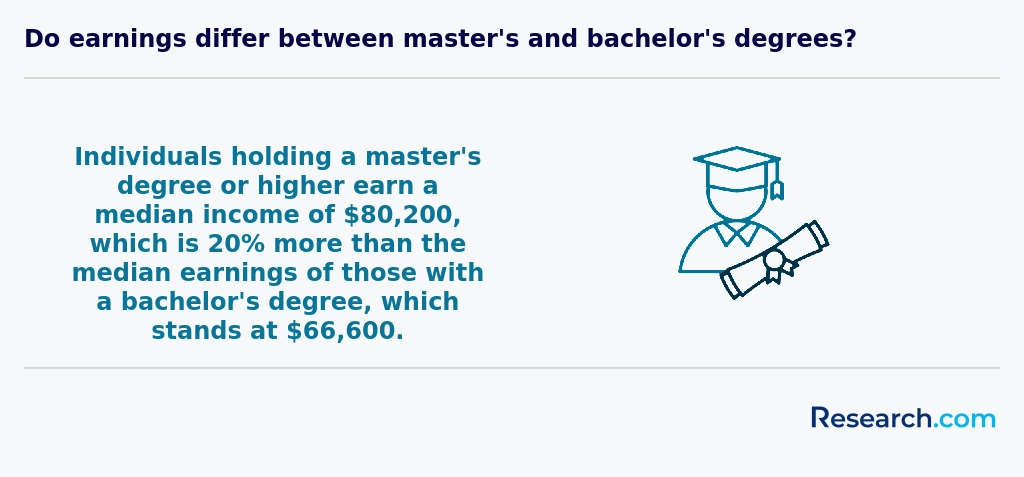
Those with a master's degree can anticipate higher earnings, often ranging from $65,000 to $80,000, especially in specialized fields such as nursing, engineering, or information technology. For example, nurses earning their degrees online report annual wages close to $65,000, reflecting the demand in South Carolina's expanding healthcare industry. However, entry-level roles can start around $40,000, reminding graduates that experience and continued education are key to reaching six-figure salaries in advanced fields.
While these numbers are encouraging, it's important to consider that salaries can fluctuate based on industry trends and location. Some graduates have found that strong career services and networking from online programs at popular state colleges were essential in landing higher-paying roles in competitive sectors.
2027 Fastest Online Colleges Programs Ranking in South Carolina
How do we rank schools?
Investing in your education is a significant decision that can shape your future, and the Research.com team understands the importance of making informed choices. To assist prospective students in South Carolina, we have meticulously crafted the "2027 Fastest Online Colleges Programs Ranking in South Carolina." Our commitment to quality, credibility, and accuracy is reflected in the extensive research and analysis conducted to compile this ranking.
We utilized the following reputable data sources to ensure a comprehensive evaluation of online college programs:
By exploring this ranking, readers will gain valuable insights into the fastest online programs available in South Carolina, aiding them in making informed decisions about their educational paths. For more details on our methodology, please visit our Research.com methodology page.


# 4 position
Bob Jones University
Master of Teaching and Learning


# 14 position
University of South Carolina-Columbia
Master of Psychiatric Mental Health Nurse Practitioner
Key Findings
- In-state tuition for online programs at public universities in South Carolina ranges from $7,000 to $10,000 per year.
- Private institutions charge around $20,000 annually for online degrees but often offer more flexible or specialized programs.
- Graduates with online degrees in South Carolina start with an average salary of about $45,000 per year, which increases to approximately $65,000 after five to ten years.
- Key industries in the state supporting online degree holders include advanced manufacturing, IT, healthcare, and business services, with a low unemployment rate near 3.5%.
- South Carolina offers state programs that support credit transfers and financial aid options specifically for online students.
How long does it take to complete online degrees in South Carolina?
Completing an online degree in South Carolina typically requires about four years for a bachelor's when studying full-time, mirroring traditional timelines at institutions like the University of South Carolina or Clemson University. Graduates often share how balancing coursework with work and family made flexible pacing essential, allowing them to extend or shorten their studies based on personal needs.
Associate degrees, commonly offered at community colleges across the state, usually take around two years. Some students at schools such as Trident Technical College found accelerated terms invaluable, enabling them to finish sooner by taking extra courses per term or utilizing summer sessions.
For graduate programs, timeframes vary. Master's degrees at places like Coastal Carolina University often span 18 to 24 months full-time, but part-time options provide greater flexibility for working professionals, even if they extend overall completion time.
Transfer credits, course load, and individual pacing all significantly influence how quickly students graduate, making the experience highly personalized despite standard estimates.
What's the difference between online and on-campus degree?
Online and on-campus degrees in South Carolina differ mainly in how students experience their education rather than in the academic value of the degree itself. For instance, graduates from the University of South Carolina report that attending classes on campus fosters spontaneous discussions and deeper connections with peers, which some find motivating. Conversely, alumni from Clemson University who studied online appreciate the flexibility to balance work and family responsibilities while accessing the same accredited curriculum through virtual platforms.
Cost is another practical difference, with online students often saving on commuting and housing, although tuition rates at South Carolina's public universities like Coastal Carolina University remain similar across formats. Some online learners feel empowered by the ability to control their study schedule, while others miss the direct access to campus libraries and labs that traditional programs provide.
Both formats hold credibility, provided the program is accredited by bodies such as the Southern Association of Colleges and Schools Commission on Colleges. Prospective students should carefully weigh personal learning preferences and lifestyle demands when choosing between online and on-campus paths in South Carolina.
Comparing Online and Traditional Education in South Carolina
When exploring educational opportunities, it’s essential to compare the unique benefits and challenges of online programs versus traditional on-campus options. Online programs stand out for their flexibility, affordability, and accessibility-features that allow students to balance their studies with work, family, or other commitments. This flexibility can be especially valuable for those who need to work full-time or relocate to various parts of South Carolina throughout their career journey. One of the most compelling differences is cost: online programs often provide a more economical option for pursuing higher education. Numerous students discover that they can achieve their academic goals without sacrificing financial stability. In fact, for those looking for budget-friendly alternatives, you might also want to explore the most affordable online general programs in south carolina that combine quality with cost-effective tuition rates. Besides affordability, online education typically offers a range of support services such as virtual academic advising, tutoring, and career counseling designed to mirror the personalized student support found on campus. Although on-campus programs provide hands-on access to campus facilities and face-to-face interactions, the rapid evolution of digital learning tools is steadily bridging that gap. Ultimately, whether a student chooses an online or traditional route depends on individual needs, career goals, and personal circumstances. Appreciating these differences allows prospective students to make an informed decision that aligns with both their academic ambitions and lifestyle requirements.
What is the average cost of online degrees in South Carolina?
The average cost of an online degree in South Carolina can vary widely based on residency status and the institution chosen. Median in-state total costs hover around $36,201, which is significantly more affordable than the median out-of-state total cost of $67,586. Graduates from institutions like the University of South Carolina or Clemson University often remark on the value they received, especially when benefiting from in-state tuition rates. These rates make earning a degree online in South Carolina an accessible option for many residents.
Community colleges in the state also offer competitive pricing, often presenting affordable online college tuition South Carolina options that open doors to higher education without excessive debt. For example, some students pursuing associate degrees online have reported feeling financially secure because their costs were around $3,500 to $5,000 annually, allowing them to focus on their studies rather than monthly expenses.
While private institutions tend to be more expensive, often surpassing $25,000 annually, the presence of public universities with reasonable tuition creates a balanced landscape. Students who have researched the most affordable online general programs in south carolina have found financial aid and flexible payment plans help ease the cost burden, making the pursuit of an online degree more feasible.
Potential online learners are encouraged to weigh these figures carefully, as the average cost of online degree South Carolina notably benefits residents but may be higher for out-of-state students. Clear awareness of cost structures is essential for making informed educational decisions.
Where Can I Work With an Online Degree in South Carolina?
Graduates holding an online degree in South Carolina have access to a diverse job market that spans healthcare, education, technology, government, and finance. Below are some of the top employers and sectors where online degree holders find rewarding positions: • Healthcare Institutions: – Prisma Health and MUSC Health employ nursing, health administration, and public health graduates for roles in clinical care coordination, patient education, and health policy. – Regional hospital systems and outpatient clinics frequently recruit online BSN and MPH alumni for leadership and specialized clinical positions. • Technology and Software Companies: – Blackbaud, Benefitfocus, and Boeing South Carolina offer opportunities in software development, data analysis, and project management. Graduates with IT or engineering degrees can also enhance their qualifications through online certification courses that pay well, positioning themselves for high-demand roles like cybersecurity analyst and systems engineer. • Educational Institutions and Nonprofits: – Public school districts across Charleston, Greenville, and Columbia hire online M.Ed. and MAT in Music Education graduates as curriculum specialists, instructional designers, and lead teachers. – Nonprofit organizations focused on community development and adult education seek graduates with degrees in social work, education, and public administration. • Government and Public Sector: – South Carolina state agencies-including the Department of Health and Environmental Control and the Department of Social Services-offer career paths for policy analysts, program coordinators, and compliance officers. – Municipal governments recruit business and criminal justice graduates for budgeting, grant writing, and public safety roles. • Financial Services and Corporate Management: – South Carolina’s major banks and credit unions, such as SC Teachers Credit Union and TD Bank, employ online MBA and finance alumni in corporate banking, risk management, and financial planning. Beyond these local opportunities, many online degree graduates leverage remote work options, allowing them to serve national and international employers while remaining based in South Carolina.
What financial aid is available to online degree students in South Carolina?
Students pursuing online degrees at institutions like the University of South Carolina or Clemson University often rely on a mix of financial aid sources to manage costs that typically range from $12,000 to $15,000 annually for in-state tuition. Federal aid, such as Pell Grants, offers crucial need-based funding that doesn't require repayment, providing relief especially for those balancing work and study. One graduate shared how Direct Loans helped bridge gaps when unexpected expenses arose during their program.
State programs also play a pivotal role. The South Carolina Tuition Grant supports in-state students at eligible private colleges offering some online courses, though restrictions apply based on accreditation. Another key resource is the LIFE Scholarship, awarded for strong academic performance and renewable through maintaining GPA and credits-an opportunity several students found motivating throughout their studies.
Institutional aid varies widely, with many colleges offering merit scholarships or tuition discounts specifically for online learners. For instance, students at colleges like Coastal Carolina University have expressed appreciation for these dedicated funds that ease financial pressure without compromising educational goals.
Lastly, employer tuition assistance can be a game-changer for working professionals, reducing out-of-pocket costs and enabling continued career advancement. Completing the FAFSA early remains essential to unlocking the full spectrum of federal and state support available.
What are the prerequisites for enrolling in online degree programs in South Carolina?
Enrolling in an online degree program in South Carolina typically requires a high school diploma or GED, which many graduates from institutions like the University of South Carolina and Clemson University found essential before starting their studies. These credentials confirm basic academic readiness needed to navigate college coursework remotely. While standardized tests such as the SAT or ACT are often requested, several schools in South Carolina have adopted test-optional policies, easing access for students balancing work or family commitments.
Applicants usually submit official transcripts to verify previous academic achievements, a step many transfer students from colleges like Coastal Carolina University describe as straightforward but crucial for credit recognition. Specialized programs, such as nursing at Medical University of South Carolina, often expect prior coursework or certifications, reflecting the practical demands of these fields.
Completing an online application with personal details and sometimes essays is standard. Many students appreciate that this process allows them to express their motivation and goals clearly. Additionally, financial considerations matter; with tuition around $10,500 annually at public four-year institutions, students are encouraged to explore scholarships early to support their educational journey.
Top Accelerated Online Programs in South Carolina
Discover some of the fastest options that balance rigorous academics with speedy completion:
- Bachelor of Business Administration, University of South Carolina
- Duration: 2.5–3 years via year-round terms
- Features: Asynchronous modules, multiple start dates
- RN to BSN, Francis Marion University
- Duration: 12 months
- Features: No clinical requirements, part-time options
- Online MBA, Clemson University
- Duration: 1 year (intensive track)
- Features: Weekend residencies, networking cohorts
- BS in Information Technology, South Carolina State University
- Duration: 3 years full-time
- Features: Specializations in cybersecurity and data analytics
For students prioritizing cost alongside speed, explore our guide to the cheapest online college bachelor degree.
What courses are typically in online degree programs in South Carolina?
Online degree programs in South Carolina commonly integrate a foundational set of courses that emphasize essential skills such as communication, critical thinking, and quantitative analysis. Graduates from institutions like the University of South Carolina often reflect on general education classes-ranging from English composition and literature to natural sciences and social sciences-as pivotal in developing a versatile academic base. For many, balancing these core courses with personal and professional responsibilities showcased the flexibility that defines the fastest online college courses in South Carolina.
Beyond the basics, these programs usually shift towards major-specific content that caters to student interests and career goals. For example, business majors encounter marketing and accounting, while nursing students cover anatomy and healthcare ethics. Education graduates appreciate coursework in classroom technology and curriculum design that connect to real-world classrooms in local districts. This tailored progression helps students stay motivated and confident throughout their studies.
Some students explore pathways like the easiest master's degrees available online, which emphasize focused curricula and practical outcomes. South Carolina colleges aim to accommodate varied learning styles and life circumstances, reaffirming that thoughtful curriculum design enhances student satisfaction and overall success in online degree programs.
How do you choose the best online degree in South Carolina?
Choosing the best online degree program in South Carolina hinges on accreditation and program relevance. Graduates from institutions like Clemson University often highlight how attending accredited programs helped ensure credits transferred smoothly when switching courses, preserving time and financial investment. It's equally important to consider degree programs aligned with career goals; for example, many students in South Carolina find business or healthcare specializations valuable for local job markets. Affordability matters too-South Carolina's average tuition for public universities tends to be lower than the national average, making these affordable online colleges South Carolina options for many working adults balancing family and jobs.
Flexibility also plays a key role. Graduates appreciate asynchronous classes at universities in the state, which allow studying at their own pace without sacrificing work hours. Strong support systems, from tutoring to technical help, positively impact motivation and success. Some students recommend exploring available online certification courses that pay well as an alternative or supplement to degree paths. Considering these factors carefully can lead to a fulfilling and practical degree choice.
What career paths are available for online degree graduates in South Carolina?
Graduates with online degrees in South Carolina often find themselves entering diverse career paths shaped by the state's dynamic economy. For example, many alumni of universities popular for online learning, such as the University of South Carolina or Clemson University, have successfully transitioned into healthcare roles like nursing or health administration, benefiting from industry growth and flexible program structures. This reflects wider South Carolina jobs for online graduates trends, especially in regions with strong healthcare demand.
Technology is another promising area, where online degree holders from local colleges report working in IT fields including cybersecurity and software development. These roles align well with South Carolina's increasing tech investments, though graduates sometimes navigate challenges balancing foundational skills with evolving industry needs. Business graduates frequently join manufacturing and logistics sectors, applying their knowledge to management, finance, and operations-fields grounded in South Carolina's economic fabric.
Many online graduates pursuing education credentials use their degrees to become teachers or school administrators within local school systems. Their experiences highlight the value of online learning in meeting continuing education requirements while adapting to real classroom demands. For a practical overview of affordable options, students might explore the Most Affordable Online Colleges Programs Ranking in Laurel, MD, aiding informed choices among available programs that suit their career goals in the state.
What is the job market for online degree graduates in South Carolina?
The job market for online general degree graduates in South Carolina shows promising but varied outcomes depending on the field and individual effort. Graduates from well-regarded institutions like the University of South Carolina or Clemson University frequently report positive experiences finding roles in healthcare, IT, and business sectors. For instance, a nursing graduate from an online program at MUSC found satisfying employment managing patient care during the state's healthcare expansion. Still, success often hinges on internships, certifications, and networking-factors that significantly enhance employability beyond the diploma itself.
Employers in South Carolina are increasingly open to online credentials, which helps improve job prospects for graduates statewide. However, this acceptance is stronger for fields with clear skill demands, as seen in technology and finance hubs like Charleston and Columbia. Those pursuing flexible options appreciate programs that allow them to work while studying, such as one year graduate programs, which are gaining traction among career changers balancing family and work.
Despite growing acceptance, graduates must carefully consider local market needs and how their online degrees align with employer expectations in South Carolina. Tailoring education with practical experience and certifications continues to be critical in enhancing job opportunities for online graduates in South Carolina.
Frequently Asked Questions
Students in South Carolina can maximize their online learning experience by fully utilizing available digital resources and campus support services. Many universities, including the University of South Carolina and Clemson University, offer robust online libraries and tutoring services. According to the South Carolina Commission on Higher Education, nearly 40% of students at state institutions take at least one online course, highlighting the growing acceptance of this format.
Time management is crucial; students should create consistent study schedules to stay on track. Engaging actively in virtual discussions and group projects helps enhance understanding and build networks. Additionally, South Carolina residents benefit from in-state tuition rates, reducing financial barriers to access quality online education.
Preparing for the job market after earning an online degree in South Carolina involves several key steps. Graduates should begin by researching local industries with growth potential, such as healthcare, advanced manufacturing, and information technology. According to the South Carolina Department of Employment and Workforce, these sectors are expected to add thousands of new jobs over the next decade.
Networking is crucial; joining South Carolina-based professional associations and attending virtual job fairs can increase opportunities. Additionally, utilizing the South Carolina Career Centers offers access to job listings, resume workshops, and interview preparation assistance tailored to the regional market.
Finally, obtaining relevant internships or certifications aligned with the online degree can give candidates a competitive edge in this evolving job landscape.
Employers in South Carolina prioritize several key skills in graduates, especially those earning online degrees. According to the South Carolina Department of Employment and Workforce, strong communication skills top the list, with over 70% of employers valuing clear verbal and written abilities.
Critical thinking and problem-solving are also highly sought after. Employers report that graduates who can analyze information and propose solutions effectively stand out in the job market.
Additionally, digital literacy has become increasingly important, reflecting the rise of remote work and technology-driven industries within the state.
Teamwork and adaptability are valued soft skills, helping graduates fit into diverse workplaces and changing environments.
Finding internships in South Carolina involves a combination of online research, networking, and utilizing university resources. Many colleges in the state offer dedicated career services for online students, helping connect them with local employers. According to the South Carolina Department of Employment and Workforce, industries like manufacturing, healthcare, and information technology frequently offer internship opportunities.
Students should explore job portals such as Handshake or Indeed, filtering for South Carolina locations and internship roles. Additionally, reaching out to local chapters of professional organizations can provide valuable contacts. Attending virtual career fairs held by South Carolina universities can also enhance access to internship programs tailored to online learners.
In South Carolina, earning an online degree significantly impacts career mobility and advancement. According to the South Carolina Technical College System, individuals with a bachelor's degree earn approximately 64% more than those with only a high school diploma. Online degrees from accredited institutions provide flexibility while maintaining this earning potential.
Employers in the state increasingly recognize online qualifications, especially when earned from reputable schools. Fields like healthcare, education, and IT show strong demand for degree holders, with the South Carolina Department of Employment reporting faster job growth for college graduates.
Advancement often depends on educational attainment; higher degrees correlate with higher promotion rates and leadership opportunities in local industries.
When choosing between a thesis and a non-thesis online degree program in South Carolina, consider your career goals and learning preferences. Thesis programs typically require original research and a formal paper, preparing students for roles in academia or research sectors. Non-thesis programs focus more on coursework and practical skills, which suits those seeking professional advancement.
South Carolina institutions like Clemson University and the University of South Carolina offer both options, with thesis paths generally taking longer to complete. According to the South Carolina Commission on Higher Education, about 45% of graduate students opt for non-thesis degrees due to time constraints and job demands.
Assess your readiness for independent research and your long-term ambitions before deciding.
Students based in South Carolina who pursue online degrees have several options to study abroad through their institutions. Many colleges in South Carolina, such as the University of South Carolina and Clemson University, offer international study programs, exchange opportunities, or faculty-led trips compatible with online course schedules. These programs allow students to earn credits while experiencing global cultures firsthand.
Additionally, the South Carolina Commission on Higher Education promotes partnerships with foreign universities to facilitate study abroad options for residents. Participation rates among South Carolina students in study abroad programs increased by 12% over the past five years, according to the Institute of International Education.
Students interested should consult their online program advisors early to align coursework with available international experiences.
Part-time job opportunities in South Carolina can effectively complement an online degree education, providing both practical experience and financial support. Popular options include roles in healthcare, retail, and education, which align well with many degree programs. For instance, healthcare support jobs like medical assistants or pharmacy technicians offer valuable exposure for students pursuing medical or health sciences degrees. According to the South Carolina Department of Employment and Workforce, healthcare support occupations are expected to grow by 10% from 2020 to 2030.
Retail and customer service positions are flexible and widely available, helping students develop communication and organizational skills. Additionally, tutoring and teaching assistant roles are ideal for education majors seeking relevant experience alongside their studies.
Online students in South Carolina have several networking opportunities through their institutions and the broader academic community. Many universities offer virtual career fairs, alumni networks, and online discussion groups tailored to distance learners. For example, Clemson University and the University of South Carolina provide online platforms where students can connect with peers and industry professionals. According to the South Carolina Commission on Higher Education, these digital resources are increasingly emphasized to support remote students.
Additionally, local professional organizations often welcome online students, helping them expand their contacts within the state's key industries such as healthcare, manufacturing, and technology.
Alumni networks play a crucial role in supporting online degree students in South Carolina by offering valuable professional connections. These networks provide access to mentoring, job leads, and industry insights specifically tailored to South Carolina's job market.
For example, Clemson University's extensive alumni network connects graduates with over 200,000 members nationwide, enhancing employment opportunities within the state. According to the South Carolina Commission on Higher Education, 75% of employed graduates report finding jobs through alumni referrals or events.
Such networks also organize local meetups and virtual events, allowing students to build relationships despite studying remotely. This kind of engagement fosters a sense of community and can increase career advancement prospects for online learners.
Customizing your online degree in South Carolina to fit your career goals often begins with selecting flexible programs that offer a variety of concentrations or electives. Many accredited institutions in the state, such as the University of South Carolina and Clemson University, provide options to tailor coursework toward industries like healthcare, education, or technology.
South Carolina colleges frequently allow students to choose minors or certificates alongside their main degree, enhancing specialized skills. Additionally, internships and practical projects integrated into programs help align education with real-world work experience. The South Carolina Commission on Higher Education reports increasing online enrollment, highlighting expanding opportunities for personalized study paths.
Advisors at South Carolina schools also play a key role by helping students map courses to specific job markets or licensure requirements, ensuring education is directly relevant to career ambitions.
Online students in South Carolina often face challenges related to access and engagement. Limited internet connectivity remains a key barrier, especially in rural areas where nearly 15% of the population lacks reliable broadband, according to the South Carolina Department of Education. This can affect students' ability to participate fully in synchronous classes and access course materials.
Another challenge is balancing coursework with personal and professional responsibilities. Many online learners are working adults who juggle jobs and family, making time management crucial. Furthermore, students may experience less direct interaction with instructors and peers, which can impact motivation and academic support.
Finally, navigating financial aid and understanding online program accreditation are common concerns, as highlighted by recent state education reports.
Writing a winning application for a college or university program in South Carolina requires careful preparation and attention to detail. Start by thoroughly researching the program and institution to align your goals with their offerings. Many schools in South Carolina, including Clemson University and the University of South Carolina, value clear, concise personal statements that reflect your motivation and commitment.
Highlight any relevant experience, such as work or volunteer roles, especially if related to your chosen field. Strong letters of recommendation, preferably from academic or professional contacts familiar with South Carolina's education standards, can greatly improve your chances.
Ensure all application materials are complete and submitted before deadlines. According to the South Carolina Commission on Higher Education, meeting requirements accurately makes a positive impression in this competitive environment.
Gaining practical experience while pursuing an online degree in South Carolina is essential for career readiness. Many institutions in the state offer virtual internships and cooperative education programs that allow students to apply classroom knowledge in real-world settings. According to the South Carolina Commission on Higher Education, nearly 60% of online students participate in internships or related experiential learning opportunities.
Students can also engage in service-learning projects or join professional organizations within their field to build networks and skills. Additionally, South Carolina's growing industries, such as healthcare and information technology, often provide remote work placements tailored for online learners.
Choosing the right concentration within an online degree program in South Carolina involves careful consideration of your career goals and interests. Many South Carolina institutions offer concentrations aligned with local industry demands, such as healthcare, business, and education. According to the South Carolina Commission on Higher Education, programs related to healthcare and information technology show strong employment growth in the state.
It is important to review program curriculums carefully to ensure they match your professional objectives. Additionally, consider the flexibility and resources offered by the online platform. South Carolina's focus on workforce development often influences the availability of specialized concentrations designed to meet regional economic needs.
Related General Rankings for Nearby States
- 2027 Fastest Online Colleges Programs Ranking in Georgia
- 2027 Fastest Online Colleges Programs Ranking in North Carolina
- 2027 Fastest Online Colleges Programs Ranking in Tennessee
- 2027 Fastest Online Colleges Programs Ranking in Virginia
- 2027 Fastest Online Colleges Programs Ranking in Kentucky
- 2027 Fastest Online Colleges Programs Ranking in Mississippi
- 2027 Fastest Online Colleges Programs Ranking in West Virginia
- 2027 Fastest Online Colleges Programs Ranking in Missouri
- 2027 Fastest Online Colleges Programs Ranking in Ohio
- 2027 Fastest Online Colleges Programs Ranking in Pennsylvania
Top Trending General Rankings
References
- Internships https://wish.org/sc/internships
- The Current State of Education https://expectmoresc.com/the-current-state-of-education/
- Which Degrees Offer the Best Career Mobility and Growth? https://collegedegree.school/which-degrees-offer-the-best-career-mobility-and-growth/
- Crafting an Exceptional Personal Statement for University of South Carolina: A Comprehensive Guide https://www.gauthmath.com/writing-examples/crafting-an-exceptional-personal-statement-for-university-of-south-carolina-a-comprehensive-guide
- What Do We Do Once We Know Where Students Are? - North Carolina Christian School Association https://www.nccsa.org/2017/08/what-do-we-do-once-we-know-where-students-are/
- Upstate Online https://uscupstate.edu/academics/upstate-online/
- Top 15 Skills Employers Look for in College Graduates https://www.vupune.ac.in/blog/top-15-skills-employers-look-for-in-college-graduates
- Online & Distance Education https://scsu.edu/online_education/index.php
- Soft Skills Employers are Looking for in a Graduate https://www.law.ac.uk/resources/blog/soft-skills-employers-are-looking-for-in-a-graduate/
- WELCOME to SCSUNAA YourMembership https://www.scsunaa.org/