2027 Most Affordable Online Colleges Programs Ranking in Little Rock, AR

Co-Founder and Chief Data Scientist
Are you considering advancing your education without leaving Little Rock? This article introduces the 2027 Most Affordable Online Colleges Programs Ranking in Little Rock, AR, created by the Research.com team of data scientists.
Designed to help you make smart decisions, the ranking highlights affordable online degree options that fit your needs and budget. Earning a degree can open new doors and enrich your life, and exploring these choices makes the journey easier.
Discover programs that balance quality and cost, empowering your future with confidence and hope.
Key benefits of getting online degrees in Little Rock
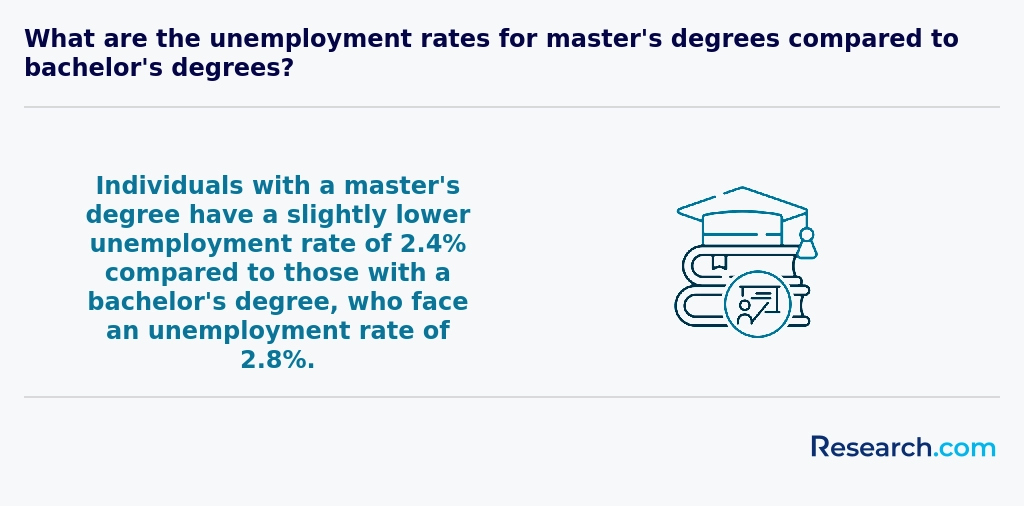
- Graduates in Little Rock with a bachelor's degree earn an average salary of $55,000, while those with a master's degree can expect around $72,000, showing how higher degrees directly boost income opportunities.
- A graduate from the University of Arkansas at Little Rock who completed an online business degree often advances quickly into management roles, benefiting from the school's strong industry connections and career support.
- Online degree holders from UALR report saving time and money with flexible scheduling and lower costs, making education more accessible without sacrificing quality compared to traditional programs.
- Key benefits of getting online degrees in Little Rock
- What can I expect from online degrees in Little Rock?
- How much can I make with online degrees in Little Rock?
- 2027 Most Affordable Online Colleges Programs Ranking in Little Rock, AR
- Key Findings
- How long does it take to complete online degrees in Little Rock?
- Quality Assurance and Accreditation: What You Need to Know
- What's the difference between online and on-campus degree?
- How Does Little Rock’s Affordability Compare to Other Regions?
- What is the average cost of online degrees in Little Rock?
- Accreditation and Quality Assurance
- What financial aid is available to online degree students in Little Rock?
- How Do Online Programs in Little Rock Compare to Traditional On-Campus Degrees?
- What are the prerequisites for enrolling in online degree programs in Little Rock?
- Accreditation and Quality Assurance
- What courses are typically in online degree programs in Little Rock?
- How do you choose the best online degree in Little Rock?
- What career paths are available for online degree graduates in Little Rock?
- What is the job market for online degree graduates in Little Rock?
- Top Trending General Rankings
What can I expect from online degrees in Little Rock?
Students pursuing online degrees in Little Rock can expect strong academic engagement equivalent to on-campus programs, especially at institutions like the University of Arkansas at Little Rock (UALR). Graduates often emphasize the benefit of learning from the same faculty delivering in-person instruction, ensuring consistent quality across formats. With over 30 degree programs offered online, students have options ranging from business to social work, creating diverse pathways aligned with local economic sectors.
Technology enhances this experience by providing platforms such as Blackboard or Canvas, facilitating interactive elements like video lectures and digital discussions. Reliable internet and compatible devices are essential to fully participate, as graduates note these tools enable flexible yet rigorous study schedules fitting around work or family.
Accreditation by the Southern Association of Colleges and Schools (SACSCOC) guarantees that online degrees from Little Rock carry the same weight as traditional ones, which reassures students planning to enter competitive job markets or advanced study. Furthermore, many programs incorporate virtual internships and networking opportunities, connecting learners with prominent local employers in healthcare, education, and tech industries, improving career readiness.
How much can I make with online degrees in Little Rock?
Graduates holding online bachelor's degrees in Little Rock can expect to earn a median annual wage around $58,000 as of 2023, consistent with national averages but tailored to local market conditions. For example, graduates from institutions like the University of Arkansas at Little Rock report starting salaries near this mark, boosted by the region's demand for skilled professionals.
Those who complete online nursing programs in Little Rock often see median wages closer to $70,000, reflecting the strong healthcare sector in the area. Similarly, students graduating from online IT or computer science degrees at local colleges typically find roles paying between $65,000 and $80,000, depending on their experience and specialization.
Business administration graduates from online programs frequently earn between $50,000 and $65,000, aligning with the city's vibrant service and retail industries. Many alumni from Little Rock's popular universities share positive outcomes, emphasizing how online education combined with local job opportunities allows them to advance their careers while maintaining an affordable lifestyle.
2027 Most Affordable Online Colleges Programs Ranking in Little Rock, AR
How do we rank schools?
Investing in your education is a significant decision that can shape your future, and the Research.com team fully recognizes the importance of making well-informed choices. To support prospective students in Little Rock, AR, we have carefully developed the "2027 Most Affordable Online Colleges Programs Ranking" with a strong emphasis on quality, credibility, and accuracy. This ranking draws on rigorous research and thorough analysis to provide trustworthy guidance.
We utilized the following reputable data sources to ensure a comprehensive evaluation of online college programs:
By exploring this ranking, readers will gain valuable insights into the most affordable and quality online college programs in Little Rock, AR, empowering them to confidently select the best educational opportunities for their goals. For more information about our rigorous methodology, please visit our Research.com methodology page.
# 1 position
University of Arkansas at Little Rock
Master of Gifted, Creative, and Talented Education

# 6 position
University of Arkansas Grantham
Master of Business Intelligence

# 7 position
University of Arkansas Grantham
Master of Business Administration -- Project Management
# 8 position
University of Arkansas Grantham
Master of Health Systems Management
# 9 position
University of Arkansas Grantham
Master of Healthcare Administration
# 10 position
University of Arkansas Grantham
Master of Business Administration
Key Findings
- Average annual tuition for online undergraduate programs in Little Rock ranges from $8,000 to $12,000, which is below the national average.
- Entry-level graduates with bachelor's degrees earn around $40,000 to $45,000 per year, with mid-career salaries rising to about $65,000.
- In-demand fields locally include business administration, nursing, education, and information technology.
- Many online programs available to Little Rock residents are regionally accredited, facilitating quality education and credit transfer.
- The city's economy supports jobs in healthcare administration and IT, sectors showing consistent growth.
- Local resources like public libraries and community centers offer additional support for online students balancing education and work.
How long does it take to complete online degrees in Little Rock?
Completing an online bachelor's degree in Little Rock typically takes about four years for full-time students, mirroring traditional timelines endorsed by the U.S. Department of Education. Graduates from the University of Arkansas at Little Rock and National Park College often report this as a standard expectation, especially when balancing coursework with work or family responsibilities.
Many local students choose part-time enrollment, extending completion to six or eight years, which reflects real experiences shared by adult learners managing jobs and personal commitments alongside their studies. Online associate degrees from community colleges in Little Rock generally take around two years full-time, providing a quicker pathway into the workforce or a foundation for bachelor's studies.
Accelerated programs available at some universities allow motivated students to finish bachelor's degrees in as little as three years by taking heavier course loads or attending year-round, including summer sessions. Transfer credits also play a critical role, with many students saving six to twelve months by applying previous coursework.
Affordability, such as the $250 per credit hour rate at the University of Arkansas at Little Rock, encourages steady enrollment and progress, helping online learners complete their degrees on time without undue financial stress.
Quality Assurance and Accreditation: What You Need to Know
In today’s digital age, ensuring that an online degree program is accredited and upholds strict quality assurance measures is critical for long-term career success. Accreditation from recognized agencies not only verifies the legitimacy of the institution but also guarantees that the curriculum meets established academic and industry standards. Prospective students should look for nationally or regionally accredited programs and examine whether these schools participate in ongoing reviews conducted by external evaluators. This commitment to quality helps build employer trust and can influence the transferability of credits and eligibility for advanced educational opportunities. For a broader perspective on the value and affordability of these programs, you might want to explore affordable online general schools in arkansas, where rankings incorporate strict evaluation criteria that include accreditation and program excellence. By understanding accreditation and quality assurance, you can confidently choose an online program that not only fits your budget but also supports your professional growth.
What's the difference between online and on-campus degree?
Online and on-campus degrees in Little Rock differ primarily in delivery and flexibility. Online programs let students access coursework anytime via digital platforms, ideal for those juggling work or family commitments. For example, graduates from the University of Arkansas at Little Rock often highlight how asynchronous classes allowed them to study comfortably from home without sacrificing job hours. In contrast, on-campus degrees require attending scheduled classes in person, providing direct interaction with faculty and peers, which some students find motivating and community-building.
Cost also plays a role. Arkansas public institutions average about $8,000 annually for in-state tuition. Online learners in Little Rock often save on commuting and housing, making education more affordable despite tuition sometimes being similar to on-campus rates.
Student support differs, too. On-campus students enjoy face-to-face advising and extracurriculars, while online learners rely on virtual services like digital tutoring, as seen at the University of Arkansas at Little Rock, which excels in online student support.
Both formats maintain academic rigor, though hands-on fields might need occasional in-person sessions, blending flexibility with practical experience.
How Does Little Rock’s Affordability Compare to Other Regions?
Online degree seekers often wonder how Little Rock stacks up against other affordable destinations. With an average cost of $35,400 per program, Little Rock sits comfortably below the national average of $38,000, thanks to institutions like the University of Arkansas at Little Rock and Pulaski Technical College. Yet, for those exploring even more budget-friendly options, nearby markets can offer distinct advantages. For example, Inexpensive Online Colleges Programs Ranking in McKenzie, TN highlights tuition rates that are nearly 10% lower than Little Rock’s average. While McKenzie excels in ultra-low tuition, Little Rock delivers broader program variety and stronger local employer networks, particularly in healthcare and business. Key comparison points:
- Tuition Savings: McKenzie’s average program cost hovers around $32,000, making it ideal for cost-conscious students prioritizing price over location-specific outcomes.
- Program Diversity: Little Rock offers over 50 fully online degrees across healthcare, education, IT, and business-double the offerings in McKenzie.
- Employment Outlook: Little Rock’s urban economy produces 16% more healthcare roles and 10% more managerial positions, ensuring graduates find local opportunities quickly. By weighing tuition against program breadth and job prospects, prospective students can choose the destination that best aligns with their financial goals and career ambitions.
What is the average cost of online degrees in Little Rock?
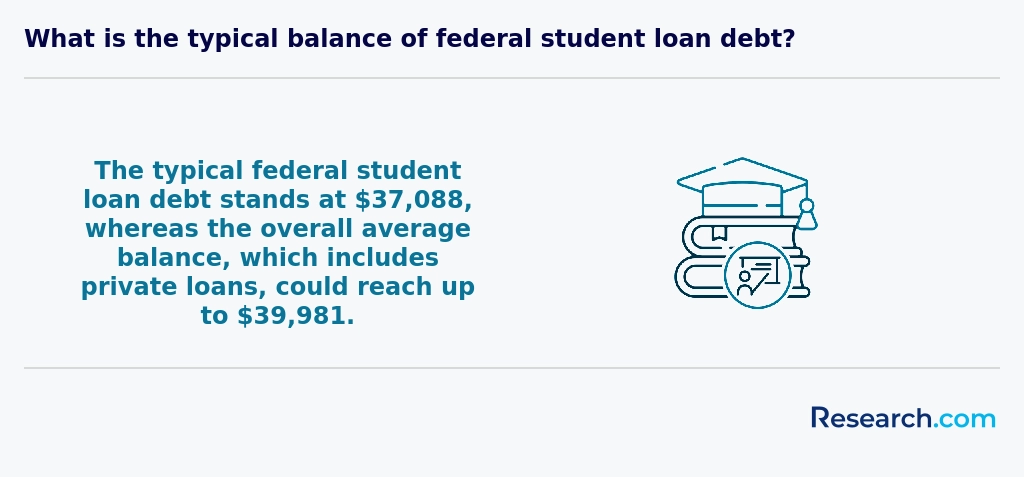
The average cost of an online degree in Little Rock stands around $33,600, reflecting a median total tuition expense that balances accessibility and quality. This figure aligns closely with the rates charged by major institutions like the University of Arkansas at Little Rock, where tuition fees for in-state online undergraduate courses average about $320 per credit hour. For many graduates, these costs represent a manageable investment compared to higher rates at private universities within the city, which can exceed $500 per credit hour.
Students often appreciate how affordable online college tuition Little Rock Arkansas offers enables them to pursue degrees without overwhelming financial strain. Many find that living locally and taking advantage of in-state rates significantly reduces expenses. For example, students balancing work and family life have expressed relief in being able to study online while benefiting from tuition costs well below the national average.
Several given factors affect these costs, including residency status, program level, and financial aid availability. Scholarships and employer tuition assistance further lower costs, allowing learners to engage in higher education more feasibly. When comparing options, prospective students can consider exploring more about affordable online general schools in arkansas to find programs tailored to their budget and goals, helping them maximize value and minimize debt.
Accreditation and Quality Assurance
Accreditation is a non-negotiable marker of quality for any online degree program, ensuring that institutions meet rigorous academic and operational standards. In Little Rock, AR, most reputable online colleges hold regional accreditation from the Southern Association of Colleges and Schools Commission on Colleges (SACSCOC). Programmatic accreditors-such as the Commission on Collegiate Nursing Education (CCNE) for nursing or the Association to Advance Collegiate Schools of Business (AACSB) for business-further validate specialized curricula and clinical training. Verifying accreditation is straightforward: visit the U.S. Department of Education’s Database of Accredited Postsecondary Institutions and Programs or consult accreditor websites directly. Only accredited programs qualify for federal financial aid, guarantee smoother credit transfers between institutions, and earn broad employer recognition. Without proper accreditation, credits may be non-transferable and degrees could face licensing or certification barriers in fields like education, healthcare, and engineering. For students seeking accelerated pathways that don’t compromise on quality, explore our best online accelerated bachelor’s degrees, which maintain the same accreditation standards while enabling faster completion. Assess each program’s accreditation status before enrolling to protect your investment, maximize financial aid eligibility, and ensure your credentials carry weight in the job market.
What financial aid is available to online degree students in Little Rock?
Students pursuing online degrees in Little Rock typically access a mix of financial aid options that ease tuition costs significantly. Federal aid remains foundational, particularly through the Free Application for Federal Student Aid (FAFSA), which assesses eligibility for grants, loans, and work-study opportunities. Many online students at institutions like the University of Arkansas at Little Rock benefit greatly from the Pell Grant, which offers up to $7,395 for eligible undergraduates in the 2023-2024 cycle-eliminating repayment stress and allowing focused study.
Loans also play a crucial role. Federal Direct Subsidized and Unsubsidized Loans provide low-interest options with flexible repayment, enabling graduates to finance their education without overwhelming debt. Beyond federal aid, Arkansas residents can qualify for state scholarships such as the Arkansas Academic Challenge Scholarship, which has helped countless students reduce tuition at local online programs.
Local universities often supplement this support with institutional scholarships tailored for online learners. Graduates recount how personalized guidance from financial aid offices made navigating these options manageable and empowering. Additionally, employer tuition reimbursement programs in the Little Rock metro area provide practical assistance for working students aiming for career advancement.
How Do Online Programs in Little Rock Compare to Traditional On-Campus Degrees?
When weighing the decision between an online degree in Little Rock, AR, and a traditional on-campus program, cost and flexibility often top the list. On average, online tuition at the University of Arkansas at Little Rock runs 20–30% lower than its on-campus counterpart, thanks to reduced facility fees and digital materials. Moreover, online learners avoid commuting expenses and can leverage asynchronous class formats to study outside standard business hours. In contrast, on-campus students benefit from hands-on labs and face-to-face interaction, which can be critical in disciplines like nursing or laboratory sciences. Beyond price, the learning experience itself differs: online programs utilize robust learning management systems that provide 24/7 access to recorded lectures, discussion boards, and virtual simulations, while on-campus courses offer real-time feedback and in-person networking events. Both paths share the same accreditation standards-meaning employers recognize an online Bachelor’s in Business Administration from UA Little Rock just as readily as the traditional degree. For learners seeking targeted skill sets, our data suggests that pairing an online curriculum with specialized certificates can boost employability; for a deeper dive into high-return options, explore our guide to most useful college degrees. Finally, career outcomes remain comparable: graduates from online programs in fields such as education, IT, and public administration report similar starting salaries and job-placement rates to their on-campus peers. The key differentiator is self-discipline-online students must proactively engage with instructors and peers to maximize feedback loops. Ultimately, the choice hinges on personal learning styles, budget constraints, and long-term goals, but Little Rock’s affordable online offerings ensure that both pathways can lead to rewarding careers and a strong return on investment.
What are the prerequisites for enrolling in online degree programs in Little Rock?
Enrolling in an online degree program in Little Rock typically requires meeting several clear prerequisites that ensure students are academically and technically prepared. Most programs demand a high school diploma or GED as a baseline, with graduate programs expecting a bachelor's degree or equivalent prior coursework. Graduates from popular local institutions often recall submitting official transcripts, sometimes needing certified translations if records were international, which reinforces the importance of thorough preparation.
Standardized test scores like the SAT or ACT are still requested by some competitive Little Rock programs, though many have shifted to test-optional policies since 2020, making this a flexible requirement. Applicants also must complete an application form and pay a nonrefundable fee, usually between $25 and $75, aligning with national standards.
Graduates frequently highlight the necessity of reliable internet access and updated devices to handle virtual learning platforms. Additional prerequisites, such as background checks or immunizations, may apply for certain professional tracks, reflecting the practical realities of local online education.

Accreditation and Quality Assurance
Ensuring the quality and credibility of your education is paramount when selecting an online program. Accreditation not only validates the academic rigor of a curriculum but also impacts eligibility for federal financial aid and transfers of credits. Prospective students should verify that the institution is recognized by reputable accrediting bodies, such as the Higher Learning Commission or specialized agencies related to specific fields. Moreover, transparent quality assurance processes-including regular program reviews and updated course materials-help maintain high educational standards and foster student success. This commitment to excellence reassures learners that their chosen program, whether it’s a online degree or another format, will prepare them for real-world challenges and career advancement. By staying informed about accreditation status and quality metrics, you can confidently invest in a program that meets both educational and professional standards.
What courses are typically in online degree programs in Little Rock?
Typical online degree courses in Little Rock AR reflect a blend of foundational knowledge and career-specific skills. Programs at institutions like the University of Arkansas at Little Rock emphasize core classes in English composition, mathematics, and social sciences, ensuring students build strong critical thinking and communication abilities. Graduates commonly highlight interactive assignments that deepen understanding and prepare them for real-world challenges.
In business administration programs, courses such as Principles of Management, Financial Accounting, and Marketing Fundamentals are standard, aligning closely with local industry needs. Healthcare-related degrees often include Human Anatomy, Medical Terminology, and Healthcare Ethics, responding to Little Rock's expanding medical sector. Information technology tracks typically cover Introduction to Programming and Network Security, fields that support Arkansas's growing tech workforce.
Students pursuing typical online college programs Little Rock report that the curriculum's flexibility combined with relevant content helps maintain motivation and career focus. Many find success through programs that integrate practical case studies and real-world applications.
For a broader overview of accessible options, prospective students often refer to resources on online degree pathways available locally and statewide.
How do you choose the best online degree in Little Rock?
Choosing the best online degree program in Little Rock depends heavily on accreditation, curriculum relevance, flexibility, cost, and student outcomes. Graduates from local institutions like the University of Arkansas at Little Rock often emphasize the value of regional accreditation by agencies such as the Higher Learning Commission, which ensures their qualifications are widely accepted. Programs aligning with Arkansas's growing sectors-healthcare, business, education, and IT-offer direct career benefits. For example, a healthcare graduate praised the program's focus on in-demand skills supported by local industry trends.
Flexible scheduling, including asynchronous courses and robust online support services like tutoring and advising, is highly rated among working adults balancing education with other responsibilities. Little Rock's public colleges are noted for affordable online degree programs Little Rock AR, making them attractive for budget-conscious students. Meanwhile, graduates recommend reviewing tuition against financial aid options to secure the best value. Prospective students might also explore best online accelerated bachelor's degrees to shorten study time efficiently.
Finally, analyzing graduation rates from NCES data helps gauge student satisfaction and institutional support, critical for distance learners aiming for successful completion.
What career paths are available for online degree graduates in Little Rock?
Graduates who earn online degrees in Little Rock find multiple career paths across key local industries. Healthcare roles, including nursing and administration, are prominent due to growth driven by institutions like the University of Arkansas for Medical Sciences. Business graduates often secure positions in finance or insurance with companies such as Arkansas Blue Cross Blue Shield, reflecting strong job prospects for online graduates Little Rock offers. Education professionals with online degrees report positive experiences working in public schools and local colleges adapting to digital learning trends. Technology careers in software development and cybersecurity are becoming increasingly accessible, supported by the city's expanding tech sector and employment data from the Central Arkansas Economic Development Institute. Government jobs in public administration and social services remain viable, leveraging Little Rock's status as the state capital. Graduates appreciate how local opportunities connect with flexible online studies, often recommending exploration of most useful college degrees to align with these promising sectors.
What is the job market for online degree graduates in Little Rock?
The job market for online degree job prospects in Little Rock is notably strong, with growing acceptance of remote education credentials across key sectors. Graduates from programs offered by popular institutions in the city often find healthcare, finance, and technology roles accessible due to the expanding local economy. For example, graduates in healthcare administration from local colleges report positive hiring experiences in hospitals recognizing accredited online degrees, which aligns with the projected 15% growth in healthcare jobs according to BLS 2023 data.
Employment opportunities for online graduates Little Rock are also promising in finance and IT. Firms like Bank of America and Stephens Inc. value adaptive skills gained through online study, and local unemployment remains low at 3.6%, fostering a competitive yet steady job market. Many computer science graduates from well-known Little Rock universities highlight employer demand for current certifications alongside degrees, reflecting the city's rise in tech positions and remote work trends.
Prospective students seeking affordable, flexible education can explore options including those listed in the Inexpensive Online Colleges Programs Ranking in McKenzie, TN, helping them align studies with local economic needs.
Frequently Asked Questions
Students in Little Rock looking to maximize their online learning experience should focus on time management and creating a dedicated study space. Research shows that clear organization improves retention and reduces stress. Local resources, such as the University of Arkansas at Little Rock's online library, offer valuable academic support.
Engaging actively with instructors and peers via discussion boards and video calls boosts understanding. According to the National Center for Education Statistics, students who participate regularly in online class discussions perform better overall. Additionally, seeking academic advising available through many Little Rock institutions helps tailor course choices to career goals.
Lastly, leveraging technology tools like digital calendars and note-taking apps can enhance learning efficiency for online students in the area.
Preparing for the job market after completing an online degree in Little Rock involves several key steps. Graduates should start by leveraging local resources such as the Arkansas Department of Workforce Services, which offers career counseling and job placement assistance. Networking is essential; connecting with Little Rock's professional groups and attending industry-specific events can open doors. Internships or volunteer opportunities in the city provide practical experience that employers value. According to the U.S. Bureau of Labor Statistics, Arkansas's unemployment rate as of early 2024 stands near 3.5%, emphasizing the importance of strategic job search methods. Tailoring resumes and practicing interview skills remain critical for success.
Employers in Little Rock prioritize a blend of technical and soft skills in graduates. According to the Arkansas Department of Workforce Services, critical skills include communication, problem-solving, and teamwork. These abilities help new employees adapt quickly in dynamic work environments.
Technical skills related to digital literacy and data analysis are also in high demand, reflecting the region's growing emphasis on technology-driven industries like healthcare and finance. Local businesses increasingly seek candidates who can navigate software tools efficiently.
Additionally, time management and adaptability stand out as key traits. Studies from the University of Arkansas at Little Rock highlight that employers value graduates who demonstrate reliability and a willingness to learn continuously in their roles.
Finding internships in Little Rock begins with exploring local resources connected to online degree programs. The city's diverse economy includes sectors like healthcare, technology, and government, offering various internship opportunities. The Arkansas Department of Workforce Services and the Greater Little Rock Chamber of Commerce provide listings and support for internships.
Students should also utilize their online college's career services. Many institutions partner with Little Rock businesses to connect students with internships. Networking through LinkedIn and local professional groups can help identify openings.
According to the U.S. Bureau of Labor Statistics, Arkansas saw a growth in internship programs, particularly in Little Rock's tech and healthcare markets, emphasizing practical experience. Applying early and tailoring resumes to local industries increases success chances.
In Little Rock, holding an online degree significantly enhances career mobility and advancement prospects. According to the U.S. Bureau of Labor Statistics, individuals with a bachelor's degree or higher earn 67% more on average than those with only a high school diploma. Local employers in sectors like healthcare, technology, and business increasingly recognize accredited online degrees from regionally respected institutions.
The Arkansas Department of Workforce Services reports steady job growth in Little Rock, with many mid- to high-skill jobs requiring at least some postsecondary education. An online degree offers flexibility, allowing working adults to upskill without interrupting employment.
Additionally, employers in Little Rock often value the demonstrated discipline and time management skills reflected by completing an online degree program.
Choosing between a thesis and a non-thesis online degree program in Little Rock depends on your career goals and learning preferences. A thesis program requires conducting original research and writing a substantial paper, which is ideal if you plan to pursue a PhD or work in research-focused roles.
Non-thesis programs often emphasize practical skills through coursework and projects, suitable for those aiming for industry jobs or professional advancement without the research component.
In Little Rock, universities like the University of Arkansas at Little Rock offer both options online, aligning with national trends where about 40% of graduate students prefer non-thesis routes for flexibility (NCES, 2022).
Students based in Little Rock who wish to study abroad while pursuing online degrees have several pathways available. Many Arkansas universities, including the University of Arkansas at Little Rock, offer partnerships with international institutions where students can participate in exchange programs or study abroad during a semester.
Additionally, some online programs provide virtual international experiences through global coursework and collaborative projects with peers overseas. These options help students gain cross-cultural skills without leaving Little Rock.
It is also worth noting that the U.S. Department of Education supports financial aid for eligible students studying abroad, making it accessible for many pursuing higher education. For up-to-date partnerships and programs, students should consult university international offices or advisors.
Part-time job opportunities in Little Rock can greatly complement your online degree education by providing practical experience and supplemental income. Local sectors like healthcare, education, and retail offer diverse roles suited to students. For example, healthcare support jobs such as medical assistant or patient scheduler are in demand, aligning well with degrees in health sciences.
The Arkansas Department of Workforce Services reported that retail and customer service positions comprise nearly 20% of part-time roles in Little Rock, providing flexible hours for students balancing studies. Additionally, tutoring or administrative assistant positions in local educational institutions can enhance skills relevant to various degree fields.
These opportunities help develop time management, communication, and professional skills essential for post-graduate success.
Online students in Little Rock have several valuable networking opportunities despite studying remotely. Local universities like the University of Arkansas at Little Rock often host virtual events, workshops, and career fairs accessible to online learners. These events connect students with local employers and alumni networks.
The city's growing industries, including healthcare and technology, also support professional groups and meetups. Online students can join virtual chapters or attend in-person networking events when possible. The Greater Little Rock Chamber of Commerce provides resources and events that foster connections among professionals and students.
Engaging in local social media groups related to Little Rock's academic and career sectors further enhances networking prospects for online learners.
Alumni networks play a significant role in supporting online degree students in Little Rock by fostering professional connections and mentoring opportunities. Graduates from local institutions often participate in events and online forums that help current students build valuable industry contacts in Arkansas's capital. According to the Arkansas Department of Higher Education, strong alumni engagement can boost job placement rates for online learners by up to 15% regionally. These networks also provide access to exclusive internships and career resources, which are especially important for students studying remotely. Thus, alumni associations act as a bridge between education and employment for online students in Little Rock.
Customizing an online degree program in Little Rock allows students to align their education with specific career objectives. Many Arkansas institutions offer flexible curricula, enabling learners to select electives and concentrations that match local job market demands. For example, the University of Arkansas at Little Rock provides options in business, health sciences, and technology fields, all tailored toward relevant industry skills.
Students can also choose accelerated courses or part-time schedules to fit personal and professional commitments. Additionally, internships or virtual practicums available through local partnerships help apply knowledge directly in Little Rock's growing sectors, such as healthcare and finance. Consulting academic advisors can further personalize plans to meet individual goals.
Online students in Little Rock face several challenges typical of remote learning but with local nuances. Reliable internet access remains a concern; although Arkansas has improved broadband coverage, about 10% of households in Little Rock still lack high-speed internet, according to the FCC's 2023 report. This can hinder participation in live lectures and timely submissions.
Additionally, balancing coursework with work and family obligations is common. Many online learners in Little Rock are adults returning to school while maintaining jobs, making time management essential. Access to campus resources is also limited, which can affect networking and support opportunities.
Finally, staying motivated without in-person interaction is a widespread difficulty among online students nationwide, impacting retention rates.
Applying to an online degree program in Little Rock requires a clear and focused approach. Start by researching schools in Little Rock that offer accredited online programs, such as the University of Arkansas at Little Rock. Accreditation ensures the quality and recognition of your degree. Next, tailor your personal statement to highlight your goals, experiences, and reasons for choosing an online format, reflecting local opportunities and workforce needs.
Submit all required documents promptly, including transcripts and standardized test scores if applicable. According to the Arkansas Department of Higher Education, meeting deadlines significantly improves admission chances. Lastly, proofread your application carefully to avoid errors and demonstrate professionalism.
Gaining practical experience while studying online in Little Rock is achievable through several avenues. Many online programs encourage internships, cooperative education (co-op), or service learning opportunities with local businesses and organizations. For example, Little Rock hosts a growing tech and healthcare sector, providing students access to internships in these fields.
Additionally, students can participate in virtual internships or project-based assignments related to their studies. According to the Arkansas Department of Workforce Services, local employers highly value hands-on experience, which improves job placement rates upon graduation.
Some Little Rock universities also partner with local industries to offer applied learning experiences, combining remote coursework with real-world projects.
Choosing the right concentration within an online degree program in Little Rock starts with understanding your career goals. Many local employers in industries such as healthcare, business, and technology seek specialized skills. According to the Arkansas Department of Workforce Services, sectors like healthcare and IT are among the fastest growing in the region. Exploring concentrations aligned with these fields can increase job prospects after graduation.
Students should also consider the curriculum flexibility and faculty expertise offered by Little Rock institutions. Reviewing course descriptions and seeking advice from academic advisors can clarify how a concentration fits with your interests. Additionally, verifying program accreditation ensures your degree is recognized by employers nationwide.
Related General Rankings for Nearby Cities
- 2027 Most Affordable Online Colleges Programs Ranking in Cleveland, MS
- 2027 Most Affordable Online Colleges Programs Ranking in Memphis, TN
- 2027 Most Affordable Online Colleges Programs Ranking in Fayetteville, AR
- 2027 Most Affordable Online Colleges Programs Ranking in Springfield, MO
- 2027 Most Affordable Online Colleges Programs Ranking in Jackson, MS
- 2027 Most Affordable Online Colleges Programs Ranking in Pittsburg, KS
- 2027 Most Affordable Online Colleges Programs Ranking in Cape Girardeau, MO
- 2027 Most Affordable Online Colleges Programs Ranking in Tyler, TX
- 2027 Most Affordable Online Colleges Programs Ranking in Florence, AL
- 2027 Most Affordable Online Colleges Programs Ranking in Carbondale, IL
Top Trending General Rankings
References
- Networking Events in Little Rock - Elevate Your Career | Eventbrite https://www.eventbrite.com/d/ar--little-rock/networking/
- The eight graduate skills employers want https://www.unitemps.com/career-advice/the-eight-graduate-skills-employers-want/
- Campus Spotlight: UA Little Rock sees more than 300 freshmen for orientation | KARK https://www.kark.com/campus-spotlight/campus-spotlight-ua-little-rock-sees-more-than-300-freshmen-for-orientation/
- List of alumni staying in Little Rock - UGMSAA Alumni Network https://www.ugmsaa.org/dir/city/Little-Rock.dz
- Internships - City of Little Rock https://littlerock.gov/government/mayors-office/our-team/internships/
- The Little Rock Nine (U.S. National Park Service) https://www.nps.gov/people/the-little-rock-nine.htm
- Tips for Choosing Your Graduate Concentration - Graduate Programs for Educators https://www.graduateprogram.org/blog/tips-for-choosing-your-graduate-concentration/
- Top 15 Skills Employers Look for in College Graduates https://www.vupune.ac.in/blog/top-15-skills-employers-look-for-in-college-graduates
- College Degree vs. Major vs. Concentration: What’s the Difference? https://www.coloradotech.edu/blog/2025/september/college-degree-vs-major-vs-concentration-what-s-the-difference
- A Guide to Nonprofit Young Professionals Groups in Little Rock - Little Rock Soirée https://www.littlerocksoiree.com/a-guide-to-nonprofit-young-professionals-groups-in-little-rock/