2027 Fastest Online Colleges Programs Ranking in Florida

Co-Founder and Chief Data Scientist
Choosing the right online degree program in Florida can feel overwhelming. To make this easier, our article presents the 2027 Fastest Online Colleges Programs Ranking in Florida, created by the Research.com team of data scientists. This ranking helps you identify programs that can accelerate your education and career goals.
Reading this article empowers you with reliable insights, ensuring your time and investment lead to valuable outcomes. Earning a degree opens doors to new opportunities, and finding the right program is the first step. Let's explore these top options together.
Key benefits of getting online degrees in Florida
- Graduates in Florida with a bachelor's degree earn an average salary of $55,000, while those with a master's degree can earn up to $75,000, showing clear financial benefits across degree levels.
- A University of Florida online business degree graduate successfully entered the thriving Miami job market as a marketing analyst, demonstrating the career growth opportunities available.
- An online nursing graduate from Florida State University highlights flexible study schedules and reduced commuting time, making it easier to balance work and school compared to traditional programs.
- Key benefits of getting online degrees in Florida
- What can I expect from online degrees in Florida?
- How much can I make with online degrees in Florida?
- 2027 Fastest Online Colleges Programs Ranking in Florida
- Key Findings
- How long does it take to complete online degrees in Florida?
- How to Accelerate Your Online Degree in Florida
- What's the difference between online and on-campus degree?
- Where Can I Work with an Online Degree in Florida?
- What is the average cost of online degrees in Florida?
- Where Can I Work with an Online Degree in Florida?
- What financial aid is available to online degree students in Florida?
- Where Can I Work with an Online Degree in Florida?
- What are the prerequisites for enrolling in online degree programs in Florida?
- Where Can I Work with an Online Degree in Florida?
- What courses are typically in online degree programs in Florida?
- How do you choose the best online degree in Florida?
- What career paths are available for online degree graduates in Florida?
- What is the job market for online degree graduates in Florida?
- Related General Rankings for Nearby States
- Top Trending General Rankings
What can I expect from online degrees in Florida?
Online degree students in Florida can expect access to accredited programs from major public institutions like the University of Florida, Florida State University, and the University of Central Florida. These universities offer comprehensive online degrees that match the quality and rigor of their on-campus courses, allowing graduates to feel confident in the value of their education. For example, a graduate from Florida State University's online business program appreciated the flexibility to balance coursework with family responsibilities, studying asynchronously at convenient times.
Tuition affordability is another key benefit. Many public universities in Florida charge between $100 and $150 per credit hour for in-state online students, making higher education financially attainable without sacrificing quality. Community colleges complement these options with affordable associate degrees that ease transfer to four-year programs, creating clear pathways for career advancement.
Students also benefit from strong state support, such as the Florida Student Assistance Grant, which helps reduce the financial burden. Importantly, online degrees adhere to regional accreditation standards like SACSCOC, ensuring national recognition for employment or further study.
How much can I make with online degrees in Florida?
Graduates with an online bachelor's degree in Florida typically earn around $60,000 annually, according to 2023 data from the Florida Department of Economic Opportunity. Those completing programs from popular institutions like the University of Florida or Florida State University report starting salaries between $50,000 and $65,000, especially in business administration and finance fields. This reflects strong opportunities for new graduates entering the local job market.
Online learners in healthcare or technology programs, such as nursing or information technology certifications offered by colleges like the University of Central Florida, often see median wages ranging from $67,000 to over $80,000 per year. Many graduates find this income growth encouraging, reflecting Florida's demand for skilled professionals in these sectors.
Students who pursue advanced online degrees, such as a master's from institutions like Florida International University, can increase their earnings to between $75,000 and $90,000. Graduates often attribute this financial benefit to specialized skills and relevant certifications earned through these programs, which align well with Florida's dynamic job market.
2027 Fastest Online Colleges Programs Ranking in Florida
How do we rank schools?
Investing in your education is a significant decision that can shape your future, and the Research.com team understands the importance of making informed choices. To assist prospective students in Florida, we have meticulously crafted the "2027 Fastest Online Colleges Programs Ranking in Florida." Our commitment to quality, credibility, and accuracy is reflected in the extensive research and analysis conducted to compile this ranking.
We utilized the following reputable data sources to ensure a comprehensive evaluation of online college programs:
By exploring this ranking, readers will gain valuable insights into the fastest online college programs available in Florida, empowering them to make well-informed decisions about their educational paths. For more details on our methodology, please visit our Research.com methodology page.


# 6 position
Florida International University
Master of Special Education, Autism Endorsement specialization
# 7 position
Florida International University
Master of Curriculum and Instruction, Curriculum Development specialization

# 10 position
Florida International University
Master of Mass Communication, Global Strategic Communication


# 19 position
Full Sail University
Master of Instructional Design & Technology

Key Findings
- Many Florida universities, like the University of Florida and Florida State University, offer fully online bachelor's and master's degrees across multiple fields.
- Average tuition for online undergraduate degrees at public universities in Florida is $4,000 to $6,000 per year for in-state students, while private institutions charge $15,000 to $25,000 annually.
- The average starting salary for Florida graduates with a bachelor's degree is around $42,000, rising to about $65,000 mid-career.
- Florida's strong job market includes fast-growing sectors such as health care, information technology, business, tourism, finance, and tech.
- Online degrees from accredited Florida institutions are widely recognized statewide and nationally, supporting transferability of credits and job competitiveness.
How long does it take to complete online degrees in Florida?
Completing an online degree in Florida typically aligns with traditional timelines, though flexibility plays a key role. For instance, students at the University of Florida or Florida State University pursuing an associate degree usually finish in about two years of full-time study. Those aiming for bachelor's degrees often take around four years when enrolled full time, while master's programs generally require one to two years.
Graduates often mention how the asynchronous course formats offered by institutions like the University of Central Florida enable them to study around work or family commitments, sometimes allowing faster progress by taking extra credits or multiple sessions annually. Conversely, part-time students balancing multiple responsibilities may extend their completion time beyond these averages.
Transfer agreements between Florida community colleges and four-year universities can shorten bachelor's degree durations significantly. According to the Florida Department of Education, about 40% of online bachelor's students complete their programs within five years, showing that many find success despite life's challenges.
How to Accelerate Your Online Degree in Florida
Online students can shorten graduation time by combining targeted strategies at Florida institutions:
- Choose accelerated terms: enroll in 6- to 8-week courses offered year-round to complete credits faster.
- Maximize transfer credits: apply community college or military training credits through formal articulation agreements.
- Leverage prior learning assessments: earn credit for relevant work experience, industry certifications or exam-based programs.
- Enroll in summer and winter sessions: take at least one intensive session per year to maintain momentum.
- Stackable credentials: start with short, credit-bearing certificates that count toward your bachelor’s degree.
By mixing these approaches, you can finish sooner without sacrificing academic quality. For guidance on linking speed with career prospects and finding which bachelor degree is best, compare program structures and support services closely.
What's the difference between online and on-campus degree?
Online degrees in Florida provide significant flexibility, allowing students to study from anywhere and often on their own schedules. Graduates of the University of Florida's online programs frequently cite the ability to balance work, family, and education as a major advantage. Nearly 14% of Florida's higher education students were enrolled exclusively online in 2022, reflecting growing acceptance of this format. In contrast, on-campus programs at institutions like Florida State University demand physical attendance, offering students direct interaction with faculty and peers, which many graduates praise for fostering strong networks and hands-on learning.
Cost differences also play a key role. While tuition rates such as the University of Florida's $6,380 in-state undergraduate fee may be similar, online students often save on housing and commuting expenses. These savings make programs more accessible to working adults and those living remotely. Both options share accreditation standards upheld by SACSCOC, ensuring quality education regardless of delivery method.
Online learners appreciate the independence and adaptability, but must engage actively in virtual communities to replicate on-campus social connections. Campus-based students often describe their experience as immersive and structured, benefiting from immediate access to campus resources.
Where Can I Work with an Online Degree in Florida?
Florida’s dynamic economy offers online degree graduates a wide array of employment opportunities across public, private, and nonprofit sectors. From healthcare systems like Baptist Health and AdventHealth to financial institutions such as JPMorgan Chase and Raymond James, employers value the flexibility and self-discipline honed through online study. In the tech industry, companies like Citrix and Ultimate Software actively recruit graduates from online IT and cybersecurity programs, while leading school districts in Miami-Dade and Orange County seek online-educated teachers and administrators. Major hospital networks, government agencies, and top corporations often post listings specifically seeking graduates with remote-learning experience, recognizing that these candidates excel in time management and virtual collaboration. For example:
- Healthcare: Registered Nurse, Health Informatics Specialist, Telehealth Coordinator
- Business & Finance: Financial Analyst, Marketing Coordinator, Human Resources Manager
- Technology: Software Developer, Cybersecurity Analyst, IT Project Manager
- Education & Public Service: K–12 Teacher, Instructional Designer, Public Administration Officer To identify programs that align with these in-demand roles, explore our guide to easiest online college degrees and majors and position yourself for success in Florida’s competitive job market.
What is the average cost of online degrees in Florida?
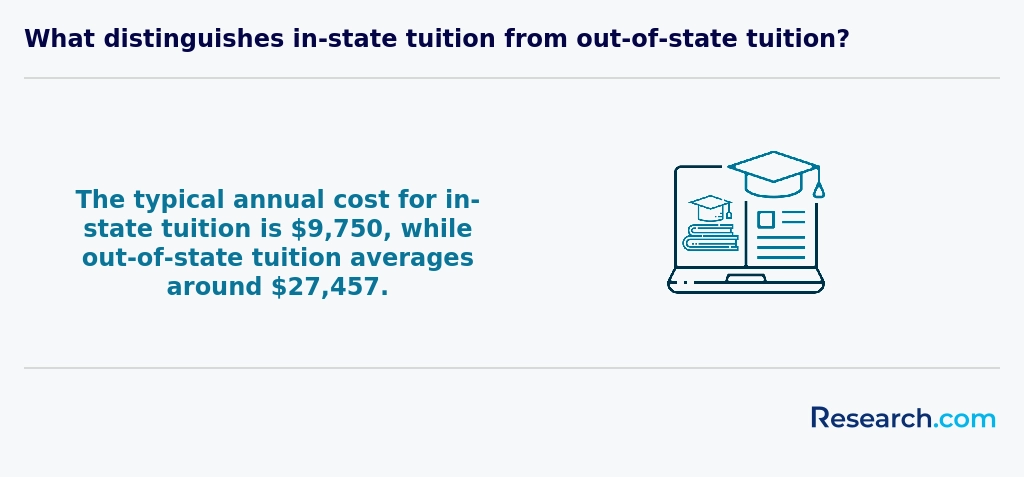
The average cost of an online degree in Florida varies significantly depending on residency and institution type, with median costs reflecting these differences. In-state students pursuing their degree through public universities typically face a median total cost around $15,501, a figure that aligns with the affordability that attracts many local learners. Graduates from these programs often share how manageable tuition allowed them to focus on their studies without overwhelming financial stress, enhancing their overall learning experience at popular schools across the Florida College System or State University System.
For those studying online as out-of-state students, the median total cost is notably higher, approximately $47,190. These students often weigh the benefits of quality education against the increased tuition, finding value in flexible course delivery combined with strong academic support. Private universities in Florida, while offering prestigious programs, come with a median tuition near $38,355 and often present a more substantial investment. Many students at these institutions celebrate scholarships and financial aid that help reduce expenses, making degrees from such schools more attainable.
Understanding Florida online college tuition and fees is essential for prospective students planning their education budget. In addition to tuition, fees for technology or materials are usually lower online than on campus, which adds to the appeal of remote learning. Those searching for options benefit from resources like the cheapest online general school in florida, which highlights accessible, high-quality paths to a degree in this state.

Where Can I Work with an Online Degree in Florida?
Earning an online degree in Florida opens doors across diverse industries and sectors. Graduates have ample opportunities in both the public and private spheres, where employers increasingly value the self-discipline, technical proficiency, and adaptability that online learning fosters. In the healthcare arena, for instance, professionals with nursing or public health degrees can find rewarding roles in hospitals, clinics, and rehabilitation centers. The technology sector also presents a vast array of opportunities-from software development and cybersecurity roles to IT consulting positions-as companies continue to prioritize digital transformation and innovation. In the business and finance sectors, graduates can work in varied roles such as marketing, financial analysis, or management. Florida’s dynamic economy ensures that graduates from online business administration or management programs are highly sought after, particularly in metro areas like Miami, Tampa, and Orlando. Additionally, the public sector benefits from online degree holders who bring modern problem-solving skills to government agencies, public policy development, and community outreach programs. Higher education institutions and some specialized training centers often offer further career-boosting opportunities. For students seeking affordability without compromising quality, check out cheapest online general school in florida rankings to find programs that align with financial goals and career aspirations. Across these varied sectors, employers are looking for candidates who not only possess specialized knowledge but also the practical skills to apply that expertise effectively. The blend of academic rigor and flexible learning environments inherent in Florida's online programs ensures that graduates are well-prepared to contribute to a rapidly evolving job market.
What financial aid is available to online degree students in Florida?
Students enrolled in online degree programs at institutions like the University of Florida or Florida State University typically leverage a range of financial aid options to manage tuition costs, which average around $6,382 annually for in-state students. Federal aid forms the backbone of support, with Pell Grants offering up to $7,395 in need-based funding that does not require repayment. Many graduates recall how completing the FAFSA opened doors to these grants and federal student loans featuring fixed interest rates and flexible repayment plans.
Beyond federal resources, Florida's Bright Futures Scholarship Program stands out, providing merit-based awards funded by the state lottery that have significantly alleviated tuition expenses for numerous online learners at schools such as the University of Central Florida. Institutional aid from universities, including scholarships and work-study options, further supplements these packages, often making education more accessible.
Private scholarships from organizations like the Florida Education Fund add another layer of financial relief. Several graduates express relief at finding these awards through targeted online searches. Additionally, employer tuition assistance programs in Florida frequently help online students reduce out-of-pocket expenses, letting them balance work while progressing in their careers.
Where Can I Work with an Online Degree in Florida?
Graduates of online degree programs in Florida find opportunities across diverse sectors, from healthcare and technology to education and public service. Registered nurses and health informatics specialists often join leading systems such as Tampa General Hospital or Jackson Health System, while business graduates secure roles in regional headquarters for companies like Citrix in Fort Lauderdale or Raymond James in St. Petersburg. Information technology alumni can tap into Orlando’s growing Tech Hub with employers such as Lockheed Martin and Siemens, and education graduates frequently step into teaching or administrative positions within Miami-Dade County Public Schools or Broward County Public Schools. Public administration and criminal justice degree holders may pursue careers at the Florida Department of Transportation or in municipal government offices across the Sunshine State. For those weighing cost and flexibility, exploring out-of-state alternatives can uncover additional value-our Affordable Online Colleges Programs Ranking in Wichita, KS highlights programs that balance accelerated timelines with tuition savings, making it easier to compare fast, affordable pathways whether you stay in Florida or expand your horizons.
What are the prerequisites for enrolling in online degree programs in Florida?
Enrolling in an online degree program in Florida requires meeting clear academic and practical prerequisites. For undergraduate applicants, a high school diploma or GED is essential, often accompanied by official transcripts. Graduates from institutions like the University of Florida or Florida State University recall submitting these documents along with optional standardized test scores, reflecting recent test-optional policies.
Graduate candidates need a bachelor's degree from an accredited college, such as the University of Miami or University of Central Florida. They often provide transcripts, recommendation letters, and sometimes demonstrate prior coursework, especially in programs like an online MBA that demand economics or finance background.
Proficiency in English is a must for non-native speakers, verified through tests like TOEFL or IELTS. Students frequently share how mastering these requirements boosted their confidence for engaging in the university's online platforms.
Reliable technology, including a computer and stable internet, is indispensable for participation. Many Florida students mention how their technical readiness eased the transition to remote learning.
Financially, understanding tuition rates-averaging $6,380 yearly for in-state public universities-is critical for planning. Those who prepared financially reported a smoother and more positive enrollment experience.
Where Can I Work with an Online Degree in Florida?
Florida’s booming economy offers diverse career opportunities for online degree graduates across multiple industries. In healthcare, institutions like AdventHealth, Baptist Health, and the University of Florida Health system frequently recruit Bachelor’s and Master’s-prepared professionals for roles in nursing, health informatics, and healthcare administration. Business and finance graduates can find positions at Raymond James Financial, Citigroup, and local Fortune 500 companies in the Miami and Tampa metropolitan areas, where skills in strategic management and financial analysis are in high demand. The technology sector also presents robust hiring prospects: graduates of online IT programs often secure roles in software development, cybersecurity, and cloud engineering at firms such as Magic Leap, Citrix, and emerging tech startups in Miami’s Wynwood district. If you’re exploring entry paths with fewer barriers, consider researching colleges offering open admissions to find flexible programs that align with your career goals and schedule. Education and public service remain stalwarts of Florida’s workforce. Online graduates with education degrees can teach in public and charter schools throughout the state or pursue administrative roles within the Florida Department of Education. Meanwhile, public administration alumni often join local government agencies-such as Miami-Dade County and the City of Orlando-or nonprofit organizations focused on community development and environmental policy. Whether you aim to advance in healthcare, technology, business, or government, Florida’s online programs equip you with the credentials and soft skills employers seek in today’s competitive job market.
What courses are typically in online degree programs in Florida?
Online degree programs in Florida commonly include a diverse array of foundational courses designed to develop core academic skills. These programs often begin with general education classes in English composition, mathematics such as college algebra or statistics, natural sciences like biology, social sciences including psychology and political science, and humanities encompassing history and literature. Graduates from the University of Florida and Florida State University frequently highlight how these courses equipped them with practical critical thinking and effective communication abilities applicable in their careers.
Students pursuing online degrees in Florida appreciate the structured flexibility, as many programs balance general education with specialized courses tailored to their field. For example, business degree candidates study accounting and marketing principles, while those in health disciplines might engage in healthcare informatics and community health topics. Such design fosters career readiness across diverse industries.
The availability of these core courses is a key reason Florida ranks highly for online enrollment nationwide. Prospective learners often explore the easiest online college degrees and majors to find pathways that fit their goals. Offering a strategic mix of accessibility and academic rigor, Florida's online degree programs serve students seeking fast, reputable education options.
How do you choose the best online degree in Florida?
Choosing the best online degree program in Florida begins with confirming regional accreditation, typically from SACSCOC, to ensure credit transfers and eligibility for federal aid. Graduates from Florida's top universities often emphasize how accreditation impacted their smooth job placement and credit recognition.
Program fit is crucial-look for curriculum aligned with your career goals, whether in healthcare, business, or technology. Florida's affordable online colleges in Florida 2027 graduates frequently mention the value of practical coursework and internship opportunities that mirror real-world job demands in the state's growing sectors.
Flexibility plays a key role. Some students thrive in fully asynchronous courses offered by universities allowing self-paced learning, while others prefer scheduled live classes for interaction. Cost remains important; for instance, the University of Florida offers in-state tuition ranging from $100 to $200 per credit hour, making degree completion financially feasible for many.
For reliable selection, consider academic advising and career support, as well as retention rates. Exploring reviews and testimonials about Florida's online institutions can also guide your choice. For a broader view of options, check colleges offering open admissions that fit your needs.
What career paths are available for online degree graduates in Florida?
Graduates earning online degrees in Florida find diverse career paths aligned with the state's expanding industries. Healthcare roles, such as registered nurses and health services managers, remain in high demand, reflecting an 18% job growth projection by 2030 from the Florida Department of Economic Opportunity. Graduates from universities like the University of Florida report rewarding careers in nursing and public health administration, contributing to community well-being.
Technology careers, including software development and cybersecurity, thrive particularly around Miami and Tampa. The Florida High Tech Corridor's data confirms rapid growth in IT roles, and online degree career opportunities in Florida prepare graduates to fill these positions effectively. Business and finance degrees enable entry into versatile roles, from financial analysis to marketing, with Florida's Chamber of Commerce emphasizing strong demand driven by international trade and tourism.
Education and public administration are vital sectors where online graduates make an impact, especially in expanding K-12 and government roles. Many graduates from institutions like Florida State University find meaningful work in instructional design and social services. For those seeking more insight, consider reviewing the Affordable Online Colleges Programs Ranking in Wichita, KS for alternative education options.
Florida job outlook for online graduates highlights emerging fields such as environmental science, urban planning, and hospitality, reflecting local economic needs and environmental challenges.
What is the job market for online degree graduates in Florida?
The job market for online degree jobs in Florida is increasingly favorable, especially for graduates of reputable institutions like the University of Florida or Florida State University. These graduates often report positive employment experiences, benefiting from the state's expanding sectors such as healthcare, technology, and finance. For instance, Florida's healthcare industry is growing at over 15% in the next decade, which aligns well with nursing or health administration online programs.
Employers in cities like Miami and Tampa show strong acceptance of online degrees, valuing the flexibility and up-to-date skills these graduates bring. Many have transitioned smoothly into roles demanding digital literacy and remote work capabilities, reflecting the rise of hybrid workplaces post-pandemic. Florida's competitive salaries in STEM fields also motivate students to pursue online education locally, combining work and study efficiently.
Graduates from Florida colleges emphasize the importance of aligning their online education with market needs. Those exploring short-term options often turn to 6-month certificate courses that lead to high paying careers, which complement their degrees and enhance job readiness in the dynamic Florida job market for graduates.
Frequently Asked Questions
Students in Florida can maximize their online learning experience by actively engaging with course materials and instructors. Research shows Florida ranks among the top states offering diverse online degree options through the Florida Virtual Campus and state universities.
Setting a consistent study schedule helps maintain focus and manage time effectively, crucial for balancing work, family, and education. Utilizing campus resources like tutoring and academic advising, often available virtually, improves comprehension and retention.
Participation in online discussion boards and group projects fosters deeper understanding and professional networking. According to the Florida Board of Governors, students who consistently connect with peers and faculty report higher satisfaction and better grades.
After completing an online degree in Florida, preparing for the job market involves several key steps. Graduates should begin by updating their resumes to highlight relevant skills and online learning experiences, which Florida employers increasingly value. According to the Florida Department of Economic Opportunity, sectors like healthcare, technology, and business offer strong job growth.
Networking is critical-joining professional groups and attending virtual career fairs hosted by Florida colleges can open doors. Additionally, utilizing resources from the Florida virtual job centers helps connect graduates to local employers. Gaining certifications aligned with industry demands can further improve job prospects in competitive fields.
Employers in Florida highly value graduates with strong communication skills, both written and verbal. According to the Florida Department of Economic Opportunity, effective communication is essential across industries such as healthcare, technology, and finance. Additionally, critical thinking and problem-solving abilities are crucial, as Florida's diverse economy demands employees who can adapt to rapidly changing environments. Technical skills, particularly in information technology and data analysis, are also in high demand due to the state's growing tech sector. Furthermore, teamwork and collaboration remain top priorities, with many employers emphasizing interpersonal skills that foster productive workspaces.
Finding internships in Florida requires a strategic approach, especially for students pursuing online degrees. Start by utilizing your college's career services, which often provide partnerships with local businesses and a database of internship opportunities. Florida's Department of Economic Opportunity reports that industries like healthcare, technology, and tourism offer many internship positions statewide.
Online platforms such as Handshake and Indeed list numerous Florida internships tailored for students. Networking through professional organizations and LinkedIn groups specific to Florida can also lead to valuable connections.
Additionally, check with nonprofit organizations and government agencies in Florida as they frequently offer internship programs aimed at developing professional skills in various fields.
In Florida, earning an online degree can significantly impact career mobility and advancement. According to the Florida Department of Economic Opportunity, occupations requiring a bachelor's degree or higher are projected to grow by 12% between 2020 and 2030, faster than average for the state. This growth highlights the increasing demand for educated professionals.
Employers in Florida often view online degrees from accredited institutions as credible, especially when paired with relevant work experience. Online learning also allows flexibility, enabling students to upskill while working.
Data from the National Center for Education Statistics shows that Florida ranks among the top states for adult learners earning degrees online, reflecting strong market acceptance.
When choosing between a thesis and a non-thesis online degree program in Florida, consider your career goals. Thesis programs typically suit students aiming for research, academic positions, or doctoral studies. They require extensive research and writing, often culminating in a formal defense.
Non-thesis programs are more practice-oriented, focusing on coursework and often including internships or projects. These are ideal for professionals seeking to advance in their current field without engaging in research.
According to the Florida Department of Education, many Florida universities offering online master's degrees provide both options to accommodate diverse student needs. Check the specific curriculum details and time commitments before deciding.
Students based in Florida have several options for studying abroad through their online degree programs. Many Florida universities, such as the University of Florida and Florida State University, offer international exchange programs and partnerships with institutions worldwide. These opportunities allow students to earn credits while gaining global experience.
According to the Institute of International Education, Florida ranks among the top states sending students abroad, with over 5,000 participants annually. Most programs focus on short-term study, internships, or research projects, accommodating online learners' flexible schedules.
Financial aid and scholarships are often available to support study abroad participation, including federal grants like Pell Grants, which can be applied toward approved programs.
Florida offers diverse part-time job opportunities that can complement your online degree studies. For example, students pursuing healthcare or business degrees often find roles as medical assistants, administrative clerks, or customer service representatives. According to the Florida Department of Economic Opportunity, sectors like healthcare, retail, and professional services have strong part-time job growth.
Many universities in Florida, including community colleges, collaborate with local businesses, facilitating internships or flexible part-time roles. These jobs provide valuable experience and help build professional networks.
Additionally, industries such as tourism and hospitality also offer numerous part-time positions, especially in metropolitan areas like Miami and Orlando, which can benefit students studying communications, marketing, or management. Working part-time in a related field enhances practical skills and improves employment prospects post-graduation.
Online students in Florida benefit from multiple networking opportunities despite the remote format of their studies. Many Florida universities, such as the University of Florida and Florida State University, offer virtual career fairs and online student organizations accessible to distance learners. These platforms enable interaction with peers, faculty, and potential employers statewide.
Additionally, Florida's vibrant economy and large urban centers, including Miami and Orlando, provide university-sponsored internships and local meetups for online students. According to the Florida Department of Education, over 60% of online students participate in such activities, enhancing their professional networks.
Professional associations in Florida also host webinars and events that welcome online students, supporting connections beyond campus boundaries.
Alumni networks provide valuable benefits to online degree students in Florida by connecting them with graduates who share similar educational backgrounds. These connections can offer mentorship, career advice, and job leads, which are especially important for remote learners lacking in-person campus experience. According to the Florida Department of Education, institutions with strong alumni engagement report higher employment rates post-graduation. Additionally, Florida's major universities, like the University of Florida and Florida State University, maintain active online alumni communities that facilitate professional networking across the state and beyond.
Such networks often host virtual events and provide access to exclusive job boards tailored to Florida's growing industries, including healthcare and technology. Students can leverage these resources to build relationships and gain insights into local job markets. This support helps bridge the gap between online study and real-world opportunities, enhancing students' career prospects throughout Florida.
Many online degree programs in Florida allow students to customize their studies to align with specific career goals. Students can often choose electives or specializations within their major, tailoring coursework to fields like healthcare, technology, or business. For example, the Florida Board of Governors reports that over 60% of public universities in the state offer flexible online options, including minors and certificates, that enhance degree relevance.
Academic advisors play a key role in helping students plan a curriculum that matches their professional objectives. Additionally, partnerships between institutions and Florida industries often provide practical projects and internships that boost career readiness. This flexibility makes online education a practical choice for working adults seeking targeted skills.
Online students in Florida often face challenges related to balancing coursework with personal and professional responsibilities. Many learners juggle jobs and family duties, which can limit the time available for studies. According to the Florida Department of Education, about 60% of online students are adults returning to education, increasing this complexity.
Access to reliable internet is another concern, especially in rural areas where connectivity can be limited. The Federal Communications Commission reports that roughly 17% of Floridians lack high-speed internet, impacting their ability to fully engage in online classes.
Additionally, some students struggle with limited peer interaction and instructor support, factors shown in studies by the Online Learning Consortium to affect motivation and retention.
To write a winning application for a college or university program in Florida, start by carefully reading the specific program requirements. Many Florida institutions, including public universities like the University of Florida and Florida State University, emphasize academic records, test scores, and personal statements.
Highlight relevant experience and skills, especially for online degree programs, which often value self-motivation and time management. Florida's Bright Futures Scholarship program suggests maintaining strong grades and extracurricular involvement.
Providing clear, concise, and error-free writing in your personal statement is crucial. According to the Florida Department of Education, demonstrated commitment to your field and explaining your career goals can set your application apart.
Gather strong recommendation letters and submit all materials before the deadlines, which commonly fall between November and January for fall admissions.
Students pursuing online degrees in Florida can gain practical experience through various state-supported opportunities. Many Florida universities partner with local businesses and organizations to offer internships and cooperative education programs, even for remote learners. For example, the Florida Department of Education highlights that internships in healthcare, technology, and business sectors are widely available statewide.
Additionally, some online programs include virtual labs and project-based coursework designed to simulate real-world challenges. Florida's strong network of industries and growing tech hubs provides ample chances for students to engage in hands-on work.
Professional certifications and volunteer positions can also enhance skills alongside academic study. Resources like Florida's CareerSource system assist students in finding practical roles matching their degree paths.
Choosing the right concentration within an online degree program in Florida requires careful consideration of your career goals and interests. Florida offers a wide range of concentrations across many fields, such as healthcare, business, education, and technology, reflecting the state's diverse job market.
Research shows that sectors like healthcare and information technology are growing rapidly in Florida, with job openings expected to increase by 15% and 12% respectively by 2028 according to the Florida Department of Economic Opportunity. Selecting a concentration aligned with these fields may enhance job prospects after graduation.
Additionally, consider the curriculum and flexibility of different programs. Some universities in Florida provide specialized tracks that cater to professional certifications or state licensure, which can be valuable depending on your goals.
It is also helpful to review alumni outcomes and connect with academic advisors to understand how particular concentrations meet local industry demands.
Related General Rankings for Nearby States
- 2027 Fastest Online Colleges Programs Ranking in South Carolina
- 2027 Fastest Online Colleges Programs Ranking in Mississippi
- 2027 Fastest Online Colleges Programs Ranking in Tennessee
- 2027 Fastest Online Colleges Programs Ranking in North Carolina
- 2027 Fastest Online Colleges Programs Ranking in Kentucky
- 2027 Fastest Online Colleges Programs Ranking in Virginia
- 2027 Fastest Online Colleges Programs Ranking in West Virginia
- 2027 Fastest Online Colleges Programs Ranking in Missouri
- 2027 Fastest Online Colleges Programs Ranking in Ohio
- 2027 Fastest Online Colleges Programs Ranking in Pennsylvania
Top Trending General Rankings
References
- South Florida State College https://www.southflorida.edu/current-students/student-support-resources/career-development-center/learn-experience
- Long-Term Changes and Challenges for K-12 Education in ... https://floridataxwatch.org/ftw-document/2955/
- College Degree vs. Major vs. Concentration: What’s the Difference? https://www.coloradotech.edu/blog/2025/september/college-degree-vs-major-vs-concentration-what-s-the-difference
- Salary expectations for different majors in Florida Public Universities (2024) https://ballotpedia.org/Salary_expectations_for_different_majors_in_Florida_Public_Universities_(2024)
- Networking Events in Florida - Elevate Your Career | Eventbrite https://www.eventbrite.com/d/united-states--florida/networking/
- 17 game-changing tips for getting a job after college https://www.creditkarma.com/income/i/how-to-get-job-after-college
- Florida Online Degree vs. Traditional: Compare the Real Return https://www.nexford.edu/insights/florida-online-degree-vs.-traditional-compare-the-real-return
- Tips for Choosing Your Graduate Concentration - Graduate Programs for Educators https://www.graduateprogram.org/blog/tips-for-choosing-your-graduate-concentration/
- How Employers Evaluate Online Degrees in 2026 https://www.floridacoastaluniversity.com/how-employers-evaluate-online-degrees-2026/
- Networking in Orlando, Florida | Meetup https://www.meetup.com/find/us--fl--orlando/networking/