2027 Easiest Online Colleges Programs Ranking in Oklahoma

Co-Founder and Chief Data Scientist
Choosing the right online college program can feel overwhelming, especially with so many options available in Oklahoma. This article introduces the 2027 Easiest Online Colleges Programs Ranking in Oklahoma, carefully crafted by the Research.com team of data scientists. It's designed to help you make an informed decision about which degree programs offer the best match for your goals and lifestyle.
By exploring this ranking, you'll discover accessible programs that fit your needs, making the path to a degree more achievable and rewarding. Earning a degree opens doors to new opportunities and personal growth-this guide is here to support you every step of the way.
Key benefits of getting online degrees in Oklahoma
- Graduates in Oklahoma with a bachelor's degree earn an average of $55,000 annually, while those with a master's degree can expect salaries around $70,000, highlighting how higher education boosts earning potential.
- For example, an online graduate from the University of Oklahoma in business management often advances to leadership roles in local companies, showing strong career growth opportunities.
- An online nursing degree from Oklahoma State University allows flexible study schedules, enabling graduates to balance work and family, which many find more manageable than traditional programs.
- Key benefits of getting online degrees in Oklahoma
- What can I expect from online degrees in Oklahoma?
- How much can I make with online degrees in Oklahoma?
- 2027 Easiest Online Colleges Programs Ranking in Oklahoma
- Key Findings
- How long does it take to complete online degrees in Oklahoma?
- Student Resources and Support Services
- What's the difference between online and on-campus degree?
- Career Paths and Opportunities Post-Graduation
- What is the average cost of online degrees in Oklahoma?
- Accreditation and Quality Assurance
- What financial aid is available to online degree students in Oklahoma?
- Student Support Services and Resources for Online Learners in Oklahoma
- What are the prerequisites for enrolling in online degree programs in Oklahoma?
- Alumni Success Stories and Career Path Insights
- What courses are typically in online degree programs in Oklahoma?
- How do you choose the best online degree in Oklahoma?
- What career paths are available for online degree graduates in Oklahoma?
- What is the job market for online degree graduates in Oklahoma?
- Related General Rankings for Nearby States
- Top Trending General Rankings
What can I expect from online degrees in Oklahoma?
Students pursuing an online degree in Oklahoma can expect a flexible learning environment designed to accommodate busy schedules, especially for working professionals and those with family responsibilities. For instance, graduates from Oklahoma State University often highlight the convenience of asynchronous courses, which enable them to access lectures and complete assignments at their own pace without missing work or personal commitments.
The University of Oklahoma and Tulsa Community College offer robust online platforms like Canvas and D2L Brightspace, providing seamless communication with instructors and peers, which fosters a collaborative educational experience despite the virtual format. Alumni frequently express satisfaction with the comprehensive support services available, including academic advising, career counseling, and digital library resources, which contribute significantly to their success and engagement.
Moreover, Oklahoma's online programs maintain rigorous academic standards equivalent to on-campus courses, assuring students that their degrees hold strong credibility with employers and other institutions. Graduates appreciate the value of regional accreditation by the Higher Learning Commission, which enhances their confidence in the quality and recognition of their education.
How much can I make with online degrees in Oklahoma?
Graduates with online degrees from well-known institutions in Oklahoma, such as the University of Oklahoma and Oklahoma State University, typically see substantial financial benefits. For example, bachelor's degree holders in the state earn a median annual wage of about $56,000, which significantly surpasses the earnings of those without a degree. Master's degree recipients often experience even greater returns, with salaries commonly exceeding $70,000.
Many graduates report that their online education has enabled them to secure roles in thriving sectors like healthcare, technology, and business. Registered nurses and IT managers in Oklahoma earn between $60,000 and $90,000 annually, reflecting strong demand and competitive pay. Software developers, a popular career path among online learners, earn around $85,000 on average, demonstrating the tangible rewards of investing in online study.
Entry-level positions, especially those requiring associate degrees, often start between $30,000 and $45,000, but graduates find these roles provide valuable stepping stones to higher-paying opportunities within Oklahoma's dynamic job market.
2027 Easiest Online Colleges Programs Ranking in Oklahoma
How do we rank schools?
Investing in your education is a significant decision that can shape your future, and the Research.com team understands the importance of making informed choices. To assist prospective students in Oklahoma, we have meticulously crafted the "2027 Easiest Online Colleges Programs Ranking in Oklahoma." Our commitment to quality, credibility, and accuracy is reflected in the extensive research and analysis conducted to compile this ranking.
We utilized the following reputable data sources to ensure a comprehensive evaluation of online college programs:
By exploring this ranking, readers will gain valuable insights into the easiest online college programs offered in Oklahoma, helping them make informed and confident decisions about their educational journeys. For more details on our methodology, please visit our Research.com methodology page.

# 2 position
Cameron University
Master of Business Administration

# 3 position
Cameron University
Master of Behavioral Science
# 4 position
Cameron University
Master of Reading
# 5 position
Cameron University
Bachelor of Sports and Exercise Science
# 6 position
Cameron University
Bachelor of Business Administration
# 7 position
Cameron University
Bachelor of Criminal Justice
# 8 position
Rogers State University
Nursing RN-to-BSN

# 9 position
Rogers State University
Bachelor of Business Administration, Management option
# 10 position
Rogers State University
Bachelor of Business Information Technology-Computer Network Administration or Software Development and Multimedia option

Key Findings
- Oklahoma offers accredited public and private institutions with fully online programs recognized regionally and nationally.
- Undergraduate online tuition costs range from $7,000 to $10,000 per year at public universities and $15,000 to $25,000 at private schools.
- Median starting salaries for graduates in business, education, and health sciences are between $45,000 and $50,000 annually.
- Experienced professionals often earn $60,000 to $75,000 annually depending on industry and experience.
- Key local industries hiring degree holders include energy, healthcare, education, and technology, particularly in Oklahoma City and Tulsa.
- Many programs offer flexibility and access to internships and job placement through partnerships with local employers.
How long does it take to complete online degrees in Oklahoma?
Completing an online degree in Oklahoma typically mirrors the time frames of on-campus programs but offers greater flexibility. For example, associate degrees generally take about two years to finish when attending full-time, adhering to the 60-credit hour standard. Graduates from schools such as Tulsa Community College often share how the online format allowed them to balance work and family while steadily progressing toward their degree.
Bachelor's degrees require around 120 credit hours and usually take four years to complete full-time. However, students at institutions like Oklahoma State University and the University of Oklahoma frequently benefit from accelerated sessions and summer courses, enabling them to graduate sooner than expected. Many highlight the satisfaction of advancing more quickly while managing professional commitments.
Graduate programs vary, often spanning one to two years full-time, with part-time options extending over several years. This design suits working professionals who appreciate the adaptable pace. The ability to transfer credits and earn credit through prior learning experiences can further shorten completion times, making online degrees in Oklahoma both efficient and attainable.
Student Resources and Support Services
A critical factor that can significantly impact your online learning experience is the range and quality of student support services available. Prospective students should look for institutions that offer robust academic advising, 24/7 technical support, online tutoring, and career guidance. These resources help in managing the coursework, troubleshooting technical issues, and mapping out a clear path for career advancement-all essential for balancing studies with personal and professional responsibilities. Many programs also provide access to virtual libraries, discussion forums, and interactive platforms that foster a sense of community and collaboration among peers. Moreover, dedicated support centers often guide students through everything from the enrollment process to post-graduation career planning, ensuring a smoother transition into the professional world. If you’re exploring affordable options along with comprehensive support, you might find the cheapest online general programs in oklahoma ranking particularly useful, as it takes into account the critical aspect of student services when evaluating program quality.
What's the difference between online and on-campus degree?
In Oklahoma, on-campus and online degree programs offer distinct experiences tailored to different student needs. On-campus students at institutions like the University of Oklahoma benefit from direct interaction with professors and peers, creating a dynamic environment for networking and collaboration. These students often appreciate the structured schedules and access to resources such as libraries, labs, and tutoring centers, which foster a strong sense of community and engagement.
Conversely, online students at schools such as Oklahoma State University enjoy the flexibility to balance coursework with work and family commitments. They access lectures and assignments remotely, which is particularly advantageous for working adults seeking convenience without sacrificing quality. Graduates frequently express satisfaction with this adaptable format, although they note the importance of self-discipline and comfort with digital platforms.
Cost is another consideration: online programs typically reduce expenses related to commuting and housing, with some Oklahoma universities offering discounted tuition rates for online learners. Graduates from both formats attest that their degrees hold equal value, emphasizing that the primary difference lies in how education is delivered and experienced.
Career Paths and Opportunities Post-Graduation
One of the most common questions prospective students ask is how an online program translates into real-world career opportunities. Graduates of Oklahoma’s online programs have successfully transitioned into a variety of fields-from technology and healthcare to business administration and creative industries. These pathways often include roles that reward practical skills and lifelong learning, making the programs a strategic investment in your future. For example, many students have leveraged their education to secure positions that not only offer competitive wages but also provide room to advance within their organizations. It’s also worth considering accelerated learning options; some institutions even offer programs like the easiest associates degree that pays well, catering to those who want to fast-track their careers without sacrificing quality. Not only do these programs emphasize skill development in high-demand areas, but they also often incorporate state-of-the-art career services. These include personalized counseling, resume workshops, and networking opportunities with industry professionals. For students seeking a direct link between education and career advancement, it is essential to assess program outcomes. Metrics such as job placement rates, alumni success stories, and employer partnerships provide valuable insights. By prioritizing programs that maintain strong ties with local industries, prospective students can ensure that their academic pursuit leads to meaningful, long-term career opportunities. Ultimately, a well-rounded education combined with focused career services not only enhances your immediate job prospects but sets you on a path for sustained professional growth.
What is the average cost of online degrees in Oklahoma?
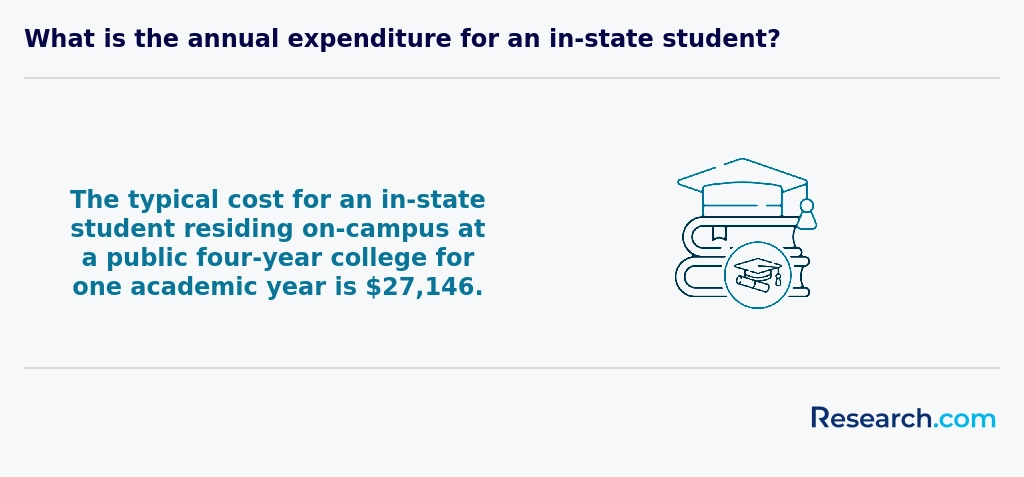
The average cost of obtaining an online degree in Oklahoma varies depending on residency and institution type but generally reflects affordable options for many students. The median total cost for an in-state student pursuing an online program typically amounts to approximately $20,770, which is notably lower than the national averages. Graduates from public universities such as Oklahoma State University and the University of Oklahoma often share positive experiences regarding their manageable tuition fees combined with the flexibility of online education. Many highlight the balance between quality instruction and affordability as a key factor in their decision to enroll.
For those exploring affordable online college tuition Oklahoma offers, it is important to understand that tuition fees for public institutions typically range from $7,000 to $10,000 annually for in-state students, with additional costs like technology and course fees adding several hundred dollars. Private universities generally have higher tuition that often exceeds $15,000 per year. Students frequently report that scholarship opportunities, employer tuition assistance, and financial aid significantly reduce the net cost and make earning a degree more accessible.
Many prospective students find value in consulting resources like the Oklahoma State Regents for Higher Education for the most recent tuition data and cost estimates. To identify options that best fit diverse budgets and goals, comparing schools is essential. Those interested in exploring the cheapest online general programs in oklahoma will find that the state's offerings provide a sensible balance between cost and educational quality, helping students pursue their goals without overwhelming financial burdens.
Accreditation and Quality Assurance
Choosing an online program that holds recognized accreditation is essential for ensuring that your credits transfer smoothly, your degree is respected by employers and graduate schools, and you remain eligible for federal financial aid. In Oklahoma, most reputable institutions are regionally accredited by the Higher Learning Commission (HLC), but you should also look for program-specific accreditations-such as CACREP for counseling, CCNE for nursing, or ABET for engineering-that signal rigorous curriculum standards and industry alignment. To verify an institution’s accreditation status:
- Visit the U.S. Department of Education’s Database of Accredited Postsecondary Institutions and Programs (DAPIP).
- Check each program page for listings from its programmatic accrediting body.
- Confirm that the school participates in the State Authorization Reciprocity Agreement (SARA) if you plan to study from another state. Accreditation impacts more than just credit transfer-it also affects your eligibility for employer tuition reimbursement and acceptance into top graduate programs. After completing your bachelor’s degree, you may wish to explore affordable graduate options; for a curated list of vetted, budget-friendly master’s pathways, see our guide to cheap master’s programs online. Ensuring your undergraduate program’s accreditation today lays the foundation for lifelong learning and career advancement tomorrow.
What financial aid is available to online degree students in Oklahoma?
Online degree students in Oklahoma benefit from a robust range of financial aid opportunities that ease the burden of tuition costs. Federal Pell Grants, which require no repayment, provide crucial support with awards up to $7,395 for the 2023-2024 academic year, helping students cover essential expenses. Many Oklahoma residents pursuing degrees at institutions like Oklahoma State University and the University of Oklahoma leverage these grants alongside Direct Subsidized and Unsubsidized Loans, which offer manageable interest rates and flexible repayment plans tailored to online learners' needs.
At the state level, programs such as the Oklahoma Tuition Aid Grant (OTAG) and Oklahoma's Promise specifically assist Oklahoma residents enrolled in eligible online programs, with a focus on need-based aid and support for low-income students. These initiatives have empowered countless graduates to advance their education without excessive financial stress.
Additionally, local universities often award scholarships based on academic merit or fields of study, while many employers in Oklahoma provide tuition assistance to working professionals, making continuing education attainable and motivating for many online learners.
Student Support Services and Resources for Online Learners in Oklahoma
To succeed in an online program, students in Oklahoma need access to comprehensive support services that address academic, technical, and career-related challenges. Leading institutions in the state offer a range of resources designed to replicate the on-campus experience and foster collaboration, engagement, and timely assistance. Key support services include:
- Academic Advising: Dedicated advisors help online learners plan degree pathways, select courses, and navigate transfer credit policies to minimize time to graduation.
- 24/7 Technical Support: Round-the-clock help desks resolve platform issues, login problems, and software troubleshootings to ensure uninterrupted access to coursework.
- Online Library Access: Digital collections, research databases, and virtual librarian consultations equip students with scholarly resources and citation guidance.
- Career Services and Internships: Virtual workshops, résumé reviews, and employer networking events connect graduates with internship and job opportunities in Oklahoma and beyond.
- Peer Mentoring and Study Groups: Discussion forums, group video sessions, and peer-led tutorials foster a sense of community and promote collaborative learning.
- Disability and Veteran Services: Accommodations, assistive technologies, and specialized counseling support learners with unique needs, ensuring an inclusive online environment. Regular webinars and orientation sessions introduce students to these services, emphasizing proactive engagement and self-advocacy. To explore cost-effective support models and compare offerings in other regions, see our Affordable Online Colleges Programs Ranking in Bristol, TN, which highlights institutions with robust student support at competitive tuition rates.
What are the prerequisites for enrolling in online degree programs in Oklahoma?
To enroll in an online degree program in Oklahoma, students must meet specific prerequisites depending on whether they are pursuing undergraduate or graduate studies. For undergraduate programs at institutions like the University of Oklahoma or Oklahoma State University, applicants usually need a high school diploma or GED, along with official transcripts. Many graduates recall that maintaining a GPA around 2.0 to 2.5 was essential to secure admission, reflecting a balanced academic preparation.
Standardized tests such as the SAT or ACT are often optional but may still be requested for competitive or specialized fields. Graduate programs require a completed bachelor's degree from an accredited school, plus official college transcripts and often letters of recommendation or a statement of purpose. Many graduates appreciated this process for allowing them to demonstrate their professional goals clearly.
- Applicants must verify U.S. residency or present valid student visas if international, impacting tuition rates especially across public universities offering in-state discounts.
- Dependable internet access and technology are mandatory to engage fully with online coursework.
- Some programs mandate placement tests in subjects like math or English to appropriately place students according to their skill level.
Alumni Success Stories and Career Path Insights
Graduates of online college programs in Oklahoma often turn their academic achievements into powerful career success stories, and understanding these outcomes is a major factor in choosing the right program. Many alumni not only report gaining practical skills but also enjoying accelerated career growth and flexible opportunities in diverse fields-from tech and healthcare to business management and creative industries. For instance, some graduates have shared that pursuing an easiest associates degree that pays well opened doors to positions that offered rapid advancements and notable pay increases early in their careers. Notable trends among alumni include: • Real-world application of classroom knowledge leading to promotions and lateral moves in competitive job markets. • Leveraging online learning experiences to build networks through digital communities and industry-specific forums. • Combining non-degree coursework with certifications to further enhance their resumes and meet specialized career requirements. Furthermore, testimonials from graduates often highlight improved job satisfaction, increased earning potential, and a renewed sense of purpose after acquiring the technical and soft skills needed in today’s fast-paced work environment. Institutions that offer robust career support services-including mentorship programs, resume workshops, and dynamic job placement assistance-tend to report higher success rates among their alumni. Emphasizing these career path insights can reassure prospective students about the tangible benefits of investing in online education in Oklahoma.
What courses are typically in online degree programs in Oklahoma?
Online degree courses in Oklahoma typically encompass a broad spectrum of foundational and specialized subjects designed to equip students with essential competencies and advanced knowledge. Graduates from reputable institutions frequently share how core curricula including English Composition, Mathematics, Natural Sciences, Social Sciences, and Humanities provide a well-rounded academic base. For example, students at prominent Oklahoma colleges appreciate how courses in biology or psychology integrate theoretical learning with practical applications, enhancing both critical thinking and communication skills.
Oklahoma online college program curriculum often tailors major-specific courses to match regional workforce needs. Business students find financial accounting and marketing principles particularly relevant, while nursing candidates value health assessment modules paired with clinical components. These carefully structured programs help learners cultivate confidence and professional readiness. Many students also explore electives or capstone projects that simulate real-world challenges, reinforcing their expertise. Those considering an easiest associates degree that pays well in Oklahoma recognize how these curated courses align closely with local industry trends and job opportunities, making online education both pragmatic and rewarding.
How do you choose the best online degree in Oklahoma?
When selecting the best online degree program in Oklahoma, prioritize regionally accredited institutions to ensure quality and recognition. Oklahoma State University and the University of Oklahoma are known for offering reputable programs that balance academic rigor with practical application, which many graduates have found rewarding as they advance their careers. Consider the flexibility of asynchronous courses that accommodate working professionals managing busy schedules, combined with strong student support services such as advising and tutoring. Public universities in Oklahoma typically offer more affordable tuition rates for residents, with costs ranging from $150 to $350 per credit hour, making them an appealing choice for budget-conscious learners. For those seeking cost-effective options, exploring cheap master's programs online can provide valuable pathways. Finally, review the curriculum carefully, ensuring courses reflect industry standards and faculty expertise, so your degree aligns with real-world demands. This approach will help you identify top accredited online colleges in Oklahoma that suit your ambitions.

What career paths are available for online degree graduates in Oklahoma?
Graduates of online degree programs in Oklahoma find diverse career paths aligned with the state's key industries. Energy careers in petroleum engineering or environmental science are accessible through degrees from regional institutions, with many securing roles in oil and gas companies headquartered locally. Online degree career opportunities in Oklahoma also extend to healthcare, where graduates in nursing, public health, and healthcare administration rapidly fill needed roles in hospitals and community health organizations, reflecting the sector's steady growth.
Education remains a reliable avenue, especially for those with online credentials in counseling or administration, meeting Oklahoma's demand for qualified professionals in rural school districts. Business and finance graduates often join thriving companies in Tulsa or Oklahoma City, leveraging management or accounting expertise. The rising information technology sector in Oklahoma attracts graduates holding online degrees in cybersecurity or computer science, many benefiting from flexible remote roles.
Graduates from popular universities report how networking and targeted certifications amplify job prospects. For those exploring affordable pathways, the Affordable Online Colleges Programs Ranking in Bristol, TN offers valuable guidance for prospective students.
What is the job market for online degree graduates in Oklahoma?
Graduates holding an online general degree in Oklahoma encounter a job market characterized by growth and increasing openness to remote and flexible work. Universities such as the University of Oklahoma and Oklahoma State University offer programs whose alumni have successfully integrated into key sectors including healthcare, education, and technology. Many graduates report positive experiences securing roles where online credentials are valued, matching the evolving expectations of employers statewide.
The Oklahoma job market for online graduates benefits from steady demand in roles like nursing, business administration, and information technology. Employers in Tulsa, Oklahoma City, and surrounding areas often recognize accredited online degrees, enabling graduates to compete effectively and contribute to thriving industries. Taking advantage of accelerated online programs for working adults has further empowered many to quickly advance their careers while balancing personal commitments.
Several graduates emphasize the advantage of aligning their studies with Oklahoma's economic strengths. The state's relatively low unemployment and adaptability to online credentials create a favorable environment for obtaining fulfilling employment. This practical outlook is crucial for those evaluating online degree job opportunities in Oklahoma to ensure a trajectory toward professional success.
Frequently Asked Questions
Students in Oklahoma can maximize their online learning experience by taking advantage of the state's numerous accredited institutions offering flexible online degree programs. According to the Oklahoma State Regents for Higher Education, over 40% of undergraduate students in the state enroll in at least one online course, reflecting the growing accessibility of e-learning. Staying organized and setting a dedicated study schedule is crucial, given the self-paced nature of many programs.
Engaging actively with professors and peers through virtual discussions helps deepen understanding and build a professional network. Oklahoma students should also use campus resources like online tutoring and career services, which many universities provide to remote learners. Additionally, leveraging affordable technology and ensuring a reliable internet connection contribute significantly to academic success.
After completing an online degree in Oklahoma, graduates should actively prepare for the job market to improve their employment prospects. It is important to engage with the state's workforce development resources, such as the Oklahoma Employment Security Commission, which offers job search assistance and local labor market information.
Building a professional network through platforms like LinkedIn can connect graduates with Oklahoma employers, especially in growing sectors like energy, healthcare, and aerospace. Additionally, internships or part-time roles related to the degree can provide practical experience and improve resumes.
Graduates should also tailor their resumes and cover letters to highlight skills gained through online learning, emphasizing self-discipline and time management abilities valued by employers nationwide.
Employers in Oklahoma value a blend of technical and soft skills in graduates, especially from online degree programs. According to the Oklahoma Department of Commerce, critical thinking and problem-solving are among the top skills sought by over 70% of local employers. Communication skills, both written and verbal, are essential, as 65% of employers prioritize these in new hires.
In addition, digital literacy is increasingly important due to Oklahoma's growing technology and energy sectors. The Oklahoma Office of Workforce Development reports that proficiency with software tools and data analysis ranks highly across industries. Teamwork and adaptability also remain key, with 60% of employers indicating these soft skills influence hiring decisions.
Finding internships in Oklahoma involves leveraging both local resources and online platforms. The Oklahoma Department of Career and Technology Education highlights that internships can be found in industries like energy, aerospace, and health care, which are strong statewide sectors. Many universities, such as the University of Oklahoma and Oklahoma State University, provide online students access to career services that list internship opportunities.
Online job portals like Handshake and Internships.com often feature listings specific to Oklahoma cities like Tulsa and Oklahoma City. Additionally, networking through professional organizations and local chambers of commerce can connect students with internships.
According to the National Association of Colleges and Employers, about 60% of U.S. internships convert to job offers, making these experiences valuable for career development, especially in Oklahoma's competitive job market.
In Oklahoma, earning an online degree significantly improves career mobility and advancement opportunities. According to the Oklahoma State Department of Education, individuals with bachelor's degrees have a 20% higher employment rate than those with only a high school diploma. Employers increasingly recognize online degrees from accredited Oklahoma institutions, such as the University of Oklahoma and Oklahoma State University, as credible credentials.
The Oklahoma Employment Security Commission reports that workers with online degrees often qualify for higher-level positions and receive better salary offers, especially in fields like education, healthcare, and technology. Online degrees also provide flexible learning options, enabling professionals to upskill without interrupting their careers.
Research indicates that 65% of Oklahoma employers consider continuing education as a key factor in promotions. Therefore, gaining an online degree can be a strategic way to advance within Oklahoma's competitive job market, demonstrating both expertise and commitment to growth.
When choosing between a thesis and a non-thesis online degree program in Oklahoma, students should consider their career goals and learning preferences. Thesis programs often require original research and a written dissertation, making them suitable for those aiming for academic roles or advanced study. Non-thesis options focus more on coursework and practical skills, which can appeal to working professionals seeking industry experience.
Oklahoma universities like the University of Oklahoma and Oklahoma State University offer both options across various fields. According to the National Center for Education Statistics, around 30% of graduate programs in Oklahoma include a thesis track.
Students should also evaluate the time commitment and faculty support available in each format to make an informed decision.
Students based in Oklahoma interested in studying abroad have several options primarily facilitated through their home institutions. Many Oklahoma universities, including the University of Oklahoma and Oklahoma State University, offer exchange programs, faculty-led study tours, and international internships. These experiences allow students to earn credits toward their degrees while gaining cultural exposure. According to the Institute of International Education, approximately 1,200 Oklahoma students studied abroad in the 2021-2022 academic year, representing about 2.5% of all Oklahoma undergraduates. These programs often include partnerships with universities in Europe, Asia, and Latin America, catering to various academic interests. Financial aid and scholarships may be available to support travel costs.
In Oklahoma, part-time job opportunities that align well with online degree programs can enhance both your education and career prospects. Many students engage in roles such as administrative assistants, tutoring, or retail positions to develop communication and organizational skills. According to the Oklahoma Employment Security Commission, healthcare support and tech-related positions are growing rapidly in the state, which complements degrees in nursing, IT, and business.
Working part-time in these fields provides practical experience, often with flexible hours suited for online learners. Additionally, internships and research assistant roles with local universities or businesses can offer valuable hands-on skills directly related to many degree paths.
Online students pursuing degrees in Oklahoma have access to various networking opportunities despite the remote nature of their programs. Many Oklahoma institutions, including the University of Oklahoma and Oklahoma State University, host virtual career fairs, webinars, and industry panels that connect students with local and national employers.
Additionally, professional organizations such as the Oklahoma City Chamber of Commerce and Tulsa Technology Center offer online networking events and resources tailored to remote learners. According to the Oklahoma State Regents for Higher Education, over 60% of colleges provide mentorship programs that link online students with alumni working in Oklahoma's key industries.
These options help online students build professional relationships and improve career prospects without needing to be physically present on campus.
Alumni networks provide significant benefits to online degree students in Oklahoma by fostering professional connections and career growth. According to the Oklahoma State Regents for Higher Education, many institutions maintain active alumni groups that help graduates connect through virtual events and social platforms. These networks often offer mentorship programs, job referrals, and access to exclusive job listings, which are valuable for students entering competitive job markets.
In Oklahoma, where local industries such as energy, healthcare, and education dominate, alumni networks bridge students with key employers. Engaging with alumni can also boost students' confidence and provide real-world insights that enhance learning beyond the classroom.
Students pursuing online degrees in Oklahoma can tailor their programs through elective courses, concentrations, and flexible scheduling options. Many Oklahoma universities, such as the University of Oklahoma and Oklahoma State University, offer customizable tracks within online programs to align studies with specific career goals.
Advisors help students select relevant coursework that matches growing local industries, like energy, healthcare, and education. Additionally, students can often integrate internships or practical experiences into their curriculum, strengthening real-world skills.
According to the Oklahoma State Regents for Higher Education, nearly 40% of Oklahoma's college students take at least one online course, reflecting expanding opportunities for personalization.
Online students in Oklahoma commonly face challenges related to technology access and reliable internet connectivity. Rural areas of the state often experience limited broadband availability, which can hinder students' ability to participate in live lectures or access course materials smoothly. According to the Oklahoma State Department of Education, nearly 25% of students in rural communities experience slow or unreliable internet connections.
Another challenge is balancing studies with work and family obligations. Many online learners in Oklahoma are adult students who juggle multiple responsibilities, making time management critical. Additionally, some students report feeling isolated or lacking sufficient academic support compared to traditional campus environments.
Financial constraints and navigating financial aid options also pose difficulties, especially for those unfamiliar with the process at Oklahoma institutions. Understanding state-specific policies and resources is essential for successful enrollment and completion.
Writing a winning application for an online college or university program in Oklahoma requires clear organization and careful attention to detail. Begin by thoroughly researching the specific program to tailor your application accordingly. Oklahoma institutions like the University of Oklahoma emphasize both academic records and personal statements. Include a strong personal statement that highlights your goals and connection to Oklahoma's workforce or community needs.
Highlight relevant work experience or skills, especially if applying for adult or professional programs. Ensure all transcripts and test scores, such as the ACT or SAT if required, are sent on time. According to the Oklahoma State Regents for Higher Education, timely and complete applications increase acceptance rates.
Proofread carefully to avoid errors. Including letters of recommendation from Oklahoma educators or employers can strengthen your application.
Students pursuing online degrees in Oklahoma can gain practical experience through internships, cooperative education (co-op) programs, and service-learning projects. Many universities partner with local businesses and organizations to provide such opportunities, even for remote learners. For example, Oklahoma State University offers virtual internships that allow students to work on real-world projects from home.
Additionally, Oklahoma ranks highly in job growth sectors like energy and healthcare, creating numerous internship opportunities for students. According to the Oklahoma Department of Career and Technology Education, about 65% of students participate in experiential learning while studying.
Online students are encouraged to reach out to career services at their institutions to identify suitable placements aligned with their fields of study.
Choosing the right concentration within an online degree program in Oklahoma involves evaluating your career goals and understanding the local job market. Oklahoma's economy heavily features industries like energy, healthcare, and aerospace, which can influence which concentrations offer strong employment prospects. According to the Oklahoma Office of Workforce Development, fields such as nursing, business administration, and information technology show consistent growth statewide.
Research each concentration's curriculum and how it aligns with your interests and skills. Many online degrees allow students to specialize in areas like cybersecurity, project management, or healthcare administration, tailored to Oklahoma's economic sectors.
Additionally, consider the flexibility and support services offered by the program to ensure completion success.
Related General Rankings for Nearby States
- 2027 Easiest Online Colleges Programs Ranking in Kansas
- 2027 Easiest Online Colleges Programs Ranking in Missouri
- 2027 Easiest Online Colleges Programs Ranking in Colorado
- 2027 Easiest Online Colleges Programs Ranking in New Mexico
- 2027 Easiest Online Colleges Programs Ranking in Nebraska
- 2027 Easiest Online Colleges Programs Ranking in Louisiana
- 2027 Easiest Online Colleges Programs Ranking in Mississippi
- 2027 Easiest Online Colleges Programs Ranking in South Dakota
- 2027 Easiest Online Colleges Programs Ranking in Minnesota
- 2027 Easiest Online Colleges Programs Ranking in Kentucky
Top Trending General Rankings
References
- What are the top 10 skills that'll get you a job when you graduate? https://targetjobs.co.uk/careers-advice/skills-for-getting-a-job/what-are-top-10-skills-thatll-get-you-job-when-you-graduate
- Online Degrees at OCCC https://www.occc.edu/online-degrees/index.html
- Six Ways to Help Students Reach Their Potential | All4Ed https://all4ed.org/blog/six-ways-to-help-students-reach-their-potential/
- Part-Time Jobs for International Students: Balancing Work and Study https://3aspire.com/blog/part-time-jobs-students
- 6 Part-Time Jobs Good for Your Résumé and Your Major https://www.collegexpress.com/articles-and-advice/career-search/blog/6-part-time-jobs-good-your-resume-and-your-major/
- Four Career Benefits to Completing Your Degree | Elmhurst University "Elmhurst University" Blog https://www.elmhurst.edu/blog/four-career-benefits-to-completing-your-degree/
- Oklahoma faces health crises. Students share calls to action | Letters https://www.oklahoman.com/story/opinion/letters/2026/01/26/oklahoma-faces-health-crisis-students-share-solutions-letters/87678620007/
- Your Orange Connection https://www.okstatealumni.org/
- "Best Online Colleges in Oklahoma | Online Colleges and Universities" https://www.onlinecolleges.net/oklahoma/
- OU Alumni https://home.oufoundation.org/oualumni