2027 Best Online Colleges Programs Ranking in Baltimore, MD

Co-Founder and Chief Data Scientist
Choosing the right online college program in Baltimore, MD, can feel overwhelming. To help, this article presents the 2027 Best Online Colleges Programs Ranking in Baltimore, MD developed by Research.com's skilled data science team.
These rankings offer clear insights into which degree programs provide real value, helping you focus on options that match your goals and lifestyle.
Whether you're starting or advancing your education, this guide encourages you to find a program that supports your success and brightens your future.
Key benefits of getting online degrees in Baltimore
- Higher degree levels in Baltimore often lead to better salaries, with bachelor's graduates earning around $60,000 annually, while those with master's degrees can earn up to $85,000, showing clear financial growth.
- For example, an online nursing graduate from Johns Hopkins University has strong career opportunities in hospitals and healthcare management, reflecting the high demand in Baltimore's medical community.
- Online degrees from the University of Baltimore offer flexibility, allowing students to balance work and study, making education more accessible and convenient compared to traditional programs.
- Key benefits of getting online degrees in Baltimore
- What can I expect from online degrees in Baltimore?
- How much can I make with online degrees in Baltimore?
- 2027 Best Online Colleges Programs Ranking in Baltimore, MD
- Key Findings
- How long does it take to complete online degrees in Baltimore?
- How Does Baltimore Compare to Other Online Education Hubs?
- What's the difference between online and on-campus degree?
- How Does It Compare to On-Campus Programs in Baltimore, MD?
- What is the average cost of online degrees in Baltimore?
- Student Success Strategies and Support Services
- What financial aid is available to online degree students in Baltimore?
- Available Specializations for Online Degrees in Baltimore
- What are the prerequisites for enrolling in online degree programs in Baltimore?
- Top 10 Online College Programs in Baltimore, MD (2024)
- What courses are typically in online degree programs in Baltimore?
- How do you choose the best online degree in Baltimore?
- What career paths are available for online degree graduates in Baltimore?
- What is the job market for online degree graduates in Baltimore?
- Top Trending General Rankings
What can I expect from online degrees in Baltimore?
When pursuing an online degree in Baltimore, expect flexibility that fits your busy lifestyle, whether you're balancing work, family, or other responsibilities. Graduates from the University of Maryland Global Campus often highlight how convenient it is to access coursework anytime, allowing them to study during evenings or weekends without missing important moments at home.
Online programs here provide interactive learning tools like video lectures and virtual discussion boards, creating an engaging environment that makes you feel connected despite the distance. Local students appreciate how academic advising and tutoring services are readily available, mirroring on-campus support and helping to stay on track toward graduation.
Cost-conscious Baltimore students benefit from competitive tuition rates that often undercut traditional programs, plus savings on commuting and housing. Many find financial aid options accessible and valuable in managing expenses.
Finally, online degrees from Baltimore institutions are respected by regional employers, opening doors in industries such as business, healthcare, and technology. Graduates frequently share stories of career advancement fueled by their degree's recognition within the local job market.
How much can I make with online degrees in Baltimore?
Graduates with an online bachelor's degree in Baltimore can typically start with salaries near $54,000 annually, reflecting the region's median income. For example, alumni from well-known schools like Towson University and the University of Baltimore often report entry-level wages around this figure, especially in fields such as business administration and social sciences. Moving into technology or healthcare, such as roles held by graduates from Coppin State University's nursing programs, salaries rise more significantly, with software developers earning approximately $108,000 and registered nurses about $75,000.
Obtaining a master's degree online in Baltimore can boost earning potential by 20% to 40%. Healthcare administrators who pursued advanced degrees via local colleges share that their salaries increased to around $90,000 to $110,000. Practical experiences like internships, often integrated by universities in Baltimore, make graduates more competitive in sectors like biotechnology and finance. This mix of targeted education and real-world skills helps local online degree holders stand out and unlock higher-paying opportunities.
2027 Best Online Colleges Programs Ranking in Baltimore, MD
How do we rank schools?
Investing in your education is a significant decision that can shape your future, and the Research.com team understands the importance of making informed choices. To assist prospective students in Baltimore, we have meticulously crafted the "2027 Best Online Colleges Programs Ranking in Baltimore, MD." Our commitment to quality, credibility, and accuracy is reflected in the extensive research and analysis conducted to compile this ranking.
We utilized the following reputable data sources to ensure a comprehensive evaluation of online college programs:
By exploring this ranking, readers will gain valuable insights into the best online college programs available in Baltimore, helping them make informed decisions about their educational paths. For more details on our methodology, please visit our Research.com methodology page.

Key Findings
- Online degrees in Baltimore are available from accredited public and private institutions, including the University of Maryland Global Campus.
- The average annual cost for an online bachelor's degree ranges from $10,000 to $25,000, with public universities typically offering lower tuition for in-state residents.
- Entry-level salaries for graduates with online degrees start between $45,000 and $55,000 annually, with median salaries rising to about $70,000 or more over time.
- High-demand fields in Baltimore include healthcare, information technology, education, and business services, supported by steady local job growth.
- Online degree students benefit from strong employer connections and career services that assist with internships, networking, and job placement in the Baltimore area.
How long does it take to complete online degrees in Baltimore?
Online degree completion times in Baltimore often depend on how you balance your course load with your personal and professional life. For example, graduates from Towson University pursuing a bachelor's degree online share that full-time study usually takes about four years, but some have accelerated their programs to finish in three, thanks to flexible scheduling.
Associate degrees tend to take around two years full-time at community colleges serving Baltimore students, though part-time options extend this to three or four years. Graduates often appreciate this flexibility, allowing them to work while studying without feeling overwhelmed.
Graduate students at the University of Baltimore pursuing master's programs highlight accelerated tracks that let them complete their degrees in as little as 12 to 18 months. This speed is especially helpful for professionals eager to advance quickly.
To shorten your timeline, consider transferring previous credits and taking a heavier course load if your schedule allows. Many Baltimore online programs support such strategies, helping you customize your pace to fit your life.
How Does Baltimore Compare to Other Online Education Hubs?
When evaluating the 2024 Best Online Colleges Programs in Baltimore, MD against other leading regions, several factors stand out-academic reputation, affordability, and program diversity. Baltimore boasts institutions like Johns Hopkins University and the University of Maryland Global Campus, which rank highly for rigorous curricula and strong student support services. These programs often feature cutting-edge research opportunities and well-established alumni networks, giving graduates a competitive edge in local and national job markets. However, if you’re seeking cost-effective alternatives, it’s worth exploring regions where tuition and fees may be lower. For example, our sister ranking for California highlights budget-friendly options in Carson: Most Affordable Online Colleges Programs Ranking in Carson, CA. Although Baltimore’s average online degree cost of around $24,444 remains competitive compared to many East Coast institutions, regions like Carson can offer in-state tuition rates and scholarship packages that reduce financial barriers even further. Ultimately, your choice should balance educational quality with personal priorities. If proximity to thriving industries-such as biotech in Baltimore-is crucial, Maryland’s largest city may be ideal. Conversely, for students prioritizing lower overall cost without sacrificing accreditation or program variety, investigating the most affordable online programs in other hubs can help you make a more informed decision.
What's the difference between online and on-campus degree?
Choosing between an online and on-campus degree in Baltimore means deciding how you want to balance flexibility with campus life. Graduates from Johns Hopkins appreciate the vibrant in-person interactions and access to extensive libraries and labs that on-campus programs offer, fueling their passion for collaboration and networking. Meanwhile, online students at Baltimore's Community College enjoy scheduling classes around work or family commitments, savoring the freedom to learn without the stress of commuting or relocating.
Cost is another key difference. While public universities in Maryland typically charge $9,000 to $11,000 yearly for in-state students, online courses sometimes help cut expenses by removing housing or transit costs. However, tuition fees themselves can be comparable, so it's essential to compare program prices carefully.
Importantly, whether you study remotely or on campus, degrees from accredited Baltimore institutions hold equal weight with employers, as many local graduates have found success after completing their online programs. Verifying licensing requirements for your career field ensures your chosen online degree fully supports your goals.
How Does It Compare to On-Campus Programs in Baltimore, MD?
When weighing online degrees against traditional on-campus offerings in Baltimore, MD, several factors come into play-cost, flexibility, student engagement, and career outcomes. Below is a side-by-side comparison to help you decide which format best aligns with your goals: Cost and Financial Investment • Tuition: Online programs average $24,444 per year, whereas in-person tuition at institutions like Johns Hopkins University can exceed $50,000. • Fees: Campus programs often include additional campus-related fees (activity, facility, lab), while online courses typically bundle technology and access fees into tuition. • Hidden Costs: On-campus students incur commuting, parking, and housing expenses; online learners save on travel but may invest in reliable internet and a home office setup. Flexibility and Scheduling • Online: Asynchronous lectures let you study any time; synchronous sessions often record for later review. This format is ideal if you balance work, family, or other commitments. • On-Campus: Fixed class schedules foster routine and face-to-face interaction, but may conflict with jobs or caregiving responsibilities. Academic Rigor and Support • Curriculum: Accredited online programs adhere to the same rigorous standards as their campus counterparts. You’ll engage with identical syllabi, faculty, and assessments. • Resources: Both formats grant access to libraries, tutoring services, and academic advising. Online platforms often include 24/7 help desks and virtual writing centers. • Peer Interaction: In-person classes offer informal study groups and networking over coffee; online cohorts connect via discussion boards, video breakout rooms, and group projects. Career Outcomes and Employer Perception • Credentials: Employers recognize degrees from regionally accredited institutions regardless of delivery mode. • Internships & Fieldwork: Campus students may access on-site labs and local partnerships, but many online programs in Baltimore have forged virtual internship opportunities and hybrid residencies. • Job Placement: Graduation and job-placement rates for online graduates at universities like the University of Baltimore and Towson University closely mirror on-campus outcomes, reflecting growing employer confidence in remote learning. Time to Completion • Acceleration: Some online programs allow students to test out of foundational courses or take accelerated modules, shortening degree timelines. • Pace: Campus students follow a semester calendar, whereas online learners often choose full-time or part-time loads to fit their schedules. Getting started with an online program can feel daunting, but many students ease in by exploring the easiest degrees to get online before committing to a more specialized track. By understanding these trade-offs, you can confidently select the format that maximizes your learning experience and career trajectory.
What is the average cost of online degrees in Baltimore?
The average cost of an online degree in Baltimore is approximately $44,298, though prices vary based on residency and institution type. For in-state students, tuition tends to be lower, with a median total cost around $25,128. Graduates from the University of Maryland Global Campus often highlight the affordability of online bachelor's programs, which typically translate into manageable tuition expenses near these ranges. These students appreciate how the flexible, online format lets them balance work and study without excessive commuting costs.
Online college tuition and fees Baltimore residents encounter differ between public and private schools. Public institutions usually offer lower per-credit rates, around $300 to $400, making online degrees more accessible. Private universities, while charging more-sometimes exceeding $50,000-provide scholarships and financial aid that many students successfully use to reduce expenses. Baltimore City Community College, for example, offers online associate degrees that cost closer to $8,000 to $15,000, making it an ideal option for those seeking affordable options with strong local ties.
Many Baltimore students find that the true value lies beyond tuition-financial aid, grants, and employer tuition assistance programs play a crucial role in lowering out-of-pocket costs. Further savings from reduced commuting and housing expenses enhance the appeal of online degrees. Prospective students aiming for the most cost-effective routes should explore options like the most affordable online colleges for working adults, which highlight practical ways to maximize investment while earning a degree online in Baltimore.

Student Success Strategies and Support Services
Navigating an online degree comes with its own set of challenges and opportunities. To help you excel academically while managing professional and personal commitments, this section highlights crucial success strategies and available support services that can transform your online learning journey in Baltimore, MD. First, establishing a dedicated study schedule and creating a distraction-free workspace are essential to maintain focus. Effective time management tools such as digital planners and calendar apps can assist in balancing coursework, job responsibilities, and family time. Additionally, many institutions now offer robust academic support, including tutoring services, online discussion forums, and virtual study groups. These resources not only reinforce course content but also foster connections with peers and educators, enhancing the collaborative learning experience. Don't hesitate to reach out to academic advisors and career counseling services available at your institution; these professionals can provide personalized guidance on course selection and career planning. Furthermore, building a strong professional network is paramount for career growth. Engage in virtual networking events, mentorship programs, and alumni communities to gain insights and opportunities in your chosen field. For professionals juggling work and studies, exploring the most affordable online colleges for working adults can offer a strategic blend of affordability and quality education. By leveraging these success strategies and support services, you not only set the stage for academic excellence but also pave the way for a seamless transition into the dynamic job market of Baltimore, MD.
What financial aid is available to online degree students in Baltimore?
Online students in Baltimore can tap into a variety of financial aid options to ease tuition costs. Graduates from institutions like the University of Baltimore often share how federal aid, such as Pell Grants, made a huge difference-these grants don't need repayment and can cover up to $7,395 annually if you qualify. Completing the FAFSA is the first essential step in accessing this aid.
State programs also offer targeted help. For instance, many Maryland residents benefit from the Educational Assistance Grant (EAG) administered by the Maryland Higher Education Commission, which supports low- and middle-income students-perfect for Baltimore families with median incomes around $58,000.
Institutional scholarships and merit-based awards are widely available at local colleges like Towson University. Students often find these tied to strong academic records or community involvement, helping to reduce their in-state tuition range of $7,000 to $12,000 per year.
Many working professionals leverage employer tuition reimbursement programs to balance work and study effectively, a strategy highly valued by part-time online learners in Baltimore.
Federal student loans with fixed 5.5% interest rates also remain reliable for covering upfront costs while studying remotely.
Available Specializations for Online Degrees in Baltimore
Many Baltimore institutions offer online programs with in-demand specializations:
- Business Administration: develop leadership, finance and marketing expertise.
- Cybersecurity: learn to defend organizations against digital threats.
- Nursing and Healthcare Management: advance clinical skills or oversee health services.
- Data Science and Analytics: master data modeling, visualization and predictive analysis.
- Education and Instructional Design: prepare for teaching roles or curriculum development.
- Public Health: focus on epidemiology, community health and policy initiatives.
- Engineering Management: combine technical know-how with project leadership.
- Social Work and Counseling: train for roles supporting diverse populations.
For accelerated graduate options, consider best online masters programs.
What are the prerequisites for enrolling in online degree programs in Baltimore?
To enroll in an online degree program in Baltimore, you'll need to meet clear prerequisites that align with local institutions like the University of Baltimore or Baltimore City Community College. For undergraduate studies, a high school diploma or GED is essential, as graduates often recall submitting official transcripts to confirm their completion. Some programs may still ask for standardized tests, but many have embraced test-optional policies, easing the process.
If you're aiming for a graduate degree, having a bachelor's degree from an accredited university is a must. Applicants typically submit detailed transcripts showcasing their undergraduate success. Programs in health sciences or education might require prior coursework or relevant professional experience, reflecting real student journeys who balanced work and study.
Non-native English speakers should prepare to demonstrate proficiency through TOEFL or IELTS exams, ensuring confident communication in online discussions. Additionally, having reliable technology and internet access is crucial, as Baltimore grads often emphasize how smooth tech use boosted their learning experience. Getting familiar with your school's online platform through orientations can set you up for success.
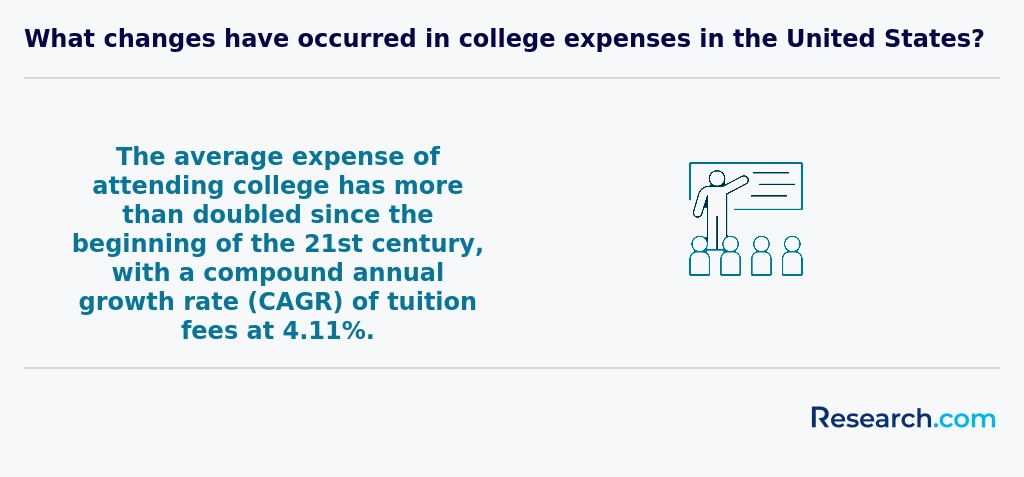
Top 10 Online College Programs in Baltimore, MD (2024)
Discover the highest-rated online programs in Baltimore based on our rigorous evaluation of curriculum quality, student satisfaction, and career outcomes. Whether you’re pursuing a bachelor's, master’s, or specialized certificate, these top 10 programs deliver flexibility, affordability, and strong alumni networks: 1. Johns Hopkins University – Master of Public Health • Duration: 16 months • Avg. tuition: $45,000/year • Career outcomes: Public health analyst, epidemiologist 2. University of Maryland Global Campus – B.S. in Cybersecurity • Duration: 4 years (accelerated options available) • Avg. tuition: $12,000/year • Career outcomes: Information security specialist, network administrator 3. University of Baltimore – B.B.A. in Business Administration • Duration: 4 years (flexible pace) • Avg. tuition: $11,500/year • Career outcomes: Marketing manager, operations analyst 4. Towson University – Online MBA • Duration: 18–24 months • Avg. tuition: $20,000/year • Career outcomes: Project manager, business consultant 5. Morgan State University – M.S.W. in Social Work • Duration: 2 years • Avg. tuition: $13,500/year • Career outcomes: Clinical social worker, policy advocate 6. Coppin State University – B.S.N. in Nursing • Duration: 4 years • Avg. tuition: $10,000/year • Career outcomes: Registered nurse, nurse educator 7. Maryland Institute College of Art – M.F.A. in Graphic Design • Duration: 2 years • Avg. tuition: $35,000/year • Career outcomes: UX/UI designer, creative director 8. Loyola University Maryland – M.Ed. in Educational Leadership • Duration: 1–2 years • Avg. tuition: $28,000/year • Career outcomes: School administrator, curriculum specialist 9. Stevenson University – B.S. in Health Science • Duration: 4 years • Avg. tuition: $14,000/year • Career outcomes: Health services manager, community outreach coordinator 10. Notre Dame of Maryland University – B.A. in Psychology • Duration: 4 years • Avg. tuition: $22,000/year • Career outcomes: Behavioral health technician, human resources specialist For those exploring advanced research paths, be sure to check our Most Affordable Online Doctorate Programs to find budget-friendly doctoral options.
What courses are typically in online degree programs in Baltimore?
Students enrolling in online degree programs in Baltimore can expect a well-rounded curriculum tailored to both local industry needs and academic standards. For instance, many business courses cover essentials like management, marketing, finance, and business law, preparing graduates to confidently enter Baltimore's competitive job market. STEM students benefit from practical classes such as computer programming, data analysis, and cybersecurity; several programs incorporate virtual labs, which past graduates have found invaluable for gaining real-world experience despite remote learning.
Health-related courses in Baltimore's online programs often include anatomy, physiology, and healthcare ethics, aligning closely with the city's strong healthcare sector. Graduates share how these courses helped them smoothly transition into roles at hospitals and clinics. Humanities and social sciences studies like psychology, sociology, and communication also foster crucial skills such as critical thinking and effective writing, highly praised by Baltimore students for enriching their professional paths.
Many students report that integrating general education courses-math, history, and natural sciences-into their online studies at Baltimore colleges offers balance and broad knowledge. To explore options further, consider checking out Most Affordable Online Doctorate Programs that suit your academic and career goals.
How do you choose the best online degree in Baltimore?
To choose the best online degree program in Baltimore, start by confirming the school's accreditation, such as from the Middle States Commission on Higher Education-this ensures your degree is respected by employers and other institutions. Graduates of programs like the University of Maryland Global Campus often emphasize how flexible scheduling, especially asynchronous classes, allowed them to balance work and family life comfortably. When evaluating options, focus on program variety; Baltimore's schools offer strong selections in fields like business and technology, providing updated coursework aligned with industry trends. Cost is crucial too-affordable online colleges in Baltimore Maryland typically charge around $300 per credit hour, but watch out for additional fees like books and technology. Student support services, available at institutions like the University of Baltimore, provide crucial help with advising and career planning, making the journey smoother. Finally, review graduation rates and job placement success in local industries; graduates often find strong connections to healthcare and cybersecurity networks in Baltimore, enhancing employment chances. For those exploring options, consider easiest degrees to get online to identify a program that fits your goals and lifestyle.
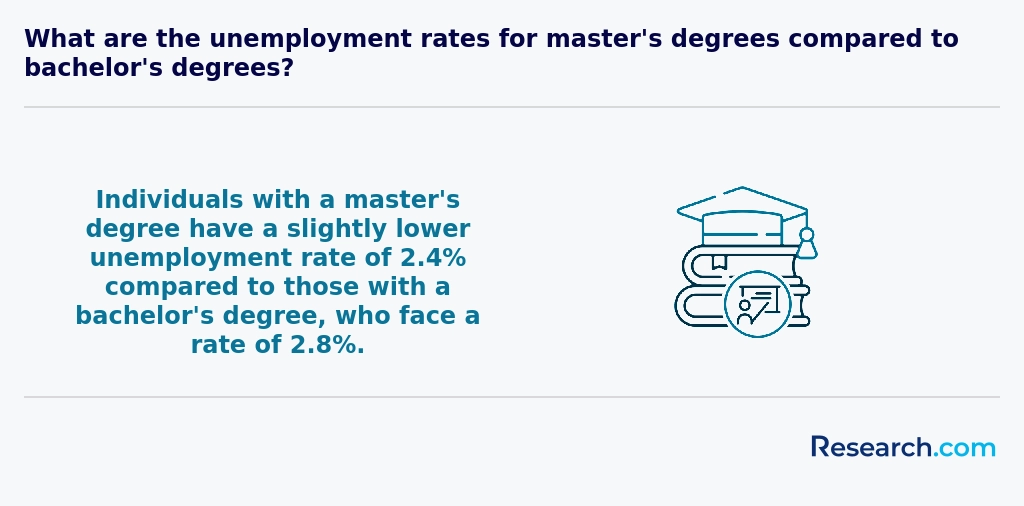
What career paths are available for online degree graduates in Baltimore?
Graduates with online degrees in Baltimore find a wide range of career paths that directly connect to the city's dynamic economy. Many alumni from prominent local institutions, such as the University of Maryland Global Campus or Johns Hopkins University, have successfully entered healthcare fields like nursing, health informatics, and administration-areas fueled by ongoing expansion in Baltimore's medical centers. For those pursuing technology roles, careers in cybersecurity, software development, or data analysis are increasingly accessible, thanks to the city's growing tech landscape.
In Baltimore, online degree career opportunities Baltimore extend to education and government sectors as well. Graduates holding degrees in education or public administration often secure rewarding positions in local schools, universities, or city agencies. Graduates frequently report feeling confident applying their flexible online training to roles that impact the community, such as urban planning or social services.
For those interested in business, Baltimore's proximity to Washington, D.C., enhances federal job prospects alongside local finance, marketing, and entrepreneurship opportunities. Students looking for affordable options may explore the Most Affordable Online Colleges Programs Ranking in Carson, CA to help plan their academic journey.
Baltimore online college graduate job prospects shine for individuals eager to blend local knowledge with adaptable online education paths aligned to growing industries.
What is the job market for online degree graduates in Baltimore?
The job market for graduates holding an online general degree in Baltimore is encouraging, especially for those who leverage local opportunities. Many graduates from universities like the University of Baltimore or Towson University report positive hiring experiences in key sectors such as healthcare, technology, and education. These industries are actively seeking candidates with flexible online education backgrounds.
Graduates often find competitive positions because Baltimore employers increasingly recognize the value of online degrees, appreciating their rigor and relevance. For example, a graduate with an online degree in health administration from a local college successfully secured a role at a leading Baltimore hospital, benefiting from the city's strong healthcare industry. Many online students also continue working while studying, boosting their practical experience alongside their degrees.
To increase chances in this robust job market, consider programs aligned with employer demand and explore partnerships between local companies and universities. Those seeking swift entry can explore the best 6 month associate programs online, which Baltimore employers value for quick skill development. This proactive approach resonates well in Baltimore's evolving economy offering many online degree job opportunities Baltimore.
Frequently Asked Questions
Students in Baltimore seeking to maximize their online learning can benefit greatly by leveraging local resources. Baltimore's public libraries offer free access to high-speed internet and study spaces, which are essential for avoiding common distractions at home. According to the Baltimore Office of Information and Technology, over 70% of residents have reliable internet access, but students should confirm their own connection speed meets college requirements.
Engaging actively with online course materials and participating in virtual office hours can improve understanding and retention. Time management tools are also crucial for balancing studies with work or family commitments.
The University System of Maryland provides access to tutoring and counseling services for remote learners, which Baltimore students should utilize to enhance their academic experience.
Preparing for the job market after completing an online degree in Baltimore involves strategic steps tailored to the local economy. Baltimore's unemployment rate stood at 5.7% in early 2024 according to the U.S. Bureau of Labor Statistics, indicating moderate competition for jobs.
Graduates should leverage Baltimore's diverse sectors, such as healthcare, education, and cybersecurity, which are top employers in the region. Gaining relevant internships or certifications can boost employability. Networking is vital; attending local job fairs and joining professional groups like the Baltimore Chamber of Commerce helps build connections.
Additionally, Baltimore's proximity to Washington, D.C., offers expanded job opportunities. Utilizing resources at local career centers and online job portals specific to Maryland improves job search success.
Employers in Baltimore increasingly prioritize graduates who demonstrate strong communication and critical thinking skills. According to the Baltimore Workforce Development Board, approximately 73% of local employers value problem-solving abilities above technical expertise. This trend reflects Baltimore's growing sectors such as healthcare, cybersecurity, and finance, which require adaptable and analytical professionals.
In addition, proficiency in digital literacy and teamwork ranks highly among sought-after skills. The Maryland Department of Labor highlights that over 65% of jobs in Baltimore demand collaboration and the effective use of technology.
Overall, graduates with solid interpersonal skills combined with industry-specific knowledge tend to have better employment prospects in the Baltimore market.
Finding internships in Baltimore involves several strategic steps, especially for students enrolled in online degree programs. Start by exploring local resources such as Baltimore's Office of Employment Development, which partners with businesses to offer internship opportunities. Additionally, many Baltimore-based institutions, including Johns Hopkins University and Towson University, provide online portals listing internships for students. Baltimore's economy is strong in healthcare, technology, and finance, sectors frequently offering internships.
Utilize job search websites like Handshake and Indeed, filtering results specifically for Baltimore internships. Networking through Baltimore's professional groups on LinkedIn or local events can also be highly effective. According to Baltimore's Department of Labor, interns in the city often gain valuable experience that can lead to permanent roles.
In Baltimore, earning an online degree significantly enhances career mobility and advancement opportunities. According to the U.S. Bureau of Labor Statistics, individuals with a bachelor's degree typically earn 65% more than those with only a high school diploma, a trend reflected locally. Online degrees offer flexibility, allowing working professionals in Baltimore to upgrade their skills without leaving their jobs.
Employers in Baltimore increasingly recognize the credibility of accredited online programs, especially from regional institutions. Fields like healthcare, IT, and business show strong demand for credentialed workers. The Baltimore Neighborhood Indicators Alliance reports that residents with higher education levels experience lower unemployment rates and higher job stability.
Overall, an online degree in Baltimore serves as a valuable tool for long-term career growth, opening doors to promotions and higher salaries.
When choosing between a thesis and a non-thesis online degree program in Baltimore, consider your career goals and learning preferences. Thesis programs typically focus on research and are suitable if you plan to pursue a PhD or work in research-intensive fields. Non-thesis degrees often emphasize practical skills and coursework, which can be better for immediate employment.
Baltimore's university offerings reflect this trend, with institutions like the University of Maryland offering both options in graduate programs. According to the National Center for Education Statistics, over 40% of Baltimore students in graduate programs choose non-thesis tracks for faster completion.
Also, factor in the time commitment; thesis programs usually require more months to complete due to research and writing demands. Lastly, investigate if your employer values research experience, which can make a thesis program more beneficial.
Students in Baltimore interested in studying abroad can explore several options through local universities offering online degree programs combined with international study components. Institutions such as the University of Maryland, Baltimore County (UMBC) provide structured study abroad programs integrated within their curriculum, allowing students to gain global experience without interrupting their online studies.
Additionally, many Baltimore-based schools participate in national study abroad consortia, offering access to exchange programs worldwide. According to the Institute of International Education, Maryland sends over 1,000 students annually abroad, demonstrating strong regional engagement in global education.
Online students can also consider short-term study trips or virtual international collaborations, which provide global exposure without relocating. These flexible models suit working adults and professionals typical among Baltimore's online degree population.
In Baltimore, part-time job opportunities that complement online degree education often align with key industries such as healthcare, education, and technology. For students pursuing healthcare degrees, positions like medical assistant or patient service representative are common and provide practical experience.
The city's growing tech sector also offers roles such as junior web developer or IT support technician, suitable for computer science students.
Education majors can find part-time work as tutors or teaching assistants in local schools and community centers. According to the Maryland Department of Labor, Baltimore's unemployment rate sits near 5%, indicating moderate job availability for part-time roles.
These positions not only supplement income but also strengthen resumes and practical skills relevant to degree fields.
Online students pursuing degrees in Baltimore benefit from various networking opportunities despite not being physically present on campus. Many local universities, such as the University of Maryland Global Campus, offer virtual career fairs and alumni networking events accessible to online learners. These events connect students with Baltimore-based employers and industry professionals, expanding career contacts within the city.
Additionally, Baltimore's strong professional organizations, including the Baltimore Chamber of Commerce, provide virtual workshops and meetings open to students. Online learners can also join LinkedIn groups focused on Baltimore-area industries to engage with peers and experts.
According to Baltimore's Workforce Development reports, nearly 70% of jobs require networking for hiring, highlighting the importance of these opportunities for graduates.
Alumni networks play a vital role in supporting online degree students in Baltimore by providing connections that can lead to valuable career opportunities. They offer access to a community of graduates who share local insights and professional experiences, which is especially important in a city like Baltimore where networking can impact job prospects.
According to the Maryland Higher Education Commission, alumni from Baltimore-area institutions often help new graduates navigate the regional job market through mentorship and referrals. This support can enhance employability and professional growth.
Moreover, many Baltimore alumni associations organize virtual events and workshops tailored for online students, fostering engagement despite the distance. These networks are a crucial resource for building local professional ties without being on campus.
Customizing an online degree program in Baltimore allows students to directly align their education with career objectives. Many local institutions offer flexible degree tracks, permitting selection of specialized courses or concentrations relevant to in-demand industries, such as health care, technology, or business.
Baltimore's growing job market, particularly in health services and information technology, encourages learners to choose program options that emphasize practical skills and certifications valued by regional employers. Accredited schools often provide opportunities for internships, mentorships, or project-based learning even within online formats.
Additionally, students can frequently work with academic advisors to tailor their course load based on previous experience or professional requirements. This adaptability supports efficient degree completion while targeting specific career pathways, helping Baltimore learners maximize both time and investment in education.
Online students in Baltimore often face challenges related to time management and balancing responsibilities. Many learners juggle work, family, and study, which requires strong organizational skills. According to a 2023 report by the Maryland Higher Education Commission, nearly 45% of Baltimore's online students work full-time while pursuing degrees, adding to their stress.
Another common hurdle is technology access. Although Baltimore has improved broadband availability, some students still encounter internet connectivity issues, especially in underserved neighborhoods. This can disrupt virtual classes and deadlines.
Additionally, some students struggle with limited interaction opportunities. Building connections with peers and instructors online can be difficult, potentially affecting motivation and learning engagement. Support services vary among institutions, which may impact student success.
Writing a winning application for an online degree program in Baltimore begins with thorough research. Baltimore is home to respected institutions like Johns Hopkins University and the University of Maryland, Baltimore County, known for competitive admissions. Applicants should clearly articulate their goals, highlighting how an online degree fits their career plans.
Strong applications include a well-crafted personal statement tailored to the specific program, emphasizing relevant experiences and skills. Baltimore's diverse economic sectors favor applicants with clear professional aims.
Transcripts and letters of recommendation should reflect academic rigor and potential for success in online learning environments. According to the Maryland Higher Education Commission, online enrollment in Baltimore has grown by over 15% in recent years, showing increased competition.
Finally, paying attention to application deadlines and submitting all materials accurately is critical to making a positive impression on admissions committees.
Gaining practical experience while pursuing an online degree in Baltimore is achievable through various local opportunities. Many institutions encourage internships with Baltimore's growing healthcare, technology, and finance sectors, which align well with online learning schedules. For example, Johns Hopkins Medicine and T. Rowe Price offer structured internships that online students can access.
Additionally, Baltimore's proximity to federal agencies and nonprofits provides chances for part-time roles or volunteer work relevant to academic fields. Engaging in local professional associations or virtual networking events specific to Baltimore can connect students with mentors and job shadowing possibilities.
The Maryland Higher Education Commission supports experiential learning initiatives that often include cooperative education programs connected to online curricula.
Choosing the right concentration within an online degree program in Baltimore involves assessing both personal interests and local job market trends. Baltimore's economy heavily features healthcare, cybersecurity, education, and biotechnology sectors, making concentrations in these areas particularly promising. According to the Maryland Department of Labor, jobs in healthcare and IT are projected to grow by over 15% in Baltimore through 2028.
Prospective students should also consider program flexibility and available resources, such as internship opportunities with Baltimore-based employers. Researching faculty expertise and alumni outcomes at local institutions offering online degrees can provide additional insight. Balancing passion with practical career prospects is key when selecting a concentration.
Related General Rankings for Nearby Cities
- 2027 Best Online Colleges Programs Ranking in Adelphi, MD
- 2027 Best Online Colleges Programs Ranking in Washington, DC
- 2027 Best Online Colleges Programs Ranking in Philadelphia, PA
- 2027 Best Online Colleges Programs Ranking in Loretto, PA
- 2027 Best Online Colleges Programs Ranking in South Orange, NJ
- 2027 Best Online Colleges Programs Ranking in Newark, NJ
- 2027 Best Online Colleges Programs Ranking in New York, NY
- 2027 Best Online Colleges Programs Ranking in Norfolk, VA
- 2027 Best Online Colleges Programs Ranking in Virginia Beach, VA
- 2027 Best Online Colleges Programs Ranking in Morgantown, WV
Top Trending General Rankings
References
- State of Maryland Job Openings - State of Maryland https://jobapscloud.com/MD/
- Redefining career development: Skills, mobility and retention https://hrexecutive.com/redefining-career-development-skills-mobility-and-retention/
- Study Abroad Programs | Go Overseas https://www.gooverseas.com/study-abroad
- Baltimore City Public Schools https://www.baltimorecityschools.org/programs-young-children-special-needs
- Six Reasons to Do a Semester Away on the East Coast - Living & Learning International https://landli.org/blog/six-reasons-to-study-abroad-in-baltimore
- Is a thesis always mandatory in a master's degree program? - EFMU: The Euler-Franeker Memorial University and Institute https://euler.euclid.int/is-a-thesis-always-mandatory-in-masters-degree-program/
- Experiential Learning https://www.ubalt.edu/academics/hands-on-learning.cfm
- The Compass: Our Pathway to Excellence https://www.bcps.org/common/pages/DisplayFile.aspx
- College Financial Aid Resources https://bsfa.org/academics/college-counseling/paying-for-college
- 10 Tips for Getting Your First Job After University https://euroguidance.eu/10-tips-for-getting-your-first-job-after-university