2027 Best Online Colleges Programs Ranking in New York, NY

Co-Founder and Chief Data Scientist
Deciding where to pursue your online degree can feel overwhelming, especially with so many options available in New York. To help you navigate this choice, the article features the 2027 Best Online Colleges Programs Ranking in New York, NY created by the Research.com team of data scientists. This ranking highlights top programs based on data and thorough analysis.
Reading this article will give you clear insights into degree programs worth considering, making your decision easier. Earning a degree is a valuable step toward achieving your goals and opening new opportunities for the future.
Key benefits of getting online degrees in New York
- Graduates in New York with online bachelor's degrees earn an average salary of $65,000, while those with master's degrees see this jump to about $95,000, showing clear financial growth as education level increases.
- An online graduate from Columbia University's School of Professional Studies often enters thriving careers in business or technology, benefiting from the school's strong reputation and network in New York's job market.
- Graduates from New York University's online programs report greater flexibility balancing work and studies, allowing them to gain experience while earning their degrees, which gives them a competitive edge over traditional students.
- Key benefits of getting online degrees in New York
- What can I expect from online degrees in New York?
- How much can I make with online degrees in New York?
- 2027 Best Online Colleges Programs Ranking in New York, NY
- Key Findings
- How long does it take to complete online degrees in New York?
- Easiest Associate Degrees to Complete in 2 Years
- What's the difference between online and on-campus degree?
- Where Can I Work After Earning an Online Degree in New York, NY?
- What is the average cost of online degrees in New York?
- How Online Programs Compare to Traditional Education in New York, NY
- What financial aid is available to online degree students in New York?
- Available Specializations in New York Online Programs
- What are the prerequisites for enrolling in online degree programs in New York?
- How Does an Online Degree Compare to Traditional On-Campus Programs in New York, NY?
- What courses are typically in online degree programs in New York?
- How do you choose the best online degree in New York?
- What career paths are available for online degree graduates in New York?
- What is the job market for online degree graduates in New York?
- Top Trending General Rankings
What can I expect from online degrees in New York?
Students enrolling in online degree programs in New York can expect flexibility tailored to busy lifestyles, such as asynchronous courses paired with occasional live sessions. For example, many SUNY online students appreciate how they can study after work or on weekends without sacrificing interaction with professors and peers through dedicated digital platforms.
Access to resources like academic advising, career counseling, and library services is standard, mirroring the support traditional on-campus learners receive. Graduates often mention feeling well-prepared due to this comprehensive assistance, which helps them confidently navigate their studies and career pathways.
Tuition is typically more affordable at public institutions like SUNY, especially for in-state residents, making online degrees financially manageable. Moreover, scholarships and federal aid options are widely available to help ease the cost burden. Graduates frequently highlight how these supports made completing their programs possible without excessive debt.
Because New York values accreditation and quality, employers recognize online degrees from reputable schools, boosting graduates' confidence in their job prospects. Many recall having no issues securing interviews or licenses after finishing their studies, thanks to the strong reputation of state institutions.
How much can I make with online degrees in New York?
Graduates with an online bachelor's degree in New York typically earn between $40,000 and $85,000 annually, depending on their field and institution. For example, alumni from popular schools like SUNY and Pace University pursuing healthcare or business degrees often start near $50,000 but can quickly progress to $85,000 with experience. Online graduates in technology-related programs, such as software development from institutions like NYU or Stony Brook University, frequently report median salaries exceeding $110,000, reflecting the high demand within the city's tech industry.
Those who pursue a master's degree online, such as an MBA through reputable New York universities, often boost their earnings above $120,000, especially in finance and management roles based in New York City. Many graduates emphasize that earning an online degree while balancing work and personal life enabled them to step confidently into these roles.
Entry-level salaries vary, but consistent skill-building and networking within New York's vibrant industries accelerate growth. Leveraging the flexibility of online programs from local universities allows students to gain practical experience, positioning them for competitive wages.
2027 Best Online Colleges Programs Ranking in New York, NY
How do we rank schools?
Investing in your education is a significant decision that can shape your future, and the Research.com team understands the importance of making informed choices. To assist prospective students in New York, NY, we have meticulously crafted the "2027 Best Online Colleges Programs Ranking." Our commitment to quality, credibility, and accuracy is reflected in the extensive research and analysis conducted to compile this ranking.
We utilized the following reputable data sources to ensure a comprehensive evaluation of online college programs:
By exploring this ranking, readers will gain valuable insights into the best online college programs available in New York, NY, helping them make informed decisions about their educational paths. For more details on our methodology, please visit our Research.com methodology page.


# 17 position
John Jay College of Criminal Justice of the City University of New York
Master of Criminal Justice

# 18 position
John Jay College of Criminal Justice of the City University of New York
Master of Inspection and Oversight: Health Care Specialization
# 19 position
John Jay College of Criminal Justice of the City University of New York
Master of Public Policy and Administration

Key Findings
- Online degrees in New York offer flexible learning for students without needing to relocate or commute.
- Tuition varies widely: public SUNY schools charge about $7,000 to $10,000 annually for in-state online students, while private schools can exceed $30,000 per year.
- Entry-level salaries for online degree graduates average around $55,000, with experienced professionals earning $75,000 to $85,000 depending on the field.
- Higher-paying jobs are common in finance, healthcare, technology, and education sectors, especially in cities like New York City, Buffalo, and Rochester.
- Online programs must meet New York state authorization and accreditation standards for quality and eligibility for financial aid.
How long does it take to complete online degrees in New York?
Completing an online degree in New York typically depends on the degree level and enrollment pace. For example, graduates from community colleges around New York often finish their associate degrees within two years attending full-time. If balancing work and studies, part-time students may take three to four years, which many find manageable alongside their careers.
Online bachelor's degrees from institutions like SUNY or CUNY usually take about four years full-time. However, accelerated tracks are available, allowing some students to graduate in as little as three years, especially if they transfer previous credits. Students appreciate the flexibility to progress at their own pace without sacrificing quality.
Graduate-level online programs in New York show greater variation. Master's degrees can be completed in one to three years, while doctoral students studying at places such as Columbia University might spend four to six years due to research and dissertation demands. Many find the ability to tailor their schedules empowering and confidence-building.
Easiest Associate Degrees to Complete in 2 Years
Many students opt for associate degrees when they need a credible qualification within a short timeframe. Online associate programs in New York, NY, can be particularly swift when you select majors with fewer technical prerequisites and lower credit requirements. If you’re wondering what is the easiest degree to get in 2 years?, consider these high-value, fast-track options: • Liberal Arts and General Studies – Often the most flexible curriculum with broad electives, ideal for students seeking a smooth credit path and transfer opportunities. • Business Administration – Focused on foundational business concepts like accounting and management, this track emphasizes practical skills over rigorous theory. • Early Childhood Education – Combines pedagogy basics with hands-on practicum, tailored for quick entry into teaching assistant roles. • Criminal Justice – Core courses cover law enforcement, corrections, and ethics, offering straightforward coursework and clear career pathways. Each program typically requires around 60 credits and can be completed in just two years full-time. Online delivery allows you to study asynchronously, eliminating commutes and fixed schedules-perfect for New York residents balancing work and family. Before enrolling, verify that your chosen institution offers credit acceleration, transfer credits, and ample student support to keep you on track. By selecting one of these streamlined associate degree programs, you’ll earn a valuable credential without the extended timeline of a bachelor’s or master’s degree.
What's the difference between online and on-campus degree?
In New York, on-campus degrees mean attending classes physically at institutions like NYU or SUNY, where students enjoy direct interaction with professors and peers. Graduates often recall the energized campus life, hands-on labs, and easy access to resources like libraries and career centers. This traditional setup suits those who thrive on scheduled class times and immersive social experiences.
On the other hand, online degrees-offered by many SUNY schools-provide flexibility to study anywhere in the state, perfect for working adults or those balancing family commitments. Graduates appreciate the ability to access lectures asynchronously, fitting education around their busy lives without the hassles of commuting or housing costs. Digital platforms enable meaningful communication through discussion boards and virtual office hours, creating a supportive learning environment that feels accessible and convenient.
Both formats offer accredited credentials valued in the New York job market, so the choice depends on your lifestyle and learning style. Whether it's the vibrant campus atmosphere or the freedom to study remotely, New York students can find a path that energizes and supports their goals.
Where Can I Work After Earning an Online Degree in New York, NY?
Online degree graduates in New York have countless opportunities in a rapidly evolving job market. From the booming technology and healthcare sectors to business management, education, and creative industries, employers are increasingly valuing the flexibility and digital fluency of online learners. For example, tech companies routinely seek professionals skilled in data analytics, cybersecurity, and digital project management, while the healthcare field offers diverse roles ranging from nursing and healthcare administration to public health initiatives. Additionally, government agencies, non-profit organizations, and dynamic startups are continually scouting for talent that can adapt to diverse work environments and technologies. Prospective students aiming for quality career outcomes without breaking the bank may also consider researching options at the cheapest online general schools in new york that provide robust career support and networking opportunities. Ultimately, an online degree in New York not only equips you with specialized skills but also positions you at the heart of one of the most diverse and competitive job markets in the nation.
What is the average cost of online degrees in New York?
The average cost of an online degree in New York varies significantly depending on the institution and residency status, with a median total expense around $45,090. Many graduates from the State University of New York (SUNY) system have shared how studying online helped them manage costs effectively, especially as in-state tuition tends to be more affordable than attending private colleges. However, out-of-state students typically face higher fees, sometimes approaching $72,110 in total costs.
Online college tuition fees New York 2027 estimates show that SUNY's online undergraduate programs can cost students between $7,000 and $11,000 annually if they live in the state. Private schools, meanwhile, often charge from $20,000 up to $35,000 per year, reflecting specialized or accelerated programs. Many students appreciate that paying per credit hour-usually $400 to $800-gives them flexibility in pacing their education and budgeting their finances.
Graduates from New York City-based institutions often highlight how combining financial aid, scholarships, and employer tuition reimbursement programs made their online degrees more attainable. These strategies help offset costs like textbooks and technology fees. For those looking for options, exploring the cheapest online general schools in new york can be a smart starting point to find quality programs within budget.

How Online Programs Compare to Traditional Education in New York, NY
Online education in New York offers a distinct set of advantages when compared to traditional, on-campus programs. Many students appreciate the flexibility and accessibility of online courses, which allow them to balance work, family, and study commitments without sacrificing the quality of their education. Unlike conventional programs that require a physical presence on campus, online degrees enable students to study from any location in New York, reducing or even eliminating commuting costs and time. Additionally, virtual classrooms foster a collaborative learning environment that leverages digital tools and platforms to connect peers and instructors in real time. For those who prioritize efficiency in their studies, platforms offering the quickest doctorate degree programs provide streamlined pathways to advanced qualifications. With comprehensive support services and tailored course structures, online programs strive to deliver a robust educational experience that is both comprehensive and adaptable to individual needs. As a result, prospective students can make informed decisions that align with their career goals while enjoying the inherent benefits of a digital-first learning model.
What financial aid is available to online degree students in New York?
Online students in New York can access federal financial aid by completing the FAFSA, which opens doors to Pell Grants and federal loans with manageable repayment terms. For example, a graduate from a SUNY online program recalled how a Pell Grant covering part of their tuition made continuing education less stressful. The maximum Pell Grant for 2023-2024 is $7,395, though the exact amount depends on need and enrollment status.
New York State offers the Tuition Assistance Program (TAP), providing up to $5,665 annually to eligible full-time students at approved colleges, including institutions like CUNY's online offerings. Graduates often describe TAP as a crucial support that significantly eased their financial burden.
The Excelsior Scholarship is another option for residents attending SUNY or CUNY schools online. This program covers tuition, provided you study full time and plan to work in New York afterward. Many find it rewarding because it encourages local career growth after graduation.
Additionally, several New York colleges offer their own scholarships and grants, often recognizing academic merit or specific fields. Online students also benefit from employer tuition assistance, which combined with federal and state aid, can dramatically reduce costs.
Choosing an accredited program is key, as federal and state aid usually requires accreditation. Many students begin by exploring the FAFSA website to understand all the financial aid available for online degrees in New York.
Available Specializations in New York Online Programs
New York’s online colleges cater to a wide spectrum of interests by offering specialized tracks that align with evolving industry demands. Whether you’re passionate about technology, healthcare, business, or the creative arts, you’ll find focused curricula designed to deepen your expertise and boost employability.
- Data Science & Analytics: Programs at Columbia University and SUNY emphasize machine learning, big data tools, and statistical modeling, preparing graduates for roles as data analysts, business intelligence specialists, or data engineers.
- Cybersecurity: NYU’s online Master’s in Cybersecurity offers courses in network defense, ethical hacking, and risk management, equipping students to safeguard organizations against digital threats.
- Healthcare Management: Online specializations in Healthcare Administration at CUNY and Columbia cover healthcare policy, finance, and operations, ideal for aspiring hospital administrators and health services managers.
- Digital Marketing & E-Commerce: Baruch College and Hofstra University provide tracks in SEO strategy, social media analytics, and consumer behavior, setting the stage for careers as digital marketing managers or content strategists.
- Education Leadership: SUNY’s online Master’s in Educational Leadership includes curriculum design, organizational development, and policy analysis, perfect for those aiming to become school administrators or district coordinators.
- Finance & Investment: Zicklin School of Business at Baruch offers concentrations in asset management, derivatives, and financial modeling, preparing graduates for roles in corporate finance, investment banking, and portfolio management.
- Creative Arts & Design: The School of Visual Arts and Pratt Institute offer online tracks in graphic design, digital media, and UX/UI design, enabling creatives to build robust portfolios and transition into roles at ad agencies, studios, or tech firms. Many of these specializations include capstone projects and internships, ensuring hands-on experience. For cost-conscious learners seeking quality and value, explore our guide to the most affordable online bachelor’s degrees to identify programs that deliver both depth and affordability.
What are the prerequisites for enrolling in online degree programs in New York?
To enroll in an online degree program in New York, you must first have a high school diploma or equivalent, like a GED. Many graduates from institutions such as SUNY or CUNY recall that meeting this basic requirement was the straightforward first step to unlocking their education goals.
If you're aiming for a graduate program, expect to provide a bachelor's degree and possibly transcripts or letters of recommendation. For example, applicants to online master's degrees at well-known colleges often find that sharing their professional experience can sometimes replace standardized tests like the GRE, making the process smoother and less stressful.
International students need to demonstrate English proficiency through tests like TOEFL or IELTS. A successful student from a New York university once highlighted how dedicating time to prepare for these tests boosted their confidence and academic performance online.
Reliable technology is essential. Imagine joining live lectures from a Queens-based college with a stable laptop and internet - those tools turn challenges into opportunities for success.
Lastly, some programs may ask for prerequisite courses or relevant work experience, especially in fields such as nursing or business. Checking specific program websites or contacting advisors early guarantees you're on track and ready to thrive.
How Does an Online Degree Compare to Traditional On-Campus Programs in New York, NY?
Online degrees in New York, NY offer distinct advantages and trade-offs when compared to traditional on-campus programs. One of the most notable differences is flexibility: online courses allow students to access lectures and complete assignments on their own schedules, which is ideal for working professionals or those with family commitments. In contrast, on-campus programs require fixed class times and in-person attendance, fostering direct interaction with faculty and peers but limiting scheduling freedom. Cost is another critical factor. While on-campus tuition at institutions like Columbia University can exceed $60,000 per year, online programs often reduce expenses by eliminating commuting, campus fees, and housing costs. For additional context on affordability in online education elsewhere, see the Low Cost Online Colleges Programs Ranking in Carbondale, IL. Accreditation and employer perception generally remain consistent across delivery modes, provided the online program is regionally accredited. However, on-campus students may have greater access to campus facilities-labs, libraries, networking events-that can enhance the learning experience. Conversely, online learners benefit from digital resources, 24/7 library access, and virtual study groups, which can replicate many campus services. In terms of outcomes, research indicates that online graduates achieve similar job placement rates and salary growth as their on-campus counterparts when programs maintain rigorous standards. Prospective students should weigh these factors-flexibility, cost, accreditation, resources, and outcomes-to determine which format aligns best with their personal circumstances and career objectives.
What courses are typically in online degree programs in New York?
Online degree courses in New York typically include foundational classes tailored to each major to prepare students for real-world challenges. For instance, graduates from popular New York colleges often share how business courses centered on accounting, marketing, and economics helped them quickly adapt to evolving market demands. Those enrolled in healthcare programs study anatomy and healthcare policy, vital for New York's growing medical sector. Technology students encounter programming and cybersecurity, skills highly sought after in New York's thriving tech hubs. Many universities in the state weave in general education courses like English composition and social sciences, ensuring learners develop well-rounded critical thinking and communication abilities.
A common thread in New York online college programs curriculum is practical application: education majors study instructional technology through interactive methods, which graduates find invaluable when teaching in actual classrooms. For students eager to advance rapidly, options like the quickest doctorate degree offer accelerated paths with concentrated coursework designed for efficiency without sacrificing quality.
How do you choose the best online degree in New York?
Start by verifying accreditation from agencies recognized by the U.S. Department of Education or CHEA, as this ensures your degree holds value with employers and other schools. Graduates from New York University's online programs often highlight how accreditation gave them confidence in their education's quality. Consider how the program's format fits your lifestyle-fully asynchronous courses offer flexibility for working professionals or parents, while some programs at Columbia University include live sessions that boost interaction and motivation. Cost is key; public universities in New York often provide in-state tuition rates, making them attractive options for those seeking affordable online colleges near New York NY. For example, the SUNY system's online undergraduate tuition averages around $7,000 yearly. Don't overlook financial aid and scholarships. Also, explore programs' student support, including tutoring and career counseling, which many graduates praise for helping them succeed. You can check out the most affordable online bachelor's degrees that fit your budget and goals.
What career paths are available for online degree graduates in New York?
Graduates of New York's online degree programs find robust career opportunities in fields aligned with the state's diverse economy. For example, many business and management alumni from popular schools like SUNY and Pace University thrive as project managers or financial analysts within New York City's bustling corporate sector. These roles tap into skills developed through online courses tailored to the city's dynamic market.
Healthcare is another growing area, with graduates becoming registered nurses or health administrators at major hospitals around the state. Online degrees from institutions such as Columbia University equip students with the necessary credentials to succeed in these vital roles, where demand remains strong.
Technology careers shine bright for New York online graduates job prospects, especially in cybersecurity and software development. Graduates from online IT programs report exciting job placements within NYC's fast-expanding tech community, benefitting from remote work options and hands-on experience shared during virtual coursework.
Additionally, education and social service fields offer rewarding paths. Many graduates enroll in state-supported certification programs, which recognize online study as valid preparation for teaching or counseling careers across New York's diverse communities. If you're wondering what is the easiest degree to get in 2 years?, these fields often provide practical, flexible options.
- Business and management roles including project managers and financial analysts
- Healthcare positions such as registered nurses and health administrators
- Information technology careers in cybersecurity and software development
- Education and social services professions including teachers and social workers
What is the job market for online degree graduates in New York?
Graduates with an online general degree in New York find a growing job market aligned with high-demand sectors such as healthcare, technology, finance, and education. Many online students from well-regarded institutions like SUNY or private New York colleges report successfully leveraging flexible schedules to gain relevant internships and part-time roles concurrently, boosting their practical experience.
Employment opportunities for online graduates NY are especially strong in the NYC metro area, where financial services and tech startups seek skills in data analysis and cybersecurity. Graduates often emphasize the importance of networking through virtual events and local professional groups to connect with employers and mentors.
Success stories include graduates who balance online coursework with part-time work in healthcare facilities or financial firms, showcasing how accredited online degrees open doors without relocating.
For those mindful of education costs, exploring the Low Cost Online Colleges Programs Ranking in Carbondale, IL can offer insights on affordable pathways that also meet quality standards.
Frequently Asked Questions
Students in New York can maximize their online learning experience by actively engaging with course materials and participating in virtual discussions. According to the New York State Education Department, over 60% of public universities in the state now offer interactive online platforms, enhancing student collaboration.
Time management is crucial. Setting a consistent study schedule reduces distractions and helps balance work, study, and personal life. Leveraging local resources such as New York Public Library's free online databases can also support research and assignments.
Additionally, students should seek academic advising and technical support offered by their institutions to address challenges promptly and stay on track.
Preparing for the job market after completing an online degree in New York involves strategic planning and leveraging local resources. Graduates should focus on building a professional network by engaging with New York-based industry groups and alumni associations. According to the New York State Department of Labor, sectors like healthcare, technology, and finance show strong job growth, so tailoring job searches to these fields can increase employability.
Developing practical skills through internships or volunteer work in New York complements academic knowledge. Many online programs also offer career services, including resume reviews and interview preparation tailored to the regional market. Utilizing New York's diverse job boards and attending virtual career fairs can further enhance opportunities.
Employers in New York increasingly value a combination of technical and soft skills in graduates. According to the New York State Department of Labor, critical skills include effective communication, problem-solving, and teamwork. These are essential across many industries, from finance to technology.
Data from the National Association of Colleges and Employers (NACE) highlights that 79% of employers in New York prioritize analytical skills for recent graduates. Digital literacy is also crucial, especially for roles in the rapidly growing tech sector centered in NYC.
Time management and adaptability remain top skills, helping graduates succeed in dynamic work environments shaped by the COVID-19 pandemic.
Finding internships in New York requires a strategic approach, especially for students pursuing online degrees. Start by exploring resources offered by New York-based colleges and universities, many of which provide virtual career fairs and internship databases. Websites like Handshake and Internships.com often list New York-specific opportunities tailored for college students.
Networking plays a crucial role; joining professional groups on LinkedIn or local organizations like the New York Association of Colleges and Employers can open doors. Additionally, New York's Department of Labor provides listings and advice on internships, with priority given to fields like finance, media, and technology. According to recent data, NYC hosts over 30,000 internships yearly, many accessible remotely.
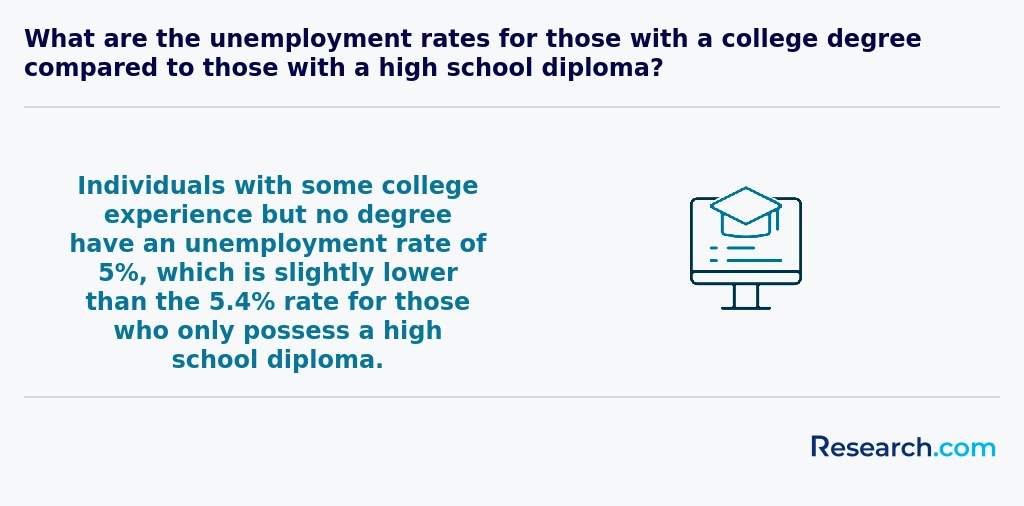
In New York, earning an online degree can significantly boost career mobility and advancement. According to the New York State Department of Labor, individuals with a bachelor's degree or higher tend to have lower unemployment rates and higher median wages compared to those with only a high school diploma. Online degrees offer flexibility, allowing working professionals to upskill without leaving their jobs. This is crucial in competitive fields like finance, healthcare, and technology, which dominate New York's economy. Furthermore, employers in New York increasingly recognize accredited online degrees, especially from regionally accredited institutions, making these credentials effective for promotions and career shifts.
Research from the National Center for Education Statistics highlights that over 30% of New York's adult learners enrolled in distance education in recent years, reflecting growing acceptance. Online education also supports networking opportunities through virtual platforms, providing access to industry connections across the state. Overall, an online degree in New York can open doors to better job positions, higher salaries, and career growth in diverse sectors.
When choosing between a thesis and a non-thesis online degree program in New York, consider your career goals and learning preferences. Thesis programs emphasize research and are ideal for students aiming for doctoral studies or research-related careers. Non-thesis options often focus on practical skills and are suited for those seeking to enter or advance in the workforce quickly.
Many New York colleges, including CUNY and SUNY institutions, offer both options online. According to the New York State Education Department, enrollment in graduate research programs has increased by 8% from 2018 to 2023, indicating strong interest in thesis tracks.
Cost and time commitments may also differ. Thesis paths typically require more time due to research demands, while non-thesis programs often offer more flexibility. Review your professional objectives carefully before deciding.
Students based in New York interested in studying abroad while pursuing online degrees have several tailored options. Many New York universities partner with foreign institutions, enabling students to complete portions of their coursework internationally or through virtual exchange programs. According to the Institute of International Education, over 40% of New York college students participate in study abroad or international learning experiences, the highest rate in the U.S.
Furthermore, online programs often incorporate global virtual internships or collaborative projects with international peers. Students can also choose accredited online universities that offer global perspectives and curricula designed for diverse cultural exposure. These opportunities allow New York students to gain international experience without leaving home.
New York offers diverse part-time job opportunities that complement online degree programs, especially in fields like business, technology, and healthcare. Positions such as administrative assistant, retail associate, or IT support technician provide practical experience alongside studies. The New York State Department of Labor reports that healthcare jobs grew by 16% between 2018 and 2028, creating roles like medical receptionist or home health aide that suit flexible schedules.
Internships and remote freelance work in marketing, graphic design, or data analysis also align well with online learning. These roles help build skills while managing coursework. Additionally, New York's thriving nonprofit sector offers part-time roles in event coordination or outreach, beneficial for social sciences students.
Online students pursuing degrees in New York benefit from various networking opportunities despite studying remotely. Many universities offer virtual career fairs, connecting students with local employers and alumni networks. For example, the State University of New York (SUNY) system hosts regular online events that promote professional connections statewide. Additionally, New York's robust professional associations often provide virtual meetings and webinars that are accessible to remote students.
Students can also join industry-specific groups on platforms like LinkedIn, where New York-focused communities help foster connections. According to the National Center for Education Statistics, over 30% of New York online learners participate in such online networking activities, enhancing their career prospects.
Alumni networks in New York offer significant benefits to students pursuing online degrees. These networks provide access to a vast community of graduates who often share job opportunities, mentorship, and professional advice tailored to local industries.
New York's large economy means connections through alumni can lead to roles in finance, healthcare, technology, and more. According to the United States Bureau of Labor Statistics, networking contributes to about 70% of all jobs obtained nationally.
Moreover, many New York colleges offer virtual alumni events and online platforms that help remote students build relationships despite geographical distances.
These connections boost career development and support lifelong learning, which are essential for online students entering competitive markets.
Customizing an online degree program in New York involves selecting courses that align directly with your professional goals. Many New York colleges offer flexible curricula where students can choose electives or concentrations tailored to industries like finance, technology, or healthcare. For example, the State University of New York (SUNY) system provides over 60 online degree options with customizable pathways. Certification opportunities and internships incorporated into these programs further enhance career readiness. Additionally, academic advisors help students design plans that meet both New York State education requirements and specific workplace demands, ensuring relevant skills development throughout the program.
Online students in New York often face challenges related to digital access and connectivity. Although New York State has made progress in expanding broadband, around 7% of households still lack reliable high-speed internet, according to the New York State Broadband Program Office. This issue can hinder participation in live lectures and timely submission of assignments.
Time management also emerges as a significant challenge. Many online students balance work, family, and studies simultaneously, which requires strong self-discipline and planning skills. A 2023 survey from the New York State Education Department found that over 60% of online learners struggled with scheduling conflicts.
Additionally, students may experience limited access to campus resources and face feelings of isolation without in-person interaction. Navigating financial aid and understanding credit transfers can further complicate the process for many New Yorkers seeking online degrees.
Writing a winning application for an online degree program in New York requires clear focus and careful preparation. Begin by thoroughly researching the specific colleges or universities you are interested in, as New York hosts over 200 degree-granting institutions, many offering accredited online options (National Center for Education Statistics, 2023). Highlight your academic achievements, work experience, and motivation to study online.
Next, craft a compelling personal statement that connects your goals with the program's strengths. Admissions committees in New York often look for candidates who demonstrate both readiness for remote learning and a clear career plan. Including relevant volunteer work or internships can strengthen your profile.
Finally, ensure all your application materials, such as transcripts and recommendation letters, meet deadlines and follow institution-specific requirements precisely. Attention to detail can set your application apart in New York's competitive higher education market.
Gaining practical experience while studying online in New York is essential for enhancing job prospects. Many New York colleges offer virtual internships that allow students to work remotely with local businesses and nonprofits. According to the State University of New York (SUNY), over 70% of students engage in internships to build career-ready skills. Additionally, students can participate in service-learning projects, often integrated into coursework, providing hands-on experience tied to community needs.
Networking through virtual career fairs hosted by New York institutions also helps connect students with employers. Some programs encourage part-time or flexible in-person internships in New York City, balancing convenience with real-world experience.
Choosing the right concentration within an online degree program in New York involves careful consideration of your career goals and local job market trends. New York's economy is diverse, with strong sectors in finance, healthcare, technology, and education, so aligning your concentration with these fields can improve job prospects. According to the New York State Department of Labor, healthcare and tech jobs are growing faster than average, making concentrations in these areas promising.
Research the curriculum of each concentration to ensure it covers skills demanded by employers. Also, check for any New York-specific licensure requirements if your concentration leads to regulated professions.
Lastly, evaluate the program's reputation and support services, which can impact your success in an online environment.
Related General Rankings for Nearby Cities
- 2027 Best Online Colleges Programs Ranking in Newark, NJ
- 2027 Best Online Colleges Programs Ranking in South Orange, NJ
- 2027 Best Online Colleges Programs Ranking in New Rochelle, NY
- 2027 Best Online Colleges Programs Ranking in New Haven, CT
- 2027 Best Online Colleges Programs Ranking in Philadelphia, PA
- 2027 Best Online Colleges Programs Ranking in Troy, NY
- 2027 Best Online Colleges Programs Ranking in Worcester, MA
- 2027 Best Online Colleges Programs Ranking in Baltimore, MD
- 2027 Best Online Colleges Programs Ranking in North Dartmouth, MA
- 2027 Best Online Colleges Programs Ranking in Utica, NY
Top Trending General Rankings
References
- Why Study in (or near!) New York as a College Student? https://www.iona.edu/blog/why-study-in-new-york
- Online Colleges in New York | OEDb.org https://www.oedb.org/new-york/
- For students - Studyportals https://studyportals.com/for-students/
- The Issues - Make the Road New York https://maketheroadny.org/the-issues/
- Online Degrees & Colleges in New York (NY)|OnlineDegrees.com https://www.onlinedegrees.com/new-york/
- Live and study in NYC: a practical guide to thriving in the Big Apple - IENYC – The Blueprint https://www.ienyc.edu/the-blueprint/live-and-study-in-nyc-a-practical-guide-to-thriving-in-the-big-apple/
- Job Training in New York City - New York City Employment and Training Coalition https://nycetc.org/membership/full-member-list/job-training-programs-in-new-york-city/
- Online Learning at UAlbany https://www.albany.edu/online
- Four Career Benefits to Completing Your Degree | Elmhurst University "Elmhurst University" Blog https://www.elmhurst.edu/blog/four-career-benefits-to-completing-your-degree/
- Students: This is How You Should Prepare for the Job Market https://www.agencycentral.co.uk/articles/students-this-is-how-you-should-prepare-for-the-job-market/








![2027 Best Advanced Standing Online MSW Programs [CSWE Accredited] thumbnail](/uploads/Online_Advanced_Standing_MSW_301dbd5368.jpg)