2027 Most Valuable Speech Pathology Degree Programs Ranking in Harrisonburg

Co-Founder and Chief Data Scientist

Reviewed by Rhea Paul, PhD
SLP Education & Research Expert
If you're considering a career in speech pathology in Harrisonburg, choosing the right degree program is an important step. The 2027 Most Valuable Speech Pathology Degree Programs Ranking in Harrisonburg, created by the Research.com team of data scientists, offers a clear guide to the top programs available locally.
This article will help you explore your options with confidence and understand which programs stand out for quality and value. Pursuing a speech pathology degree opens doors to rewarding work helping others communicate better, making a meaningful difference in people's lives.
Key benefits of getting speech pathology degree in Harrisonburg
- Salary for graduates: Speech pathology degree holders in Harrisonburg can enjoy strong earnings, such as speech therapists earning a mean annual wage of $96,790, while assistants earn around $47,010, providing rewarding financial opportunities.
- Career paths: Graduates have diverse options, including working as speech therapists, clinical research coordinators, or community outreach coordinators, making it easier to find fulfilling roles that fit personal interests and goals.
- Online degree benefits: Earning a speech pathology degree online offers flexibility and convenience, allowing students to balance studies with work or family, which many Harrisonburg students find empowering compared to traditional programs.
- 2027 Most Valuable Speech Pathology Degree Programs Ranking in Harrisonburg
- What can I expect from speech pathology degree in Harrisonburg?
- Where can I work with speech pathology degree in Harrisonburg?
What can I expect from speech pathology degree in Harrisonburg?
The cost of pursuing a speech pathology degree in Harrisonburg, particularly through James Madison University (JMU), often surprises prospective students. Many graduates recall navigating tuition fees that hover around the average for public universities in Virginia, with in-state undergraduates typically facing annual costs near $10,000 to $12,000. This investment reflects more than just classroom learning; it includes access to specialized labs and the clinical practicum essential for hands-on experience.
Graduate education, essential for clinical certification, demands a further financial and time commitment. Though JMU doesn't offer a graduate speech pathology program, students often enroll in accredited nearby or online master's programs, where tuition can range from $20,000 to over $40,000 depending on the institution and format.
One graduate shared how the challenging but supportive academic environment in Harrisonburg made that financial investment feel worthwhile-citing supervised clinical hours that transformed theory into real-world skills and reinforced a sense of purpose and readiness to serve diverse communities.
Where can I work with speech pathology degree in Harrisonburg?
Graduates from speech pathology programs at Harrisonburg's well-regarded universities quickly discover that their degree opens doors far beyond traditional clinical settings. Many find themselves immersed in diverse roles-from assisting patients at Sentara RMH Medical Center recovering after strokes to working alongside children in Harrisonburg City Public Schools where early intervention programs reshape young lives. One graduate shared how collaborating with special education teams ignited a passion for lifelong advocacy in communication development.
Others choose to establish private practices or join early intervention centers, tailoring therapy to individual needs and witnessing profound breakthroughs firsthand. The blend of urban hospitals and community clinics in Harrisonburg creates a unique professional landscape that challenges new speech pathologists to adapt and grow continuously.
Facing an aging population, some graduates embrace roles in nursing homes and community health organizations, offering hope to elderly patients coping with dysphagia or aphasia-experiences that enrich their sense of purpose. The varied career paths reflect Harrisonburg's dynamic demand for speech-language expertise, sparking enthusiasm and resilience among its new professionals.
Graduates with a speech pathology degree in Harrisonburg face varied earning potential, influenced by local economics and their chosen path. While the national median wage for speech-language pathologists sits around $82,860, Harrisonburg's entry-level salaries typically start between $60,000 and $70,000. For example, alumni from James Madison University, a popular local institution, often recount how gaining their Certificate of Clinical Competence (CCC-SLP) boosted their earnings closer to $80,000-$95,000.
Those entering supporting roles like Speech-Language Pathology Assistants can expect a mean annual wage near $47,010, reflecting practical experience gained in community or school settings. Clinical roles such as Speech Therapists show significantly higher averages, roughly $96,790 annually, demonstrating the value of specialized skills developed through advanced degrees.
Several Harrisonburg graduates highlight how working for local public schools or healthcare centers directly impacted their salaries-about $55,000 to $80,000-depending on credentials and experience. These numbers provoke reflection on how continuing education and specialization can transform passion into rewarding livelihoods within this vibrant community.
- The average tuition for a master's speech pathology program in Harrisonburg ranges from $25,000 to $35,000 for in-state students, excluding fees and living costs.
- Accredited programs in Harrisonburg include supervised clinical hours, which are required for state licensure in speech-language pathology.
- The demand for speech-language pathologists in Harrisonburg is expected to grow by about 14% over the next decade, surpassing the average growth rate for all occupations.
- Entry-level salaries start around $55,000 to $65,000 annually, with median salaries rising to $75,000 to $85,000 after five to ten years of experience and certification.
- Job opportunities in Harrisonburg include hospitals, schools, private practices, and rehabilitation centers, supported by proximity to larger metropolitan areas.
Completing a speech pathology degree in Harrisonburg typically demands a blend of patience and perseverance-around four years for a bachelor's degree followed by two more years for a master's. Graduates from James Madison University often reflect on the intense but rewarding journey, where each semester brings them closer to mastering both theory and clinical skills. The bachelor's program lays the groundwork over four years, but it's the master's program's clinical practicum that truly tests commitment, requiring at least 400 supervised hours of hands-on experience.
Students juggling part-time enrollment or year-round sessions find their timelines stretching, yet many cherish the flexibility as a way to deepen learning without burnout. The sense of accomplishment after navigating rigorous academic schedules and practical training resonates strongly, fueling motivation despite the financial and time investment. In Harrisonburg, this structured pacing ensures graduates are not only prepared but confident to step into professional roles, transforming challenges into milestones on a fulfilling path.
Planning your application early ensures you meet all requirements and deadlines for Harrisonburg’s Speech Pathology programs.
- Research programs and attend virtual or on-campus info sessions (August–October)
- Prepare transcripts, GRE scores (if required), and draft your personal statement (September–December)
- Request 2–3 letters of recommendation from professors or clinicians (October–January)
- Complete and submit the online application and fee (December 1–February 15)
- Schedule interviews or campus visits if invited (January–March)
- Receive admission decisions (March–April) and confirm your spot by April 30
Adjust dates per school and check each program’s admissions page for specifics. For cost-conscious planning, also explore cheapest speech pathology graduate programs in texas.
Choosing between online and on-campus speech pathology degrees in Harrisonburg is more than just a format preference; it reshapes your entire educational experience. Online students from James Madison University often describe a newfound freedom, juggling coursework on their own schedule while managing family or work commitments. Yet, this flexibility demands rigorous self-motivation, as the absence of physical classrooms means no immediate support during challenging lessons.
Conversely, on-campus students at local institutions thrive on face-to-face engagement, valuing in-person discussions and instant feedback that spark inspiration during clinical training in Harrisonburg's well-equipped speech labs. They often feel a strong sense of community, which online peers might find harder to replicate.
Several graduates reflect on clinical placements as a defining moment-online learners sometimes wrestle with coordinating local sites, while on-campus students benefit from campus-affiliated clinics offering direct, supervised practice.
Financially, the tangible savings from on-campus tuition in Harrisonburg, ranging between $8,000 and $15,000 annually, contrast with online programs where convenience might offset slightly higher costs. Each path shapes not only how you learn but how you live your journey toward becoming a speech pathologist.
Evaluating the return on investment (ROI) of a Speech Pathology degree in Harrisonburg, VA is crucial for students balancing educational costs with future earning potential. On average, Master’s programs in the region require an investment of $30,000–$90,000 in tuition and fees, with additional expenses for books, clinical materials, and living costs. However, graduates report mean annual salaries of approximately $92,800 as licensed Speech Therapists and $43,490 as Speech-Language Pathology Assistants, translating to a payback period of just 1–2 years post-graduation. Key factors influencing ROI:
- Tuition-to-Salary Ratio: With entry-level salaries often exceeding $60,000, students can recoup tuition expenses rapidly, especially if they secure assistantships or scholarships.
- Financial Aid Impact: Leveraging state programs like G3 and institutional scholarships can reduce net costs by up to 50%, improving ROI and shortening the break-even timeline.
- Career Advancement: Specializations in pediatric or adult rehabilitation can command premium salaries, further accelerating ROI. For students seeking more affordable pathways without sacrificing program quality, explore our Low Cost Speech Pathology Degree Programs Ranking in Virginia, which highlights top-ranked, budget-friendly options. By comparing program costs, available financial aid, and projected earnings, prospective students can make data-driven decisions that maximize both their educational investment and long-term career satisfaction.
The average cost of a speech pathology degree in Harrisonburg offers a glimpse into the real investment required for students pursuing this rewarding field. Graduates from programs like those at James Madison University often reflect on tuition costs totaling around $14,250 for in-state students over the course of their degree. This figure aligns with reported median expenses and encompasses not only tuition but also necessary fees for clinical practicum, an essential component of certification readiness. Such financial commitments might initially seem daunting, yet many find the value invested resonates deeply with their professional growth and passion for helping others.
Those based in Harrisonburg exploring their options weigh this cost alongside the substantial benefits. While the annual in-state tuition for speech pathology degrees stays relatively affordable compared to some other graduate programs, students remain mindful of additional expenses such as clinic fees and study materials, which can add several thousand dollars annually. Graduates often comment that the comprehensive support from their universities-scholarships, assistantships, and financial aid-makes the average cost of speech pathology degree Harrisonburg more manageable than expected, allowing them to focus on building vital clinical skills and connections.
For students who consider alternatives or seek routes with less financial strain, researching the easiest speech pathology schools to get into offers perspectives on balancing cost and admission flexibility. This pragmatic approach helps future clinicians in Harrisonburg strategically plan their educational journey with both cost and career aspirations in mind.
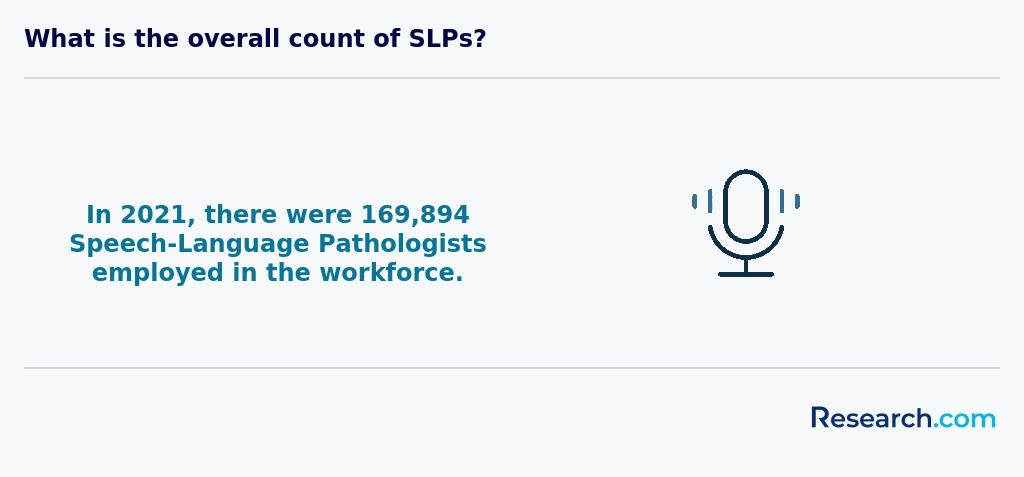
Becoming a licensed speech-language pathologist in Virginia involves several structured steps to ensure compliance with state regulations and national standards. 1. Accreditation and Degree Completion: - Graduate from a master’s program in Speech-Language Pathology accredited by the Council on Academic Accreditation (CAA) of ASHA. - Accumulate a minimum of 400 supervised clinical practicum hours as part of your MS-SLP curriculum. 2. Praxis® Examination: - Register for and pass the Praxis® exam in Speech-Language Pathology (Test #5331) with scores meeting or exceeding ASHA’s recommended cutoffs. 3. Clinical Fellowship Year (CFY): - Complete a 36-week full-time (or part-time equivalent) Clinical Fellowship under the mentorship of a CCC-SLP-certified professional. - Document weekly logs of client evaluations, treatment plans, and professional activities. 4. State Licensure Application: - Submit an application to the Virginia Board of Audiology and Speech-Language Pathology, part of the Virginia Department of Health Professions. - Include official graduate transcripts, Praxis® score reports, CFY verification forms, and the required application fee. 5. ASHA Certification (CCC-SLP): - Apply for the Certificate of Clinical Competence from the American Speech-Language-Hearing Association by submitting proof of degree, exam scores, and CFY completion. - Maintain CCC-SLP status through 30 continuing education units (CEUs) every three years. 6. Renewal and Continuing Education: - Renew your Virginia license biennially, providing evidence of at least 10 CEUs per cycle, including ethics, patient safety, and evidence-based practice. - Stay current on industry advancements-such as telepractice, AAC technologies, and specialized intervention strategies-to enhance service delivery and job satisfaction. Understanding how geographic location influences compensation is also key to long-term career planning; for insights into regional salary variations, explore the highest paying states for speech-language pathologists.
Financial aid for speech pathology students in Harrisonburg often feels like untapped treasure-especially when you realize the broad spectrum of support available beyond just tuition fees. Many graduates from James Madison University recall the relief of securing merit-based scholarships that significantly eased their financial worries, sometimes covering several thousand dollars annually. The journey often begins with FAFSA, unlocking access to Pell Grants that can provide almost $7,400 a year, a crucial boost for undergraduates balancing education and living costs.
Graduate students, the bulk of speech pathology candidates here, find comfort in federal loans like the Direct Unsubsidized and Grad PLUS Loans, which mirror the program costs yet allow manageable repayments over time.
State programs such as the Virginia College Scholarship Alliance further lessen burdens for in-state students, making public and private education more attainable.
What truly inspires many is the Public Service Loan Forgiveness program. Graduates working in public schools or healthcare often share stories of watching their debt vanish after 120 qualifying payments, turning daunting loans into hopeful futures.
To enroll in a speech pathology degree program in Harrisonburg, you must first dismantle the myth that passion alone suffices. Universities here expect more than enthusiasm-they demand a foundation built on relevant knowledge and skills. For example, graduates from respected local programs often recall their biology and psychology classes as critical; understanding the anatomy of speech and the intricacies of human cognition isn't optional but essential.
Many applicants face the reality of maintaining a GPA of around 3.0 or higher, a threshold that separates serious candidates from those unprepared for the field's rigor. Some campuses also require GRE scores, underscoring the academic challenge ahead.
Yet, beyond textbooks and tests, hands-on experience is what truly molds future clinicians. Graduates vividly describe their time volunteering in hospitals or schools around Harrisonburg-environments that expose them to the complex, rewarding realities of helping individuals communicate.
This blend of academic prerequisites and practical exposure not only shapes capable speech pathologists but fosters confidence, reflecting the genuine readiness these programs cultivate in their students.

Navigating your journey to a successful career in Speech Pathology can be both exciting and challenging. To make the most of your educational experience, consider these insider tips that have helped many students excel in their programs in Harrisonburg, VA. First, immerse yourself in available campus resources such as academic advising, peer mentoring, and extracurricular workshops. These supports not only enhance your learning but also expand your network within the community of speech-language pathologists. Plan your schedule early to balance coursework, clinical rotations, and study time effectively. Recognizing that the clinical component is central to your training, seek out opportunities for early exposure to clinical settings by engaging in volunteer work or observation hours. This proactive approach can boost your resume and provide practical insights that tie theoretical knowledge to real-world practice. When researching programs, compare not only the curriculum and faculty expertise but also the admission trends and acceptance rates. For prospective students looking for flexible yet competitive options, exploring the easiest speech pathology schools to get into can offer additional perspectives on program selection and preparation strategies. Finally, develop robust study habits and build collaborative relationships with your peers. Actively participating in study groups and departmental events can foster an environment of mutual support, helping you overcome challenges and celebrate milestones along the way. Keeping abreast of the latest industry trends through webinars and professional conferences will also ensure that your skills remain relevant in an evolving field. By integrating these strategies, you will not only enhance your academic performance but also lay a strong foundation for a thriving career in Speech Pathology.
Speech pathology degrees in Harrisonburg commonly immerse students in courses that stretch far beyond textbook knowledge, preparing them for real-life challenges in clinical settings. Graduates from local institutions often recall how foundational classes like Introduction to Communication Sciences and Disorders or Anatomy and Physiology of Speech and Hearing Mechanisms transformed their understanding of the intricate human speech system, making invisible processes suddenly visible and tangible.
These programs don't just teach facts; they provoke curiosity about disorders such as Phonological Disorders and Neurological Bases of Speech and Language, encouraging students to think critically about how brain function impacts speech. Many Harrisonburg students reflect on their excitement when tackling assessment techniques and intervention methods, realizing these skills will directly influence client outcomes.
Moreover, courses like Augmentative and Alternative Communication offer invaluable insights into assisting individuals unable to speak conventionally, a revelation that ignites passion and compassion among emerging clinicians.
Speech pathology degrees in Harrisonburg challenge students to engage deeply with diverse specializations, rather than settling for a one-size-fits-all approach. Graduates from James Madison University often cite pediatric speech-language pathology as a transformative focus, sharing fulfilling encounters working with children who face speech delays or stuttering. This hands-on experience, guided by local schools and early intervention programs, reveals the profound impact of early support.
Medical speech-language pathology specialists in Harrisonburg speak to the emotional rewards of restoring communication abilities after neurological trauma, with hospitals providing critical real-world settings. Meanwhile, the niche specialization of voice disorders and resonance encourages students to refine skills for unique cases like vocal fold paralysis or cleft palate, fostering meticulous clinical expertise.
Augmentative and alternative communication (AAC) training is causing a paradigm shift, equipping graduates to empower clients with severe motor impairments through technological aids. For students focused on Harrisonburg speech therapy degree options, these tracks demonstrate the field's expanding scope beyond traditional therapy.
Delving into these specializations prepares students for competitive roles in what are considered the highest paying states for speech-language pathologists, blending passion, skill, and community needs in compelling ways.
Choosing the best speech pathology degree programs Harrisonburg is more than ticking boxes like accreditation or cost. Graduates from popular local colleges often reflect on how hands-on clinical practicum, especially those linked with medical centers, transformed their learning from theory to real-world confidence. Imagine yourself treating clients during on-campus placements, feeling the thrill of progress and the challenge of adapting in the moment. That experiential learning is the heartbeat of a strong program here.
Affordability also shapes the experience profoundly. Many students find relief by enrolling in reputable public institutions offering value without sacrificing quality. For those worried about costs, exploring the Low Cost Speech Pathology Degree Programs Ranking in Virginia can make a significant difference in managing debt while studying.
Finally, think deeply about program flexibility and support. Some Harrisonburg programs accommodate working students with evening or online options, paired with dedicated advisors who help navigate licensure preparation. This blend of structure and personal guidance often keeps students motivated and connected to their career goals, proving invaluable well beyond graduation.
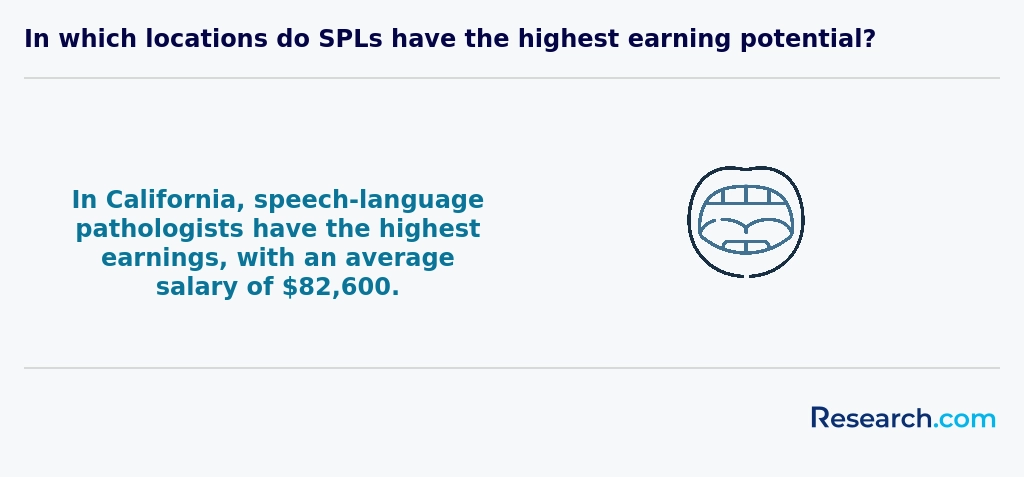
Graduates pursuing speech pathology career opportunities in Harrisonburg often find themselves at the crossroads of deeply impactful professions. From working in local public schools where they help children overcome speech delays to providing critical therapy in healthcare facilities, the variety reflects both the community's diverse needs and the broad skillset these graduates develop. Those studying at James Madison University frequently share how rewarding it is to support stroke survivors regaining communication skills in nearby hospitals.
Many Harrisonburg speech pathology degree job prospects extend into specialized outpatient clinics or early intervention programs where therapists shape young lives from infancy. The city's universities foster a strong sense of purpose and connection, challenging students to consider how their work directly uplifts families. It's worth noting the affordability of Harrisonburg programs stands out against others nationally, encouraging students to explore options beyond the usual regions.
For those weighing financial decisions, exploring the cheapest speech pathology graduate programs in texas can offer valuable perspective on costs relative to the quality and opportunities available locally.
The speech pathology job outlook in Harrisonburg defies the uncertainty many graduates face elsewhere. Recent graduates from well-regarded local programs often find themselves embraced by a community eager for their expertise. Hospitals like Sentara RMH and nearby schools continuously seek skilled SLPs, illustrating a reliable demand that graduates describe as both empowering and inspiring. This steady integration into healthcare and education reflects Harrisonburg's unique position, where clinical practicum hours completed during studies translate almost immediately into meaningful work.
Career opportunities here extend well beyond standard expectations. Graduates share stories of engaging directly with diverse populations, from children in public schools to adults in rehabilitation centers, enriching their professional journey. Those exploring advanced credentials also weigh options such as anchors part-time Ph.D. in economics to complement their speech pathology background and expand their roles within academic or policy-making circles.
For students targeting Harrisonburg, the median salary of around $77,000 paired with growing institutions signals a vibrant, supportive labor market that rewards dedication and community impact.
2027 Most Valuable Speech Pathology Degree Programs Ranking in Harrisonburg
Investing in your education is a significant decision that can shape your future, and the Research.com team understands the importance of making informed choices. To assist prospective students in Harrisonburg, we have meticulously crafted the "2027 Most Valuable Speech Pathology Degree Programs Ranking in Harrisonburg." Our commitment to quality, credibility, and accuracy is reflected in the extensive research and analysis conducted to compile this ranking.
We utilized the following reputable data sources to ensure a comprehensive evaluation of speech pathology programs:
By exploring this ranking, readers will gain valuable insights into the best speech pathology degree programs available in Harrisonburg, empowering them to make well-informed educational decisions. For more information on how the ranking was created, please visit our Research.com methodology page.
# 1 position
James Madison University
Master of Science (M.S.) in Speech-Language Pathology (Residential)

Frequently Asked Questions About speech pathology
Students pursuing a speech pathology degree in Harrisonburg can enhance their learning by engaging actively in both academic and practical experiences. Participating in local clinics and internships offered by nearby universities or healthcare facilities allows hands-on skill development. According to the American Speech-Language-Hearing Association, real-world practice is crucial for mastering diagnostic and therapeutic techniques.
Joining student organizations related to communication sciences can also provide networking and professional growth opportunities. Additionally, utilizing Harrisonburg's libraries and online databases expands access to current research and evidence-based practice guidelines. Staying informed about state licensure requirements early on helps ensure timely career progression.
Emerging niches within the speech pathology field reflect growing healthcare and technological trends. One significant area is telepractice, which enables speech-language pathologists to provide remote therapy, a service increasingly adopted in Harrisonburg due to rural access challenges. According to the American Speech-Language-Hearing Association (ASHA), telepractice has expanded service reach by over 30% in regions like Virginia.
Another niche involves specializing in swallowing disorders, often linked to aging populations and neurological conditions. Harrisonburg's health facilities report a rising demand for experts skilled in dysphagia management.
Additionally, research-based roles focusing on autism spectrum disorder (ASD) interventions are gaining importance, as ASD prevalence grows nationally. Local universities supporting speech pathology degrees are integrating such emerging topics into their curriculum to meet workforce needs.
After completing a speech pathology degree in Harrisonburg, preparing for the job market involves several key steps. First, ensure you complete clinical hours required by the American Speech-Language-Hearing Association (ASHA) for certification. These hours provide crucial hands-on experience. Next, apply for the Certificate of Clinical Competence in Speech-Language Pathology (CCC-SLP), which is essential for licensure and employment.
Networking locally with healthcare providers and educational institutions in Harrisonburg can increase job opportunities. According to the Bureau of Labor Statistics, speech pathologist jobs in Virginia are projected to grow 21% from 2022 to 2032, reflecting a strong demand.
Additionally, consider joining professional groups such as the Virginia Speech-Language-Hearing Association to access job openings and continuing education resources.
Employers in Harrisonburg seek speech pathology graduates with strong communication skills, as these professionals must clearly explain therapy techniques to clients and families. Clinical competence is essential, supported by hands-on experience gained through accredited programs recognized by the American Speech-Language-Hearing Association (ASHA).
Additionally, critical thinking and problem-solving abilities help clinicians tailor interventions to diverse patient needs. According to the Bureau of Labor Statistics, speech-language pathologists in Virginia show steady job growth, emphasizing adaptability and continuous learning in evolving treatment methods.
Interpersonal skills are highly valued for building trust with patients across all age groups. Ethical practice and cultural sensitivity also remain crucial for successful careers in Harrisonburg's increasingly diverse communities.
Finding internships in Harrisonburg for speech pathology students involves connecting with local healthcare and educational institutions. James Madison University, located in Harrisonburg, offers programs closely tied to clinical placements, which are essential for gaining practical experience.
Internship opportunities often arise at hospitals like Sentara RMH Medical Center and public school systems within Rockingham County. These settings provide hands-on experience in assessing and treating speech and language disorders.
Students should also use resources such as the American Speech-Language-Hearing Association (ASHA), which maintains a database of accredited clinical internship sites nationwide, including Virginia.
Networking with faculty advisors and professionals locally can help uncover additional internship placements aligned with academic requirements and licensure goals.
A speech pathology degree in Harrisonburg significantly enhances career mobility and advancement opportunities. Graduates meet the certification requirements set by the American Speech-Language-Hearing Association (ASHA), a crucial credential recognized nationwide. In Harrisonburg, professionals with this degree find opportunities in diverse settings such as schools, hospitals, and private clinics.
The U.S. Bureau of Labor Statistics projects a 21% growth rate for speech-language pathologists through 2031, reflecting strong job security. Locally, Harrisonburg's expanding healthcare sector and educational institutions contribute to steady demand. With increased experience and advanced certifications, speech pathologists in Harrisonburg often advance to supervisory or specialized clinical roles, further boosting their career prospects.
Studying for a speech pathology degree in Harrisonburg equips students with the skills needed for interdisciplinary collaboration in healthcare and education settings. Programs here emphasize teamwork by incorporating coursework in allied health fields such as audiology, occupational therapy, and special education. This approach aligns with national standards set by the American Speech-Language-Hearing Association (ASHA), preparing graduates to work alongside diverse professionals.
Local clinical placements in hospitals, schools, and rehabilitation centers provide practical experience in multidisciplinary teams. According to James Madison University's program data, over 75% of students engage in such internships, highlighting strong community partnerships. This immersive training helps build communication and problem-solving skills essential for integrated care roles.
When choosing between thesis and non-thesis speech pathology degree programs in Harrisonburg, students should consider their career goals and time commitments. Thesis programs typically require original research and a formal thesis paper, appealing to those interested in academic or research careers. Non-thesis options focus more on clinical practice and coursework, which might suit students aiming for immediate employment in healthcare settings.
Harrisonburg's speech pathology programs often align with American Speech-Language-Hearing Association (ASHA) certification standards, requiring practical experience regardless of track. According to the Bureau of Labor Statistics, speech-language pathologists in Virginia earn a median annual wage of $79,810, emphasizing practical skills.
Candidates should also evaluate faculty expertise, availability of research resources, and financial aid options when making their decision.
Students based in Harrisonburg seeking to study speech pathology abroad have several options primarily through exchange programs or partnerships maintained by their home institutions. While Harrisonburg itself hosts notable programs, most U.S. universities-including those within Virginia-encourage participation in international clinical placements or research opportunities. These experiences often take place in countries with established speech-language pathology certification systems, such as Canada, the United Kingdom, or Australia.
Since speech pathology licensure requirements vary internationally, students must verify whether foreign coursework aligns with American Speech-Language-Hearing Association (ASHA) standards. Harrisonburg-area advisors typically emphasize programs accredited by the Council on Academic Accreditation (CAA) to ensure seamless credit transfer and certification eligibility. According to data from the American Speech-Language-Hearing Association, approximately 20% of speech pathology students participate in international experiences to enhance their cultural competence and clinical skills.
Students pursuing speech pathology degrees in Harrisonburg can enhance their education through several part-time job opportunities that provide practical experience. Working as a speech therapy aide in local public schools or healthcare facilities is common, helping students develop skills in communication techniques and patient interaction.
Another valuable option is employment in early childhood education centers, where students support language development among young children. Harrisonburg's public school system and nearby healthcare providers often seek assistants, offering flexible hours suitable for students. According to the Bureau of Labor Statistics, gaining such hands-on experience significantly improves job prospects post-graduation.
Volunteering or working part-time in speech and hearing clinics within Harrisonburg also exposes students to clinical practices under supervision, complementing academic learning effectively.
Speech pathology students in Harrisonburg benefit from several networking opportunities through local universities, healthcare facilities, and professional associations. James Madison University, the primary institution offering speech pathology programs in Harrisonburg, often organizes events connecting students with practicing clinicians and alumni. These gatherings encourage mentorship and professional growth.
Additionally, students can engage with the Virginia Speech-Language-Hearing Association (VSHA), which offers conferences and workshops in the region. VSHA participation enables networking with licensed speech-language pathologists and exposure to current industry trends.
Clinical placements in hospitals and schools across Harrisonburg also provide practical experience and chances to build professional contacts early in a student's career.
Alumni networks provide significant benefits to speech pathology degree students in Harrisonburg by creating valuable connections within the local professional community. These networks often offer mentorship opportunities, connecting current students with graduates who understand the specific demands of practicing in Virginia. According to the American Speech-Language-Hearing Association (ASHA), mentorship improves graduate readiness and job placement rates.
Moreover, alumni can facilitate internships and clinical placements in local hospitals and schools, crucial for hands-on experience. Harrisonburg's speech pathology programs often collaborate with alumni to organize workshops and job fairs tailored to regional employers, increasing graduate employment prospects.
Strong alumni networks also help students navigate licensure requirements specific to Virginia, enhancing career advancement. These benefits make alumni connections an important resource for speech pathology students in Harrisonburg.
Customizing your speech pathology degree program in Harrisonburg involves selecting coursework and clinical experiences that align with your career objectives. Many local universities offer flexible curricula allowing students to focus on areas like pediatric therapy, adult rehabilitation, or bilingual speech services. Harrisonburg's growing healthcare community provides diverse internship opportunities, enabling practical skill development in specialized settings.
Additionally, students can pursue research projects or elective seminars tailored to interests in communication disorders. Certification requirements set by the American Speech-Language-Hearing Association (ASHA) guide program structures, ensuring graduates meet national standards. According to the Virginia Employment Commission, demand for speech pathologists in Harrisonburg is expected to grow by 15% through 2030, highlighting the importance of targeted training.
Speech pathology students in Harrisonburg commonly face challenges related to the rigorous coursework and clinical requirements. Programs accredited by the Council on Academic Accreditation (CAA) demand a strong understanding of anatomy, linguistics, and patient assessment, which can be difficult to master alongside practical lab hours.
Access to diverse clinical placements in Harrisonburg can be limited due to the city's smaller size compared to metropolitan areas, potentially restricting hands-on experience variety. According to the American Speech-Language-Hearing Association (ASHA), securing sufficient clinical hours is crucial to certification, making this a key concern for local students.
Additionally, balancing clinical work with academic responsibilities requires strong time management skills, which many students find challenging in the often intense program environment.
With a speech pathology degree in Harrisonburg, graduates can pursue professional certification through the American Speech-Language-Hearing Association (ASHA). The Certificate of Clinical Competence in Speech-Language Pathology (CCC-SLP) is the most widely recognized credential in the United States. It requires completion of a master's degree, a supervised clinical fellowship, and passing the Praxis exam in speech-language pathology.
Additionally, state licensure is mandatory to practice in Virginia. The Virginia Board of Audiology and Speech-Language Pathology issues licenses, which often align with ASHA standards. Maintaining certification involves ongoing professional development.
These certifications enhance employment opportunities and credibility in healthcare and educational settings throughout Harrisonburg and beyond.
When applying to a speech pathology program in Harrisonburg, it is crucial to highlight your academic strengths and relevant experience. Most programs require a bachelor's degree in a related field and a minimum GPA, often around 3.0. Including clinical or volunteer experience in speech-language pathology can set your application apart.
Write a clear personal statement explaining your passion for helping individuals with communication disorders. Use evidence-based reasons and tie your goals to local community needs in Harrisonburg. Programs often look for strong letters of recommendation from professors or professionals familiar with your skills.
Finally, ensure all application materials meet deadlines and reflect your genuine interest in the field.
Speech pathology is recognized worldwide as a vital healthcare profession, focusing on communication and swallowing disorders. In the US, including Harrisonburg, speech pathologists must hold a master's degree and obtain the Certificate of Clinical Competence in Speech-Language Pathology (CCC-SLP) from the American Speech-Language-Hearing Association (ASHA).
Globally, demand for speech pathologists is rising due to aging populations and awareness of developmental disorders. However, educational and certification requirements vary widely across countries, influencing career mobility.
In Harrisonburg, graduates benefit from proximity to organizations like ASHA and access to clinical placements in regional hospitals, aligning their training with US standards and helping maintain competitive employability domestically and abroad.
Gaining practical experience while studying speech pathology in Harrisonburg typically involves clinical placements and internships arranged through accredited programs. Many universities in the area partner with local healthcare facilities, schools, and community centers to provide hands-on training opportunities. These experiences allow students to work directly with clients under supervision, developing essential clinical skills.
Students often complete a minimum of 400 clinical hours, as required by the American Speech-Language-Hearing Association (ASHA) for certification. In Harrisonburg, facilities such as rehabilitation centers and public schools frequently host internships. Engaging in these placements enhances learning and improves employment prospects after graduation.
Choosing the right concentration within a speech pathology degree program in Harrisonburg depends largely on your career goals and interests. In general, programs may offer focuses such as pediatric speech therapy, adult rehabilitation, or cognitive-communication disorders. Harrisonburg's educational institutions often align their courses with licensure requirements in Virginia, ensuring you meet state standards for certification.
Consider the local demand: the Virginia Employment Commission notes growth in healthcare services, suggesting strong opportunities in geriatrics and rehabilitation. Additionally, look for programs that provide hands-on clinical experience and partnerships with Harrisonburg healthcare facilities. This practical component is crucial for building skills and networking within the community.
- 2027 Most Valuable Speech Pathology Degree Programs Ranking in Washington
- 2027 Most Valuable Speech Pathology Degree Programs Ranking in College Park
- 2027 Most Valuable Speech Pathology Degree Programs Ranking in Pittsburgh
- 2027 Most Valuable Speech Pathology Degree Programs Ranking in Philadelphia
- 2027 Most Valuable Speech Pathology Degree Programs Ranking in Columbus
- 2027 Most Valuable Speech Pathology Degree Programs Ranking in Cleveland
- 2027 Most Valuable Speech Pathology Degree Programs Ranking in New York
- 2027 Most Valuable Speech Pathology Degree Programs Ranking in Buffalo
- 2027 Most Valuable Speech Pathology Degree Programs Ranking in Cincinnati
- 2027 Most Valuable Speech Pathology Degree Programs Ranking in Queens
See What Experts Have To Say About Studying Speech Pathology
Read our interview with Speech Pathology experts

- The Importance of Speech Pathology in Education Settings https://blog.daar.com.au/blog/the-importance-of-speech-pathology-in-education-settings
- State-by-State Guide for Speech Pathology License Requirements https://speechpathologymastersprograms.com/become-speech-pathologist/speech-pathology-state-license-guide/
- Grad School Application Resource Center https://www.nsslha.org/programs/grad-school-application-resource-center/
- MS Speech-language Therapy Prerequisites & Requirements | USAHS https://www.usa.edu/college-of-rehabilitative-sciences/master-science-speech-language-pathology-ms-slp/ms-slp-admission-requirements/
- Your Guide to SLP Certifications and Specialties https://otpotential.com/blog/slp-certifications-and-specialties
- Speech Pathology Study Abroad https://bilinguistics.com/speech-pathology-study-abroad/
- How to Follow the Best Path to Becoming a Speech Pathologist https://www.masmedicalstaffing.com/blog/becoming-a-speech-pathologist/
- Landing Your First Speech Pathology Job After Graduation: A https://www.healthcarelink.com.au/article/landing-your-first-speech-pathology-job-after-graduation-a-practical-guide-for-new-speechies/2087
- How to Navigate 6 Common Challenges for School-Based SLP https://invocompanies.com/blog/how-to-navigate-6-common-challenges-for-school-based-speech-language-pathologists/
- Medical Speech-Language Pathologist - Explore Healthcare Careers - Mayo Clinic College of Medicine & Science https://college.mayo.edu/academics/explore-health-care-careers/careers-a-z/medical-speech-language-pathologist/