2027 Most Valuable Psychology Degree Programs Ranking in Oklahoma

Co-Founder and Chief Data Scientist
Choosing the right psychology degree program in Oklahoma can shape your future in meaningful ways. Our 2027 Most Valuable Psychology Degree Programs Ranking in Oklahoma offers a carefully researched guide created by the Research.com team of data scientists to help you make an informed decision.
This article highlights programs that deliver real value, combining quality education with promising career prospects. Exploring these options can inspire confidence and excitement about your educational journey.
Whether you're passionate about understanding human behavior or aiming for a rewarding career, this ranking supports your goals with trustworthy insights.
Key benefits of getting psychology degree in Oklahoma
- Psychology degree graduates in Oklahoma can earn competitive salaries, such as Marketing Research Analysts with a mean annual wage of $83,190 and Human Resources Specialists making around $76,060 per year.
- Career paths for psychology graduates include roles like Clinical Research Associates or Survey Researchers, both averaging about $62,370 annually, offering diverse and rewarding job opportunities in health, business, and social services.
- Completing a psychology degree online from a university in Oklahoma provides flexibility and convenience, allowing graduates to balance work and study while gaining the same valuable knowledge and skills as traditional degrees.
- Key benefits of getting psychology degree in Oklahoma
- What can I expect from psychology degree in Oklahoma?
- Where can I work with psychology degree in Oklahoma?
- How much can I make with psychology degree in Oklahoma?
- 2027 Most Valuable Psychology Degree Programs Ranking in Oklahoma
- Key Findings
- How long does it take to complete psychology degree in Oklahoma?
- Accreditation and Licensure Requirements
- What's the difference between online and on-campus psychology degree?
- Licensure and Certification in Oklahoma
- What is the average cost of psychology degree in Oklahoma?
- Licensure and Certification Pathways for Psychology Graduates in Oklahoma
- What financial aid is available to psychology degree students in Oklahoma?
- Finding the Cheapest Psychology School in Oklahoma
- What are the prerequisites for enrolling in psychology degree program in Oklahoma?
- Licensure and Certification Requirements in Oklahoma
- What courses are typically in psychology degree programs in Oklahoma?
- What types of specializations are available in psychology degree programs in Oklahoma?
- How do you choose the best psychology degree in Oklahoma?
- What career paths are available for psychology degree students in Oklahoma?
- What is the job market for psychology degree in Oklahoma?
- Related Psychology Rankings for Nearby States
- Top Trending Psychology Rankings
- See What Experts Have To Say About Studying Psychology
What can I expect from psychology degree in Oklahoma?
When considering a psychology degree in Oklahoma, it's encouraging to know that affordability is a key advantage. Public universities like the University of Oklahoma and Oklahoma State University offer tuition rates well below the national average, making it easier to manage the cost of your education. Graduates often share how this financial accessibility allowed them to focus more on learning and less on financial stress, especially when balancing part-time work or internships.
On average, tuition for a four-year bachelor's degree in psychology at these schools can range from $9,000 to $11,000 per year for in-state students. Many students find that combining scholarships, federal aid, and work-study programs significantly lightens the financial load. One common experience among former students is the relief and pride they feel when receiving aid packages that make advanced degrees, such as master's or doctoral programs, attainable without excessive debt.
Where can I work with psychology degree in Oklahoma?
If you're pursuing a psychology degree in Oklahoma, you'll discover vibrant career paths waiting for you across healthcare, education, social services, and even business sectors. Graduates from institutions like the University of Oklahoma or Oklahoma State University often find rewarding roles in clinical and counseling settings-working in hospitals, mental health clinics, or private practices where they provide essential therapy and support to individuals facing mental health challenges.
Many alumni share how becoming school counselors or educational psychologists in local schools brought them real fulfillment, helping students thrive emotionally and academically. The growing demand throughout Oklahoma's K-12 and university systems creates excellent opportunities to make a difference in young lives.
Others embrace social service positions in agencies like the Oklahoma Department of Human Services, coordinating programs that protect children and support families. These roles often draw on a strong foundation in psychology and offer steady, meaningful work.
Don't overlook the business world either-psychology grads increasingly contribute to human resources and organizational development, where understanding workplace behavior can boost morale and productivity.
Oklahoma's diverse economy means your psychology degree can lead you toward a career that's not just a job, but a passion, with many graduates telling inspiring stories of growth and community impact.
How much can I make with psychology degree in Oklahoma?
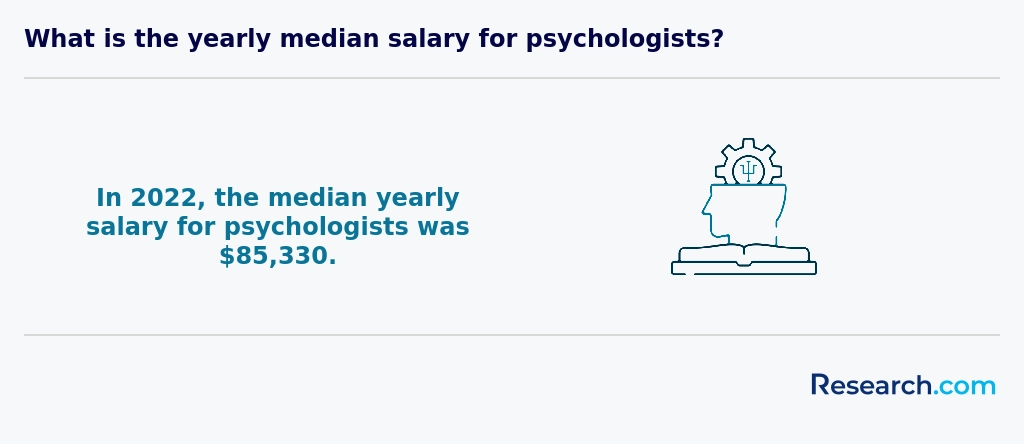
Graduates with a psychology degree in Oklahoma can expect diverse earning opportunities depending on their chosen career path. For example, those working as Human Resources Specialists-a common role for psychology majors-can earn an average annual wage of around $76,060. This aligns well with positions in local business hubs near institutions like the University of Oklahoma, where graduates often secure roles in HR departments.
Marketing Research Analyst positions, often pursued by psychology grads interested in data and consumer behavior, offer a mean salary of approximately $83,190 annually in Oklahoma. Graduates from Oklahoma State University have found these roles rewarding, combining analytical skills with psychology knowledge to thrive in competitive markets.
Some graduates choose roles like Clinical Research Associates or Survey Researchers, earning about $62,370 per year. These positions frequently appeal to those passionate about contributing to advancing psychological and medical research within the state's growing health sectors.
Entry-level roles such as Childcare Worker average $32,070 annually, a practical start for new graduates exploring community-based psychology work. These salaries reflect the rewarding challenge of working directly with individuals, an experience many Oklahoma psychology alumni cherish early in their careers.
Whether stepping into research analysis, HR, or clinical support, Oklahoma psychology graduates can build fulfilling careers with rewarding salaries, especially when leveraging the strong educational foundation from local universities.
2027 Most Valuable Psychology Degree Programs Ranking in Oklahoma
How do we rank schools?
Investing in your education is a significant decision that can shape your future, and the Research.com team understands the importance of making informed choices. To assist prospective students in Oklahoma, we have meticulously crafted the "2027 Most Valuable Psychology Degree Programs Ranking in Oklahoma." Our commitment to quality, credibility, and accuracy is reflected in the extensive research and analysis conducted to compile this ranking.
We utilized the following reputable data sources to ensure a comprehensive evaluation of psychology degree programs:
By exploring this ranking, readers will gain valuable insights into the most valuable psychology programs in Oklahoma, helping them make informed decisions about their educational investments. For more details on our methodology, please visit our Research.com methodology page.


# 5 position
Mid-America Christian University
Master of Science in Psychology

# 6 position
Mid-America Christian University
Bachelor of Science in Psychology

# 8 position
Cameron University
Bachelor of Science in Psychology


# 14 position
Cameron University
Master of Science in Psychology

# 17 position
Southern Nazarene University
MS in Counseling Psychology


Key Findings
- Psychology programs in Oklahoma are available at both public and private universities, ranging from bachelor's to doctoral degrees.
- In-state tuition for a bachelor's degree at public universities averages about $9,000 per year, while private institutions often charge over $20,000 annually.
- Entry-level psychology jobs in Oklahoma pay between $50,000 and $55,000 per year, with experienced professionals earning up to $85,000.
- Licensure requires completing supervised clinical hours and passing the Examination for Professional Practice in Psychology (EPPP).
- Telepsychology and community programs are expanding services, especially in rural areas where access to psychological care is limited.
How long does it take to complete psychology degree in Oklahoma?
Completing a psychology degree in Oklahoma typically takes dedication and steady progress, and graduates from universities like the University of Oklahoma and Oklahoma State University often share how their journey spanned about four years of full-time study. This timeframe covers essential coursework, blending general education with specialized psychology classes. Many find this path manageable and rewarding, especially when balancing studies with campus activities and part-time work.
For those eager to deepen their expertise, pursuing a master's degree usually adds two to three years, as seen in programs at the University of Central Oklahoma. Graduates appreciate the chance to engage in internships and thesis projects that strengthen their practical skills and confidence.
Doctoral candidates embrace a longer journey-four to seven years-embracing research, clinical training, and dissertation writing. Though challenging, graduates often express pride in how these experiences at Oklahoma institutions shape them into expert practitioners and researchers ready to impact communities.
Remember, your timeline may flex depending on your pace and specialization, but Oklahoma offers supportive environments that inspire perseverance and growth every step of the way.
Accreditation and Licensure Requirements
Before enrolling in a psychology degree program in Oklahoma, ensuring the institution’s accreditation and understanding state licensure pathways is essential for a smooth transition into professional practice. Oklahoma recognizes only programs accredited by the American Psychological Association (APA) or regionally accredited institutions, so graduates meet the educational standards required for licensure. Most states, including Oklahoma, require:
- A doctoral degree (PhD or PsyD) in psychology from an APA-accredited program.
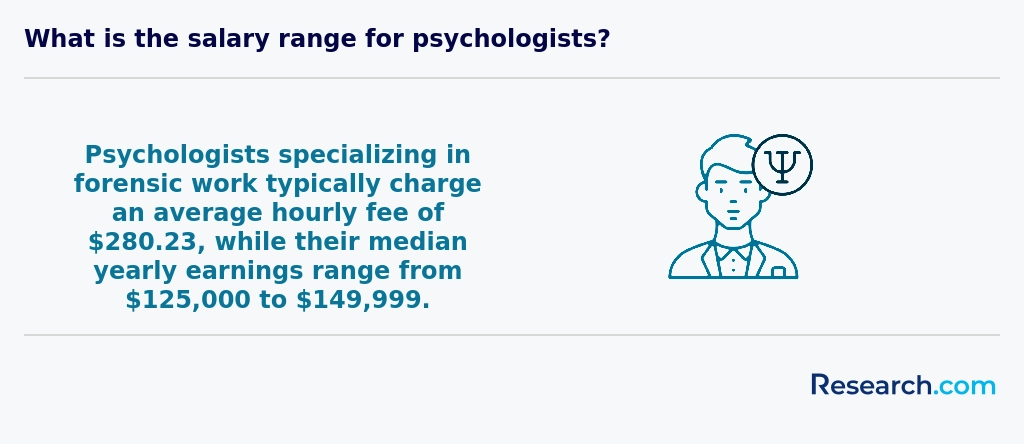
- Completion of at least 3,000 hours of supervised clinical experience, typically logged over one to two years.
- Passage of the Examination for Professional Practice in Psychology (EPPP) and any state jurisprudence exams administered by the Oklahoma Board of Behavioral Health. Master’s-level graduates can pursue licensure as licensed psychological associates (LPA) or licensed marriage and family therapists (LMFT) but must adhere to separate clinical hour requirements and examinations. For students considering advanced clinical training, exploring specialized psyd degree programs can provide flexible pathways to meet APA accreditation standards while balancing professional commitments. To verify a program’s accreditation, consult the APA’s online directory or the Higher Learning Commission. Additionally, the Oklahoma Board of Behavioral Health website outlines detailed application procedures, fees, and renewal schedules for LPC, LPA, and full psychologist licenses. By choosing an accredited program and adhering to Oklahoma’s licensure guidelines, graduates secure both the expertise and credentials needed to practice ethically and effectively.
What's the difference between online and on-campus psychology degree?
Choosing between online and on-campus psychology programs in Oklahoma often comes down to your lifestyle and learning preferences. Graduates from popular schools like the University of Oklahoma share how online studies provided them the freedom to balance family and work while still engaging deeply with course material at their own pace. This flexibility is especially valuable if your schedule is unpredictable or if you live far from campus.
Conversely, students attending Oklahoma State University often emphasize the immersive experience of on-campus programs. They benefit from face-to-face interactions with professors and peers, and hands-on labs that make complex psychological concepts come alive. Practicums arranged through these universities also give on-campus students a head start in gaining real-world experience.
Both formats meet rigorous accreditation standards and prepare you for licensure, but on-campus programs might offer easier access to internships via existing university partnerships. Online students, however, learn to be proactive and resourceful, seeking opportunities in their own communities which can build independence.
Licensure and Certification in Oklahoma
After earning your psychology degree, Oklahoma requires specific credentials to practice. Accredited programs-even accelerated options like the fastest online psychology degree-prepare you for licensure exams and supervised experience.
Key steps to certification:
- Graduate from an APA-accredited or regionally accredited psychology program
- Complete required supervised hours (typically 3,000–4,000 for psychologist licensure; 2,000 for licensed professional counselors)
- Pass the Examination for Professional Practice in Psychology (EPPP) or relevant counseling exam
- Submit application and fees to the Oklahoma Board of Licensed Professional Counselor Examiners or Board of Licensed Psychological Examiners
- Fulfill continuing education (30 hours every two years) to maintain active status
What is the average cost of psychology degree in Oklahoma?
When exploring the average cost of a psychology degree in Oklahoma, you'll find that in-state students often benefit from very accessible tuition rates. On average, the median in-state total cost for earning a psychology degree hovers around $9,398. This affordability has empowered many graduates from popular Oklahoma schools to pursue their passion for understanding the human mind without overwhelming financial burden. Imagine starting your academic journey at an Oklahoma public university, where your tuition is manageable and your focus can stay on excelling in coursework and hands-on clinical experiences.
Out-of-state students, however, should be prepared for higher expenses, with median total costs around $32,817. Even so, these costs remain competitive compared to national averages, especially when factoring in scholarships and financial aid opportunities that many Oklahoma institutions actively provide. Graduate programs may have higher price tags, but strategic planning and support can make those advanced degrees achievable as well.
Prospective students looking for the cheapest psychology school in Oklahoma can explore specific options tailored to budget needs. Many graduates recall how investments in their education led to rewarding careers, often sharing that careful financial planning made their goals feel within reach. If affordability is a priority, checking detailed tuition and fee information, and seeking out scholarships, can turn a dream of earning a psychology degree into reality.cheapest psychology school in Oklahoma is a good place to start when comparing costs.
The average cost of psychology degree in Oklahoma is thus a balance between accessible tuition, campus resources, and your commitment. By keeping these factors in mind, you can confidently map out your educational path knowing the numbers and possibilities align well for future psychology professionals.
Licensure and Certification Pathways for Psychology Graduates in Oklahoma
For many aspiring psychologists in Oklahoma, obtaining a degree is just the beginning of a rewarding professional journey that ultimately leads to licensure and certification. Understanding the licensing process is crucial, as it validates your expertise and provides the legal framework to practice independently. Graduates should be aware that after completing their degree-even pursuing an online master of psychology for added flexibility-there are several key steps to achieve full licensure. Typically, you will need to accumulate supervised clinical hours post-graduation, prepare for and pass the Examination for Professional Practice in Psychology (EPPP), and meet any additional state-specific requirements. Staying informed about continuing education opportunities and networking with licensed professionals can provide further insight into the evolving standards of practice, ensuring that you remain competitive and well-prepared to serve diverse communities. Established institutions and professional organizations across Oklahoma often offer resources, webinars, and mentorship programs designed to help graduates navigate the licensure process successfully, reinforcing the importance of lifelong learning in the field of psychology.
What financial aid is available to psychology degree students in Oklahoma?
Many psychology students in Oklahoma find that federal student aid, accessed by submitting the FAFSA, is a crucial starting point. This opens doors to Federal Pell Grants, which can offer up to $7,395 and never need to be repaid-providing a real sense of relief when facing tuition and textbook costs. Universities like the University of Oklahoma and Oklahoma State University often highlight how their students rely on such grants to reduce financial stress and focus more on their studies.
Beyond federal aid, the Oklahoma's Promise scholarship supports students from families meeting income requirements, encouraging academic success from high school through college. Graduates from regional colleges often share how this program was instrumental in helping them stay invested and motivated during tough semesters.
Institutional scholarships and assistantships are another beacon of hope. For example, psychology majors at the University of Tulsa frequently secure research or teaching assistant positions that not only ease financial burdens but also enhance their professional skills and confidence.
Finally, private scholarships from organizations like the Oklahoma Psychological Association offer chances to fund special projects or internships, making the entire educational journey feel achievable and rewarding.
Finding the Cheapest Psychology School in Oklahoma
. When considering a psychology degree in Oklahoma, one of the most crucial factors for many students is the cost of tuition. With the rising costs of higher education, finding an affordable program that still offers quality education is a challenge. For those seeking to minimize their financial burden, exploring options for the cheapest psychology school in Oklahoma can be a practical first step. This involves researching institutions that offer psychology programs, comparing their tuition fees, and considering the overall value each program provides, including factors such as accreditation, curriculum, and career support services. By doing so, prospective students can make informed decisions that balance their financial situation with their educational and career goals, ultimately setting themselves up for success in their future endeavors.
What are the prerequisites for enrolling in psychology degree program in Oklahoma?
To enroll in a psychology degree program in Oklahoma, you'll first need a high school diploma or GED-this foundation is essential to build your college journey. Oklahoma universities, like those in Norman or Tulsa, typically look for applicants with a solid GPA around 2.5 to 3.0 and completion of core courses such as English, Algebra II, biology, and social studies. These courses prepare you for the analytical and empathetic skills needed in psychology.
Many psychology students recall how meeting these prerequisites opened doors. For example, graduates from Oklahoma State University felt confident stepping into college after excelling in both academics and extracurricular activities like volunteering at local clinics, which enriched their application.
If you aim for a master's or doctorate, be ready to present a bachelor's degree, often in psychology or a related field, along with prerequisite classes like introductory psychology and research methods. Letters of recommendation and statements of purpose add a personal touch, showing your passion and readiness. Remember, practical experiences, like internships, truly brighten your profile and connect classroom learning to real-world impact.
Licensure and Certification Requirements in Oklahoma
Before entering practice, psychology graduates in Oklahoma must obtain licensure through the Oklahoma State Board of Behavioral Health, ensuring competence and public safety. Requirements include:
- Educational Credentials: A minimum of a master’s degree in psychology from an accredited institution; doctoral degree (PhD or PsyD) required for the title “Licensed Psychologist.” Programs accredited by the American Psychological Association (APA) are strongly recommended to satisfy eligibility criteria.
- Supervised Experience: • Master’s-level candidates pursue at least 3,000 hours of supervised post-graduate experience under a board-approved supervisor (e.g., Licensed Psychologist or Licensed Professional Counselor). • Doctoral candidates complete a minimum of 1,500 internship hours plus 1,500 post-doctoral supervised hours.
- Examinations: • The Examination for Professional Practice in Psychology (EPPP) administered by ASPPB. • Oklahoma jurisprudence and ethics exam, testing knowledge of state laws and professional standards.
- Application Process: Submission of official transcripts, verification of supervised hours, background check, and payment of application fees (currently $235 for master’s applicants; $335 for doctoral). Fees and renewal costs may vary-when budgeting for licensure and ongoing continuing education, compare financial trends with the Most Affordable Psychology Degree Programs Ranking in Hawaii.
- Continuing Education: Licensed practitioners must complete 30 clock hours of board-approved CE every two years, including a minimum of 3 hours in ethics. By understanding these steps, aspiring psychologists in Oklahoma can prepare effectively for licensure, ensuring a smooth transition from graduation to professional practice.
What courses are typically in psychology degree programs in Oklahoma?
When you pursue a psychology degree in Oklahoma, you dive into courses that truly build a strong understanding of human behavior and mental processes. Students at popular schools like the University of Oklahoma or Oklahoma State University often recall how introductory classes, such as Introduction to Psychology, laid the groundwork by explaining core theories and real-world applications.
Developmental Psychology helps you witness human growth stages through compelling case studies, while Research Methods and Statistics empower you to design experiments and interpret data critically - skills vital for any psychology career. Imagine yourself investigating how memory works in Cognitive Psychology or exploring how social environments shape behavior in Social Psychology, both key parts of most Oklahoma programs.
Graduates frequently highlight how courses in Abnormal Psychology brought classroom knowledge to life by studying psychological disorders and treatment approaches, preparing them for counseling roles or further study. Ethics courses ensure you approach these topics with responsibility and professionalism, shaping you into a thoughtful practitioner.
Many students cherish opportunities to personalize their learning with electives like industrial-organizational or health psychology, often supported by internships that allow hands-on experience essential for thriving in the field. Oklahoma's curriculum balances theory and practice, setting you up for success locally and beyond.
What types of specializations are available in psychology degree programs in Oklahoma?
When exploring psychology degree specializations in Oklahoma, students find a wealth of options to match their passions and career aspirations. At universities like the University of Oklahoma or Oklahoma State University, graduates often reflect fondly on how they could dive deep into areas such as Clinical Psychology, where they learned hands-on approaches to mental health treatment, or Counseling Psychology, preparing them to support people through life's challenges with empathy and skill.
Others have found themselves drawn to Educational Psychology, gaining insight into learning processes that could transform classrooms and student experiences across Oklahoma. Some graduates highlight the practical impact of Industrial-Organizational Psychology, applying science to improve workplace environments, while Forensic Psychology opens doors at the intersection of law and psychology. These diverse pathways ensure students in Oklahoma can tailor their journey and feel confident in their chosen field.
Many programs also emphasize flexible tracks, allowing students to fine-tune research skills or applied practice. Prospective students might consider options like the online master of psychology for advanced specialization. This attention to individual focus is what truly sets Oklahoma's psychology programs apart, inspiring countless learners to pursue the best psychology majors Oklahoma universities have to offer.
How do you choose the best psychology degree in Oklahoma?
Choosing the best psychology degree in Oklahoma means understanding your goals and the realities of each program. Graduates from universities like the University of Oklahoma often share how accreditation was a key factor in their decision because it ensured their degree was respected by employers and licensure boards. Programs with American Psychological Association (APA) accreditation, especially at the doctoral level, open doors to advanced clinical roles.
Consider the cost carefully; Oklahoma's public colleges offer affordable options compared to national averages, which helps many students manage expenses while pursuing quality education. A focus on core courses combined with electives tailored to your interests, like industrial-organizational psychology, creates a fulfilling learning experience.
Many students benefit from strong connections to local mental health organizations, internships, and research projects. If you want to explore flexible learning paths, check out psyd degree programs as another potential route. Finding a psychology degree that fits your ambitions in Oklahoma combines practicality with passion, guiding you confidently toward your future.
For those seeking affordable psychology colleges Oklahoma 2027, researching graduation rates, faculty expertise, and campus resources at places like Oklahoma State University can make all the difference in your path forward.
What career paths are available for psychology degree students in Oklahoma?
Graduates with a psychology degree in Oklahoma find diverse career paths that match their passions and skills. Many from the University of Oklahoma or Oklahoma State University choose clinical and counseling psychology, working in hospitals or community centers where they directly impact lives by diagnosing and treating mental health issues. This hands-on work brings rewarding moments when clients overcome challenges, fueling a deep sense of purpose.
Others venture into school psychology within Oklahoma's public school systems, helping students with learning disabilities and behavioral support. These roles offer stability and the joy of seeing young minds thrive, a path many alumni cherish. For those interested in the business world, industrial-organizational psychology is growing here, with graduates helping companies improve workplace culture and employee well-being.
Research and forensic psychology offer unique experiences working in government or justice settings, ideal for those passionate about applied knowledge and societal impact. If affordability concerns you, remember Oklahoma's public universities keep tuition below national averages, making the dream of pursuing psychology degrees accessible. For a useful comparison, check the Most Affordable Psychology Degree Programs Ranking in Hawaii to see how Oklahoma stacks up.
Whether you're exploring psychology careers in Oklahoma or curious about jobs with psychology degree Oklahoma offers, the variety is energizing and full of potential for those ready to make a difference.
What is the job market for psychology degree in Oklahoma?
The psychology degree job opportunities in Oklahoma offer a stable, encouraging landscape for graduates ready to make a meaningful impact. Many students from universities like the University of Oklahoma and Oklahoma State University find roles in behavioral health services or school-based psychology, where demand is growing steadily. Graduates often share how rewarding it feels to work directly with communities, supporting mental health needs in hospitals or local schools.
Because licensing requires a doctoral degree and supervised experience, many find pursuing advanced degrees essential to unlock clinical and counseling roles. Those starting with bachelor's degrees frequently gain valuable experience through research assistantships or social services jobs. The relatively affordable education costs in Oklahoma make these pathways accessible, enabling more students to follow their passion without overwhelming debt.
The Oklahoma psychology career outlook 2027 looks promising as the field is expected to grow near the national average. For those wondering what's the easiest phd to get, choosing the right program and gaining hands-on experience at local institutions can open doors to fulfilling careers.
Frequently Asked Questions About psychology
Psychology degree students in Oklahoma can maximize their learning by engaging actively in both coursework and practical experiences. Many universities, such as the University of Oklahoma and Oklahoma State University, offer internship opportunities that provide hands-on experience, which is crucial for skill development. According to the Bureau of Labor Statistics, practical experience increases employability in psychology fields by over 30% nationwide.
Students should also join psychology clubs or honor societies like Psi Chi to connect with peers and professionals, which broadens learning outside of classes. Utilizing campus resources, such as counseling centers and research labs, helps deepen understanding of psychological theories through real-world application.
Participating in research projects, even as undergraduates, can introduce students to current developments within American Psychological Association guidelines. Finally, staying informed about licensure requirements in Oklahoma ensures relevant coursework and practicum choices align with state standards for future psychologists.
The field of psychology is expanding rapidly, especially in Oklahoma, where emerging niches offer promising career paths. One growing area is forensic psychology, which combines psychology with the legal system. Oklahoma's increasing focus on criminal justice has fueled demand for experts in this niche.
Another notable niche is health psychology, addressing how mental health affects physical well-being. This area is growing due to rising chronic illnesses in the state, according to data from the Oklahoma State Department of Health.
Additionally, industrial-organizational psychology is gaining momentum, helping Oklahoma businesses improve employee productivity and satisfaction. This niche aligns well with the state's expanding industries.
After earning a psychology degree in Oklahoma, preparing for the job market involves several key steps. Gaining practical experience through internships or volunteer work at local clinics or mental health organizations can significantly boost employability. According to the Oklahoma State Board of Licensed Psychologists, many employers prefer candidates with supervised clinical hours.
Networking is also important. Joining state-based professional groups like the Oklahoma Psychological Association allows graduates to connect with professionals and learn about job openings. Additionally, obtaining relevant certifications or considering graduate studies enhances career prospects, especially in counseling or clinical roles.
Understanding local job trends is crucial. The Oklahoma Employment Security Commission reports steady growth in psychology-related fields, emphasizing the need for specialized skills in behavioral health and substance abuse treatment services.
Employers in Oklahoma increasingly seek psychology graduates who demonstrate strong critical thinking and analytical skills. These enable graduates to assess complex human behaviors effectively, a necessity in clinical, counseling, and organizational settings. According to the Oklahoma State Board of Licensed Psychologists, communication skills rank highly, as professionals must explain psychological concepts clearly to clients and collaborate with multidisciplinary teams.
Research proficiency also stands out-employers prefer candidates who can conduct empirical studies and interpret data accurately. Given the rise of evidence-based practices, familiarity with statistical software is a plus. Additionally, cultural competence is vital in Oklahoma's diverse communities, enhancing client rapport and intervention success.
Overall, a blend of interpersonal, research, and ethical skills shapes employers' expectations in the state.
Finding internships in Oklahoma relevant to a psychology degree involves connecting with local universities, healthcare facilities, and community organizations. Many psychology programs, such as those at the University of Oklahoma and Oklahoma State University, have established partnerships offering internships in clinical, counseling, and research settings.
Students can also explore opportunities through the Oklahoma Psychological Association, which provides listings and resources specifically for psychology internships in the state. Additionally, hospitals like OU Medical Center and mental health clinics in urban areas often offer practical experience aligned with degree requirements.
Search platforms like Handshake and the Oklahoma State Regents for Higher Education website also list psychology-related internships. Early application and networking with faculty advisors can enhance placement chances.
In Oklahoma, a psychology degree significantly enhances career mobility and advancement opportunities. According to the U.S. Bureau of Labor Statistics (BLS), the state expects a 12% growth in psychology-related occupations through 2031, which is faster than the average for all occupations nationwide. Graduates with a bachelor's degree often enter roles such as social services, human resources, or case management, while those with a master's or doctoral degree qualify for clinical, counseling, and school psychologist positions.
Advanced degrees frequently lead to higher salaries and leadership roles. For example, licensed clinical psychologists in Oklahoma earn a median annual wage around $80,000, which is 30% higher than the state median income overall (BLS, 2023). Professional licensure, requiring a doctoral degree and supervised hours, further boosts career prospects in specialized psychology fields.
The state's universities offering psychology degrees also provide networking and internship opportunities, which are crucial for career advancement in Oklahoma's competitive job market.
Studying for a psychology degree in Oklahoma offers students a solid foundation for interdisciplinary roles by combining core psychology principles with practical applications across diverse fields. Many Oklahoma universities incorporate coursework that intersects with healthcare, education, and social services, preparing graduates to collaborate with professionals in these areas.
According to the Oklahoma State Regents for Higher Education, psychology programs often emphasize research methods, statistics, and behavioral science, which are valuable skills in interdisciplinary teams.
Additionally, internships and fieldwork opportunities in local hospitals, schools, and community organizations give students hands-on experience working alongside experts in related disciplines.
This approach equips psychology graduates to contribute effectively in healthcare, education, and social policy, roles that require understanding human behavior within broader systems.
When deciding between a thesis and a non-thesis psychology degree program in Oklahoma, consider your career goals carefully. A thesis option typically suits students aiming for research careers or doctoral studies, as it involves conducting original research and developing strong analytical skills. According to the Oklahoma State Regents for Higher Education, about 40% of psychology graduate students in the state choose thesis programs for this reason.
In contrast, a non-thesis program focuses more on coursework and practical application, which may be ideal for those seeking careers in counseling, education, or human services. These programs often include internships or practicum experiences. Cost and time commitment also differ, with thesis tracks sometimes requiring more time to complete. Reviewing program specifics at local institutions like the University of Oklahoma or Oklahoma State University can help you make an informed choice.
Students based in Oklahoma who wish to study psychology abroad have several options through their home institutions and external programs. Many Oklahoma universities, such as the University of Oklahoma and Oklahoma State University, offer study abroad programs or partnerships with foreign universities, allowing psychology students to earn credits internationally. These programs often include placements in countries with strong psychology research traditions, like the United Kingdom or Germany.
Additionally, organizations like the Institute for the International Education of Students (IES) provide psychology-focused study abroad opportunities available to Oklahoman students. The U.S. Department of Education reports that study abroad participation rates among psychology majors have steadily increased, reflecting growing interest. Financial aid and scholarships specific to psychology students can help reduce costs.
Students pursuing psychology degrees in Oklahoma can benefit from several part-time job opportunities that align with their academic goals. Common roles include psychiatric technician positions at local hospitals, which provide hands-on experience working with patients. According to the Bureau of Labor Statistics, Oklahoma employs about 1,200 psychiatric technicians, with a median hourly wage around $14.50, offering both income and relevant skills.
Research assistant jobs at universities like the University of Oklahoma are also valuable, allowing students to participate in studies, data collection, and analysis. Nonprofit organizations frequently seek behavioral health aides, providing direct community engagement.
These roles enrich practical knowledge while allowing flexibility alongside study schedules.
Psychology students in Oklahoma have access to various networking opportunities that support their academic and professional development. Universities like the University of Oklahoma and Oklahoma State University host psychology clubs and honor societies, such as Psi Chi, which connect students with peers and faculty. These organizations often organize events, guest lectures, and workshops, fostering valuable professional contacts.
Additionally, the Oklahoma Psychological Association (OPA) offers student memberships, providing access to conferences, internships, and mentorship programs. The OPA's annual meeting attracts professionals statewide, allowing students to build relationships within the local psychology community.
Internship placements within Oklahoma's healthcare and social service agencies further enhance networking, preparing students for future careers.
Alumni networks offer significant benefits to psychology degree students in Oklahoma by providing valuable professional connections. Graduates from Oklahoma universities often join these networks, gaining access to mentorship opportunities, job leads, and skill-building events. According to the Oklahoma State Regents for Higher Education, psychology alumni frequently participate in career panels and networking sessions, helping current students navigate local job markets.
These connections can be especially important in fields like clinical or counseling psychology, where licensure and professional relationships matter. Alumni networks also help students stay informed about internships and research opportunities offered by Oklahoma-based institutions and clinics.
Furthermore, strong alumni engagement supports students seeking guidance on graduate education and certification pathways specific to Oklahoma's licensing boards for psychologists.
Customizing a psychology degree program in Oklahoma to align with your career goals begins with selecting the right institution and focus area. Many Oklahoma universities offer specialized tracks within their psychology programs, such as clinical, counseling, or industrial-organizational psychology. For example, the University of Oklahoma provides options for research, applied psychology, and behavioral health. Tailoring your coursework through electives and internships is another effective method, allowing practical experience in your chosen field.
Additionally, Oklahoma students can benefit from the state's growing mental health sector, which was expected to grow by 15% from 2020 to 2030, according to the U.S. Bureau of Labor Statistics. This growth creates opportunities to align academic training with in-demand skills.
Finally, engaging with faculty mentors and participating in research projects are key ways to deepen knowledge in areas relevant to your career, enhancing both your resume and practical readiness for the job market.
Psychology students in Oklahoma commonly face several challenges during their studies. One major issue is limited access to diverse practicum opportunities, especially in rural areas where clinical placements can be scarce. This affects hands-on learning crucial for licensure and professional experience. According to the Oklahoma Board of Licensed Professional Counselor Examiners, clinical experience requirements often delay graduation timelines for many students.
Additionally, funding and financial aid present hurdles. While Oklahoma offers some state scholarships, many psychology students balance part-time jobs to cover tuition and living expenses. The average tuition for psychology programs at public universities in Oklahoma ranges from $8,500 to $12,000 annually, which can be burdensome for non-resident and low-income students.
Mental health stigma in the state also impacts students personally and professionally, influencing their comfort in discussing sensitive topics or seeking support. Overall, these challenges require resilience and effective time management to succeed in Oklahoma's psychology programs.
With a psychology degree in Oklahoma, you can pursue various professional certifications to enhance your career prospects. Common certifications include becoming a Licensed Professional Counselor (LPC), which requires completing supervised clinical hours and passing the National Counselor Examination. This credential allows you to work in mental health counseling across Oklahoma.
Another option is the Certified Alcohol and Drug Counselor (CADC), valuable for those interested in addiction services. Many graduates also aim for Board Certification in Behavior Analysis (BCBA) if they focus on applied behavior analysis, especially working with children and individuals with developmental disabilities.
These certifications often require a master's degree level or higher and specific supervised experience. According to the Oklahoma Board of Behavioral Health Licensure, demand for licensed counselors is growing, reflecting expanding mental health services statewide.
Writing a winning application for a psychology program in Oklahoma starts with highlighting relevant academic achievements. Focus on your GPA and coursework related to psychology, as programs typically seek students with strong foundational knowledge. According to the Oklahoma State Regents for Higher Education, successful applicants often present GPAs above 3.0 in psychology or science classes.
Include a well-crafted personal statement that clearly explains your motivation to study psychology. This should connect your goals to Oklahoma's unique community and mental health needs. Schools like the University of Oklahoma value applicants who demonstrate awareness of regional challenges and show commitment to serving local populations.
Letters of recommendation from professionals or instructors familiar with your academic abilities add credibility. Additionally, relevant volunteer or internship experience in mental health settings strengthens your application, reflecting practical engagement beyond academics.
Finally, prepare for any required standardized tests such as the GRE, although some Oklahoma programs are moving away from these requirements, emphasizing a holistic review process instead.
Psychology careers offer diverse opportunities worldwide, yet remain closely tied to the education and licensing standards of each country. In the United States, including Oklahoma, psychology professions generally require advanced degrees such as a master's or doctorate followed by supervised experience and licensing exams. The American Psychological Association (APA) plays a significant role in shaping education and practice standards across states.
Globally, the focus on mental health awareness is growing, increasing demand for psychologists in clinical, counseling, and research fields. In Oklahoma, the demand for licensed psychologists is projected to grow by 14% through 2030, according to the U.S. Bureau of Labor Statistics.
The international recognition of U.S. psychology degrees, particularly those accredited by APA, supports graduates seeking work or further education abroad. However, each country often requires additional certification or licensing relevant to its own standards.
Gaining practical experience while studying psychology in Oklahoma is essential for building skills and enhancing employability. Many universities in Oklahoma offer internship programs that connect students with local mental health clinics, hospitals, and social service agencies.
The Oklahoma State Regents for Higher Education note that over 60% of psychology students participate in internships or practicum placements during their degree. These opportunities allow students to work under the supervision of licensed professionals, supporting real clients and learning assessment or counseling techniques firsthand.
Additionally, students can join research projects at institutions like the University of Oklahoma, gaining valuable lab experience. Volunteering with community organizations focused on mental health also offers practical insights and networking possibilities within the state.
Choosing the right concentration within a psychology degree program in Oklahoma starts with understanding your career goals. Psychology offers diverse paths such as clinical, counseling, industrial-organizational, or forensic psychology. Each concentration aligns with specific job markets and licensure requirements in Oklahoma.
Research from the Oklahoma State Board of Psychology highlights that clinical and counseling psychology have higher demand locally, reflecting broader national trends. Consider your interests in research, direct client work, or organizational roles when selecting a focus.
Many Oklahoma universities provide detailed course catalogs and faculty expertise descriptions. Reviewing these can help match your academic strengths and professional aspirations with available concentrations.
Additionally, consider internship and practicum opportunities in Oklahoma, as hands-on experience is often crucial for licensure and employment in this field.
Related Psychology Rankings for Nearby States
- 2027 Most Valuable Psychology Degree Programs Ranking in Kansas
- 2027 Most Valuable Psychology Degree Programs Ranking in Missouri
- 2027 Most Valuable Psychology Degree Programs Ranking in New Mexico
- 2027 Most Valuable Psychology Degree Programs Ranking in Nebraska
- 2027 Most Valuable Psychology Degree Programs Ranking in Mississippi
- 2027 Most Valuable Psychology Degree Programs Ranking in Illinois
- 2027 Most Valuable Psychology Degree Programs Ranking in Kentucky
- 2027 Most Valuable Psychology Degree Programs Ranking in North Dakota
- 2027 Most Valuable Psychology Degree Programs Ranking in Michigan
- 2027 Most Valuable Psychology Degree Programs Ranking in Ohio
Top Trending Psychology Rankings
See What Experts Have To Say About Studying Psychology
Read our interview with Psychology experts

Elizabeth L. Jeglic Ph.D.
Psychology Expert
Professor of Psychology
City University of New York

Robin M. Kowalski. Ph.D.
Psychology Expert
Professor of Psychology
Clemson University

Joann Farrell Quinn, Ph.D., MBA
Psychology Expert
Director at the College of Medicine Department of Medical Education
Morsani College of Medicine

References
- Financial Aid - Adult Students - Oklahoma State Regents for Higher Education https://okhighered.org/adult-students/financial-aid/
- Licensure Requirements For Psychologists In Oklahoma https://www.psychology.org/online-degrees/oklahoma/
- Alumni Perspectives - Meet Our FPN Alumni https://www.aanmelder.nl/alumni-perspectives-june-2023
- Society for the Teaching of Psychology https://teachpsych.org/page-1784686/8675326
- Best Psychology Internships Abroad 2026 & 2027 | Intern Abroad HQ https://www.internhq.com/blog/best-psychology-internships-abroad/
- How to help students cope with mental health challenges https://www.eaie.org/resource/help-students-cope-mental-health-challenges.html
- Know more about thesis vs non- thesis: what is the difference? https://studyfans.com/en/blogs/816
- Psychology - SWPS University https://english.swps.pl/academics/warsaw/ba-programs/psychology
- Community Psychology in Global Perspective http://siba-ese.unisalento.it/index.php/cpgp
- Call for papers https://www.hogrefe.com/us/journal/international-perspectives-in-psychology-research-practice-consultation