2027 Most Valuable Psychology Degree Programs Ranking in Melbourne

Co-Founder and Chief Data Scientist
Choosing the right psychology degree program can shape your future career and personal growth. Our 2027 Most Valuable Psychology Degree Programs Ranking in Melbourne was created by the Research.com team of data scientists to guide students like you in making informed decisions.
This article highlights programs that offer strong value, combining quality education with promising career outcomes. Exploring these options helps you focus on degrees that truly matter.
Investing in a psychology degree opens doors to understanding human behavior, enhancing your skills, and making meaningful impacts in your community.
Key benefits of getting psychology degree in Melbourne
- Salary benefits: Graduates with a psychology degree can earn competitive salaries, such as a Human Resources Specialist with a mean annual wage of $76,060 or a Marketing Research Analyst earning about $83,190 per year. These roles offer stable income and growth potential in Melbourne's job market.
- Career paths: Psychology graduates from popular Melbourne universities often explore diverse roles including Clinical Research Associate or Survey Researcher, allowing them to work in healthcare, research, or human services. This flexibility opens many doors for rewarding and meaningful careers.
- Online degree advantages: Completing a psychology degree online provides flexibility to balance study with work or personal life, which many Melbourne students find empowering. Online graduates still gain recognized qualifications, making it easier to enter the workforce quickly and confidently.
- Key benefits of getting psychology degree in Melbourne
- What can I expect from psychology degree in Melbourne?
- Where can I work with psychology degree in Melbourne?
- How much can I make with psychology degree in Melbourne?
- 2027 Most Valuable Psychology Degree Programs Ranking in Melbourne
- Key Findings
- How long does it take to complete psychology degree in Melbourne?
- Accreditation and Licensing Requirements for Psychology Programs in Florida
- What's the difference between online and on-campus psychology degree?
- Psychologist Registration and Accreditation in Australia
- What is the average cost of psychology degree in Melbourne?
- Exploring Psychology Education Beyond Melbourne, FL
- What financial aid is available to psychology degree students in Melbourne?
- Licensing and Certification Requirements for Psychology Graduates in Florida
- What are the prerequisites for enrolling in psychology degree program in Melbourne?
- Accreditation, Licensing, and Professional Development Considerations
- What courses are typically in psychology degree programs in Melbourne?
- What types of specializations are available in psychology degree programs in Melbourne?
- How do you choose the best psychology degree in Melbourne?
- What career paths are available for psychology degree students in Melbourne?
- What is the job market for psychology degree in Melbourne?
- Top Trending Psychology Rankings
- See What Experts Have To Say About Studying Psychology
What can I expect from psychology degree in Melbourne?
If you're thinking about studying psychology in Melbourne, the cost is something you'll definitely want to keep in mind. For international students like those coming from the US, tuition fees usually sit between AUD 30,000 and 45,000 per year. This range depends on the university you pick-whether it's the University of Melbourne, Monash, or RMIT, which are all popular choices for psychology degrees here.
Many graduates mention how the investment felt worth it, especially when they got involved in hands-on labs and internships that really brought the theory to life. Imagine spending a day at one of the city's well-funded research centers, working alongside experts-that's the kind of experience that turns a hefty tuition into something valuable.
Studying in Melbourne also means you're part of a tight-knit community where support is everywhere, from fellow students to lecturers who genuinely care. Even though the fees might sound high at first, lots of students find that the quality education and career opportunities make it feel like a smart move in the long run.
Where can I work with psychology degree in Melbourne?
If you've got a psychology degree from one of Melbourne's top spots like the University of Melbourne or RMIT, you're in for some pretty exciting career options. Graduates often land roles in hospitals or private clinics, helping people with mental health challenges like anxiety or depression. It's rewarding work that makes a real difference in people's lives.
Plenty of grads also jump into research, working alongside experts at places like the Murdoch Children's Research Institute. Imagine being part of a team studying how kids develop or how our brains work-that's hands-on science that shapes the future of psychology.
Some end up in schools as educational psychologists, supporting students' learning and emotional wellbeing. It's all about teaming up with teachers and families to create positive change.
Others find their niche in the corporate world, helping companies boost employee happiness and productivity. Melbourne's business scene loves having psychology skills around, especially for leadership and workplace safety.
Plus, government agencies offer roles in public health and social services, making a big community impact. Many grads feel lucky to work in such meaningful fields right in Melbourne.
How much can I make with psychology degree in Melbourne?
If you're studying psychology in Melbourne, you might wonder what kind of paycheck to expect after graduating. For many grads from top spots like the University of Melbourne or Monash, starting roles like research assistants or case managers usually bring in around AUD 55,000 to AUD 70,000 per year, which is roughly USD 36,000 to USD 46,000. This aligns well with US data for similar jobs - for example, a Clinical Research Associate pulls in about USD 62,370 annually, while a Human Resources Specialist earns around USD 76,060.
Graduates stepping into consulting or organizational psychology roles often snag salaries closer to AUD 85,000 or more. That's pretty exciting, especially since US Marketing Research Analysts, a common role for psych grads, make about USD 83,190 yearly, showing those numbers are realistic and competitive internationally.
Many Melbourne grads share they feel motivated knowing there's solid room to grow, just by advancing their studies or gaining experience. Picture a recent graduate from RMIT landing a part-time role at a local hospital before moving up to a clinical psychologist's salary well over AUD 100,000-that's the kind of career path that keeps enthusiasm high!
2027 Most Valuable Psychology Degree Programs Ranking in Melbourne
How do we rank schools?
Investing in your education is a significant decision that can shape your future, and the Research.com team understands the importance of making informed choices. To assist prospective students, we have meticulously crafted the "2027 Most Valuable Psychology Degree Programs Ranking in Melbourne." Our commitment to quality, credibility, and accuracy is reflected in the extensive research and analysis conducted to compile this ranking.
We utilized the following reputable data sources to ensure a comprehensive evaluation of psychology programs:
By exploring this ranking, readers will gain valuable insights into the most valuable psychology degree programs in Melbourne, empowering them to make confident and well-informed decisions about their educational futures. For a comprehensive understanding of how our ranking was created, please visit our Research.com methodology page.

# 3 position
Florida Institute of Technology-Online
Bachelor of Science in Psychology

Key Findings
- International students in Melbourne typically pay annual tuition fees of AUD 30,000 to AUD 45,000 (around USD 20,000-30,000) for psychology degrees.
- Domestic students usually pay lower fees due to subsidies, which generally do not apply to US-based students.
- Entry-level psychology graduates earn about AUD 60,000 (USD 40,000) per year, with salaries rising to AUD 90,000-110,000 (USD 60,000-75,000) after gaining experience.
- Postgraduate qualifications and registration with the Australian Health Practitioner Regulation Agency (AHPRA) are often required for job opportunities.
- Work experience, internships, and practical placements are essential parts of psychology programs and support employability.
How long does it take to complete psychology degree in Melbourne?
If you're diving into a psychology degree in Melbourne, expect to spend about three years earning your Bachelor of Psychology at popular spots like the University of Melbourne or Monash University. Graduates often say those first three years are a whirlwind of interesting lectures and hands-on research projects that make the theories come alive.
But if you want to become a fully registered psychologist here, that's just the beginning. Many students continue with an extra Honours year or a Graduate Diploma, which takes an additional year. This part often feels intense but rewarding, especially as you start focusing on research and figuring out what area of psychology excites you the most.
After that, there's usually a two-year Master of Psychology or even a Doctorate program at places like Deakin University. It's a big commitment, but graduates say the balance of practical experience and coursework really prepares you for real-world practice. Overall, from start to finish, you're looking at anywhere between four to eight years depending on the path you choose, but many students find it's totally worth it.
Accreditation and Licensing Requirements for Psychology Programs in Florida
Ensuring your psychology degree program is properly accredited and aligned with Florida’s licensing standards is critical for a successful career. The American Psychological Association (APA) is the primary accrediting body for doctoral programs in clinical, counseling, and school psychology; attending an APA-accredited program guarantees your education meets nationally recognized benchmarks. At the master’s level, programs accredited by the Council for Accreditation of Counseling and Related Educational Programs (CACREP) ensure that coursework and practicum hours satisfy state requirements for licensure as a Mental Health Counselor or Marriage and Family Therapist. To become a licensed psychologist in Florida, graduates must: 1. Complete an APA-accredited doctorate or an equivalent program recognized by the Florida Board of Psychology. 2. Accumulate at least 4,000 hours of supervised experience, including a minimum of 2,000 post-doctoral hours under a board-approved supervisor. 3. Pass the Examination for Professional Practice in Psychology (EPPP) and the Florida Laws and Rules Examination. For those exploring advanced pathways, you might also consider exploring our dual masters and doctorate degree programs in psychology, which integrate graduate coursework and doctoral requirements into a streamlined sequence, reducing redundancy and accelerating your eligibility for licensure. Maintaining licensure requires continuing education: psychologists in Florida must complete 40 approved hours every two years, including specific ethics and supervision topics. By selecting an accredited program and following the Board’s licensure steps, you’ll build a strong foundation for a trusted, long-term career in psychology.
What's the difference between online and on-campus psychology degree?
Choosing between online and on-campus psychology degrees in Melbourne really comes down to how you want to study and live your student life. On-campus programs at places like the University of Melbourne or Monash University offer hands-on experiences-imagine attending lively lectures, joining group discussions, and getting practical training through clinical placements. Graduates often remember the buzz of campus life and the direct support from lecturers as huge perks that helped them grow professionally and personally.
Online degrees, on the other hand, fit perfectly if you need flexibility. Lots of Melbourne students balancing work or family love being able to study anywhere, anytime. These programs usually provide virtual labs or organize local internships to make sure you still get important real-world practice. However, some graduates miss the instant face-to-face chats and networking that happen naturally on campus.
Both paths are APAC-accredited in Melbourne, so whether you're logging in from home or walking through campus gates, you're set for a solid psychology career. It just depends on what suits your lifestyle and how you prefer to learn.
Psychologist Registration and Accreditation in Australia
Obtaining a psychology degree is the first step toward professional practice in Australia. The Psychology Board of Australia and the Australian Psychology Accreditation Council (APAC) oversee accreditation and registration to ensure quality and competence. Many students pursue an accredited postgraduate program, including an online masters degree psychology, to meet registration requirements. Follow these key steps:
- Complete an APAC-accredited undergraduate sequence (three-year Bachelor plus an Honours year or Graduate Diploma).
- Enroll in an APAC-accredited Master’s or Doctorate in Psychology.
- Undertake two years of supervised practice through a Board-approved registrar program.
- Pass the National Psychology Exam as part of your registration application.
- Maintain registration with annual fees and continuing professional development (CPD).
Understanding this pathway ensures your studies align with professional goals and provides a clear roadmap from enrollment to practice.
What is the average cost of psychology degree in Melbourne?
If you're thinking about getting a psychology degree in Melbourne, you'll want to budget around USD 62,000 in total for the entire course. This covers tuition and all the standard university fees. Graduates from top spots like the University of Melbourne or Monash University often mention it's a solid investment, especially since the city has a vibrant and supportive student community that really makes the experience worth it.
The average cost here is definitely higher compared to public US universities, but many students find the quality of education and the international recognition of their degree to be super motivating. Plus, living in Melbourne feels electrifying - filled with cool cafes, parks, and a diverse crowd, all of which adds to why so many choose Melbourne for their psychology studies.
When you look at psychology degree tuition and fees Melbourne has to offer, it's clear there are several financial aspects to weigh up. Beyond tuition, you'll need to consider living expenses, which can add up fast in such a bustling city. A lot of students also share how exchange rates can throw a bit of a curveball into the mix, so it's smart to plan ahead.
Many US students exploring options often compare these costs with what they might pay back home, and it helps to check out resources like the valuable psychology schools in Florida to get an idea of the broader landscape.
Exploring Psychology Education Beyond Melbourne, FL
For students interested in expanding their options, researching psychology programs in other locations can be beneficial. This might involve looking into valuable psychology schools in Florida, which can provide a broader understanding of the educational landscape and career opportunities available. By considering various factors such as program specializations, faculty expertise, and graduate outcomes, prospective students can make informed decisions about their educational pathway, whether that involves staying in Melbourne, FL, or pursuing opportunities elsewhere.
What financial aid is available to psychology degree students in Melbourne?
If you're studying psychology in Melbourne, one of the biggest help comes from the Higher Education Loan Program (HELP). Graduates from places like the University of Melbourne often talk about how this lets them focus on their studies without stressing upfront tuition fees. You basically get a government loan to cover your course costs and only start paying it back once you're earning enough. This can make those AUD 7,000 to 11,000 yearly fees way less intimidating.
On top of that, scholarships are a real lifesaver. Many students at RMIT or Monash share how merit-based or needs-based scholarships covered part, sometimes even all, of their tuition. It's pretty motivating to know your hard work can earn you financial support, especially if you're coming from a tough background.
Some also choose part-time jobs, like research assistant roles, although those are mostly for postgrads. It's a nice bonus to get paid while gaining hands-on experience if you stick around for a master's or PhD in Melbourne.
Licensing and Certification Requirements for Psychology Graduates in Florida
Graduates aiming to practice psychology in Florida must navigate specific licensure and certification steps to ensure compliance and credibility. 1. Education and Accreditation - Complete a doctoral degree in psychology from an APA-accredited program. - Coursework must include ethics, assessment, intervention techniques, and research methods. 2. Supervised Experience - Accumulate at least 4,000 hours of supervised post-doctoral experience under a Board-approved psychologist. - Hours must cover assessment, therapy, consultation, and research activities. 3. Examinations - Pass the Examination for Professional Practice in Psychology (EPPP) administered by ASPPB. - Successfully complete the Florida Jurisprudence Exam on state laws and ethical standards. 4. Application to the Florida Board of Psychology - Submit official transcripts, verification of supervised hours, exam scores, and a completed application form. - Pay required fees and undergo a background check. 5. Continuing Education - Maintain licensure by completing 40 hours of approved continuing education every two years, including at least 4 hours in ethics. Understanding these steps early can streamline your career path and avoid delays. For program cost comparisons and budget-friendly options, explore our Inexpensive Psychology Degree Programs Ranking in Alaska.
What are the prerequisites for enrolling in psychology degree program in Melbourne?
If you're thinking about studying psychology in Melbourne, be ready to show you've got the right foundation. Most universities here expect you to have finished high school, ideally something like the Victorian Certificate of Education (VCE), with solid marks in subjects like English. For example, at places like the University of Melbourne or Monash, grads often mention needing an ATAR somewhere between 70 and 85 to get in. It's not just about grades though - being comfortable with English is a must, since psychology relies so much on writing and analyzing info.
For those aiming at postgrad courses, like honours or graduate diplomas, it's a bit different. You'll need a bachelor's degree that APAC recognizes, which doesn't have to be strictly psychology but should have relevant coursework. Many grads recall having to maintain a GPA around 5.0 out of 7.0 to stay competitive. Some schools even ask for a personal statement - a chance to talk about your passion for psychology and what you hope to do with it.
Hands-on experience isn't always required, but many students say it made their applications stand out, especially at competitive universities in Melbourne where spots can be limited. Overall, being prepared and showing genuine interest definitely helps make the journey a bit smoother and more exciting.

Accreditation, Licensing, and Professional Development Considerations
Ensuring that a psychology program is properly accredited not only validates the quality of your education but also lays the groundwork for professional licensure and career advancement. Prospective students should check that the institution and its curriculum meet established standards, which can be critical when pursuing state licensure or further specialization in areas such as clinical psychology. In addition to accreditation, exploring opportunities for professional development-through internships, certification courses, and continuing education-is essential for staying competitive in the evolving field of psychology. For instance, many students benefit from supplementing their degree with specialized credentials, such as the bcba certification programs, which provide practical skills and enhance employability. By prioritizing accredited programs that offer robust career support and supplemental training options, students can confidently advance toward licensure and long-term success in their careers.
What courses are typically in psychology degree programs in Melbourne?
If you're diving into a psychology degree in Melbourne, expect to kick things off with some solid basics like Foundations of Psychology. This course lays out all the core ideas you'll need, from understanding how people think to why they behave certain ways. From there, you'll jump into Research Methods and Statistics-super important because Melbourne universities love getting students hands-on with experiments and data, just like in the US. Many grads from places like the University of Melbourne or Monash remember this part as eye-opening, helping them actually design studies instead of just reading about them.
As you move along, courses get more exciting and specialized. Imagine exploring Abnormal Psychology, where you get to learn about different mental health disorders and how therapy works-stuff that really hits home for anyone curious about counseling. Then there's Social Psychology, which feels super relevant as you see how people influence each other every day on campus and beyond.
Other cool areas you'll find are Cognitive Psychology, diving into how memory and decision-making work, and Biopsychology, connecting brain science to behavior. Many students talk about how these classes helped them understand real-life situations, like why someone might make snap decisions or how stress affects the body. Studying in Melbourne means you get this rich mix, plus chances to join research projects or internships that make everything click.
What types of specializations are available in psychology degree programs in Melbourne?
If you're diving into a psychology degree in Melbourne, you'll find some cool specializations to choose from. Clinical Psychology is a big one-graduates often share how hands-on training at top Melbourne universities really prepped them to work with real clients and meet Aussie professional standards. Then there's Counselling Psychology, perfect if you want to help people through emotional ups and downs, especially in Melbourne's diverse communities.
Many students also explore Educational Psychology, working closely with schools to support kids' learning-something grads from colleges known for strong psychology programs rave about. For those drawn to crime and justice, Forensic Psychology blends psychology with the legal world, reflecting Melbourne's growing interest in this field. And if workplace vibes interest you, Organizational Psychology focuses on boosting employee wellbeing and productivity in the city's busy businesses.
Other popular areas include Health Psychology, where you study how the mind affects wellness, and Neuropsychology, which digs into brain-behavior links. If you're considering flexible learning options too, Melbourne offers bcba certification programs that some grads find super helpful alongside their degrees.
Overall, Melbourne psychology programs with specializations let you tailor your studies perfectly to what excites you most.
How do you choose the best psychology degree in Melbourne?
Picking the best psychology degree in Melbourne means diving into what really matters to you. Graduates from top spots like the University of Melbourne often mention how cool it is to explore specializations like clinical or organizational psychology, which makes the learning feel super relevant. Don't forget to check if the program is accredited by APAC-that's a game changer when it comes to getting recognized professionally down the line.
If you're looking for affordable psychology courses Melbourne offers, keep in mind that international fees can be higher than in the US, but the experience and connections you gain can totally pay off. Some grads rave about the practical placements they landed through partnerships with local health services, which really helped boost their confidence and job prospects.
Also, if you're aiming to dig deeper, you might want to explore dual masters and doctorate degree programs in psychology offered by some Melbourne universities. It's a smart way to fast-track your career while staying in one city you love.
What career paths are available for psychology degree students in Melbourne?
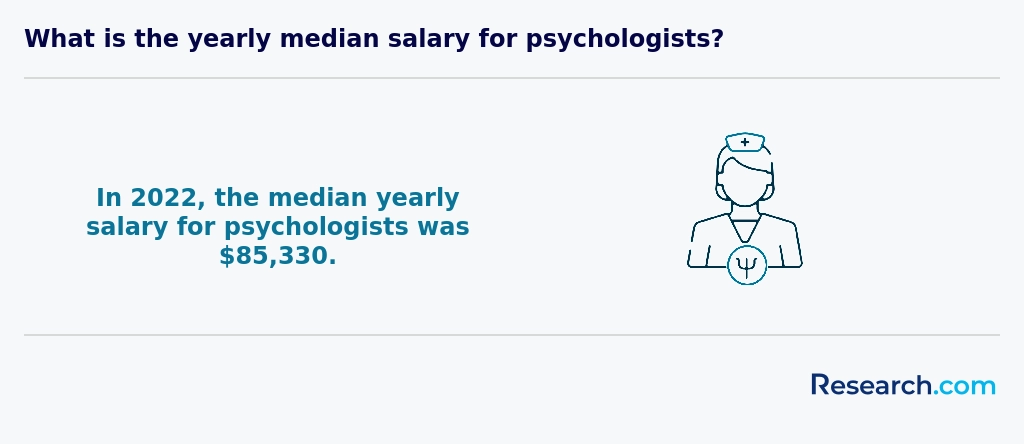
If you're eyeing a psychology degree in Melbourne, you'll find plenty of career paths to dive into. Graduates from popular spots like the University of Melbourne or Monash University often become registered psychologists, working in clinical or counseling roles within local hospitals and community centers. They share how rewarding it is to help people directly while applying their skills in real-life settings. Others get drawn to research gigs, collaborating on projects about mental health or neuropsychology, which are big at Melbourne's universities and research centers.
Many grads also explore organizational psychology, helping Melbourne businesses boost employee well-being and workplace vibes-something companies really value these days. Plus, with psychology career opportunities in Melbourne spreading into human resources, social work, and marketing, the options keep expanding. For those curious about costs and options, US students might also check out the Inexpensive Psychology Degree Programs Ranking in Alaska for comparative ideas.
What is the job market for psychology degree in Melbourne?
If you're thinking about a psychology degree job opportunities Melbourne offers some really promising paths. Graduates from popular universities in the city often find themselves stepping into roles like counseling psychologists or school psychologists pretty quickly. Many share how the diverse community and growing focus on mental health make Melbourne an exciting place to start a career. Plus, Melbourne's mix of public health jobs and private practice options gives you plenty of room to find your niche.
Many grads mention that the job market feels upbeat, especially as demand rises for qualified psychology professionals in healthcare and education. That's why lots of students plan for postgraduate study to boost their chances, since many positions require registration beyond the bachelor's degree. For those budgeting their studies, it's helpful to know the tuition can be hefty but worth it when you see average starting salaries around AUD 60,000.
Many people in Melbourne balancing costs and education also explore top paying 6 month certifications as a side option. Overall, Melbourne psychology graduate employment outlook seems quite encouraging, whether you're eyeing clinical roles, research, or organizational psychology.
Frequently Asked Questions About psychology
Psychology degree students in Melbourne can maximize their learning experience by actively engaging in both coursework and practical opportunities. Research from the Australian Psychological Society highlights that students who participate in internships or practicums gain valuable hands-on experience, improving employment prospects by up to 40%.
Additionally, joining student-led psychology clubs or attending local workshops in Melbourne can enhance understanding of current psychological practices. Networking with professionals helps students stay informed about industry trends and potential career paths.
Using university resources such as counseling centers and libraries ensures access to latest research and academic support. Students should also focus on developing strong research skills, as Melbourne universities emphasize evidence-based study approaches.
Emerging niches within the psychology field are expanding rapidly, driven by technological advances and evolving societal needs. In Melbourne, students and professionals increasingly explore areas such as cyberpsychology, which studies human interaction with digital technologies. Another growing niche is neuropsychology, focusing on brain-behavior relationships and benefiting from local research hubs like the University of Melbourne.
Health psychology also gains attention, addressing mental and physical well-being, especially in diverse urban populations typical of Melbourne. Furthermore, environmental psychology is rising, examining how surroundings affect behavior, reflecting global sustainability concerns.
According to recent reports by the Australian Psychological Society, these areas show increased job growth and funding, offering promising career paths.
Preparing for the job market after completing a psychology degree in Melbourne requires strategic planning and practical experience. Graduates should pursue internships or placements during their studies to gain real-world skills and establish professional networks.
Joining local psychology associations, such as the Australian Psychological Society, can provide valuable resources and job listings. According to the Australian Government's Job Outlook, employment for psychologists in Melbourne is expected to grow moderately over the next five years, highlighting steady opportunities.
Further, obtaining registration through the Psychology Board of Australia is essential for clinical practice roles. Enhancing skills in research methods and data analysis also increases employability in diverse sectors.
Employers in Melbourne highly value psychology graduates who demonstrate strong analytical and communication skills. According to the Australian Psychological Society (APS), critical thinking and the ability to interpret data accurately are essential in clinical and research roles.
Interpersonal skills also rank highly, as psychology professionals often work closely with diverse clients and teams. Empathy and ethical judgment are frequently emphasized during recruitment.
Another sought-after skill is proficiency in evidence-based practices, supported by training in research methods and statistical software. Mastery of these areas helps graduates contribute to effective treatment planning and program evaluation.
Adaptability and lifelong learning are crucial due to evolving psychological theories and healthcare regulations in Melbourne's dynamic environment.
Finding internships in Melbourne relevant to a psychology degree involves several strategic steps. Many universities, such as the University of Melbourne and Monash University, offer dedicated career services that connect students with local psychology placements. These internships often take place in hospitals, community health organizations, and private clinics. According to the Australian Psychological Society, over 70% of accredited psychology programs in Melbourne include supervised placements as part of the curriculum, emphasizing practical experience.
Students should also explore online platforms like Seek and LinkedIn for part-time or volunteer roles in mental health services. Networking through university events and professional organizations is critical, as many psychology internships are not publicly advertised but filled through direct contacts.
A psychology degree in Melbourne provides significant advantages for career mobility and advancement. Graduates gain essential skills in research, critical thinking, and understanding human behavior, which are highly valued across various sectors. According to the Australian Psychological Society, Melbourne hosts a robust job market for psychology professionals, with a growth forecast exceeding 9% over the next five years.
Completing accredited programs recognized by the Australian Health Practitioner Regulation Agency improves eligibility for registration as a psychologist, enhancing job prospects. Additionally, the city's thriving healthcare and education industries offer diverse pathways, from clinical roles to organizational psychology positions. This flexibility supports upward career movement within Melbourne's competitive labor market.
Studying for a psychology degree in Melbourne equips students with skills relevant to various interdisciplinary roles by emphasizing collaboration across fields like healthcare, education, and social services. Coursework often integrates knowledge from neuroscience, counseling, and data analysis, fostering a versatile skill set.
Melbourne universities frequently offer practical placements in diverse settings, allowing students to work alongside professionals in medicine, social work, and community health. This exposure builds adaptability and communication skills necessary for interdisciplinary teamwork.
According to the Australian Psychological Society, nearly 40% of psychology graduates engage in roles that cross traditional discipline boundaries, highlighting the degree's broad applicability.
Choosing between a thesis and a non-thesis psychology degree program in Melbourne depends on your career goals and learning preferences. A thesis program emphasizes original research, preparing students for careers in academia or clinical research. It often requires producing a substantial research project under faculty supervision.
Non-thesis programs typically focus on coursework and practical skills, providing more flexibility and often a quicker path to graduation. These may suit students aiming for applied psychology roles in counseling, human resources, or social services.
According to the Australian Psychological Society, about 40% of psychology graduates in Melbourne pursue research-intensive tracks, reflecting the city's active academic community. Considering your long-term career plan and interest in research will guide your choice.
Students in Melbourne interested in studying psychology abroad often consider the United States due to its wide range of accredited programs. Many US universities offer undergraduate and graduate degrees in psychology, attracting international students with diverse specializations and research opportunities. According to the American Psychological Association, studying in the US provides access to advanced laboratories and faculty renowned for their research contributions.
Students should explore exchange programs or joint degrees facilitated by their Australian universities to ease credit transfer. Additionally, scholarships and assistantships can help reduce the high tuition costs typical of US institutions. The National Center for Education Statistics reports that top psychology programs often exceed $30,000 USD per year, making financial planning essential.
Part-time job opportunities in Melbourne that complement psychology degree education often include roles within mental health support services, research assistance, and community outreach programs. Students can gain practical experience by working as support workers for organisations such as Beyond Blue and headspace, which address mental health issues prevalent among Australians.
Additionally, research assistant positions at universities like the University of Melbourne allow students to engage with current psychological studies, enhancing both theoretical and practical knowledge. Roles in aged care facilities or youth services also offer valuable insight into psychological development and patient interaction.
According to the Australian Psychological Society, practical experience strengthens employability, with 70% of graduate psychologists engaging in part-time roles during their studies to build relevant skills.
Psychology students in Melbourne benefit from numerous networking opportunities that enhance their academic and professional development. Universities such as the University of Melbourne and Monash University host psychology-specific events and workshops, allowing students to connect with peers, faculty, and industry professionals. According to the Australian Psychological Society, these events often include guest lectures from leading practitioners and researchers, providing valuable insights and contacts.
Internships and placements are also common, supported by university career centers and partnerships with local healthcare providers. These experiences help students build real-world connections. Additionally, psychology students can join student associations that organize conferences and social activities, fostering peer networks essential for career advancement.
Alumni networks play a crucial role in supporting psychology degree students in Melbourne by fostering professional connections and mentoring opportunities. Graduates often share job openings, research insights, and practical advice, which can improve employment prospects in a competitive field. According to the Australian Psychological Society, psychology graduates benefit significantly when guided by experienced alumni, enhancing their understanding of local industry standards and clinical practices.
These networks also offer access to workshops and seminars that help current students stay updated on advancements in psychology. Furthermore, alumni connections can lead to internships and placements, essential for fulfilling registration requirements in Australia.
Customizing a psychology degree program in Melbourne to fit your career goals involves selecting electives and specializations that align with your desired field. Many universities offer streams like clinical, developmental, or organizational psychology, allowing students to focus their studies accordingly.
Practical experience is crucial. Look for programs offering internships or placements in local healthcare or research settings, as these can boost employability. Melbourne hosts several renowned research institutions where students can gain hands-on training.
Additionally, consider courses recognized by the Australian Psychology Accreditation Council (APAC), as these are essential for professional registration. Tailoring your degree with these factors can effectively prepare you for competitive psychology careers.
Psychology students in Melbourne often face challenges related to balancing academic workload and practical experience. Programs typically require extensive study hours along with placements in clinical or research settings, which can create time management difficulties. According to the Australian Psychological Society, securing quality placements can be competitive, adding stress for many students.
Another common challenge is adapting to the rigorous scientific methodology and psychological theory essential for success. Students must also navigate diverse career pathways, requiring clarity and focus early in their studies. Mental health concerns are prevalent, with reports indicating higher levels of anxiety among psychology students compared to other disciplines in Australia.
With a psychology degree, graduates in Melbourne can pursue several professional certifications recognized in the United States. One common path is obtaining licensure as a Licensed Professional Counselor (LPC), which typically requires a master's degree and supervised clinical experience. Another key certification is becoming a Licensed Psychologist, which demands completing a doctoral degree, passing the Examination for Professional Practice in Psychology (EPPP), and fulfilling state licensure requirements.
Additional certifications include Certified Alcohol and Drug Counselor (CADC) and Board Certified Behavior Analyst (BCBA), which are valuable in specialized therapy areas. According to the U.S. Bureau of Labor Statistics, the demand for mental health counselors in major cities like Melbourne is projected to grow 23% by 2030, highlighting the value of these credentials.
When applying for a psychology program in Melbourne, crafting a clear and tailored personal statement is essential. Highlight your genuine interest in psychology and align it with the specific areas of research or practice offered by the school. Australian universities, including those in Melbourne, often value applicants who demonstrate relevant volunteer or work experience in mental health settings. Be sure to review the prerequisites carefully; many programs require a strong background in biology and statistics. According to the Australian Psychological Society, programs in Melbourne typically receive hundreds of applications, making a well-structured application critical to stand out.
Including academic transcripts that show consistent achievement in psychology-related subjects strengthens your profile. Additionally, providing references from professionals acquainted with your academic or practical experience can significantly improve your chances. Tailoring each application to the individual university's values and focus areas is recommended, as competition is high and specific programs emphasize different psychology branches, such as clinical or developmental psychology. Keep your writing concise, focused, and free of errors to leave a positive impression on admissions committees.
The global perspective on a psychology career highlights a growing demand for qualified professionals, particularly in countries like the United States and Australia. In the US, psychology is among the top fields projected to grow by 8% from 2021 to 2031, according to the Bureau of Labor Statistics. This trend reflects increasing awareness of mental health's importance worldwide.
For students in Melbourne, this means pursuing a psychology degree offers significant international opportunities. Australian qualifications are often recognized internationally, including in the US, facilitating global mobility for graduates.
Moreover, international research collaborations and the growing emphasis on mental health policy underline psychology's expanding role across nations. Australian universities in Melbourne actively engage in such partnerships, enhancing graduate prospects.
Gaining practical experience is essential while studying for a psychology degree in Melbourne, even for US-based students considering study abroad or online programs. Internships and placements within healthcare settings, schools, or community organisations offer hands-on exposure. Many universities in Melbourne integrate these placements as part of their curriculum to comply with the Australian Psychology Accreditation Council (APAC) standards.
Additionally, volunteering opportunities at mental health clinics or research labs provide valuable experience and networking benefits. According to the University of Melbourne, students completing at least 100 hours of supervised placement improve their employability significantly.
Participating in research projects alongside faculty members is another practical avenue, enhancing both clinical and academic skills. These experiences align well with requirements for future licensure or certification in psychology, whether in the US or Australia.
Choosing the right concentration within a psychology degree program in Melbourne involves understanding your career goals and interests. Psychology offers various specializations, such as clinical psychology, neuropsychology, organizational psychology, and counseling. Each concentration prepares students for different career paths, so it's critical to evaluate the curriculum and career outcomes.
According to the Australian Psychological Society, approximately 30% of psychology graduates in Melbourne pursue clinical psychology, reflecting high demand in healthcare. Research institutions in Melbourne also emphasize neuropsychology due to local advances in brain science. Reviewing faculty expertise and internship opportunities at specific universities can guide your choice.
Consider also accreditation standards by the Psychology Board of Australia to ensure your specialization supports future registration and employment prospects.
Related Psychology Rankings for Nearby Cities
- 2027 Most Valuable Psychology Degree Programs Ranking in Boca Raton
- 2027 Most Valuable Psychology Degree Programs Ranking in Columbia
- 2027 Most Valuable Psychology Degree Programs Ranking in Montgomery
- 2027 Most Valuable Psychology Degree Programs Ranking in Mobile
- 2027 Most Valuable Psychology Degree Programs Ranking in Charlotte
- 2027 Most Valuable Psychology Degree Programs Ranking in Birmingham
- 2027 Most Valuable Psychology Degree Programs Ranking in Raleigh
- 2027 Most Valuable Psychology Degree Programs Ranking in Greensboro
- 2027 Most Valuable Psychology Degree Programs Ranking in Durham
- 2027 Most Valuable Psychology Degree Programs Ranking in Hattiesburg
Top Trending Psychology Rankings
See What Experts Have To Say About Studying Psychology
Read our interview with Psychology experts

Robin M. Kowalski. Ph.D.
Psychology Expert
Professor of Psychology
Clemson University

Elizabeth L. Jeglic Ph.D.
Psychology Expert
Professor of Psychology
City University of New York

Joann Farrell Quinn, Ph.D., MBA
Psychology Expert
Director at the College of Medicine Department of Medical Education
Morsani College of Medicine

References
- Know more about thesis vs non- thesis: what is the difference? https://studyfans.com/en/blogs/816
- Society for the Teaching of Psychology https://teachpsych.org/page-1784686/8675326
- What Certifications Can I Get With A Bachelor's In Psychology? https://www.psychology.org/resources/certification-skills-for-psychology-major-resumes/
- Psychology Degree Requirements | University of Bridgeport https://www.bridgeport.edu/news/psychology-education-requirements/
- Study Psychology Abroad | Go Overseas https://www.gooverseas.com/study-abroad/psychology
- Psychology Courses in Melbourne: Degrees & Student Life | Scape https://www.scape.com.au/scape-stories/career/a-guide-to-studying-psychology-in-melbourne-courses-and-campus-life/
- Community Psychology in Global Perspective http://siba-ese.unisalento.it/index.php/cpgp
- Pros and Cons of Psychology at Melbourne Uni https://artofsmart.com.au/science/melbourne-uni-psychology-opinion/
- How to help students cope with mental health challenges https://www.eaie.org/resource/help-students-cope-mental-health-challenges.html
- Psychology - SWPS University https://english.swps.pl/academics/warsaw/ba-programs/psychology