2027 Most Valuable Psychology Degree Programs Ranking in Greensboro

Co-Founder and Chief Data Scientist
Choosing the right psychology degree program can shape your future career and personal growth. This article introduces the 2027 Most Valuable Psychology Degree Programs Ranking in Greensboro, created by the Research.com team of data scientists.
Designed to help you make informed decisions, the ranking highlights programs that offer strong value and opportunities. Whether you're passionate about understanding human behavior or aiming to work in counseling or research, this guide supports your journey.
Explore your options confidently and discover the benefits of pursuing a psychology degree in Greensboro.
Key benefits of getting psychology degree in Greensboro
- Salary for psychology degree graduates: Graduates in Greensboro can earn competitive salaries such as $62,370 per year for Clinical Research Associates or Survey Researchers, and up to $83,190 annually as Marketing Research Analysts.
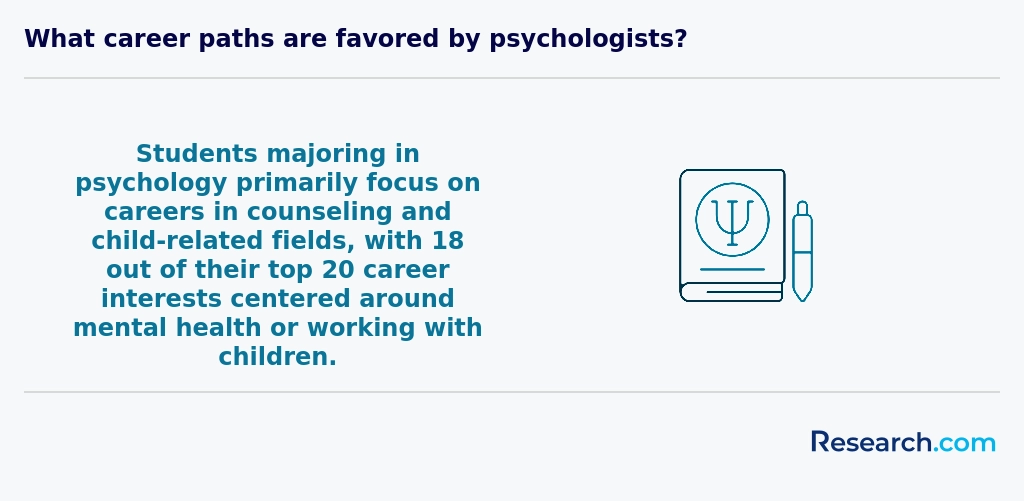
- Career paths: A psychology graduate from the University of North Carolina at Greensboro may pursue roles in research, child development, or human resources, offering varied and rewarding job opportunities.
- Online degree benefits: Earning a psychology degree online at a local institution allows flexible scheduling and the ability to balance work or family, making higher education more accessible and convenient for busy adults.
- Key benefits of getting psychology degree in Greensboro
- What can I expect from psychology degree in Greensboro?
- Where can I work with psychology degree in Greensboro?
- How much can I make with psychology degree in Greensboro?
- 2027 Most Valuable Psychology Degree Programs Ranking in Greensboro
- Key Findings
- How long does it take to complete psychology degree in Greensboro?
- Accreditation and Licensing Requirements
- What's the difference between online and on-campus psychology degree?
- Why Choose a Valuable Psychology School in North Carolina
- What is the average cost of psychology degree in Greensboro?
- Licensing and Certification Requirements for Psychology Graduates in North Carolina
- What financial aid is available to psychology degree students in Greensboro?
- Licensure and Certification Requirements in North Carolina
- What are the prerequisites for enrolling in psychology degree program in Greensboro?
- Student Life and Campus Experience in Greensboro, NC
- What courses are typically in psychology degree programs in Greensboro?
- What types of specializations are available in psychology degree programs in Greensboro?
- How do you choose the best psychology degree in Greensboro?
- What career paths are available for psychology degree students in Greensboro?
- What is the job market for psychology degree in Greensboro?
- Top Trending Psychology Rankings
- See What Experts Have To Say About Studying Psychology
What can I expect from psychology degree in Greensboro?
If you're wondering about the cost of studying psychology in Greensboro, it's pretty reasonable compared to other cities. For example, at the University of North Carolina at Greensboro, tuition for in-state students tends to be affordable, often around $7,000 to $9,000 per year. Graduates from UNCG often mention how this made it easier for them to focus on their studies without stressing too much about huge debts.
Meanwhile, North Carolina A&T State University, which offers graduate psychology programs, has slightly higher tuition but still keeps it manageable - usually in the ballpark of $10,000 to $12,000 annually for in-state grad students. This helps students continue their education without having to move far or break the bank.
Plus, many students shared how they found value in the local community connections for internships and practical work, which sometimes included stipends or part-time jobs. So, between reasonable tuition and hands-on experience, you can expect to get a solid education in Greensboro that feels doable financially and really sets you up for success.
Where can I work with psychology degree in Greensboro?
Graduates from psychology programs at places like UNC Greensboro often find themselves working in all kinds of interesting spots around town. Many jump right into healthcare roles with employers like Cone Health, helping people in hospitals or counseling centers who are dealing with everything from mental health challenges to substance abuse. It's rewarding work that really makes a difference.
Others find their groove in local schools, stepping in as counselors or behavioral interventionists. Imagine helping kids navigate their feelings or supporting special education teams-that's a real game-changer for many grads. Social service agencies like Greensboro Urban Ministry also love hiring psychology majors to work hands-on with vulnerable folks, whether that's running outreach programs or crisis intervention.
Some alumni go on to do research or clinical practice after advanced degrees, often at nearby universities or private practices. Plus, with Greensboro's growing business scene, industrial-organizational psychology is becoming a cool career path, improving workplace vibes and productivity. It's clear that psychology grads here have plenty of doors open, all within a few miles of campus.
How much can I make with psychology degree in Greensboro?
If you're studying psychology in Greensboro, you might wonder, "How much can I actually make?" Well, for grads stepping into roles like human resources specialists, the average annual wage is around $76,000, which is pretty solid for starting out. Those who land jobs as marketing research analysts can earn even more, with salaries hitting about $83,000 a year, giving you both good pay and growth potential.
Sometimes, psychology grads take on roles like clinical research associates or survey researchers, both averaging around $62,000 a year. While it may not sound huge at first, many Greensboro grads from local schools like UNCG find these roles offer awesome experience and steady income while they build their careers.
And if you're passionate about working with kids, becoming a childcare worker in this area brings in about $32,000 annually, which can be a rewarding way to start your journey in human behavior fields close to home.
Many grads appreciate how these local salaries align with their lifestyle, helping them feel confident about their future right here in Greensboro.
2027 Most Valuable Psychology Degree Programs Ranking in Greensboro
How do we rank schools?
Investing in your education is a significant decision that can shape your future, and the Research.com team understands the importance of making informed choices. To assist prospective students in Greensboro, we have meticulously crafted the "2027 Most Valuable Psychology Degree Programs Ranking in Greensboro." Our commitment to quality, credibility, and accuracy is reflected in the extensive research and analysis conducted to compile this ranking.
We utilized the following reputable data sources to ensure a comprehensive evaluation of psychology degree programs:
By exploring this ranking, readers will gain valuable insights into the most valuable psychology degree programs available in Greensboro, empowering them to make well-informed decisions about their educational paths. For more details on our methodology, please visit our Research.com methodology page.


Key Findings
- Public universities in Greensboro charge about $7,500 per year for in-state psychology students, while private colleges range from $20,000 to $25,000 annually.
- Total tuition costs for a four-year psychology degree can range from approximately $30,000 to $100,000, excluding additional expenses like books and living costs.
- Job opportunities for psychology graduates in Greensboro exist in healthcare, education, social services, counseling, and research institutions.
- Starting salaries for psychology-related roles in Greensboro are around $50,000 to $60,000, with experienced professionals earning between $75,000 and $100,000 or more.
- Licensing requirements include completing the degree, supervised clinical hours, and passing a licensing exam, with programs needing to meet North Carolina standards for licensure.
How long does it take to complete psychology degree in Greensboro?
If you're thinking about how long it takes to finish a psychology degree in Greensboro, here's the scoop. Most folks start with a Bachelor's-usually a BA or BS-which takes about four years if you're studying full-time. This matches up with what students at places like the University of North Carolina at Greensboro (UNCG) or Greensboro College experience. Graduates often mention how those four years felt just right, giving them enough time to really dive into courses and campus life without rushing.
Going beyond that, a master's degree typically takes around two more years. Students juggling work and study sometimes stretch it out a bit, but many enjoy how programs in Greensboro offer flexibility with part-time options. You'll find specializations like clinical or counseling psychology, which keep things interesting and tailored to your goals.
If you want to go all in with a Ph.D. or Psy.D., expect to commit around 5 to 7 years. That's a long haul, but grads say the internships and research projects make it rewarding and prepare you well for real-world psychology careers. It's about balancing study, hands-on experience, and life, with schools here supporting you every step of the way.
Accreditation and Licensing Requirements
Accreditation is a critical factor when evaluating psychology degree programs in Greensboro, NC, as it ensures that your education meets rigorous academic standards and prepares you for professional licensure. Most reputable institutions in Greensboro hold regional accreditation from the Southern Association of Colleges and Schools Commission on Colleges (SACSCOC) and programmatic approval from the American Psychological Association (APA). These accreditations not only validate the quality of coursework-covering core topics such as developmental, clinical, and research methods-but also facilitate credit transfers and graduate school admissions. To practice as a licensed psychologist or professional counselor in North Carolina, graduates must complete a degree from an APA-accredited doctoral program, accumulate supervised practicum hours, and pass the Examination for Professional Practice in Psychology (EPPP). Clinical and counseling licensure paths typically require 2,000–4,000 hours of supervised experience post-degree, followed by state board examinations and background checks. For those pursuing school psychology, approval by the National Association of School Psychologists (NASP) accelerates credentialing and opens doors to K–12 educational settings. If you’re considering flexible or hybrid delivery methods, it’s essential to verify that online programs are regionally accredited and meet state licensure requirements. For a curated list of cost-effective, fully accredited online options, explore our Affordable Online Psychology Degree Programs Ranking in the Northeast, which highlights programs that align with both academic rigor and professional standards. By choosing an accredited psychology degree program and understanding North Carolina’s licensure process, you’ll set a solid foundation for a successful career in mental health, research, or educational psychology.
What's the difference between online and on-campus psychology degree?
If you're thinking about getting a psychology degree in Greensboro, one big thing to know is how different online and on-campus programs actually feel. On-campus classes at places like the University of North Carolina at Greensboro give you that hands-on vibe-think labs, counseling centers, and face-to-face talks with professors and classmates. Graduates often say they loved the immediate support and the chance to build real relationships on campus, which really helped with networking and practical skills.
Online programs, on the other hand, are all about flexibility. They fit nicely if you're juggling work or family. You'll watch lectures, join discussion boards, and do assignments remotely. Some online tracks still ask you to show up locally for internships, especially if you want to get licensed in counseling. Students mention liking the freedom to study at their own pace but admit missing the buzz of campus life.
Cost-wise, things can balance out. In-state tuition around Greensboro is about $9,000 a year, but with online you might save on housing and commuting, even if some courses charge a bit more per credit.
Why Choose a Valuable Psychology School in North Carolina
When considering a psychology degree, one of the most critical decisions is choosing the right institution. The state of North Carolina is home to a multitude of esteemed psychology programs, each offering unique strengths and specializations. For prospective students seeking the best possible education and future career opportunities, it is essential to research and identify the most valuable psychology schools in the state. A valuable psychology school in North Carolina can provide students with a comprehensive education, cutting-edge research opportunities, and a network of professionals in the field, ultimately setting them up for success in their future careers. By exploring these top-rated institutions, students can find the program that best aligns with their academic and professional goals, whether they aspire to work in clinical psychology, research, or any other area of the field.
What is the average cost of psychology degree in Greensboro?
When it comes to figuring out the average cost of psychology degree in Greensboro, you're looking at a median total cost of about $36,388. This includes everything from tuition to fees, so it's a realistic figure to keep in mind as you plan your budget. For in-state students, the cost drops quite a bit to around $7,661, making public schools like UNC Greensboro a solid option if you qualify to pay in-state rates.
Many graduates from UNCG share how manageable their expenses felt compared to pricier schools. With this kind of cost, they could focus more on their studies and less on worrying over bills. Meanwhile, students attending private colleges in Greensboro might pay more but often mention the smaller class sizes and specialized psychology programs as worth the extra stretch. If you've heard about the most valuable psychology school in North Carolina, you'll know it's all about balancing costs with the unique perks each school offers.
Costs beyond tuition like books, supplies, and room and board can add up, so it's smart to budget for those too. Still, psychology degree tuition and fees Greensboro tend to be affordable enough that many students feel confident investing in their future right in their hometown.
Licensing and Certification Requirements for Psychology Graduates in North Carolina
Graduates aiming to practice psychology in North Carolina must navigate a clear licensure pathway governed by the North Carolina Psychology Board. First, candidates must complete an APA-accredited bachelor’s, master’s, or doctoral program-many now opt for a psyd online accredited track to fulfill educational prerequisites with flexibility. Next steps include: 1. Supervised Experience • Complete at least 3,000 hours of supervised post-doctoral experience under a licensed psychologist. • Document clinical supervision that meets board standards, including regular evaluations and direct client contact. 2. Examination Requirements • Pass the Examination for Professional Practice in Psychology (EPPP), covering core domains such as assessment, intervention, and ethics. • Succeed on the North Carolina Jurisprudence Examination, which tests state-specific laws and regulations. 3. Application and Fees • Submit a licensure application, official transcripts, supervision verification, and examination scores to the North Carolina Psychology Board. • Pay fees for application, examination review, and biennial renewal to maintain active status. 4. Continuing Education • Complete 40 hours of continuing education every two years, including mandatory courses in ethics and cultural competency. • Utilize workshops, conferences, and online modules approved by the North Carolina Psychology Board. Understanding and meeting these requirements ensures that graduates not only earn their credentials but also uphold professional standards in clinical practice. By strategically selecting accredited programs and preparing early for supervised hours and examinations, aspiring psychologists can streamline their journey toward licensure and a successful career in North Carolina’s mental health landscape.
What financial aid is available to psychology degree students in Greensboro?
If you're studying psychology in Greensboro, you've got some solid financial aid options that can really lighten the load. Take students at the University of North Carolina at Greensboro-they often tap into federal aid like Pell Grants, which can give you up to $7,395 a year without the stress of paying it back. On top of that, they can get low-interest federal loans for up to $5,500 annually, which definitely helps cover those tuition bills that tend to hover around $9,000 to $11,000 for in-state students.
Local support is a big deal, too. North Carolina residents can benefit from state programs like the North Carolina Need-Based Scholarship, which some Greensboro psychologists-in-training swear made a huge difference. Plus, if you're at schools like NC A&T State University, there are departmental scholarships specifically for psychology majors that reward both merit and financial need.
And don't forget about outside help. Professional organizations, including the American Psychological Association, offer scholarships that many Greensboro students apply to for extra help, especially if you're passionate about a niche area in psychology. These combined resources often bring a smile to students juggling school and finances!
Licensure and Certification Requirements in North Carolina
To practice independently as a psychologist in North Carolina, graduates must meet state board criteria:
- Earn a doctoral degree in psychology from an APA-accredited program (or one that meets EPPP requirements; consider most affordable accredited online psychology degrees).
- Complete at least 1,750 supervised postdoctoral hours under a licensed psychologist.
- Pass the Examination for Professional Practice in Psychology (EPPP) and the NC psychology law exam.
- Submit a licensure application to the NC Psychology Board, including transcripts, verification of supervised experience, and required fees.
- Maintain licensure with continuing education credits (minimum 40 hours every two years).
What are the prerequisites for enrolling in psychology degree program in Greensboro?
If you're thinking about starting a psychology degree in Greensboro, you'll want to know what colleges expect before you jump in. Most local schools want you to have finished high school with decent grades, especially in subjects like biology and social sciences-these really give you a leg up when diving into psychology. Plenty of grads from Greensboro universities talk about how their solid foundation in math and science made complex topics way easier to grasp later on.
Standardized tests like the SAT or ACT might still be part of your application, but some schools here are letting students skip those scores if their other documents shine. So, it's a good idea to check each school's current rules.
On top of transcripts, you'll usually write a personal essay. Graduates say that sharing your genuine interest and goals for psychology helped their applications stand out. Also, recommendation letters from teachers or counselors are a big plus-they show admissions you're ready for the challenge.
If you're aiming for a master's or doctoral program at a Greensboro college, expect to have a bachelor's degree first, preferably with some psychology classes under your belt. Many grads mention that having a GPA around 3.0 or higher was important, and while some schools ask for GRE scores, many have relaxed those requirements recently.
Student Life and Campus Experience in Greensboro, NC
. Beyond academic rigor, the vibrant campus culture in Greensboro plays a crucial role in shaping a well-rounded educational journey for psychology students. Institutions in the area offer not just top-tier classrooms and research facilities, but also dynamic extracurricular activities that foster personal growth and community engagement. Students can participate in mental health advocacy clubs, peer mentorship programs, and hands-on projects that connect academic theories to real-world problem-solving. This enriching environment is enhanced by state-of-the-art libraries, wellness centers, and career services, ensuring that learners receive robust support both inside and outside the classroom. Moreover, some colleges complement their traditional offerings with flexible online options-such as the best online phd in psychology-allowing students to customize their study experience to suit their unique needs. This balanced approach not only cultivates academic excellence but also instills essential life skills, preparing graduates to make innovative contributions in the field of psychology.
What courses are typically in psychology degree programs in Greensboro?
If you're thinking about studying psychology in Greensboro, expect a mix of fascinating courses that really get you thinking about how people tick. Most programs at local schools dive into core topics like Introduction to Psychology, which gives you the basics of human behavior and mental processes-perfect for getting your feet wet.
From there, grads often talk about how much they enjoyed classes like Developmental Psychology, where you explore how people grow and change through life. Abnormal Psychology is another favorite, offering a deep dive into mental health conditions in a way that feels real and relevant.
Research Methods and Statistics are also big parts of the journey, teaching you how to gather and make sense of data-a skill many graduates found super useful, especially when they landed internships at places like community mental health centers around Greensboro.
Electives let you tailor your experience, with options like Clinical Psychology and Biological Psychology helping you understand not just the mind but the brain itself. Many students say these courses helped them feel confident applying what they learned in real-world settings, making the whole study experience really rewarding.
What types of specializations are available in psychology degree programs in Greensboro?
If you're diving into a psychology degree in Greensboro, you'll find plenty of cool specializations to choose from depending on what excites you most. Lots of graduates from local schools like the University of North Carolina at Greensboro love focusing on clinical psychology, where they get to learn how to assess and treat mental health issues-perfect if you're dreaming of becoming a therapist or counselor. Others enjoy developmental psychology, exploring how people grow and change through life, which is great if you're curious about kids or aging populations.
Some students go for cognitive psychology, digging into the nuts and bolts of memory and decision-making, while industrial-organizational psychology appeals to those wanting to improve workplaces and boost employee well-being. Health psychology is another popular path here, linking mental factors to physical health and wellness.
Many folks appreciate how Greensboro psychology programs with concentrations help tailor studies to their passions. For a more flexible option, check out the best online phd in psychology that fits your lifestyle.
How do you choose the best psychology degree in Greensboro?
When picking the best psychology degree in Greensboro, it really helps to focus on actual experiences from grads at places like the University of North Carolina at Greensboro or Guilford College. They often share how important it was to choose programs that match their career dreams, whether that's counseling, research, or something else. Many appreciated that these schools offer affordable psychology schools Greensboro NC options, especially in state tuition at UNCG, which made their college journey less stressful financially.
You'll want to check if the program is accredited and ideally aligns with APA standards-this can make a huge difference if you plan to work clinically. Courses that offer real-world practice through internships or local partnerships scored high on grads' lists for practical learning.
Also, look into faculty who are active in research or community projects; students find this super motivating and helpful for networking. If you're curious about more flexible grad paths, some students recommend exploring psyd online accredited options that fit busy schedules while still delivering quality psychology education.

What career paths are available for psychology degree students in Greensboro?
Graduates with a psychology degree in Greensboro can jump into a bunch of rewarding career paths. Many find themselves in clinical and counseling psychology, working in hospitals or community centers, helping people face mental health challenges. Others dive into industrial-organizational psychology, teaming up with local businesses and manufacturing firms to boost employee wellbeing and productivity. If you've studied at one of Greensboro's popular colleges, you might hear stories from grads who ended up as school counselors or educational psychologists, supporting students in public schools throughout the area. This side of things is pretty exciting because it helps shape young lives right in the community.
For those interested in research, there are opportunities too-labs and research institutions around Greensboro value fresh psychology grads for roles in behavioral science and data analysis. If you want to explore affordable study options while preparing for these jobs, check out the Affordable Online Psychology Degree Programs Ranking in the Northeast. Overall, jobs for psychology graduates Greensboro offer a variety of paths that fit different passions and lifestyles.
What is the job market for psychology degree in Greensboro?
The job market for psychology degree holders in Greensboro is looking pretty solid, especially if you're coming from local schools known for strong psychology programs. Many grads from well-regarded colleges here find themselves stepping right into roles like mental health counselors or school psychologists, thanks to steady demand in healthcare facilities, schools, and nonprofit organizations. It's not unusual to hear from graduates who've landed jobs at Cone Health or Novant Health, where they apply their skills helping people with anxiety or substance abuse.
If you're wondering about careers with psychology degree in Greensboro, think about real-world chances to work with community programs or research projects, which are quite common. Many grads enjoy how the city's support network opens doors for both entry-level and licensed positions, often with salaries matching national levels. Plus, considering the effort required to earn a psychology degree, it's encouraging that local opportunities align with the growing mental health focus nationwide.
For those curious about study costs and career directions, checking out the top college majors in demand can help map the best path forward.
Frequently Asked Questions About psychology
Psychology degree students in Greensboro can maximize their learning experience by engaging actively in both coursework and practical opportunities. Local institutions often offer internships and research projects where students gain hands-on experience, which is critical for mastering psychological concepts.
Networking with faculty and joining psychology clubs or professional organizations, such as the North Carolina Psychological Association, helps students stay updated on industry trends and job openings. According to the Bureau of Labor Statistics, psychology-related fields in North Carolina are expected to grow 6% through 2031, highlighting the importance of practical skills and connections.
Additionally, using campus resources like writing centers and tutoring services can improve academic performance. Balancing study with volunteer work in community mental health programs in Greensboro also enriches understanding and prepares students for diverse careers.
The psychology field is expanding into several emerging niches that reflect current societal needs and technological advances. In Greensboro and across the US, areas such as neuropsychology, health psychology, and forensic psychology are gaining attention. Neuropsychology focuses on brain-behavior relationships, which is critical given increasing diagnoses of neurological disorders.
Health psychology explores how psychological factors affect physical health, a vital area amid rising chronic illnesses. Forensic psychology involves applying psychological principles within legal settings-this specialized work is increasingly sought after. According to the Bureau of Labor Statistics, specialized psychology roles are projected to grow faster than average by 2029, offering promising career paths for graduates.
In Greensboro, local universities are beginning to incorporate these niches into their curricula, responding to job market demands and community health needs, as indicated by recent educational program surveys.
Preparing for the job market after completing a psychology degree in Greensboro involves several practical steps. Graduates should seek internships and practicum placements early, as hands-on experience is highly valued by local employers. According to the U.S. Bureau of Labor Statistics, clinical, counseling, and school psychologists in North Carolina earn a median annual wage of about $80,000, indicating solid career prospects.
Networking with professionals through Greensboro's psychology associations or university alumni groups can open doors to job opportunities. Additionally, obtaining relevant certifications or considering graduate studies enhances employability. Developing strong communication and research skills is critical, especially for roles in healthcare, education, or corporate sectors.
Employers in Greensboro seeking psychology degree graduates prioritize strong communication skills. The ability to clearly explain complex concepts to clients and colleagues is essential in clinical and organizational settings. Analytical thinking is also highly valued, as psychology professionals often interpret data from assessments and research to inform treatment or program development.
Interpersonal skills rank prominently, given the collaborative nature of psychology roles in Greensboro's healthcare and social service sectors. According to the Bureau of Labor Statistics and local workforce reports, adaptability is crucial due to evolving practices and diverse client needs.
Familiarity with research methods and proficiency in statistical software further enhance employability, reflecting trends in both academic research and applied psychology careers locally.
Finding psychology internships in Greensboro requires a proactive approach to connect with local organizations and academic resources. Students should first consult with their college's career services or psychology department, as many schools, including the University of North Carolina at Greensboro, maintain partnerships with clinics and research centers. Networking through professional associations such as the North Carolina Psychological Association can also provide leads on internships.
Additionally, Greensboro hosts several healthcare and counseling facilities, including hospital psychology departments and community mental health centers, which often offer internships. The U.S. Bureau of Labor Statistics projects a 14% employment growth in psychology-related fields by 2032, making internships valuable for gaining practical experience. Online platforms like Handshake or local job boards may list relevant opportunities as well.
A psychology degree in Greensboro can significantly enhance career mobility and advancement opportunities. Graduates gain foundational knowledge applicable in various sectors such as healthcare, education, social services, and human resources. According to the Bureau of Labor Statistics, the demand for psychology-related jobs in the Greensboro metropolitan area is expected to grow by 8% between 2020 and 2030, indicating a positive job market for degree holders.
Employers in Greensboro value candidates with formal psychology training for roles involving critical thinking and interpersonal skills. Advanced degrees, such as a master's or doctorate, often open higher-level positions and specialized fields like counseling or clinical psychology.
Local institutions such as the University of North Carolina at Greensboro offer internships and partnerships that help students build professional networks, further aiding upward career movement in the region.
Studying for a psychology degree in Greensboro prepares students for interdisciplinary roles by incorporating diverse coursework that spans social sciences, biology, and communication. Local programs emphasize collaboration with other departments, such as health sciences and education, reflecting the interconnected nature of psychological practice today.
Greensboro's universities often connect students with community agencies and healthcare providers, offering practical experience in various settings that combine psychology with fields like social work or public health. According to the National Center for Education Statistics, this hands-on approach improves graduates' adaptability across professions.
Furthermore, psychology students develop strong research and analytical skills, valuable in multidisciplinary teams addressing complex societal issues in the region.
When choosing between a thesis and a non-thesis psychology degree program in Greensboro, consider your career goals and learning preferences. Thesis programs typically involve original research, which can be valuable if you plan to pursue doctoral studies or research-focused roles. Non-thesis options often emphasize coursework and practical skills, suitable for those targeting applied psychology or professional practice.
According to the American Psychological Association, thesis programs require about 6 to 12 additional credit hours dedicated to research. Local Greensboro universities like UNC Greensboro offer both formats, allowing flexibility.
Evaluate your interest in research, time availability, and long-term plans before deciding.
Students in Greensboro interested in studying psychology abroad have several options through their local universities. Institutions like the University of North Carolina at Greensboro (UNCG) offer study abroad programs that include psychology courses at partner universities worldwide. These programs often last one semester or a full academic year, providing exposure to different cultural perspectives on mental health.
Additionally, many psychology programs encourage internships or research opportunities abroad, enhancing practical experience. According to UNCG's Office of International Programs, approximately 8% of their students participate in study abroad annually, showing a growing interest in global education.
Financial aid and scholarships may also support these opportunities, helping Greensboro students manage costs while gaining international experience.
Greensboro offers several part-time job opportunities that can complement psychology degree education effectively. Many students find roles as mental health aides or behavioral health technicians in local clinics, gaining hands-on experience in patient care. The Open Door Clinic and local branches of mental health services often hire part-time assistants, providing valuable exposure to clinical environments.
Research assistant positions at the University of North Carolina at Greensboro allow students to engage in psychological studies, supporting data collection and analysis. These roles enhance understanding of experimental methods.
Additionally, schools and community centers sometimes offer part-time counseling aide jobs, ideal for students interested in educational or developmental psychology.
Psychology students in Greensboro benefit from several valuable networking opportunities that can enhance their academic and professional growth. Local universities, such as the University of North Carolina at Greensboro (UNCG), offer active psychology clubs and honor societies that connect students with peers and faculty.
The city hosts regular seminars and workshops featuring licensed psychologists and researchers from nearby institutions. These events provide direct access to professionals and potential mentors in the field.
Additionally, Greensboro's proximity to major clinical and research centers allows students to engage in internships and volunteer roles, fostering connections that can lead to future employment. According to UNCG's Career Services, over 70% of psychology students participate in these experiential opportunities annually.
Alumni networks offer valuable support to psychology degree students in Greensboro by providing access to professional connections and career opportunities. Graduates from local universities like the University of North Carolina at Greensboro and Greensboro College often participate in these networks, facilitating mentorship and job referrals within the psychology field. According to the National Association of Colleges and Employers, 80% of jobs are found through networking, making these groups crucial for students. Additionally, alumni events and online platforms help students gain insights into current industry trends and graduate school options. Such resources enhance career readiness and professional growth for aspiring psychologists in Greensboro.
Customizing a psychology degree program in Greensboro allows students to align their education with specific career objectives. Many local institutions offer elective courses and specialized tracks, such as clinical, counseling, or industrial-organizational psychology. Students can also pursue internships or research opportunities within nearby healthcare facilities or organizations, gaining practical experience relevant to their goals.
Advisors at Greensboro universities help tailor course selections based on interests and desired roles in the psychology field. According to NCES, around 15% of psychology programs nationwide provide such flexible options, which are increasingly available in Greensboro's growing academic community.
Certification preparation and graduate pathway planning can further refine a degree to suit professional ambitions.
Psychology students in Greensboro often face several common challenges during their studies. One key difficulty is managing the demanding coursework, which includes understanding complex theories and applying research methods. According to the National Center for Education Statistics, psychology majors nationwide report high levels of academic pressure, which is also evident among Greensboro students.
Access to practical experience can be limited, as internships and clinical placements in local facilities may have competitive entry. This can affect hands-on learning essential for skill development.
Additionally, balancing part-time work with studies is a frequent issue, with about 60% of undergraduates in the region working while enrolled, impacting time for coursework and research.
With a psychology degree in Greensboro, graduates can pursue several professional certifications to enhance their careers. Popular options include becoming a Licensed Professional Counselor (LPC), which requires a master's degree plus supervised experience and passing the National Counselor Examination. Another key credential is the Certified Alcohol and Drug Counselor (CADC), valuable in Greensboro due to local demand for substance abuse treatment professionals.
Additionally, graduates may seek certification as a Board Certified Behavior Analyst (BCBA), especially relevant for those working with developmental disorders. The North Carolina Psychology Board oversees licensing for clinical psychologists, which requires a doctoral degree. These certifications improve job prospects across mental health services in Greensboro's growing healthcare sector.
Writing a winning application for a psychology program in Greensboro begins with a clear understanding of each school's admission requirements. Many local institutions, like the University of North Carolina at Greensboro, emphasize a strong academic record, especially in relevant coursework such as biology, statistics, and social sciences.
Applicants should highlight relevant experiences such as internships, volunteer work, or research within psychological settings. Greensboro offers various community mental health organizations for gaining practical exposure, which strengthens an application.
Personal statements must clearly convey motivation and understanding of psychology. According to data from NCES, competitive programs in Greensboro receive hundreds of applications yearly, so clarity and authenticity are crucial.
Strong letters of recommendation from professors or professionals familiar with your skills can significantly enhance your application's credibility.
The global perspectives on a psychology career reflect a growing demand for mental health professionals, especially in the United States. Psychology careers offer diverse paths, including clinical work, research, and counseling. In Greensboro, students benefit from proximity to accredited programs that align with national standards set by the American Psychological Association.
According to the U.S. Bureau of Labor Statistics, the employment of psychologists is projected to grow 8% from 2022 to 2032, faster than average. This trend is fueled by increased awareness of mental health issues worldwide. Graduates in Greensboro have opportunities in healthcare, education, and corporate sectors both locally and internationally.
Moreover, psychology skills gained in Greensboro are recognized globally, supporting careers in research or humanitarian work where psychological expertise is essential. Understanding cultural differences in psychology practice is increasingly valued, preparing students for a worldwide professional environment.
Gaining practical experience while studying psychology in Greensboro is essential for career readiness. Many institutions in the area, such as the University of North Carolina at Greensboro (UNCG), offer internship opportunities connected to local mental health clinics, schools, and nonprofit organizations. These placements allow students to apply theoretical knowledge in real-world settings.
Additionally, psychology programs often include practicum courses where supervised work experience is a degree requirement. According to the National Center for Education Statistics, approximately 65% of psychology undergraduates nationwide complete internships before graduation, a trend reflected in Greensboro-area schools.
Networking events and psychology clubs at Greensboro colleges also provide practical exposure and mentorship, enhancing students' understanding and employability.
Choosing the right concentration within a psychology degree program in Greensboro involves careful evaluation of your interests and career goals. Psychology offers various specializations, such as clinical, counseling, industrial-organizational, and developmental psychology. Each focuses on different aspects of human behavior and requires distinct career pathways.
Research local programs to see which concentrations are available. For example, the University of North Carolina at Greensboro emphasizes clinical and counseling tracks, aligning with regional demand for mental health professionals.
Consider potential employment opportunities in Greensboro's growing healthcare and education sectors. According to the Bureau of Labor Statistics, North Carolina expects a 16% growth in psychologist jobs by 2030, higher than the national average.
Additionally, internships and practicum experiences relevant to your concentration provide valuable hands-on learning to guide your decision.
Related Psychology Rankings for Nearby Cities
- 2027 Most Valuable Psychology Degree Programs Ranking in Durham
- 2027 Most Valuable Psychology Degree Programs Ranking in Raleigh
- 2027 Most Valuable Psychology Degree Programs Ranking in Charlotte
- 2027 Most Valuable Psychology Degree Programs Ranking in Columbia
- 2027 Most Valuable Psychology Degree Programs Ranking in Pittsburgh
- 2027 Most Valuable Psychology Degree Programs Ranking in Columbus
- 2027 Most Valuable Psychology Degree Programs Ranking in Cincinnati
- 2027 Most Valuable Psychology Degree Programs Ranking in Philadelphia
- 2027 Most Valuable Psychology Degree Programs Ranking in Cleveland
- 2027 Most Valuable Psychology Degree Programs Ranking in Birmingham
Top Trending Psychology Rankings
See What Experts Have To Say About Studying Psychology
Read our interview with Psychology experts

Catherine Caldwell-Harris, Ph.D.
Psychology Expert
Associate Professor of Psychology
Boston University

Elizabeth L. Jeglic Ph.D.
Psychology Expert
Professor of Psychology
City University of New York

Robin M. Kowalski. Ph.D.
Psychology Expert
Professor of Psychology
Clemson University

References
- Call for papers https://www.hogrefe.com/us/journal/international-perspectives-in-psychology-research-practice-consultation
- Know more about thesis vs non- thesis: what is the difference? https://studyfans.com/en/blogs/816
- Professional Networking For Psychologists | Psychology.org https://www.psychology.org/resources/professional-networking/
- Skills of a Psychology Major - Psychology Department https://wagner.edu/psychology/skills/
- Psychology - SWPS University https://english.swps.pl/academics/warsaw/ba-programs/psychology
- Ontario Psychological Association - Networking and Community Resources https://www.psych.on.ca/become-a-member-(1)/member-services/networking-and-community-resources
- Alumni Perspectives - Meet Our FPN Alumni https://www.aanmelder.nl/alumni-perspectives-june-2023
- Have You Found a Niche? https://www.apaservices.org/practice/business/marketing/building/niche
- Society for the Teaching of Psychology https://teachpsych.org/page-1784686/8675326
- How to help students cope with mental health challenges https://www.eaie.org/resource/help-students-cope-mental-health-challenges.html