2027 Most Popular Psychology Degree Programs Ranking in Seattle

Co-Founder and Chief Data Scientist
Choosing the right psychology degree program can feel overwhelming, especially with so many options in Seattle. This article presents the 2027 Most Popular Psychology Degree Programs Ranking in Seattle, created by the Research.com team of data scientists to help you navigate your choices confidently.
By exploring this ranking, you'll discover programs that align with your goals and passions. A psychology degree offers rewarding career paths and personal growth, making your educational investment truly worthwhile. Dive in to find the program that feels right for you and start building a brighter future.
Key benefits of getting psychology degree in Seattle
- Psychology degree graduates in Seattle can pursue rewarding jobs like Marketing Research Analyst, earning a mean annual wage of $83,190, or Human Resources Specialist with about $76,060 per year, offering financial stability.
- Career paths include roles in marketing research, human resources, and clinical research, with many Seattle graduates finding success in diverse fields beyond traditional psychology roles.
- Getting a psychology degree online offers flexibility and convenience, allowing students to balance studies with other commitments while still preparing for strong careers, as demonstrated by graduates from local online programs.
- Key benefits of getting psychology degree in Seattle
- What can I expect from psychology degree in Seattle?
- Where can I work with psychology degree in Seattle?
- How much can I make with psychology degree in Seattle?
- 2027 Most Popular Psychology Degree Programs Ranking in Seattle
- Key Findings
- How long does it take to complete psychology degree in Seattle?
- Program Accreditation & Licensure Requirements
- What's the difference between online and on-campus psychology degree?
- Importance of Accreditation in Psychology Degree Programs
- What is the average cost of psychology degree in Seattle?
- Expert Tips for Choosing and Succeeding in Your Psychology Program in Seattle, WA
- What financial aid is available to psychology degree students in Seattle?
- Internship and Practicum Opportunities in Seattle Psychology Programs
- What are the prerequisites for enrolling in psychology degree program in Seattle?
- Accreditation and Licensing of Psychology Degree Programs in Seattle, WA
- What courses are typically in psychology degree programs in Seattle?
- What types of specializations are available in psychology degree programs in Seattle?
- How do you choose the best psychology degree in Seattle?
- What career paths are available for psychology degree students in Seattle?
- What is the job market for psychology degree in Seattle?
- Top Trending Psychology Rankings
- See What Experts Have To Say About Studying Psychology
What can I expect from psychology degree in Seattle?
Wondering about the average cost of a psychology degree in Seattle? Picture a graduate from the University of Washington, deep in the heart of the city's research buzz, balancing rigorous coursework and hands-on lab time. Their investment? Typically around $11,000 per year for in-state tuition, while out-of-state students might see figures closer to $38,000 annually. At Seattle University, another hub of psychological exploration, in-state costs hover near $15,000 per year, with private tuition nudging higher but offering scholarships that many students snag through research or community service.
These costs reflect more than numbers-they represent doors opening to labs where cognition and emotion unravel, to classes weaving cultural threads into clinical practice, and to internship placements embedded in Seattle's vibrant hospitals and schools. Graduates often recall how these financial commitments paled next to the exhilaration of decoding brainwaves or guiding mental wellness initiatives, transforming expenses into stories of growth and future possibilities.
Where can I work with psychology degree in Seattle?
With a psychology degree from Seattle's renowned institutions like the University of Washington or Seattle University, your career map is bursting with vibrant possibilities. Imagine stepping into a bustling hospital wing at Swedish Medical Center, where graduates apply their skills to support mental health patients navigating recovery-a real frontline impact. Or picture yourself as a school psychologist within Seattle Public Schools, crafting safe spaces where students find emotional resilience and academic confidence.
Graduates often share stories of working behind the scenes in community programs supported by King County, where behavioral insights reshape juvenile justice or bring comfort in nonprofit settings like Childhaven. For those whose curiosity extends beyond clinical walls, the business sphere beckons: mastering human behavior to transform workplace culture or decode market trends.
Seattle's blend of academic excellence and community needs means psychology careers here are not just jobs-they're avenues for empathy, innovation, and lasting connections. The city's rising demand and rewarding salaries make the journey from classroom theories to real-world healing feel truly inspiring.
How much can I make with psychology degree in Seattle?
Picture graduating from a Seattle university with a psychology degree in hand, ready to step into a city teeming with opportunity and innovation. You might start your journey in human resources, where the mean annual wage is around $76,060, comfortably supporting your rent near the University of Washington campus and weekend explorations of Pike Place Market.
If you lean toward the data-driven world of marketing research analysis, expect about $83,190 annually, balancing analytical skills with creative problem-solving. For graduates drawn to research, becoming a clinical research associate or survey researcher offers a median salary near $62,370, weaving study protocols with meaningful real-world impact in local healthcare or academic labs.
One Seattle graduate shares how their first year as a clinical research associate at a nearby hospital offered both financial stability and a sense of purpose, blending scientific curiosity with human connection. In essence, psychology grads in Seattle enjoy a blend of solid earnings and the excitement of thriving in a vibrant city that values mental health expertise in diverse roles.
2027 Most Popular Psychology Degree Programs Ranking in Seattle
How do we rank schools?
Investing in your education is a significant decision that can shape your future, and the Research.com team understands the importance of making informed choices. To assist prospective students interested in psychology programs in Seattle, we have meticulously created the "2027 Most Popular Psychology Degree Programs Ranking in Seattle." Our dedication to quality, credibility, and accuracy is reflected in the thorough research and analysis that underpins this ranking.
We utilized the following reputable data sources to ensure a comprehensive evaluation of psychology degree programs:
By exploring this ranking, readers will gain valuable insights into the most popular and well-regarded psychology programs in Seattle, helping them make well-informed decisions about their educational pursuits. For more details on our methodology, please visit our Research.com methodology page.


# 9 position
The Seattle School of Theology & Psychology
Master of Arts in Counseling Psychology

# 10 position
Antioch University-Seattle
Master of Arts in Psychology
Key Findings
- Psychology programs in Seattle range from bachelor's degrees to advanced master's and doctorates.
- In-state tuition at public universities typically costs between $11,000 and $13,000 per year, while private schools charge $30,000 to $45,000 annually.
- Early-career psychology graduates earn around $55,000 per year on average, with experienced professionals making $75,000 to $95,000.
- Specialized fields like clinical, counseling, or industrial-organizational psychology often lead to higher salaries.
- Many programs include internships or practicum experiences through partnerships with local clinics and businesses.
- The job market in Seattle is strong for psychology graduates, especially in mental health, human resources, and research roles.
How long does it take to complete psychology degree in Seattle?
In Seattle, earning a psychology degree often feels like embarking on a personal odyssey through the mind and the city's academic landscape. For many undergraduates at the University of Washington or Seattle University, the journey typically spans around four years of full-time study, weaving through foundational courses and late-night research projects. Graduates fondly recall juggling 120 to 130 credit hours, caffeine-fueled study sessions, and the exhilarating rush of their first research methods class.
Those chasing a master's degree dive deeper, committing two to three years to specialized paths like clinical or counseling psychology. They speak warmly of their internships where theory meets the pulse of Seattle's diverse communities, enriching their studies beyond textbooks.
Doctoral candidates, meanwhile, embrace an even more adventurous pace - four to seven years navigating dissertation storms and clinical rotations. The path is intense, yet imbued with the rewarding spark of contributing original insights to psychology, often while soaking in the vibrant academic culture around Seattle's campuses.
Program Accreditation & Licensure Requirements
Choosing an accredited program is crucial for Washington State licensure. Look for:
- APA accreditation for doctoral programs or regional accreditation for master’s degrees.
- State board approval enabling practicum and internship placements.
- Curriculum aligned with supervised training hours required by Washington’s licensing board.
Licensure steps:
- Earn your degree from an accredited institution.
- Complete required supervised practicum/internship hours (typically 3,000+).
- Pass the EPPP and Washington State Jurisprudence Exam.
- Submit your application to the Washington State Department of Health and meet continuing education requirements.
Consider accredited online options like fast track psychology degree online to streamline your path.
What's the difference between online and on-campus psychology degree?
Imagine standing in a lively University of Washington lecture hall, the buzz of conversation mixed with the scratch of pen on notebook-this is the pulse of on-campus psychology education in Seattle. Graduates who walked these halls praise the hands-on research tucked into campus labs and the spontaneous hallway debates that spark deeper understanding. They recall internships with local health agencies as defining moments, where theory morphed into real-world healing.
Contrast that with a late-night study session from home, logging into an online psychology program while the Seattle rain taps gently on your window. Online students relish this freedom, blending coursework around jobs or family life. Yet, they narrate the challenge of tracking down local practicum sites, turning virtual lessons into tangible experience. Both pathways demand clinical practice, a bridge from knowledge to licensure in Washington State, but the journey feels uniquely tailored-whether amid campus camaraderie or the focused quiet of a home office.
Importance of Accreditation in Psychology Degree Programs
When considering a psychology degree program in Seattle, WA, one crucial aspect that students often overlook is the importance of accreditation. Accreditation is a process by which an independent agency evaluates the quality of an educational institution or program, ensuring it meets specific standards of excellence. For psychology programs, accreditation by recognized accrediting agencies such as the American Psychological Association (APA) is vital. It not only guarantees that the program provides a high-quality education but also enhances the graduates' eligibility for licensure, certification, and future graduate studies. Students looking for the best popular psychology degree should prioritize accredited programs, as they offer a more comprehensive and reputable educational experience. Furthermore, many employers and graduate programs prefer or require candidates from accredited institutions, making accreditation a significant factor in career advancement and competitiveness in the job market.
What is the average cost of psychology degree in Seattle?
Imagine a psychology student in Seattle balancing dreams and dollars, where the average cost for a full psychology degree floats around $62,514 for out-of-state enrollees, while in-state students experience a lighter load near $40,407. Graduates from the University of Washington and local private colleges often recall the initial sticker shock softened by careful planning and scholarships, embracing the exhilarating challenge to invest in themselves amidst the city's vibrant academic pulse.
Seattle's charm colors every financial choice: living expenses hover between $15,000 and $20,000 annually due to the city's spirited culture and natural beauty, creating a backdrop that turns textbooks and tuition into gateways rather than barriers. For students navigating the total expenses for psychology program Seattle, these numbers translate into stories of late-night library sessions powered by determination and coffee, mingling in campus cafés where theory meets real-world application.
Public universities in Seattle offer more attainable tuition with in-state rates, while private institutions like Seattle University provide deep, immersive programs albeit at a higher price point. Many students discover relief through financial aid, scholarships, and assistantships, turning what seems like a steep climb into a path lined with support. Students often explore the best popular psychology degree options to find a program that feels both inspiring and sustainable.

Expert Tips for Choosing and Succeeding in Your Psychology Program in Seattle, WA
Prospective students can benefit tremendously from actionable advice and insider tips that go beyond program rankings and statistics. When planning your educational journey, it’s essential to consider factors such as faculty expertise, available support services, and networking opportunities. For instance, researching faculty qualifications and reading in-depth alumni testimonials can offer valuable insights into not only the academic rigor but also the overall campus environment. Additionally, evaluating career placement statistics and post-graduate support can significantly influence your decision-making process. As you explore your options, remember that a well-rounded approach to selecting a program involves comparing diverse resources. For example, checking out our list of best texas psychology degrees online can provide alternative perspectives on program quality and innovative educational methodologies that may also be applicable in Seattle. Furthermore, schedule campus visits if possible, attend virtual information sessions, and don’t hesitate to reach out to current students or alumni. By gathering comprehensive feedback and staying informed about funding opportunities, extracurricular engagement, and career advising services, you’ll be better equipped to thrive both academically and professionally in the challenging yet rewarding field of psychology.
What financial aid is available to psychology degree students in Seattle?
Imagine starting your psychology journey at the University of Washington in Seattle, feeling the thrill of discovery but also the weight of tuition costs. Luckily, plenty of financial aid lifelines await you. Federal Pell Grants can brighten your path, covering up to $7,395 annually, a vital boost for those demonstrating financial need. Many Seattle psychology students recall the relief of securing these grants-which transform daunting bills into manageable stepping stones.
Then there's the Washington State Need Grant, a hidden gem for residents, slicing tuition expenses for public schools like UW. This grant brings a sense of community support, as if the city itself cheers you on. On top of that, departmental scholarships for psychology majors, ranging from $1,000 to $5,000, reward your academic spark and passion for unraveling human behavior.
Federal Direct Loans offer another safety net, with lower interest rates and flexible repayment options, allowing you to focus on your studies instead of financial stress. Many students find fulfillment in campus work-study programs, balancing their time between meaningful part-time jobs and lectures - earning both money and valuable experience.
- Federal Pell Grants covering up to $7,395 annually for eligible students
- Washington State Need Grant for residents with demonstrated financial need
- University scholarships targeting psychology majors, ranging from $1,000 to $5,000
- Federal Direct Loans with low-interest rates and flexible repayment
- On-campus work-study programs offering part-time employment
Internship and Practicum Opportunities in Seattle Psychology Programs
Seattle’s top psychology programs emphasize hands-on training through structured internships and practicum placements that connect students with local mental health agencies, schools, and research labs. Many universities partner with institutions such as Harborview Medical Center, Seattle Children’s Hospital, and public school districts to offer semester-long practicum credits where students deliver counseling, conduct assessments, and assist in program development under licensed supervisors. These opportunities not only sharpen clinical and research skills but also expand professional networks, often leading to job offers upon graduation. Practicum requirements typically range from 100 to 300 supervised hours, during which students apply classroom concepts in real-world settings-administering cognitive tests, co-facilitating group therapy sessions, or designing community outreach workshops. For example, a practicum at a local nonprofit might involve developing mental wellness curricula for underserved youth, while internships in corporate settings allow students to analyze workplace culture and employee satisfaction metrics. Faculty advisors work closely with students to match interests and career goals, ensuring each placement enhances both competence and confidence. Balancing cost and experiential learning is key when selecting a program. Prospective students seeking budget-friendly options can compare Seattle’s offerings with other affordable rankings-such as our Cheapest Psychology Degree Programs Ranking in Louisiana-to gauge value alongside practical training. By securing robust internship and practicum experiences in Seattle’s vibrant mental health community, psychology majors build a competitive edge and a strong professional foundation before entering the workforce.
What are the prerequisites for enrolling in psychology degree program in Seattle?
Imagine stepping onto the vibrant campus of the University of Washington, buzzing with eager psychology students who started just like you. To unlock this world, you'll first need a solid foundation-think a high school diploma or GED, paired with a GPA hovering around 2.5 to 3.0. Seattle University graduates recall how acing those core classes in English, math, and science felt like assembling a toolkit for the thrilling journey ahead.
For those chasing graduate dreams, the bar rises a bit. Picture a Master's hopeful poring over transcripts, recommendation letters, and a statement of purpose that captures their unique spark. A bachelor's in psychology or a related field, with a GPA near 3.0, quietly opens doors here. Some even say that the occasional GRE score becomes a secret handshake into advanced programs.
In a city as multicultural as Seattle, non-native speakers proudly wave their TOEFL or IELTS scores, proving their voice is ready to join the conversation. Seattle's community colleges often serve as a warm-up stage-where students eagerly absorb prerequisite courses like statistics or biology, laying stepping stones toward four-year institutions.
Ultimately, these prerequisites feel less like hurdles and more like rite-of-passage challenges that visitors to Seattle's psychology scene happily conquer-crafting a story rich with growth, opportunity, and a spark of excitement for what lies ahead.
Accreditation and Licensing of Psychology Degree Programs in Seattle, WA
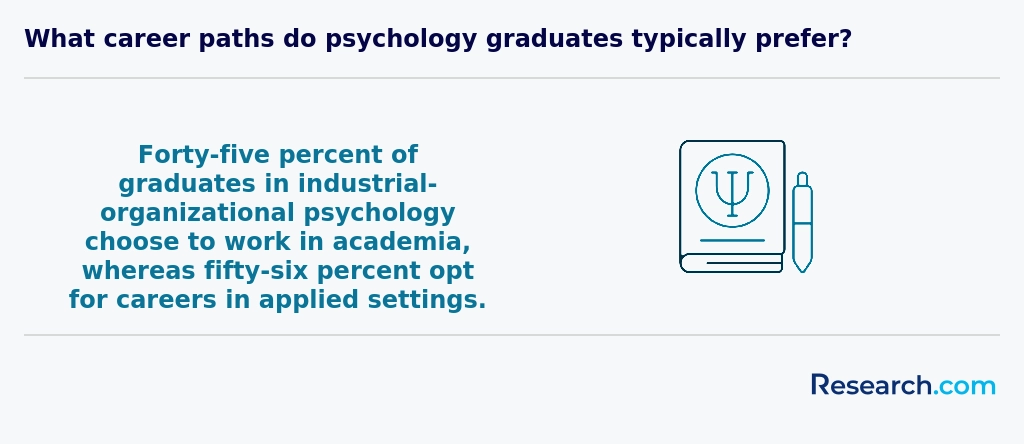
When evaluating psychology degree programs in Seattle, WA, accreditation is a critical factor that ensures quality education and eligibility for professional licensure. The American Psychological Association (APA) is the primary accrediting body for doctoral programs in clinical, counseling, and school psychology; graduates from APA-accredited institutions are typically eligible for state licensure exams nationwide. Additionally, regional accreditation-such as from the Northwest Commission on Colleges and Universities (NWCCU)-confirms that an institution meets rigorous academic and administrative standards, impacting transfer credits, federal financial aid, and employer recognition. Beyond institutional accreditation, some programs hold specialized endorsements in areas like industrial-organizational psychology or behavior analysis, which can be essential for certification by bodies like the Behavior Analyst Certification Board (BACB). When comparing bachelor’s or master’s programs, verify that curricula align with Washington State’s Board of Psychology requirements, including practicum hours and supervised experience. Many students also explore hybrid or online pathways; for those seeking to maximize flexibility without sacrificing accreditation, exploring the quickest psychology degree options can reveal accelerated paths that maintain full regional and specialized accreditation. Ultimately, confirming accreditation status early in your search safeguards your investment of time and money, streamlines the licensure process, and enhances graduate outcomes-ensuring that your Seattle-based psychology degree is respected by employers, professional associations, and licensing boards.
What courses are typically in psychology degree programs in Seattle?
Imagine stepping into a lively lecture hall at a well-known Seattle university, where the air buzzes with curiosity about the human mind. Here, psychology students dive into a colorful curriculum starting with the basics-Introduction to Psychology unpacks everyday behaviors and hidden motivations, making you see people in a new light. A graduate from a Seattle college recalls how Research Methods and Statistics classes transformed their view of data from dull numbers to insightful stories about human nature.
Seattle's programs don't just stick to textbooks. Developmental Psychology takes you on a journey from a newborn's first cry to the wisdom of old age, often enriched by real community stories that reflect the city's diverse neighborhoods. Biopsychology reveals the thrilling biology behind emotions, with labs exploring how our brains spark feelings-something Seattle grads say feels like cracking the code of themselves.
Social and Cognitive Psychology courses reveal the invisible threads connecting individuals in Seattle's urban fabric, making everyday interactions feel like intriguing puzzles. Abnormal Psychology rounds out the experience, shedding light on mental health challenges prevalent in local communities. These classes fuel a genuine passion for understanding others, echoing the vibrant, empathetic spirit embodied by Seattle's psychology students.
What types of specializations are available in psychology degree programs in Seattle?
Seattle's psychology degree specializations pulse with energy, shaped by the city's unique blend of innovation and community care. Graduates from the University of Washington often recall their hands-on experiences in Clinical Psychology, navigating real patient scenarios through Seattle's renowned healthcare systems-bringing the theory of mental disorder treatments into vivid, sometimes life-changing practice. Meanwhile, bright minds diving into Counseling Psychology find themselves deeply embedded in local nonprofits, offering real emotional lifelines that ripple through neighborhoods.
Exploring the best psychology programs with specializations Seattle provides, students marvel at the intersection of tech and human behavior in Industrial-Organizational Psychology, where cutting-edge startups fuel research on workplace wellbeing. Others are drawn to Neuropsychology, where studies at Seattle's biomedical hubs uncover the mysteries linking brain science with daily moods and cognition. Developmental Psychology, too, catches those with big hearts aiming to shape lives from childhood through adulthood.
For a diverse pathway through these dynamic fields, many turn to a list of best texas psychology degrees online that complement their Seattle-based foundations, creating a broad, interconnected academic journey.
How do you choose the best psychology degree in Seattle?
Choosing the best psychology degree in Seattle feels like navigating a vibrant mosaic where each tile represents a unique path. Imagine walking through the University of Washington's campus, where graduates reminisce about diving into cutting-edge research under professors whose passion makes complex theories come alive. They emphasize how Seattle's blend of accredited programs, especially those aligned with the American Psychological Association, shapes their confidence and readiness for clinical or counseling roles.
Picture the financial puzzle-Seattle's high living expenses paired with tuition averaging around $11,745 yearly at public universities. Graduates often share how assistantships and financial aid became their unexpected lifelines, making affordable psychology degrees Seattle not just a dream but a tangible goal. Hands-on internships around Seattle's bustling health centers turn abstract psychology into vivid, real-world change, cementing skills through every practicum placement.
Flexibility also sparks joy among students balancing life's chaos. Many recall maneuvering part-time or evening classes without sacrificing ambition. For those eager to leap faster, exploring the quickest psychology degree options online offers a door wide open to progress.

What career paths are available for psychology degree students in Seattle?
Seattle's psychology graduates often dive into mental health services where the city's pulse beats with a genuine need for clinical psychologists, counselors, and social workers. Imagine a graduate from the University of Washington stepping into a bustling clinic, armed with cutting-edge research skills and empathy, ready to meet the community's rising awareness of mental well-being. These psychology career opportunities in Seattle paint a vibrant picture of healing and human connection amid urban energy.
Others find themselves drawn to academic research within Seattle's rich intellectual hubs, contributing to breakthroughs in cognitive science and neuropsychology. Picture a recent graduate collaborating with professors at a renowned Seattle college, probing the mysteries of the mind and building a trail of discoveries that ripple through classrooms and labs.
For those enchanted by workplace dynamics, an organizational psychology path glimmers amid Seattle's tech firms and startups. Graduates often cherish crafting healthier, more productive environments, turning complex human behavior into strategies that uplift teams and foster innovation. Jobs with a psychology degree in Seattle are also common in forensic psychology or community outreach, expanding the impact beyond traditional roles.
As you explore the cost of getting here, from in-state tuition at public universities to grad programs varying widely, students navigate this financial landscape thoughtfully. Many consult resources like the Cheapest Psychology Degree Programs Ranking in Louisiana to strategize their next educational step, keeping dreams alive in a city where opportunities feel both tangible and inspiring.
What is the job market for psychology degree in Seattle?
Seattle's psychology degree job outlook Seattle is bright and bustling with opportunity. Graduates from local institutions like the University of Washington often share stories of landing clinical roles in well-known hospitals or engaging in cutting-edge neuropsychology projects within tech companies. The city's vibrant healthcare and education sectors fuel a fierce demand for mental health professionals, making the job market feel like a thriving ecosystem where persistence and passion bloom.
Employment opportunities for psychology graduates Seattle extend beyond traditional counseling positions. Many find themselves weaving through research roles at universities, or contributing to community mental health organizations where their impact tangibly shifts lives. It's a place where a graduate's ability to adapt blends perfectly with Washington State's rigorous licensure process, turning daunting hurdles into rewarding milestones.
Students balancing costs while eyeing this career can discover 6 month courses that pay well, helping them bridge education with practicality in Seattle's competitive market. This dynamic mix of challenge and support draws hopeful minds who envision psychology degrees not just as certificates, but as keys unlocking diverse pathways in a city alive with mental health investment.
Frequently Asked Questions About psychology
Psychology degree students in Seattle can maximize their learning experience by engaging in both academic and practical opportunities offered locally. Seattle hosts several reputable universities with psychology programs, such as the University of Washington, which is ranked among the top 20 psychology departments nationally according to U.S. News & World Report (2024).
Students are encouraged to participate in research projects and internships to gain hands-on experience, crucial for understanding psychological concepts in real-world settings. The city's diverse population also provides unique chances for studying various cultural and social dynamics, enhancing learning.
Joining psychology clubs or attending conferences in Seattle helps students network and stay updated on the latest developments in the field.
The psychology field is rapidly evolving, with several emerging niches gaining recognition, especially in cities like Seattle. One notable area is neuropsychology, which focuses on how brain injuries and neurological conditions impact behavior and cognition. Seattle's strong research institutions support growth in this specialization.
Another expanding niche is health psychology, emphasizing the psychological factors affecting physical health and chronic illness management. Given Seattle's emphasis on healthcare innovation, students here often find unique opportunities in this field.
Additionally, environmental psychology, which studies human interaction with built and natural environments, is gaining traction as Seattle addresses urban planning and sustainability challenges. These niches reflect growing demand for diverse psychological expertise across local industries.
Preparing for the job market after earning a psychology degree in Seattle involves strategic planning and practical experience. Graduates should focus on building relevant skills through internships or research positions, which local universities and mental health organizations often offer. Seattle's psychology job market is competitive; according to the Washington State Employment Security Department, clinical and counseling psychologists in the region earn a median annual wage of around $90,000. Networking is crucial-joining professional groups such as the Washington Psychological Association can connect job seekers with opportunities. Additionally, obtaining licensure is essential for clinical roles, so graduates must prepare for the Examination for Professional Practice in Psychology (EPPP).
Employers in Seattle highly value psychology graduates who demonstrate strong critical thinking and analytical skills. These abilities help professionals interpret research data and apply psychological theories effectively in real-world settings. According to the U.S. Bureau of Labor Statistics, psych-related roles in Washington state, including Seattle, show consistent growth, highlighting the demand for such skills.
Interpersonal communication is another essential skill. Psychology graduates must work collaboratively with clients, colleagues, and interdisciplinary teams. Employers seek candidates who excel in empathy, active listening, and cultural competence, especially given Seattle's diverse population.
Additionally, proficiency in data analysis tools like SPSS or R is increasingly important. Seattle's emphasis on research and evidence-based practice means graduates should be comfortable managing quantitative and qualitative data to support clinical or organizational decisions.
Finding psychology internships in Seattle involves a strategic approach centered on local resources and organizations. Start by exploring university career centers such as those at the University of Washington, which often partner with local clinics and research facilities. Seattle hosts numerous mental health agencies and nonprofit organizations offering internships tailored to psychology students.
Students should also use platforms like Handshake and internships.com, which list psychology-related opportunities in the Seattle area. Networking through professional groups like the Washington Psychological Association can provide leads and mentorship connections. According to a 2023 report by the National Association of Colleges and Employers, internship experience increases job placement rates by over 60% for psychology graduates.
In Seattle, earning a psychology degree significantly enhances career mobility and advancement prospects. According to the U.S. Bureau of Labor Statistics, the Seattle metropolitan area is expected to see a 10% growth in mental health-related jobs by 2030, outpacing national averages. This demand creates opportunities for psychology graduates to enter diverse fields like counseling, social services, and human resources.
Advanced degrees, especially master's and doctorates, are often required for clinical positions, which offer higher salaries and leadership roles. Seattle's robust healthcare and tech sectors also value psychological expertise for roles in organizational behavior and user experience research.
Networking and practical experience gained through internships in local institutions further support career advancement, highlighting the degree's importance in this competitive job market.
Studying for a psychology degree in Seattle equips students with skills that extend beyond traditional psychology roles, fostering interdisciplinary opportunities. Seattle's universities often emphasize collaboration between psychology, healthcare, technology, and social sciences, reflecting the city's strong workforce in biotech and IT sectors.
Programs include training in research methods, data analysis, and applied psychology, preparing graduates to work in fields such as human factors, health informatics, and counseling within diverse settings. According to the Washington State Employment Security Department, psychology-related professions in Seattle have seen steady growth, particularly in healthcare and education sectors.
This environment encourages students to integrate psychological principles with other disciplines, enhancing their adaptability in evolving job markets.
Choosing between a thesis and a non-thesis psychology degree program in Seattle depends largely on your career goals and academic interests. Thesis programs typically involve original research and are suited for students aiming at doctoral studies or research careers. They offer valuable experience in data analysis and scientific writing.
Non-thesis options usually focus on coursework and practical skills, appealing to those seeking immediate employment in clinical or counseling roles. Seattle universities report that about 40% of psychology graduate students opt for thesis tracks, reflecting interest in research careers, while 60% prefer coursework for quicker entry into the workforce (Seattle Higher Ed Data, 2023).
Funding availability can also differ, with thesis students more likely to receive research assistantships. Consider your long-term objectives and discuss options with academic advisors before deciding.
Students based in Seattle interested in studying psychology abroad have several pathways to explore. Many local universities like the University of Washington offer study abroad programs in collaboration with institutions across Europe, Asia, and Australia, allowing psychology majors to earn credits toward their degrees while gaining international experience.
Additionally, exchange programs facilitated by organizations such as the National Student Exchange enable students to study at partner universities abroad without losing progress in their psychology curriculum. These options provide opportunities to learn diverse cultural perspectives on mental health.
According to the Institute of International Education, nearly 15% of U.S. psychology students participate in study abroad programs, a figure reflecting growing interest among Seattle students to combine global education with psychology.
Seattle offers diverse part-time job opportunities that can complement psychology degree education effectively. Many students find positions as research assistants in local universities such as the University of Washington, where psychology research is prominent. These roles provide hands-on experience in experimental design and data analysis, essential for graduate studies.
Additionally, counseling centers and community support organizations in Seattle often hire part-time mental health aides or peer support specialists. These jobs allow students to develop interpersonal skills and practical knowledge in behavioral health.
According to the Washington State Employment Security Department, healthcare support roles in Seattle, including psychiatric aides, have grown by 8% since 2020, reflecting increased demand for mental health services.
Psychology students in Seattle have access to a variety of networking opportunities that enhance their academic experience and career prospects. Local universities like the University of Washington host psychology-focused events, workshops, and guest lectures that connect students with professionals in the field. The Washington State Psychological Association (WSPA) offers student memberships, providing access to conferences, mentorship programs, and job boards.
Seattle's vibrant health and research community also includes organizations like the Seattle Children's Research Institute and the VA Puget Sound Health Care System, where students may find internships and volunteer opportunities. According to the Bureau of Labor Statistics, the Seattle metro area has one of the highest concentrations of psychologists nationwide, facilitating strong professional networks.
Alumni networks provide valuable benefits for psychology degree students in Seattle by connecting them with professionals in the field. These networks offer mentorship opportunities that can guide students through academic challenges and career planning. According to the American Psychological Association, institutions with active alumni involvement often see higher job placement rates for graduates.
In Seattle, many universities maintain strong alumni communities that organize events, workshops, and job fairs tailored to psychology students. Networking through these channels increases access to internships and research positions, which are crucial for gaining practical experience.
Additionally, alumni connections can help students navigate the competitive mental health job market in the Seattle area, where demand for licensed psychologists is expected to grow by 15% in the next decade, according to the Bureau of Labor Statistics.
Customizing a psychology degree program in Seattle involves selecting concentrations, electives, or specializations that align with your career goals. Many universities, such as the University of Washington, offer options in clinical, counseling, or industrial-organizational psychology. Choosing coursework focused on research methods or applied psychology helps tailor your skills for roles in therapy, human resources, or social services.
Internships and practicum experiences available through Seattle-area clinics and organizations further enhance practical knowledge, supporting career readiness. According to the Bureau of Labor Statistics, Seattle's growing demand for mental health professionals underscores the value of such real-world training. Additionally, students can engage with local research centers to deepen expertise in neuroscience or behavioral studies, customizing their academic path effectively.
Psychology students in Seattle often confront several common challenges during their studies. One significant hurdle is the competitive nature of internships and practicum placements, as the city's top hospitals and clinics have limited availability. According to the Washington State Workforce Training and Education Coordinating Board, the demand for clinical training spots exceeds supply, creating pressure on students to secure relevant experience early.
Additionally, many face the financial strain of living in Seattle, which has a high cost of living compared to the national average. This can impact students' ability to focus solely on academics. Balancing coursework, research, and part-time jobs is another prevalent difficulty.
Lastly, navigating the complex licensing requirements post-graduation remains a challenge. Students must ensure they complete specific supervised hours and pass standardized exams, which requires careful planning during their educational journey.
With a psychology degree in Seattle, graduates can pursue several professional certifications to enhance their career prospects. One prominent certification is the Licensed Mental Health Counselor (LMHC), which requires a master's degree, supervised clinical hours, and passing a state exam. Washington state's Department of Health oversees this credential. Another option is becoming a Certified Alcohol and Drug Counselor (CADC), relevant for those focused on addiction treatment. For research-oriented careers, the Certified Psychological Assistant credential allows supervised practice before earning full licensure. According to the Washington State Employment Security Department, demand for licensed counselors in Seattle is projected to grow by 14% through 2030.
To write a winning application for a psychology program in Seattle, start by thoroughly researching each school's specific requirements and focus areas. Seattle hosts reputable institutions like the University of Washington, ranked among the top psychology programs nationally by U.S. News & World Report. Highlight relevant academic achievements, such as a strong GPA in psychology and related coursework.
Include any research experience, internships, or volunteer work related to psychology, as practical experience strengthens your application. Personal statements should clearly express your career goals and interest in psychology. Letters of recommendation from professors or professionals familiar with your academic abilities are essential.
Many Seattle programs also value community involvement due to the city's emphasis on social impact. Tailoring your application to demonstrate awareness of local mental health challenges can be advantageous.
Psychology careers offer diverse opportunities both within the United States and internationally. Globally, psychology professionals are increasingly valued for their roles in mental health, education, and organizational development. According to the U.S. Bureau of Labor Statistics, employment of psychologists in the U.S. is projected to grow 8% from 2022 to 2032, reflecting steady demand.
Seattle, with its thriving healthcare and tech industries, mirrors this trend. Local institutions like the University of Washington contribute significantly to research and workforce development in psychology. The city also participates in international collaborations that shape global mental health policies and practices.
Understanding cultural differences is crucial for psychologists working internationally, as ethical standards and counseling approaches vary widely worldwide. For Seattle students, a psychology degree often includes training in global perspectives to prepare graduates for work in diverse settings.
Gaining practical experience while studying for a psychology degree in Seattle is essential for career readiness. Many Seattle-area universities encourage students to participate in internships or practicum placements at local hospitals, mental health clinics, and nonprofit organizations. These opportunities offer real-world exposure to psychological assessment and therapy under supervision.
The city's diverse population allows students to work with various cultural groups, enhancing their clinical skills. According to the Washington State Board of Psychology, supervised hours completed during internships contribute directly to licensure requirements. Additionally, research assistant positions at institutions like the University of Washington provide hands-on experience in experimental psychology.
Networking events and student clubs related to psychology further support skill development and professional growth in Seattle's vibrant academic community.
Choosing the right concentration within a psychology degree program in Seattle involves considering your career goals and interests. Seattle-area universities offer concentrations such as clinical, counseling, developmental, and industrial-organizational psychology, each suited for different professional paths.
Employment data from the U.S. Bureau of Labor Statistics shows strong demand for clinical and counseling psychologists locally, often requiring licensure. Areas like industrial-organizational psychology align with Seattle's robust tech and corporate sectors, offering diverse opportunities.
Researching faculty expertise and available internships in Seattle's healthcare and business communities can also guide your decision. Accredited programs by the American Psychological Association ensure rigorous training across specialties.
Related Psychology Rankings for Nearby Cities
- 2027 Most Popular Psychology Degree Programs Ranking in Portland
- 2027 Most Popular Psychology Degree Programs Ranking in Eugene
- 2027 Most Popular Psychology Degree Programs Ranking in San Francisco
- 2027 Most Popular Psychology Degree Programs Ranking in Santa Barbara
- 2027 Most Popular Psychology Degree Programs Ranking in Pasadena
- 2027 Most Popular Psychology Degree Programs Ranking in Los Angeles
- 2027 Most Popular Psychology Degree Programs Ranking in Claremont
- 2027 Most Popular Psychology Degree Programs Ranking in Irvine
- 2027 Most Popular Psychology Degree Programs Ranking in Riverside
- 2027 Most Popular Psychology Degree Programs Ranking in Denver
Top Trending Psychology Rankings
See What Experts Have To Say About Studying Psychology
Read our interview with Psychology experts

Joann Farrell Quinn, Ph.D., MBA
Psychology Expert
Director at the College of Medicine Department of Medical Education
Morsani College of Medicine

Robin M. Kowalski. Ph.D.
Psychology Expert
Professor of Psychology
Clemson University

Elizabeth L. Jeglic Ph.D.
Psychology Expert
Professor of Psychology
City University of New York

References
- Psychology Online Degree Programs in Washington https://www.onlinepsychologydegrees.com/states/washington/
- Psychology https://southseattle.edu/programs/psychology
- How To Find Psychology Internships https://www.psychology.org/resources/how-to-find-an-internship/
- Sample letters in psychology https://www.mystudies.com/en-in/human-and-social-sciences/psychology/letter-model/
- A Guide to Psychology Internships | Psychology Degree Guide https://psychologydegreeguide.org/resources/internships/
- Psychology Placement Opportunities for Year 12 Students https://studymind.co.uk/ucas-guide/year-12-guide-to-gaining-psychology-work-experience/
- Study Psychology Abroad https://astarfuture.co.uk/study_psychology_abroad.html
- Know more about thesis vs non- thesis: what is the difference? https://studyfans.com/en/blogs/816
- Why Get a Psychology Degree Online? | University of Bridgeport https://www.bridgeport.edu/news/reasons-to-get-your-psychology-degree-online/
- Ontario Psychological Association - Networking and Community Resources https://www.psych.on.ca/become-a-member-(1)/member-services/networking-and-community-resources