2027 Easiest Online Psychology Degree Programs Ranking in Pennsylvania

Co-Founder and Chief Data Scientist
Choosing the right psychology degree program can feel overwhelming, especially with so many options available in Pennsylvania. This article introduces the 2027 Easiest Online Psychology Degree Programs Ranking in Pennsylvania, created by the Research.com team of data scientists. It's designed to help you make an informed decision about which programs truly stand out for accessibility and quality.
Discovering the right program can open doors to meaningful careers and personal growth. Whether you're starting fresh or advancing your education, a psychology degree offers valuable skills and opportunities. This guide aims to support your journey with clear, trustworthy information to help you find the best fit for your goals.
Key benefits of getting online psychology degree in Pennsylvania
- Psychology graduates in Pennsylvania can pursue careers like Human Resources Specialist, earning a mean annual wage of $76,060, or Marketing Research Analyst with an average salary of $83,190, offering rewarding financial opportunities.
- Many graduates find diverse career paths in counseling, research, or healthcare settings, as seen with alumni from popular Pennsylvania universities who enjoy a broad range of job options.
- Choosing an online psychology degree offers flexible scheduling and the chance to balance work or family life, exemplified by students from well-known Pennsylvania schools who appreciate learning at their own pace.
- Key benefits of getting online psychology degree in Pennsylvania
- What can I expect from online psychology degree in Pennsylvania?
- Where can I work with online psychology degree in Pennsylvania?
- How much can I make with online psychology degree in Pennsylvania?
- 2027 Easiest Online Psychology Degree Programs Ranking in Pennsylvania
- Key Findings
- How long does it take to complete online psychology degree in Pennsylvania?
- Licensure Requirements in Pennsylvania
- What's the difference between online and on-campus psychology degree?
- Licensure and Certification Requirements in Pennsylvania
- What is the average cost of online psychology degree in Pennsylvania?
- Licensing and Certification for Psychology Graduates in Pennsylvania
- What financial aid is available to online psychology degree students in Pennsylvania?
- Student Support and Resources for Online Psychology Students in Pennsylvania
- What are the prerequisites for enrolling in online psychology degree program in Pennsylvania?
- Scholarships and Funding Opportunities for Online Psychology Students in Pennsylvania
- What courses are typically in online psychology degree programs in Pennsylvania?
- What types of specializations are available in online psychology degree programs in Pennsylvania?
- How do you choose the best online psychology degree in Pennsylvania?
- What career paths are available for online psychology degree students in Pennsylvania?
- What is the job market for online psychology degree in Pennsylvania?
- Related Psychology Rankings for Nearby States
- Top Trending Psychology Rankings
- See What Experts Have To Say About Studying Psychology
What can I expect from online psychology degree in Pennsylvania?
The average cost of an online psychology degree in Pennsylvania typically ranges between $15,000 and $40,000, depending on the level of study and institution. For example, graduates from popular programs at schools like Temple University or Drexel University often note that bachelor's degrees fall toward the lower end of this range, while master's programs or specialized certification courses can push costs higher. Many students appreciate the flexibility of online formats that allow them to work while studying, offsetting expenses through steady income.
Several graduates highlight how financial aid options, scholarships, and employer tuition assistance programs reduce their out-of-pocket costs, making these degrees practical investments. One common approach is to complete general education courses at local community colleges before transferring credits to a Pennsylvania university's online psychology program, which also helps manage tuition fees effectively.
With most programs requiring supervised internships locally, students can gain valuable experience without relocating, keeping living expenses stable. This hands-on training reinforces academic learning and prepares students well for licensure, creating a sense of confidence and accomplishment throughout their studies.
Where can I work with online psychology degree in Pennsylvania?
Graduates with an online psychology degree from Pennsylvania schools like Temple University or Penn State often find themselves working in healthcare settings such as hospitals, mental health clinics, or rehabilitation centers. Many start as behavioral health technicians or counselors, gaining valuable supervised experience while exploring their career path.
Others leverage their degree in educational institutions, helping students through counseling or developmental assessments at community colleges or universities across the state. This practical experience in a supportive environment builds confidence and expertise.
Business and nonprofit sectors in Pennsylvania also hire psychology graduates for roles related to human resources, employee wellness programs, and community outreach. These careers draw on the communication and data analysis skills honed during study.
Graduates often emphasize checking Pennsylvania's licensure requirements early, especially if aiming to become licensed clinical psychologists or counselors. Resources like the Pennsylvania Psychological Association provide clear guidance to navigate these steps effectively.
With the strong demand for mental health services in Pennsylvania, an online psychology degree offers diverse, rewarding careers tailored to your interests and goals.
How much can I make with online psychology degree in Pennsylvania?
Graduates with an online psychology degree in Pennsylvania can expect to earn a range of salaries that align closely with commonly held roles verified by the U.S. Bureau of Labor Statistics. For example, many who start as human service assistants or case managers may find positions similar to childcare workers, earning around $32,070 annually, which is common for early-career roles.
Graduates moving into research-related positions, such as clinical research associates or survey researchers, can anticipate salaries near $62,370 per year. These roles often appeal to graduates from programs at universities like Penn State World Campus and Temple University, where research skills are emphasized.
More experienced professionals or those transitioning into human resources or marketing research analyst roles, which some psychology graduates pursue, see higher median wages of about $76,060 to $83,190 annually. Graduates from institutions like Villanova University or Drexel University report satisfaction in securing these well-compensated roles in Pennsylvania's competitive job market.
By actively linking coursework and internships to these targeted careers, students can skillfully position themselves to capitalize on these salary ranges while living and working within Pennsylvania's metropolitan hubs where demand and pay tend to be higher.
2027 Easiest Online Psychology Degree Programs Ranking in Pennsylvania
How do we rank schools?
Investing in your education is a significant decision that can shape your future, and the Research.com team understands the importance of making informed choices. To assist prospective students, we have meticulously crafted the "2027 Easiest Online Psychology Degree Programs Ranking in Pennsylvania." Our commitment to quality, credibility, and accuracy is reflected in the extensive research and analysis conducted to compile this ranking.
We utilized the following reputable data sources to ensure a comprehensive evaluation of online psychology programs:
By exploring this ranking, readers will gain valuable insights into the easiest accredited online psychology degree programs in Pennsylvania, enabling informed decisions about their educational paths. For more details on our methodology, please visit our Research.com methodology page.



# 5 position
Penn State University Park
Master of Psychology of Leadership

Key Findings
- Online psychology bachelor's degrees in Pennsylvania typically cost between $30,000 and $50,000, while graduate degrees range from $20,000 to $70,000.
- Entry-level psychologists in Pennsylvania earn around $55,000 to $65,000 annually, with experienced professionals making over $90,000 depending on their specialty.
- The job market for psychology professionals in Pennsylvania is projected to grow about 6% through 2030, matching national growth rates.
- Licensure in Pennsylvania requires finishing an accredited doctoral program, supervised experience, and passing the EPPP exam.
- Many online programs align with Pennsylvania's licensure standards, helping graduates qualify for roles in clinical and counseling psychology.
How long does it take to complete online psychology degree in Pennsylvania?
Completing an online psychology degree in Pennsylvania typically takes around four years for full-time students, especially at well-known institutions like Penn State World Campus or Temple University. Graduates often share that managing a full course load feels challenging but rewarding, with steady progress keeping motivation high.
Part-time students balancing jobs or family duties usually extend their studies to 5 or 6 years, a pace many find practical when navigating real life. One graduate from a Philadelphia college recalled feeling empowered by this flexibility, allowing a smoother transition back to school without sacrificing income.
Accelerated programs offered by colleges such as Lehigh University can reduce this timeline, allowing students to take extra credits or attend summer terms. While the total credit requirements remain the same, this option helps ambitious students graduate sooner, which many find motivating and freeing.
Ultimately, completion time depends on your personal schedule and commitment, but Pennsylvanian online psychology programs are designed to meet these diverse needs without compromising quality.
Licensure Requirements in Pennsylvania
Earning the right to practice in Pennsylvania involves clear steps that ensure quality and public safety:
- Graduate from a regionally accredited bachelor’s or master’s program in psychology, counseling, or a commission-approved MFT track.
- Complete supervised clinical experience (typically 2,000–3,500 hours, depending on license type).
- Pass the national Examination for Professional Practice in Psychology (EPPP) and any state jurisprudence exams required by the Pennsylvania State Board of Psychology.
- Submit your application, official transcripts, supervisor affidavits, and fees to the Board.
- Fulfill continuing education requirements (for example, 30 hours every two years for LPCs and LMFTs) to maintain active status.
Students seeking a focused path toward Marriage and Family Therapy licensure can explore online mft degrees that meet Pennsylvania’s educational and supervision standards.
What's the difference between online and on-campus psychology degree?
Online psychology degrees in Pennsylvania offer flexibility that suits busy lives. For example, graduates from Penn State World Campus often share how they balanced coursework with full-time jobs and family, appreciating the ability to study anytime without commuting. This flexibility means you can access classes on your schedule, which is ideal if you're working or managing other commitments.
On the other hand, attending on-campus programs like those at Temple University provides direct interaction with professors and peers. Graduates frequently mention how being physically present on campus helped them engage in research labs and join psychology clubs, which enriched their learning and networking experiences.
Cost-wise, tuition at public universities such as the University of Pittsburgh typically ranges around $10,000 yearly for in-state students. Online options match these rates but can save you money on housing and transport. Both formats require practicum and internships, often arranged locally for Pennsylvania students, ensuring licensure requirements are met.
Choosing between these paths depends on your lifestyle needs and learning preferences-whether you thrive in a structured campus environment or value the adaptable pacing of online study.
Licensure and Certification Requirements in Pennsylvania
Earning an online psychology degree in Pennsylvania is only the first step toward professional practice; understanding state licensure and certification requirements is critical to leveraging your credential in clinical, counseling, or industrial-organizational settings. The Pennsylvania State Board of Psychology oversees licensure for psychologists, while the State Board of Social Workers, Marriage and Family Therapists, and Professional Counselors regulates clinical counselors. Key requirements include: • Education: A minimum of a master’s degree in psychology or a related field from a regionally accredited institution is required for provisional licensure, while a doctoral degree is mandatory for full psychologist licensure. • Supervised Experience: Candidates must complete 3,500 hours of supervised professional experience (SPE), including at least 1,750 hours post-doctoral for psychologists. Provisional licensees may accrue SPE under a licensed psychologist or counselor. • Examinations: Applicants for psychologist licensure must pass the Examination for Professional Practice in Psychology (EPPP) and the Pennsylvania Law and Ethics Examination. Licensed professional counselors (LPCs) must pass the National Counselor Examination (NCE) plus the jurisdictional exam. • Application & Fees: Submit official transcripts, verification of supervised experience, exam scores, and background checks to the State Board. Licensure fees vary by license type; biennial renewal and continuing education (30 hours per 2-year cycle) are mandatory. • Reciprocity & Mobility: Pennsylvania offers endorsement for out-of-state licensees who hold equivalent credentials; however, requirements differ, so verify reciprocity policies before transferring. For comparative program affordability and requirements beyond Pennsylvania, consider our Low Cost Psychology Degree Programs Ranking in Massachusetts to explore other cost-effective pathways. Meeting these licensure criteria ensures that your online degree becomes a gateway to professional practice and client impact in Pennsylvania’s diverse psychology workforce.
What is the average cost of online psychology degree in Pennsylvania?
The average cost of an online psychology degree in Pennsylvania varies depending on whether you qualify for in-state or out-of-state tuition, as well as the type of institution you choose. Graduates from well-known colleges in Pennsylvania often report paying a median total cost around $27,060 for in-state programs, while out-of-state students typically face costs closer to $28,710. The overall median total cost across programs can reach about $59,688, especially when considering private or out-of-state options.
Many students pursuing affordable online psychology programs Pennsylvania offers find that public universities charge between $400 and $700 per credit hour for graduate courses, which makes budgeting more predictable. For example, a graduate working full-time while earning an online psychology degree from a respected Pennsylvania institution appreciates the balance of cost and flexibility, often using employer tuition reimbursement to help manage expenses.
Choosing an online program at a local university not only reduces travel and living costs but also often qualifies you for in-state tuition rates. Textbooks, software, and other study materials usually add several hundred dollars per semester, so planning for these expenses is key. Financial aid and scholarships may further reduce costs.
For students comparing options, reviewing the ranking of the best online psychology degrees can help identify programs that align with both budget and career goals.
Licensing and Certification for Psychology Graduates in Pennsylvania
Navigating the pathway to professional practice in Pennsylvania requires careful attention to state licensure and certification requirements. Graduates of online psychology degree programs must ensure their institution is regionally accredited and that their coursework aligns with the Pennsylvania State Board of Psychology’s educational standards. For those pursuing advanced practice, our detailed ranking of psyd programs highlights APA-accredited doctorate paths that streamline the transition from classroom to clinical supervision. After completing a bachelor’s degree in psychology, aspiring practitioners often enroll in a master’s or doctoral program that includes at least 3,000 supervised practicum hours. Pennsylvania mandates a minimum of 1,500 postdoctoral supervised hours under a licensed psychologist, followed by successful passage of the Examination for Professional Practice in Psychology (EPPP) and the Pennsylvania Jurisprudence Exam. Candidates should track their supervised experience through the Board’s online portal and maintain detailed logs of client contact hours. For those interested in counseling licensure, the Licensed Professional Counselor (LPC) credential requires a master’s in counseling or psychology, 60 credit hours of approved coursework, and 3,000 supervised hours under an LPC supervisor. After fulfilling experience requirements, candidates must pass the National Counselor Examination (NCE) and the state jurisprudence exam. Maintaining licensure involves completing 30 continuing education credits every two years, including ethics and cultural competency modules. Specialized certifications, such as school psychologist certification through PDE or board certification in clinical neuropsychology, further enhance career prospects. Each credential carries distinct academic prerequisites, supervised practice benchmarks, and examination criteria. Early consultation with program advisors and the State Board ensures that your online psychology degree aligns with the licensure pathway best suited to your long-term goals in Pennsylvania.
What financial aid is available to online psychology degree students in Pennsylvania?
Students enrolled in online psychology programs at Pennsylvania State University or Temple University often start by applying for federal aid through the FAFSA form. Completing this step unlocks access to the Pell Grant, which can cover up to $7,395, plus low-interest federal loans like Direct Subsidized and Unsubsidized Loans. These options provide crucial support without overwhelming debt.
State aid plays a big role for Pennsylvania residents. The Pennsylvania Higher Education Assistance Agency (PHEAA) offers the Pennsylvania State Grant Program, helping many online psychology students reduce tuition costs when attending approved state schools. Graduates frequently share how this grant made continuing their studies financially manageable.
Institutional scholarships and grants are another practical route. Colleges such as Drexel University award scholarships based on academic merit or financial need, sometimes tailored specifically to psychology majors. Some students find payment plans especially helpful for budgeting while studying.
Finally, don't overlook private scholarships from psychology associations or nonprofits. Many offer awards ranging from a few hundred to several thousand dollars, which students have credited with easing financial stress and allowing them to focus on their mental health coursework with confidence.
Student Support and Resources for Online Psychology Students in Pennsylvania
Online psychology programs in Pennsylvania offer much more than flexibility-they provide robust support systems that help you excel academically and professionally. When exploring our ranking of the best online psychology degrees, consider the breadth of student services, including: • Academic Advising and Tutoring: Dedicated advisors help you plan each semester, track progress, and connect you with writing or research tutors familiar with psychology coursework. • Career Services and Networking: Online career counselors host virtual job fairs, résumé workshops, and alumni panels to bridge the gap between coursework and real-world employment. • Technical and Library Support: 24/7 tech help desks and digital library access ensure you can research topics such as cognitive psychology or forensic case studies whenever you need. • Mental Health and Wellness Resources: Many programs offer free tele-counseling, stress‐management webinars, and peer support groups, recognizing the emotional challenges of remote learning. • Internships and Practicum Coordination: Program liaisons assist in securing placements at Pennsylvania agencies, hospitals, or schools, making sure experiential hours meet licensure requirements. By reviewing the depth of these resources alongside program difficulty and cost, prospective students can make an informed decision that maximizes both academic success and personal well-being.
What are the prerequisites for enrolling in online psychology degree program in Pennsylvania?
To enroll in an online psychology degree in Pennsylvania, start by ensuring you meet the basic academic requirements. For undergraduate programs at well-known schools like Temple University or Penn State World Campus, you'll need a high school diploma or GED and typically a minimum GPA of 2.5. Many graduates recall how maintaining this GPA opened doors for them, even when juggling work and family life.
If you're aiming for a graduate program-such as a master's at the University of Pennsylvania or Drexel University-you'll need a relevant bachelor's degree, often in psychology or a similar field, with at least a 3.0 GPA. Many students found submitting GRE scores helpful, although some programs waive this for strong applicants with work experience. Completing prerequisite courses in psychology, statistics, and research methods is essential, as these form the foundation for advanced study.
Don't overlook letters of recommendation and a personal statement; these documents reflect your passion and readiness. Students have shared how crafting a clear statement helped admissions see their commitment firsthand. Finally, reliable technology and, if required, background checks for clinical placements complete the checklist for a smooth start to your online psychology journey in Pennsylvania.

Scholarships and Funding Opportunities for Online Psychology Students in Pennsylvania
Scholarships and funding opportunities are crucial for online psychology students in Pennsylvania, as they can help reduce the financial burden of pursuing a degree. Many organizations, universities, and government agencies offer scholarships and grants to support students in their academic endeavors. Some of the scholarships available to online psychology students in Pennsylvania include the Pennsylvania State Grant, the Federal Pell Grant, and the Psychology Scholarship awarded by the American Psychological Association. Additionally, some universities in Pennsylvania offer their own scholarships and funding opportunities, such as the University of Pennsylvania's Psychology Department Scholarship and the Temple University Psychology Scholarship. Students can also explore external funding opportunities, such as the National Alliance on Mental Illness (NAMI) Scholarship and the American Psychological Foundation (APF) Scholarship. To increase their chances of securing scholarships and funding, students should research and review the eligibility criteria and application requirements for each opportunity, and submit their applications well in advance of the deadlines. By taking advantage of these scholarships and funding opportunities, online psychology students in Pennsylvania can focus on their studies and achieve their academic and career goals without excessive financial stress.
What courses are typically in online psychology degree programs in Pennsylvania?
When pursuing an online psychology degree in Pennsylvania, you'll typically start with foundational courses like Introduction to Psychology, which lays a clear base by covering key theories and concepts. Students at popular schools like Penn State and Temple University have found this course essential, as it prepares them to understand behavior in everyday situations-from workplace dynamics to personal relationships.
Next, you'll encounter courses such as Developmental Psychology, exploring human growth from infancy through adulthood, which many graduates say helped them relate better to family members of different ages. Abnormal Psychology dives into mental health disorders and treatment, a crucial step especially for those aiming to work in counseling or social services in Pennsylvania's diverse communities.
Hands-on skills come together in Research Methods in Psychology, where students learn experimental design and data analysis-practical tools valued by graduates who now contribute to local health programs or academic research.
Additionally, courses like Social Psychology and Biological Psychology provide insights into social behaviors and brain functions, helping students apply psychology principles to real-world challenges in workplaces and schools statewide.
What types of specializations are available in online psychology degree programs in Pennsylvania?
Online psychology degree specializations Pennsylvania programs commonly include clinical, counseling, forensic, developmental, industrial-organizational, and health psychology. Graduates from universities like Penn State and Temple University often praise clinical psychology for its direct impact on mental health care, especially in underserved rural communities. Counseling psychology prepares students to provide meaningful support in schools and workplaces, a growing sector in the state.
For those drawn to the legal field, forensic psychology offers hands-on opportunities with law enforcement and the justice system, popular at schools with strong criminal justice connections. Industrial-organizational psychology attracts students interested in improving workplace dynamics, especially in metro areas such as Philadelphia and Pittsburgh, where business demand is high.
Developmental and health psychology are valued for addressing human growth and wellness, relevant for careers in Pennsylvania's expansive healthcare network. Many graduates find these tracks align perfectly with their professional goals and the state's needs.
If you're comparing programs, consider reviewing the ranking of psyd programs to identify which specialization fits your career path best.
How do you choose the best online psychology degree in Pennsylvania?
When choosing the best online psychology degree programs Pennsylvania residents trust, start by confirming regional accreditation to ensure the program's credibility and transferability. For example, graduates from well-known colleges in Pennsylvania often emphasize the peace of mind gained from attending MSCHE-accredited institutions. Next, evaluate tuition costs carefully-public universities often offer lower rates, but private schools may provide specialized courses that fit your interests. Many students find value in exploring financial aid options or scholarships available locally. Practical curriculum matters; look for programs with faculty actively engaged in research or clinical practice, like those at popular state universities, to gain relevant skills in research methods and ethics. Flexibility is key-successful online learners appreciate programs offering asynchronous courses that fit work and family life. Don't overlook support services; academic advising and technical help can make a big difference. If affordability matters, check out the Low Cost Psychology Degree Programs Ranking in Massachusetts for comparative options nearby.
Many students considering affordable psychology degrees online in Pennsylvania share that knowing specific program strengths helps refine their choice. Whether aiming for clinical work or organizational psychology, researching course offerings upfront saves time later. Graduates often recommend prioritizing programs with comprehensive career counseling, which proved invaluable when navigating licensure and job searches across Pennsylvania's healthcare settings.

What career paths are available for online psychology degree students in Pennsylvania?
Graduates with an online psychology degree in Pennsylvania find career paths in licensed clinical roles, such as psychologists or counselors, by completing advanced degrees and supervised hours required by the Pennsylvania State Board of Psychology. Many graduates from well-known schools feel confident transitioning into these roles after passing state exams and gaining hands-on experience.
Others enter related fields like psychiatric technician or social work, which often require additional certifications but are accessible with a bachelor's or master's degree. Demand for licensed social workers is rising steadily across Pennsylvania, making this a promising avenue for graduates interested in social services. Those seeking corporate or educational opportunities leverage their degree to work in human resources, market research, or support services, drawing on their understanding of human behavior to improve workplace dynamics.
For students balancing budgets, many have chosen an affordable online bachelors degree in psychology to minimize costs while opening doors to varied psychology job opportunities Pennsylvania graduates value for long-term growth and stability.
What is the job market for online psychology degree in Pennsylvania?
The job market for online psychology degree jobs in Pennsylvania is steadily growing, with graduates finding roles in clinical settings, schools, and research institutions. Many graduates from well-known Pennsylvania colleges have found rewarding positions as school psychologists or counselors in both urban and rural areas, where mental health services are increasingly vital. For example, a recent graduate working in a suburban school district reported feeling fulfilled by supporting students' emotional well-being every day.
Graduates often start in assistant roles or counseling positions, especially if they hold a bachelor's or master's degree. Licensure is required for clinical psychologist roles, so many use their degree as a foundation to pursue doctoral programs and meet Pennsylvania's specific supervised experience requirements. Exploring the healthcare or education sectors in the state can open diverse career paths tailored to your goals.
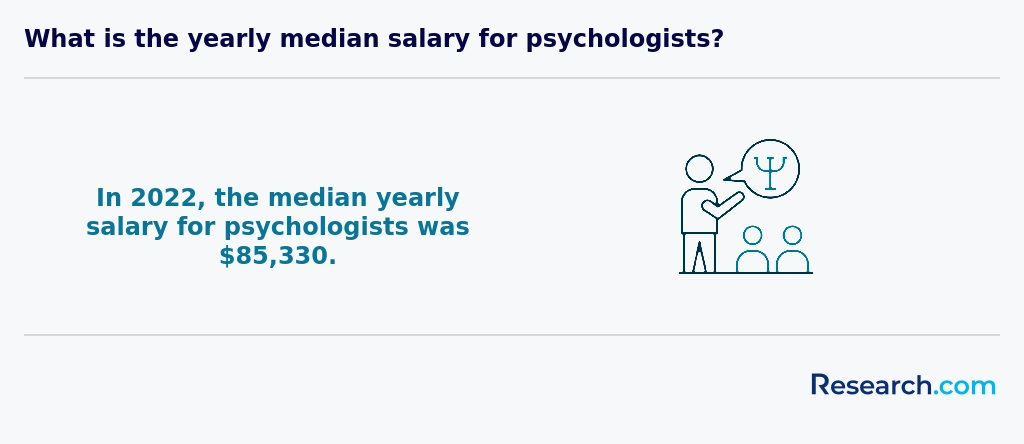
Costs vary, but Pennsylvania students benefit from in-state tuition options, and those aiming for affordability might consider programs highlighted in the cheapest online bachelor's degree listings. With median salaries around $85,000, psychology careers in Pennsylvania provide both stability and the chance to make a meaningful impact.
Frequently Asked Questions About psychology
Online psychology degree students in Pennsylvania can maximize their learning by actively engaging with course materials and instructors. Utilizing virtual office hours and discussion boards helps clarify complex concepts and build connections. Research from the Pennsylvania Psychological Association highlights the importance of practical experience, so students should seek internships or volunteer opportunities in mental health settings. Organizing study schedules and setting specific goals improves retention in the flexible online environment. Additionally, students should take advantage of Pennsylvania's resources, such as state libraries and online databases, to access current psychology research and stay informed about regional mental health trends and policies.
The psychology field is evolving rapidly, with several emerging niches gaining prominence in Pennsylvania and nationwide. One growing area is neuropsychology, which explores how brain injuries and disorders affect behavior. This specialization is in demand, especially as Pennsylvania's aging population increases the need for cognitive health experts.
Another expanding niche is forensic psychology, where professionals apply psychological principles within legal settings. Pennsylvania's criminal justice system increasingly utilizes these experts for assessments and consultations.
Health psychology also continues to rise, focusing on how mental factors influence physical health. The Centers for Disease Control and Prevention highlight that Pennsylvania faces rising chronic illnesses, increasing demand for this expertise.
After completing an online psychology degree in Pennsylvania, preparing for the job market involves several important steps. First, graduates should pursue relevant licensure if they aim to become licensed psychologists; Pennsylvania requires a doctoral degree and supervised experience for licensure, while a bachelor's or master's can guide careers in counseling or social services.
Building practical experience through internships or volunteer roles during studies significantly improves job prospects. The Pennsylvania Department of Labor notes that psychology-related jobs are projected to grow by 10% through 2030, highlighting positive demand.
Networking with local psychology associations like the Pennsylvania Psychological Association can open opportunities and provide continuing education resources.
Employers in Pennsylvania highly value several key skills in psychology degree graduates. Critical thinking and analytical abilities top the list, enabling graduates to assess complex human behaviors and develop effective treatment plans. Communication skills, both verbal and written, are essential for interacting with clients, colleagues, and multidisciplinary teams.
Additionally, understanding ethical standards and maintaining confidentiality is crucial in the practice of psychology. According to the Pennsylvania Psychological Association, graduates who demonstrate cultural competence and emotional intelligence are more likely to succeed in diverse professional settings.
Research skills remain important, as many roles require evaluating data and applying evidence-based practices.
Finding internships in Pennsylvania relevant to a psychology degree involves strategic research and networking. Many online psychology programs require or recommend internships, which provide practical experience and professional connections. Students should explore opportunities with hospitals, mental health clinics, schools, and social service agencies across the state.
The Pennsylvania Psychological Association offers resources and listings for internships tailored to psychology students. Additionally, reaching out to university career centers, even for online students, can uncover local placements. According to the Bureau of Labor Statistics, Pennsylvania employs over 15,000 psychologists and related professionals, indicating robust demand for trained interns.
Applying early and preparing a solid resume highlighting coursework and skills increases chances of placement. Professional platforms like the Pennsylvania Internship Portal also facilitate finding and applying to relevant positions in psychology.
Obtaining an online psychology degree in Pennsylvania can significantly enhance career mobility and advancement opportunities. The state's growing demand for mental health professionals, projected to increase by 12% through 2030 according to the Pennsylvania Department of Labor & Industry, supports a positive job outlook.
Online programs offer flexibility for working adults, enabling them to gain credentials without interrupting employment. This flexibility helps professionals qualify for advanced roles such as licensed counselors, behavioral analysts, or organizational psychologists.
Graduates with an online psychology degree from accredited Pennsylvania institutions are eligible to pursue licensure through the Pennsylvania State Board of Psychology, a critical step for clinical careers and higher salaries.
Additionally, employers in healthcare, education, and corporate sectors often prioritize candidates with formal psychology education, improving promotion potential and geographic job mobility within the state.
Studying for a psychology degree in Pennsylvania equips students with skills applicable across several disciplines. Many accredited programs emphasize collaboration between psychology, health sciences, education, and social services.
Pennsylvania's higher education institutions often integrate coursework in research methods, statistics, and behavioral sciences, which are essential for interdisciplinary collaboration. For example, students might analyze data relevant to public health or educational psychology, preparing them to work in diverse professional teams.
According to the Pennsylvania Department of Education, over 70% of psychology graduates enter fields requiring knowledge beyond psychology alone. This reflects the state's focus on versatile training to meet workforce demands in sectors like healthcare, counseling, and human resources.
Such programs encourage practical experiences through internships, fostering adaptability and communication skills crucial for interdisciplinary roles.
When choosing between a thesis and a non-thesis online psychology degree program in Pennsylvania, consider your academic and career goals. Thesis programs typically require original research and a formal paper, preparing students for doctoral studies or research roles. Non-thesis options often focus on coursework and practical skills, ideal for those pursuing professional practice or licensure.
In Pennsylvania, licensure for psychologists requires a doctoral degree with research experience, making a thesis path beneficial for future clinicians. According to the Pennsylvania State Board of Psychology, a strong research foundation supports licensure eligibility.
Cost and time also differ: thesis programs may take longer due to research demands, while non-thesis tracks can be faster and more flexible for working professionals.
Students based in Pennsylvania seeking to study psychology abroad have several pathways available. Many US institutions, including some in Pennsylvania, partner with international universities to offer dual-degree or exchange programs that allow students to earn credits abroad while enrolled at home. However, fully online psychology degrees from foreign universities may present challenges related to transfer credits and licensure.
The American Psychological Association (APA) accredits psychology programs primarily in the US, which is crucial for licensure in Pennsylvania. Thus, students considering international options should verify if the foreign degree meets Pennsylvania licensure requirements.
Popular study abroad destinations include Canada and the UK, where psychology programs often align with US standards. Pennsylvania's Department of Education advises consulting both the school and licensing board before pursuing degrees abroad, ensuring seamless credit transfer and professional recognition.
Part-time job opportunities in Pennsylvania that complement online psychology degrees typically include roles related to human services and mental health support. Common positions are behavioral health technicians, case management aides, or research assistants at local universities or healthcare facilities. These jobs allow students to apply foundational psychology concepts while gaining practical experience.
According to the Pennsylvania Department of Labor & Industry, the demand for mental health technicians in the state is projected to grow by 15% over the next decade, highlighting promising employment prospects.
Additionally, part-time roles in school counseling support and social services agencies provide valuable exposure to community psychology practices, aligning well with academic training.
Online psychology students in Pennsylvania have access to several networking opportunities despite the remote format of their studies. Many universities partner with local professional organizations such as the Pennsylvania Psychological Association (PPA), offering virtual events, workshops, and conferences. These gatherings facilitate connections with licensed psychologists and other practitioners across the state.
Additionally, students often join online forums and social media groups tailored to Pennsylvania-based psychology professionals. These platforms provide informal spaces to share research, career advice, and job leads.
Some programs also encourage participation in local internships or practicum placements, which remain vital for real-world networking and professional growth in Pennsylvania's diverse psychological services market.
Alumni networks offer significant benefits to students pursuing online psychology degrees in Pennsylvania. These networks provide vital professional connections, which often lead to internship and job opportunities within the state's mental health and clinical settings. According to the Pennsylvania Psychological Association, networking greatly improves employment prospects post-graduation.
Through alumni events and online platforms, graduates share career advice, recommend supervisors for licensure hours, and support continuing education efforts. In Pennsylvania, where licensure requirements for psychologists include supervised experience, these connections become crucial. Additionally, alumni can help students navigate local regulations and market trends specific to psychology professions in the state.
Customizing an online psychology degree in Pennsylvania allows students to align their education with specific career goals. Many Pennsylvania universities offer elective courses in areas like clinical, counseling, or industrial-organizational psychology. This flexibility helps tailor learning toward desired professions.
Students can also choose concentrations or certifications available within the degree, enhancing expertise in specialized fields. For example, some programs include options in health psychology or forensic psychology, which are in demand across Pennsylvania's job market.
Advisors at accredited schools assist students in selecting appropriate coursework and internships. According to the Pennsylvania Department of Education, these practical experiences are crucial for licensure and employment.
Researching program accreditation by APA or regional bodies ensures quality and recognition in local professional circles.
Online psychology students in Pennsylvania often face challenges related to maintaining motivation and managing time effectively. Unlike traditional classrooms, the lack of face-to-face interaction can lead to feelings of isolation. This is critical since psychology programs frequently require group discussions and collaboration. According to the Pennsylvania Department of Education, nearly 30% of online students report difficulties balancing coursework with personal and professional responsibilities.
Another challenge is gaining practical experience. Many programs require internships or supervised clinical hours, which can be harder to arrange remotely. Licensing requirements in Pennsylvania also mandate specific in-person training, adding complexity for online learners pursuing clinical psychology careers.
With an online psychology degree in Pennsylvania, graduates can pursue professional certifications that enhance their career prospects. Common certifications include becoming a Licensed Professional Counselor (LPC) or a Licensed Psychologist. The Pennsylvania State Board of Psychology requires a doctoral degree for psychologist licensure, but a master's degree can qualify one for LPC status.
Other certifications include Certified Alcohol and Drug Counselor (CADC), which can be attained with relevant coursework and supervised experience. According to the Pennsylvania Department of Labor & Industry, demand for mental health counselors grows by 25% through 2030, highlighting the value of certification.
Additionally, nationally recognized credentials like Certified Addiction Counselor (CAC) are accessible with an accredited degree and proper training.
To write a winning application for an online psychology program in Pennsylvania, start by clearly demonstrating your motivation and understanding of psychology. Highlight any relevant academic background or work experience related to mental health or human behavior. Admissions committees look for strong communication skills, so write a concise, well-organized personal statement.
Include specific reasons for choosing an online format in Pennsylvania, such as flexibility or access to state-licensed faculty. According to the Pennsylvania Department of Education, programs accredited by the American Psychological Association carry added credibility, which can be a point to emphasize.
Lastly, request strong letters of recommendation from professors or employers familiar with your dedication to psychology.
The global perspective on a psychology career highlights increasing demand for mental health professionals worldwide. In the United States, including Pennsylvania, psychology graduates benefit from diverse job opportunities in clinical, counseling, and research settings. According to the U.S. Bureau of Labor Statistics, employment for psychologists is projected to grow 6% from 2021 to 2031, aligning with global trends that prioritize mental wellness.
Internationally, psychologists must often meet specific licensing criteria that vary by country, making U.S. degrees like those earned online in Pennsylvania valuable for their rigorous standards. Programs accredited by the American Psychological Association (APA) are recognized globally, increasing graduates' professional mobility.
Additionally, Pennsylvania hosts multiple universities offering online psychology degrees, supporting students' access to education aligned with both national and international standards. This flexibility helps prepare students to work in a globalized health care environment while serving local communities.
Gaining practical experience while pursuing an online psychology degree in Pennsylvania is essential for building skills and improving job prospects. Many Pennsylvania universities require or encourage students to complete internships, practicum placements, or fieldwork as part of their online programs. These opportunities allow students to work under supervision in settings such as schools, hospitals, or mental health clinics.
Students should reach out to their program advisors early to identify local organizations partnered with the school. According to the Pennsylvania Psychological Association, internships often provide 100 to 300 hours of hands-on experience, helping students meet state licensure requirements.
Additionally, virtual volunteering or telehealth internships are expanding, offering flexible options for those studying remotely. Engaging in these experiences can enhance learning and professional networking during the degree journey.
Choosing the right concentration in an online psychology degree program in Pennsylvania depends on your career goals and interests. Common specializations include clinical, counseling, developmental, and industrial-organizational psychology. Each prepares you for different roles, such as therapy, research, or workplace consulting.
Research from the Pennsylvania Department of Labor highlights a growing demand for clinical and counseling psychologists, with a projected job growth of 11% through 2030. This data can help guide your choice toward in-demand fields.
Consider program accreditation and faculty expertise in your chosen concentration to ensure quality education and licensure eligibility. Many Pennsylvania universities offer tailored paths, so review course descriptions carefully.
Ultimately, align your selection with Pennsylvania's mental health workforce needs and your personal strengths.
Related Psychology Rankings for Nearby States
- 2027 Easiest Online Psychology Degree Programs Ranking in Maryland
- 2027 Easiest Online Psychology Degree Programs Ranking in New York
- 2027 Easiest Online Psychology Degree Programs Ranking in West Virginia
- 2027 Easiest Online Psychology Degree Programs Ranking in Ohio
- 2027 Easiest Online Psychology Degree Programs Ranking in Virginia
- 2027 Easiest Online Psychology Degree Programs Ranking in Massachusetts
- 2027 Easiest Online Psychology Degree Programs Ranking in Kentucky
- 2027 Easiest Online Psychology Degree Programs Ranking in Tennessee
- 2027 Easiest Online Psychology Degree Programs Ranking in Indiana
- 2027 Easiest Online Psychology Degree Programs Ranking in New Hampshire
Top Trending Psychology Rankings
See What Experts Have To Say About Studying Psychology
Read our interview with Psychology experts

Robin M. Kowalski. Ph.D.
Psychology Expert
Professor of Psychology
Clemson University

Joann Farrell Quinn, Ph.D., MBA
Psychology Expert
Director at the College of Medicine Department of Medical Education
Morsani College of Medicine

Elizabeth L. Jeglic Ph.D.
Psychology Expert
Professor of Psychology
City University of New York

References
- Professional Networking For Psychologists https://www.psychology.org/resources/professional-networking/
- BA in Psychology | Online | $2500-$7500 Per Year https://www.eastern.edu/academics/online-undergraduate-programs/ba-psychology-online
- Best Online Psychology Degrees in Pennsylvania [2026] https://www.accreditedpsychologydegrees.com/online-psychology-degrees-pennsylvania/
- Psychology Programs and Careers in Pennsylvania https://www.onlinepsychologydegrees.com/states/pennsylvania/
- Online Psychology Degrees https://www.phoenix.edu/online-psychology-degrees.html
- Online Psychology Degree Salary by Career Path https://www.collegetransitions.com/blog/online-psychology-degree-salary-by-career-path/
- Incorporating Career Exploration and Skill Development ... https://teachpsych.org/page-1784686/8675326
- Most Popular Online Psychology Degrees in Pennsylvania https://www.onlineu.com/degrees/psychology/pennsylvania
- Psychology | York College of Pennsylvania https://www.ycp.edu/academics/programs/psychology
- Networking and Community Resources https://www.psych.on.ca/become-a-member-(1)/member-services/networking-and-community-resources