2027 Best Psychology Degree Programs Ranking in Irvine

Co-Founder and Chief Data Scientist
Choosing the right psychology degree program in Irvine can be overwhelming. Our 2027 Best Psychology Degree Programs Ranking in Irvine was carefully crafted by the Research.com team of data scientists to guide you through this important decision.
By exploring this article, you'll discover programs that truly stand out, making it easier to find one that fits your goals and passions. Pursuing a psychology degree opens doors to meaningful careers and personal growth, and we're here to help you start that journey with confidence.
Key benefits of getting psychology degree in Irvine
- Salary for psychology degree graduates: Graduates can expect competitive salaries, such as a Clinical Research Associate earning around $62,370 annually or a Marketing Research Analyst making about $83,190 per year, reflecting strong earning potential in the field.
- Career paths: A psychology graduate from a popular Irvine university might pursue roles in research, human resources, or clinical settings, offering diverse and fulfilling opportunities in helping others and analyzing behavior.
- Benefits of online degrees: Earning a psychology degree online in Irvine provides flexibility and convenience, allowing students to balance studies with work or family while gaining the same valuable skills as traditional graduates.
- Key benefits of getting psychology degree in Irvine
- What can I expect from psychology degree in Irvine?
- Where can I work with psychology degree in Irvine?
- How much can I make with psychology degree in Irvine?
- 2027 Best Psychology Degree Programs Ranking in Irvine
- Key Findings
- How long does it take to complete psychology degree in Irvine?
- Continuing Education and Certification Opportunities
- What's the difference between online and on-campus psychology degree?
- Most Affordable Psychology Schools in California
- What is the average cost of psychology degree in Irvine?
- Advanced Studies and Career Advancement in Psychology
- What financial aid is available to psychology degree students in Irvine?
- Accreditation and Licensure
- What are the prerequisites for enrolling in psychology degree program in Irvine?
- Licensure and Certification Pathways in California
- What courses are typically in psychology degree programs in Irvine?
- What types of specializations are available in psychology degree programs in Irvine?
- How do you choose the best psychology degree in Irvine?
- What career paths are available for psychology degree students in Irvine?
- What is the job market for psychology degree in Irvine?
- Top Trending Psychology Rankings
- See What Experts Have To Say About Studying Psychology
What can I expect from psychology degree in Irvine?
When it comes to the cost of a psychology degree in Irvine, most students attending schools like UC Irvine can expect to pay around $15,000 to $18,000 per year for in-state tuition. Graduate programs tend to be a bit pricier, often ranging from $20,000 to $25,000 annually, depending on the specific course load and whether you're opting for public or private options.
Many graduates share how they balanced their studies with part-time jobs or internships, which helped ease the financial strain while gaining real-world experience. Some even took advantage of scholarships and grants offered locally, which are pretty common at popular spots like UCI.
It's also worth noting that the investment feels worth it, given Irvine's strong job outlook in mental health fields. So while the tuition might seem steep at first, it's a boost toward rewarding career opportunities nearby.
Where can I work with psychology degree in Irvine?
If you've got a psychology degree in Irvine, you're in luck because there are plenty of places to put that knowledge to work. Many grads step right into clinical roles at spots like Hoag Hospital or UC Irvine Medical Center, where they help people tackle mental health challenges every day. It's pretty rewarding to be part of that healing process, especially knowing you're making a real difference in someone's life.
Others find themselves working with local schools, becoming counselors or behavioral specialists for districts like Irvine Unified. Imagine supporting students through tough times or helping create programs that boost their success-that's a pretty cool way to use what you learned in class.
Plus, if research sounds exciting, UCI and other local institutions offer opportunities to dive into psychology studies, analyzing data and contributing to new findings. Some grads even transition into business roles, using their psychology smarts to improve user experience or employee training in Irvine's buzzing tech hubs. Pretty versatile, right?
How much can I make with psychology degree in Irvine?
If you're wrapping up a psychology degree in Irvine, you might be wondering what you can realistically expect to make. Graduates from local places like the University of California, Irvine often jump into roles like Human Resources Specialist, where the average annual salary is around $76,000. That's a solid start while you gain some experience.
Some go into marketing-related gigs, like Marketing Research Analyst jobs, which pay even better-about $83,000 a year on average. It's a cool way to use your psychology background to understand consumer behavior and trends, especially in a bustling market like Irvine's.
For those interested in hands-on research, becoming a Clinical Research Associate is another option, with average salaries near $62,000. Plus, if you're into childcare or educational settings, roles like Childcare Worker offer around $32,000 annually-perfect if you want to make a meaningful difference while getting started.
Many grads share they feel motivated knowing these roles blend solid pay with real impact. Irvine's strong local economy definitely gives psychology students an edge in landing competitive jobs that feel both rewarding and relatable.
2027 Best Psychology Degree Programs Ranking in Irvine
How do we rank schools?
Investing in your education is a significant decision that can profoundly impact your future, and the Research.com team is committed to helping you make well-informed choices. To guide prospective students interested in psychology, we have carefully developed the "2027 Best Psychology Degree Programs Ranking in Irvine." Our dedication to quality, credibility, and accuracy is demonstrated through thorough research and analysis.
We utilized the following reputable data sources to ensure a comprehensive evaluation of psychology programs:
By exploring this ranking, readers will gain valuable insights into the top psychology degree programs in Irvine to support informed educational decisions. For more information about how this ranking was created, please visit our Research.com methodology page.


Key Findings
- Psychology programs in Irvine are offered by both public and private universities, with in-state tuition at public schools like UCI ranging from $15,000 to $20,000 per year.
- Private universities in Irvine typically charge tuition fees exceeding $40,000 annually for psychology degrees.
- Entry-level psychologists with a bachelor's degree earn between $45,000 and $55,000 per year, while advanced degree holders with experience can make $70,000 to $110,000 annually.
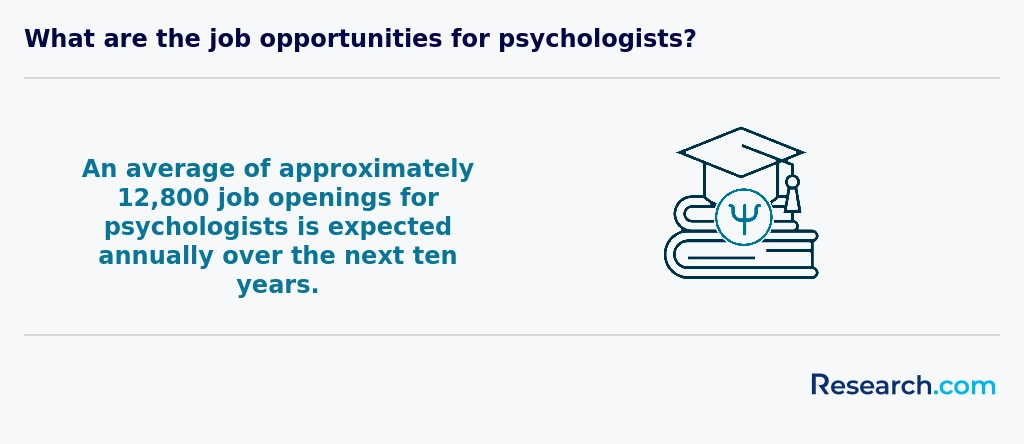
- Job growth for psychologists in the Orange County area is projected at about 10% over the next decade, matching national trends.
- Students in Irvine have access to internships and research opportunities through local healthcare and community organizations.
- Clinical psychologists in California must obtain a state license, which requires supervised experience and passing licensing exams.
How long does it take to complete psychology degree in Irvine?
If you're aiming for a psychology degree in Irvine, expect about four years to finish your bachelor's if you're studying full-time. Most grads from the University of California, Irvine, share how they balanced classes and campus life, wrapping up around the same time. It feels pretty rewarding knowing you're on track with others, making progress each quarter by completing those 180 units required for the degree.
Going beyond the bachelor's? A master's usually takes another 2 to 3 years, depending on how you pace yourself. Some grads take it part-time while juggling work, stretching it out a bit but loving the chance to deepen their skills.
For the really dedicated, a doctorate can take 5 to 7 years. That's a longer journey involving research, internships, and your dissertation-but hearing alumni talk about the "aha" moments in their studies makes it all worthwhile. So, whether you're fresh out of high school or looking to specialize, Irvine's schools offer clear paths with timelines that match different life rhythms.
Continuing Education and Certification Opportunities
Pursuing a psychology degree in Irvine, CA can be the springboard to advanced professional credentials and specialized certifications that boost both expertise and marketability. After completing a bachelor’s or master’s program, many graduates seek out continuing education courses accredited by the American Psychological Association (APA) or state boards to meet licensure requirements and expand their scope of practice. Common pathways include Certified Alcohol and Drug Counselor (CADC), Registered Behavior Technician (RBT), and the highly sought-after Board Certified Behavior Analyst (BCBA) credential. For those interested in behavior analysis, programs offering flexible study options are available; prospective students can explore behavior analyst certification online to identify the most affordable and accredited BCBA pathways. In addition to specialty certificates, psychologists often pursue continuing education units (CEUs) through local workshops, webinars, or conferences hosted by the California Psychological Association (CPA). These CEUs not only fulfill state licensure renewal requirements but also keep practitioners current with emerging research on topics like telepsychology, trauma-informed care, and multicultural counseling. Some universities in Irvine partner with healthcare institutions to offer practicum-based certifications in applied behavior analysis, neuropsychology, or school psychology, blending academic rigor with hands-on experience. Finally, lifelong learning is crucial in a field that evolves with new therapeutic modalities and ethical standards. Many licensed professionals enroll in postgraduate certificate programs or attend national congresses, such as the Association for Behavior Analysis International (ABAI) annual meeting, to network and stay abreast of best practices. By strategically combining degree credentials with targeted certifications and CEUs, psychology graduates in Irvine can demonstrate a commitment to excellence, enhance their career prospects, and deliver the highest quality of care to diverse populations.
What's the difference between online and on-campus psychology degree?
If you're looking at psychology degrees in Irvine, deciding between online and on-campus really comes down to how you like to learn. Online programs give you the freedom to study when it fits your schedule-think of those evenings after work or weekends where you can catch up on lectures without a commute. Plenty of adult learners and those juggling jobs love this flexibility.
On-campus at places like University of California, Irvine (UCI), the vibe is totally different. You get to hang out with professors, join study groups, and dive into hands-on research in labs. Graduates often say that those face-to-face moments and internships made a huge difference in feeling connected and confident in their skills.
Cost-wise, public schools around Irvine usually charge about $9,000 a year for in-state students, but private colleges can be way more expensive. While online programs might save you some commuting money and offer fewer fees, they don't always cost less overall, so it's smart to compare the full picture before deciding.
Most Affordable Psychology Schools in California
To/find the most affordable psychology schools in California, prospective students can explore various institutions that offer competitive tuition rates without compromising on the quality of education. For instance, students can visit most affordable psychology schools in California to discover affordable options that align with their financial situation and academic goals, ensuring a fulfilling educational journey that paves the way for a successful career in psychology.
What is the average cost of psychology degree in Irvine?
If you're thinking about the average cost of psychology degree in Irvine, the numbers can vary quite a bit depending on where you enroll and your residency status. For students at the University of California, Irvine, in-state tuition and fees come in around $15,700 for the full degree, which is a solid deal compared to many private schools in the area. Out-of-state students, on the other hand, generally face much higher expenses, pushing the total closer to $70,500 over the course of their studies.
Graduates from UCI often mention how the value of what they learned outweighed the price tag, especially given the university's strong research opportunities and community vibe. Meanwhile, those attending private institutions like Concordia University Irvine tend to pay more upfront-sometimes upwards of $40,000 per year-but appreciate the smaller class sizes and the personalized attention that comes with it.
Keep in mind, tuition is just part of the picture. Books, housing, and other fees can add an extra $10,000 to $15,000 annually, so budgeting carefully is key. Many students find relief in financial aid and scholarships, which schools here are pretty good about offering, especially to psychology majors. For a deeper dive into options, you might want to check out the most affordable psychology schools in California to find a great fit that won't break the bank.

Advanced Studies and Career Advancement in Psychology
For many psychology graduates in Irvine, the academic journey doesn’t end upon receiving a bachelor’s degree; instead, it opens the door to advanced studies that can further enhance career opportunities and professional expertise. Pursuing a master’s degree or specialized certification can offer a competitive edge, particularly in high-demand fields such as clinical practice, counseling, or organizational psychology. Advanced programs emphasize real-world applications, blended learning opportunities, and research-based approaches that align with current industry trends. Graduate studies provide access to cutting-edge research, mentorship from renowned faculty, and robust practicum experiences that help bridge theory with practice. By expanding on their foundational skills, graduates gain deeper insights into psychological theories, effective treatment methods, and innovative technologies shaping the future of mental health care. Moreover, many accelerated online master’s programs are designed for busy professionals who want to rapidly advance their careers without compromising on quality. For those exploring expedited options, consider exploring what are the fastest accelerated masters of psychology online degree programs available. This progressive approach not only enhances individual career trajectories but also contributes to a stronger, more adaptable workforce that meets the evolving needs of communities within and beyond Irvine. Embracing advanced studies is a strategic move for aspiring psychologists eager to stay at the forefront of their field while making a lasting impact on society.
What financial aid is available to psychology degree students in Irvine?
If you're diving into a psychology degree in Irvine, you'll be glad to know there's plenty of financial aid to help lighten the cost. For starters, federal aid like the Pell Grant can cover up to $7,395 a year if you qualify, and lots of students studying psychology at places like UCI lean on this to make tuition easier on their wallets.
Then there's California's Cal Grant, which can be a total game-changer-awarding up to $12,630 for students at public schools or over $9,000 for those at private colleges. Many Irvine students who've walked the psychology path rave about how this helped them focus more on their classes than on bills piling up.
Don't forget about scholarships from the university itself. UCI's Psychology Department offers merit-based scholarships up to $5,000, which students often say gave them that extra boost of confidence to keep going strong.
Of course, there's also student loans, but plenty of grads suggest carefully balancing how much you borrow so you're not stuck with the average $30,000 debt after graduation. Plus, work-study jobs on campus let you earn cash while gaining real psychology experience-something many find super rewarding and practical.
Accreditation and Licensure
Accreditation ensures that a psychology program meets rigorous standards of quality and prepares graduates for professional practice. In California, reputable institutions are often accredited by the Western Association of Schools and Colleges (WASC) Senior College and University Commission, while clinical training tracks should hold American Psychological Association (APA) accreditation. Before enrolling, verify each program’s accreditation status on the APA directory and the U.S. Department of Education database to confirm federal recognition and eligibility for licensure. Key accreditation factors to consider:
- Institutional Accreditation: Confirms overall academic quality and eligibility for federal financial aid.
- Programmatic Accreditation: Indicates that the curriculum, faculty credentials, and clinical practicum meet professional benchmarks set by the APA.
- State Approval: California’s Board of Psychology requires degrees from accredited programs for licensure consideration. Licensure in California involves several critical steps: 1. Earn a bachelor’s degree from an accredited psychology program. 2. Complete a doctoral degree (PhD or PsyD) in an APA-accredited clinical or counseling psychology program. 3. Accumulate at least 3,000 hours of supervised professional experience, including practicum and postdoctoral hours. 4. Pass the Examination for Professional Practice in Psychology (EPPP) and California’s Jurisprudence Exam. 5. Apply to the California Board of Psychology and submit proof of education, supervised hours, and exam scores. While program quality and licensure readiness are paramount, cost considerations also matter-many students explore affordable options beyond California. For a state-by-state affordability comparison, see our Inexpensive Psychology Degree Programs Ranking in Florida, which highlights cost-effective psychology programs that balance quality and budget. Ensuring proper accreditation and understanding licensure requirements will safeguard your investment and accelerate your path to becoming a licensed psychologist.
What are the prerequisites for enrolling in psychology degree program in Irvine?
If you're thinking about diving into a psychology degree in Irvine, the first thing to know is the basics you need to get started. Most undergrad programs want you to have finished high school or have a GED. They'll also expect you to have some solid background in general education courses like English and math because these help build the skills you'll use studying psychology. For example, many students at Irvine's popular colleges share that having a good grasp of writing and research early on made classes like cognitive psychology feel way less intimidating.
When it comes to grades, a GPA around 3.0 usually does the trick, though some schools may have a bit of wiggle room. And while some schools still ask for SAT or ACT scores, quite a few are now test-optional, so you won't necessarily have to stress about those.
For grad programs near Irvine, things get a bit more specific: you'll need a bachelor's degree (ideally in psychology or a related field) plus a personal statement and recommendation letters. Many graduates from the area's universities say that writing about their real-world experiences helped set them apart in admissions.
Licensure and Certification Pathways in California
Earning a psychology degree in Irvine is just the first step toward becoming a licensed psychologist in California. To practice independently, graduates must navigate a multi-stage licensure process overseen by the California Board of Psychology: 1. Educational Requirements • Hold a doctoral degree in psychology from an APA-accredited institution or equivalent. • Ensure transcripts include supervised practicum or internship hours. 2. Supervised Experience • Complete 3,000 hours of qualifying supervised experience under a licensed psychologist. • At least 1,500 hours must be post-doctoral, focusing on assessment, diagnosis, and treatment. 3. Examinations • Pass the Examination for Professional Practice in Psychology (EPPP). • Pass the California Psychology Law and Ethics Exam (CPLEE). 4. Application and Fees • Submit a licensure application along with fingerprint clearance and background check. • Pay the current application fee (check the California Board of Psychology website for updates). 5. Continuing Education and Renewal • Complete 36 hours of approved continuing education every two years. • Maintain records of workshops, courses, and professional conferences. While California’s licensure timeline can span 2–4 years post-degree, understanding these steps early will help you plan strategically. For cost comparison and alternative affordable program options, explore our Inexpensive Psychology Degree Programs Ranking in Florida. Proper preparation ensures you meet all requirements efficiently, empowering you to embark on a fulfilling career as a licensed psychologist.
What courses are typically in psychology degree programs in Irvine?
If you're diving into a psychology degree in Irvine, expect to tackle courses that really give you a feel for how the human mind works. Graduates from popular local schools often talk about starting with a solid intro to psychology that covers everything from why we think certain ways to how emotions develop. This sets you up nicely for more detailed topics later on.
Typical classes include biological bases of behavior, where you might explore how your brain chemistry affects your mood-imagine learning why stress hits you hard during finals week. Then there's cognitive psychology, which unpacks how memory and decision-making actually happen, helping you understand why you remember some things easily but not others.
Developmental psychology is another favorite, showing you the cool journey of growing up, while social psychology explains why your group projects sometimes go smoothly and sometimes don't. Plus, research methods are huge here; you'll actually learn how to design experiments and analyze data, skills that grads say were a game-changer during internships around Irvine's clinical centers.
What types of specializations are available in psychology degree programs in Irvine?
If you're diving into a psychology degree in Irvine, you'll find plenty of cool specializations to choose from. For instance, Clinical Psychology is popular among graduates who've enjoyed hands-on internships at local clinics, helping real people with mental health challenges. Then there's Developmental Psychology, perfect if you like working with kids or the elderly-graduates often share stories about researching how people grow emotionally and cognitively throughout their lives.
In Irvine's buzzing business scene, Industrial-Organizational Psychology is a favorite. Students love learning how to improve workplace vibes and boost productivity, eventually landing jobs in corporate consulting or HR. Neuropsychology is great if you're curious about brain science; grads often talk about combining biology courses with psychology to get the full picture.
You'll also find Social Psychology popular across a few universities in Irvine, focusing on how people influence each other in groups-ideal if you enjoy marketing or community work. Many students appreciate counseling psychology too, which taught them practical skills to support friends and clients emotionally. These options make for some of the best psychology programs with Irvine focus, fitting lots of different interests.
By the way, if you want to know what are the fastest accelerated masters of psychology online degree programs, there are great options to consider that can fit your busy lifestyle.
How do you choose the best psychology degree in Irvine?
When you're figuring out how to choose the best psychology degree in Irvine, think about what kind of experience you want. Graduates from UC Irvine often mention how the smaller class sizes made a big difference-they felt like professors really knew them, which made studying complex topics way less stressful. If you want to get hands-on, check out programs that offer internships or counseling clinics; real-world experience in Irvine's health services can boost your confidence and job prospects.
Cost is huge too. Some of the more affordable psychology schools Irvine CA offer a solid education without breaking the bank, especially if you're an in-state student. One grad shared how they balanced quality and price perfectly by choosing a program with good accreditation but less sticker shock. Plus, if you're into clinical work or research, look for schools connected to reputable local research centers that can open doors after graduation.
Also, if you're interested in specialized paths like behavior analysis, consider checking out behavior analyst certification online options for extra flexibility and focus. Remember, picking a program that fits your vibe and goals makes all the difference when chasing one of the best psychology degree programs in Irvine.

What career paths are available for psychology degree students in Irvine?
If you're wondering what career paths are available for a psychology degree in Irvine, there's actually a bunch of options that grads love. Many get started as behavioral health technicians or psychiatric techs in local hospitals or clinics, especially after attending schools around Irvine like the University of California, Irvine. It's a real hands-on way to build experience and make a difference in people's lives. Others find themselves drawn to clinical psychology jobs, offering counseling at private practices or community centers, which is in pretty high demand thanks to Orange County's growing population.
Jobs for psychology graduates Irvine also include roles like school psychologists who support kids and families, or industrial-organizational psychologists helping companies boost workplace vibes. Some grads dive into research or teaching, often staying connected with local universities. For those curious about law and psychology, forensic psychology positions are available in the area, too. Plus, if you want to keep costs down on your degree, check out resources like the Inexpensive Psychology Degree Programs Ranking in Florida for ideas on affordable options.
What is the job market for psychology degree in Irvine?
If you're wondering about the psychology degree job outlook Irvine offers, it's actually pretty encouraging. Graduates from local schools find the job market buzzing with opportunities, especially since healthcare facilities and schools in Irvine are always looking for fresh clinical and counseling psychologists. Many grads from colleges here share how they quickly landed roles in hospitals or community centers, where they get to make a real difference every day.
Employment opportunities for psychology graduates in Irvine also stretch into corporate settings. Tech and biotech firms appreciate industrial-organizational psychologists for helping improve team dynamics and employee well-being. This mix of roles means you're not limited to just one path after finishing your degree.
Because tuition can be a concern, some students turn to options like the fastest online bachelor degree programs to balance cost and time. With the local average psychologist salary ranging between $85,000 and $120,000, many feel the investment pays off well in the long run.
Frequently Asked Questions About psychology
Psychology degree students in Irvine can maximize their learning experience by engaging actively in both academic and practical opportunities. The city hosts several institutions offering robust psychology programs with access to local research centers and mental health clinics. Participating in internships or volunteer work at nearby facilities allows students to gain hands-on experience, which is essential for understanding real-world applications of psychological theories.
Joining student organizations, such as Psi Chi, helps students build professional networks and stay updated on the latest research. According to the National Center for Education Statistics, nearly 70% of psychology undergraduates who engage in experiential learning report higher satisfaction with their education.
Additionally, utilizing resources like career counseling and workshops offered on-campus can assist students in refining their skills and planning future careers strategically.
The field of psychology is expanding rapidly, with several emerging niches gaining attention, especially for students pursuing degrees in places like Irvine. One such niche is neuropsychology, which studies the connection between the brain and behavior, increasingly important due to advancements in brain imaging technology.
Another growing area is health psychology, focusing on how psychological factors affect physical health and wellness. This niche aligns with the rising demand for psychologists in medical settings across California.
Industrial-organizational psychology is also expanding, as businesses seek experts to improve workplace productivity and employee well-being.
According to the Bureau of Labor Statistics, the employment of clinical, counseling, and school psychologists is projected to grow 8% from 2022 to 2032, with Irvine-area healthcare and corporate sectors fueling this rise.
Preparing for the job market after earning a psychology degree in Irvine requires strategic planning. Graduates should seek internships or volunteer opportunities in local hospitals, mental health clinics, or schools to gain practical experience. According to the U.S. Bureau of Labor Statistics, California is projected to add over 15,000 psychology-related jobs between 2020 and 2030, reflecting strong demand in the region.
Networking is essential; joining organizations like the California Psychological Association can connect graduates with local professionals. Additionally, acquiring certifications such as Licensed Psychological Associate can improve employability. Enhancing skills in data analysis and familiarity with therapy software are also beneficial.
Employers in Irvine highly value psychology graduates who demonstrate strong critical thinking and analytical skills. These abilities enable graduates to interpret research data accurately and apply psychological principles effectively in diverse settings. Communication skills, both verbal and written, are also essential, as professionals often work closely with clients, colleagues, and interdisciplinary teams.
In addition, proficiency in using statistical software like SPSS or R is increasingly important, reflecting the growing emphasis on evidence-based practices. According to the Bureau of Labor Statistics, demand for psychologists in California, including Irvine, is projected to grow by 14% from 2022 to 2032, emphasizing the need for adaptability and continuous learning.
Interpersonal skills and cultural competence are critical due to Irvine's diverse population, enabling graduates to deliver inclusive and empathetic care. These core competencies collectively position graduates for success in local mental health, research, and organizational roles. Sources include the U.S. Bureau of Labor Statistics and the California Employment Development Department.
Finding internships in Irvine relevant to a psychology degree involves a strategic approach combining local resources and university support. Many psychology programs in Irvine, including those affiliated with the University of California, Irvine (UCI), provide career services that connect students with nearby hospitals, mental health clinics, and research labs.
Students can explore opportunities at organizations like the Orange County Health Care Agency or nonprofit groups focused on behavioral health. Additionally, websites such as Handshake and the UCI Career Center often list psychology internships specifically tailored to the Irvine area. Networking with faculty and attending local psychology conferences also increases chances of securing relevant positions.
According to the U.S. Bureau of Labor Statistics, psychology internships can enhance job prospects, with an estimated 14% growth in mental health jobs in California through 2030, highlighting the demand for practical experience in this field.
A psychology degree in Irvine can significantly enhance career mobility and advancement opportunities. With Irvine's growing healthcare, education, and corporate sectors, professionals with psychology backgrounds are in demand for roles including mental health counseling, human resources, and organizational development.
Graduates holding at least a bachelor's degree often find entry-level positions, while those with master's or doctoral degrees qualify for specialized careers such as licensed therapists or researchers. According to the U.S. Bureau of Labor Statistics, employment of psychologists in California is projected to grow by 10% from 2022 to 2032, above the national average.
Additionally, Irvine's proximity to major research institutions and healthcare providers fosters strong networking and internship opportunities, further boosting career prospects. Earning a psychology degree in this region equips students with versatile skills attractive across multiple industries.
Studying for a psychology degree in Irvine equips students with skills that extend beyond traditional psychology roles. Programs often emphasize interdisciplinary approaches, integrating knowledge from fields such as sociology, neuroscience, and education. This broad foundation prepares graduates to collaborate effectively in diverse professional settings.
Local universities in Irvine, reflecting trends in the US higher education system, incorporate experiential learning and research opportunities. These experiences foster critical thinking, problem-solving, and communication skills valuable in areas like healthcare, business, and social services.
According to data from the National Center for Education Statistics, psychology remains one of the top five undergraduate majors in California, supporting strong demand for versatile graduates.
When choosing between a thesis and a non-thesis psychology degree program in Irvine, consider your career goals first. A thesis option typically involves conducting original research, which is valuable for students aiming for doctoral studies or research roles. It often requires more time, ranging from one to two additional semesters. Non-thesis programs focus on coursework and practical experience, suited for those entering the workforce directly, such as counseling or applied psychology roles.
Data from the California State University system shows that about 40% of psychology graduates in Irvine pursue thesis tracks, reflecting strong research interests. Evaluating faculty expertise and available resources in Irvine schools can also guide your decision.
Students based in Irvine interested in studying psychology abroad have several pathways through U.S. higher education programs with international components. Many universities encourage or require study abroad experiences as part of their psychology curricula, offering semesters or summer terms at partner institutions overseas.
For example, the University of California system, which Irvine belongs to, supports study abroad programs in countries with strong psychology research traditions like the United Kingdom, Australia, and Germany. These programs allow students to earn credits toward their psychology degrees while gaining global perspectives on mental health.
In addition, students may participate in international research internships or collaborative projects facilitated by U.S. colleges. According to the Institute of International Education, about 15% of U.S. psychology undergraduates engage in some form of international study during their degree.
This immersion in global psychological practices can enhance career prospects in clinical, counseling, or research psychology fields.
Students pursuing psychology degrees in Irvine can benefit from various part-time job opportunities that complement their academic goals. Positions such as research assistants in university psychology labs provide hands-on experience with data collection and analysis, reinforcing classroom concepts. Irvine is home to institutions like the University of California, Irvine, where psychology research is robust and growing.
Additionally, roles as behavioral aides or psychiatric technician assistants in local healthcare facilities offer practical patient interaction experience. The California Employment Development Department reports that psychology-related jobs in Orange County, which includes Irvine, are expected to grow by 10% through 2030, highlighting increasing opportunities.
Community centers and nonprofit organizations also frequently seek part-time support in counseling or outreach, allowing students to apply psychological principles in real-world settings.
Psychology students in Irvine benefit from many networking opportunities that enhance their academic and professional growth. Several local universities, such as the University of California, Irvine, host psychology clubs and honor societies that connect students with peers and faculty. These groups often organize guest lectures and workshops featuring recognized professionals in psychology.
Additionally, Irvine's proximity to a robust healthcare and research community offers valuable internships and volunteer positions for hands-on experience. According to the Bureau of Labor Statistics, Orange County has seen consistent growth in mental health jobs, supporting ample professional connections for students.
Students can also attend conferences held in nearby cities, linking them to wider networks in Southern California's psychology scene.
Alumni networks provide psychology degree students in Irvine with valuable professional connections. These networks often include graduates working in local hospitals, clinics, and research centers. According to the National Association of Colleges and Employers (NACE), alumni connections improve job placement rates by up to 40% in related fields.
In Irvine, strong ties between universities and city organizations create mentorship opportunities. Students can receive guidance, internships, and job referrals through these networks, which is crucial in psychology careers where experience matters.
Additionally, alumni events and online platforms facilitate knowledge sharing about graduate programs, licensure, and emerging research. This ongoing support helps students navigate academic and professional challenges in psychology.
Customizing a psychology degree program in Irvine allows students to align their education with specific career goals. Many local institutions offer a range of elective courses, such as clinical psychology, cognitive neuroscience, or industrial-organizational psychology. This flexibility helps tailor the curriculum to areas of personal interest and job market demand.
Students can also participate in internships and research projects within Irvine's diverse community and healthcare settings. These experiences provide practical skills and networking opportunities important for future careers.
Additionally, some programs allow for dual majors or minors, enabling interdisciplinary study that can enhance career prospects in fields like social work, education, or business.
According to the Bureau of Labor Statistics, specialties in psychology with practical experience tend to offer stronger job placement rates.
Psychology students in Irvine often face several academic and practical challenges during their studies. One key difficulty is managing the rigorous curriculum, which typically includes extensive coursework in research methods, statistics, and psychology theories. According to the American Psychological Association, many students find the statistical components particularly challenging due to its technical nature.
Additionally, access to quality internships and practicum placements can be competitive in Irvine's busy educational environment. Students must balance these hands-on experiences with academic demands, often requiring strong time management skills.
Financial strain is also a notable issue; tuition and living costs in Irvine are relatively high, making it hard for some students to sustain their education without support or scholarships.
With a psychology degree in Irvine, you can pursue various professional certifications that enhance your career opportunities. Common certifications include becoming a Licensed Psychological Associate (LPA) or Registered Psychological Assistant (RPA), both often steps toward full licensure as a psychologist in California.
Other options include certification in Specialized Counseling, such as Licensed Professional Clinical Counselor (LPCC), or Certified Alcohol and Drug Counselor (CADC). These certifications usually require additional supervised experience beyond a bachelor's or master's degree.
National certifications like the Board Certified Behavior Analyst (BCBA) are also popular among psychology graduates. According to the California Board of Psychology, the demand for licensed psychological professionals in Irvine is growing, reflecting statewide trends.
To write a winning application for a psychology program in Irvine, start by thoroughly researching the specific schools, such as the University of California, Irvine, which is known for its strong psychology department ranked among the top 50 nationally by U.S. News. Tailor your personal statement to highlight your passion for psychology and how your goals align with the program's strengths. Include relevant research or volunteer experiences, as hands-on involvement is highly valued. Emphasize your academic achievements, maintaining a GPA above 3.5 improves competitiveness. Finally, secure strong letters of recommendation from professors familiar with your commitment to psychology.
Psychology careers in the U.S. offer broad opportunities influenced by global trends in mental health awareness and research. In Irvine, a hub for education and innovation, psychology graduates benefit from a robust job market. According to the U.S. Bureau of Labor Statistics, employment for psychologists is expected to grow 8% from 2022 to 2032, reflecting increasing demand worldwide.
Internationally, psychology integrates diverse cultural perspectives, helping professionals in Irvine apply global research findings locally. Universities in Irvine often collaborate with global institutions, enhancing the relevance of their programs.
The World Health Organization highlights psychology's role in addressing global mental health challenges, emphasizing the growing need for skilled psychologists in healthcare and education sectors.
Gaining practical experience during a psychology degree in Irvine is essential for career readiness. Many local universities encourage students to participate in internships at healthcare facilities, schools, or community organizations. For example, the University of California, Irvine, offers research assistant positions and fieldwork opportunities in its psychology department.
Students can also engage in volunteer work at nearby mental health clinics or nonprofit agencies focused on behavioral health. According to the Bureau of Labor Statistics, approximately 15% of psychology-related jobs require applied experience, making internships valuable for improving employability.
Additionally, some programs facilitate lab work with faculty research projects, enabling hands-on experience with psychological assessments and data analysis.
When selecting a concentration within a psychology degree program in Irvine, consider your career goals and personal interests. Specializations like clinical, counseling, or industrial-organizational psychology each prepare you for unique roles. For example, clinical psychology often leads to licensure and direct patient care, while industrial-organizational focuses on workplace behavior.
Review the curriculum offered by Irvine-area universities such as the University of California, Irvine, which ranks highly for psychology research and provides varied concentration options. Accreditation by the American Psychological Association (APA) is essential for programs aimed at licensure.
Evaluate opportunities for internships and research, as Irvine's diverse community fosters practical experience. According to the Bureau of Labor Statistics, psychology jobs in California are projected to grow 14% by 2032, indicating strong employment prospects for specialized degrees.
Related Psychology Rankings for Nearby Cities
- 2027 Best Psychology Degree Programs Ranking in Claremont
- 2027 Best Psychology Degree Programs Ranking in Los Angeles
- 2027 Best Psychology Degree Programs Ranking in Pasadena
- 2027 Best Psychology Degree Programs Ranking in La Jolla
- 2027 Best Psychology Degree Programs Ranking in San Diego
- 2027 Best Psychology Degree Programs Ranking in Riverside
- 2027 Best Psychology Degree Programs Ranking in Santa Barbara
- 2027 Best Psychology Degree Programs Ranking in Phoenix
- 2027 Best Psychology Degree Programs Ranking in San Francisco
- 2027 Best Psychology Degree Programs Ranking in Boulder
Top Trending Psychology Rankings
See What Experts Have To Say About Studying Psychology
Read our interview with Psychology experts

Joann Farrell Quinn, Ph.D., MBA
Psychology Expert
Director at the College of Medicine Department of Medical Education
Morsani College of Medicine

Elizabeth L. Jeglic Ph.D.
Psychology Expert
Professor of Psychology
City University of New York

Robin M. Kowalski. Ph.D.
Psychology Expert
Professor of Psychology
Clemson University

References
- What can I do with a psychology degree? https://www.hull.ac.uk/study/undergraduate/courses/psychology-bsc-hons/what-can-i-do-with-a-psychology-degree
- Study Psychology Abroad | Go Overseas https://www.gooverseas.com/study-abroad/psychology
- Psychology Placement Opportunities for Year 12 Students https://studymind.co.uk/ucas-guide/year-12-guide-to-gaining-psychology-work-experience/
- Psychology - SWPS University https://english.swps.pl/academics/warsaw/ba-programs/psychology
- Call for papers https://www.hogrefe.com/us/journal/international-perspectives-in-psychology-research-practice-consultation
- Alumni Perspectives - Meet Our FPN Alumni https://www.aanmelder.nl/alumni-perspectives-june-2023
- Psychology https://www.ivc.edu/sbs/psychology
- UCI Psychology Major Requirements https://talk.collegeconfidential.com/t/uci-psychology-major-requirements/1755557
- Best Types Of Online Psychology Degrees 2025 https://www.psychology.org/degrees/
- Psychology at University of California-Irvine https://www.vaia.com/en-us/degrees/universities/university-of-california-irvine/psychology-at-university-of-california-irvine/