2027 Best Psychology Degree Programs Ranking in Dayton

Co-Founder and Chief Data Scientist
Choosing the right psychology degree program can shape your future in meaningful ways. Whether you're passionate about understanding human behavior or aspiring to make a positive impact, selecting the best program matters.
This article introduces the 2027 Best Psychology Degree Programs Ranking in Dayton, carefully crafted by the Research.com team of data scientists. It offers valuable insights to help you find programs that suit your goals and interests.
By exploring this ranking, you'll feel confident about making informed decisions toward a rewarding psychology career.
Key benefits of getting psychology degree in Dayton
- Salary for psychology degree graduates: Graduates in Dayton can expect competitive salaries like $62,370 annually for Clinical Research Associates or Survey Researchers, and up to $83,190 for Marketing Research Analysts, reflecting strong earning potential in the field.
- Career paths: A psychology graduate from the University of Dayton may explore diverse roles such as Human Resources Specialist, earning around $76,060 yearly, or pursue research and analysis careers that offer rewarding growth opportunities.
- Benefits of online degrees: Earning a psychology degree online from a Dayton university offers flexibility for busy learners and can lead to the same career opportunities, empowering students to balance life while achieving their goals.
- Key benefits of getting psychology degree in Dayton
- What can I expect from psychology degree in Dayton?
- Where can I work with psychology degree in Dayton?
- How much can I make with psychology degree in Dayton?
- 2027 Best Psychology Degree Programs Ranking in Dayton
- Key Findings
- How long does it take to complete psychology degree in Dayton?
- Accreditation and Licensure
- What's the difference between online and on-campus psychology degree?
- Licensure and Accreditation: Ensuring Your Degree Meets Professional Standards
- What is the average cost of psychology degree in Dayton?
- Accelerated Online Psychology Degree Options
- What financial aid is available to psychology degree students in Dayton?
- Tips for Success in Your Psychology Journey
- What are the prerequisites for enrolling in psychology degree program in Dayton?
- Making an Informed Decision: Considering Affordable Psychology Schools in Ohio
- What courses are typically in psychology degree programs in Dayton?
- What types of specializations are available in psychology degree programs in Dayton?
- How do you choose the best psychology degree in Dayton?
- What career paths are available for psychology degree students in Dayton?
- What is the job market for psychology degree in Dayton?
- Top Trending Psychology Rankings
- See What Experts Have To Say About Studying Psychology
What can I expect from psychology degree in Dayton?
The average cost of pursuing a psychology degree in Dayton varies by institution, but public universities like the University of Dayton and Wright State University offer competitive tuition rates for Ohio residents, typically ranging from $10,000 to $15,000 per year for undergraduate programs. Graduate students often find that tuition increases, yet many benefit from available scholarships and assistantships that reduce financial burdens.
Graduates from these institutions frequently highlight how reasonable tuition combined with hands-on opportunities-such as internships at local healthcare facilities-enhances both their academic experience and career readiness. This practical exposure, paired with accredited programs aligned with APA standards, makes the investment worthwhile. The financial support options contribute to positive feelings of encouragement and motivation among students tackling the rigors of graduate coursework and practicums.
Given Dayton's steady demand for psychology professionals and median psychologist wages around $80,000, affordability and quality education form a solid foundation for students aiming to secure rewarding psychology careers locally.
Where can I work with psychology degree in Dayton?
Psychology graduates in Dayton find diverse career opportunities across healthcare, education, social services, and corporate sectors. Dayton's major hospitals like Premier Health and Dayton Children's Hospital provide roles for clinical psychologists and mental health counselors, often requiring advanced degrees and licensure. However, graduates holding bachelor's degrees commonly secure entry-level positions such as psychiatric technicians or behavioral health aides, gaining valuable hands-on experience.
Local educational institutions, including the University of Dayton and Wright State University, offer employment in teaching assistantships, research coordination, and administrative roles within psychology departments. Graduates often report satisfaction working in these roles, where they apply theoretical knowledge practically while supporting ongoing research and instruction.
Social service agencies such as Mental Health America of Miami Valley frequently hire psychology graduates as case managers and substance abuse counselors, roles accessible with a bachelor's degree that foster impactful community engagement.
Finally, corporate employers in Dayton utilize psychology graduates in human resources and organizational development, leveraging their understanding of human behavior to enhance workplace dynamics. With a 5% projected job growth in healthcare and social assistance in the Dayton metro area, these fields promise stable, fulfilling career paths.
How much can I make with psychology degree in Dayton?
Graduates with psychology degrees in Dayton typically find salaries that vary widely based on their chosen career path and level of education. For example, Human Resources Specialists with psychology backgrounds earn an average annual wage of about $76,060, while Marketing Research Analysts can expect around $83,190 per year, reflecting strong demand for analytical and behavioral skills learned during studies.
Dayton's clinical psychology graduates who pursue roles such as Clinical Research Associates or Survey Researchers earn median salaries near $62,370 annually. These figures align closely with local healthcare and education sectors, where many psychology graduates from institutions like Wright State University start their careers. Entry-level positions, often filled by recent graduates, may begin with salaries near $35,000-$50,000 but provide critical experience and growth opportunities.
Graduates appreciate Dayton's lower cost of living combined with these competitive wages, which enhances their financial stability. Practical internships and research projects offered at popular colleges in Dayton help build skills leading to steady employment in fields supported by solid salary data from the Bureau of Labor Statistics.
2027 Best Psychology Degree Programs Ranking in Dayton
How do we rank schools?
Investing in your education is a significant decision that can shape your future, and the Research.com team understands the importance of making informed choices. To assist prospective students in Dayton, we have meticulously developed the "2027 Best Psychology Degree Programs Ranking in Dayton." Our commitment to quality, credibility, and accuracy is demonstrated through thorough research and analysis in compiling this ranking.
We utilized the following reputable data sources to ensure a comprehensive evaluation of psychology programs:
By exploring this ranking, readers will gain valuable insights into the best psychology degree programs available in Dayton, empowering them to make well-informed decisions about their educational journeys. For more information on how the ranking was created, please visit our Research.com methodology page.

.webp)
Key Findings
- Dayton offers accredited psychology programs at bachelor's, master's, and doctoral levels through both public and private universities.
- In-state undergraduate tuition at public universities ranges from $10,000 to $15,000 per year, while private colleges charge between $20,000 and $30,000 annually.
- Graduate psychology programs can cost between $15,000 and $40,000 per year, depending on the university and degree level.
- Bachelor's degree holders can expect entry-level salaries between $35,000 and $45,000 annually in Dayton.
- Advanced degree graduates generally earn median salaries of $60,000 to $85,000 after gaining some experience.
- Demand for psychology professionals is strong in clinical, counseling, and industrial-organizational fields, with major employers including healthcare, education, and government agencies.
How long does it take to complete psychology degree in Dayton?
Completing a psychology degree in Dayton typically aligns with national timelines but offers unique local pathways. Undergraduates at Wright State University, a popular public institution, experience a four-year journey, reflecting the standard 120 credit hours needed nationwide. Graduates often mention a strong sense of accomplishment balancing coursework and research projects over this period.
For those starting at Sinclair Community College, the two-year associate degree provides a practical stepping stone toward a bachelor's, allowing students to build confidence before transferring to a four-year university. Many appreciate this flexible option that supports working students.
Master's programs in Dayton usually take two to three years, depending on specialized tracks like counseling. Graduates recall these years as intense but rewarding, highlighting practicum experiences that solidify their skills.
Doctoral candidates pursuing a PhD or PsyD invest five to seven years post-bachelor's, including rigorous internships and dissertations. Alumni describe this as a demanding yet fulfilling phase essential for advanced clinical roles in the Dayton area.
Accreditation and Licensure
Accreditation confirms a program meets rigorous academic and ethical standards, ensuring eligibility for Ohio licensure and professional practice.
- Enroll in a regionally accredited institution; doctoral tracks should hold APA accreditation for clinical and counseling psychology.
- Complete 1,500–3,000 supervised post-degree clinical hours under an Ohio-licensed psychologist.
- Pass the Examination for Professional Practice in Psychology (EPPP) administered by ASPPB.
- Apply for licensure with the Ohio Board of Psychology, submitting transcripts, supervision verification, and exam results.
For affordable graduate pathways that align with these requirements, explore the cheap online masters in psychology designed to help you progress toward licensure without excessive debt.
What's the difference between online and on-campus psychology degree?
Online psychology degrees in Dayton offer flexible, asynchronous classes ideal for busy adults balancing work or family, allowing study at any time without commuting. Graduates from these programs often emphasize the convenience of learning from home while managing other commitments, though they note the necessity of strong self-discipline and effective time management to succeed.
In contrast, on-campus programs at institutions like the University of Dayton and Wright State University provide direct, face-to-face interaction with faculty and peers. Students appreciate hands-on access to lab facilities and in-person research opportunities, which enhance mentorship and networking-key advantages that many graduates highlight as enriching their educational experience and professional confidence.
Tuition costs for Dayton's psychology degrees typically range between $10,000 and $20,000 annually for in-state students, with private colleges generally charging more. Online options may reduce expenses related to housing and commuting, but some graduates report additional fees, such as technology charges, which can offset these savings.
Licensure and Accreditation: Ensuring Your Degree Meets Professional Standards
Choosing an accredited program is the first step toward a successful psychology career in Dayton, OH. Accreditation guarantees that your coursework, faculty expertise, and clinical training meet rigorous industry benchmarks. In Ohio, the Board of Psychology requires:
- Graduation from an APA-accredited doctoral program (or equivalent regional accreditation for master’s-level licenses).
- Completion of a specified number of supervised clinical hours (typically 1,500–2,000 for independence, plus additional internships).
- Passing the Examination for Professional Practice in Psychology (EPPP) and Ohio jurisprudence exam. For aspiring counselors, the Ohio Counselor, Social Worker, and Marriage and Family Therapist Board mandates a master’s degree from an accredited institution, at least 3,000 hours of supervised practice, and successful completion of national and state exams. If you’re exploring alternative pathways or wondering how many years does it take to become a therapist, our detailed guide outlines options for those without a traditional psychology degree and highlights accelerated certification routes. Key tips to verify accreditation and licensure readiness: 1. Check program listings on the APA and CACREP websites. 2. Confirm state board requirements early and map out supervised hours. 3. Attend campus info sessions or connect with alumni who navigated licensure in Dayton. By prioritizing accredited programs and understanding Ohio’s licensure steps, you’ll transform your 2024 psychology degree into a credential that unlocks competitive clinical and counseling roles.
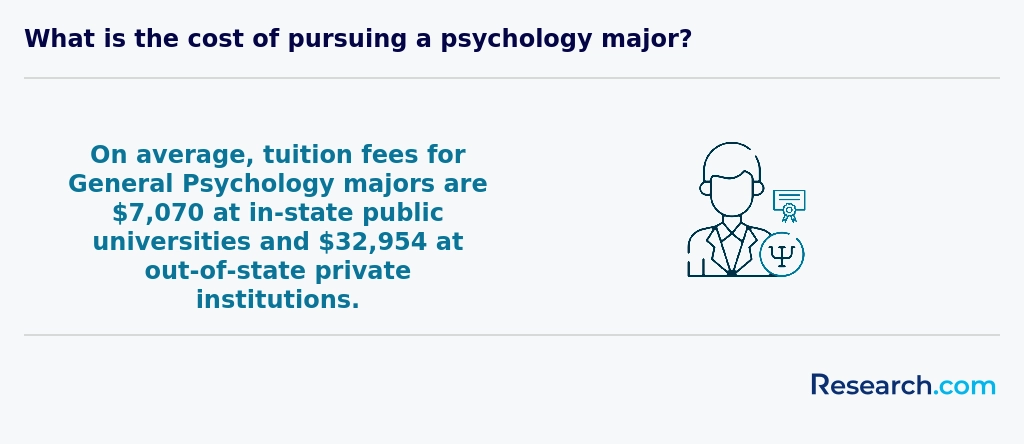
What is the average cost of psychology degree in Dayton?
The average cost of a psychology degree in Dayton varies primarily based on residency status and institution type. For in-state students attending public universities like Wright State University or the University of Dayton, the median total expenses typically reach around $30,331. This figure encompasses tuition, fees, and essential costs that students commonly face during their studies. Graduates from these institutions often mention feeling satisfied with both the quality of education and the manageable financial commitment required compared to national averages.
Out-of-state students or those enrolled in private colleges in Dayton can expect higher expenses, with median total costs rising to approximately $50,406. Although this amount reflects a steeper financial investment, many students emphasize the value of smaller class sizes and specialized psychology programs when sharing their personal experiences. These elements often contribute to a fulfilling college journey focused on professional and personal growth.
Prospective students should consider that the total expenses for Dayton psychology programs include not only tuition but also fees, supplies, and living costs. Several students highlight how budgeting for these additional expenses plays a crucial role in managing the overall financial burden while pursuing their degree. Using financial aid wisely often enhances the affordability of these programs.
Those interested might explore more detailed comparisons of affordable psychology schools in Ohio to find the best fit for their budget and aspirations. Accessing resources such as affordable psychology schools in Ohio can provide useful guidance tailored to Dayton-area options and help clarify the average cost of psychology degree in Dayton.

Accelerated Online Psychology Degree Options
Many students looking to finish their psychology education faster can pursue an accelerated online psychology degree that compresses coursework into shorter terms without compromising accreditation or quality.
- Complete bachelor’s programs in as few as three years or master’s programs in under 18 months
- Balance work, family and studies with flexible, self-paced online formats
- Earn the same accredited credential recognized by Dayton employers and licensing boards
What financial aid is available to psychology degree students in Dayton?
Psychology students in Dayton benefit from a range of financial aid tailored to local and federal resources, making degree completion more affordable. Many rely on federal programs like the Pell Grant and Supplemental Educational Opportunity Grants (SEOG), which provide essential need-based support without repayment burdens. Completing the FAFSA is critical to unlocking these options.
State-specific aid such as the Ohio College Opportunity Grant (OCOG) significantly offsets costs for eligible Dayton residents attending public institutions. These awards can reduce tuition by thousands annually, a relief often mentioned by graduates from Wright State University and the University of Dayton who balanced academic and financial pressures effectively.
Institutional scholarships and assistantships present additional funding routes. Psychology students in Dayton's universities often secure assistantships, engaging in research or teaching that enhances their resumes while alleviating tuition expenses. Private scholarships from organizations like the American Psychological Association add another supportive layer, rewarding dedication and academic excellence.
- Federal Pell Grants and Supplemental Educational Opportunity Grants (SEOG)
- Federal Direct Loans and Parent PLUS Loans
- Ohio College Opportunity Grant (OCOG) for eligible residents
- University-based scholarships and assistantships at Dayton-area institutions
- Private psychology scholarships from professional associations like APA
- Work-study programs that offer part-time campus employment
Tips for Success in Your Psychology Journey
Embarking on a Psychology degree in Dayton, OH involves more than just attending classes-it’s about building a foundation for lifelong success. To excel academically and professionally, students should focus on developing strong study habits, seeking mentorship, and leveraging campus resources. Building relationships with professors and industry professionals can lead to valuable networking opportunities, internships, and even research collaborations that enhance your resume. Additionally, actively participating in student organizations and local events can provide practical experiences and insights into the latest industry trends. As you plan for the future, consider exploring advanced options like doctoral programs; for instance, you might want to check out the rankings of the best online psyd programs to see how they align with your career objectives. By setting clear goals, staying engaged with both academic and extracurricular activities, and continuously seeking professional development opportunities, you can maximize the return on your educational investment and pave a successful career path in psychology.
What are the prerequisites for enrolling in psychology degree program in Dayton?
Enrolling in a psychology degree in Dayton requires meeting clear academic prerequisites that align with the US higher education standards. Undergraduate applicants must have a high school diploma or equivalent and demonstrate proficiency in core subjects such as English, math, biology, and social sciences. Graduates from Dayton's well-known universities often recall how strengthening these basics made coursework more manageable and engaging.
Standardized test scores like the SAT or ACT remain important for many institutions, although some programs have adopted test-optional policies. Students who submit competitive scores usually feel more confident during admission, knowing it bolsters their chances in popular psychology programs.
Successful applicants typically show strong communication and critical thinking through essays and recommendations. Graduate programs in Dayton usually require a bachelor's degree with psychology-related coursework and a GPA near 3.0 to 3.5. Many master's or doctoral candidates enhance their applications with GRE scores and hands-on experience, such as internships or research, which students describe as vital for real-world readiness.
Making an Informed Decision: Considering Affordable Psychology Schools in Ohio
When selecting a psychology degree program in Dayton, OH, one crucial factor to consider is the cost and affordability of the institution. Prospective students should research and compare the tuition fees, financial aid options, and scholarship opportunities available at different universities. For instance, exploring affordable psychology schools in Ohio can provide valuable insights into institutions that offer quality education at a lower cost. By weighing the costs against the benefits, including the potential salary outcomes and career opportunities, students can make an informed decision that aligns with their financial situation and career aspirations.
What courses are typically in psychology degree programs in Dayton?
Psychology degree programs in Dayton typically include core courses that build a solid foundation in the field, designed to meet national academic standards while reflecting local professional demands. Students at popular institutions such as the University of Dayton often engage with subjects like Introduction to Psychology, which offers a comprehensive overview of fundamental theories and practical applications. Graduates recall how Developmental Psychology classes deepened their understanding of human growth stages, making daily interactions more insightful and meaningful.
Biopsychology courses are frequently praised for connecting brain functions to behavior, a topic that many find fascinating when explored through hands-on lab work offered by colleges like Sinclair Community College. Cognitive and Social Psychology are central too, emphasizing mental processes and social influences, which former students describe as eye-opening for understanding personal and community dynamics.
Research Methods and Statistics prepare students to design experiments and analyze data rigorously, skills essential for success in Dayton's research-driven academic environment. Abnormal Psychology rounds out the curriculum by covering disorders and treatment, often linked to local clinical experiences, enhancing student confidence and career readiness.
What types of specializations are available in psychology degree programs in Dayton?
Psychology degree specializations in Dayton cover a range of fields tailored to match diverse interests and career trajectories. Graduates from local universities often highlight Clinical Psychology as a rewarding path, focusing on diagnosing and treating mental health disorders, which aligns with Ohio's high demand for counseling professionals. Others benefit from exploring Cognitive Psychology, delving into mental processes like memory and perception, a specialization favored by those drawn to neuroscience and research.
Dayton psychology career specialization options also include Developmental Psychology, which examines human growth from childhood to adolescence-a favorite among students aiming for education or healthcare roles. Industrial-Organizational Psychology appeals to those interested in workplace dynamics, with Dayton's business sectors valuing expertise that enhances employee motivation and organizational efficiency. Social Psychology and Forensic Psychology offer additional pathways, linking behavioral insights to community programs or the legal system, respectively.
Students considering these tracks at Dayton's institutions often express enthusiasm about how the programs balance theory and applied practice. Prospective majors are advised to complement their studies by consulting the rankings of the best online psyd programs to identify suitable graduate pathways.
How do you choose the best psychology degree in Dayton?
Choosing the best psychology degree in Dayton involves assessing accreditation, curriculum, and cost closely. Wright State University, a popular choice among students seeking the best psychology degree programs Dayton offers, is regionally accredited by the Higher Learning Commission, ensuring high academic standards. Graduates frequently highlight how program specializations like clinical or industrial-organizational psychology helped them focus their career paths effectively.
Tuition costs align with Ohio's average of around $11,000 per year for in-state students at public institutions, making affordable psychology schools in Dayton more accessible. Many graduates appreciate financial aid options that relieve the burden of fees. Faculty with active research roles provide robust learning experiences, often involving collaborations with local health centers, which students find rewarding and career-enhancing.
Another key factor is post-graduate success; practical internships and cooperative education programs significantly boost employment prospects. Graduates value programs preparing them for licensure or certification, important for professional advancement. For those wondering how many years does it take to become a therapist, exploring these pathways in Dayton's psychology community offers practical insights and motivation.

What career paths are available for psychology degree students in Dayton?
Graduates with a psychology degree in Dayton find diverse job opportunities with psychology degree Dayton across sectors like healthcare, education, and business. Many secure roles as mental health counselors in local hospitals and nonprofit centers, benefiting from a national job growth rate of 23% through 2032 reported by the BLS.
Dayton's school districts also offer stable positions for psychology graduates as school psychologists or educational counselors, roles that demand state licensure and specialist degrees. These graduates describe a rewarding experience supporting students' learning and emotional well-being, which reflects strong demand statewide.
Business and organizational psychology roles at Dayton-based manufacturing and tech firms provide options in employee training and corporate wellness programs. This aligns with local employers' needs for professionals skilled in human resources and organizational behavior to boost workplace productivity, giving psychology careers in Dayton Ohio a practical edge.
Some graduates from popular Dayton colleges choose to pursue a 1 year masters program in clinical psychology or counseling to access higher pay and licensure. Their real-life accounts reveal that thoughtful planning about tuition costs, often ranging between $10,000 and $35,000 annually, is essential for graduate training. Additional paths include social work, forensic psychology, and research positions at nearby universities or government agencies, reflecting the field's versatility locally.
What is the job market for psychology degree in Dayton?
The job market for psychology degree graduates in Dayton is characterized by stable demand and diverse opportunities, particularly for those holding advanced degrees. Dayton-area universities provide psychology programs that prepare students well for roles in hospitals, schools, and community organizations. Graduates often find rewarding positions in mental health services influenced by the region's economic diversity and the presence of facilities like Miami Valley Hospital and Dayton Children's Hospital.
Entry-level opportunities exist but typically favor candidates with master's or doctoral degrees, reflecting the preference for specialized skills in clinical psychology, school psychology, and counseling. Dayton's proximity to Wright-Patterson Air Force Base also creates unique roles addressing trauma and PTSD, contributing positively to the Dayton psychology career outlook 2027.
Many graduates from local colleges express satisfaction in working with nonprofit organizations or educational institutions, where demand for psychological services is growing. For those weighing educational pathways, costs are moderated by public university tuition rates and available aid. For further guidance on degree options, students may explore resources on Research.com related to psychology degree job opportunities in Dayton.
Frequently Asked Questions About psychology
Psychology degree students in Dayton can maximize their learning by engaging actively in both coursework and practical experiences. Local institutions, such as Wright State University, offer psychology programs emphasizing research and community-based internships, which are essential for skill development. Students should seek out opportunities to participate in psychology research labs or volunteer at mental health clinics, enhancing their applied knowledge.
Connecting with faculty mentors can also provide guidance and professional networking, crucial for career advancement. Dayton's psychology graduates benefit from Ohio's licensing regulations, which require supervised clinical hours, making internships and assistantships valuable. Staying updated on developments through professional organizations like the Ohio Psychological Association supports a comprehensive education.
Emerging niches within the psychology field reflect growing societal and technological trends. In Dayton, specialties such as neuropsychology and health psychology are gaining traction due to local healthcare advancements and aging populations. Industrial-organizational psychology is expanding with Dayton's growing business sector, focusing on workplace behavior and productivity. Additionally, forensic psychology is notable here, supported by regional law enforcement and legal institutions seeking expertise in criminal behavior assessment.
Technological integration leads to increased interest in cyberpsychology, studying human interaction with digital environments. According to the U.S. Bureau of Labor Statistics, psychology specialties in Ohio are projected to grow faster than average through 2030, indicating robust opportunities for Dayton students.
After earning a psychology degree in Dayton, effective preparation for the job market is crucial. Start by gaining relevant experience through internships, research projects, or volunteer work. Dayton offers several opportunities in healthcare, education, and social services where practical skills can be developed.
Networking is essential. Joining local chapters of professional organizations like the Ohio Psychological Association provides valuable connections and job leads. Dayton's growing mental health sector often seeks psychology graduates, reflecting a 5% projected employment growth for psychologists in Ohio through 2030, according to the Bureau of Labor Statistics.
Consider further certifications or graduate studies to enhance job prospects, especially for clinical roles. Tailoring your resume and practicing interview skills will also improve your market readiness.
Employers in Dayton highly value psychology graduates who demonstrate strong critical thinking and analytical skills. These abilities enable graduates to assess complex behavioral data and contribute effectively to research or clinical settings. Communication skills, both written and verbal, are also prioritized since psychologists must convey findings clearly to clients and colleagues.
Additionally, Dayton employers look for graduates proficient in ethical decision-making, reflecting adherence to professional guidelines in psychology. Familiarity with data analysis software and research methodologies is important, particularly in local research institutions and healthcare facilities. According to the National Center for Education Statistics, nearly 70% of psychology-related jobs in Ohio emphasize these technical skills.
Finally, interpersonal skills are crucial. Psychology professionals often work in multidisciplinary teams, making collaboration and empathy essential for successful client outcomes in Dayton's healthcare sector.
Finding internships in Dayton relevant to a psychology degree involves several practical steps. Start by exploring local universities like the University of Dayton, which often partner with community organizations and mental health clinics to offer internship opportunities. Checking their career services can provide direct leads.
Additionally, Dayton's mental health centers, hospitals, and nonprofit organizations frequently seek interns to assist with research or counseling support. Organizations such as the Dayton Psychological Association publish resources on local openings and networking events.
Students should also utilize platforms like Handshake or Indeed, focusing on keywords like "psychology internship Dayton." Many internships are unpaid but provide valuable experience critical for graduate school applications or future employment.
A psychology degree in Dayton can significantly enhance career mobility and advancement opportunities across several sectors. According to the U.S. Bureau of Labor Statistics, professionals with psychology backgrounds tend to have versatile skills, including critical thinking and communication, valued in healthcare, education, and social services.
In Dayton's regional job market, positions such as clinical psychologists, counselors, and human resources specialists are growing, supported by local institutions like Wright State University. These roles often require at least a bachelor's degree, with advanced positions needing graduate credentials.
Data from the Ohio Department of Job and Family Services illustrates that psychology-related occupations in Dayton are expected to grow by approximately 6% through 2030, indicating stable demand and potential for upward mobility.
Moreover, networking through Dayton's academic and professional communities can open pathways to leadership roles in mental health agencies and corporate sectors, emphasizing the degree's value beyond entry-level jobs.
Studying for a psychology degree in Dayton equips students with skills essential for interdisciplinary roles by emphasizing collaboration across fields like healthcare, education, and social services. Local universities integrate coursework in biological sciences, counseling, and community health, fostering an understanding of how psychology interacts with other disciplines. According to the National Center for Education Statistics, Dayton-area institutions often provide practical experiences through internships and partnerships with medical centers and social agencies.
These opportunities help students apply psychological principles in varied settings, preparing them for complex roles that require teamwork and cross-disciplinary knowledge.
When choosing between a thesis and a non-thesis psychology degree program in Dayton, consider your career goals first. Thesis programs typically require original research and writing, preparing students for doctoral studies or research roles. Non-thesis options often focus more on coursework and practical application, which suits those aiming for professional positions in counseling or human services.
In Dayton, universities such as the University of Dayton and Wright State University offer both paths. According to the National Center for Education Statistics, about 40% of psychology master's students nationwide choose thesis tracks, often to strengthen academic credentials.
Funding and time are also factors: thesis programs may take longer and sometimes provide research assistantships.
Students based in Dayton who wish to study psychology abroad often explore exchange programs or partnership agreements offered by their home institutions. Wright State University, a major university in Dayton, participates in various study abroad opportunities, allowing psychology students to spend a semester or year in countries such as the United Kingdom, Australia, or Spain.
These programs give students practical experience and cultural exposure while earning credits towards their degree. According to NAFSA: Association of International Educators, about 10% of U.S. college students study abroad, with psychology being among the popular fields of study.
Additionally, students can consider summer research internships or internships abroad linked to psychology disciplines. These options help broaden understanding of global mental health perspectives and practices.
Dayton offers various part-time job opportunities that complement psychology degree education, providing valuable experience alongside academic studies. Positions such as behavioral health technician or psychiatric aide in local hospitals like Miami Valley Hospital allow students to work directly with patients under supervision, aligning with practical psychology training.
Additionally, research assistant roles at institutions such as Wright State University help students gain hands-on skills in data collection and analysis, crucial for many psychology careers. Local schools and community centers also employ part-time counselors or mentors, giving insight into developmental and educational psychology.
According to the Bureau of Labor Statistics, Dayton has a growing demand for mental health support roles, enhancing job prospects for psychology students seeking flexible work.
Psychology students in Dayton benefit from a variety of networking opportunities that can enhance their academic and professional development. Local universities, such as the University of Dayton and Wright State University, often host psychology clubs and honor societies, which provide a platform for students to meet peers and faculty. Additionally, these institutions encourage participation in regional psychology conferences like the Ohio Academy of Science meetings, where students can present research and connect with professionals.
Organizations such as the Dayton Psychological Association offer memberships to students, facilitating access to workshops and local events. Internship programs in Dayton's healthcare and social services sectors further support networking by connecting students with practicing psychologists and potential employers.
Alumni networks play a crucial role for psychology degree students in Dayton by offering valuable career resources and professional connections. Graduates can access mentorship opportunities from Dayton-area professionals who understand the local job market, which is important given that psychology jobs often depend on community relationships.
According to recent data from the Dayton Chamber of Commerce, strong alumni ties improve employment chances, with 65% of psychology graduates finding jobs through these networks. Alumni events also provide students with chances to learn about internships and research collaborations in local hospitals and counseling centers.
Furthermore, alumni networks support continuing education and licensure guidance, helping students navigate state requirements for psychology practice in Ohio.
Customizing a psychology degree program in Dayton typically involves selecting electives, concentrations, or specializations that align with your career ambitions. Many local universities offer flexible course options in areas such as clinical psychology, counseling, or industrial-organizational psychology. This approach helps students develop skills targeted to fields like mental health services, human resources, or research.
Additionally, students can often pursue internships or research projects with Dayton-based organizations, gaining practical experience while building professional networks. The University of Dayton and Wright State University, for example, have established community partnerships supporting hands-on learning.
Consulting academic advisors early can ensure your coursework matches licensure and certification requirements crucial in psychology careers across Ohio.
Psychology students in Dayton often encounter several common challenges throughout their academic journey. One major obstacle is balancing rigorous coursework with practical experience requirements, such as internships and research projects. These experiences are essential to gaining applied knowledge but can demand substantial time management skills.
Another significant challenge relates to financial strain. According to the National Center for Education Statistics, many Dayton students face rising tuition and living costs, which can impact their focus and academic success.
Additionally, navigating the competitive nature of psychology graduate programs in Dayton can be stressful, especially given the limited availability of specialized tracks and faculty mentors.
Students also report the difficulty of developing strong research skills, which are critical for evidence-based practice and graduate applications. Support services and tutoring may be limited at some Dayton institutions, raising concerns about accessibility.
With a psychology degree in Dayton, graduates can pursue several professional certifications that enhance their career prospects. Common certifications include Licensed Professional Counselor (LPC), Licensed Clinical Social Worker (LCSW), and Certified Alcohol and Drug Counselor (CADC). These credentials require specific graduate-level training, supervised hours, and passing state exams.
The Ohio Counselor, Social Worker, and Marriage and Family Therapist Board regulates these licenses locally. According to the Ohio Department of Higher Education, Dayton-area institutions often support pathways to such certifications through relevant graduate programs.
Additional certifications like Certified Rehabilitation Counselor (CRC) or Board Certified Behavior Analyst (BCBA) may also apply, depending on one's career focus. These certifications are nationally recognized and can significantly increase employment opportunities within healthcare, education, and social services sectors in Dayton and beyond.
Writing a strong application for a psychology program in Dayton requires careful attention to detail and clear communication of your passion for the field. Begin with a well-crafted personal statement, highlighting relevant experiences such as internships, volunteer work, or research projects related to psychology. Dayton-area schools often value applicants who demonstrate community engagement and practical knowledge.
Standardized test scores like the GRE may be optional at some Dayton universities, but high scores can strengthen your profile. Include strong letters of recommendation from professors or professionals who can attest to your academic abilities and commitment.
Finally, thoroughly review each program's specific admission requirements, as schools like the University of Dayton and Wright State University may have differing criteria. Utilizing official university websites ensures you have accurate, up-to-date information.
The field of psychology offers diverse opportunities that reflect global trends but are shaped by local educational structures, including those in Dayton. In the United States, psychology remains one of the most sought-after majors, with the Bureau of Labor Statistics projecting a 8% growth in psychologist employment between 2022 and 2032. Dayton's universities align with this trend by providing degrees that emphasize both clinical and research skills, meeting both national and international standards.
Global perspectives on psychology careers often highlight the importance of cross-cultural competence, which Dayton programs increasingly incorporate through coursework and practical experience. Graduates find roles not only in traditional settings such as healthcare and education but also in emerging areas like human factors and organizational psychology.
For students in Dayton, understanding how psychology integrates global knowledge with regional needs can strengthen career prospects. Local resources, including internships and research partnerships, support this integration, reflecting broader worldwide demands for psychological expertise in mental health and behavioral science.
Gaining practical experience while studying for a psychology degree in Dayton is essential for enhancing skills and improving job prospects. Many Dayton institutions encourage students to participate in internships at local hospitals, mental health clinics, and community organizations. For example, Wright State University offers supervised internship opportunities that connect students with Dayton's behavioral health services.
Additionally, Dayton's growing mental health sector provides access to research assistant roles, often available through university psychology departments or affiliated labs. According to the Bureau of Labor Statistics, clinical and counseling psychology job growth in Ohio is projected to rise by 11% through 2030, highlighting the importance of hands-on experience.
Students can also join psychology clubs or volunteer programs to build networks and practical knowledge while pursuing their degrees.
Choosing the right concentration within a psychology degree program in Dayton depends on your career goals and personal interests. Common specializations include clinical, counseling, industrial-organizational, and developmental psychology. Clinical psychology remains the most popular and supported by local healthcare facilities, offering extensive internship and research opportunities. According to the National Center for Education Statistics, Dayton's universities award over 150 psychology degrees annually, reflecting diverse program options.
It is helpful to consider the types of licensure and certifications each concentration leads to, especially if you aim to become a licensed psychologist or counselor in Ohio. Research local job market trends using resources like the Bureau of Labor Statistics, which reports strong growth for mental health counseling positions in Dayton with a median wage above the national average.
Related Psychology Rankings for Nearby Cities
- 2027 Best Psychology Degree Programs Ranking in Fort Wayne
- 2027 Best Psychology Degree Programs Ranking in Indianapolis
- 2027 Best Psychology Degree Programs Ranking in Louisville
- 2027 Best Psychology Degree Programs Ranking in Notre Dame
- 2027 Best Psychology Degree Programs Ranking in Detroit
- 2027 Best Psychology Degree Programs Ranking in Chicago
- 2027 Best Psychology Degree Programs Ranking in Saint Louis
- 2027 Best Psychology Degree Programs Ranking in Washington
- 2027 Best Psychology Degree Programs Ranking in Baltimore
- 2027 Best Psychology Degree Programs Ranking in Atlanta
Top Trending Psychology Rankings
See What Experts Have To Say About Studying Psychology
Read our interview with Psychology experts

Joann Farrell Quinn, Ph.D., MBA
Psychology Expert
Director at the College of Medicine Department of Medical Education
Morsani College of Medicine

Elizabeth L. Jeglic Ph.D.
Psychology Expert
Professor of Psychology
City University of New York

Catherine Caldwell-Harris, Ph.D.
Psychology Expert
Associate Professor of Psychology
Boston University

References
- Know more about thesis vs non- thesis: what is the difference? https://studyfans.com/en/blogs/816
- Psychology Online Degree Pathway https://www.learndirect.com/course/psychology-online-degree
- This website is unavailable in your location. – WHIO TV 7 and WHIO Radio https://www.whio.com/news/local/university-dayton-awarded-nearly-1-million-grant-grad-students-psychology-program/6FJNNTYFDFGJLIN24SNPZUNJFU/
- The Role of Psychology in Career Development and Planning https://psyvanta.com/the-role-of-psychology-in-career-development-and-planning/
- What can I do with a psychology degree? https://www.hull.ac.uk/study/undergraduate/courses/psychology-bsc-hons/what-can-i-do-with-a-psychology-degree
- Study Psychology Abroad https://astarfuture.co.uk/study_psychology_abroad.html
- Society for the Teaching of Psychology https://teachpsych.org/page-1784686/8675326
- Bachelor of Science in Psychology in University of Dayton | Fees, Eligibility and More https://www.jeduka.com/usa/universities/university-of-dayton/bachelor-of-science-in-psychology
- Sample letters in psychology https://www.mystudies.com/en-in/human-and-social-sciences/psychology/letter-model/
- Psychology Degree Requirements | University of Bridgeport https://www.bridgeport.edu/news/psychology-education-requirements/