
2027 Best Psychology Degree Programs Ranking in Alabama

Co-Founder and Chief Data Scientist
Choosing the right psychology degree program can shape your future career and personal growth. This article presents the 2027 Best Psychology Degree Programs Ranking in Alabama, carefully developed by the Research.com team of data scientists to guide you in making an informed decision.
By exploring this ranking, you'll discover programs that align with your goals and passions. Earning a psychology degree opens doors to meaningful work helping others, deepening your understanding of human behavior, and building a rewarding professional path.
Get ready to find the program that's right for you!
Key benefits of getting psychology degree in Alabama
- Psychology degree graduates in Alabama can expect rewarding salaries, such as a Marketing Research Analyst earning around $83,190 annually, or a Human Resources Specialist making approximately $76,060 per year, offering strong financial stability.
- Graduates from institutions like the University of Alabama often find diverse career paths in research, counseling, or human resources, providing exciting opportunities to positively impact their communities and grow professionally.
- Online psychology degrees from schools like Auburn University Global offer flexible learning schedules and lower costs, making it easier to balance education with work or family while achieving the same valued qualifications.
- Key benefits of getting psychology degree in Alabama
- What can I expect from psychology degree in Alabama?
- Where can I work with psychology degree in Alabama?
- How much can I make with psychology degree in Alabama?
- 2027 Best Psychology Degree Programs Ranking in Alabama
- Key Findings
- How long does it take to complete psychology degree in Alabama?
- What's the difference between online and on-campus psychology degree?
- Program Accreditation and Licensure Pathways
- What is the average cost of psychology degree in Alabama?
- Most Affordable Options for Psychology Students in Alabama
- What financial aid is available to psychology degree students in Alabama?
- Licensing and Certification Requirements for Psychology Graduates in Alabama
- What are the prerequisites for enrolling in psychology degree program in Alabama?
- Accreditation and Licensing Requirements for Psychology Degrees in Alabama
- What courses are typically in psychology degree programs in Alabama?
- What types of specializations are available in psychology degree programs in Alabama?
- How do you choose the best psychology degree in Alabama?
- What career paths are available for psychology degree students in Alabama?
- What is the job market for psychology degree in Alabama?
- Related Psychology Rankings for Nearby States
- Top Trending Psychology Rankings
- See What Experts Have To Say About Studying Psychology
What can I expect from psychology degree in Alabama?
The average cost of a psychology degree in Alabama varies depending on the institution and program level but generally falls within a consistent range. For example, graduates from the University of Alabama report paying approximately $11,000 to $12,000 per year in tuition for undergraduate psychology programs, totaling roughly $44,000 to $48,000 for the four-year bachelor's degree. Similarly, Auburn University students pursuing psychology degrees face comparable tuition expenses, with some variance based on residency status and additional fees.
Graduate programs such as master's and doctoral degrees tend to have higher costs. Master's students at the University of Alabama at Birmingham typically invest around $13,000 to $15,000 per academic year, reflecting the added value of specialized counseling or industrial-organizational psychology training paired with practicum experiences.
Many graduates mention that despite the financial investment, the comprehensive coursework and hands-on opportunities make the cost worthwhile. They often describe their experiences as rewarding and pivotal in securing steady employment in Alabama's growing psychology job market.
Where can I work with psychology degree in Alabama?
Graduates with a psychology degree in Alabama typically find employment in healthcare, education, research, social services, and business sectors. For example, many who studied at the University of Alabama or Auburn University begin careers in clinical or counseling roles within hospitals, mental health clinics, or private practices. According to May 2023 BLS data, around 2,200 psychologists in Alabama earn an average annual wage of $75,000, reflecting strong demand.
School psychology roles are abundant, especially in rural districts, where graduates support students' mental health and learning challenges. This demand is highlighted by the Alabama Department of Education, making positions in public schools a common career path. Graduates also engage in behavioral research or teaching at Alabama's universities, gaining experience as research assistants or faculty depending on their degree.
Social service agencies and nonprofits frequently hire psychology majors as case managers or behavioral specialists. Additionally, private sector companies value psychology graduates for consumer research and organizational roles, tapping into expertise in human factors and industrial-organizational psychology.
How much can I make with psychology degree in Alabama?
Graduates with a psychology degree from Alabama institutions such as the University of Alabama or Auburn University often navigate a range of career options with varying salaries. Entry-level roles like childcare workers earn around $32,070 annually, reflecting early career stages where hands-on experience builds confidence. Positions more aligned with research, such as clinical research associates or survey researchers, offer median wages near $62,370, appealing to those who enjoy data-driven environments and behind-the-scenes impact.
Human resources specialist roles provide a step up in earnings, with mean annual wages around $76,060 in Alabama, aligning well with graduates who leverage interpersonal skills alongside their psychology background. Marketing research analysts-who analyze consumer behavior-earn even more, averaging about $83,190 per year, highlighting the value of combining psychology studies with business acumen.
These figures illustrate how Alabama psychology graduates can gradually increase their earning power by targeting roles that match their interests and skill sets. Urban job markets in Birmingham or Huntsville particularly reward those with specialized skills, offering a positive trajectory for motivated graduates ready to thrive professionally.
2027 Best Psychology Degree Programs Ranking in Alabama
How do we rank schools?
Investing in your education is a significant decision that can shape your future, and the Research.com team understands the importance of making informed choices. To assist prospective students in Alabama, we have meticulously crafted the "2027 Best Psychology Degree Programs Ranking in Alabama." Our commitment to quality, credibility, and accuracy is reflected in the extensive research and analysis conducted to compile this ranking.
We utilized the following reputable data sources to ensure a comprehensive evaluation of psychology programs:
By exploring this ranking, readers will gain valuable insights into the best psychology degree programs available in Alabama, helping them make informed decisions about their educational paths. For more details on our methodology, please visit our Research.com methodology page.


Key Findings
- Psychology degrees in Alabama are available at both public and private universities, with in-state tuition for bachelor's programs ranging from $10,000 to $12,000 annually at public schools.
- Private institutions charge higher tuition, typically between $20,000 and $30,000 per year, while graduate programs cost about $15,000 to $25,000 annually.
- Entry-level salaries for psychology graduates start around $40,000 per year, increasing to $50,000-$60,000 for those with advanced degrees or licenses.
- Experienced psychologists in Alabama can earn more than $80,000 annually, especially in clinical, counseling, or industrial-organizational specialties.
- The job market for psychologists in Alabama is expected to grow by 5% to 7% over the next decade, with opportunities in healthcare, education, and government sectors.
- Licensing requires passing the Examination for Professional Practice in Psychology (EPPP) and completing supervised experience to practice clinically within the state.
How long does it take to complete psychology degree in Alabama?
Completing a psychology degree in Alabama typically involves a timeline that varies by degree level and enrollment status. Undergraduate students at institutions like the University of Alabama or Auburn University generally spend about four years finishing a Bachelor of Arts or Bachelor of Science in psychology, completing around 120 credit hours. Graduates from these universities often appreciate the structured, full-time study pace that balances coursework and extracurricular activities, helping them build a strong foundation efficiently.
For graduate students pursuing a Master of Science in Psychology, the duration usually extends to two years. Whether enrolled in thesis or non-thesis programs, students at Alabama public universities report feeling engaged by specialized coursework and research opportunities that shape their expertise and prepare them for advanced roles.
Doctoral programs in Alabama, such as those at the University of Alabama at Birmingham, generally require 5 to 7 years. These programs demand commitment to intensive clinical training and dissertation work, which graduates find rewarding as they move closer to licensure and professional practice supervised by the state's guidelines.
Overall, becoming a licensed psychologist in Alabama can take 8 to 12 years, reflecting a realistic path supported by university resources and state requirements.
What's the difference between online and on-campus psychology degree?
Online psychology degrees in Alabama offer flexibility, appealing to students balancing work or family commitments. Graduates from programs at institutions like the University of Alabama report appreciating the ability to access lectures and assignments remotely, tailoring study time around their schedules. However, on-campus programs, such as those at Auburn University, provide immersive experiences with face-to-face interactions and direct mentoring from professors, which many find energizing and motivating.
Practical training is a key difference. On-campus students often benefit from easier access to local internships and campus labs, crucial for psychology fields where supervised experience matters. Online students sometimes face challenges in securing equivalent hands-on opportunities but value the convenience of completing coursework from home.
Cost is another factor. In Alabama, in-state tuition averages $9,000 to $12,000 yearly for psychology degrees. Online programs may reduce expenses related to commuting or housing, though occasional technology fees can offset some savings. Graduates emphasize verifying program accreditation to ensure eligibility for licensure and career advancement.
Program Accreditation and Licensure Pathways
Ensuring your psychology degree in Alabama meets rigorous accreditation standards is a critical step toward licensure and professional practice. Most public and private institutions in Alabama hold regional accreditation from the Southern Association of Colleges and Schools Commission on Colleges (SACSCOC), guaranteeing broad recognition of your coursework. For those pursuing clinical, counseling, or school psychology, look for programs with American Psychological Association (APA) accreditation-this endorsement signals that the curriculum satisfies the academic requirements for state licensure. State licensure in Alabama typically involves the following milestones: 1. Academic Qualifications: Completion of a graduate degree from an APA-accredited program (master’s for Licensed Professional Counselors; doctoral for Licensed Psychologists). 2. Supervised Experience: Accrual of 2,000–4,000 supervised hours, depending on the license type, under an approved supervisor. 3. Examinations: Passage of the Examination for Professional Practice in Psychology (EPPP) or the National Counselor Examination (NCE), followed by any state-specific jurisprudence exam. 4. Continuing Education: Annual or biennial CEUs to maintain active licensure status, with topics ranging from ethics to cultural competency. By selecting an accredited Psychology program, you not only bolster your employability but also streamline the path to licensure. For instance, graduates interested in specialized fields-such as applied behavior analysis-should compare accredited options and might consider exploring an affordable bcba degree online to fulfill coursework requirements recognized by the Behavior Analyst Certification Board (BACB). Always verify each program’s accreditation status on your institution’s website and consult the Alabama Board of Examiners in Psychology to confirm licensure prerequisites before enrolling.
What is the average cost of psychology degree in Alabama?
The average cost of a psychology degree in Alabama reflects a balance between in-state tuition and overall program expenses. The median total cost for students across the state is approximately $36,305, with in-state students typically spending around $12,132. These figures align closely with the typical psychology degree tuition and fees Alabama students encounter at public institutions like the University of Alabama and Auburn University.
Graduates from these universities often share how they managed the cost by combining financial aid and scholarships, appreciating the value of a solid education without overwhelming debt. For instance, a graduate from the University of Alabama's program found the price reasonable given the specialized curriculum and research opportunities available locally.
Graduate majors in psychology tend to experience higher costs. Tuition often ranges above $500 per credit hour for master's programs, with total expenses easily surpassing $15,000 depending on the credit load. Doctoral candidates, especially those in intensive research tracks or medical school-affiliated programs, may see annual costs rise substantially.
Students exploring affordable options often refer to lists highlighting the most affordable psychology schools in Alabama, helping them factor tuition alongside living expenses and additional fees. This practical approach helps make the pursuit of a psychology degree financially feasible while maintaining high educational standards.
Most Affordable Options for Psychology Students in Alabama
To make informed decisions about their educational investments, prospective psychology students in Alabama should consider the financial aspects of their degree programs. One crucial factor is the cost of tuition, which can vary significantly between institutions. For those seeking affordability without compromising on quality, researching the most affordable psychology schools in Alabama is a prudent step. This involves looking into public universities, community colleges, and private institutions that offer competitive pricing for their psychology programs. Many of these schools not only provide excellent educational value but also offer a range of financial aid options, scholarships, and grants to eligible students. By exploring these affordable options, students can navigate the challenges of financing their education more effectively, ensuring that they can pursue their passion for psychology without undue financial burden.
What financial aid is available to psychology degree students in Alabama?
Students pursuing psychology degrees in Alabama have access to a range of financial aid options that significantly ease the burden of tuition costs. Public universities like the University of Alabama and Auburn University typically charge between $8,000 and $11,000 annually for in-state students, often complemented by merit-based scholarships awarded for academic achievement or financial need. Graduates frequently recall how these scholarships made their education affordable, allowing them to focus more on their studies and less on financial stress.
Federal aid, through the Free Application for Federal Student Aid (FAFSA), opens doors to grants, loans, and work-study programs. Notably, the Pell Grant, offering up to $7,395, provides essential support to low-income students without the worry of repayment. This aid is a game-changer for many psychology students aiming to manage costs efficiently.
State programs like the Alabama Student Assistance Program (ASAP), Alabama Competitive Scholarship, and Alabama Tuition Grant provide additional funding, especially for those attending private colleges where tuition can top $20,000. Many recipients describe these resources as critical in helping them pursue their passion for psychology without overwhelming debt.
Federal student loans remain a component of financial planning; however, balancing loans with scholarships and grants is vital to minimize average debt levels, which in Alabama approach $27,000 post-graduation. Alumni often emphasize the importance of strategic financial aid use to graduate with manageable debt and positive career prospects.
Licensing and Certification Requirements for Psychology Graduates in Alabama
Graduates aiming to practice psychology in Alabama must obtain licensure through the Alabama Board of Examiners in Psychology (ABEP), ensuring they meet rigorous standards for education, supervised experience, and examination. Here’s what you need to know: 1. Educational Requirements - Hold at least a master’s degree in psychology from a regionally accredited institution. - Coursework must cover core domains such as ethics, assessment, psychopathology, and research methods. 2. Supervised Experience - Complete a minimum of 3,000 hours of supervised professional experience (SPE), including at least 1,500 hours of direct client contact. - Supervision must be provided by an ABEP-approved licensed psychologist. 3. Examinations - Pass the Examination for Professional Practice in Psychology (EPPP) administered by the Association of State and Provincial Psychology Boards (ASPPB). - Successfully complete the Alabama Law and Ethics Exam to demonstrate knowledge of state regulations and ethical standards. 4. Application Process - Submit official transcripts, verification of supervised experience, and examination scores to ABEP. - Pay application and licensure fees, which may vary by exam and processing timelines. 5. Continuing Education - Maintain licensure with 40 hours of continuing education (CE) every two years, including mandatory ethics training. 6. Alternative Credentials - For those interested in counseling rather than clinical psychology, the Alabama Board of Examiners in Marriage and Family Therapy or the Board of Examiners in Counseling may be more appropriate. - Requirements often include a relevant graduate degree, supervised practicum, and board-specific exams. Prospective students balancing budget and quality can explore cost-effective options through our Affordable Psychology Degree Programs Ranking in Hattiesburg, MS, ensuring you invest wisely in both your education and future licensure.
What are the prerequisites for enrolling in psychology degree program in Alabama?
To enroll in a psychology degree program in Alabama, prospective students must demonstrate a solid academic foundation. For undergraduates, a high school diploma or GED is essential, along with coursework in English, math, and science to build critical thinking skills. Graduates from popular universities in Alabama often recall how this preparation felt both challenging and rewarding, setting a strong base for their college journey.
Standardized tests like the SAT or ACT may be required, but many Alabama schools have become test-optional, easing the application process for many hopefuls. Graduate psychology programs typically require a bachelor's degree, preferably in psychology or a related area, with a minimum GPA near 3.0. Applicants with diverse academic backgrounds often bolster their profiles by completing prerequisite courses, illustrating flexibility in admissions criteria.
Success stories from students at institutions such as the University of Alabama highlight the value of research experience or internships, which enhance practical understanding and passion for the field. Additionally, letters of recommendation and personal statements reflect genuine commitment and career aspirations, making applications stand out.
Accreditation and Licensing Requirements for Psychology Degrees in Alabama
Ensuring your psychology degree is accredited and meets state licensing criteria is crucial for professional practice in Alabama. Accredited programs guarantee curriculum quality and eligibility for licensure exams, while licensure confirms your ability to practice ethically and legally. Accreditation:
- Seek regional accreditation from the Southern Association of Colleges and Schools Commission on Colleges (SACSCOC).
- For clinical and counseling psychology, prioritize APA or CACREP accreditation to meet licensure board standards and enhance employment prospects. Alabama Licensure Process: 1. Degree Completion: Graduate from an APA-accredited doctoral program or a CACREP-accredited counseling master’s program. 2. Supervised Experience: Complete 3,500 hours of supervised post-doctoral or post-master’s experience under a licensed psychologist. 3. Examinations: - Pass the Examination for Professional Practice in Psychology (EPPP). - Succeed on the Alabama jurisprudence exam covering state regulations and ethical codes. 4. Application: Submit transcripts, supervisor evaluations, and examination scores to the Alabama Board of Examiners in Psychology; pay applicable fees. Selecting an affordable, accredited program can reduce financial barriers. For a curated list of cost-effective options that meet accreditation standards, explore our Affordable Psychology Degree Programs Ranking in Hattiesburg, MS.
What courses are typically in psychology degree programs in Alabama?
Psychology degree programs in Alabama commonly require students to complete a rigorous mix of foundational and specialized courses. Core subjects such as Introduction to Psychology, Developmental Psychology, and Biological Psychology give students at institutions like the University of Alabama a strong base in understanding human behavior and brain functions. Graduates often recall how courses like Cognitive Psychology and Social Psychology helped them connect theory to everyday interactions, enhancing their empathy and communication skills.
Students also benefit from Research Methods and Statistics classes, which empower them to design experiments and analyze data effectively, a skill highly praised by recent grads from Auburn University who used practical projects to build confidence for graduate studies or counseling roles.
Many find Abnormal Psychology and Psychological Testing especially engaging, as these courses teach about mental health disorders and assessment techniques, preparing them for real-world clinical settings. Electives such as industrial-organizational psychology and counseling techniques enable students to tailor their learning toward career goals-experiences that frequently elicit enthusiasm for practical, hands-on training in Alabama's psychology community.
What types of specializations are available in psychology degree programs in Alabama?
Psychology degree specializations in Alabama typically include Clinical Psychology, Counseling Psychology, Industrial-Organizational Psychology, Child and Adolescent Psychology, Forensic Psychology, Health Psychology, and School Psychology. These options provide students with distinct career pathways, reflecting local workforce demands in healthcare, education, and corporate sectors.
Graduates from popular universities in Alabama often emphasize the value of Clinical and Counseling Psychology specializations, which align with strong job growth forecasts from the U.S. Bureau of Labor Statistics for mental health counseling roles. For example, students pursuing clinical tracks report satisfaction in hands-on training that prepares them for licensure and real-world therapeutic practice.
Alabama psychology programs with specializations also appeal to those interested in applied fields like Industrial-Organizational Psychology, which addresses employee motivation and workplace behavior, or Forensic Psychology, combining legal and psychological expertise. Students appreciate the flexibility to tailor their education to local career opportunities and accredited pathways.
For individuals seeking accelerated progress, many also explore options such as an accelerated master's in psychology online, which complement undergraduate specializations and fast-track professional goals.
How do you choose the best psychology degree in Alabama?
Choosing the best psychology degree in Alabama starts with identifying the appropriate level of study-bachelor's, master's, or doctoral-aligned with your career goals. Graduates from popular universities in Alabama often highlight how accredited programs, particularly those recognized by the APA or SACSCOC, provided them with the rigorous training needed for licensure and employment. The state's affordable tuition, averaging around $9,000 annually for in-state students at public institutions, makes Alabama a cost-effective choice compared to the national average, especially for those seeking affordable psychology colleges Alabama.
Many students appreciate programs offering diverse practicum placements across Alabama, which build practical skills and ease the transition to employment. Faculty expertise tailored to clinical or counseling psychology helps personalize learning and research opportunities, boosting graduate confidence. For students investigating specialized fields, several have found a bcba degree online useful to complement their psychology training, expanding career options with flexible programs.
What career paths are available for psychology degree students in Alabama?
Psychology graduates in Alabama find diverse career paths reflecting the region's workforce needs. Many pursue licensure as clinical or counseling psychologists, a route requiring advanced degrees and state board certification, allowing them to provide therapy and assessments across healthcare and social services. Graduates from universities like the University of Alabama and Auburn University report rewarding experiences working in these roles, helping clients manage mental health challenges effectively. Entry-level jobs such as case management or rehabilitation counseling provide foundational experience for those holding bachelor's degrees, often progressing toward graduate study.
Industrial-organizational psychology is increasingly popular in Alabama's urban centers like Birmingham, with graduates applying workplace psychology principles to improve employee training and recruitment. Social science research roles at institutions such as the University of Alabama at Birmingham attract psychology majors focusing on human behavior studies. Graduates emphasize these opportunities as exciting ways to engage with applied and academic psychology while contributing to the community.
Prospective students curious about cost-effective program options may explore the Affordable Psychology Degree Programs Ranking in Hattiesburg, MS. This insight complements understanding of local job prospects and salary data, enhancing decisions on psychology career opportunities in Alabama.
What is the job market for psychology degree in Alabama?
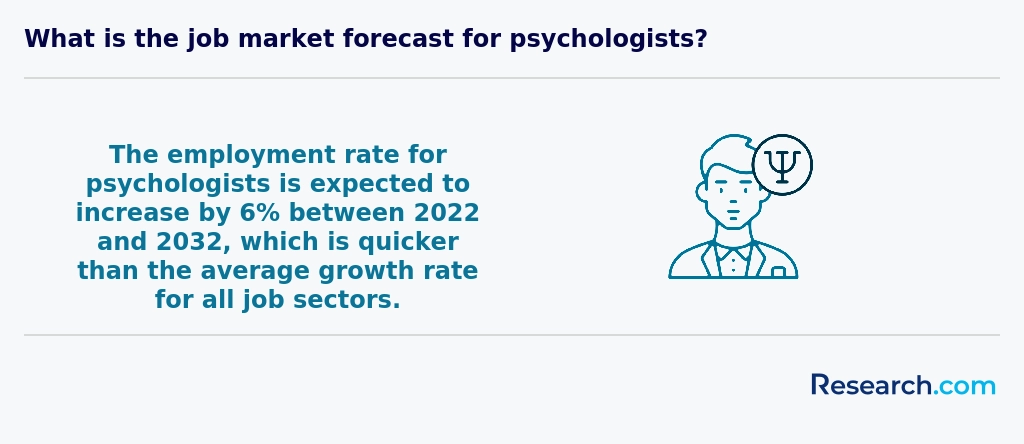
The job market for psychology degree holders in Alabama shows steady growth with approximately 1,870 psychologists employed as of 2023 and projected job growth of 6% through 2032. Graduates from universities and colleges within the state often find opportunities across healthcare, education, and social services, especially in urban centers like Birmingham and Huntsville. Many psychology graduates appreciate the relatively affordable in-state tuition-around $21,000 annually at popular institutions-which reduces financial strain and supports a smoother transition into employment.
Those earning doctoral degrees in clinical or counseling psychology typically pursue licensure, meeting state requirements that include supervised experience and passing the EPPP exam. Master's degree holders frequently secure positions in counseling or psychological assistant roles, creating diverse employment avenues. Psychology degree job prospects Alabama graduates report often highlight rewarding roles within public schools and healthcare facilities. Many find satisfaction working in mental health programs supported by state initiatives.
Salary levels average about $74,000 annually, slightly below the national mean, but the steady demand and strong healthcare presence bolster career stability. Students interested in increasing their options may explore the best accelerated online associates business degree programs to complement their psychology education and enhance job market flexibility.
Frequently Asked Questions About psychology
Psychology students in Alabama can maximize their learning experience by actively engaging in both academic and practical opportunities. Alabama houses several accredited institutions offering psychology degrees, such as the University of Alabama and Auburn University, known for their research facilities. Participating in research projects, internships, and fieldwork helps students apply theoretical knowledge to real-world settings. According to the Alabama Commission on Higher Education, experiential learning improves graduate outcomes across STEM and social sciences fields, including psychology.
Students should also take advantage of local professional organizations like the Alabama Psychological Association for networking and mentorship. Combining classroom study with hands-on experience promotes deeper understanding and better career readiness.
The field of psychology in Alabama is expanding into several promising niches that reflect broader national trends. One emerging area is neuropsychology, where professionals study brain-behavior relationships, helping with conditions like traumatic brain injury. Alabama's growing healthcare sector supports demand for such specialists.
Another rising niche is industrial-organizational (I-O) psychology, focused on improving workplace productivity and employee well-being. As Alabama's economy diversifies, businesses increasingly seek I-O psychologists.
Additionally, forensic psychology is gaining attention, blending psychology with the legal system. The Alabama Department of Mental Health notes rising needs for expertise in this area, especially within criminal justice settings. These niches offer new opportunities for psychology graduates in the state.
Graduates with a psychology degree in Alabama should focus on gaining relevant experience to prepare for the job market. Internships and practicum placements provided by many Alabama universities help develop practical skills valued by employers.
Networking within local professional organizations, such as the Alabama Psychological Association, is crucial. These connections can lead to job opportunities and mentorship. Additionally, obtaining licensure is often necessary for clinical roles; this involves completing supervised hours and passing the Examination for Professional Practice in Psychology (EPPP).
Understanding the strong demand in Alabama for mental health professionals, where a projected 12% job growth is expected through 2030, encourages graduates to consider specialization areas like counseling or school psychology. The U.S. Bureau of Labor Statistics and Alabama Department of Labor provide resources on job outlook and requirements.
Employers in Alabama who hire psychology degree graduates prioritize several key skills. Strong communication skills are essential, as professionals often work directly with clients or conduct research requiring clear reporting. Critical thinking and analytical abilities are highly valued for evaluating data and designing effective interventions.
In Alabama, teamwork and interpersonal skills also rank high, especially in clinical and counseling settings where collaboration is common. According to the Bureau of Labor Statistics, psychology jobs in Alabama are projected to grow by 8% from 2022 to 2032, increasing demand for graduates who demonstrate adaptability and cultural competence.
Practical research skills, including familiarity with statistical software like SPSS, are important as many employers expect graduates to contribute to evidence-based practices. These abilities collectively prepare students to meet the evolving needs of Alabama's mental health and social services sectors.
Finding internships in Alabama relevant to a psychology degree involves several strategic steps. First, students should explore partnerships between their colleges and local healthcare facilities, mental health clinics, or university psychology departments, as many institutions have established internship pipelines.
Organizations like the Alabama Psychological Association offer resources and networking opportunities that can help students identify internship openings. Additionally, Alabama's Department of Mental Health regularly updates internship listings for those interested in applied psychology and social services.
Online platforms such as Handshake and Internship Alabama also provide access to a range of psychology-related internships throughout the state.
Early outreach to faculty advisors and attending psychology conferences within Alabama can enhance internship prospects by connecting students with professionals in the field.
A psychology degree in Alabama can significantly enhance career mobility and advancement opportunities. Many employers in the state value the critical thinking, research, and interpersonal skills developed through psychology studies. According to the U.S. Bureau of Labor Statistics (BLS) and Alabama Department of Labor, those with a bachelor's degree in psychology can pursue roles in human services, education, and business, while graduate degrees often open doors to clinical, counseling, and industrial-organizational psychology positions.
In Alabama, employment for psychologists is projected to grow by 10% through 2030, faster than the average for all occupations. Advanced credentials such as a master's or doctorate usually lead to higher salaries and leadership roles, supporting ongoing professional advancement. Furthermore, licensure requirements in Alabama mandate graduate education and supervised experience, making advanced degrees essential for clinical practice.
Studying for a psychology degree in Alabama offers strong preparation for interdisciplinary roles by emphasizing collaboration across healthcare, education, and social services. Many programs incorporate coursework in research methods, neuroscience, and counseling, which equips students with versatile skills applicable in varied settings.
Alabama's universities also foster partnerships with local hospitals, schools, and community organizations, providing students hands-on experience in diverse professional environments. According to the Alabama Commission on Higher Education, approximately 65% of psychology graduates enter fields requiring integration of knowledge from multiple disciplines.
This approach enhances employability in areas such as behavioral health, criminal justice, and human resources, where understanding human behavior complements other expertise.
When choosing between a thesis and a non-thesis psychology degree program in Alabama, students should consider their career goals and time commitment. Thesis programs usually require original research and are preferred for those aiming for doctoral studies or research careers. Non-thesis options emphasize coursework and practical skills, appealing to students pursuing professional practice or immediate employment. According to the American Psychological Association, thesis tracks generally take longer to complete but may provide a competitive edge for specialized roles.
Alabama universities such as the University of Alabama and Auburn University offer both options. Consideration of faculty expertise and available research facilities can also be crucial in making the decision.
Students in Alabama interested in studying psychology abroad have several pathways available through their home institutions. Many universities in Alabama, such as the University of Alabama and Auburn University, offer study abroad programs or partnerships with foreign universities. These programs often allow students to earn credits toward their psychology degrees while experiencing international research environments.
Additionally, students can participate in exchange programs or summer sessions focusing on psychology, often in European countries or Canada. These opportunities provide exposure to diverse psychological theories and practices, enhancing cultural competence.
According to the Alabama Commission on Higher Education, about 15% of psychology students at Alabama public universities engage in some form of study abroad, reflecting growing interest in global education.
Students pursuing psychology degrees in Alabama can benefit from several part-time job opportunities that complement their academic learning. Positions such as behavioral health technician or psychiatric aide are common in hospitals and mental health facilities across the state. These roles provide hands-on experience with client care while reinforcing psychological theories studied in class. According to the Alabama Department of Labor, the demand for mental health support roles is expected to grow by 15% over the next decade.
Additionally, working as a research assistant at local universities or colleges offers valuable exposure to data collection and analysis in psychological studies.
Community service roles in crisis centers, schools, or nonprofit organizations allow students to develop interpersonal skills essential for future counseling careers.
Psychology students in Alabama have access to several valuable networking opportunities that can enhance their academic and professional growth. Universities such as the University of Alabama and Auburn University offer psychology clubs and honor societies, which regularly host events for students to connect with faculty and peers.
Statewide, the Alabama Psychological Association (APA) provides membership options for students, giving them access to conferences, workshops, and local chapter meetings. These events create chances to meet practicing professionals and researchers.
Additionally, internships are often facilitated through university partnerships with local clinics and hospitals, offering practical experience and connection to potential employers.
Alumni networks offer significant advantages to psychology degree students in Alabama by fostering professional connections. Graduates often share job leads, internship opportunities, and mentorship, which can be crucial in a competitive job market.
Many psychology programs in Alabama, such as those at the University of Alabama and Auburn University, maintain active alumni associations. These networks help students access a broader range of resources beyond the classroom.
According to the Alabama Commission on Higher Education, strong alumni ties often improve employment outcomes for psychology graduates by up to 20% within the first year after graduation.
These connections facilitate collaboration, research opportunities, and career advancement, enhancing overall educational value and professional growth.
Customizing a psychology degree in Alabama begins by selecting the right program type-whether it's a Bachelor's, Master's, or Doctoral degree-that aligns with your career goals. Many Alabama universities offer specialized tracks such as clinical, counseling, or industrial-organizational psychology. According to the Alabama Commission on Higher Education, about 60% of psychology programs in the state allow students to choose electives or concentrations to focus on particular interests.
You can also enrich your education through internships or research projects offered by institutions like the University of Alabama or Auburn University. These experiences provide practical skills and networking opportunities.
Lastly, consider the licensing requirements in Alabama, especially if aiming to become a licensed psychologist, to ensure your program prepares you for necessary exams and supervised practice hours.
Psychology students in Alabama often face several notable challenges during their studies. One common issue is limited access to diverse internship opportunities. While Alabama offers accredited psychology programs, many students struggle to find clinical placements due to the state's fewer urban centers compared to other regions.
Another challenge is the competitive nature of graduate admissions. According to data from the Alabama Commission on Higher Education (ACHE), psychology graduate programs in Alabama have admission rates below 50%, requiring strong academic and research backgrounds.
Additionally, funding can be a barrier. Many students rely on federal aid or scholarships, but psychology programs typically have limited financial support compared to STEM fields, increasing out-of-pocket expenses.
With a psychology degree in Alabama, graduates can pursue several professional certifications to enhance their career opportunities. One of the most recognized certifications is the Licensed Professional Counselor (LPC), which allows individuals to provide mental health counseling after meeting the state's requirements, including supervised experience and passing the National Counselor Examination.
Another key certification is the Board Certified Behavior Analyst (BCBA), popular among those specializing in behavior therapy, especially with children. Obtaining BCBA certification requires completing specific coursework, supervised fieldwork, and passing a national exam.
Additionally, Alabama offers licensure as a Licensed Psychologist, which requires a doctoral degree, supervised hours, and passing state and national exams as regulated by the Alabama Board of Examiners in Psychology. These certifications are essential for practicing professionally in the state and demonstrate expertise recognized by employers and clients.
To write a winning application for a psychology program in Alabama, begin by thoroughly researching each university's specific requirements and focus areas. Emphasize your academic achievements, particularly in psychology and related sciences. According to the Alabama Commission on Higher Education, many competitive programs look for a minimum GPA of 3.0 in undergraduate studies.
Craft a compelling personal statement that clearly explains your motivation, career goals, and why you chose to study psychology in Alabama. Highlight relevant experience such as internships or volunteer work within local mental health organizations.
Strong letters of recommendation from professors familiar with your academic abilities are crucial. Include standardized test scores if required, though many schools have made these optional.
Psychology as a career offers diverse global opportunities, reflecting growing demand for mental health professionals worldwide. In the United States, including Alabama, the field benefits from standardized education and licensure requirements that align with international trends. According to the American Psychological Association, psychology careers are expected to grow 8% from 2021 to 2031, faster than average. Alabama's universities prepare students for such demand, often emphasizing research and clinical practice.
Internationally, psychologists contribute to healthcare, education, and business sectors, with cross-cultural competence becoming increasingly important. Students trained in Alabama may find their skills transferable abroad, especially in English-speaking countries. The integration of technology and telepsychology also expands career options globally, reflecting a modernized approach to mental health care.
Students pursuing psychology degrees in Alabama can gain valuable practical experience through internships and volunteer opportunities. Many universities partner with local hospitals, mental health clinics, and community organizations to offer hands-on training. For example, the Alabama Board of Examiners in Psychology highlights that supervised internships are essential for licensure preparation in the state.
Additionally, participating in research projects alongside faculty members at institutions like the University of Alabama can deepen understanding of psychological concepts. These experiences build professional skills and help students network within the Alabama psychology community.
Field placements in schools or correctional facilities are other common ways to apply classroom knowledge in real-world settings while completing degree requirements.
Choosing the right concentration within a psychology degree in Alabama involves considering your career goals, interests, and local job market demands. Popular specialties include clinical, counseling, industrial-organizational, and forensic psychology. Alabama's Department of Labor reports growth in mental health services, highlighting clinical counseling as a strong option. Examine program curricula to ensure alignment with your interests, as practical experience opportunities vary by concentration. Accreditation, such as from the American Psychological Association (APA), also matters for licensure and employment. Connecting with faculty and current students can provide insight into program strengths and how each concentration prepares graduates for work or further study in Alabama.
Related Psychology Rankings for Nearby States
- 2027 Best Psychology Degree Programs Ranking in Georgia
- 2027 Best Psychology Degree Programs Ranking in Florida
- 2027 Best Psychology Degree Programs Ranking in Louisiana
- 2027 Best Psychology Degree Programs Ranking in Arkansas
- 2027 Best Psychology Degree Programs Ranking in Indiana
- 2027 Best Psychology Degree Programs Ranking in Illinois
- 2027 Best Psychology Degree Programs Ranking in Kansas
- 2027 Best Psychology Degree Programs Ranking in Iowa
- 2027 Best Psychology Degree Programs Ranking in Maryland
- 2027 Best Psychology Degree Programs Ranking in Delaware
Top Trending Psychology Rankings
See What Experts Have To Say About Studying Psychology
Read our interview with Psychology experts

Catherine Caldwell-Harris, Ph.D.
Psychology Expert
Associate Professor of Psychology
Boston University

Robin M. Kowalski. Ph.D.
Psychology Expert
Professor of Psychology
Clemson University

Joann Farrell Quinn, Ph.D., MBA
Psychology Expert
Director at the College of Medicine Department of Medical Education
Morsani College of Medicine

References
- How To Find Psychology Internships https://www.psychology.org/resources/how-to-find-an-internship/
- How to help students cope with mental health challenges https://www.eaie.org/resource/help-students-cope-mental-health-challenges.html
- Alabama Psychology Schools | Psychology Degree Guide https://psychologydegreeguide.org/state/alabama/
- Best Psychology Internships Abroad 2026 & 2027 | Intern Abroad HQ https://www.internhq.com/blog/best-psychology-internships-abroad/
- Society for the Teaching of Psychology https://teachpsych.org/page-1784686/8675326
- Know more about thesis vs non- thesis: what is the difference? https://studyfans.com/en/blogs/816
- 5 Best Places to Study Abroad for Psychology https://www.ciee.org/go-abroad/college-study-abroad/blog/5-best-places-study-abroad-psychology
- Sample letters in psychology https://www.mystudies.com/en-in/human-and-social-sciences/psychology/letter-model/
- Psychology - SWPS University https://english.swps.pl/academics/warsaw/ba-programs/psychology
- Have You Found a Niche? https://www.apaservices.org/practice/business/marketing/building/niche





