2027 Most Popular Nursing Degree Programs Ranking in Winston-Salem

Co-Founder and Chief Data Scientist
Choosing the right nursing degree program in Winston-Salem can shape your future and open doors to a rewarding career. This article introduces the 2027 Most Popular Nursing Degree Programs Ranking in Winston-Salem, created by the Research.com team of data scientists.
Designed to help you make an informed choice, the ranking highlights programs that offer quality education and strong career prospects.
Exploring nursing degrees is a step toward a meaningful profession where you can make a real difference. Let this guide support your journey toward success and fulfillment.
Key benefits of getting nursing degree in Winston-Salem
- Graduates with a nursing degree in Winston-Salem can expect competitive salaries, such as $94,480 annually for Registered Nurses and $128,490 for Operating Room Nurses, which reflects strong earning potential in the field.
- Career paths are diverse, ranging from roles like Clinical Nurse Educator to Emergency Room Nurse, offering graduates flexibility and rewarding opportunities based on their skills and interests.
- Obtaining a nursing degree online offers the benefit of flexible scheduling and accessibility, making it easier for students balancing work or family, as demonstrated by successful online graduates from local universities.
- Key benefits of getting nursing degree in Winston-Salem
- What can I expect from nursing degree in Winston-Salem?
- Where can I work with nursing degree in Winston-Salem?
- How much can I make with nursing degree in Winston-Salem?
- 2027 Most Popular Nursing Degree Programs Ranking in Winston-Salem
- Key Findings
- How long does it take to complete nursing degree in Winston-Salem?
- NCLEX Pass Rates and Licensure Success
- What's the difference between online and on-campus nursing degree?
- Licensure Preparation and NCLEX-RN Pass Rates
- What is the average cost of nursing degree in Winston-Salem?
- Types of Nursing Degrees Available in Winston-Salem, NC
- What financial aid is available to nursing degree students in Winston-Salem?
- NCLEX-RN Pass Rates and Program Outcomes
- What are the prerequisites for enrolling in nursing degree program in Winston-Salem?
- NCLEX-RN Pass Rates and Licensure Success
- What courses are typically in nursing degree programs in Winston-Salem?
- What types of specializations are available in nursing degree programs in Winston-Salem?
- How do you choose the best nursing degree in Winston-Salem?
- What career paths are available for nursing degree students in Winston-Salem?
- What is the job market for nursing degree in Winston-Salem?
- Top Trending Nursing Rankings
- See What Experts Have To Say About Studying Nursing
What can I expect from nursing degree in Winston-Salem?
The average cost of pursuing a nursing degree in Winston-Salem typically reflects the region's high-quality education combined with access to leading medical institutions. For example, students attending Wake Forest University, known for its distinguished School of Medicine, often report tuition and fees that align with private university standards, which can range from $40,000 to $60,000 annually for undergraduate programs. Graduates frequently emphasize that while the investment is significant, the comprehensive training and clinical opportunities-such as hands-on experience at Atrium Health Wake Forest Baptist Medical Center-make the cost worthwhile.
Community college programs offering associate degrees in nursing provide more affordable pathways, with annual costs generally between $5,000 and $10,000. Many students appreciate the smaller financial burden and the ability to enter the workforce sooner. These varied options allow prospective nurses in Winston-Salem to choose programs that suit their financial situation while benefiting from the city's robust healthcare networks.
Graduates often highlight the value of strong clinical placements and NCLEX-RN exam preparation, which contribute to high licensure pass rates and rewarding careers, justifying the investment in their education.
Where can I work with nursing degree in Winston-Salem?
Graduates with a nursing degree from institutions such as Winston-Salem State University or Forsyth Technical Community College find a broad spectrum of employment opportunities in Winston-Salem. Many pursue careers at the Wake Forest Baptist Medical Center, renowned for offering roles in specialties like critical care, oncology, and pediatrics, providing rich clinical experiences that make recent graduates feel valued and empowered.
Others thrive in outpatient settings such as Novant Health Forsyth Medical Center, where they engage in dynamic emergency room environments and rehabilitation centers, witnessing firsthand the impact of rapid clinical decision-making on patient recovery. These experiences foster a strong sense of professional fulfillment among nursing alumni.
Home health care agencies attract graduates looking for deeper patient relationships outside hospital walls, offering personalized care that resonates emotionally with caregivers passionate about community health. Skilled nursing and long-term care facilities also provide stable career paths, with many alumni contributing to the wellbeing of elderly and chronically ill residents in supportive, compassionate roles.
Additionally, public health and school nursing roles allow graduates to champion preventative care and wellness programs, creating a meaningful impact in local neighborhoods. Such varied paths underscore the rewarding and diverse career options open to nursing graduates in Winston-Salem.
How much can I make with nursing degree in Winston-Salem?
Graduates with nursing degrees in Winston-Salem typically enter the workforce with promising salary prospects. According to recent data, registered nurses (RNs) earn a mean annual wage of approximately $94,480 in the region, reflecting competitive compensation for entry-level and experienced professionals alike. Those who completed their nursing studies at well-known local institutions often share a sense of accomplishment when securing roles with such robust pay scales.
For graduates advancing into specialized positions, earnings can rise notably. Operating room nurses, for instance, command an average salary of $128,490 per year, a figure that speaks to the additional expertise and training required. Similarly, clinical nurse educators, public health nurses, and emergency room nurses share the $94,480 mean annual wage, showcasing consistent earning potential across these vital roles.
Many nursing graduates from Winston-Salem's reputable colleges find rewarding employment within hospitals and healthcare facilities where hands-on experience gained during clinical placements directly contributes to higher wages. The financial rewards enhance not only professional pride but also provide exciting opportunities for future growth in the healthcare sector.
2027 Most Popular Nursing Degree Programs Ranking in Winston-Salem
How do we rank schools?
Investing in your education is a significant decision that can shape your future, and the Research.com team understands the importance of making informed choices. To assist prospective students in Winston-Salem, we have meticulously crafted the "2027 Most Popular Nursing Degree Programs Ranking in Winston-Salem." Our commitment to quality, credibility, and accuracy is reflected in the extensive research and analysis conducted to compile this ranking.
We utilized the following reputable data sources to ensure a comprehensive evaluation of nursing programs:
By exploring this ranking, readers will gain valuable insights into the most popular nursing degree programs available in Winston-Salem, helping them make well-informed decisions about their educational paths. For more details on our methodology, please visit our Research.com methodology page.


Key Findings
- Nursing programs in Winston-Salem include certificates, ADN, BSN, Master's, and Doctorate degrees from accredited institutions.
- Tuition for BSN programs ranges from $6,000 to $15,000 per year at public colleges, while private colleges can charge over $20,000 annually.
- ADN programs at community colleges generally cost between $3,000 and $8,000 per year, excluding extra costs like books and licensing fees.
- Starting salaries for new nursing graduates range from $55,000 to $62,000 annually, with BSN holders earning more than ADN graduates.
- Experienced nurses in the area earn a median salary between $70,000 and $85,000, reflecting career growth and specialization.
- The demand for registered nurses and nurse practitioners in Winston-Salem is expected to grow faster than the national average through 2030.
How long does it take to complete nursing degree in Winston-Salem?
Completing a nursing degree in Winston-Salem varies significantly based on the chosen program. For many students, pursuing an Associate Degree in Nursing (ADN) at local community colleges means finishing in about two years, allowing them to enter the workforce swiftly and begin gaining practical experience.
Those aiming for a Bachelor of Science in Nursing (BSN), such as students attending Winston-Salem State University, typically invest four years. Graduates from this program often highlight the value of comprehensive coursework and extensive clinical practice, which help build confidence and competitive skills for the healthcare job market.
Accelerated BSN programs, popular among individuals holding prior bachelor's degrees, condense the experience into 11 to 18 months. These intensive tracks demand dedication but bring the reward of quicker entry into nursing careers.
Registered nurses advancing through RN-to-BSN bridge programs find flexible timelines spanning 12 to 24 months, balancing work and study effectively.
Overall, nursing students appreciate the ability to select paths in Winston-Salem that align with their personal timelines and career ambitions, fostering fulfilling educational journeys.
NCLEX Pass Rates and Licensure Success
Admission to a nursing program is just the first step; licensure success measured by NCLEX-RN pass rates underscores program quality and graduate readiness. In Winston-Salem, State University reported a first-time NCLEX pass rate of 92% in 2023-above the North Carolina average of 89%-while Wake Forest University maintained a 95% pass rate and Forsyth Technical Community College achieved 88%. These figures highlight the effectiveness of hands-on clinical training, dedicated NCLEX prep workshops, and faculty mentorship in preparing students for licensure. When comparing programs, look for institutions that offer structured review courses, simulation labs, and peer-led study groups. For instance, WSSU’s quarterly NCLEX boot camps and Wake Forest’s interactive case-based review sessions have been credited with boosting graduate performance. Assessing these support mechanisms alongside tuition and financial aid options can help you choose a program that maximizes your chances of passing the NCLEX on the first attempt. Cost-conscious learners seeking proven licensure outcomes may also consider high-quality online pathways. Our Inexpensive Online Nursing Degree Programs Ranking in Arizona showcases flexible, budget-friendly programs that maintain strong NCLEX pass rates, ensuring you receive a valuable education without sacrificing your licensure goals.
What's the difference between online and on-campus nursing degree?
Nursing students in Winston-Salem often notice key differences between online and on-campus degree programs, each catering to distinct learning preferences and lifestyles. Online students at institutions like Winston-Salem State University appreciate the flexibility to study around work and family commitments, accessing lectures and materials through digital platforms at their own pace. However, they still complete mandatory clinical rotations in local healthcare facilities, ensuring hands-on experience matches that of on-campus peers.
Conversely, graduates from on-campus programs at colleges such as Salem College value direct interaction with faculty and classmates. This face-to-face environment fosters immediate feedback and collaborative skill-building during lab sessions, which can enhance confidence and practical abilities. Many describe the campus atmosphere-including access to libraries and tutoring centers-as motivating and supportive, enriching their academic journey.
Both pathways maintain rigorous standards under North Carolina's Board of Nursing, reflected in strong NCLEX-RN pass rates. Students weigh factors like scheduling flexibility versus in-person engagement when choosing the best fit for their nursing education in Winston-Salem.
Licensure Preparation and NCLEX-RN Pass Rates
Nursing programs in Winston-Salem emphasize NCLEX-RN readiness through structured review and hands-on simulations, resulting in competitive pass rates:
- Winston-Salem State University: 92% average pass rate over the past three years, supported by weekly faculty-led question review sessions
- Wake Forest University: 95% pass rate, bolstered by a dedicated four-week NCLEX boot camp and high-fidelity simulation labs
- Forsyth Technical Community College: 90% pass rate, with peer-guided study groups and online practice exams
Key strategies to boost your NCLEX success:
- Schedule regular practice tests to identify knowledge gaps
- Attend simulation-based workshops for real-world clinical scenarios
- Join peer study groups for collaborative learning and accountability
For those aiming to extend their scope of practice, explore advanced preparation options in best nurse practitioner programs in california.
What is the average cost of nursing degree in Winston-Salem?
The average cost of a nursing degree in Winston-Salem varies significantly depending on the type of program and institution. For many students pursuing an associate degree in nursing (ADN) at community colleges such as Forsyth Technical Community College, tuition and fees are typically affordable, averaging around $6,126 for in-state students. This lower cost makes obtaining an ADN accessible and appealing for those eager to enter the nursing workforce quickly. Graduates from these programs often express satisfaction with their balanced investment, highlighting how the lower tuition enabled them to focus on clinical practice without overwhelming debt.
However, students aiming for a bachelor of science in nursing (BSN) at private universities like Wake Forest University should prepare for higher tuition expenses. The total median cost for such comprehensive programs reaches about $29,272, reflecting higher educational standards and advanced resources available. While this represents a substantial financial commitment, many nursing degree students report a strong sense of accomplishment and optimism, recognizing the potential for better career opportunities and higher earning potential post-graduation. Navigating the nursing degree tuition and fees Winston-Salem landscape requires careful financial planning, yet students often find it rewarding when their investment translates into a meaningful career.
Additional academic expenses, including textbooks, clinical supplies, and certification exam fees, add to the overall cost. Many students benefit from robust financial aid packages and scholarships, which significantly alleviate the economic burden. For those considering advanced education, exploring options like online doctorate programs no dissertation can provide alternative pathways with different cost structures. Evaluating all these factors ensures that prospective students can responsibly approach the average cost of nursing degree in Winston-Salem with confidence and clarity.
Types of Nursing Degrees Available in Winston-Salem, NC
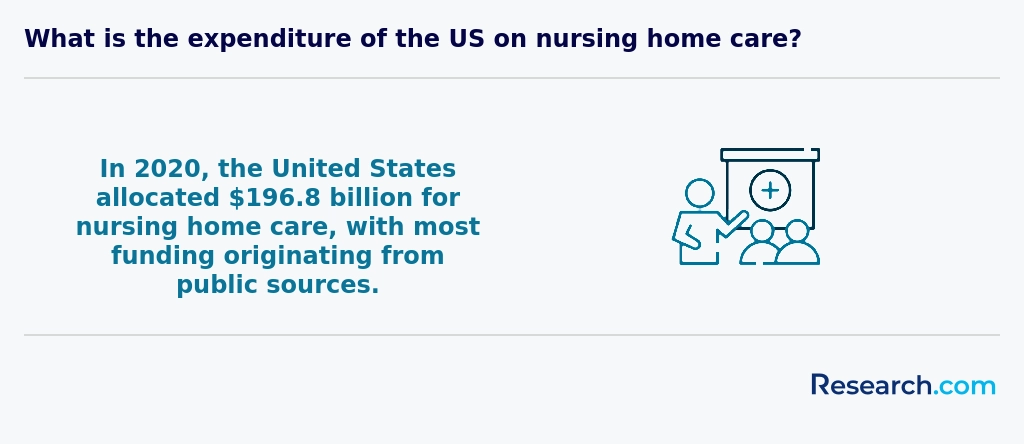
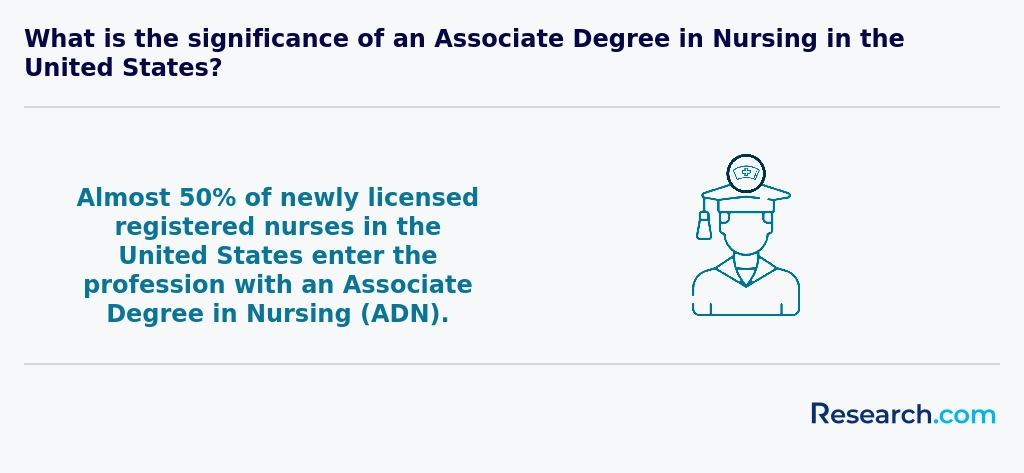
Nursing students in Winston-Salem, NC, can explore various nursing degree options, each tailored to meet different career goals and academic backgrounds. For those interested in beginning their nursing journey, an Associate Degree in Nursing (ADN) or a Bachelor of Science in Nursing (BSN) can be an excellent starting point. For more information on the top nursing programs, including popular nursing colleges, it's essential to research and compare the curricula, clinical opportunities, and graduate outcomes. Advanced degrees, such as a Master of Science in Nursing (MSN) or a Doctor of Nursing Practice (DNP), are also available for nurses looking to specialize or move into leadership roles. These degrees can significantly enhance career prospects and salary potential, offering a wide range of specializations from pediatric nursing to nursing informatics. Understanding the types of nursing degrees available is crucial for making an informed decision about one's nursing education and future career pathway.
What financial aid is available to nursing degree students in Winston-Salem?
Nursing students in Winston-Salem benefit from multiple financial aid options tailored to ease the burden of tuition and related expenses. Those enrolled at institutions like Wake Forest University School of Medicine often leverage federal aid by completing the FAFSA to access Pell Grants, which can provide up to $7,395 annually without repayment obligations. Federal loans and work-study opportunities further supplement these funds, enabling students to maintain financial stability while focusing on rigorous studies.
State-specific support, such as the North Carolina Nursing Scholarship Program, offers awards to students who commit to serving underserved communities within the state after graduation. Local healthcare providers including Wake Forest Baptist Health frequently collaborate with students by providing scholarships or forgiving loans in exchange for employment, directly addressing regional nursing shortages.
Graduates recall that private scholarships from organizations like the North Carolina Nurses Association significantly eased financial pressures, motivating them to apply broadly. Additionally, many working nurses appreciate employer tuition reimbursement programs, which allow them to pursue advanced degrees such as BSN or MSN while receiving financial support, fostering career growth and confidence.
NCLEX-RN Pass Rates and Program Outcomes
Understanding program outcomes is critical when choosing a nursing degree in Winston-Salem, NC, and NCLEX-RN pass rates offer a clear measure of graduate preparedness. Schools with high first-time pass rates demonstrate effective curricula, qualified faculty, and robust student support services. For example, Winston-Salem State University reported a 2023 first-time NCLEX-RN pass rate of 92%, while Wake Forest University achieved an impressive 95%. Forsyth Technical Community College closely follows with a 90% pass rate, reflecting its strong hands-on training and dedicated simulation labs. Beyond standardized testing, program outcomes also encompass job placement and employer satisfaction. Recent surveys indicate that over 85% of BSN graduates in Winston-Salem secure full-time nursing positions within six months of graduation, particularly in high-demand specialties such as critical care and pediatrics. Many alumni credit mentorship programs and clinical partnerships with local healthcare facilities for smooth transitions into practice. While evaluating outcomes, it’s also wise to compare tuition and value. Prospective students balancing budget constraints and quality can research affordable nursing schools that maintain strong NCLEX-RN results. By aligning pass rates, job placement data, and cost considerations, you’ll identify nursing programs in Winston-Salem that deliver both academic excellence and career success.
What are the prerequisites for enrolling in nursing degree program in Winston-Salem?
To enroll in a nursing degree program in Winston-Salem, applicants must first hold a high school diploma or equivalent, with coursework in biology, chemistry, and mathematics. Graduates from Wake Forest University and Forsyth Technical Community College often recall how these foundational subjects set the stage for their in-depth nursing studies.
Standardized test scores, like the SAT or ACT, are frequently required for Bachelor of Science in Nursing (BSN) applicants, while Associate Degree in Nursing (ADN) candidates might focus more on GPA and prerequisite course completion.
Core prerequisite courses such as Anatomy and Physiology, Microbiology, General Chemistry, English Composition, and Psychology are essential. Many nursing students remember how mastering these courses built their confidence for the demanding clinical phases.
English proficiency is vital for clear communication in healthcare. Non-native speakers in Winston-Salem often submit TOEFL or IELTS scores to meet this requirement.
Competitive admission can hinge on a minimum GPA, typically between 2.75 and 3.0. Practical experience, such as CPR certification or healthcare volunteering, is highly valued and often boosts acceptance chances, reflecting the dedication seen among successful nursing students in the region.
NCLEX-RN Pass Rates and Licensure Success
One of the most telling indicators of a nursing program’s quality is its NCLEX-RN first-time pass rate. In Winston-Salem, top institutions consistently exceed the North Carolina state average first-time pass rate of 85%. For example, Winston-Salem State University reported a 92% first-time NCLEX-RN pass rate in 2023, while Wake Forest University graduates achieved a stellar 95%. High pass rates reflect rigorous academic preparation, effective clinical training, and strong student support services. Key factors influencing licensure success include: • Comprehensive Review Courses: Many local programs incorporate dedicated NCLEX prep workshops, practice question banks, and simulated exams into their curricula. • Targeted Remediation: Students who score below benchmark thresholds on practice tests receive personalized study plans and faculty-led tutoring sessions. • Accelerated Pathways: For registered nurses holding an ADN, bridge options-such as 6-month rn to bsn online degree programs-offer focused content and intensive licensure preparation, often resulting in pass rates that rival traditional BSN tracks. • Clinical Experience Alignment: Close partnerships with Wake Forest Baptist Medical Center and Novant Health facilities ensure that students encounter NCLEX-style scenarios during hands-on rotations, reinforcing critical thinking under real-world conditions. Comparing program outcomes can guide your decision: • Programs reporting ≥90% first-time pass rates demonstrate a proven track record of equipping students for licensure. • Schools that publicly disclose annual NCLEX data and remedial support resources showcase transparency and commitment to continuous improvement. By prioritizing programs with strong NCLEX-RN outcomes, prospective students in Winston-Salem can maximize their confidence and marketability as they enter the nursing profession.
What courses are typically in nursing degree programs in Winston-Salem?
Nursing degree programs in Winston-Salem include a comprehensive mix of foundational sciences and specialized nursing courses. Students at institutions like Wake Forest University and Forsyth Technical Community College engage deeply with subjects such as anatomy, physiology, microbiology, and chemistry, which are crucial for understanding human health and disease mechanisms. Graduates often describe how learning these sciences made complex clinical situations more approachable during their rotations.
Alongside these, core nursing courses cover fundamentals, pharmacology, and adult health nursing, providing students with the knowledge to manage patient care effectively. Many students appreciate how courses on maternal and child health nursing, mental health nursing, and gerontological nursing prepare them to serve diverse populations with confidence.
Further coursework in community and public health, pathophysiology, and health assessment sharpens critical thinking and practical skills that graduates find invaluable during hands-on clinical experiences at local hospitals or long-term care facilities. These real-world applications create rewarding moments, leaving students feeling ready and motivated to make meaningful impacts in healthcare.
What types of specializations are available in nursing degree programs in Winston-Salem?
Nursing degree specializations in Winston-Salem offer diverse pathways tailored to meet both patient care demands and individual career goals. Students at well-known institutions, such as Wake Forest University, benefit from programs including Registered Nurse (RN) to Bachelor of Science in Nursing (BSN), which equips graduates with leadership skills for clinical environments. Those choosing Winston-Salem nursing program specialization options frequently focus on high-demand fields like Family Nurse Practitioner (FNP), geared toward primary care for all ages, and Adult-Gerontology, addressing the healthcare needs of the region's aging population.
Other critical specializations available include Psychiatric-Mental Health Nursing, responding to rising mental health care requirements, Neonatal Nursing for newborn care, and Nursing Education, which prepares nurses to mentor future healthcare professionals. Graduates often share positive experiences, emphasizing how clinical placements with local hospitals enrich their practical understanding. Many appreciate the robust options that align directly with community health priorities and open doors to advancement opportunities for medical assistants and nurses alike through strong academic support networks.
How do you choose the best nursing degree in Winston-Salem?
Choosing the best nursing degree in Winston-Salem involves evaluating accredited programs from institutions like Winston-Salem State University and Wake Forest University, which are known for their rigorous curriculum and strong faculty support. Graduates often highlight the value of clinical rotations offered through local hospitals, providing essential hands-on experience that builds confidence and professionalism. Considering program flexibility, especially the availability of online options, allows students to balance work and study effectively.
Cost is a significant factor when selecting among affordable nursing schools near Winston-Salem. In-state tuition at public universities generally ranges from $7,000 to $10,000 annually, but private schools may charge more. Exploring options for financial aid for nurse practitioners can ease the financial burden for many students.
Prospective students should also assess NCLEX-RN pass rates and job placement success to ensure strong outcomes. Many programs in Winston-Salem consistently surpass the national average pass rate, reflecting effective preparation for nursing licensure and career advancement.

What career paths are available for nursing degree students in Winston-Salem?
Nursing graduates in Winston-Salem find diverse nursing career opportunities, from bedside Registered Nurses (RNs) employed by prominent healthcare providers like Wake Forest Baptist Medical Center to advanced roles as Nurse Practitioners (NPs). Many graduates from local colleges appreciate how their education prepared them for real-world clinical demands, fostering confidence and competence in acute and chronic care settings.
Specialty fields are also widely pursued, with alumni thriving as Clinical Nurse Specialists, Nurse Anesthetists, Public Health Nurses, and School Nurses-each offering distinct professional fulfillment. The best nursing jobs in Winston-Salem NC often combine clinical expertise with growing leadership opportunities in healthcare administration, allowing skilled nurses to influence patient care strategies and team coordination.
Educational institutions in Winston-Salem also support those aiming to become nursing instructors or clinical educators, addressing the ongoing nursing faculty shortage. Many graduates explore continuing education opportunities to advance their qualifications and impact the next generation of nurses in this vibrant healthcare community.

What is the job market for nursing degree in Winston-Salem?
The nursing job opportunities in Winston-Salem are promising for graduates from local institutions known for their strong nursing programs. Hospitals such as Wake Forest Baptist Medical Center actively recruit nursing graduates, creating a steady stream of employment for those completing their degrees nearby. Graduates often share that their clinical experiences at these renowned hospitals prepared them well for the workforce, helping them transition smoothly into roles that offer both challenge and professional growth.
Winston-Salem nursing degree employment outlook is reinforced by steady industry growth and competitive salaries, with median annual wages around $65,000. This is encouraging for students considering nursing education locally, as many find that the investment in public university programs-whose costs are relatively affordable-translates into tangible job security and advancement opportunities. Those interested in exploring reputable options can refer to popular nursing colleges in North Carolina to start their educational journeys.
Frequently Asked Questions About nursing
Nursing degree students in Winston-Salem can maximize their learning experience by actively engaging in clinical rotations at local healthcare facilities. These hands-on experiences, often coordinated through universities such as Wake Forest University, are crucial for applying theoretical knowledge. According to the North Carolina Board of Nursing, clinical hours contribute significantly to licensure readiness. Students should also take advantage of simulation labs available at many institutions, which provide safe environments to practice critical skills.
Joining local nursing associations and attending workshops can expand professional networks and expose students to real-world challenges. Additionally, balancing coursework with volunteer opportunities in Winston-Salem's diverse healthcare settings enhances cultural competence, an essential skill for nurses.
The nursing field is rapidly evolving, with new specialties emerging to meet healthcare demands. In Winston-Salem, nurses are increasingly pursuing careers in gerontological nursing, given the region's growing elderly population. The North Carolina Department of Health notes a 15% rise in demand for nurses specializing in elder care over the past five years.
Another emerging niche is telehealth nursing, fueled by technological advancements and the ongoing need for remote patient monitoring. This specialization offers flexibility and expands access to care across the state.
Additionally, psychiatric and mental health nursing is gaining prominence due to heightened awareness of mental wellness nationwide, creating more opportunities for nurses trained in behavioral health.
After completing a nursing degree in Winston-Salem, preparing for the job market involves several strategic steps. Graduates should first obtain licensure by passing the NCLEX-RN exam, which is mandatory for registered nurses in North Carolina. Networking through local healthcare facilities like Atrium Health Wake Forest Baptist can provide valuable connections and job leads.
It is also vital to develop practical skills via internships or clinical rotations, as 70% of local employers prefer experienced candidates (NC Workforce Report, 2023). Attending career fairs, joining nursing associations, and updating resumes to highlight relevant certifications improve employment prospects.
Continuing education, including specialized certifications, can boost competitiveness in Winston-Salem's growing healthcare sector, which expects a 12% increase in nursing jobs through 2030 (Bureau of Labor Statistics).
Employers in Winston-Salem highly value nursing graduates who demonstrate strong clinical skills, critical thinking, and effective communication. According to the North Carolina Board of Nursing, practical patient care experience combined with the ability to quickly assess medical situations ranks among the top competencies.
Additionally, teamwork and adaptability are crucial due to the diverse healthcare settings in the region, including Wake Forest Baptist Health and Novant Health. A 2023 survey by the NC Healthcare Workforce Initiative highlighted that 85% of local employers prioritize nurses with proficiency in electronic health records (EHR) systems, reflecting the increasing digitization of healthcare.
Leadership skills and cultural competence are also essential for effective patient advocacy in the growing Winston-Salem community.
Finding internships in Winston-Salem for nursing students involves leveraging local healthcare resources and academic connections. Wake Forest Baptist Health, a major provider in the area, often offers clinical internship opportunities to nursing students, which can be accessed through partnerships with local universities.
Many nursing programs in Winston-Salem, including those at Winston-Salem State University and Forsyth Technical Community College, maintain agreements with hospitals and clinics, helping students secure internships. These programs typically require students to engage in hands-on clinical experiences as part of their degree requirements.
Additionally, students can consult the North Carolina Board of Nursing website for updates on approved clinical sites and licensing requirements related to internships. Networking through local nursing associations such as the Forsyth County Nurses Association may also reveal valuable internship openings.
Obtaining a nursing degree in Winston-Salem significantly enhances career mobility and advancement opportunities within the local healthcare sector. According to the North Carolina Department of Health and Human Services, the demand for registered nurses in the Winston-Salem area has increased by over 10% in recent years, driven by an aging population and expanded healthcare services.
Nurses with degrees often qualify for higher-paying roles and specialized positions, such as nurse practitioner or clinical nurse specialist, which can offer salaries 20% to 40% above entry-level RN positions. Local employers like Wake Forest Baptist Medical Center prioritize hiring nurses with formal education.
Additionally, advanced degrees support eligibility for leadership and administrative roles within Winston-Salem's healthcare institutions, improving long-term career growth prospects.
Studying for a nursing degree in Winston-Salem offers strong preparation for interdisciplinary roles, reflecting the city's healthcare ecosystem. Nursing programs in the area emphasize collaboration with professionals from medicine, social work, and public health. This team-based approach aligns with healthcare trends favoring integrated care models. Local institutions like Wake Forest School of Medicine provide experiential learning through clinical partnerships with regional hospitals, exposing students to diverse healthcare teams.
According to the North Carolina Board of Nursing, graduates from Winston-Salem nursing programs demonstrate a high readiness for roles requiring coordination across disciplines, a growing demand in the Triangle and Piedmont Triad areas. Curricula frequently include courses on communication, ethics, and leadership to equip students for complex care environments.
Deciding between a thesis and a non-thesis nursing degree program in Winston-Salem depends largely on your career goals and learning preferences. A thesis track usually requires conducting original research and writing a formal paper, which is ideal for students aiming for academic or research roles. Non-thesis programs often focus more on practical skills through coursework and clinical training, suitable for those planning to enter nursing practice directly.
Winston-Salem is home to well-established nursing schools like Wake Forest University, which offers both options. According to the National Council of State Boards of Nursing, about 60% of nursing graduates in this region pursue direct practice roles, making non-thesis degrees popular locally.
Costs and time commitment also differ. Thesis programs often take longer and may need additional guidance from faculty, while non-thesis tracks can be completed faster, fitting working professionals' schedules better.
Students based in Winston-Salem interested in studying nursing abroad have several options through exchange programs and partnerships offered by local institutions. Wake Forest University, a major education provider in Winston-Salem, participates in study abroad initiatives that include healthcare and nursing-related opportunities in countries like Ireland and Spain.
Such programs typically combine clinical observation with cultural immersion, lasting from a few weeks to a full semester. The U.S. Bureau of Labor Statistics projects a 9% growth in nursing employment nationally by 2032, reinforcing the value of gaining international experience.
Prospective students should also explore scholarships and grants focused on global nursing education, available through both universities and national organizations.
Students pursuing nursing degrees in Winston-Salem have several part-time job options that complement their education and build relevant experience. Common roles include certified nursing assistant (CNA) positions in local hospitals, such as Wake Forest Baptist Medical Center, which employs many nursing students. These positions provide hands-on patient care experience and exposure to clinical environments.
Other opportunities include medical scribe jobs, which enhance understanding of medical terminology and documentation skills. Additionally, working as a phlebotomy technician or in home health aide roles can improve direct patient interaction skills.
According to the North Carolina Board of Nursing, such roles can strengthen a student's application for advanced nursing programs and licensure.
Nursing students in Winston-Salem benefit from strong networking opportunities through local universities and healthcare institutions. Wake Forest University, known for its nursing programs, frequently hosts events and seminars connecting students with faculty and healthcare professionals. Additionally, the city's prominent hospitals, such as Atrium Health Wake Forest Baptist, offer clinical internships and professional mentorships.
The North Carolina Nurses Association (NCNA) has active chapters near Winston-Salem, providing students with access to statewide conferences and workshops. These events help students meet experienced nurses and potential employers. Networking through such channels improves job prospects and encourages professional growth within the local healthcare community.
Alumni networks provide significant advantages for nursing degree students in Winston-Salem by connecting them with experienced professionals in the healthcare community. These networks often facilitate mentorship opportunities, helping students gain insights into local clinical practices and employment trends.
Winston-Salem's healthcare sector, including renowned institutions like Wake Forest Baptist Medical Center, benefits from strong alumni ties, which can increase job placement rates for graduates. According to the North Carolina Board of Nursing, graduates from local programs with active alumni engagement report higher job confidence and smoother transitions into nursing roles.
Networking events and alumni-led workshops also offer practical knowledge that complements academic learning, enhancing students' professional development and career prospects.
Customizing a nursing degree program in Winston-Salem allows students to align their education with specific career goals. Many local institutions offer flexible tracks such as pediatrics, geriatrics, or emergency care. Students often choose clinical placements within nearby healthcare facilities like Wake Forest Baptist Medical Center, gaining hands-on experience tailored to their interests. Additionally, programs may provide electives in healthcare leadership, informatics, or community health to broaden skill sets.
Part-time and accelerated options can help fit study into existing work schedules. According to the North Carolina Board of Nursing, tailored programs improve licensure pass rates and employment outcomes.
Nursing students in Winston-Salem commonly face challenges related to both academic rigor and clinical experience. The demanding coursework, which includes subjects like anatomy, pharmacology, and patient care, often requires extensive study hours beyond regular class time. Additionally, balancing clinical rotations can be difficult, with students expected to apply theoretical knowledge in real healthcare settings under supervision.
Financial concerns also affect many students. According to the North Carolina Board of Nursing, the cost of nursing programs, including supplies and licensing fees, can strain budgets, particularly for those attending urban Winston-Salem campuses. Lastly, students often report stress due to high expectations and the emotional impact of patient care, which can affect mental health and academic performance.
With a nursing degree in Winston-Salem, graduates can pursue several professional certifications to advance their careers. Common options include becoming a Certified Registered Nurse Anesthetist (CRNA), a Nurse Practitioner (NP), or a Clinical Nurse Specialist (CNS). These certifications typically require passing national exams administered by organizations such as the American Nurses Credentialing Center (ANCC) or the American Association of Nurse Practitioners (AANP).
The North Carolina Board of Nursing supports certification pathways relevant to the local healthcare market, which is expanding due to Winston-Salem's growing medical industry. According to the North Carolina Department of Commerce, registered nurse employment in the region is projected to grow by 12% through 2030, increasing demand for certified professionals.
Other certifications include the Certified Nurse Midwife (CNM) and specialty certifications in areas like pediatrics, oncology, or gerontology. These credentials enhance nurse expertise and often lead to improved salary and job opportunities in Winston-Salem's hospital and outpatient settings.
When applying to nursing programs in Winston-Salem, a strong application highlights both academic ability and commitment to healthcare. Most local schools, such as Forsyth Technical Community College and Winston-Salem State University, require a minimum GPA of 2.5 to 3.0, depending on the program.
Include detailed information about your healthcare experience, volunteer work, or certifications like CNA, which improve your competitiveness. Schools often value well-crafted personal statements explaining your passion for nursing and career goals.
Letters of recommendation are important; seek those from healthcare professionals or academic mentors familiar with your abilities. Lastly, prepare thoroughly for any required entrance exams like the TEAS, as performance can significantly affect admission chances. According to the North Carolina Board of Nursing, these combined elements are key factors for acceptance in the region.
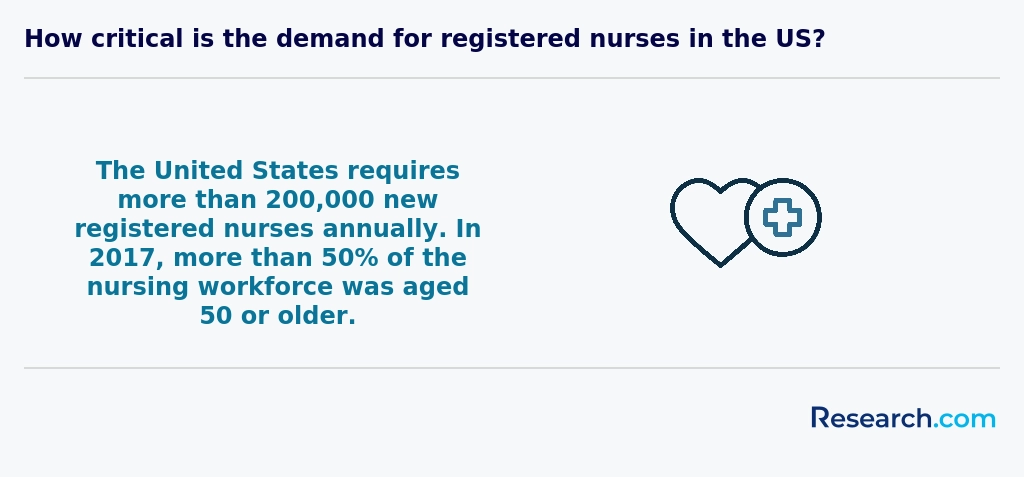
The nursing profession holds a vital role worldwide, recognized for its significant impact on public health. In the United States, including Wake Forest Baptist Health in Winston-Salem, nurses are highly valued for their expertise and patient care skills. According to the Bureau of Labor Statistics, the demand for registered nurses in the US is expected to grow 6% from 2021 to 2031, reflecting global healthcare needs.
Globally, nursing standards and education vary, but the US system emphasizes advanced training, certification, and specialization opportunities. Earning a nursing degree in Winston-Salem provides access to accredited programs aligned with these standards, facilitating diverse career paths locally and internationally.
Internationally educated nurses often seek US degrees to enhance portability and meet rigorous licensing requirements. This trend underscores the global respect for American nursing education, highlighting its influence in shaping competent healthcare professionals worldwide.
Students pursuing nursing degrees in Winston-Salem can gain practical experience through clinical rotations integrated into most accredited nursing programs. These opportunities allow hands-on work in hospitals and healthcare facilities such as Wake Forest Baptist Medical Center, a leading provider in the region. Clinical hours are mandatory, often totaling several hundred during the course of study, and they provide exposure to diverse patient care scenarios.
Additionally, students may participate in internships and volunteer programs offered by local clinics and community health organizations. These experiences help build essential skills in real-world settings.
According to the North Carolina Board of Nursing, gaining clinical experience locally enhances licensure preparation and improves employment prospects in Winston-Salem's healthcare market.
Choosing the right concentration within a nursing degree program in Winston-Salem depends on your career goals and local healthcare demands. Research from the North Carolina Board of Nursing shows a growing need for specialties like gerontology and community health in this region, due to its aging population. Consider concentrations that align with job availability in Winston-Salem hospitals and clinics.
Check program curricula at local institutions such as Wake Forest University and Forsyth Technical Community College to compare specialization options. Some programs offer unique tracks in psychiatric or pediatric nursing, which might fit your interests.
Evaluate clinical placement opportunities nearby, as hands-on experience is vital for licensure and employment.
Related Nursing Rankings for Nearby Cities
- 2027 Most Popular Nursing Degree Programs Ranking in Charlotte
- 2027 Most Popular Nursing Degree Programs Ranking in Columbia
- 2027 Most Popular Nursing Degree Programs Ranking in Washington
- 2027 Most Popular Nursing Degree Programs Ranking in Atlanta
- 2027 Most Popular Nursing Degree Programs Ranking in Macon
- 2027 Most Popular Nursing Degree Programs Ranking in Baltimore
- 2027 Most Popular Nursing Degree Programs Ranking in Pittsburgh
- 2027 Most Popular Nursing Degree Programs Ranking in Columbus
- 2027 Most Popular Nursing Degree Programs Ranking in Cincinnati
- 2027 Most Popular Nursing Degree Programs Ranking in Louisville
Top Trending Nursing Rankings
See What Experts Have To Say About Studying Nursing
Read our interview with Nursing experts

Lisa Grubb
Nursing Expert
Assistant Professor
Johns Hopkins School of Nursing

References
- Getting RN Experience After Graduation | All Nursing Schools https://www.allnursingschools.com/articles/getting-rn-experience/
- Career Advancement Pathways for Nurses : Expert RN shares 10+ Professional growth opportunities - MuminMed https://blog.muminmed.com/career-advancement-pathways-for-nurses/
- Nursing - Forsyth Tech Community College https://www.forsythtech.edu/programs/associate-degree-nursing/
- Nursing Internship and Externship Programs https://jobs.mayoclinic.org/nursinginternexternprograms
- How to Write https://esign.com/letter-of-intent/school/nursing/
- Nursing Specializations: Finding Your Niche in Healthcare https://clinicalgate.com/2024/08/14/nursing-specializations-finding-your-niche-in-healthcare/
- 146 Registered Nurse Jobs in Winston Salem, North Carolina https://www.ayahealthcare.com/healthcare-jobs/nursing/registered-nurse/state/north-carolina/city/winston-salem/
- Top Skills Employers Want in Practical Nursing Graduates https://vervecollege.edu/what-employers-look-for-in-practical-nursing-graduates/
- 10 Nursing Fields That Are Growing in Demand https://promedcert.com/blog/10-nursing-fields-that-are-growing-in-demand
- Nursing Dreams Blossom in Winston-Salem's Care https://www.nurserecruiter.com/northcarolina/winston-salem