2027 Most Affordable MBA Degree Programs Ranking in Saint Paul

Co-Founder and Chief Data Scientist
Considering an MBA degree in Saint Paul can open doors to exciting career opportunities and personal growth. To help you make a smart decision, this article presents the 2027 Most Affordable MBA Degree Programs Ranking in Saint Paul, created by the Research.com team of data scientists.
By exploring this ranking, you'll discover affordable, high-quality options tailored to your goals. Whether you want to advance in your current field or switch careers, earning an MBA offers valuable skills and confidence for the future.
Take this step toward a brighter professional journey with reliable, carefully analyzed insights.
Key benefits of getting MBA degree in Saint Paul
- MBA graduates in the US can expect competitive salaries, often ranging from $75,000 to over $120,000 annually, depending on their role and industry.
- Graduates from popular Saint Paul schools often pursue careers in management, consulting, finance, and entrepreneurship, offering diverse and rewarding opportunities.
- Online MBA programs from Saint Paul universities provide flexibility and convenience, allowing students to balance work and study while gaining the same quality education as traditional programs.
- Key benefits of getting MBA degree in Saint Paul
- What can I expect from MBA degree in Saint Paul?
- Where can I work with MBA degree in Saint Paul?
- How much can I make with MBA degree in Saint Paul?
- 2027 Most Affordable MBA Degree Programs Ranking in Saint Paul
- Key Findings
- How long does it take to complete MBA degree in Saint Paul?
- Admission Process and Application Tips
- What's the difference between online and on-campus MBA degree?
- What is the average cost of MBA degree in Saint Paul?
- What financial aid is available to MBA degree students in Saint Paul?
- What are the prerequisites for enrolling in MBA degree program in Saint Paul?
- Optimizing Your MBA Experience in Saint Paul, MN
- What courses are typically in MBA degree programs in Saint Paul?
- What types of specializations are available in MBA degree programs in Saint Paul?
- How do you choose the best MBA degree in Saint Paul?
- What career paths are available for MBA degree students in Saint Paul?
- What is the job market for MBA degree in Saint Paul?
- Top Trending MBA Rankings
What can I expect from MBA degree in Saint Paul?
Imagine stepping into the vibrant hallways of the University of St. Thomas or Hamline University, knowing your investment in an MBA won't eclipse your dreams. The average tuition for an MBA in Saint Paul floats between $20,000 and $35,000 for the entire journey-a number that echoes pleasure rather than panic. Graduates often recall how manageable costs let them focus on late-night case studies instead of financial stress. One shared how paying roughly $1,200 per credit hour at a private institution felt like buying a ticket to transformation, not just another bill.
In Saint Paul, the cost meets quality in a sweet spot, making it possible to juggle part-time jobs, family, and education without spiraling debt. This affordability fuels ambition among working professionals chasing evening classes and weekend workshops, turning real-life balance into real-world business acumen. Here, tuition invoices don't just mark expenses-they mark opportunities fueling the next chapter of your career.
Where can I work with MBA degree in Saint Paul?
Graduates from Saint Paul's top MBA programs quickly find themselves steering through a kaleidoscope of career paths, from commanding boardrooms at Ecolab to innovating alongside startups nurtured in local incubators. Picture an MBA graduate from the University of St. Thomas, confidently leading a project management team at Securian Financial, where strategic thinking meets real-world impact. These roles pulse with energy as finance, healthcare, and manufacturing sectors hum with opportunity.
Imagine another graduate diving into healthcare administration at HealthPartners, shaping policies that uplift patient care while honing financial acumen. The city's evolving landscape feels like a playground for business-savvy minds, where entrepreneurial spirits thrive, launching new ventures or consulting for emerging startups supported by Saint Paul's rich ecosystem.
Public sector roles beckon too-graduates find themselves transforming city administration or nonprofit operations, fueling community growth with sharpened management skills. The blend of established industries with innovative hubs creates a vibrant mosaic of possibilities, making Saint Paul an electrifying stage for MBA career journeys filled with promise and purpose.
How much can I make with MBA degree in Saint Paul?
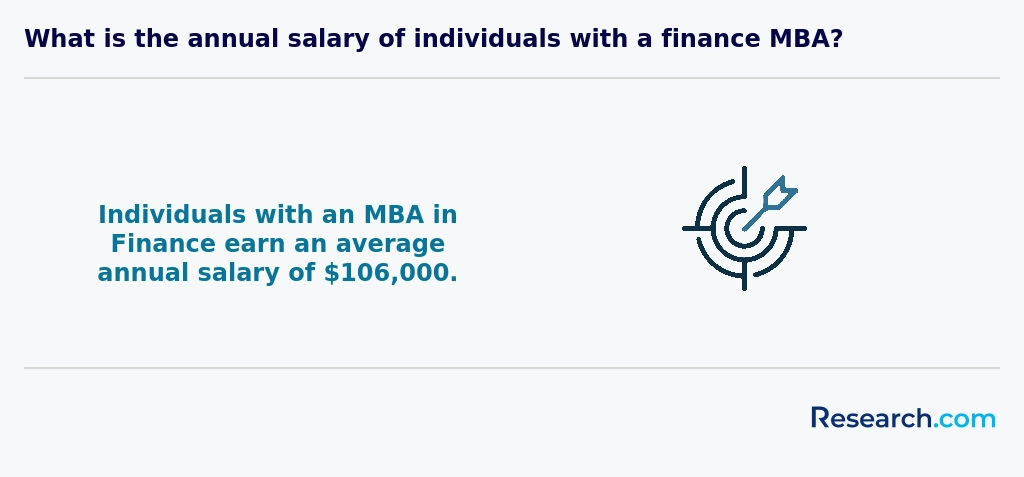
MBA graduates from Saint Paul's universities often step into the job market with starting salaries dancing between $70,000 and $90,000, a tangible reward for nights of case studies and networking. Imagine a recent graduate from the University of St. Thomas, navigating roles in finance or consulting, where six figures don't feel like a distant dream but a near-future reality. The city's vibrant business hubs, especially in sectors like healthcare management and finance, sweeten the pot with bonuses and benefits that bump overall compensation higher.
Journey a bit further into your career, and Payscale data whispers promising news: mid-career MBAs in Saint Paul report salaries climbing to $110,000-$130,000. Picture yourself leading projects, making strategic decisions, and owning your role in a corporate titan headquartered just a light rail ride away. The blend of Saint Paul's booming economy and practical MBA skills creates a fertile ground for both earnings and growth.
While the US Bureau of Labor Statistics doesn't offer exact Saint Paul figures, the nationwide median starting salary of $95,000 for MBAs frames the local reality in a competitive light, especially amidst Twin Cities' unique market nuances.
2027 Most Affordable MBA Degree Programs Ranking in Saint Paul
How do we rank schools?
Investing in your education is a significant decision that can shape your future, and the Research.com team understands the importance of making informed choices. To assist prospective students in Saint Paul, we have meticulously crafted the "2027 Most Affordable MBA Degree Programs Ranking in Saint Paul." Our commitment to quality, credibility, and accuracy is reflected in the extensive research and analysis conducted to compile this ranking.
We utilized the following reputable data sources to ensure a comprehensive evaluation of MBA programs:
By exploring this ranking, readers will gain valuable insights into the most cost-effective MBA degree programs available in Saint Paul, enabling them to make well-informed decisions about their educational investment. For more details on our methodology, please visit our Research.com methodology page.


Key Findings
- The average total cost of earning an MBA in Saint Paul ranges from $30,000 to $60,000, varying by institution and program format.
- Starting salaries for MBA graduates in Saint Paul are approximately $75,000 per year, with mid-career salaries often exceeding $110,000.
- Key industries hiring MBA graduates include finance, healthcare, manufacturing, and technology.
- Many MBA programs in Saint Paul offer part-time, online, and executive formats for flexible study options.
- Several schools in Saint Paul hold AACSB accreditation, ensuring quality education and nationwide recognition.
- Scholarships, employer tuition assistance, and financial aid are commonly available to help reduce costs.
How long does it take to complete MBA degree in Saint Paul?
In Saint Paul, diving into an MBA means embracing a timeline as unique as the city itself. Imagine a full-time student at the University of St. Thomas, powering through four to six semesters in about two years-immersed in bustling campus life and late-night study sessions fueled by passion and coffee. Meanwhile, a working professional at Hamline University might choose the part-time route, stretching the experience over three to five years, weaving classes around family dinners and work deadlines, savoring every milestone.
Some eager minds chase the accelerated path offered by select programs, compressing the MBA whirlwind into a single intense year. These graduates often recall the adrenaline rush of back-to-back classes and a relentless pace, but the reward? Swift reentry into the job market armed with fresh, specialized skills.
Then there's the online frontier, where flexibility reigns. Visualize a student balancing remote work and life's curveballs, completing their degree in 18 months to three years, sculpting their own schedule in harmony with Saint Paul's rhythms.
Admission Process and Application Tips
Navigating the MBA admission process in Saint Paul, MN requires careful planning and attention to detail to ensure your application stands out. First, mark your calendar with key deadlines-most programs accept fall applications between October and January, with rolling admissions available for competitive part-time and online cohorts. Start by gathering official transcripts, crafting a compelling personal statement that highlights your leadership experiences, and requesting two to three strong letters of recommendation from supervisors or academic mentors who can vouch for your analytical skills and teamwork. Next, polish your resume to emphasize professional achievements, project management roles, or community leadership-quantify results wherever possible (e.g., “led a cross-functional team of six to increase sales by 15%”). If a GMAT or GRE score is required, aim for a test date at least three months before the application deadline to leave room for retakes. For those with five or more years of relevant work experience, consider programs that waive standardized tests in favor of interviews or executive assessments. Speaking of interviews, prepare by researching each school’s culture and values-whether it’s the University of St. Thomas’s focus on ethical leadership or Hamline University’s emphasis on social responsibility. Practice common behavioral questions (“Describe a time you resolved conflict in a team”) using the STAR method (Situation, Task, Action, Result) to deliver concise, impactful answers. During campus visits or virtual open houses, ask about career services, mentorship programs, and networking events with local employers. Finally, compare affordability and outcomes by exploring options beyond Saint Paul-for example, our Inexpensive MBA Degree Programs Ranking in Indianapolis, IN provides insights into cost-effective alternatives. Submitting a well-organized application packet at least one month before deadlines, and following up with a polite email to admissions committees, can reinforce your enthusiasm and professionalism, setting you on the path to a successful MBA journey.
What's the difference between online and on-campus MBA degree?
Imagine the buzz of campus life at the University of St. Thomas in Saint Paul-students exchanging ideas after class, spontaneous coffee chats turning into career-changing connections. That's the heartbeat of an on-campus MBA, where being physically present sparks networking magic and dynamic, face-to-face learning that energizes every lecture. Graduates often recall how these moments forged friendships and opportunities beyond the classroom.
In contrast, the online MBA experience at Hamline University offers a different kind of rhythm: the freedom to carve your own path through coursework while balancing family and work in your own space. Picture logging in late at night after a busy day, diving into discussions with classmates scattered across time zones but united by ambition. Many online graduates celebrate this flexible yet rigorous journey, appreciating how technology becomes a gateway rather than a barrier.
Both routes in Saint Paul carry weight-whether you thrive in buzzing lecture halls or your sanctuary at home. The choice dances between structured schedules and adaptable pace, rich, live interaction, and thoughtfully designed digital engagement.
What is the average cost of MBA degree in Saint Paul?
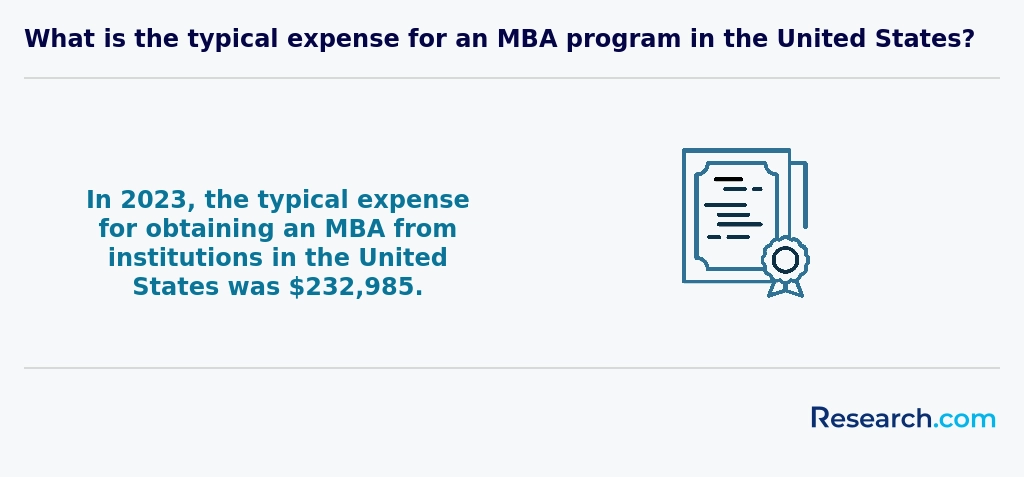
In Saint Paul, the average MBA degree cost lands around $55,156, painting a clear picture for prospective students budgeting their future. For in-state candidates, the financial horizon is somewhat gentler, averaging $44,226, making local residents feel the tangible benefit of community investment. Graduates from universities like the University of St. Thomas often share stories of balancing tuition costs with work and family, highlighting the accessible yet valuable nature of the programs offered.
Affordability here isn't just a number but a lived experience, creating an environment where ambition meets opportunity without overwhelming financial strain. This dynamic attracts many who seek to grow professionally while maintaining their current lifestyles. Between wrestling with textbooks and networking in bustling campus hubs, students cherish how the cost-efficiency of Saint Paul's schools keeps dreams within reach.
Many hopefuls weigh the implications of the average MBA degree cost in Saint Paul against other expenses, like books and materials, to form a realistic budget. The city's institutions often provide part-time and online options to match different financial and time commitments, making the journey toward an MBA flexible yet comprehensive.
For anyone scouting affordable MBA options beyond Saint Paul, the Inexpensive MBA Degree Programs Ranking in Indianapolis, IN offers further insights without derailing focus from local opportunities nearby.
With these factors combined, the affordable MBA tuition fees Saint Paul has to offer reveal a community committed to accessible higher education that fosters growth, ambition, and practical success.
What financial aid is available to MBA degree students in Saint Paul?
Imagine stepping into an MBA program in Saint Paul, where the financial puzzle suddenly becomes less daunting thanks to a mosaic of aid tailored just for you. Many MBA students at institutions like the University of St. Thomas find themselves tapping into federal student loans-think of them as lifelines with steady, predictable interest rates that ease financial stress while you focus on mastering business strategy.
Then there are the golden tickets of merit scholarships, awarded to those who've demonstrated exceptional drive. Graduates often recall the thrill of cutting tuition by nearly half, thanks to Saint Paul's local universities recognizing their leadership spark and community dedication. Need-based grants from public colleges also brighten the path, making education accessible when wallets are tight.
Picture an MBA candidate balancing work and study, who discovers that their Saint Paul employer chips in tuition support, transforming the dream of an advanced degree into an achievable reality without drowning in debt. Some students become research assistants or fellows, exchanging their time for stipends and invaluable experience, weaving professional growth into their financial aid tapestry.
In Saint Paul, financial aid isn't just numbers; it's a network of opportunities turning ambition into action and hope into real, tangible support.
What are the prerequisites for enrolling in MBA degree program in Saint Paul?
To join an MBA program in Saint Paul, imagine stepping into a bustling corridor at the University of St. Thomas' Opus College of Business, where the first gatekeeper is a bachelor's degree-a symbol that you've built your academic foundation, ready for the skyscraper of knowledge ahead. Graduates often recall how showcasing their official transcripts felt like unlocking a door, revealing not just numbers but stories of persistence in economics or business-related courses that impressed their admissions committee.
Picture sitting for the GMAT, the classic rite of passage, though many programs are now embracing flexibility with GRE scores or even test-optional policies, reflecting the evolving educational landscape shaped by the pandemic. Those two to three years of professional hustle back in the real world? They aren't just boxes to tick-many Saint Paul students say this experience enriched their classroom debates, making theory tangible.
- Letters of recommendation come alive as endorsements from mentors who witnessed your growth firsthand.
- Personal essays become your narrative stage, where passions and ambitions shine brightest.
Finally, the practical reality of tuition anchored in residency status reminds many Saint Paul aspirants to balance dreams with budgeting, turning prerequisites into stepping stones toward success.

Optimizing Your MBA Experience in Saint Paul, MN
To maximize the benefits of your MBA degree in Saint Paul, MN, it's essential to choose a program that fits your needs and budget. When exploring affordable options, consider checking out the cheapest mba schools in minnesota to find the best value for your investment. By doing so, you'll be able to focus on developing the skills and connections necessary to thrive in the local business environment. Many MBA graduates in Saint Paul have found success by leveraging their degree to transition into new roles or advance in their current careers, and with the right program, you can achieve similar results.
What courses are typically in MBA degree programs in Saint Paul?
Imagine diving into financial accounting as if you're decoding the secret language of money, right at the University of St. Thomas in Saint Paul. Graduates often share how mastering budgeting felt like unlocking a superpower for real-world business puzzles. Marketing management courses here paint vibrant pictures of consumer minds, turning theories into creative campaigns that ignite excitement.
Organizational behavior classes become lively experiments in human dynamics-students see firsthand how leadership styles shape office energy and team success. Operations management feels like orchestrating a symphony of efficiency, where every workflow decision hums with purpose. Strategic management invites you to dismantle competitors' tactics and build bold, forward-thinking plans, a skill Saint Paul MBA grads rave about.
Many classmates find business analytics and statistics thrilling, transforming raw data into strategic gold mines. It's like turning invisible patterns into clear, actionable stories. Electives at Saint Paul schools-like real estate finance or digital marketing-offer personal flair, letting students tailor their journey. This blend of rigorous core courses and exciting electives creates graduates ready to lead with confidence and creativity in any industry.
What types of specializations are available in MBA degree programs in Saint Paul?
Imagine diving into an MBA in Saint Paul where every specialization feels like a gateway to a unique career universe. Graduates from renowned universities often share how the finance track transformed their understanding of investment puzzles, while others rave about marketing specializations that blend digital sorcery with consumer psychology. Data analytics enthusiasts recall late-night sessions decoding big data mysteries, armed with sharp insights that local businesses crave. Exploring Saint Paul MBA degree concentration options reveals fields like healthcare management, a natural fit given the city's vibrant medical landscape, connecting students directly to leadership roles in hospitals and clinics. Supply chain management, another hot trend, offers hands-on problem-solving with Saint Paul's bustling manufacturing and logistics companies. For those who dream of launching startups, entrepreneurship courses spark innovation and hustle, echoing the energy of this dynamic city. Some MBA students even balance their studies with real life through an accelerated online bachelor's degree for working adults, showcasing the flexibility of Saint Paul's educational scene.
How do you choose the best MBA degree in Saint Paul?
Imagine walking the halls of the University of St. Thomas' Opus College of Business, feeling the buzz of ambition from MBA graduates who chose their program not just for prestige but because it physically fit their lives-whether that meant evening classes after a full workday or weekend immersions. Choosing the best MBA degree in Saint Paul flips the usual checklist into a personal adventure: accreditation is your compass, but consider program flexibility your map. Graduates often share how the balance of earning while learning transformed stress into empowerment.
When scouting for the best value MBA degrees Saint Paul MN offers, think beyond tuition fees. One local graduate recalls juggling textbooks and internship hours, realizing that hidden expenses sneak in like uninvited guests. To avoid surprises, studying resources on how to find affordable MBA programs in Saint Paul can reveal real, workable options that feel like smart choices, not compromises.
Curriculum specialization here isn't a checkbox-it's a key to unlocking your unique potential. Whether diving into finance or marketing, a Saint Paul MBA can tailor-make your journey. For some, exploring links to easy phd degrees helped them envision future academic paths beyond business, blending ambition with flexibility.
What career paths are available for MBA degree students in Saint Paul?
Graduates from MBA programs in Saint Paul find themselves stepping into a dynamic playground of career possibilities, where the city's robust sectors - from financial services buzzing within its historic banks to innovative healthcare networks - eagerly welcome fresh leadership. Picture a graduate navigating a bustling office at a major financial institution, weaving together investment strategies and risk profiles while leveraging the hands-on experience gathered at local universities.
Saint Paul's growing tech corridors invite MBAs to become the crucial bridge between cutting-edge IT teams and market demands, crafting strategies that propel startups into the spotlight. Others dive into consulting roles, transforming complex operational puzzles across manufacturing and supply chains into streamlined successes. These lively career pathways reflect the real-life journeys of many MBA students who relish the city's networking vibe and access to employers like Securian Financial.
For anyone exploring high paying majors, the vibrant options available through MBA career opportunities in Saint Paul Minnesota offer both excitement and tangible rewards.
What is the job market for MBA degree in Saint Paul?
In Saint Paul, the MBA graduate job outlook is vibrant and promising, painted by a landscape rich in healthcare, finance, manufacturing, and tech opportunities. Graduates from well-regarded local universities often share stories of landing leadership roles quickly, armed with strategic insights gained during their studies. Picture a recent graduate navigating the halls of Saint Paul's major corporations like 3M or Ecolab, where their MBA skills unlock doors to management positions, from financial oversight to innovative operations.
The dynamic local startup scene also embraces MBA graduates eager to ignite entrepreneurial ventures or lead nonprofit initiatives, sketching a broad canvas of career paths. These experiences resonate with many students who find that the cost-effective tuition-ranging from $30,000 to $60,000-offers a rewarding investment compared to national averages, making Saint Paul a practical choice for earning an MBA.
Saint Paul MBA career opportunities 2027 align well with the city's steady 6% projected growth in management roles reported by the Bureau of Labor Statistics. The strong post-graduation employment rates, above 85% within six months, fuel confidence among students shaping their futures here. For those looking to explore flexible learning options, exploring best accredited online non profit universities can complement their ambitions while rooted in Saint Paul's thriving ecosystem.
Frequently Asked Questions About MBA
Students pursuing an MBA degree in Saint Paul can maximize their learning by actively engaging in both academic and practical experiences. Local universities offer access to internships with prominent companies headquartered in the Twin Cities, providing real-world exposure that enriches classroom knowledge. According to the Graduate Management Admission Council, hands-on experience is linked to higher post-graduate employment rates.
Joining campus organizations and networking events in Saint Paul also builds professional connections critical for career growth. Utilizing resources such as career counseling and workshops available at institutions supports skill development in leadership and finance. Additionally, seeking out professors with industry experience can enhance understanding of complex business concepts, making the MBA journey more effective and tailored to local economic trends.
The MBA field is evolving, with several emerging niches gaining popularity among students in Saint Paul and across the US. Specializations like data analytics and business intelligence cater to the increasing demand for quantitative decision-making skills. Programs focused on sustainability management address the growing importance of environmental responsibility in business. Another niche attracting attention is healthcare management, reflecting the region's robust medical industry.
Saint Paul's universities often integrate these areas within traditional MBA curricula, responding to local market needs. According to the Graduate Management Admission Council (GMAC), 35% of new MBA students nationwide considered data analytics a key focus in their studies in 2023.
Additionally, entrepreneurship and technology management are expanding niches, consistent with Minnesota's growing startup economy. Such specializations equip graduates to lead in innovative sectors.
After completing an MBA degree in Saint Paul, preparing for the job market involves strategic planning and active engagement with local business networks. Graduates should leverage the strong connections between Saint Paul's universities and the Twin Cities' corporate sector, which includes headquarters of major companies like Ecolab and 3M. According to the Bureau of Labor Statistics, Minnesota's management occupations are expected to grow by 8% through 2031, signaling increasing opportunities for MBA holders.
Networking through local professional associations and participating in internship programs during or after the MBA are vital steps. Additionally, refining skills in data analytics and leadership-highly valued by Twin Cities employers-enhances employability.
Saint Paul's Career Services offices often offer workshops focused on resume building, interview preparation, and job placement, which can increase chances for competitive job offers.
Employers in Saint Paul highly value MBA graduates with strong leadership and communication skills. According to the Graduate Management Admission Council (GMAC), these soft skills remain essential in 2024, with over 75% of hiring managers prioritizing them when evaluating candidates.
Analytical thinking and problem-solving capabilities are equally important. Saint Paul businesses often seek MBAs who can interpret data effectively and make strategic decisions that drive growth.
Technical proficiency, such as familiarity with financial modeling and business intelligence tools, also increases job prospects. Additionally, adaptability and teamwork skills are critical in dynamic workplace environments common to the Twin Cities area.
Local employers emphasize practical experience combined with these key skills, often viewing internships and cooperative education as valuable preparation.
Finding internships relevant to an MBA degree in Saint Paul involves leveraging local business networks and university resources. Major employers such as Ecolab and 3M often offer internships that value MBA skills in management, finance, and marketing. According to the Saint Paul Chamber of Commerce, the city has experienced steady growth in sectors like healthcare, finance, and manufacturing, increasing internship opportunities.
Students should utilize career services at institutions like the University of St. Thomas and Hamline University, both offering tailored internship support. Additionally, platforms like Handshake and LinkedIn allow local MBA candidates to search for internships by location and industry.
Networking events hosted by the Saint Paul Economic Development Office also provide direct access to employers seeking MBA interns. Internships commonly range from 8 to 12 weeks, aligning with academic schedules. Early application and professional outreach substantially improve placement chances in Saint Paul's competitive market.
In Saint Paul, obtaining an MBA degree significantly enhances career mobility and advancement opportunities. According to the U.S. Bureau of Labor Statistics, MBA graduates in Minnesota often experience a 10-20% higher salary growth compared to those with only a bachelor's degree. The city's diverse economy, including finance, healthcare, and manufacturing sectors, values MBA skills like leadership, strategic thinking, and business analytics.
Local employers frequently seek candidates with MBAs for management roles, increasing job prospects. Additionally, networking through Saint Paul's business schools can connect students to local industry leaders, fostering career growth.
Overall, an MBA in Saint Paul provides a competitive edge in a growing job market.
Studying for an MBA degree in Saint Paul equips students with broad business knowledge and practical skills essential for interdisciplinary roles. Local programs emphasize leadership, strategic thinking, and adaptability across various sectors such as finance, healthcare, and technology. According to the University of St. Thomas and Hamline University, course offerings integrate cross-functional teamwork and problem-solving, preparing graduates to work effectively with professionals from diverse fields.
Saint Paul's business schools also leverage connections with the city's robust economy, including nonprofits and government agencies, providing real-world experiences. These opportunities enhance students' ability to manage projects that span multiple disciplines.
Choosing between a thesis and a non-thesis MBA program in Saint Paul depends on your career goals and learning preferences. Thesis-based MBAs emphasize research and analytical skills, requiring students to complete a substantial research project. This path suits those interested in academic careers or roles requiring strong problem-solving abilities.
Non-thesis MBA programs focus on practical skills through coursework and internships, appealing to professionals aiming for immediate industry application. In Saint Paul, institutions like the University of St. Thomas offer both formats, with non-thesis options typically completing the degree in less time.
According to the National Center for Education Statistics, thesis MBAs often require more credit hours, which might affect cost and duration. Students should weigh these factors carefully.
Students based in Saint Paul who wish to study for an MBA abroad have several options through partnerships and exchange programs offered by local institutions. For example, the University of St. Thomas in Saint Paul provides international study opportunities as part of its MBA curriculum.
Many US business schools, including those in Minnesota, participate in global study tours, allowing students to gain international business insights without fully relocating. Full-time and part-time MBA candidates can also consider online or hybrid programs offered by foreign universities that meet US accreditation standards.
According to the Graduate Management Admission Council (GMAC), about 30% of US-based MBA applicants express interest in global study experiences, indicating strong demand for such options among Saint Paul students.
Financial aid and scholarships, often specific to international study, may be available for qualified candidates. It is recommended to explore options early and work with advisors at Saint Paul institutions to identify suitable study-abroad MBA programs.
Saint Paul offers a range of part-time job opportunities that complement MBA education, helping students apply classroom knowledge in real-world settings. Positions in local financial institutions, such as banks and credit unions, provide hands-on experience in finance and risk management. According to the Minnesota Department of Employment and Economic Development, the Twin Cities metro area, including Saint Paul, has a strong job market in business consulting and marketing sectors.
Internships or assistant roles within Saint Paul's growing nonprofit organizations allow MBA candidates to develop leadership and strategic planning skills. Additionally, part-time positions in data analysis and project management at regional corporations boost both technical and managerial competencies. These options facilitate networking and career growth during MBA studies.
Saint Paul offers valuable networking opportunities for MBA students through its connection to the broader Twin Cities business community. Many local universities maintain strong ties with regional industries such as finance, healthcare, and manufacturing, providing access to guest speakers, internships, and corporate events.
Students can engage in professional organizations like the Minnesota MBA Association, which regularly hosts networking mixers and workshops tailored to graduate business students. According to the University of St. Thomas, over 85% of their MBA students participate in mentoring programs that connect them with experienced executives in the area.
Additionally, Saint Paul's proximity to Minneapolis expands opportunities to attend conferences and career fairs, helping students build diverse professional networks that support career advancement.
Alumni networks play a crucial role for MBA students in Saint Paul by offering ongoing career support and professional connections. Graduates from local programs benefit from strong ties within the Twin Cities business community, which is home to numerous Fortune 500 companies. These networks facilitate mentorship opportunities, internships, and job placements, enhancing students' career prospects.
Research from the Graduate Management Admission Council shows that 85% of MBA graduates secured jobs through networking channels. In Saint Paul, active alumni chapters regularly organize events and workshops, helping students build relevant industry contacts specifically within Minnesota's diverse economy.
These networks also provide access to exclusive resources such as business insights, leadership training, and funding opportunities, which are vital for career growth after graduation.
In Saint Paul, MBA programs often allow students to tailor their studies to align with specific career goals. Customization typically involves selecting concentrations such as finance, marketing, or supply chain management. Many local universities provide flexible course options and elective classes, enabling students to develop expertise relevant to their professional aspirations.
Additionally, some programs offer opportunities for practical experience through internships or partnerships with businesses in the Twin Cities area. This hands-on learning can be crucial for career advancement. According to the National Center for Education Statistics, 82% of MBA students in Minnesota choose electives that match their desired career paths.
Students can also benefit from networking events and mentorship programs offered by Saint Paul institutions, which help build connections in targeted industries. Overall, these features help individuals create a personalized MBA experience that supports their long-term objectives.
Typically, MBA students in Saint Paul face a range of common challenges as they balance rigorous coursework with personal and professional responsibilities. According to recent data from the National Center for Education Statistics, many local students juggle full-time jobs alongside their studies, which can increase stress and limit time for networking or internships.
Another notable challenge is the rising cost of education. Although Saint Paul offers some affordable options, students still encounter financial constraints, often relying on loans or employer sponsorships. Access to quality part-time or evening classes is critical to accommodate working professionals, but such flexibility varies across institutions.
Adapting to fast-changing business environments and technology also demands continual learning beyond the classroom. Many students report pressure to gain practical experience in data analytics and digital marketing to stay competitive.
An MBA degree in Saint Paul opens doors to a variety of professional certifications that can enhance your career prospects. Common certifications pursued by MBA graduates include the Project Management Professional (PMP), Certified Management Accountant (CMA), and Certified Financial Planner (CFP).
The PMP is highly valued in business and technology sectors, with the Project Management Institute reporting high salary boosts for holders nationwide. Minnesota's Saint Paul MBA students benefit from access to local PMI chapters for exam preparation.
The CMA credential, offered by the Institute of Management Accountants, is another popular choice, focusing on financial management and strategy. About 25% of MBA graduates from Minnesota pursue financial roles requiring such certification, according to the state's Department of Employment and Economic Development.
Other options include the Certified Business Analysis Professional (CBAP) and Certified Professional in Supply Management (CPSM), reflecting diverse paths MBA graduates in Saint Paul may take.
Writing a winning application for an MBA program in Saint Paul requires careful preparation and clear presentation of your strengths. Begin with a well-crafted personal statement that highlights your career goals, leadership experience, and reasons for choosing Saint Paul's business schools. Admission committees often value local professional connections, so emphasize any relevant work or volunteer experience in the Twin Cities area.
Include a strong resume that outlines your academic background and professional achievements. Many Saint Paul MBA programs, such as those at the University of St. Thomas, recommend submitting GMAT or GRE scores, with the average GMAT score around 600 for admitted students according to recent school data.
Request letters of recommendation from supervisors or mentors who can attest to your potential for business leadership. Lastly, prepare thoroughly for the interview by researching the specific program and articulating how it fits your career plans in Saint Paul's economic landscape.
The global perspective on a career with an MBA degree emphasizes its value in developing versatile business leaders. Graduates often pursue roles in management, consulting, finance, and entrepreneurship worldwide. According to the Graduate Management Admission Council (GMAC), 91% of MBA alumni reported career advancements within five years of graduation, highlighting strong global demand.
In Saint Paul, Minnesota, MBA programs often include global business components, preparing students for international markets. The University of St. Thomas, a leading local institution, offers coursework focused on global strategy and cross-cultural management, helping graduates compete internationally.
U.S. Bureau of Labor Statistics data also suggests MBA holders earn a median salary of approximately $115,000, higher than many other graduate degrees. This economic advantage is a key factor supporting the MBA's worldwide appeal.
Gaining practical experience while pursuing an MBA in Saint Paul is essential to enhance your skills and employability. Many local programs encourage internships with Saint Paul's diverse business community, including finance, healthcare, and technology sectors. According to the Greater Minneapolis-Saint Paul Economic Development office, over 20,000 businesses operate in the metro area, offering broad internship opportunities.
Students can also participate in consulting projects through university partnerships with local companies, applying classroom theory to real-world problems. Additionally, networking events and student organizations provide hands-on leadership experience.
Some MBA programs in Saint Paul emphasize experiential learning by integrating case studies and simulations. This approach helps students develop decision-making skills crucial in dynamic business environments.
Choosing the right concentration within an MBA program in Saint Paul involves understanding your career goals and the local job market. Popular specializations include finance, marketing, healthcare management, and technology management, reflecting Saint Paul's diverse economy. According to the Saint Paul Chamber of Commerce, sectors like finance and healthcare are growing steadily, which may influence your choice.
Consider how each concentration aligns with your skills and interests. Many Saint Paul MBA programs, such as those at the University of St. Thomas, offer flexibility with concentrations to meet demand in the Twin Cities' business environment. Research course offerings and faculty expertise to ensure quality education in your focus area.
Lastly, evaluate internship and networking opportunities locally. Saint Paul's business community provides strong connections for sectors like finance and nonprofit management, which can be vital for career growth post-MBA.
Related MBA Rankings for Nearby Cities
- 2027 Most Affordable MBA Degree Programs Ranking in Minneapolis
- 2027 Most Affordable MBA Degree Programs Ranking in Dubuque
- 2027 Most Affordable MBA Degree Programs Ranking in River Forest
- 2027 Most Affordable MBA Degree Programs Ranking in Chicago
- 2027 Most Affordable MBA Degree Programs Ranking in Kansas City
- 2027 Most Affordable MBA Degree Programs Ranking in Fort Wayne
- 2027 Most Affordable MBA Degree Programs Ranking in Indianapolis
- 2027 Most Affordable MBA Degree Programs Ranking in Wichita
- 2027 Most Affordable MBA Degree Programs Ranking in Louisville
- 2027 Most Affordable MBA Degree Programs Ranking in Cleveland
Top Trending MBA Rankings
References
- Types of MBA Degrees & Specializations: A Complete Guide - International Career Institute USA https://icieducation.com/blog/types-of-mba-degrees-specializations-a-complete-guide/
- MBA Career Outlook from a Global Perspective Margaret Buj https://interview-coach.co.uk/mba-career-outlook-from-a-global-perspective/
- 6 Tips to Make the Most of Your MBA Experience https://mbaschooled.com/2020/01/14/6-tips-to-make-the-most-of-your-mba-experience/
- How long does a typical MBA program take to complete? https://mentr-me.com/question/how-long-does-a-typical-mba-program-take-to-complete
- Skills Employers Look for in Business Graduates – EU Business School https://www.euruni.edu/blog/skills-employers-look-for-in-business-graduates/
- Master of Business Administration (M.B.A.) Major in Business Administration (General Flex Non-thesis Option) https://mycatalog.txstate.edu/graduate/mccoy-business-administration/business-genflex-nonthesis-mba/
- Master of Business Administration | Postgraduate Programmes https://www.spu.ac.ke/index.php/master-of-business-administration-postgraduate
- 10 Highest-Paying MBA Specializations in 2026 (With Salary Data) - Paris School of Management (PSM) https://www.psm-paris.fr/en/10-highest-paying-mba-specializations-in-2026/
- How to choose the right MBA? | International studies | TBS Education https://www.tbs-education.com/inspiring/how-to-choose-the-right-mba/
- How To Write An MBA Admissions Essay That Stands Out? https://www.personalmbacoach.com/mba-essay-guiding-principles/