2027 Best MBA Degree Programs Ranking in Colorado

Co-Founder and Chief Data Scientist
Choosing the right MBA program in Colorado can feel overwhelming, but you're not alone. This article introduces the 2027 Best MBA Degree Programs Ranking in Colorado, carefully crafted by the Research.com team of data scientists to guide you toward the best options available.
By exploring this ranking, you'll gain valuable insights to help you make an informed decision about your future. Earning an MBA can open doors to exciting career opportunities and personal growth. Dive in to discover programs that align with your goals and aspirations.
Key benefits of getting MBA degree in Colorado
- Salary for MBA degree graduates: Although specific salary data for Colorado MBA graduates is not available, MBA holders in the US typically earn competitive salaries that reflect their advanced skills in management and leadership.
- Career paths: MBA graduates from Colorado universities often pursue roles in finance, marketing, and operations, gaining opportunities to lead teams and drive business success in diverse industries.
- Online MBA benefits: Earning an MBA online from a Colorado school offers flexible scheduling and access to high-quality education, allowing students to balance work and study without compromising career growth.
- Key benefits of getting MBA degree in Colorado
- What can I expect from MBA degree in Colorado?
- Where can I work with MBA degree in Colorado?
- How much can I make with MBA degree in Colorado?
- 2027 Best MBA Degree Programs Ranking in Colorado
- Key Findings
- How long does it take to complete MBA degree in Colorado?
- Next Steps: Navigating Your MBA Application Journey
- What's the difference between online and on-campus MBA degree?
- Return on Investment for MBA Programs in Colorado
- What is the average cost of MBA degree in Colorado?
- Affordability and ROI of MBA Programs in Colorado
- What financial aid is available to MBA degree students in Colorado?
- Return on Investment and Career Outcomes
- What are the prerequisites for enrolling in MBA degree program in Colorado?
- What courses are typically in MBA degree programs in Colorado?
- What types of specializations are available in MBA degree programs in Colorado?
- How do you choose the best MBA degree in Colorado?
- What career paths are available for MBA degree students in Colorado?
- What is the job market for MBA degree in Colorado?
- Related MBA Rankings for Nearby States
- Top Trending MBA Rankings
What can I expect from MBA degree in Colorado?
The average cost of getting an MBA in Colorado usually falls somewhere between $25,000 and $50,000 per year, depending on the school and whether you're paying in-state or out-of-state tuition. For example, students at the University of Colorado Boulder's Leeds School of Business often find that in-state tuition keeps expenses more manageable, while private schools like the University of Denver's Daniels College of Business may lean toward the higher end of that range.
Many graduates recall applying for scholarships or assistantships, which helped ease the financial crunch. Some even landed employer sponsorships that made balancing work and study a lot less stressful. Talking to recent grads, they emphasize how those investments felt totally worth it given the payoff in strong career prospects and solid starting salaries - often between $80,000 and $110,000 after graduation.
Plus, the hands-on experiences in places like Denver's bustling business scene often open doors that textbooks alone can't. So while the price tag might seem big upfront, a lot of Colorado MBA students say the return on investment quickly makes it feel smart and exciting.
Where can I work with MBA degree in Colorado?
If you're earning your MBA in Colorado, you're stepping into a job market that's buzzing with opportunities. Graduates from places like the University of Denver or Colorado State University often land roles in tech hubs around Denver and Boulder, working on projects for big names like Google or VMware. Imagine juggling a product launch or leading a team in business strategy at a company that's shaping the future-exactly the kind of gigs MBA grads enjoy here.
Healthcare is another hot spot. Many MBA holders find themselves managing operations or finances at local giants like UCHealth, helping hospitals run smoother and smarter. Finance enthusiasts gravitate toward banks and firms in Denver, where roles in corporate finance and risk management bring both challenge and great pay.
Some grads even dive into Colorado's growing clean energy scene, steering renewable projects or crafting business plans to protect the environment-perfect for those wanting to make a real impact. Plus, with Colorado being startup central, launching your own biz with skills learned during your MBA feels totally doable and exciting.
How much can I make with MBA degree in Colorado?
Wondering how much you can make with an MBA in Colorado? Graduates from schools like the University of Denver or Colorado State University often see starting salaries between $70,000 and $90,000, which feels pretty encouraging compared to other master's degrees. If you're working in metro areas like Denver or Boulder, where business hubs are buzzing, you'll likely earn even more - think $85,000 to $130,000 annually based on your industry and experience.
Take management analysts and financial managers, for example, who commonly pull in between $100,000 and $140,000 a year. For those going into healthcare administration-a booming field in Colorado-expect salaries in the $90,000 to $120,000 range. And if you stick with it and climb to executive levels, it's not unusual to surpass $150,000, which is a major win for your effort.
Many grads also talk about how bonuses bump up their paychecks nicely, sometimes adding 10% to 30% on top. So, if you're dreaming of balancing solid earnings with a great lifestyle in Colorado, an MBA can really open doors.
2027 Best MBA Degree Programs Ranking in Colorado
How do we rank schools?
Investing in your education is a significant decision that can profoundly impact your career, and the Research.com team is fully aware of the responsibility involved in guiding you through this process. To support prospective students in Colorado, we have carefully developed the "2027 Best MBA Degree Programs Ranking in Colorado." Our dedication to quality, credibility, and accuracy is demonstrated through exhaustive research and rigorous analysis behind this ranking.
We utilized the following reputable data sources to ensure a comprehensive evaluation of MBA programs:
By reviewing this ranking, readers will access trusted insights into the top MBA degree programs in Colorado, enabling well-informed decisions about their educational future. For a detailed explanation of our ranking process, please visit our Research.com methodology page.


# 7 position
Colorado State University Global
Master of Business Administration



Key Findings
- Colorado offers accredited MBA programs in both public and private universities, with major options available in Denver and Boulder.
- Tuition costs range from $30,000 to $50,000 at public universities and can exceed $60,000 at private institutions, with in-state rates typically lower at public schools.
- Available formats include full-time, part-time, and online programs, offering flexibility for working students.
- The local job market is strong, especially in technology, finance, healthcare, and energy sectors, with Denver providing access to many corporate and startup opportunities.
- Starting salaries for MBA graduates average between $75,000 and $85,000, increasing to $110,000 or more with experience in management roles.
- Networking benefits are significant due to strong university connections with local businesses, job fairs, and internship programs.
How long does it take to complete MBA degree in Colorado?
If you're wondering how long it takes to finish an MBA in Colorado, it really depends on the program you pick and how you plan to study. Full-time students at places like the University of Colorado Boulder or Colorado State University usually wrap things up in about two years. One graduate shared how diving into the mix of core classes and electives kept their schedule busy but totally doable.
For those juggling work and life, part-time programs stretch that out to three or four years. Think evening or weekend classes where you're balancing meetings with homework - it's a steady ride but super flexible. A recent grad from Denver's Daniels College of Business said this setup let them keep earning while upgrading their skills without missing a beat.
There are faster routes too! Accelerated MBA options can have you done in just 12 to 18 months if you're ready to hit the gas. These intense programs pack a punch, perfect if you can commit full-time for a shorter stint. And if online fits your life better, expect anywhere from 18 months up to three years, depending on how quickly you go.
Next Steps: Navigating Your MBA Application Journey
Preparing your MBA application can be as transformative as the program itself. In this section, we break down actionable tips to streamline your application process and build confidence. Start by gathering all necessary documentation-including transcripts, standardized test scores, and professional recommendations-to create a robust profile that reflects your academic and career achievements. Research each Colorado program's unique strengths and tailor your personal statements to highlight your leadership experiences and long-term ambitions. Networking is also key. Connect with current students and alumni to gain insights into the program culture and expectations. For instance, exploring programs that offer a flexible curriculum might be ideal if you’re balancing work and studies. Additionally, if you're considering alternative formats, you might find resources on pursuing an easy mba to be especially beneficial. Finally, stay informed about application deadlines and financial aid opportunities. Many institutions offer early decision incentives and scholarship options for prospective students. Following these practical steps not only strengthens your application but also sets you on a clear path toward achieving your MBA goals in Colorado.
What's the difference between online and on-campus MBA degree?
Thinking about an MBA in Colorado? The biggest difference between online and on-campus programs usually boils down to how you want to learn and live your day-to-day. On-campus MBAs at places like the University of Colorado Boulder offer that classic college vibe-attending classes in person, chatting face-to-face with professors, and networking at campus events. Graduates often say those real-life connections made a huge difference when job hunting afterward.
On the flip side, online MBAs from schools like the University of Denver are all about flexibility. If you're juggling work or can't move to campus, online lets you study anytime, anywhere. Graduates often mention the freedom to learn at their own pace, but also point out you have to stay super disciplined without the structure of classrooms and fixed schedules.
Costs can vary too-online programs sometimes save money on campus fees. But with either route, Colorado universities keep a strong connection to local industries, helping you land that dream job.
Return on Investment for MBA Programs in Colorado
Pursuing an MBA is a significant financial commitment, and understanding the return on investment (ROI) is crucial for making an informed decision. In Colorado, the average total cost of an MBA program ranges from $70,000 to $100,000 when factoring in tuition, fees, and living expenses. However, graduates report median starting salaries of $85,000 to $95,000, with many moving into roles that offer six-figure compensation within three years. By calculating a simple payback period-dividing the total program cost by the annual salary increase-you can estimate how long it will take to recoup your investment. For example, a $90,000 total cost with a $20,000 salary bump translates to a 4.5-year payback period. Beyond salary gains, non-monetary benefits such as expanded professional networks, leadership skills, and access to exclusive alumni resources contribute to long-term career growth. To enhance affordability and minimize payback time, consider scholarships, assistantships, and employer tuition reimbursement. You might also explore comparable low-cost options to benchmark expenses; for instance, our Low Cost MBA Degree Programs Ranking in Indianapolis, IN provides a useful affordability reference point. Finally, calculate your individualized ROI by assessing current salary, projected post-MBA earnings, and available financial aid. This personalized analysis ensures that your choice of an MBA program aligns with both your career aspirations and financial goals, empowering you to invest wisely in your future.
What is the average cost of MBA degree in Colorado?
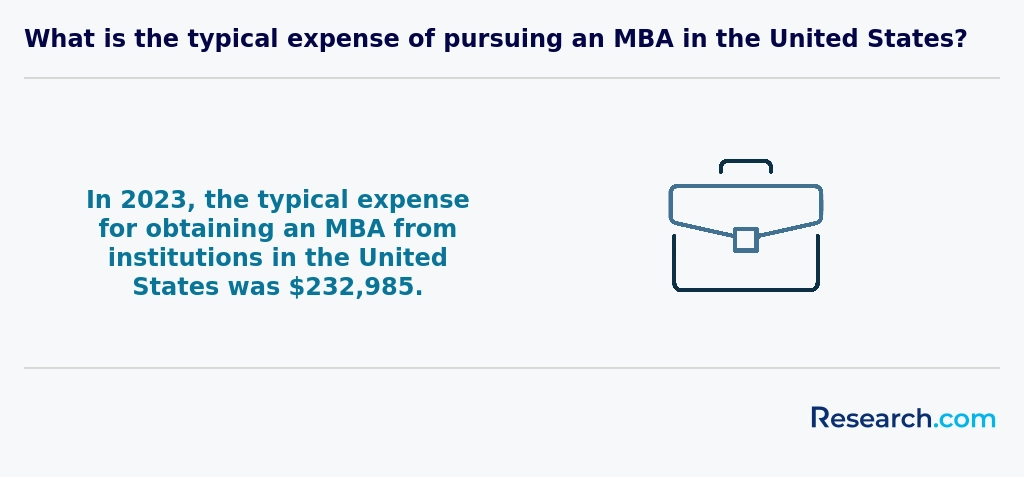
Thinking about the average MBA degree cost in Colorado? Well, the median total cost sits around $47,636, but this number can shift quite a bit depending on where you attend and your residency status. For example, in-state students at public schools might pay much less-closer to $11,867-while out-of-state learners or those at private schools often see higher price tags.
Graduates from the University of Colorado Boulder's Leeds School of Business often talk about balancing quality education with manageable expenses, thanks to the lower tuition for residents. On the flip side, those finishing up at places like the Daniels College of Business at the University of Denver generally invest more upfront, but many find the experience and networking opportunities totally worth it.
When you calculate the total cost of MBA programs Colorado includes, remember to factor in extra stuff like books, fees, and living costs. These can add $10,000 or more each year and make quite a difference. Still, many students find the long-term return on investment rewarding, especially in Colorado's booming industries like tech and energy.
Looking for ways to cut down on expenses? Checking out the cheapest mba school in colorado can be a smart move if budget is a concern. Scholarships, employer assistance, and part-time program options can also help keep costs in check without sacrificing quality.
Affordability and ROI of MBA Programs in Colorado
When considering an MBA program in Colorado, affordability and return on investment (ROI) are crucial factors. Prospective students should weigh the costs of tuition, living expenses, and other fees against the potential salary increases and career advancements that an MBA can offer. For those looking for the cheapest mba school in colorado, it's essential to research and compare the pricing of different programs. Many universities in Colorado offer competitive pricing, financial aid, and scholarships to make their MBA programs more accessible. Additionally, the ROI of an MBA in Colorado can be significant, with many graduates reporting substantial salary increases and career advancements. By carefully evaluating the affordability and ROI of different MBA programs, prospective students can make an informed decision that aligns with their career goals and financial situation.
What financial aid is available to MBA degree students in Colorado?
If you're eyeing an MBA in Colorado, you'll find plenty of financial aid options to make it doable. Many students at places like the University of Denver's Daniels College of Business share how merit-based scholarships really eased their financial stress, rewarding top grades and leadership chops. Over at the University of Colorado Boulder's Leeds School of Business, scholarships often reflect professional experience, which is a real boost if you've been working awhile.
Federal aid is another solid route. Graduates often mention applying through FAFSA to snag low-interest loans like the Direct Unsubsidized Loan or Grad PLUS Loan. While grants are rare for MBAs, these loans help cover tuition and living expenses without feeling overwhelming right away.
Plus, a lot of folks recommend checking with your employer. In Colorado, many companies offer tuition reimbursement if your MBA ties into your job. It's like getting paid to get smarter! And don't overlook assistantships or fellowships-securing one means not just tuition help, but hands-on teaching or research experience that can really kickstart your career.
Lastly, private scholarships from groups focused on business or specific communities (women, veterans) add more chances to snag extra funds. Overall, there's a mix that fits various situations and helps MBA dreams in Colorado feel totally within reach.
Return on Investment and Career Outcomes
Investing in an MBA in Colorado demands a clear understanding of the return on investment (ROI) you can expect, both financially and professionally. Recent data indicates that 92% of MBA graduates secure full-time employment within three months of graduation, with an average salary increase of 60% compared to pre-MBA earnings. With the average Colorado program tuition ranging from $50,000 to $70,000, most students realize a payback period of approximately three to five years, depending on specialization and industry. Beyond salary gains, ROI encompasses career acceleration and long-term earning potential. Graduates in finance and consulting often see starting salaries north of $100,000, while those in marketing and data analytics report average first-year earnings around $90,000. Factoring in networking value and alumni mentorship, many professionals attribute a 25% faster promotion rate to their MBA credentials. To benchmark affordability against outcomes, prospective students may also explore the Low Cost MBA Degree Programs Ranking in Indianapolis, IN, uncovering comparative insights on cost-effective pathways. When evaluating ROI, consider total cost of attendance (tuition plus living expenses) versus projected salary growth, placement rates, and debt-to-income ratios. Colorado’s robust economy and diverse industry presence-spanning technology, healthcare, and sustainability-further amplify career outcomes. Ultimately, a data-driven ROI analysis empowers you to choose a program that aligns with your financial goals and accelerates your professional trajectory.
What are the prerequisites for enrolling in MBA degree program in Colorado?
If you're thinking about enrolling in an MBA program in Colorado, get ready to show that you've got the basics covered. Most schools will want to see that you have a bachelor's degree from an accredited college or university, but it doesn't need to be business-related. What really counts is that you've got the academic chops to keep up. For example, graduates from the Leeds School of Business at CU Boulder often mention how having a solid undergraduate background helped them breeze through the coursework.
Standardized tests like the GMAT or GRE are usually part of the mix, though some schools have eased up on this lately. Still, if you're aiming high, like at Colorado State University or University of Denver, it's a good idea to prep for a GMAT score around 600 or better. Many grads recall that nail-biting moment waiting for their scores, but it's worth it for that extra edge in admissions.
Work experience also plays a big role. Having a couple of years under your belt, especially in full-time roles, shows you know the ropes and can bring real-world insights to class. Many students share stories about how their work experiences sparked lively debates and made group projects more meaningful.
Don't forget the application essentials: a strong resume, glowing recommendation letters, and essays that tell your story and why you're pumped for an MBA. International students should plan to prove English skills too, with tests like TOEFL or IELTS unless they studied in English before.

What courses are typically in MBA degree programs in Colorado?
If you're diving into an MBA in Colorado, expect a mix of solid core classes and options to specialize. Graduates from places like the University of Colorado Boulder often talk about how courses like Financial Management taught them real-world skills like budgeting and making smart investment choices-super useful whether you're running a startup or managing corporate budgets.
Marketing Strategy is another favorite, with students getting hands-on understanding of consumer behavior and the latest digital marketing trends. Imagine working on a project that helps local Colorado businesses boost their online presence-that's the kind of practical vibe these classes bring.
Operations Management and Organizational Behavior are also key parts of the mix. You'll learn how to streamline processes and lead teams effectively, skills graduates say immediately boosted their confidence in leadership roles. Plus, Business Analytics is quickly becoming a must-have skill, helping students turn data into smart business decisions.
Many Colorado programs also offer electives in entrepreneurship or energy, which is a huge local industry. This flexibility lets you tailor your MBA to your passions while staying grounded in solid business fundamentals.
What types of specializations are available in MBA degree programs in Colorado?
If you're checking out MBA specializations in Colorado universities, you'll notice some really practical options tailored to the state's booming industries. For example, the University of Denver's Daniels College of Business has a strong finance track that's perfect if you want to dive into banking or investment management-graduates often talk about the great connections they made with Denver's growing financial community.
Marketing is another popular choice, especially with Colorado's tech and retail scenes expanding fast. Students at Colorado State University's College of Business say their marketing paths gave them hands-on digital skills that employers really value.
There's also healthcare management, which makes a lot of sense given the strong healthcare presence here. This specialization equips you with the know-how to handle hospital admin or health policy roles. On top of these, entrepreneurship is a favorite thanks to Denver and Boulder's vibrant startup culture. Many grads love how this track encourages launching real businesses during the program.
Supply chain and operations are great for those interested in Colorado's manufacturing and transportation sectors. Plus, for anyone wanting something a bit different, some programs add sustainability management to the mix, reflecting the local passion for green business.
If you're curious about how to pick the right path or just want to find an easy mba option, these specializations offer plenty of real-world opportunities to jumpstart your career.
How do you choose the best MBA degree in Colorado?
Picking the best MBA degree in Colorado really comes down to what fits your life and goals. Graduates from programs like the Leeds School of Business at the University of Colorado Boulder often rave about how the AACSB accreditation meant their classes were challenging but totally worth it when landing jobs. If you're watching your budget, knowing the cost differences is key-public schools offer that in-state tuition advantage, which can make a huge difference compared to pricier private options like the University of Denver. One grad shared how balancing work and studies was simple thanks to flexible part-time or online formats offered in Colorado MBA programs.
It's smart to check out career services, too. Many Colorado MBAs build solid networks in energy, tech, or finance, leading to strong internships and job offers. If you're curious about affordable options, you might want to explore the Low Cost MBA Degree Programs Ranking in Indianapolis, IN for comparison when thinking about value. Finding top affordable MBA degrees Colorado has to offer means looking beyond price to career support and flexibility.
What career paths are available for MBA degree students in Colorado?
If you're eyeing an MBA in Colorado, you've got a pretty solid lineup of career paths waiting for you. Graduates from well-known schools around Denver and Boulder often jump right into leadership roles like Financial Manager, where they get to steer company finances and investments. Others land gigs as Marketing Directors, crafting campaigns that make you notice a brand everywhere you look. It's common to hear from grads who've become Operations Managers, optimizing processes in companies so things run smoother than ever. Consulting is another hot option, especially for those who enjoy problem-solving and strategic thinking.
Colorado's diverse economy and booming sectors like tech and energy mean MBA holders also make great Product Managers, leading innovations from the ground up. Plus, if you want some flexibility with your studies, many folks turn to programs offering part-time and online options-think of it as balancing work, life, and that MBA grind. For exploring flexible degree options, some even check out the best online accelerated bachelor's degree opportunities too.
With these top MBA job prospects Colorado offers, it's no wonder grads feel confident stepping into mid to senior-level roles across industries.
What is the job market for MBA degree in Colorado?
The job market for MBA graduates in Colorado is really vibrant right now, especially in cities like Denver and Boulder. Graduates from popular schools often find themselves stepping into leadership roles or consulting gigs fairly quickly, thanks to the state's focus on industries like tech, finance, and healthcare. Many MBA career opportunities in Colorado involve strategic roles where skills like financial savvy and project management are super valuable.
Take grads from well-known MBA programs in Colorado, for example-they often share how the local startup scene and big corporations alike value their business insights. Starting salaries hover around $95,000, which is pretty encouraging when you're thinking about return on investment from your degree. Plus, with tuition averaging between $30,000 and $60,000, the strong Colorado MBA job market outlook helps grads manage any student debt more confidently.
If you're curious about exploring business degrees that offer good pay without too much hassle, you might want to check out easy master's degrees that pay well. Overall, there's a lot of opportunity for MBA graduates to grow and thrive here.
Frequently Asked Questions About MBA
Students pursuing an MBA degree in Colorado can maximize their learning experience by actively engaging with the diverse industries prominent in the state, such as technology, energy, and healthcare. Networking opportunities through local business chapters and events hosted by universities like the University of Colorado Boulder and Colorado State University are invaluable. Utilizing Colorado's strong entrepreneurial ecosystem, including startup incubators and innovation hubs, helps apply classroom knowledge in real-world settings. According to the Colorado Department of Higher Education, MBA enrollment increased by 8% in 2023, highlighting growing interest in practical, flexible programs tailored to working professionals. Exploring internships and cooperative education options also enhances practical skills.
The MBA field in Colorado is evolving with new specialized niches reflecting changes in the business landscape. Emerging areas include sustainability management, fueled by Colorado's strong focus on environmental issues and green technology. According to the Colorado Department of Higher Education, programs integrating sustainable business practices have grown by 15% over the past three years.
Another key area is data analytics and technology management. With Denver and Boulder becoming tech hubs, MBA programs now offer concentrations in big data, AI, and digital transformation to meet workforce demands. The Colorado MBA Collaborative reported a 20% rise in enrollment for these tracks.
Healthcare management is also expanding due to Colorado's growing healthcare industry, providing specialized MBA options targeting healthcare administration and policy.
After completing an MBA degree in Colorado, preparing for the job market involves strategic steps tailored to the local economy. Graduates should leverage career services offered by institutions like the University of Colorado Boulder and Colorado State University, which provide access to networking events and employer connections. According to the Colorado Department of Labor and Employment, sectors such as finance, technology, and healthcare show strong demand for MBA graduates.
Building a professional network through local business associations like the Denver Metro Chamber of Commerce is crucial. Additionally, pursuing internships or part-time roles during the degree enhances practical experience and employability.
Mastering skills in data analytics and project management aligns with Colorado employers' expectations, as noted in recent statewide workforce reports.
Employers in Colorado highly value MBA graduates who demonstrate strong leadership and strategic thinking abilities. According to the Colorado Department of Labor and Employment, graduates with skills in data analysis and financial management are in particular demand due to the state's growing technology and energy sectors.
Communication skills remain critical; MBA holders must effectively convey complex ideas to diverse teams. Project management expertise is also sought after, with many Colorado companies preferring candidates experienced in agile and lean methodologies.
Additionally, adaptability and innovation are emphasized, reflecting Colorado's dynamic business environment. Networking abilities enhance career prospects, as reported by the Graduate Management Admission Council (GMAC), which notes Colorado's MBA employment rate exceeds the national average, showcasing competitive skill sets valued locally.
Finding internships in Colorado relevant to an MBA degree involves several practical steps. Students should start by exploring career services offered by Colorado's business schools, which often have partnerships with local companies. The Denver Metro area and Boulder host many corporate headquarters and startups, providing diverse opportunities.
According to the Colorado Department of Labor and Employment, internships in business fields have grown 5% annually in recent years. Networking through professional organizations like the Colorado MBA Association can also be valuable. Additionally, online platforms such as Handshake and LinkedIn list region-specific internships tailored to MBA students.
Employers often seek candidates with strong analytical and leadership skills, so preparing a targeted resume and cover letter is essential. Engaging with alumni networks can further increase chances of finding internships aligned with career goals.
In Colorado, earning an MBA degree significantly enhances career mobility and advancement opportunities. According to the Graduate Management Admission Council (GMAC) 2023 survey, MBA graduates often report salary increases averaging 50% within three years after graduation. This financial growth aligns with Colorado's expanding industries, including technology, healthcare, and energy, where MBA holders are in high demand.
Employers in Denver and Boulder value MBA graduates for their leadership and strategic skills, which often translates to positions with greater responsibility and decision-making power. Additionally, Colorado's robust network of business schools offers strong alumni connections, facilitating career shifts and promotions.
Overall, data from the Bureau of Labor Statistics highlights faster employment growth for MBA respondents compared to those with bachelor's degrees alone, particularly in management roles. This supports the degree's role in enabling career advancement across diverse sectors within Colorado.
Studying for an MBA degree in Colorado equips students with skills to excel in interdisciplinary roles by blending business knowledge with practical expertise from diverse fields. Many Colorado MBA programs emphasize experiential learning, leadership, and innovation, preparing graduates to navigate complex problems across industries.
Colorado's business schools often collaborate with local tech, healthcare, and energy sectors, offering students real-world projects and internships. According to the Graduate Management Admission Council, MBA graduates in Colorado report a 15% higher ability to manage cross-functional teams compared to national averages.
This regional focus enables learners to develop analytical, strategic, and communication skills critical for interdisciplinary collaboration in today's evolving job market.
When choosing between a thesis and a non-thesis MBA degree program in Colorado, consider your career goals and learning preferences. A thesis MBA usually involves conducting original research, ideal for students interested in academic or research careers. Non-thesis MBA programs focus more on coursework and practical skills, suitable for professionals aiming for leadership roles in business. According to the Colorado Department of Higher Education, most MBA graduates in the state pursue non-thesis programs due to their application-based approach. Additionally, thesis programs may take longer to complete, which is an important factor if you plan to enter the workforce quickly.
Students based in Colorado who wish to study for an MBA abroad benefit from several pathways. Many Colorado institutions, such as the University of Colorado Boulder, offer dual-degree or exchange programs with international business schools. These partnerships enable students to spend a semester or full year overseas while earning credits toward their MBA.
Additionally, online executive MBA programs with global cohorts provide an alternative for students seeking international exposure without relocating. The Graduate Management Admission Council reports that about 25% of MBA candidates in the US consider study-abroad options, reflecting growing interest.
Financial aid and scholarships, often available through Colorado universities' international offices, help support this ambition.
Part-time job opportunities in Colorado that complement an MBA education often focus on roles in finance, marketing, and project management. Many MBA students work as business analysts, leveraging analytical skills to support local firms and startups, especially in Denver's growing tech sector. According to the Colorado Department of Labor and Employment, demand for management consultants is expected to grow by 13% through 2030, reflecting strong prospects for MBA students.
Internships or part-time positions in financial services remain popular, with institutions like Wells Fargo and Charles Schwab having significant operations in the state. These roles provide practical experience in investment analysis and risk management.
Additionally, positions in nonprofit management and supply chain coordination can enhance leadership and organizational skills relevant to MBA curricula.
MBA students in Colorado benefit from numerous networking opportunities that connect them with local industries and business leaders. Universities such as the University of Colorado Boulder and Colorado State University offer business clubs, alumni events, and career fairs. These events encourage interaction between students and employers, enhancing job prospects.
The Denver metro area, a growing business hub, hosts many professional organizations, including chapters of the Colorado Society of Certified Public Accountants and the Rocky Mountain Venture Capital Association, which welcome MBA candidates. According to the Graduate Management Admission Council, nearly 75% of MBA graduates in Colorado secure employment through networking efforts.
Additionally, Colorado schools often organize speaker series and workshops featuring executives from sectors like technology, energy, and finance, providing students with valuable insight and contacts. Participation in internships and consulting projects arranged through universities further strengthens professional connections and practical experience within the state.
Alumni networks play a crucial role in enhancing the value of MBA degrees in Colorado. Graduates from MBA programs gain access to a broad professional community, which can lead to valuable job referrals and mentorship opportunities. According to the Graduate Management Admission Council, 85% of MBA graduates find jobs through networking, emphasizing its importance.
In Colorado, established networks like those from the University of Denver and Colorado State University offer events and online platforms connecting students with industry leaders. These connections support career growth in key sectors such as energy, technology, and finance, where Colorado's economy is strong.
Moreover, alumni often provide guidance on local market trends, helping students tailor their skills to regional demands. This localized insight can improve employment outcomes and business ventures for MBA students in the state.
Customizing an MBA degree program in Colorado allows students to align their education with specific career goals. Many universities in the state offer flexible MBA formats, including concentrations in fields such as finance, healthcare management, and entrepreneurship. For instance, the University of Denver's Daniels College of Business provides tailored electives and dual-degree options to enhance specialization.
Students can often choose between full-time, part-time, and online formats, accommodating different career stages and learning preferences. Additionally, experiential learning, such as internships or consulting projects, is widely available in Colorado's vibrant business environment.
According to the Graduate Management Admission Council (GMAC), around 60% of MBA students prioritize program customization to improve career outcomes. Considering Colorado's growing industries, this flexibility supports both local and national job markets efficiently.
MBA students in Colorado often face the challenge of balancing rigorous coursework with professional and personal commitments. According to the Graduate Management Admission Council, time management remains a critical hurdle for many part-time and evening MBA candidates in urban centers like Denver and Boulder. Additionally, the cost of tuition, which can range from $30,000 to over $65,000 depending on the institution, poses financial strain, especially given the state's competitive job market.
Networking can also be difficult outside larger metropolitan areas, limiting access to local business connections. Furthermore, adapting to evolving technology and digital tools in business education requires continuous effort for many students.
A Master of Business Administration (MBA) degree from Colorado equips graduates to pursue several respected professional certifications that enhance career prospects. Common certifications include the Project Management Professional (PMP) and Certified Manager (CM), which complement leadership and organizational skills gained through an MBA.
The Certified Public Accountant (CPA) credential is also accessible to MBA holders specializing in accounting or finance, meeting Colorado's state-specific requirements. Additionally, the Chartered Financial Analyst (CFA) certification is popular among MBA graduates focusing on investment and financial analysis.
According to the Colorado Department of Higher Education, MBA graduates in the state report a 12% higher likelihood of obtaining such certifications compared to other degree holders, boosting their marketability in competitive industries.
To write a winning application for an MBA program in Colorado, start with a clear, well-structured personal statement. Highlight your professional achievements and explain why an MBA is essential for your career goals. Admissions committees in Colorado value clarity and genuine motivation.
Colorado boasts several AACSB-accredited programs, such as those at the University of Denver and Colorado State University. Strong letters of recommendation from supervisors or professors familiar with your leadership potential can significantly boost your profile.
Standardized tests like the GMAT or GRE are still required by many programs. In 2023, about 75% of Colorado MBA applicants submitted competitive GMAT scores, averaging around 600. Make sure your scores reflect your ability to handle rigorous coursework.
Also, emphasize any community involvement or industry experience in Colorado's growing sectors like technology or energy. Customized applications tailored to Colorado's business environment often stand out.
The global perspectives on an MBA career emphasize strong leadership, strategic thinking, and adaptability in a rapidly changing market. For Colorado students, these skills align well with the state's growing industries such as technology, energy, and healthcare. According to the Graduate Management Admission Council (GMAC), 89% of MBA graduates find employment within three months, highlighting the degree's continued value in the U.S.
Colorado's MBA programs often focus on international business trends, preparing graduates for global roles. The state's diverse economy provides exposure to multinational companies headquartered or operating there.
Moreover, studies by the U.S. Bureau of Labor Statistics show that MBA holders typically earn 25% more than those with only a bachelor's, both nationally and in Colorado.
Gaining practical experience during an MBA program in Colorado is essential for career advancement. Many universities, like the University of Denver and Colorado State University, offer internship opportunities integrated into their MBA curriculum. These internships often provide hands-on experience in business settings, helping students apply theoretical knowledge.
Additionally, MBA programs frequently include consulting projects and case competitions where students work with real companies. Colorado's growing business hubs, such as Denver and Boulder, offer various networking events, allowing students to connect with industry professionals.
According to the Graduate Management Admission Council, nearly 75% of MBA students secure internships during their studies, enhancing their practical skills and employability.
Choosing the right concentration within a MBA program in Colorado depends on your career goals and interests. Popular concentrations include finance, marketing, entrepreneurship, and healthcare management, reflecting Colorado's diverse economy. According to the Graduate Management Admission Council (GMAC), concentrations aligned with local industries often lead to better job placement.
Consider your professional background and future aspirations before selecting. For example, Denver and Boulder have strong tech and startup scenes, making entrepreneurship and information technology appealing choices. Research the employment rates and alumni success from specific Colorado schools, as reported by sources like U.S. News or the schools' career services.
Also, weigh program flexibility and networking opportunities within your chosen field. Many Colorado MBA programs offer specialized tracks and connections to local businesses, which can enhance real-world experience and job prospects.
Related MBA Rankings for Nearby States
- 2027 Best MBA Degree Programs Ranking in Nebraska
- 2027 Best MBA Degree Programs Ranking in Kansas
- 2027 Best MBA Degree Programs Ranking in New Mexico
- 2027 Best MBA Degree Programs Ranking in Nevada
- 2027 Best MBA Degree Programs Ranking in Missouri
- 2027 Best MBA Degree Programs Ranking in Montana
- 2027 Best MBA Degree Programs Ranking in Idaho
- 2027 Best MBA Degree Programs Ranking in Iowa
- 2027 Best MBA Degree Programs Ranking in Louisiana
- 2027 Best MBA Degree Programs Ranking in North Dakota
Top Trending MBA Rankings
References
- Why Employers Prize a Global Perspective from MBA Graduates | WU Executive Academy https://executiveacademy.at/en/knowledge/career/why-employers-prize-a-global-perspective-from-mba-graduates
- Online Master's Degree in Business Administration (MBA) https://www.coloradotech.edu/degrees/masters/business-administration
- Verifying that you are not a robot... https://krea.edu.in/ifmrgsb/top-5-emerging-career-paths-for-mba-graduates/
- How to Choose the Best MBA Program for Your Career Goals https://www.clearadmit.com/2025/05/how-to-choose-the-best-mba-program-for-your-career-goals/
- MBA Internships: Find 5400 MBA Intern Jobs https://internshala.com/internships/mba-internship/
- Top 10 Career Options After a Global MBA | SP Jain Global https://www.spjain.org/blog/articles/top-global-mba-careers
- Lessons learned: one year into pursuing an MBA while balancing full-time work - Franz Vitulli https://franzvitulli.com/mba-work/
- How an MBA contributes to career advancement https://online.wlv.ac.uk/blog/how-an-mba-contributes-to-career-advancement/
- Overcoming Common Challenges Faced by Management Students https://iilm.edu/iilm-lucknow/blog/challenges-faced-by-management-students/
- Online MBA Program https://www.ccu.edu/ccu/mba/