2027 Best Marketing Degree Programs Ranking in New Hampshire

Co-Founder and Chief Data Scientist
Choosing the right marketing degree program in New Hampshire can shape your future career and open exciting opportunities. To guide you through this important decision, the article presents the 2027 Best Marketing Degree Programs Ranking in New Hampshire created by the Research.com team of data scientists.
This ranking helps you explore top programs based on thorough data analysis, making it easier to find options that match your goals and interests.
Reading this article will empower you with valuable insights to confidently pursue a marketing degree that fits your ambitions and passions.
Key benefits of getting marketing degree in New Hampshire
- Marketing degree graduates in New Hampshire can earn competitive salaries, such as $83,190 annually for Marketing Assistants and Digital Marketing Specialists, or up to $159,420 for Public Relations Specialists, offering a strong financial foundation.
- Graduates from local colleges often pursue diverse career paths including roles like Media Planner, Sales Associate, or PR Specialist, allowing flexibility to find a job that fits their passion and skills.
- Online marketing degrees provide convenience and flexibility, helping busy students balance work and study while gaining the same valuable skills as traditional programs, as seen in successful graduates from New Hampshire universities.
- Key benefits of getting marketing degree in New Hampshire
- What can I expect from marketing degree in New Hampshire?
- Where can I work with marketing degree in New Hampshire?
- How much can I make with marketing degree in New Hampshire?
- 2027 Best Marketing Degree Programs Ranking in New Hampshire
- Key Findings
- How long does it take to complete marketing degree in New Hampshire?
- Exploring Affordable Marketing Program Options Beyond New Hampshire
- What's the difference between online and on-campus marketing degree?
- What is the average cost of marketing degree in New Hampshire?
- What financial aid is available to marketing degree students in New Hampshire?
- Campus Life and Career Support for Marketing Students
- What are the prerequisites for enrolling in marketing degree program in New Hampshire?
- Emerging Trends and Technologies in Marketing
- What courses are typically in marketing degree programs in New Hampshire?
- What types of specializations are available in marketing degree programs in New Hampshire?
- How do you choose the best marketing degree in New Hampshire?
- What career paths are available for marketing degree students in New Hampshire?
- What is the job market for marketing degree in New Hampshire?
- Related Marketing Rankings for Nearby States
- Top Trending Marketing Rankings
- See What Experts Have To Say About Studying Marketing
What can I expect from marketing degree in New Hampshire?
The average annual undergraduate tuition for marketing degrees at public universities in New Hampshire is approximately $13,000 for in-state students. This cost is considered competitive, especially when compared to private institutions in the state, which often have higher tuition but provide substantial scholarships and work-study financial aid. Graduates from popular institutions such as the University of New Hampshire frequently highlight how affordable tuition combined with internship opportunities creates a supportive environment for developing marketing skills.
Marketing students often relate their hands-on experiences with local businesses and tech startups as valuable complements to formal education, making the overall investment worthwhile. For example, students engaging in projects involving digital marketing strategies or SEO campaigns report feeling confident about the practical skills they acquire relative to their tuition costs. Such real-world applications enhance job readiness in a New England market where marketing roles are expected to grow by 8% over the next decade, fostering positive expectations among graduates about their career prospects.
Where can I work with marketing degree in New Hampshire?
Graduates from marketing programs at universities like the University of New Hampshire and Dartmouth College find diverse career paths throughout the state. In cities such as Manchester and Nashua, marketing degree holders frequently secure roles in retail, hospitality, and technology sectors, applying skills in customer engagement and brand development. The U.S. Bureau of Labor Statistics reported approximately 2,200 marketing specialists employed in New Hampshire as of 2023, with a steady 7% growth projection over the next decade, indicating strong job market stability.
Many graduates quickly transition into digital marketing and social media management positions, driven by New Hampshire's expanding e-commerce landscape. Their work includes content creation, SEO strategies, and targeted advertising campaigns that resonate well with regional startups and local businesses. Alumni often describe this sector as exciting and dynamic, offering opportunities to creatively shape a company's online presence.
Other notable employment includes healthcare marketing, where professionals promote hospital services and community outreach, reflecting the state's aging demographics. Graduates also find fulfilling roles in nonprofit organizations and financial services, leveraging their expertise to support fundraising, client relations, and compliance-focused marketing initiatives.
How much can I make with marketing degree in New Hampshire?
Graduates with a marketing degree from universities in New Hampshire can anticipate varied earnings depending on their chosen career path. For example, entry-level roles such as Marketing Assistants or Digital Marketing Specialists have mean annual wages around $83,190, which is notably higher than many national averages. Graduates working as Media Planners in the state can expect similarly competitive salaries near this figure.
Public Relations Specialists represent a lucrative option, with mean annual wages reaching $159,420 according to the latest BLS data. This salary attracts many graduates eager to leverage strong communication and brand management skills gained during their studies at well-regarded local institutions.
Graduates entering sales-related roles, like Sales Associates, see mean annual wages of approximately $53,280. Many students from New Hampshire's business and marketing programs report satisfaction with their ability to secure roles that combine creativity and analytical thinking, which these salaries reflect.
Overall, marketing degree holders in New Hampshire are well-positioned to earn solid incomes, benefiting from the state's balanced cost of living and demand for skilled professionals in sectors such as healthcare, finance, and technology.
2027 Best Marketing Degree Programs Ranking in New Hampshire
How do we rank schools?
Investing in your education is a significant decision that can shape your future, and the Research.com team understands the importance of making informed choices. To assist prospective students, we have meticulously developed the "2027 Best Marketing Degree Programs Ranking in New Hampshire." Our commitment to quality, credibility, and accuracy is demonstrated through the thorough research and analysis involved in creating this ranking.
We utilized the following reputable data sources to ensure a comprehensive evaluation of marketing programs:
By exploring this ranking, readers will gain valuable insights into the best marketing degree programs in New Hampshire, empowering them to make informed educational decisions. For more details on our methodology, please visit our Research.com methodology page.


Key Findings
- Tuition costs for marketing degrees in New Hampshire range from $5,000 to $15,000 per year at public colleges and $20,000 to $40,000 at private institutions.
- Starting salaries for marketing graduates average between $45,000 and $50,000 annually, with potential growth to over $80,000 as experience increases.
- The job market in New Hampshire for marketing roles is expected to grow about 5% over the next decade, supported by industries like healthcare, technology, retail, and manufacturing.
- New Hampshire offers internships and cooperative education programs to help students gain practical marketing skills and professional connections.
- The New England Board of Higher Education Tuition Break program can reduce tuition costs for eligible out-of-state students in select marketing programs.
How long does it take to complete marketing degree in New Hampshire?
In New Hampshire, completing a marketing degree typically takes four years of full-time study for a Bachelor of Science or Bachelor of Arts. Popular institutions like the University of New Hampshire offer structured programs requiring about 120 credit hours, combining core marketing subjects with general education. Many graduates recall how this timeline allowed them to balance campus life and hands-on projects effectively.
For students pursuing an associate degree, such as those at Great Bay Community College, the duration is usually around two years, focusing on foundational marketing skills. Students often appreciate the quicker path to entering the workforce or transferring to a university for a bachelor's degree.
Graduate degrees, including Master's programs at Southern New Hampshire University, generally take one to two years full time. Flexible scheduling options-like evening or online classes-help working professionals progress at their own pace, making the experience manageable and rewarding. Internships embedded within these programs provide real-world exposure, enriching students' learning journeys in New Hampshire's business environment.
Exploring Affordable Marketing Program Options Beyond New Hampshire
As tuition rates climb, savvy students often look outside their home state for budget-friendly marketing degrees-especially when program quality remains high. One way to compare costs, curriculum rigor, and delivery formats is to review regional affordability rankings; for instance, our Affordable Marketing Degree Programs Ranking in New York highlights online and in-state options where annual tuition can be up to 30% lower than the New Hampshire average. Many institutions featured in affordability rankings offer:
- Flexible online courses with no out-of-state surcharge, reducing living-expense overhead.
- Hybrid formats that blend virtual lectures with periodic on-campus intensives, ideal for working students.
- Generous institutional scholarships or in-program assistantships, further cutting net costs. By weighing these out-of-state alternatives-alongside New Hampshire’s public and private options-you’ll gain a holistic view of how to maximize ROI, minimize debt, and still access the networking and experiential learning critical to launching a successful marketing career.
What's the difference between online and on-campus marketing degree?
Online marketing degrees in New Hampshire offer students flexible schedules and the ability to study from any location. Graduates from online programs at institutions like Southern New Hampshire University often appreciate balancing coursework with jobs or family commitments, accessing lectures and assignments through digital platforms. This flexibility supports diverse lifestyles and is reflected in increasing enrollment figures nationwide.
Conversely, on-campus marketing degrees provide immersive face-to-face interactions. Graduates from the University of New Hampshire highlight the value of direct engagement with professors and peers, which fosters strong networking and collaborative learning. Experiential opportunities, such as internships and group projects, are more readily available on campus, offering practical experience highly regarded in the marketing industry.
Cost is another distinguishing factor. Public in-state tuition averages around $10,940 annually, but some private online programs may charge higher per-credit fees, even though they save commuting and campus-related costs. On-campus students enjoy broader access to physical resources like libraries and career services, which many online alternatives attempt to replicate virtually.
Ultimately, the choice depends on personal priorities such as budget, learning style, and career goals within New Hampshire's marketing education landscape.
What is the average cost of marketing degree in New Hampshire?
The average cost of obtaining a marketing degree in New Hampshire varies significantly based on residency and institution type. Median total expenses for a full marketing degree stand at around $50,281 for out-of-state students, while in-state students typically see median costs closer to $29,569. These figures reflect comprehensive spending, including tuition, fees, and other program costs, providing a realistic picture beyond just sticker prices.
Graduates from public universities, such as the University of New Hampshire, often report that their overall expenses are more manageable if they qualify for in-state tuition, aligning with the median in-state total cost. These students commonly balance tuition rates near $18,000 annually for undergraduate marketing studies with additional expenses like housing and textbooks. Conversely, students attending private institutions like Southern New Hampshire University encounter higher tuition rates-estimated at about $320 per credit hour-resulting in a total that can approach $38,000 for undergraduate programs. However, many appreciate how flexible scheduling and scholarships alleviate financial pressures.
For prospective students weighing total expenses for marketing degree programs NH offers, factoring in living costs-typically between $10,000 and $15,000 annually-as well as textbooks is crucial. Yet, numerous graduates express satisfaction in how financial aid and grants help make their degrees financially feasible. Those interested in exploring options can find helpful insights and compare the most affordable marketing programs in new hampshire to optimize their investment in education.

What financial aid is available to marketing degree students in New Hampshire?
Marketing students in New Hampshire benefit from diverse financial aid options that make education more accessible. Federal aid, accessed via the FAFSA, is crucial-Pell Grants offer up to $7,395 annually without repayment, allowing students at universities like Southern New Hampshire University to focus on studies rather than finances. Many graduates recall how these grants substantially reduced their tuition burden.
State-sponsored programs such as the New Hampshire Scholarship Program provide additional support, rewarding residents who meet academic and financial standards. The Academic Excellence Scholarship also incentivizes high-performing students, including those in marketing disciplines at institutions like the University of New Hampshire.
Institution-specific scholarships further ease costs. Students often find merit- or need-based awards tailored to business and marketing majors, which past students highlight as transformative for covering expenses. Local private scholarships from organizations and marketing bodies like the American Marketing Association provide extra resources.
Federal student loans remain available, with lower interest rates helping students manage debt responsibly. Nationally, marketing graduates report average debt around $30,000, reflecting a manageable investment in their future careers.
Campus Life and Career Support for Marketing Students
While the rankings, course details, and career paths provide an excellent overview of marketing education in New Hampshire, many prospective students also value insights into campus life and the support systems available to them. Beyond classroom learning, a vibrant student community with active clubs, networking events, and career services plays a crucial role in shaping your college experience. These resources help you build soft skills, forge industry connections, and gain practical experience through internships, mentoring sessions, and hands-on projects. Students often share how participation in marketing clubs and campus events led to real-world opportunities and lasting professional relationships. Additionally, if you’re budget-conscious or looking for cost-effective choices, you might explore the most affordable marketing programs in new hampshire, which offer robust campus life alongside quality education. By engaging with a supportive community, you not only enhance your academic growth but also pave the way for a smooth transition into the professional world of marketing.
What are the prerequisites for enrolling in marketing degree program in New Hampshire?
To enroll in a marketing degree program in New Hampshire, prospective students typically need a high school diploma or GED, supported by strong academic records in subjects such as English and mathematics. Graduates from local universities often recall how solid foundational skills in these areas helped them grasp complex marketing concepts quickly when starting their studies.
Test scores like the SAT or ACT remain part of some institutions' admissions processes, although many schools, especially after recent shifts due to COVID-19, have adopted test-optional policies. This flexibility has relieved applicants from additional stress, making the journey to a marketing degree more accessible.
Applicants might also be required to submit letters of recommendation or personal essays, which successful graduates say allowed them to showcase their passion for marketing beyond grades. Additionally, some colleges in New Hampshire ask for completion of prerequisite courses like basic economics or business principles, ensuring students are well-prepared.
For graduate marketing programs, a bachelor's degree with relevant coursework is expected. Some MBA candidates benefit from prior work experience, enhancing their applied learning. Overall, understanding these requirements early aids in navigating the admissions landscape confidently.
Emerging Trends and Technologies in Marketing
As the marketing landscape evolves, New Hampshire programs are integrating cutting-edge trends to equip graduates for tomorrow’s challenges. Artificial intelligence (AI) and automation tools are reshaping customer segmentation and campaign optimization, so expect courses on machine learning algorithms and predictive analytics. Data-driven personalization is another critical focus-students learn to harness big data platforms to craft tailored customer journeys and measure real-time engagement. Social media and influencer marketing remain indispensable, with curricula covering platform-specific strategies for Instagram, TikTok, LinkedIn, and emerging channels like Clubhouse. Instructors emphasize ethical considerations and authenticity to build trust in increasingly savvy audiences. Sustainability and purpose-driven initiatives also feature prominently, teaching graduates how to align brand values with consumer expectations through eco-friendly campaigns and social impact storytelling. Immersive technologies such as augmented reality (AR) and virtual reality (VR) are making inroads into experiential marketing. New Hampshire programs often partner with local agencies to offer hands-on projects in AR product demonstrations or virtual brand activations. Voice search optimization and conversational marketing-leveraging chatbots and smart speakers-round out the skill set, ensuring graduates can create seamless omnichannel experiences. For students drawn to the storytelling aspects of marketing and broader communication roles, exploring careers with a communications degree can open doors in public relations, media relations, and content strategy, further enhancing employability in this dynamic field.
What courses are typically in marketing degree programs in New Hampshire?
Marketing degree programs in New Hampshire commonly include courses that balance theoretical knowledge with practical skills essential for today's marketing landscape. Graduates from universities such as the University of New Hampshire report that foundational classes like Principles of Marketing and Consumer Behavior equipped them to understand customer decision-making and market dynamics effectively.
Digital Marketing courses are highlighted by many students as particularly valuable, providing hands-on experience with social media strategies, SEO, and email campaigns-skills highly prized in the local job market. Marketing Research courses deepen analytical abilities, allowing students to confidently interpret market data, a necessity emphasized by employers in New Hampshire's competitive business environment.
Sales and Sales Management along with Advertising and Promotion classes prepare students to design and execute impactful campaigns, often referencing real-world projects encountered at popular colleges. Strategic Marketing and Business Communication courses help students develop critical thinking and presentation skills, which graduates say boosted their confidence in client interactions.
Capstone projects or internships, frequently offered at New Hampshire institutions, give practical experience that many students describe as rewarding and career-defining.
What types of specializations are available in marketing degree programs in New Hampshire?
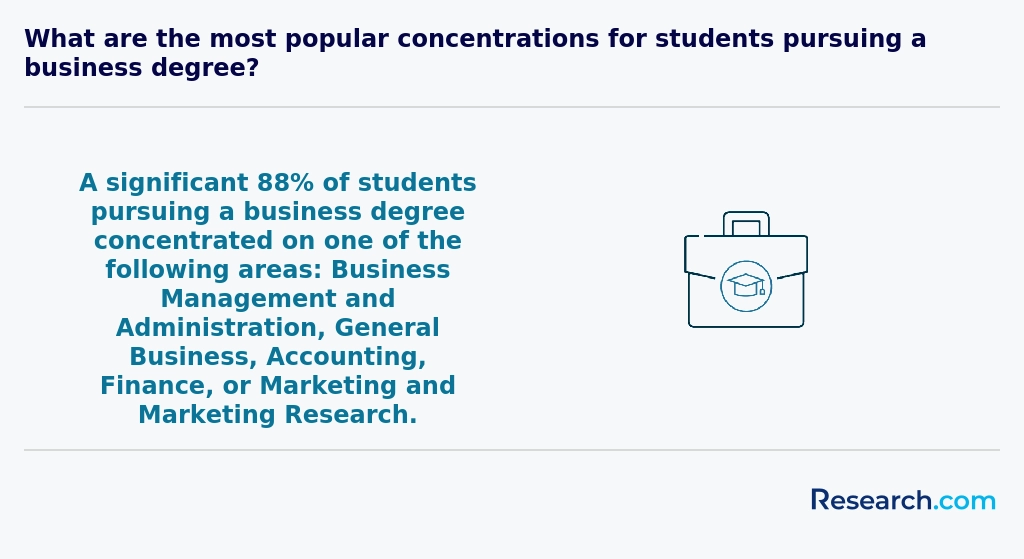
Marketing degree specializations in New Hampshire typically include digital marketing, brand management, market research, sales management, and advertising. For example, graduates from popular institutions like the University of New Hampshire benefit from digital marketing coursework focusing on SEO and social media strategies, preparing them for roles in the state's 80% digitally engaged businesses. Brand management students learn to craft and sustain strong brand images, crucial in New Hampshire's healthcare and manufacturing industries.
New Hampshire marketing concentration options also cover market research, which sharpens analytical skills for understanding consumer data-a sector expected to grow 18% nationally by 2030. Sales management training helps students develop leadership and negotiation skills, valuable for careers in the state's retail and tech markets. Advertising specialization offers hands-on experience in campaign creation and media planning, tapping into an industry employing over 4,000 professionals in New Hampshire. Many graduates describe their education as both practical and inspiring, often citing local case studies that empower them to envision successful futures in marketing.
Students often explore careers with a communications degree after completing these focused programs, linking marketing expertise with diverse professional opportunities in New Hampshire and beyond.
How do you choose the best marketing degree in New Hampshire?
Choosing the best marketing degree in New Hampshire requires a focus on accredited programs that combine solid marketing fundamentals with emerging trends like digital marketing and data analytics. Graduates from popular institutions in New Hampshire often highlight the importance of curriculum quality and practical experiences such as internships with local industries including healthcare and manufacturing. Tuition is another key factor; public colleges average about $9,000 annually for in-state students, making them attractive for those seeking affordable marketing colleges in New Hampshire without sacrificing quality.
Flexibility is frequently cited by working students who appreciate online or hybrid formats offered by New Hampshire schools. Graduates emphasize the value of strong faculty expertise and career support services, which boost confidence in navigating a competitive job market. For detailed comparative insights, students can explore the Affordable Marketing Degree Programs Ranking in New York, offering a model of tuition and program quality data relevant to regional marketing education choices.

What career paths are available for marketing degree students in New Hampshire?
Graduates from marketing programs at popular institutions in New Hampshire, such as the University of New Hampshire and Southern New Hampshire University, find diverse career paths in marketing career opportunities in New Hampshire. These include roles as marketing coordinators, market research analysts, sales managers, digital marketing specialists, and brand managers. Many graduates highlight the advantage of local industries like healthcare and manufacturing, which value their strategic planning and communication skills.
New Hampshire's vibrant small to mid-sized business scene encourages entrepreneurship and business development roles, where graduates often thrive. For instance, marketing graduates working in local advertising firms or startups experience firsthand the growing demand for digital competencies as social media manager or content marketer positions increase. Some graduates appreciate pursuing nonprofit marketing jobs that engage community outreach and fundraising.
With median salaries around $120,000 for marketing managers in the New England region, students at New Hampshire colleges benefit from strong local employment prospects. Many also pursue the fastest online degree programs for working adults to enhance skills while working, underscoring the flexible paths available for career advancement with a marketing degree New Hampshire.
What is the job market for marketing degree in New Hampshire?
The job market for marketing degree holders in New Hampshire shows steady growth, with employment expected to increase by about 7% through 2031. This aligns with national trends and reflects a consistent demand for marketing professionals in key sectors such as healthcare, technology, and manufacturing. Graduates from popular institutions like the University of New Hampshire and Southern New Hampshire University often find opportunities in cities like Manchester and Concord, where local businesses actively seek marketing coordinators, digital analysts, and brand managers to strengthen outreach strategies.
Marketing students benefit from strong internship programs that provide real-world experience, making transitions into roles smoother and more rewarding. The median salary in New Hampshire hovers around $65,000 annually, which, while slightly below the national median, is competitive given the local cost of living. Many graduates feel optimistic about leveraging their digital marketing skills amid the rise of online campaigns. Students weighing their educational investment can compare tuition costs with career outlooks or consider online certificate programs that pay well without a degree for accelerated entry.
New Hampshire marketing career opportunities continue to evolve, especially as companies prioritize digital presence and data-driven decision-making, amplifying the relevance of a marketing degree job outlook New Hampshire offers.
Frequently Asked Questions About marketing
Marketing degree students in New Hampshire can maximize their learning experience by engaging with local industry opportunities. The state's diverse economy, including sectors like healthcare, manufacturing, and tourism, offers practical environments for internships and cooperative education programs. Institutions such as the University of New Hampshire emphasize hands-on learning through partnerships with regional businesses.
Students should also leverage resources from career centers that connect them to New Hampshire's growing digital marketing sector, projected to expand by 8% over the next five years according to the New Hampshire Department of Employment Security. Networking through local marketing associations and attending industry events can enhance their professional development. Additionally, incorporating data analytics and digital marketing coursework aligns with national trends shaping the marketing profession.
The marketing field is rapidly evolving, and several emerging niches offer exciting opportunities for students pursuing marketing degrees in New Hampshire. One key area is digital marketing analytics, which focuses on interpreting data to inform strategic decisions. According to the New Hampshire Department of Business and Economic Affairs, demand for digital marketers skilled in data analysis has grown by over 15% in recent years statewide.
Another rising niche is social media marketing, driven by small and medium businesses in New Hampshire seeking to enhance online presence and customer engagement. Content marketing, specializing in creating valuable digital content, also plays a crucial role in targeted advertising strategies.
Additionally, sustainability marketing is gaining traction as local companies promote eco-friendly products. These areas reflect shifting trends within the industry supporting new career pathways.
After completing a marketing degree in New Hampshire, graduates should focus on gaining practical experience to improve employability. Internships and cooperative education programs offered by many New Hampshire universities provide valuable real-world skills. Building a professional network through local organizations such as the New Hampshire American Marketing Association can connect students with industry leaders and job opportunities.
Understanding local market trends is also key. For example, the New Hampshire Department of Employment Security reports continued growth in marketing and advertising jobs, reflecting strong regional demand. Familiarity with digital marketing tools and data analytics is increasingly important in this competitive field.
Finally, graduates should consider certifications like Google Analytics and HubSpot to enhance their resumes and demonstrate expertise to potential employers.
Employers in New Hampshire commonly seek marketing graduates who demonstrate strong communication and analytical skills. According to the New Hampshire Department of Employment Security, 65% of local marketing jobs require proficiency in data analysis to interpret market trends and consumer behavior effectively.
Creativity is also highly valued, as businesses often look for graduates capable of developing innovative campaigns that resonate with diverse audiences. Familiarity with digital marketing tools, including social media platforms and search engine optimization (SEO), is increasingly important due to the region's growing online commerce sector.
Teamwork and adaptability are essential soft skills since marketing roles frequently involve collaboration across departments and managing fast-changing projects.
Finding internships in New Hampshire relevant to a marketing degree starts with leveraging resources at local universities such as the University of New Hampshire and Southern New Hampshire University. These institutions often have dedicated career centers that connect students to marketing firms and corporate partners offering internships.
New Hampshire's diverse economy includes key industries like healthcare, technology, and tourism, all requiring marketing expertise. Major cities like Manchester and Portsmouth host numerous businesses where marketing internships are frequently available.
Online platforms like Handshake and the New Hampshire Job Network specialize in student and recent graduate opportunities and often list marketing internships within the state. Networking with local business associations, such as the New Hampshire High Technology Council, also increases access to internship openings.
A marketing degree can significantly enhance career mobility and advancement opportunities in New Hampshire's competitive job market. According to the U.S. Bureau of Labor Statistics, marketing-related roles in New Hampshire are expected to grow by about 6% through 2031, reflecting steady demand.
Graduates with marketing degrees often qualify for entry-level positions such as marketing coordinators or analysts and can advance to managerial roles within a few years. Employers in New Hampshire value strong analytical and communication skills gained through formal education.
Furthermore, local industries like healthcare, technology, and tourism require marketing professionals, offering diverse career paths.
Networking opportunities through New Hampshire's universities also support upward mobility by connecting students with local businesses.
Studying for a marketing degree in New Hampshire equips students with skills that cross traditional disciplinary lines, preparing them for varied roles in business, technology, and communications. New Hampshire's institutions often integrate coursework in data analytics, digital media, and consumer psychology, reflecting real-world demands. According to the New Hampshire Department of Business and Economic Affairs, marketing professionals in the state work closely with IT, finance, and creative sectors, necessitating diverse expertise.
Programs emphasize teamwork and problem-solving, allowing students to collaborate across departments and industries. This interdisciplinary approach helps graduates adapt to evolving market trends and technologies. Many universities also offer internships and partnerships with local businesses in Manchester and Concord, giving hands-on experience.
When choosing between a thesis and a non-thesis marketing degree program in New Hampshire, students should consider their career goals and learning preferences. Thesis programs typically involve conducting original research and writing a detailed paper, preparing students for roles in research, analytics, or further graduate studies. Non-thesis programs focus more on practical coursework and internships, appealing to those seeking immediate entry into marketing positions.
In New Hampshire, universities offering marketing degrees align with this national trend. According to the National Center for Education Statistics, about 40% of marketing master's students nationwide choose thesis tracks, but hands-on skills remain crucial in New Hampshire's competitive business environment. Understanding this distinction helps students make informed decisions aligned with their professional aims.
Students based in New Hampshire who want to study marketing abroad have several pathways through U.S. institutions offering international study programs. Many New Hampshire colleges like the University of New Hampshire provide semester-long exchanges or study abroad opportunities focused on business and marketing in countries such as the United Kingdom, Australia, and Spain.
These programs allow marketing students to gain global perspectives essential in today's business environment. The Institute of International Education (IIE) reports that approximately 10% of U.S. business students participate in study abroad annually, highlighting growing interest in global marketing skills.
Additionally, students can pursue short-term faculty-led marketing trips abroad or enroll in dual degree programs combining marketing studies in the U.S. and partner institutions internationally.
Students pursuing marketing degrees in New Hampshire have various part-time job opportunities that enhance their educational experience. Common roles include social media assistant, sales associate, and marketing intern, often found in local businesses across Manchester and Nashua, the state's largest cities. According to the New Hampshire Employment Security, the retail trade and professional services sectors show consistent demand for these positions.
Internships with digital marketing agencies based in Portsmouth or Concord also provide practical experience in SEO, content creation, and analytics. These roles allow students to apply classroom knowledge and build industry connections. Part-time jobs in event promotion or market research support can develop essential skills in communication and consumer analysis.
By working in these roles, students sharpen their marketing expertise while earning income and boosting employability upon degree completion.
Marketing students in New Hampshire benefit from a variety of networking opportunities through local universities, professional associations, and business events. Institutions such as the University of New Hampshire host career fairs and marketing clubs, allowing students to connect with regional employers and industry experts. The New Hampshire Chapter of the American Marketing Association (NH AMA) organizes workshops and networking mixers, providing valuable contact points for students. Additionally, New Hampshire's growing small business sector offers internships and real-world project collaborations, which are crucial for building professional relationships. These connections can enhance job prospects in the state's marketing and advertising fields.
Alumni networks offer significant advantages to marketing degree students in New Hampshire by providing access to valuable professional connections. These networks help students tap into industry insights, mentorship opportunities, and potential job placements. According to the New Hampshire Department of Business and Economic Affairs, the state's marketing sector employs over 5,000 professionals, highlighting the importance of strong local networks for career growth.
Engagement with alumni can also facilitate internships and collaborative projects with regional companies, enhancing practical experience. Moreover, studies find that graduates with active alumni support are 20% more likely to secure employment within six months of graduation, reflecting the networks' impact on career outcomes.
In New Hampshire, customizing a marketing degree program begins with selecting electives that align with your career goals, such as digital marketing, consumer behavior, or brand management. Many colleges offer flexible course options allowing students to focus on areas like social media strategy or data analytics, crucial in today's marketing landscape. Seeking internships with local businesses in cities like Manchester or Nashua can provide practical experience tailored to your interests.
Additionally, some institutions provide opportunities to engage in projects or research related to New Hampshire's growing tech and service industries, helping you build relevant skills. Consulting academic advisors early helps map out a course path suited to your ambitions. According to the New Hampshire Department of Labor, marketing specialist roles are projected to grow by 7% through 2030, signaling a promising job market for graduates who customize their skills effectively.
Marketing students in New Hampshire face several typical challenges during their studies. One primary issue is limited internship opportunities compared to larger metropolitan areas. Although the state has a growing business sector, the number of marketing-specific internships can be competitive, impacting hands-on experience availability. According to the New Hampshire Department of Business and Economic Affairs, businesses in the state tend to be small to medium-sized, which may limit exposure to diverse marketing strategies.
Additionally, students sometimes struggle with the rapid evolution of digital marketing tools. Staying current requires continuous learning beyond the classroom. Furthermore, networking opportunities can be less frequent than in major urban centers, making professional connections harder to establish early in their careers.
With a marketing degree in New Hampshire, graduates can pursue several professional certifications to enhance their career prospects. Popular options include the Certified Marketing Professional (CMP) and the Professional Certified Marketer (PCM) offered by the American Marketing Association. These certifications validate expertise in marketing strategy and ethics.
Digital marketing certifications like Google Ads and HubSpot Content Marketing are also valuable due to the growing importance of online marketing in the state's evolving business landscape, especially in sectors like tourism and technology.
According to the New Hampshire Department of Employment Security, marketing roles requiring certification often command higher salaries, reflecting a demand for specialized skills in the local market.
To write a winning application for a marketing program in New Hampshire, start by researching schools thoroughly to understand their specific requirements. Emphasize your passion for marketing through a clear personal statement that highlights relevant experiences such as internships or projects. Admissions committees in New Hampshire often value applicants who demonstrate practical skills along with academic achievements.
Include strong letters of recommendation from professionals or professors familiar with your abilities. New Hampshire's competitive marketing programs often consider standardized test scores and GPA, so ensure these meet or exceed the program averages reported by the National Center for Education Statistics. Finally, tailor each application to the institution's unique focus to stand out.
The global outlook on a marketing career emphasizes adaptability and digital proficiency. Marketing professionals today engage with diverse markets and cultures, making global awareness essential. In the US, including New Hampshire, students gain skills applicable worldwide, such as data analysis and consumer behavior understanding, taught at institutions like the University of New Hampshire.
According to the U.S. Bureau of Labor Statistics, marketing manager roles are expected to grow 10% between 2022 and 2032, reflecting strong demand. New Hampshire's growing tech and manufacturing sectors also boost marketing job opportunities.
International companies operating in New Hampshire value graduates who understand global market trends and digital marketing tools, highlighting the importance of a globally informed education.
Gaining practical experience while studying for a marketing degree in New Hampshire is essential for career readiness. Many colleges in the state encourage internships with local businesses, nonprofits, and marketing agencies. For example, the University of New Hampshire's Peter T. Paul College offers internship programs that connect students with regional companies, providing real-world exposure and networking opportunities.
Additionally, some schools host live case competitions and collaborative projects with industry partners, allowing students to apply marketing theories in practical settings. Students can also join marketing clubs or student-run businesses on campus to develop hands-on skills. According to the New Hampshire Department of Employment Security, internships in marketing roles increased by 12% in recent years, highlighting growing opportunities for practical work experience in the region.
Choosing the right concentration within a marketing degree in New Hampshire requires understanding your career goals and the local job market. Popular options include digital marketing, brand management, and market research. Digital marketing skills are increasingly important, as 65% of New Hampshire businesses plan to expand online advertising in the next five years, according to the New Hampshire Department of Business and Economic Affairs.
Consider concentrations that offer practical experience, such as internships or partnerships with local companies. Also, evaluate programs by their faculty expertise and alumni success in New England's competitive marketing industry. Align your choice with industries thriving in New Hampshire, like tech and healthcare.
Related Marketing Rankings for Nearby States
- 2027 Best Marketing Degree Programs Ranking in Massachusetts
- 2027 Best Marketing Degree Programs Ranking in Maine
- 2027 Best Marketing Degree Programs Ranking in New York
- 2027 Best Marketing Degree Programs Ranking in Rhode Island
- 2027 Best Marketing Degree Programs Ranking in New Jersey
- 2027 Best Marketing Degree Programs Ranking in Ohio
- 2027 Best Marketing Degree Programs Ranking in North Carolina
- 2027 Best Marketing Degree Programs Ranking in South Carolina
- 2027 Best Marketing Degree Programs Ranking in Georgia
- 2027 Best Marketing Degree Programs Ranking in Illinois
Top Trending Marketing Rankings
See What Experts Have To Say About Studying Marketing
Read our interview with Marketing experts

Aidin Namin, Ph.D.
Marketing Expert
Associate Professor of Marketing Analytics
Loyola Marymount University

John R. Meindl
Marketing Expert
Adjunct Assistant Professor of Marketing
Hofstra University

References
- What is a niche market? Types and 26 untapped niches https://clientify.com/en/blog/marketing/what-is-a-niche-market-types-and-examples
- Tuition Rates – NHTI https://www.nhti.edu/financial-aid/tuition-rates/
- Marketing https://wne.edu/academics/undergraduate/marketing.cfm
- Niche Digital Marketing Roles: Exploring Specialized Career Paths https://www.cellainc.com/insights/blog/niche-digital-marketing-roles-exploring-specialized-career-paths/
- Marketing, AS - Manchester Community College NH https://mccnh.edu/program/marketing/
- Best Marketing Certifications for Your Marketing Career https://www.business.com/articles/guide-to-marketing-certifications/
- How to Write a Marketing Cover Letter: The Unconventional Guide https://www.acadium.com/blog/marketing-cover-letter/
- Marketing Assistant Cover Letter Sample https://www.kickresume.com/en/help-center/marketing-assistant-1-cover-letter-sample/
- Top 10 Emerging Business Niches of 2026 & How to Plan for Them https://prometai.app/blog/emerging-niches-business-planning
- The guide to marketing and marketing jobs: Everything I wish I had known when I started | The Marketing Meetup https://themarketingmeetup.com/blog/the-guide-to-marketing/