2027 Best Marketing Degree Programs Ranking in South Carolina

Co-Founder and Chief Data Scientist
Choosing the right marketing degree program is a big step toward a bright future. For students in South Carolina, understanding which programs stand out can make this decision easier and more confident.
This article features the 2027 Best Marketing Degree Programs Ranking in South Carolina, developed by the Research.com team of data scientists. Their thorough analysis helps you see which programs offer strong opportunities and quality education in marketing.
Exploring these options can open doors to exciting careers and meaningful growth in a dynamic field. Take a moment to discover the best fit for your goals.
Key benefits of getting marketing degree in South Carolina
- Marketing degree graduates in South Carolina can expect strong salaries like $83,190 for roles such as Marketing Assistant, Media Planner, or Digital Marketing Specialist, and up to $159,420 for Public Relations Specialists.
- A graduate from the University of South Carolina, for example, can explore diverse careers including sales, public relations, and digital marketing, all with ample room for growth and creativity.
- Online marketing degrees offer flexibility and convenience, allowing students to balance work and study while earning valuable skills, as demonstrated by graduates from Clemson University's online program.
- Key benefits of getting marketing degree in South Carolina
- What can I expect from marketing degree in South Carolina?
- Where can I work with marketing degree in South Carolina?
- How much can I make with marketing degree in South Carolina?
- 2027 Best Marketing Degree Programs Ranking in South Carolina
- Key Findings
- How long does it take to complete marketing degree in South Carolina?
- Return on Investment of a Marketing Degree in South Carolina
- What's the difference between online and on-campus marketing degree?
- What is the average cost of marketing degree in South Carolina?
- Emerging Marketing Trends and Skills for 2024 and Beyond
- What financial aid is available to marketing degree students in South Carolina?
- Maximizing Your ROI Through Affordable Marketing Education
- What are the prerequisites for enrolling in marketing degree program in South Carolina?
- What courses are typically in marketing degree programs in South Carolina?
- What types of specializations are available in marketing degree programs in South Carolina?
- How do you choose the best marketing degree in South Carolina?
- What career paths are available for marketing degree students in South Carolina?
- What is the job market for marketing degree in South Carolina?
- Related Marketing Rankings for Nearby States
- Top Trending Marketing Rankings
- See What Experts Have To Say About Studying Marketing
What can I expect from marketing degree in South Carolina?
The average cost of pursuing a marketing degree in South Carolina typically ranges from about $10,000 per year at public universities like the University of South Carolina to around $25,000 per year at private institutions. Graduates often recall the value packed into their tuition - from hands-on projects with local companies to internship opportunities that launched their careers in Charleston or Greenville's bustling markets.
Imagine diving into strategic brand management classes where you analyze real campaigns or mastering digital marketing tools that top regional employers actively seek. Many students find their investment worthwhile as the state's AACSB-accredited programs emphasize not just theory but real-world practice, blending classroom learning with internships that sometimes turn into full-time jobs.
For those attending Clemson University, the cost mirrors a rich academic and practical experience, fostering a sense of readiness for South Carolina's dynamic economy. This blend makes the financial commitment feel like an exciting adventure toward a versatile marketing career.
Where can I work with marketing degree in South Carolina?
Graduates from marketing programs at universities like the University of South Carolina and Clemson often find themselves immersed in vibrant career landscapes across Charleston, Columbia, and Greenville. Imagine working at an advertising firm crafting eye-catching campaigns or stepping into a fast-paced tech startup in Greenville, honing digital marketing skills that drive product launches. These urban hubs buzz with opportunity, from managing social media strategies for retail giants to curating memorable tourism promotions along South Carolina's stunning coast.
Many marketing grads tell stories of collaborating with nonprofit organizations or government agencies, creating community outreach programs that truly make a difference. Picture yourself coordinating events for cultural institutions or developing awareness campaigns for public health - roles that build your portfolio while fueling a sense of purpose.
With starting salaries ranging from $40,000 to $55,000 and a projected 7% growth for marketing managers, the journey from college to career feels exciting and rewarding here. South Carolina's diverse economy invites you to explore countless pathways and discover where your marketing talents can shine.
How much can I make with marketing degree in South Carolina?
Graduates from marketing programs in South Carolina, such as those at the University of South Carolina or Clemson University, often dive into rewarding roles with earnings that spark excitement for their futures. Imagine starting as a digital marketing specialist, earning an average of $83,190 annually, where your skills in SEO or content strategy shine. This is a great leap from entry-level adventures, like sales associates, who earn around $53,280 yearly, gaining hands-on experience and building confidence in competitive markets.
Many graduates find themselves stepping into dynamic positions like media planners or marketing assistants, both with mean salaries near $83,190. These roles offer a vibrant playground to experiment with campaigns and grow professionally within South Carolina's diverse industries. Earning close to $159,420 as a public relations specialist might feel like a dream, but for driven alumni armed with strong networks and innovative strategies, it becomes an achievable milestone.
Students often share stories of their mentors encouraging bold creativity and data-driven decisions, making their salary journeys not just profitable but personally fulfilling.
2027 Best Marketing Degree Programs Ranking in South Carolina
How do we rank schools?
Investing in your education is a significant decision that can shape your future, and the Research.com team understands the importance of making informed choices. To assist prospective students in South Carolina, we have meticulously crafted the "2027 Best Marketing Degree Programs Ranking in South Carolina." Our commitment to quality, credibility, and accuracy is reflected in the extensive research and analysis conducted to compile this ranking.
We utilized the following reputable data sources to ensure a comprehensive evaluation of marketing programs:
By exploring this ranking, readers will gain valuable insights into the best marketing degree programs available in South Carolina, helping them make well-informed decisions about their educational paths. For more details on our methodology, please visit our Research.com methodology page.


Key Findings
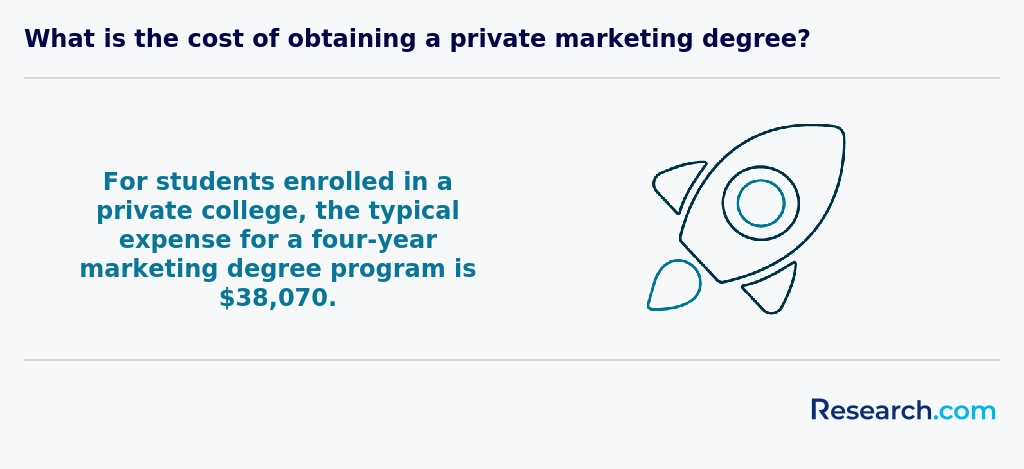
- In-state tuition for marketing degrees at South Carolina public universities ranges from $10,000 to $15,000 per year, while private colleges charge between $25,000 and $40,000 annually.
- Entry-level marketing graduates in South Carolina earn an average salary between $45,000 and $50,000 annually.
- Mid-career marketing professionals can expect salaries from $60,000 to $75,000 per year, especially in cities like Charleston, Columbia, and Greenville.
- The demand for marketing specialists and managers in South Carolina is projected to grow moderately over the next decade.
- Marketing programs in the state often emphasize internships and cooperative education with local businesses to enhance practical experience and job prospects.
How long does it take to complete marketing degree in South Carolina?
In South Carolina, completing a marketing degree often feels like embarking on an exciting journey that typically spans around four years for full-time students. Imagine yourself enrolled at the University of South Carolina or Clemson University, cruising through engaging courses like consumer behavior and digital marketing, steadily progressing toward your goal without delays.
Some graduates share that choosing a part-time path extended their adventure to five or six years, balancing work and study but savoring every achievement along the way. Others embrace the challenge of accelerated programs, diving into summer classes and heavier loads to cross the finish line in about three years, fueled by determination and energy.
For those venturing beyond undergraduate studies, graduate marketing degrees in South Carolina offer a thrilling ride of one to two years full-time, or a more flexible two to three years if working professionals opt for part-time schedules. Each pathway is uniquely rewarding, inviting students to tailor their experience while exploring the vibrant marketing landscape within the state.
Return on Investment of a Marketing Degree in South Carolina
Investing in a marketing degree in South Carolina can yield substantial returns, balancing the cost of tuition against post-graduate earnings and career advancement. On average, in-state students pay approximately $42,960 in total tuition over four years, while out-of-state students face about $110,240. Considering entry-level salaries around $50,000 and median wages rising to $84,518 within five years, many graduates recoup their educational investment in under six years. Key factors influencing ROI include average student debt, salary growth trajectories, and career progression timelines. For example, a graduate with $30,000 in student loans at a 4.5% interest rate can expect to repay this within seven years at an annual payment of $3,800, while starting salaries for marketing coordinators average $52,000. By year five, with salaries exceeding $70,000, loan-to-earnings ratios improve significantly, demonstrating the long-term value of a marketing education. Choosing cost-effective programs further enhances ROI. Students should compare in-state tuition benefits, scholarship opportunities, and accelerated pathways-such as dual-degree offerings-that can shorten time to degree. For those exploring alternative affordability metrics, our Inexpensive Online Marketing Degree Programs Ranking in Georgia provides insights into budget-friendly online options that maintain high academic standards. Ultimately, calculating ROI is more than arithmetic; it encompasses career satisfaction, industry demand, and networking prospects. With a projected 23% growth in digital marketing roles by 2031 and median salaries for marketing managers nearing $138,730, a South Carolina marketing degree remains a strategic investment, empowering graduates to achieve both financial stability and professional fulfillment.
What's the difference between online and on-campus marketing degree?
Choosing between online and on-campus marketing degrees in South Carolina opens up a world of possibilities. On-campus students at universities like the University of South Carolina enjoy vibrant campus life, where lively group projects, face-to-face debates, and local networking events spark exciting connections. Imagine diving into marketing fairs or internships right in the heart of Columbia, surrounded by peers and professors eager to collaborate.
On the flip side, online marketing students at places such as Coastal Carolina University embrace flexibility, weaving their studies seamlessly around jobs or family commitments. Picture studying marketing strategies late at night or during a lunch break, with recorded lectures ready whenever inspiration strikes. This flexibility does not compromise quality - many online programs here hold the same respected accreditation as traditional ones.
Graduates from both paths recall feeling empowered-whether from hands-on teamwork under South Carolina's sun or from mastering self-discipline in their digital classrooms. Each offers a distinctive adventure tailored to your rhythm and ambitions.
What is the average cost of marketing degree in South Carolina?
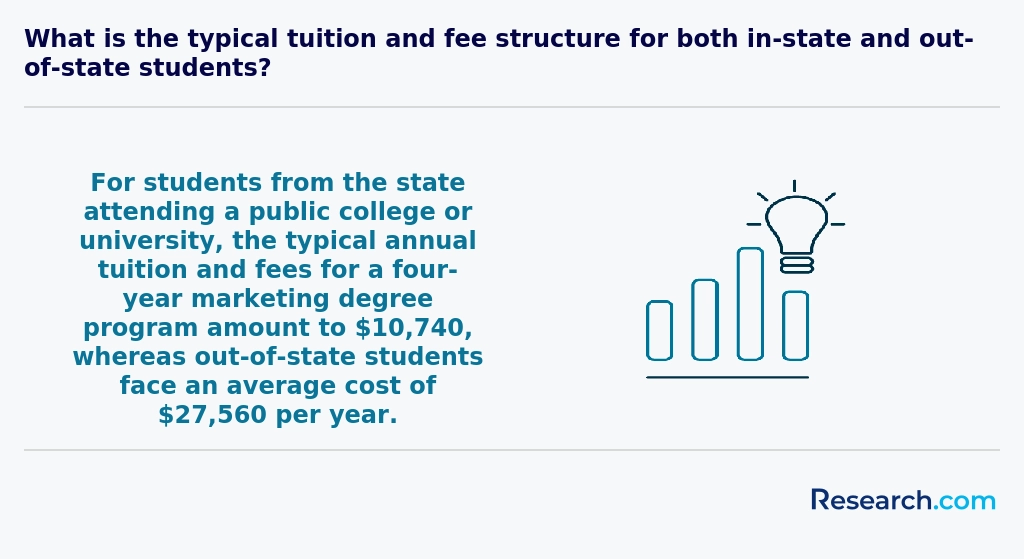
The average cost of a marketing degree in South Carolina offers a captivating glimpse into the balancing act students navigate between aspirations and finances. Graduates from popular institutions such as the University of South Carolina experience an in-state total cost around $15,554, combining tuition and typical expenses. This median figure brings a degree within reach for many, sparking excitement about pursuing marketing careers without overwhelming debt anxiety.
Out-of-state students aiming for the same programs face a different adventure, with median total costs climbing near $41,116. Yet, many graduates fondly recall the value found in diverse classroom discussions and networking opportunities that such investments unlock, fueling motivation through every challenging project and campaign.
For those hunting for more budget-conscious pathways, associate degrees from community colleges like Greenville Technical College can be a smart stepping stone. These options reflect the alluring charm of affordability while still opening doors to the marketing field. Navigating the total expenses for marketing degree South Carolina students often weigh-tuition, fees, books, and living costs-turns into a lively journey of discovery, requiring informed choices tailored to individual goals.
Those curious about tuition savings and program options are encouraged to explore affordable marketing programs in south carolina to uncover hidden gems designed to make this academic adventure both feasible and rewarding.
Emerging Marketing Trends and Skills for 2024 and Beyond
As the marketing landscape rapidly evolves, South Carolina students must master emerging trends to stay competitive. Programs that integrate artificial intelligence, data-driven decision-making, and immersive technologies are attracting high demand. By choosing a marketing degree that emphasizes these cutting-edge skills, graduates can: • Leverage Artificial Intelligence and Automation: Courses in AI-powered customer segmentation and predictive analytics prepare students to optimize campaigns, forecast market shifts, and personalize messaging at scale. • Embrace Voice Search and Conversational Marketing: With voice assistants and chatbots on the rise, understanding natural language processing (NLP) and conversational UX design is critical for capturing mobile and smart-device audiences. • Implement Immersive Experiences: Virtual and augmented reality modules teach students to craft interactive brand experiences, boosting engagement and loyalty in sectors like tourism, retail, and healthcare. • Prioritize Data Privacy and Ethical Marketing: As regulations tighten, proficiency in GDPR and CCPA compliance, plus transparent data collection practices, ensures trust and long-term brand reputation. • Champion Sustainability and Social Responsibility: Sustainability-focused marketing courses equip graduates to develop campaigns that align with consumer values, driving both profit and positive impact. • Develop Agile Content Strategies: Training in real-time analytics and omnichannel storytelling helps marketers pivot quickly, optimize ROI, and foster authentic connections across social, email, and emerging platforms. By aligning coursework with these industry trends, South Carolina institutions empower students to transform theoretical knowledge into real-world success. Investing in a program that blends foundational marketing principles with advanced digital competencies ensures graduates are not only ready for today’s job market but are also prepared to shape the future of marketing.
What financial aid is available to marketing degree students in South Carolina?
Exploring financial aid for marketing degrees in South Carolina feels like discovering hidden treasures tailored just for you. Imagine a graduate from the University of South Carolina who leveraged the FAFSA to secure a Pell Grant, easing the burden of tuition at this top business school. That grant alone can provide up to $7,395 annually, opening doors previously thought closed.
Or envision a student at Clemson University excitedly learning they qualified for the Palmetto Fellows Scholarship, covering up to $6,700 in tuition and fees due to stellar academic achievements-an encouraging boost for anyone aiming high.
- Palmetto Fellows Scholarship: Up to $6,700 per year in tuition and fees for top-performing students
- LIFE Scholarship: Covers partial tuition for eligible students maintaining certain GPA requirements
- South Carolina HOPE Scholarship: Provides $2,800 per year for students meeting academic benchmarks
Others find luck in institutional scholarships offered by South Carolina's colleges, rewarding leadership and passion in marketing pursuits. One graduate recalls the excitement of receiving a scholarship from their school's business department, mixing dedication with financial relief. These layered options-from federal grants to state awards and private opportunities like those from the American Marketing Association-craft a dynamic financial aid adventure perfect for South Carolina students ready to chase their marketing dreams.
Maximizing Your ROI Through Affordable Marketing Education
In today’s competitive academic landscape, selecting a high-quality yet cost-effective marketing program is essential for long-term success. Prospective students benefit from understanding how smart financial planning can help them minimize debt while maximizing career opportunities. It’s important to look for programs that offer a strong curriculum, robust internship opportunities, and solid industry connections without compromising affordability. Evaluating factors such as tuition costs, available scholarships, and work-study programs can significantly impact your return on investment. Additionally, leveraging reliable rankings and reviews, like those found for affordable marketing programs in south carolina, can provide a clearer picture of which institutions deliver quality education with manageable costs. By taking a strategic approach to selecting your program, you can not only ease your financial burden but also pave the way for a rewarding career in the dynamic field of marketing.
What are the prerequisites for enrolling in marketing degree program in South Carolina?
Diving into a marketing degree in South Carolina means first clearing a few welcoming hurdles. Graduates from institutions like Clemson University recall how having a solid high school diploma or GED was their crucial ticket in. Many found that excelling in English, math, and social sciences didn't just open doors-it set the stage for understanding the vibrant world of marketing.
Picture submitting your transcripts as showcasing your academic journey, with many schools expecting a GPA between 2.5 and 3.0. Students tell stories of how meeting this bar at the University of South Carolina was both a motivator and a proud milestone.
Standardized tests like the SAT or ACT may appear, but with many schools now test-optional, applicants can choose whether to add that bonus sparkle. Some applicants boosted their profiles with heartfelt personal statements or letters of recommendation, painting a wider picture of their passion for marketing.
Transfer students have found encouragement in smooth credit transfers from community colleges, making the leap to a four-year program an exciting adventure within South Carolina's supportive academic landscape.
What courses are typically in marketing degree programs in South Carolina?
Venturing into a marketing degree in South Carolina means diving into a vibrant mix of courses crafted to ignite your curiosity and sharpen your skills. At popular institutions like the University of South Carolina or Clemson, graduates often recall starting with foundational business classes-think principles of management, accounting, and economics-that set the stage for understanding the fast-paced marketing world.
From there, the adventure unfolds with core marketing courses such as Principles of Marketing, where you explore market research and consumer behavior firsthand. Imagine analyzing real brands in your Advertising and Promotion class, developing media plans that feel like your own creative campaigns coming to life.
Digital Marketing courses empower students to master social media strategies and analytics-skills that graduates rave about using to land their first roles. Others enjoy Marketing Research, diving into data to uncover stories behind customer choices, while Sales Management and Brand Management courses teach you how to lead teams and build lasting brand loyalty.
Hands-on projects and internships, especially at South Carolina's top colleges, add that extra spark, letting you apply what you learn in truly meaningful ways.
What types of specializations are available in marketing degree programs in South Carolina?
Diving into marketing degree specializations South Carolina offers, students at the University of South Carolina or Clemson University quickly discover paths tailored to their passions. Imagine focusing on Digital Marketing, where a graduate shares the thrill of crafting social media campaigns that reach thousands of local consumers, blending creativity with data-driven strategies. Others excitedly explore Marketing Analytics, transforming raw consumer data into powerful business insights, a skill highly sought after in South Carolina's evolving economy. Brand Management allows students to shape memorable identities, much like graduates who helped regional startups stand out. Meanwhile, Sales Management guides those eager to lead sales teams and build lasting customer relationships, inspired by internships right in Charleston's bustling business centers. Advertising aficionados enjoy creating compelling promotions seen across many media platforms throughout the state. Such South Carolina marketing program concentrations reflect a dynamic learning journey, and for those ready to embark on this adventure, exploring a marketing degree here opens doors to vibrant career possibilities.
How do you choose the best marketing degree in South Carolina?
Diving into the search for the best marketing degree programs South Carolina offers can feel like an exciting journey through a landscape rich with opportunity. Imagine exploring curricula at top universities near Charleston or Columbia, where graduates often share how courses in digital marketing and data analytics sparked their passion and prepared them for real-world challenges. These programs not only align with industry trends but also open doors to internships within South Carolina's vibrant tourism and tech sectors, giving you a head start on your career.
Balancing ambition with budget is key. Many hopeful students carefully compare tuition costs, taking into account that public universities average around $11,000 annually for in-state learners. Private colleges can be pricier, but smart planning includes seeking affordable marketing colleges in South Carolina and potential financial aid options. Graduates often reflect on how investing wisely impacted their journey, giving them confidence to focus on learning rather than finances.
For those ready to map out their academic adventure, faculty expertise and program accreditation build trust and open networking paths. And if exploring the broader Southern region appeals, check out the Inexpensive Online Marketing Degree Programs Ranking in Georgia to expand your horizons beyond state lines.
What career paths are available for marketing degree students in South Carolina?
Diving into a marketing degree career opportunities South Carolina reveals thrilling paths ripe for exploration. Graduates from institutions like the University of South Carolina and Clemson University often find themselves stepping into roles such as market research analysts, where deciphering consumer desires in bustling retail hubs sparks a sense of achievement. Others embrace the challenge of becoming sales managers, leading dynamic teams in the state's expanding logistics centers, fueling both personal growth and business success.
For those enchanted by the digital world, becoming a digital marketing specialist in cities like Charleston or Greenville offers endless creative opportunities, merging SEO strategies with vibrant social media campaigns. Brand managers thrive by elevating company images in the state's flourishing tourism sector, crafting memorable experiences for visitors and locals alike. Advertising account executives thrive in South Carolina's growing agencies, collaborating with clients to bring captivating campaigns to life. Many students also consider advancing with 1 year master programs to sharpen their skills and broaden horizons in this expanding field of jobs for marketing graduates in South Carolina.
What is the job market for marketing degree in South Carolina?
Graduates exploring marketing degree job opportunities in South Carolina often find an inviting landscape where creativity meets steady growth. Those who studied at popular institutions like the University of South Carolina or Clemson University share stories of landing roles as digital marketing specialists or market research analysts in Charleston's bustling tech and tourism sectors. Starting salaries for these entry-level positions typically range from $40,000 to $50,000, offering an encouraging start to launch a career.
South Carolina marketing career growth outlook shines especially bright thanks to the demand for skills in SEO, social media management, and data analytics. Graduates describe the thrill of internships and networking at local chambers of commerce, which often open doors to coveted positions in healthcare and technology companies. This real-world experience adds depth beyond textbooks, sparking confidence and enthusiasm for what lies ahead.
For those still weighing their educational path, it's worth considering which bachelor degree is the easiest to complement your ambitions-many find marketing both an exciting and achievable pursuit with the right mindset in South Carolina's diverse job market.
Frequently Asked Questions About marketing
Marketing degree students in South Carolina can maximize their learning experience by engaging actively with both academic and practical opportunities. Many universities in the state, including the University of South Carolina and Clemson University, offer internships that connect students to local industries, such as Charleston's growing tech and tourism sectors. According to the South Carolina Department of Commerce, the state's marketing and advertising job market is projected to grow by 5% through 2030, creating valuable employment prospects for interns.
Participating in student organizations and networking events also enhances learning by fostering real-world connections and teamwork skills. Additionally, students should seek out marketing research projects or competitions offered by universities to build hands-on experience.
The marketing field is evolving rapidly, with several emerging niches offering new career opportunities for South Carolina students. One key area is digital marketing, which includes social media management, content creation, and search engine optimization (SEO). As South Carolina's business landscape becomes more digitally focused, expertise in these areas is highly valued.
Another growing niche is data analytics. Marketing professionals skilled in interpreting consumer data and trends can help companies make informed decisions. According to the U.S. Bureau of Labor Statistics, jobs involving marketing analysis are expected to grow 23% by 2031 nationwide, reflecting the demand for such roles.
Email marketing and influencer marketing also continue to expand, particularly for targeting millennial and Gen Z consumers, crucial demographics in South Carolina's markets.
Graduates with a marketing degree in South Carolina should focus on gaining practical experience to stand out in a competitive job market. Internships with local companies can provide valuable knowledge about regional consumer behavior and business practices. According to the South Carolina Department of Employment and Workforce, marketing roles are expected to grow by 6% through 2030 in the state, emphasizing the importance of relevant skills.
Networking remains crucial; attending industry events in cities like Charleston and Columbia offers opportunities to connect with professionals. Additionally, developing digital marketing skills, including SEO and social media analytics, is essential as these are in high demand nationwide.
Certifications such as Google Analytics and HubSpot can boost a resume and demonstrate technical proficiency to employers. Finally, leveraging state career services and online job boards focused on South Carolina can help graduates find entry-level marketing positions.
Employers in South Carolina highly value several core skills in marketing degree graduates. Strong communication abilities, both written and verbal, are essential as professionals must craft clear messages tailored to diverse audiences. Analytical skills are also crucial; graduates should be comfortable interpreting market data and consumer trends to inform strategy. Digital marketing expertise, including social media and SEO knowledge, is increasingly demanded due to the growth of online commerce in the state.
According to the South Carolina Department of Commerce, proficiency in customer relationship management and adaptability to changing technologies further enhance job prospects. Teamwork and problem-solving remain vital, as marketing roles often require collaboration across departments to meet business goals.
Finding internships relevant to a marketing degree in South Carolina involves leveraging local resources and industry connections. Start by exploring university career centers, as they often partner with companies seeking marketing interns. Schools like the University of South Carolina and Clemson University provide tailored internship listings for marketing students.
South Carolina's growing business sectors in Charleston, Columbia, and Greenville offer numerous marketing internship opportunities, especially in hospitality, retail, and tech industries. According to the South Carolina Department of Commerce, marketing roles in these areas have increased by 4% annually, reflecting strong demand.
Utilizing online job portals focused on the region, attending local marketing networking events, and joining professional associations such as the American Marketing Association's South Carolina chapter can significantly improve internship prospects.
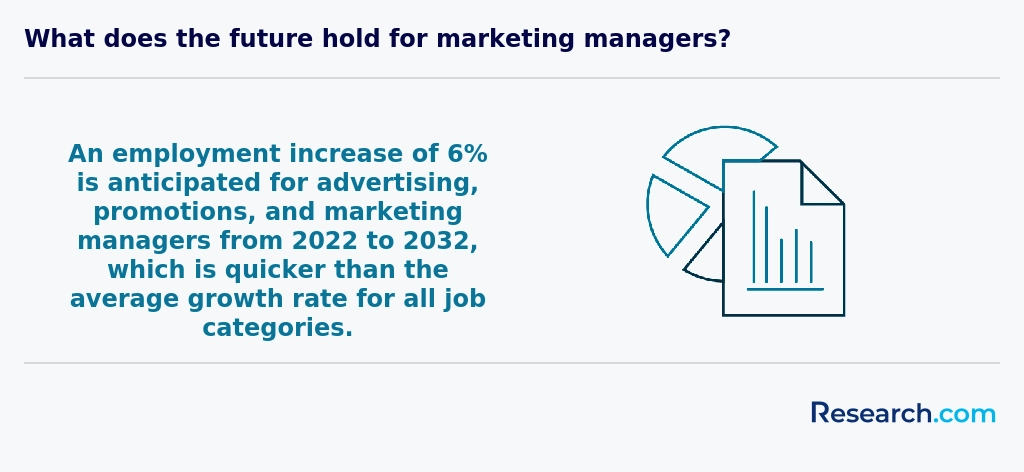
A marketing degree in South Carolina significantly enhances career mobility and advancement opportunities. The state's growing economy, with expanding sectors like technology, healthcare, and manufacturing, demands skilled marketing professionals to support business growth. According to the U.S. Bureau of Labor Statistics (BLS, 2023), marketing manager roles in South Carolina are projected to grow by 6% through 2030, slightly above the national average. This demand facilitates upward mobility for graduates with marketing expertise.
Many companies in cities such as Charleston, Columbia, and Greenville prioritize hiring locally educated candidates, valuing the practical knowledge of South Carolina's market conditions and consumer behavior. Additionally, South Carolina universities often offer internships and networking opportunities that help graduates enter leadership tracks more quickly.
Overall, a marketing degree equips individuals with strategic, analytical, and communication skills necessary to advance within diverse industries statewide.
Studying for a marketing degree in South Carolina equips students with skills that extend beyond traditional marketing concepts. Programs often integrate courses in data analytics, communication, and business strategy, fostering an interdisciplinary approach highly valued in today's job market. For example, the University of South Carolina emphasizes blending marketing with technology and management education.
South Carolina's growing industries, including tech and manufacturing, offer students real-world projects that combine marketing with operations and IT. According to the South Carolina Department of Commerce, marketing roles increasingly require analytical and collaborative skills across departments.
This cross-functional training prepares graduates for diverse roles in digital marketing, brand management, and more, shaping adaptable professionals ready to meet complex business needs.
When choosing between a thesis and a non-thesis marketing degree program in South Carolina, consider your career goals and learning preferences. Thesis programs emphasize research, culminating in a detailed project, which suits students aiming for doctoral studies or research roles. Non-thesis options focus more on practical skills and additional coursework, appealing to those seeking immediate entry into marketing careers.
The University of South Carolina reports that thesis programs often require 6-12 months more study time. Meanwhile, non-thesis paths typically include internships or applied projects, valuable for networking in South Carolina's growing marketing industry, especially in cities like Charleston and Columbia.
Understanding these differences helps align your education with South Carolina's job market demands and your professional objectives.
Students based in South Carolina seeking to study marketing abroad have several options through partnerships and study abroad programs offered by their home institutions. Universities like the University of South Carolina and Clemson University provide structured programs that allow marketing majors to spend a semester or a year at international universities.
These experiences often include coursework tailored to global marketing, enhancing cultural competence and international business skills, which are valuable in today's global market. According to the Institute of International Education, about 12% of South Carolina students participate in study abroad programs, many in business-related fields.
Financial aid and scholarships are commonly available to support these opportunities, making overseas study accessible for motivated students.
In South Carolina, students pursuing marketing degrees have a variety of part-time job opportunities that complement their academic studies. Positions such as social media assistant, market research intern, and sales representative are commonly available and provide practical experience.
The state's growing industries, including tourism and manufacturing, offer roles where students can apply marketing principles directly. For example, Charleston's tourism sector frequently seeks marketing interns to help promote local attractions.
According to the South Carolina Department of Employment and Workforce, marketing-related part-time jobs have seen steady growth, with digital marketing roles increasing by over 15% between 2020 and 2023.
Additionally, freelance opportunities in content creation and digital advertising enable students to build portfolios while studying.
Marketing students in South Carolina benefit from a variety of networking opportunities through local universities and professional organizations. Many institutions, such as the University of South Carolina and Clemson University, offer student chapters of the American Marketing Association (AMA), providing access to conferences, workshops, and guest speakers. These events foster connections with industry professionals and alumni.
Additionally, South Carolina's growing business sectors, including Charleston's tech and tourism industries, host networking events tailored to marketing professionals. According to the South Carolina Department of Commerce, marketing-related job growth in the state was projected to increase by 9% through 2028, highlighting ample opportunities for student networking and internships.
Alumni networks play a crucial role for marketing degree students in South Carolina by offering valuable connections and career opportunities. Graduates from universities such as Clemson, University of South Carolina, and College of Charleston often join these networks to share industry insights and job openings.
These connections help students access internships and entry-level marketing roles within South Carolina's growing economy, especially in areas like Charleston and Columbia where marketing jobs in digital media and advertising are expanding.
According to the South Carolina Department of Employment and Workforce, marketing-related jobs in the state are projected to grow approximately 6% by 2028. Alumni networks make this growth accessible by providing mentorship and real-world advice to current students.
Students also benefit from organized events and workshops hosted by alumni chapters, which enhance professional skills and networking abilities before graduation.
In South Carolina, customizing a marketing degree program to fit your career goals involves selecting courses and experiences aligned with your interests. Many universities offer concentrations such as digital marketing, advertising, or sales management, allowing students to specialize. You can also pursue internships with local businesses, gaining practical skills relevant to South Carolina's growing retail and tech industries.
The state's emphasis on sectors like tourism and manufacturing influences available marketing opportunities, so choosing electives that focus on these areas can enhance your employment prospects. Additionally, certifications in data analytics or social media marketing can complement your degree.
Advisors at South Carolina colleges often help students tailor their programs to match industry trends, which is crucial given that 42% of marketing roles in the state are projected to grow steadily through 2030, according to the South Carolina Department of Employment and Workforce.
Marketing students in South Carolina often face challenges related to rapidly evolving digital technologies. Staying current with tools like social media analytics and SEO requires continuous learning beyond the classroom. Additionally, South Carolina's competitive job market can make finding internships and entry-level positions difficult for students seeking real-world experience.
Many students also grapple with balancing coursework and practical application, as marketing programs increasingly emphasize hands-on projects. According to the South Carolina Commission on Higher Education, about 40% of business graduates report needing stronger digital marketing skills upon entering the workforce. This gap places pressure on students to gain proficiency independently.
Lastly, some marketing students in the state may find limited local networking opportunities compared to larger metropolitan areas, impacting their ability to connect with industry professionals during or after their studies.
With a marketing degree in South Carolina, graduates can enhance their careers by pursuing various professional certifications. Among the most recognized is the Certified Marketing Executive (CME) credential, offered by the Sales & Marketing Executives International. This certification validates leadership skills in marketing strategy and management.
Another valuable certification is the Professional Certified Marketer (PCM) from the American Marketing Association. It covers essential marketing knowledge, including digital marketing and brand management.
South Carolina's growing business sector, particularly in Charleston and Greenville, values certifications that demonstrate expertise and commitment. According to the U.S. Bureau of Labor Statistics, marketing jobs in South Carolina are projected to grow 8% from 2022 to 2032, increasing the demand for certified professionals.
These certifications can help graduates stand out and improve job prospects in the competitive South Carolina market.
Writing a winning application for a marketing program in South Carolina starts with a clear presentation of your academic achievements and relevant experiences. Admissions committees value applicants who demonstrate strong communication skills and a genuine interest in marketing. Include specific examples of any marketing projects, internships, or related work to highlight practical knowledge.
Standardized test scores like the SAT or ACT may still be required by some South Carolina universities, so verify each program's requirements carefully. The University of South Carolina's Darla Moore School of Business, for example, is highly competitive and encourages applicants to showcase leadership and analytical skills.
Additionally, crafting a compelling personal statement that explains why you want to study marketing in South Carolina can make your application stand out. Focus on how the program aligns with your career goals and mention any awareness of local market trends, as South Carolina businesses increasingly leverage digital marketing strategies according to the South Carolina Department of Commerce.
The global market for marketing professionals is expanding rapidly, fueled by digital transformation and international trade. Graduates with marketing degrees often find diverse opportunities across industries, from tech startups to large corporations. In South Carolina, where industries like manufacturing and tourism play key roles, marketing skills are highly valued for promoting local and global brands.
According to the Bureau of Labor Statistics, marketing manager positions in the U.S. are expected to grow by 10% from 2022 to 2032, with South Carolina reflecting similar trends due to its growing business sectors.
Understanding global consumer behavior, multilingual communication, and data analytics are important skills emphasized in many South Carolina marketing programs, preparing students for international challenges.
Students pursuing a marketing degree in South Carolina can gain practical experience through internships, cooperative education (co-op) programs, and campus-sponsored projects. Many universities partner with local businesses, offering students opportunities to apply classroom knowledge in real-world settings. For instance, Clemson University and the University of South Carolina have strong ties with Charleston's growing marketing and advertising sectors.
Internships often provide hands-on experience in digital marketing, market research, and campaign management, which are critical skills valued by employers. According to the South Carolina Department of Commerce, marketing-related internships increased by 15% statewide between 2020 and 2023, reflecting greater industry demand.
Additionally, some programs encourage participation in student-run marketing agencies or competitions. These platforms sharpen skills in teamwork, strategy, and client relations while building professional networks essential for career growth in South Carolina's dynamic marketing landscape.
Choosing the right concentration within a marketing degree program in South Carolina depends on your career goals and local market demands. Popular concentrations include digital marketing, market research, and sales management, reflecting evolving business needs. According to the South Carolina Department of Commerce, the state's growing tech and retail sectors heavily rely on digital marketing skills, making this concentration advantageous for job prospects.
Evaluate your strengths and interests, then research programs' course offerings to ensure alignment. Networking opportunities within South Carolina's business hubs like Charleston and Greenville can also influence your decision.
Review accreditation status and internship availability, as hands-on experience is crucial for employment after graduation.
Related Marketing Rankings for Nearby States
- 2027 Best Marketing Degree Programs Ranking in Georgia
- 2027 Best Marketing Degree Programs Ranking in North Carolina
- 2027 Best Marketing Degree Programs Ranking in Alabama
- 2027 Best Marketing Degree Programs Ranking in Mississippi
- 2027 Best Marketing Degree Programs Ranking in Missouri
- 2027 Best Marketing Degree Programs Ranking in Ohio
- 2027 Best Marketing Degree Programs Ranking in New Jersey
- 2027 Best Marketing Degree Programs Ranking in Illinois
- 2027 Best Marketing Degree Programs Ranking in Rhode Island
- 2027 Best Marketing Degree Programs Ranking in Massachusetts
Top Trending Marketing Rankings
See What Experts Have To Say About Studying Marketing
Read our interview with Marketing experts

Sonya A. Grier, Ph.D.
Marketing Expert
Professor, Department of Marketing
American University

Aidin Namin, Ph.D.
Marketing Expert
Associate Professor of Marketing Analytics
Loyola Marymount University

References
- 15 Marketing Certifications to Build Must-Have 2025 Skills https://www.cmswire.com/digital-marketing/10-marketing-certifications-that-can-help-you-earn-a-better-salary/
- What is a niche market? Types and 26 untapped niches https://clientify.com/en/blog/marketing/what-is-a-niche-market-types-and-examples
- Why study marketing? Discover 7 compelling reasons https://isc.strath.ac.uk/blog/why-study-marketing
- 8 Top Marketing Certification Programs That Will Advance Your Career in 2026 | Modern Marketing Institute https://www.modernmarketinginstitute.com/blog/8-top-marketing-certification-programs-that-will-advance-your-career-in-2026
- Women in marketing: Career growth through education | Esade https://www.esade.edu/beyond/en/women-marketing/
- The skills that will get you a graduate job in marketing https://targetjobs.co.uk/careers-advice/marketing-advertising-and-pr/skills-will-get-you-graduate-job-marketing
- Study Marketing Abroad | Go Overseas https://www.gooverseas.com/study-abroad/marketing
- How to Set Your Marketing Career Goals (and Actually Achieve Them) - Odeo Academy https://odeoacademy.com/how-to-set-your-marketing-career-goals-and-actually-achieve-them/
- Top 5 marketing skills employers are looking for in 2025 https://www.konkergroup.com/top-5-marketing-skills-employers-are-looking-for-in-2025/
- How to use growth marketing in an alumni network context? - AlumnForce https://www.alumnforce.com/en/how-to-use-growth-marketing-in-an-alumni-network-context/