2027 Most Affordable Online Human Resources Degree Programs Ranking in Texas

Co-Founder and Chief Data Scientist
Looking to advance your career with a human resources degree without breaking the bank? This article introduces the 2027 Most Affordable Online Human Resources Degree Programs Ranking in Texas, thoughtfully created by the Research.com team of data scientists. It's designed to help you easily find programs that fit your budget and goals.
Whether you're starting fresh or aiming to upskill, earning a human resources degree opens doors to rewarding opportunities. Let this ranking guide you toward a smart, affordable choice that feels right for your future.
Key benefits of getting online human resources degree in Texas
- Graduates with a human resources degree in Texas can expect competitive salaries, such as $76,060 annually for roles like Recruitment Coordinator, Employee Relations Specialist, and Human Resources Generalist.
- Career paths vary widely, from Human Resources Assistant to Training and Development Coordinator, offering opportunities to grow and specialize based on interests and skills learned at Texas universities.
- Completing an online human resources degree offers flexibility, allowing students to balance work and life commitments while gaining the same knowledge and credentials as traditional programs from respected Texas schools.
- Key benefits of getting online human resources degree in Texas
- What can I expect from online human resources degree in Texas?
- Where can I work with online human resources degree in Texas?
- How much can I make with online human resources degree in Texas?
- 2027 Most Affordable Online Human Resources Degree Programs Ranking in Texas
- Key Findings
- How long does it take to complete online human resources degree in Texas?
- Professional Certifications and Continuing Education
- What's the difference between online and on-campus human resources degree?
- What is the average cost of online human resources degree in Texas?
- What financial aid is available to online human resources degree students in Texas?
- Essential Tips for Succeeding in Your Online HR Program
- What are the prerequisites for enrolling in online human resources degree program in Texas?
- What courses are typically in online human resources degree programs in Texas?
- What types of specializations are available in online human resources degree programs in Texas?
- How do you choose the best online human resources degree in Texas?
- What career paths are available for online human resources degree students in Texas?
- What is the job market for online human resources degree in Texas?
- Related Human Resources Rankings for Nearby States
- Top Trending Human Resources Rankings
- See What Experts Have To Say About Studying Human Resources
What can I expect from online human resources degree in Texas?
Imagine embarking on your online human resources degree journey in Texas where the average cost feels like a friendly handshake rather than a daunting barrier. Graduates from institutions such as Texas A&M and University of North Texas often describe their tuition as surprisingly affordable, especially when weighed against the flexibility of in-state rates for remote learners. Picture saving thousands by skipping relocation and campus housing fees-studying from your favorite coffee spot or home office without sacrificing quality.
One graduate shared how the financial aid tailored for Texas residents felt like a lifeline, making the balance between work, family, and study not only manageable but empowering. Tuition for an entire bachelor's program typically hovers around $7,000 to $15,000, depending on the school and course load, embodying access without austerity. This grounding in realistic costs, coupled with the local job market's welcoming arms, creates a uniquely Texan blend of opportunity and optimism for aspiring HR pros.
Where can I work with online human resources degree in Texas?
Graduates from online human resources programs at Texas public universities find themselves woven into the vibrant fabric of Texas industries, from bustling Houston healthcare hubs to innovative tech firms in Austin. Imagine starting your day coordinating talent for a Dallas energy giant or crafting employee wellness initiatives for a San Antonio nonprofit-these are daily realities for many.
One graduate from a renowned Texas university shared how their HR expertise became essential in managing remote teams across sprawling state lines, blending traditional HR with digital innovation. Another found joy in transforming educational institutions' staff development programs, deeply impacting faculty morale and growth. The Texas economy's diversity offers you a playground where HR skills unlock doors in government agencies, manufacturing plants, and retail empires alike.
These career paths spark enthusiasm as you navigate strategic planning for multinational corporations or champion fair labor practices in local organizations. The power of an online HR degree in Texas lies in this blend of flexibility, demand, and meaningful impact-turning your passion into a career shaping the future workforce statewide.
How much can I make with online human resources degree in Texas?
If you've earned your online human resources degree from a renowned Texas institution-think the University of Texas at Austin or Texas A&M-your paycheck can reflect both your knowledge and your smart choice of study location. Graduates stepping into roles like Recruitment Coordinators or Employee Relations Specialists in Texas are seeing mean annual wages around $76,060, according to the latest Bureau of Labor Statistics data.
Imagine a recent graduate juggling remote classes while landing a Human Resources Generalist position in Houston, bringing home about $76,060 yearly. Or picture another balancing family life and training to become a Training and Development Coordinator, with a mean salary near $71,980, navigating Dallas's vibrant corporate scene.
These figures don't just represent numbers-they translate into the freedom to build a life, pay off student loans, and maybe even take that dream trip. The online degree's flexibility means graduates can gain experience while earning, helping them rise quickly into well-paying HR careers in Texas's bustling metros or quieter outskirts without missing a beat.
2027 Most Affordable Online Human Resources Degree Programs Ranking in Texas
How do we rank schools?
Investing in your education is a significant decision that can shape your future, and the Research.com team acknowledges the importance of making well-informed choices. To support prospective students in Texas, we have carefully developed the "2027 Most Affordable Online Human Resources Degree Programs Ranking in Texas." Our dedication to quality, credibility, and accuracy is demonstrated through thorough research and detailed analysis behind this ranking.
We utilized the following reputable data sources to ensure a comprehensive evaluation of these programs:
By exploring this ranking, readers will gain valuable insights into affordable and high-quality online human resources degree options in Texas, enabling them to make informed decisions about their educational journey. For more details on our methodology, please visit our Research.com methodology page.




Key Findings
- Online human resources degrees in Texas are offered by accredited institutions with flexible programs suitable for working professionals.
- The total cost for an online bachelor's degree in HR ranges from $15,000 to $30,000, with lower tuition available for in-state students.
- Entry-level HR graduates in Texas typically start with an average salary of $50,000 annually.
- Experienced HR professionals earn between $70,000 and $90,000 depending on their role and location.
- Employment for HR specialists and managers is growing faster than the national average, especially in metropolitan areas like Austin-Round Rock.
- Many online programs prepare students for SHRM certification, which improves job prospects and salary potential.
How long does it take to complete online human resources degree in Texas?
Picture this: a driven student at Texas A&M dives into an online Bachelor's in Human Resources, balancing late-night study sessions with a full-time job. For them, the journey typically spans four years-but thanks to aggressive summer courses and flexible scheduling, they cut it down to just under three.
Meanwhile, a recent graduate from the University of Texas at Arlington shared how choosing an accelerated path with year-round classes slashed her completion time for a Master's in Human Resource Management to under two years, all while juggling family and work commitments.
For Texas students aiming for entry-level roles, the Associate degree's two-year timeframe feels like a quick win. Imagine unlocking foundational HR skills via a community college's online program and stepping confidently into the workforce.
Across Lone Star State institutions, what truly reshapes timelines is clever credit transfer and prior experience recognition. One student's journey shortened dramatically, transforming a four-year expectation into a thrilling three-year reality, thanks to hands-on workplace credits.
Professional Certifications and Continuing Education
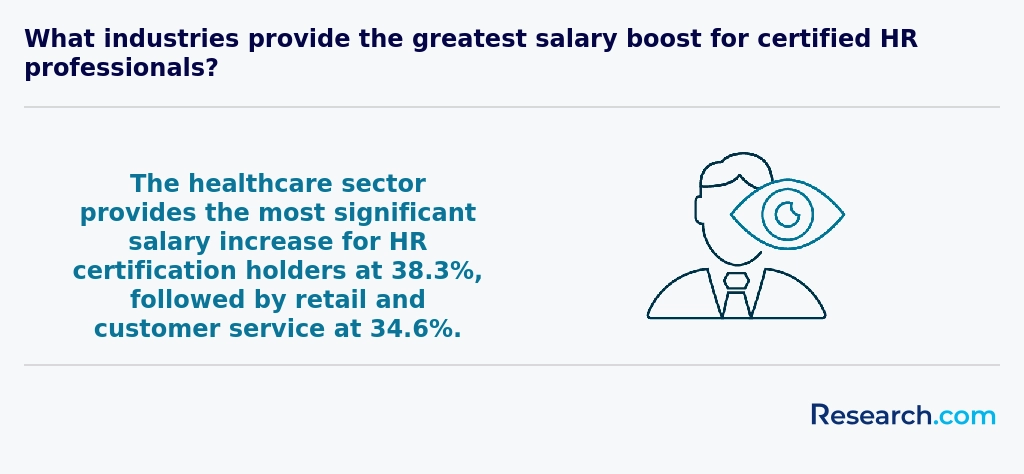
Earning an online Human Resources degree in Texas lays a strong foundation, but obtaining industry-recognized certifications can significantly enhance your expertise and marketability. Professional credentials such as the SHRM-CP (Society for Human Resource Management – Certified Professional) and the PHR (Professional in Human Resources) demonstrate mastery of HR principles, elevate your candidacy for leadership roles, and often lead to salary increases of 10–15% above median wages. Many Texas programs integrate certification prep into their curricula, offering targeted coursework in strategic HR management, compliance, and talent analytics. For example, students who complete certification-aligned modules report feeling more confident during exam preparation and early career transitions. Additionally, continuing education options-such as micro-credentials in diversity and inclusion or talent acquisition-allow graduates to stay current with evolving labor laws and best practices. Pursuing these credentials not only bolsters your resume but also facilitates lifelong learning. Professional associations like SHRM and HRCI offer webinars, conferences, and mentorships that expand your network and keep you informed about emerging trends. To explore further degree pathways and compare certification-ready programs, visit our Affordable Online Human Resources Degree Programs Ranking in Pittsburg, KS, which highlights institutions committed to affordability and career-focused training. By combining a reputable online HR degree with strategic certifications and ongoing professional development, you’ll be well-equipped to navigate complex workforce challenges and accelerate your career growth in Texas’s competitive HR landscape.
What's the difference between online and on-campus human resources degree?
Picture juggling your 9-to-5, family dinners, and a Human Resources degree from Texas State University-online lets you hit "play" on lectures while making that perfect Tex-Mex dinner, all without leaving your sofa. Graduates rave about the freedom to tailor studies around life's chaos, tapping into vibrant digital networking events and virtual simulations that bring HR concepts to life in a flexible, stress-smoothing way.
Meanwhile, on-campus at the University of Texas at Austin, the buzz of face-to-face debates and spontaneous hallway chats with professors fuels a different kind of learning energy. Grads fondly recall late-night study sessions mingled with career fairs where Houston's booming energy sector recruiters often drop by, promising real-world chances right on campus.
Both paths walk the same rigorous Texas Higher Education Coordinating Board-accredited road, but one trades the tangibility of campus life for a digital dance with deadlines, and the other swaps digital comfort for immersive, in-the-moment human connections, blending Texas's unique market with your career ambitions.
What is the average cost of online human resources degree in Texas?
For students diving into the world of human resources through an online degree in Texas, understanding the average cost online human resources degree Texas is crucial. Many graduates from renowned public universities in Texas share stories of balancing a budget-friendly education with flexible schedules. These institutions often provide an in-state total cost hovering around $20,772, which feels like a reasonable investment considering the quality and accessibility of their online HR programs.
Imagine a student juggling work and study at a prominent Texas college known for affordable HR degrees. Their tuition sits comfortably below the national private average, letting them focus more on mastering skills instead of worrying about sky-high fees. Meanwhile, out-of-state learners face greater expenses, but scholarships and employer tuition reimbursements often soften the blow.
Private universities in Texas, with their innovative course offerings and specialized HR tracks, can command a higher price tag, but many graduates recall the personal connection and tailored coursework that made each dollar worthwhile. They highlight that while the median total cost in Texas online HR degrees can climb toward $54,900, the investment opens doors to rewarding HR careers.
Prospective students weighing their options will also find value exploring the most affordable human resources schools in texas, where a combination of cost-efficiency and educational rigor can spark both savings and satisfaction. Recognizing these financial landscapes helps balance excitement for HR with realistic planning.

What financial aid is available to online human resources degree students in Texas?
Imagine a graduate from the University of Texas at Austin juggling a full-time job while tapping into employer tuition assistance to fund their online human resources degree. This lifeline is common in Texas, where companies invest in upskilling employees, turning careers around without debt spirals. Meanwhile, federal aid steps in like a trusted companion-Pell Grants can gift up to $7,395 to those whose financial compass points toward need, sparing them from heavy repayments.
Down in Houston, another student's story unfolds around the Texas Grant, a beacon for those under $50,000 family income, cushioning tuition costs by roughly $4,000 annually at public universities like Texas A&M. Institutional aid also plays a pivotal role; Texas State University, for example, offers scholarships tailored specifically for online human resources learners, easing the financial mountain one step at a time.
- Private scholarships from organizations like SHRM light the way for many, nationwide but warmly embraced by Texans.
- Work-study gigs, though less common online, still appear like hidden treasures for earn-while-you-learn adventurers.
Starting early-submitting the FAFSA by June 30-becomes a strategic move, unlocking doors to these resources and transforming the dream of an online human resources degree in Texas into a financially navigable journey.
Essential Tips for Succeeding in Your Online HR Program
Embarking on an online Human Resources program in Texas requires more than just enrolling in courses-it demands a proactive approach to managing your studies, time, and career aspirations. A key tip is to establish a dedicated study space and create a consistent schedule that allows you to balance work, family, and academic responsibilities. Leveraging digital tools such as calendar apps and task managers can help you stay on top of deadlines and assignments, ensuring that you make steady progress throughout the semester. Another important strategy is actively engaging with your peers and instructors. Participate in virtual study groups and discussion forums to deepen your understanding of course material and build a supportive learning community. This networking not only enriches your academic experience but also opens doors to career opportunities in the HR field. Utilize available university resources, including tutoring, career counseling, and technical support, to maximize your learning potential. Regularly reviewing course content and seeking feedback on assignments can further sharpen your skills and increase your confidence in applying theoretical knowledge to real-world HR challenges. For those interested in exploring cost-effective options, our detailed ranking of most affordable human resources schools in texas provides insights into programs that balance quality education with financial accessibility. By taking advantage of both academic and external resources, you can ensure a successful and fulfilling journey in your online HR program.
What are the prerequisites for enrolling in online human resources degree program in Texas?
Imagine starting your journey toward a human resources degree online in Texas, where the gateway is a high school diploma or GED-simple, yet powerful badges of readiness. Many graduates from popular schools like the University of Texas at Austin recall how maintaining a GPA near 2.5 became their launchpad, proving the universe that discipline paired with curiosity can open doors. Though SAT and ACT scores often quietly retire from the application checklist, some programs still glance at these numbers, like a friendly nod from an old professor.
Picture a transfer student from a Texas community college, clutching transcripts that weave together academic stories through the Texas Common Course Numbering System, translating credits smoothly between institutions. For those diving into graduate studies, a bachelor's degree becomes more than a requirement-it's a passport. Graduates from Texas A&M understand how a 3.0 GPA and a passion reflected in recommendation letters or meaningful HR work experiences become the fuel to ignite acceptance and future impact.
What courses are typically in online human resources degree programs in Texas?
Diving into an online human resources degree in Texas feels like stepping into the heartbeat of workforce innovation. Graduates from renowned Texas universities often rave about navigating courses such as Recruitment and Selection, where they craft hiring strategies that feel less like paperwork and more like matchmaking for careers. Imagine designing an onboarding experience so smooth that new employees feel welcomed before their first day even begins.
Employee Relations and Labor Law classes translate Texas' unique legal landscape into clear, approachable frameworks, giving students confidence to handle real-world challenges. One graduate shared how Compensation and Benefits Administration courses empowered them to build reward systems that motivate teams and align with both local business needs and compliance rules.
Performance Management and Organizational Behavior feel like learning the secret language of workplace dynamics-think reading team energy and sparking collaboration with ease. Strategic Human Resource Management sharpens big-picture thinking, connecting classroom lessons to boosting companies across Texas.
Workforce Analytics and HR Technology bring a futuristic touch, teaching tools that turn data into actionable insights. Electives like Diversity and Inclusion resonate deeply, reflecting Texas' colorful and growing workforce, making graduates ready to embrace all perspectives in the Lone Star State's bustling economy.
What types of specializations are available in online human resources degree programs in Texas?
Imagine stepping into a bustling Texas energy firm, where a graduate specialized in Human Resource Management skillfully orchestrates recruitment, employee relations, and labor law compliance, all tailored to the Lone Star State's diverse industries. Online human resources specializations Texas programs bring this to life, letting students dive into practical fields like Employment Law and Labor Relations-perfect for navigating the complex federal and Texas-specific workplace rules that graduates encounter daily.
Other graduates from popular Texas colleges find their passion in Organizational Development and Training, crafting leadership programs that spark real cultural transformations in competitive sectors like manufacturing and IT. A fellow student, drawn to Compensation and Benefits, masters the art of designing sustainable pay packages sensitive to Texas's unique economic landscape, helping companies attract and keep talent.
These real-world applications make Texas HR degree concentration options vibrant and relevant, with graduates praising the flexible, affordable pathways. For those curious about costs and quality, check out Affordable Online Human Resources Degree Programs Ranking in Pittsburg, KS for guidance tailored to working adults.
How do you choose the best online human resources degree in Texas?
Choosing the best online human resources degree in Texas feels like navigating a vibrant marketplace of opportunities. Imagine a graduate from a popular Texas university celebrating how their program's accreditation opened doors to coveted certifications such as SHRM-CP, making them feel confident and valued in Houston's dynamic job market. Affordability is like finding a hidden gem-affordable human resources programs Texas online offer tailored choices between $5,000 and $15,000 yearly, balancing quality and pocket-friendliness, unlike the unexpected tuition shock some faced at other colleges.
Envision another student mastering asynchronous classes while juggling a busy life in Dallas, loving the freedom to learn on their own schedule combined with the hands-on practical approach of Texas' top programs thriving on strong industry ties. They share how career services and internships felt like a safety net, turning academic theory into rewarding real-world HR success stories. For an even smoother start, some turn to easy online degrees that pay well, blending passion with practicality.

What career paths are available for online human resources degree students in Texas?
Graduates with an online human resources degree in Texas step into a vibrant mosaic of career paths that pulse with opportunity and growth. From managing employee relations at bustling Houston energy firms to orchestrating recruitment at tech startups in Austin, the possibilities are as diverse as Texas itself. Many find themselves thriving as Human Resources Specialists or Recruitment Coordinators, navigating through workforce strategy with the confidence gained from Texas' top universities.
Others pivot into niche roles-Compensation and Benefits Analysts ensuring fair pay, or Employee Relations Managers building inclusive corporate cultures. Graduates often recount how studying at renowned Texas institutions, whether remote or on-campus, sharpened their skills in conflict resolution and labor law compliance, vital for thriving within Texas' dynamic economy. These stories highlight exciting job prospects for career opportunities with online human resources degree Texas, where compliance officers and diversity coordinators are increasingly in demand.
Ambitious learners, inspired by the success around them, explore certifications alongside their degrees, bolstering their value. For those curious about advancing further, exploring the most lucrative masters degrees can open new horizons beyond entry-level roles.
What is the job market for online human resources degree in Texas?
The job market for online human resources degree jobs Texas is a thriving landscape where ambition meets opportunity. Graduates from well-known institutions in Houston and Austin often share how the blend of flexible online studies and a booming Texas economy has translated into rapid career advancement. Imagine starting as a recruitment coordinator in a bustling Dallas tech startup, applying fresh tactics learned during your courses, and quickly moving up due to the state's growing demand for HR talent.
With industries like energy and healthcare expanding, these human resources career opportunities Texas translate into real roles like compensation analysts or employee relations specialists. Graduates find themselves attracted by the appealing salaries-averaging around $66,680 annually-and a lower cost of living that fuels a balanced lifestyle. Plus, many discover that exploring cheap online universities that accept fafsa makes earning their degree not just possible but smart and sustainable.
Frequently Asked Questions About human resources
Online human resources degree students in Texas can enhance their learning by engaging actively with course materials and virtual discussions. Utilizing Texas-specific labor market data from the Texas Workforce Commission can provide relevant context to HR practices in the state. Networking with peers and professionals through online forums or local HR associations like the Texas SHRM chapters adds practical insight. Students should also seek internships or remote project opportunities within Texas companies, which often serve as pathways to employment. Keeping updated on state labor laws and regulations is crucial, as Texas HR professionals must navigate unique legal environments compared to other states.
Emerging niches within the human resources (HR) field reflect the evolving workplace and technological advancements. In Texas, a growing focus is on HR analytics, which uses data to improve hiring, retention, and employee performance. The Texas Workforce Commission highlights that businesses increasingly seek professionals skilled in interpreting workforce trends.
Another niche is diversity, equity, and inclusion (DEI). Texas companies are prioritizing inclusive cultures, requiring HR experts who design and implement DEI initiatives. Additionally, remote workforce management is gaining importance as many Texas employers adopt hybrid models. This niche involves navigating legal, technological, and cultural challenges.
Finally, HR professionals with knowledge in employment law and compliance remain in demand due to the complex regulatory environment across Texas.
Preparing for the job market after earning an online human resources degree in Texas involves several key steps. First, developing practical HR skills such as recruiting, employee relations, and compliance is essential. Texas employers value candidates familiar with state labor laws and regulations.
Networking plays a crucial role; joining organizations like the Texas Association of Business or local SHRM (Society for Human Resource Management) chapters can open doors to job opportunities. According to the Texas Workforce Commission, HR jobs in Texas are expected to grow by 6% through 2032, signaling steady demand.
Finally, gaining certification, such as the SHRM-CP or PHR, can increase marketability and reflect your commitment to the profession. Tailoring resumes and practicing interview skills with Texas-specific HR scenarios will also enhance job prospects.
Employers in Texas highly value human resources graduates who demonstrate strong communication skills. Clear and effective interaction is essential for managing employee relations and conflict resolution. According to the Texas Workforce Commission, HR professionals with excellent interpersonal abilities tend to advance faster in local job markets.
Additionally, knowledge of employment law is critical, as Texas HR departments must navigate both federal and state regulations. Familiarity with Texas labor laws helps prevent costly legal issues for companies.
Tech proficiency is also key. HR graduates who can use HR information systems and payroll software efficiently are in demand, especially as Texas companies adopt more digital tools.
Strong organizational and problem-solving skills round out the top capabilities employers seek, enabling graduates to handle complex employee needs effectively.
Finding internships in Texas relevant to a human resources degree involves several practical approaches. Start by exploring university career services, which often connect students with local employers seeking HR interns. Many Texas colleges, such as the University of Texas and Texas A&M, offer platforms listing internship opportunities specifically within the state.
Networking plays a crucial role. Joining professional organizations like the Society for Human Resource Management (SHRM) Texas State Council provides access to internships and job postings. Texas has a strong HR job market, with the Texas Workforce Commission reporting a 5% growth in HR employment from 2021 to 2023.
Additionally, use online job sites-focusing on local Texas businesses and nonprofits, which frequently offer internships to online degree students. Tailor your applications to demonstrate understanding of Texas labor laws and HR practices to improve your chances.
An online human resources degree can significantly enhance career mobility and advancement in Texas by providing flexible access to accredited education tailored to industry needs. Texas hosts a rapidly growing job market in HR, with the Texas Workforce Commission predicting over 70,000 HR-related job openings by 2030. Online programs equip students with key competencies such as talent management, employment law, and organizational development, preparing graduates for leadership roles.
Additionally, many Texas employers recognize online degrees from regionally accredited institutions as credible qualifications. The ability to study remotely allows working professionals to upskill without career interruption, often leading to promotions and salary increases. Certifications combined with an online degree further improve competitiveness within Texas's dynamic labor market.
Studying for a human resources degree in Texas equips students with skills that cross into areas such as business management, psychology, and labor law. Many Texas online programs integrate coursework on organizational behavior and employment laws relevant to the state's dynamic economy. This interdisciplinary approach is valuable because HR professionals often collaborate with finance, marketing, and legal departments.
According to the Texas Workforce Commission, nearly 50,000 HR-related jobs existed statewide in 2023, emphasizing a demand for versatile professionals. The curriculum typically includes case studies and projects that mimic real workplace challenges, preparing graduates to adapt across roles. Such training helps students develop strategic thinking and communication skills, which are essential in interdisciplinary environments.
Choosing between a thesis and a non-thesis human resources degree program in Texas depends largely on your career goals and learning preferences. A thesis option involves conducting original research, which is ideal if you plan to pursue a PhD or a research-focused career. It develops strong analytical and writing skills valued in academic and consulting roles.
In contrast, non-thesis programs focus more on practical skills through coursework and internships, suited for professionals targeting HR management or leadership positions. According to the Texas Workforce Commission, the HR field in Texas is expected to grow 10% from 2022 to 2032, highlighting strong industry demand for both research and applied knowledge.
Consider program flexibility, faculty expertise, and your time commitment since thesis tracks often take longer to complete. Reviewing specific university curricular offerings can clarify which path aligns best with your professional aspirations and schedule.
Students in Texas seeking to study human resources abroad have limited direct options through fully online degrees offered by international institutions. Most international universities require some on-campus presence, which can challenge students relying solely on online study. However, Texas-based students can explore global partnerships between U.S. and foreign universities, allowing credit transfers for human resources programs.
Many Texas universities offer online human resources degrees accredited in the U.S., giving students access to global HR concepts relevant for international careers without leaving their state.
According to the Texas Workforce Commission, the state's HR job market continues to grow, making local online degrees particularly valuable in combination with global HR knowledge.
Part-time job opportunities in Texas that complement an online human resources degree include roles such as HR assistant, recruitment coordinator, and payroll clerk. These positions allow students to gain practical experience while studying, which is valuable for building a professional resume. According to the Texas Workforce Commission, employment in HR occupations is expected to grow steadily in the state, with over 50,000 individuals currently working in the field.
Internships at Texas companies or nonprofit organizations also provide vital exposure to HR functions like employee relations and benefits administration. Additionally, customer service roles can enhance communication skills essential for HR professionals.
Online human resources students in Texas have multiple networking opportunities despite studying remotely. Many Texas universities offering online HR degrees provide virtual career fairs, webinars, and networking events connecting students with HR professionals statewide.
Additionally, students can join the Texas HR Association chapters, such as the Houston HR Association or Dallas HR Management Association, which host local meetups and workshops. These groups are valuable for gaining industry contacts and learning about Texas-specific employment trends.
According to the Texas Workforce Commission, the HR sector in Texas is growing steadily, making networking crucial for accessing internships and job openings.
Online platforms like LinkedIn also play a significant role for students building their professional presence in Texas's HR market.
Alumni networks offer significant advantages to online human resources degree students in Texas. These networks connect current students with graduates working in diverse HR roles across the state, providing valuable insights and career guidance. According to the Texas Workforce Commission, Texas employs over 78,000 human resources specialists as of 2023, making professional connections vital for job placement and advancement.
Through alumni events, webinars, and mentoring programs, students access real-world knowledge and industry trends. Participation in these networks can increase job opportunities and internships, especially in key Texas HR hubs like Dallas and Houston.
Additionally, alumni often share job leads and professional resources exclusive to their institutions.
Customizing an online human resources degree in Texas allows you to align your studies with specific career goals. Many Texas universities offer elective courses focusing on areas like talent management, labor relations, or organizational development. This helps tailor your expertise toward industries such as healthcare, technology, or manufacturing, which are significant employers in Texas.
Additionally, some programs provide certificate options or internships that can boost practical experience and networking opportunities. According to the Texas Workforce Commission, HR roles in Texas are projected to grow by 10% through 2030, emphasizing the value of specialization.
Consult academic advisors to choose courses that match your career aspirations and local job market demands.
Online human resources students in Texas often face challenges related to balancing work, family, and study commitments. Many students juggle full-time jobs alongside coursework, which can lead to time management difficulties.
Connectivity issues also impact some learners, especially in rural areas of Texas where reliable high-speed internet remains limited. According to the Texas Broadband Development Office, about 17% of rural Texans lack access to adequate internet, affecting their online learning experience.
Additionally, students may struggle with limited networking opportunities compared to traditional programs, which can hinder professional growth. Lack of direct access to campus resources and in-person mentorship are also common concerns among online HR students in the state.
With an online human resources degree, you can pursue several key professional certifications to enhance your career prospects. The most recognized is the Professional in Human Resources (PHR) certification, offered by the HR Certification Institute (HRCI). It demonstrates expertise in program implementation and is valuable across Texas industries.
Another prominent option is the Society for Human Resource Management Certified Professional (SHRM-CP), which focuses on operational HR knowledge and strategies.
Both certifications often require candidates to hold a degree and pass an exam. According to the Texas Workforce Commission, HR professionals with certifications frequently earn higher salaries and enjoy better job stability in the state's growing job market.
Finally, specialized credentials such as the Certified Compensation Professional (CCP) may benefit HR graduates aiming to focus on compensation management.
Applying to an online human resources program in Texas requires a clear, concise, and focused approach. Begin by thoroughly researching programs accredited by the Society for Human Resource Management (SHRM) or the HR Certification Institute, ensuring your degree meets industry standards.
Highlight your relevant experience, such as work in personnel management, recruitment, or employee relations. Texas employers value practical skills combined with academic knowledge, so emphasize these strengths in your personal statement.
Include specific career goals linked to Texas's dynamic job market where human resources roles are growing at a faster pace than the national average, according to the U.S. Bureau of Labor Statistics. Proofread all materials carefully to avoid errors.
Request recommendation letters from supervisors or professionals familiar with your HR skills, as these add credibility to your application.
The global perspective on a human resources (HR) career highlights its growing importance across industries and borders. HR professionals play a key role in managing diverse workforces, fostering inclusion, and navigating international labor laws. In Texas, HR careers reflect this trend with a 12% projected job growth from 2022 to 2032, according to the U.S. Bureau of Labor Statistics.
Internationally, organizations value HR skills that support remote work and cultural understanding. Texas HR programs often emphasize these global competencies, preparing graduates for multinational companies based in cities like Houston and Dallas.
Understanding global HR trends improves employability and career advancement for Texas students pursuing online degrees.
Gaining practical experience while studying for an online human resources degree in Texas is essential for career readiness. Many programs encourage internships, even for remote students. Texas offers a diverse job market with opportunities in industries like healthcare, technology, and energy, making it easier to find local HR internships.
Students can also participate in virtual internships or volunteer for nonprofit organizations to develop skills. Professional associations like the Texas Human Resources Management Association (THRMA) provide networking events and mentorship opportunities. According to the U.S. Bureau of Labor Statistics, Texas employs over 65,000 HR specialists, highlighting strong industry demand.
Choosing the right concentration within an online human resources degree program in Texas depends on your career goals and interests. Common concentrations include talent acquisition, employee relations, and compensation management. Research the Texas workforce market to identify areas with high demand. For example, talent acquisition specialists are increasingly sought after due to Texas's growing industries like tech and healthcare, according to the Texas Workforce Commission.
Consider programs that align with the Society for Human Resource Management (SHRM) certifications, valued by many Texas employers. Also, review course flexibility and internship opportunities offered online, which may enhance your practical experience.
Related Human Resources Rankings for Nearby States
- 2027 Most Affordable Online Human Resources Degree Programs Ranking in Kansas
- 2027 Most Affordable Online Human Resources Degree Programs Ranking in Missouri
- 2027 Most Affordable Online Human Resources Degree Programs Ranking in Colorado
- 2027 Most Affordable Online Human Resources Degree Programs Ranking in Alabama
- 2027 Most Affordable Online Human Resources Degree Programs Ranking in Florida
- 2027 Most Affordable Online Human Resources Degree Programs Ranking in Kentucky
- 2027 Most Affordable Online Human Resources Degree Programs Ranking in Illinois
- 2027 Most Affordable Online Human Resources Degree Programs Ranking in Virginia
- 2027 Most Affordable Online Human Resources Degree Programs Ranking in Indiana
- 2027 Most Affordable Online Human Resources Degree Programs Ranking in Minnesota
Top Trending Human Resources Rankings
See What Experts Have To Say About Studying Human Resources
Read our interview with Human Resources experts


Rick Hackett
Human Resources Expert
Professor, Human Resources & Management
McMaster University

Chester S. Spell
Human Resources Expert
Professor of Management
Rutgers University

References
- Want a Career in Human Resources? Your In-Depth (2025) Guide https://www.aihr.com/blog/career-in-human-resources/
- Human Resource Development in Education Non-Thesis Master's Program https://eds.metu.edu.tr/en/human-resource-development-education-non-thesis-masters-program
- 7 Best Human Resources Courses for Beginners in 2026 ... https://coursecareers.com/blog-posts/7-best-human-resources-courses
- 2025 Most Affordable Online Human Resources Degrees https://www.onlineu.com/most-affordable-colleges/human-resources-degrees
- Should I Get My Bachelor's Degree in HR Management Online? | CSU Global https://csuglobal.edu/blog/should-i-get-bachelors-degree-human-resources-online
- How to Maximize the Impact of Alumni Networks https://www.careeros.com/resources/how-to-maximize-the-impact-of-alumni-networks
- Redefining career development: Skills, mobility and retention https://hrexecutive.com/redefining-career-development-skills-mobility-and-retention/
- Human Resource Management Master's Program (without Thesis) | Eastern Mediterranean University Cyprus https://www.emu.edu.tr/en/programs/human-resource-management-masters-program-without-thesis/1544
- Human Resources Professional https://msutexas.edu/distance/in-demand-courses/human-resources-professional.php
- HUMAN RESOURCE MANAGEMENT (THESIS / NON-THESIS) - Lisansüstü Eğitim Enstitüsü https://lee.nisantasi.edu.tr/en/human-resource-management-thesis-non-thesis/