2027 Most Affordable Online Master's in Human Resources Degree Programs Ranking in the South

Co-Founder and Chief Data Scientist
Choosing the right online master's program in human resources can feel overwhelming, especially when you want quality and affordability. This article features the 2027 Most Affordable Online Master's in Human Resources Degree Programs Ranking in the South, carefully created by the Research.com team of data scientists to guide you toward the best options.
By exploring this ranking, you'll discover programs that balance cost and quality, helping you invest wisely in your future. Earning a human resources degree opens doors to rewarding careers, and this article aims to make your decision easier and more confident.
Key benefits of getting online human resources degree in the South
- Salary for human resources degree graduates: Graduates in the South can expect strong earning potential with roles like Human Resources Manager earning a mean annual wage of $154,740 and Compensation and Benefits Manager around $150,940.
- Career paths: A graduate from the University of Florida in HR can pursue diverse roles such as Talent Acquisition Manager or Employee Engagement Manager, both offering salaries near $154,740, signaling excellent growth opportunities.
- Benefits of online degrees: Earning an online HR degree from institutions like the University of North Carolina offers flexibility and accessibility, helping students balance work and studies while accessing quality education that leads to rewarding careers.
- Key benefits of getting online human resources degree in the South
- What can I expect from online human resources degree in the South?
- Where can I work with online human resources degree in the South?
- How much can I make with online human resources degree in the South?
- 2027 Most Affordable Online Master's in Human Resources Degree Programs Ranking in the South
- Key Findings
- How long does it take to complete online human resources degree in the South?
- What's the difference between online and on-campus human resources degree?
- Tips for Success in Your Online HR Program
- What is the average cost of online human resources degree in the South?
- What financial aid is available to online human resources degree students in the South?
- What are the prerequisites for enrolling in online human resources degree program in the South?
- Accreditation and Professional Certification
- What courses are typically in online human resources degree programs in the South?
- What types of specializations are available in online human resources degree programs in the South?
- How do you choose the best online human resources degree in the South?
- What career paths are available for online human resources degree students in the South?
- What is the job market for online human resources degree in the South?
- Top Trending Human Resources Rankings
- See What Experts Have To Say About Studying Human Resources
What can I expect from online human resources degree in the South?
The average cost of pursuing an online human resources degree in the South is often more affordable than many expect, making it an inviting choice for those balancing work and life. Graduates from popular Southern universities frequently share how lower in-state tuition rates and competitive pricing made their educational goals achievable without overwhelming financial strain.
For example, students at schools known for their HR programs in states like Texas or Georgia report paying tuition fees that often fall below national averages, thanks to these institutions' commitment to accessible education. This affordability, combined with flexible online schedules, empowers many to continue advancing their careers while earning their degrees.
Beyond tuition, many graduates highlight the value of financial aid options and employer tuition reimbursement, which further ease the cost burden. Imagining yourself attending a well-respected Southern college, gaining vital HR skills, and connecting with local employers is both realistic and inspiring, especially when the financial investment feels manageable and aligned with your professional ambitions.
Where can I work with online human resources degree in the South?
Graduates with an online human resources degree from respected Southern universities, such as the University of Georgia or Texas A&M, often find themselves thriving in diverse workplace settings. Many alumni share stories of starting their careers in dynamic healthcare facilities where they manage onboarding and benefits for growing staff teams. These roles offer rewarding daily interactions and the satisfaction of supporting essential workers.
Others have leveraged their degrees to build strong careers in manufacturing hubs across states like Tennessee and Georgia, helping companies enhance employee safety and boost morale. These graduates emphasize the pride they feel knowing their work directly improves productivity and workplace culture.
State and local government positions also attract many Southern HR graduates, who appreciate the chance to influence policies that shape fair and inclusive work environments. Additionally, human resources professionals educated in the South often find exciting opportunities in fast-growing tech cities like Austin, where talent acquisition and retention are key to company success.
Overall, students pursuing online human resources degrees in the South enjoy a vibrant job market filled with meaningful roles that make a real difference in organizations and communities alike.
How much can I make with online human resources degree in the South?
Graduates from popular Southern institutions offering online human resources degrees often find themselves stepping confidently into rewarding careers with impressive salaries. For instance, many alumni from universities in Texas or North Carolina who become Human Resources Managers can anticipate mean annual earnings around $154,740, reflecting strong demand and competitive pay in the region.
Those pursuing specialized roles like Talent Acquisition Manager or Employee Engagement Manager enjoy similarly robust compensation, with salaries averaging $154,740 annually. Meanwhile, Workforce Planning Analysts typically earn around $95,600 per year, providing great opportunities for those interested in strategic HR roles. These figures demonstrate how an online degree can open doors to lucrative positions across dynamic Southern business hubs.
Graduates often share how their programs at well-regarded regional schools prepared them to thrive-balancing coursework with real-world challenges-making salary prospects both attainable and motivating. By choosing Southern colleges known for strong human resources programs, students position themselves to build meaningful careers with earnings that reflect their dedication and expertise.
2027 Most Affordable Online Master's in Human Resources Degree Programs Ranking in the South
How do we rank schools?
Investing in your education is a significant decision that can shape your career, and the Research.com team is committed to helping you make informed choices. To support prospective students seeking affordable online master's degrees in Human Resources in the South, we have carefully developed the "2027 Most Affordable Online Master's in Human Resources Degree Programs Ranking in the South." Our dedication to quality, credibility, and accuracy is grounded in thorough research and detailed analysis.
We utilized the following reputable data sources to create a comprehensive and reliable ranking:
By reviewing this ranking, readers will gain valuable insights into affordable, accredited online master's programs that meet their educational and professional goals. For a detailed explanation of our ranking process, please visit our Research.com methodology page.


# 8 position
Columbia Southern University
Master of Human Resources/Instructional Design and Technology


Key Findings
- Master's degree costs typically range from $10,000 to $25,000, with public institutions in the South often offering lower tuition than the national average.
- Employment for human resources specialists in Southern states is projected to grow about 7% through 2030, matching the national growth rate.
- Starting salaries for early-career HR professionals in the South average between $50,000 and $60,000 annually.
- Experienced HR managers can expect salaries rising to $85,000 to $100,000, depending on state and industry.
- Many Southern schools are accredited by the Southern Association of Colleges and Schools Commission on Colleges (SACSCOC).
- Programs often provide flexible options like asynchronous courses and part-time study for working professionals.
How long does it take to complete online human resources degree in the South?
Completing an online human resources degree in the South is an achievable and rewarding journey tailored to fit your life. Many graduates from well-known Southern universities find that a bachelor's degree typically takes about four years full-time, balancing studies with family and work commitments. They often feel empowered by the flexibility offered through online programs, allowing them to progress at a comfortable pace.
For master's degree seekers, the path is even more adaptable. Graduates from respected Southern institutions frequently complete their programs in 1.5 to 2 years, with some accelerated options enabling completion in just 12 months. This flexibility inspires confidence, letting students customize their schedules without sacrificing quality education.
Students often highlight how part-time enrollment, transfer credits, and cohort-based learning make it easier to stay motivated and connected. These real-life factors create a supportive learning environment, making success feel both tangible and within reach for anyone pursuing an online human resources degree in the South.
What's the difference between online and on-campus human resources degree?
Choosing between online and on-campus human resources degrees in the South means embracing what fits your life and dreams best. Online programs shine with unmatched flexibility, letting you balance work, family, and study without uprooting your daily routine. Imagine completing coursework from home while staying connected virtually with professors and peers-ideal for those in rural areas or busy schedules. Many graduates from universities like the University of North Carolina have praised this freedom, celebrating how it allowed them to advance their careers without pausing their lives.
On-campus learning offers vibrant, face-to-face interactions that create a strong community feel. Picture attending lively discussions, utilizing campus career centers, and meeting future employers through university events, just like graduates from the University of Georgia often describe. This hands-on environment fosters lasting connections, valuable for gaining internships and jobs in the Southern market.
Both paths uphold rigorous curricula and respected accreditations, ensuring your degree proves your expertise and readiness. Tuition differences also sweeten the deal-online programs often cost less, giving you quality education with mindful budgeting. Whether you choose online flexibility or in-person energy, Southern HR programs empower your growth and success.
Tips for Success in Your Online HR Program
Embarking on an online Human Resources degree can be both rewarding and challenging, so adopting effective strategies is key to maximizing your academic and professional outcomes. Establishing a clear study schedule and setting realistic goals will help you manage course work alongside other commitments. Engage actively in discussion forums and virtual group projects to build a network that extends beyond the digital classroom, as these connections can prove invaluable during and after your degree. Additionally, utilize your school's career services by seeking out internships, mentorship opportunities, and resume workshops that are often available exclusively to students. For instance, exploring resources at a valuable human resources school in alabama can provide deep insights into industry networking and career advancement. Finally, don’t hesitate to reach out to professors and advisors when you encounter challenges; they can offer guidance tailored to your individual learning style and career aspirations, ensuring that you remain on track for both academic success and professional excellence.
What is the average cost of online human resources degree in the South?
The average online human resources degree cost in the South offers a compelling balance of quality and affordability, with a median total cost around $27,450. Many students find that pursuing their master's degree at well-regarded public universities in states like Georgia, North Carolina, or Texas allows them to access competitive tuition rates that make advancing their careers both achievable and rewarding. Graduates often share how the accessible costs helped them focus on expanding their skills without the heavy burden of overwhelming debt.
Beyond just tuition, many Southern institutions strive to keep additional fees reasonable, making education even more attractive. Students appreciate how financial aid options, scholarships, and employer tuition reimbursement programs in the region reduce the effective out-of-pocket expenses, helping bring dreams closer to reality. The valuable human resources school in Alabama is one example where affordability meets strong academic support, inspiring many to begin or elevate their careers with confidence.
For those seeking affordable online master's in human resources tuition southern US, the in-state rate is particularly appealing, often dipping near half the out-of-state cost, around $12,985. This affordability motivates countless learners to pursue their goals with enthusiasm, knowing their investment will open doors to leadership and meaningful impact in organizations across the South and beyond.

What financial aid is available to online human resources degree students in the South?
Students pursuing an online human resources degree in the South are empowered by a variety of financial aid options designed to make education attainable and rewarding. Many graduates from institutions like the University of Texas or Georgia State University have successfully accessed federal aid through FAFSA, unlocking Pell Grants and flexible federal loans that provide crucial support without overwhelming debt. Imagine receiving a Direct Unsubsidized Loan or a Grad PLUS Loan with manageable interest rates, enabling you to focus on your studies and career growth.
State-specific programs such as the Texas Education Grant Program and Georgia's HOPE Scholarship create even more opportunities by rewarding in-state residents dedicated to advancing their education. This creates a real sense of community and encouragement among Southern learners.
Furthermore, scholarships targeted at online HR students help reduce financial burdens, while employer tuition reimbursement programs turn your career aspirations into achievable goals. Many graduates share stories of how this support transformed their journey, making the path to becoming skilled HR professionals exciting and financially feasible.
- Federal aid via FAFSA, including loans and grants
- State grants and scholarships specific to Southern states
- University and private scholarships focused on HR and online students
- Employer tuition reimbursement and professional development funding
What are the prerequisites for enrolling in online human resources degree program in the South?
Enrolling in an online human resources degree program in the South opens exciting doors, and fulfilling the prerequisites is an empowering first step toward your career goals. Most successful applicants hold a bachelor's degree from an accredited institution, which doesn't have to be specifically in HR or business but often benefits from relevant fields. Graduates from universities like Georgia State University share how their diverse academic backgrounds became strengths in their HR studies.
Official transcripts showing a solid GPA, typically between 2.5 and 3.0, reflect readiness for graduate work and boost confidence in your academic journey. Many Southern schools, including those in the University of North Carolina system, are embracing test-optional policies-so if standardized tests like the GRE aren't your strong suit, these programs provide welcoming flexibility.
Professional experience in HR or related areas is highly valued. Graduates often recount how one to three years of hands-on work helped them connect theory with real-world challenges and enriched their online discussions. Finally, being comfortable with technology and having a reliable internet connection ensures a smooth, engaging learning experience tailored for busy, motivated adults in the South's vibrant professional community.
Accreditation and Professional Certification
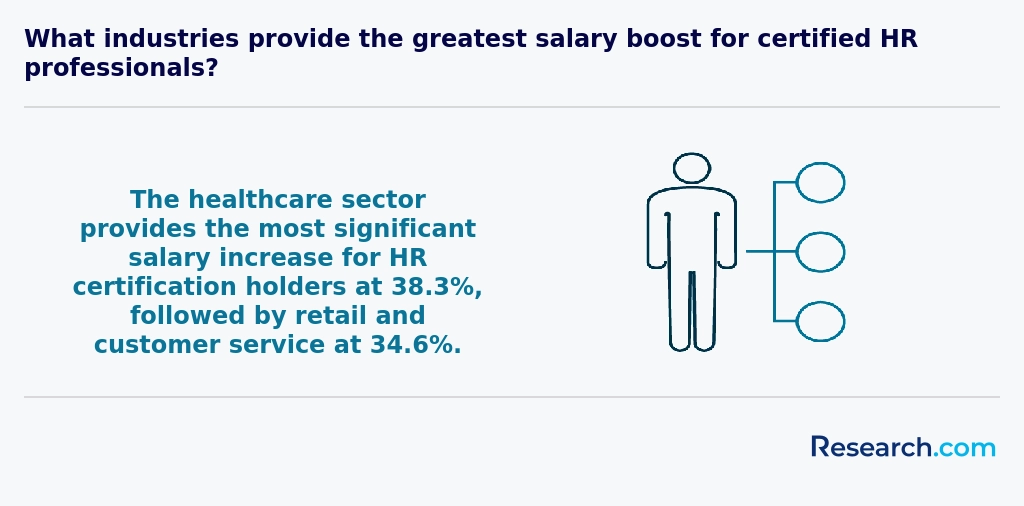
Ensuring your online HR master’s program holds the right accreditation is critical for academic rigor and employer recognition. Regional accreditation from bodies like the Southern Association of Colleges and Schools Commission on Colleges (SACSCOC) guarantees that institutions meet stringent quality standards, while programmatic accreditation-such as the Society for Human Resource Management (SHRM) alignment-demonstrates curriculum relevance to current industry practices. Before enrolling, verify that your chosen school is listed in recognized databases and that its credits are transferable. For prospective students in Alabama, our Affordable Online Human Resources Degree Programs Ranking in Alabama highlights fully accredited, cost-effective options to kickstart your HR career with confidence. Beyond academic accreditation, professional certifications elevate your credentials and accelerate career growth. Popular certifications include SHRM-CP and SHRM-SCP from the Society for Human Resource Management, as well as HRCI’s PHR and SPHR credentials. Many accredited online programs integrate exam prep into their curriculum, offering practice exams, workshops, and mentorship. Earning these certifications not only validates your expertise in areas like talent acquisition, employee relations, and compensation strategy, but also often leads to significant salary increases-sometimes up to 20% above non-certified peers. To maximize your certification readiness, look for programs that provide:
- Dedicated SHRM or HRCI exam prep modules
- Access to online study groups and professional HR networks
- Faculty with SHRM-SCP or SPHR credentials who offer real-world insights
- Career services that support resume reviews tailored to certification achievements By choosing an accredited online HR master’s program that aligns with leading certification bodies, you ensure both educational quality and professional credibility-key factors in today’s competitive HR job market.
What courses are typically in online human resources degree programs in the South?
Online human resources degree programs in the South offer a vibrant mix of courses that prepare you to lead with confidence and skill. Graduates from respected Southern universities often praise courses like Human Resource Management Fundamentals and Employment Law and Labor Relations for giving them essential tools to handle real workplace challenges. Imagine navigating complex situations involving workforce diversity or resolving employee conflicts-all skills sharpened through engaging courses such as Diversity and Inclusion in the Workplace and Performance Management Systems.
Southern programs stand out by blending foundational knowledge with practical application, taught through inspiring case studies and interactive simulations. Universities known for their online HR programs emphasize HR Analytics and Data-Driven Decision-Making, empowering students to make strategic choices backed by real data-capabilities that graduates find invaluable in today's fast-paced job market.
These courses reflect the unique workforce demands in the South's healthcare, manufacturing, and technology sectors, making your degree directly relevant and immediately impactful in your community.
What types of specializations are available in online human resources degree programs in the South?
Online human resources degree specializations in the South open doors to exciting career paths tailored to your passions and goals. Graduates from well-known Southern colleges often highlight how focusing on talent acquisition and recruitment empowered them to develop strategic workforce planning skills that local businesses highly value. Others find inspiration in employee relations and labor relations, navigating complex labor markets unique to the South with confidence and empathy.
Many students at these institutions immerse themselves in compensation and benefits studies, creating competitive reward systems that boost employee satisfaction across industries thriving in the region. Organizational development and training specializations energize learners who want to spearhead productivity improvements, reflecting the vibrant economic growth seen in Southern cities. For analytic-driven professionals, HR analytics and technology tracks offer a clear edge by fostering data-informed decision-making that employers increasingly seek. Diversity, equity, and inclusion inspire graduates to cultivate welcoming workplaces, mirroring the region's rich cultural tapestry.
For those exploring affordable options, consider the Affordable Online Human Resources Degree Programs Ranking in Alabama, a resource that spotlights accessible paths to success across the South's evolving HR landscape.
How do you choose the best online human resources degree in the South?
Choosing the best online human resources degree in the South means focusing on programs that combine quality, affordability, and regional relevance. Graduates from well-known Southern universities often share how the curriculum's focus on core HR principles like labor laws and talent management prepared them for real-world challenges. Many schools tailor courses to regional industries such as healthcare or manufacturing, enhancing local career opportunities.
Flexibility is key for working professionals, and Southern programs typically offer asynchronous classes that empower students to learn on their own schedules. Affordability also shines here, with numerous online programs providing competitive tuition rates and financial aid options, making affordable human resources master's degrees Southern US students can access without burden. Alumni frequently highlight strong career services and booming HR markets in the South, increasing confidence in job placement.
To complement your degree, think about exploring easy certifications that pay well through Southern colleges, which can boost your credentials and earning potential as you grow in your career.

What career paths are available for online human resources degree students in the South?
Graduates with an online human resources degree in the South discover a vibrant world of career opportunities with online human resources degree in the South that truly inspire growth and impact. Many find themselves thriving as HR specialists, recruiters, or compensation and benefits managers, particularly in states like Texas and Georgia, where bustling industries create high demand. Graduates from popular institutions seamlessly transition into leadership roles, handling talent acquisition and employee development in dynamic sectors such as healthcare and manufacturing.
Stories from students at renowned Southern universities reveal how their online studies energized their careers, allowing them to juggle work and education with confidence. These graduates often pursue certifications like SHRM-CP to boost their credentials, opening doors to higher-paying and fulfilling positions. For those eager to accelerate their career trajectory, exploring the fastest masters online options enhances flexibility and readiness for leadership in growing Southern metropolitan areas like Atlanta and Charlotte.
What is the job market for online human resources degree in the South?
Graduates earning online human resources degrees in the South find a vibrant and flourishing job market welcoming their talents. States such as Texas, Florida, Georgia, and North Carolina experience consistent growth in HR roles, driven by expanding industries like healthcare, technology, and retail. Recent graduates from popular Southern universities often share how their flexible online programs allowed them to balance work and family while building skills that employers actively seek. This dynamic market reflects the encouraging online human resources job outlook in the South, where companies prioritize recruitment, employee development, and engagement.
Many human resources career opportunities in Southern states arise from the region's mix of corporate headquarters, healthcare systems, and educational institutions. These environments create diverse paths for HR specialists and managers, offering competitive salaries often aligned with the cost of living. Graduates appreciate how affordable, accredited programs, combined with local professional networks, help them confidently enter this rewarding field. Exploring low tuition universities online that accept financial aid can further lighten financial concerns for students seeking accessible education options.
Frequently Asked Questions About human resources
Online human resources degree students in the South can maximize their learning by actively engaging with both digital coursework and regional professional networks. According to the Society for Human Resource Management, over 70% of HR professionals in Southern states emphasize applied skills, so seeking internships or virtual practicums tied to local companies boosts practical experience.
Utilizing university resources like career counseling and tutoring services available online helps maintain academic performance. Students should also join Southern HR associations or groups to access webinars and mentoring opportunities.
Balancing study schedules with interactive discussions improves retention, while tracking labor market trends in the South supports targeted career planning.
The human resources field continues to evolve, with several emerging niches gaining attention, especially in the Southern United States. One important area is HR analytics, which uses data to improve workforce planning and employee retention. According to the Society for Human Resource Management (SHRM), companies in the South increasingly rely on analytics to tackle labor shortages and improve diversity. Another growing niche is remote workforce management, driven by the rise in telecommuting post-pandemic. Organizations need HR professionals skilled in virtual engagement and compliance with varied state labor laws.
Diversity, equity, and inclusion (DEI) specialists are also in high demand, as Southern businesses prioritize creating inclusive work environments. In addition, talent acquisition specialists focused on technology are crucial, particularly in Southern tech hubs like Atlanta and Raleigh, where demand for skilled workers is high.
After completing an online human resources degree in the South, it is essential to strategically prepare for the job market. Start by gaining relevant certifications such as SHRM-CP or PHR, which are widely recognized across Southern states. According to the U.S. Bureau of Labor Statistics, HR specialist roles in the South are projected to grow by 10% from 2022 to 2032, signaling strong demand.
Networking is crucial. Engage with regional HR associations like the Southeast Human Resources Association to connect with local professionals. Internships or part-time roles can provide practical experience and enhance your resume. Many Southern employers value candidates with hands-on knowledge of state-specific labor laws, so familiarize yourself with these regulations early.
Employers in the South seeking graduates with online human resources degrees emphasize strong communication skills. According to the Society for Human Resource Management (SHRM), effective interpersonal abilities help HR professionals manage diverse workforces prevalent in Southern states like Texas and Georgia. Analytical thinking and problem-solving are also highly valued, especially as businesses face evolving labor laws in the region.
Additionally, familiarity with technology platforms for HR management is essential. The Southern Education Foundation reports that 73% of HR roles in the South require proficiency in Human Resource Information Systems (HRIS). Understanding employment law specific to Southern states is another key skill, ensuring compliance and reducing legal risks for employers.
Finding internships in the South related to a human resources degree begins with exploring regional companies and organizations that emphasize HR functions. According to the U.S. Bureau of Labor Statistics, the South shows steady growth in HR jobs, particularly in metropolitan areas like Atlanta, Dallas, and Charlotte. Students should utilize university career centers offering connections to local employers.
Online HR degree programs often partner with businesses and nonprofits across the South to provide internship opportunities. Platforms like Handshake and local SHRM (Society for Human Resource Management) chapters list internships suited to HR students. Networking through these organizations can enhance placement chances.
Additionally, targeting industries dominant in the South-such as healthcare, manufacturing, and finance-can increase access to HR internships. Checking company websites and attending virtual job fairs specifically for the Southern region can provide valuable leads.
Obtaining an online human resources degree can significantly enhance career mobility and advancement for professionals in the South. According to the U.S. Bureau of Labor Statistics, the Southeast is experiencing steady growth in HR employment, with a projected increase of about 7% through 2030. Online degrees offer flexibility, allowing individuals to upskill without interrupting their current job, which is crucial in regions with growing industries like healthcare, manufacturing, and technology.
Employers in Southern states often value accredited online degrees, recognizing them as proof of relevant knowledge and competencies. Graduates typically qualify for supervisory and management roles, which often come with higher salaries and leadership responsibilities.
Studying for a human resources degree online in the South equips students with skills that extend beyond traditional HR functions, fostering interdisciplinary collaboration. Many Southern programs integrate coursework in business management, organizational psychology, and labor law, preparing graduates to navigate complex workplace environments.
According to the Society for Human Resource Management (SHRM), HR professionals in Southern states increasingly work alongside finance, marketing, and legal teams to develop holistic talent solutions. For example, courses often include data analytics training, enabling HR specialists to contribute to strategic planning and operational efficiency.
This interdisciplinary approach aligns with regional employment trends, where 25% of HR roles in the South demand cross-functional expertise (Bureau of Labor Statistics, 2023). Online programs emphasize flexible learning formats, supporting working professionals balancing diverse responsibilities.
When choosing between a thesis and a non-thesis online human resources degree program in the South, consider your career goals and learning preferences. Thesis programs emphasize research and critical analysis, ideal for those planning to pursue doctoral studies or roles in academia. Non-thesis tracks focus more on practical skills and coursework, appealing to professionals seeking advancement in HR management.
The U.S. Bureau of Labor Statistics notes that many HR leadership roles in Southern states like Texas and Georgia prioritize hands-on experience over research credentials. Additionally, thesis options may require more time and a significant commitment to independent study, which could impact working professionals.
Online programs offered by Southern universities typically align with regional labor market needs, emphasizing flexibility and applied knowledge. Reviewing program curriculum and speaking to alumni or advisors can provide specific insights for your decision.
Students in the South seeking to study human resources abroad have limited direct options through U.S. institutions but can explore partnerships with foreign universities offering online programs. Currently, most Southern universities focus on domestic online HR degrees, with few formal exchange or dual-degree agreements for international study in this field.
However, Southern students may leverage accredited online programs from global institutions based in countries with recognized HR certifications, often supplemented by internships or virtual global projects. The Society for Human Resource Management (SHRM) notes that international HR knowledge increasingly benefits professionals.
According to the National Center for Education Statistics, less than 5% of southern graduate students enroll abroad, highlighting the dominance of domestic programs in the region.
Students should consult academic advisors to identify international online options that align with U.S. credentialing requirements and career goals.
Part-time job opportunities that complement a human resources degree in the South include roles in recruiting, administrative support, and employee relations. Many companies in states like Texas, Georgia, and North Carolina offer internships or part-time positions in HR departments, helping students gain practical experience. According to the U.S. Bureau of Labor Statistics, the South is seeing steady growth in HR-related jobs, particularly in healthcare and technology sectors, which often offer flexible positions for students.
Working as an HR assistant or recruiter provides exposure to hiring processes and compliance issues. Additionally, roles in payroll and benefits administration allow students to understand crucial operational functions.
Online human resources students in the South benefit from diverse networking opportunities despite the virtual format. Many Southern universities offering online HR degrees provide access to regional alumni groups and professional associations, like the Society for Human Resource Management (SHRM) chapters in states such as Texas and Georgia. These chapters host local events, workshops, and conferences, fostering connections with HR professionals in the area.
Additionally, Southern colleges often organize virtual career fairs and networking sessions exclusive to their online students. These events allow interaction with regional employers, which is critical given that the South's HR job market is growing steadily, with a 5% increase in HR roles projected through 2028 by the U.S. Bureau of Labor Statistics.
Students can also network via LinkedIn groups focused on Southern HR practitioners, helping build professional connections and find mentorship opportunities within the region.
Alumni networks play a crucial role for online human resources degree students in the South by offering valuable professional connections. These networks provide access to job opportunities and mentorship from experienced HR professionals regionally and nationally. According to the Society for Human Resource Management (SHRM), 77% of HR jobs in the Southern states are filled through networking, highlighting its importance.
Students benefit from local alumni events, webinars, and career services tailored to the Southern job market. Networking with alumni helps bridge the gap between online learning and real-world HR practices in states like Texas, Georgia, and North Carolina, where the demand for HR professionals is growing.
Many online human resources degree programs in the South offer flexible curricula designed to align with your specific career goals. Students can often choose electives focused on areas such as talent management, labor relations, or organizational development. These options enable learners to build expertise tailored to roles in industries strong in the South, like healthcare and manufacturing.
Advising resources play a key role in customizing your program. Academic counselors help identify courses that meet both professional licensure requirements and employer expectations in the region. According to the Bureau of Labor Statistics, HR jobs in Southern states are projected to grow by about 10% through 2031.
Many Southern universities also allow students to pursue certificates or specialization tracks within their online degrees. This targeted approach enhances skills relevant to advancing in a competitive job market.
Online human resources students in the South commonly face challenges including limited access to high-speed internet, which affects participation in live lectures and timely submission of assignments. According to the Federal Communications Commission, rural areas in southern states such as Mississippi and Alabama report broadband access rates below the national average, impacting online learning experiences.
Additionally, balancing work, family, and studies is particularly challenging due to the region's higher rates of employed graduate students. The U.S. Bureau of Labor Statistics notes that many Southern students juggle full-time jobs alongside education.
Students also encounter difficulties in finding local internships or networking opportunities, which are crucial for HR careers. Moreover, varying state licensure and certification requirements add complexity to the educational path for HR students in this region.
With an online human resources degree, you can pursue several respected professional certifications to boost your career prospects in the South. The most recognized is the Professional in Human Resources (PHR) certification offered by the HR Certification Institute (HRCI), which validates mastery of technical and operational HR management. Another popular choice is the SHRM-CP credential from the Society for Human Resource Management, focusing on practical HR knowledge and leadership skills.
Many Southern employers value these certifications due to growing HR demands in states like Texas, Georgia, and Florida, where the HR sector has expanded by over 10% in recent years (BLS, 2023).
Additional certifications include Certified Compensation Professional (CCP) and Talent Acquisition Specialist, which offer specialization in niche HR areas relevant to regional labor markets.
Writing a winning application for an online human resources program in the South requires clarity and focus. Start by highlighting your relevant work experience or career goals linked to human resources management. Southern employers value practical skills alongside academic knowledge, so emphasize any leadership or organizational roles.
Many southern universities ask for a personal statement; use it to explain why you chose human resources and how the program fits your career plan. Include specific references to HR challenges in the South, such as workforce diversity or labor law compliance, showing your awareness of regional issues.
Official transcripts must reflect strong academic performance, especially in business or social sciences. Finally, ensure all essays are error-free and submit letters of recommendation from professionals familiar with your work ethic. According to the Society for Human Resource Management, southern states like Texas and Georgia show above-average HR job growth, making tailored applications more competitive.
The field of human resources (HR) is increasingly global, reflecting the interconnected nature of today's workforce. For students in the South considering an online HR degree, understanding global perspectives highlights the value of skills like cultural competence and international labor law knowledge. According to the U.S. Bureau of Labor Statistics, HR specialists and managers in Southern states are growing steadily, often working with multinational companies that require global HR strategies.
HR professionals must navigate diverse employment laws, workplace practices, and talent management approaches worldwide. This global view enhances employability both domestically and internationally, making an online degree from Southern institutions versatile for careers beyond the U.S. market.
Gaining practical experience while pursuing an online human resources degree in the South is crucial for career readiness. Many Southern universities integrate internships or cooperative education opportunities into their online programs. These experiences allow students to work with local businesses, nonprofits, or government agencies, applying HR theories in real-world settings.
Additionally, students may participate in virtual internships or remote projects, which have grown 22% in popularity since 2020 according to the National Association of Colleges and Employers. Networking through regional HR associations like the South Carolina HR Association offers mentorships and workshops beneficial to students.
Combining coursework with such hands-on experience enhances job prospects upon graduation.
Choosing the right concentration within an online human resources degree in the South requires understanding regional job market demands and personal career goals. For example, fields like talent acquisition and diversity management are growing rapidly due to expanding businesses in metropolitan areas such as Atlanta and Dallas. According to the U.S. Bureau of Labor Statistics, HR specialist jobs in the Southern states are projected to grow by 10% from 2022 to 2032, higher than the national average.
Prospective students should evaluate concentrations based on alignment with industry needs, such as employee relations, compensation, or organizational development.
Additionally, look for programs offering certifications or practical experience that match Southern employers' preferences, increasing job placement success.
Top Trending Human Resources Rankings
See What Experts Have To Say About Studying Human Resources
Read our interview with Human Resources experts

Rick Hackett
Human Resources Expert
Professor, Human Resources & Management
McMaster University


Thomas Kochan
Human Resources Expert
Professor of Management
Massachusetts Institute of Technology

References
- Choosing a bachelor's in human resource management | edX https://www.edx.org/resources/how-to-choose-a-bachelors-in-human-resource-management
- HR Exchange Network https://www.hrexchangenetwork.com/
- Online Human Resources Degree | Affordable Human Resources Degree - USCI https://www.uscareerinstitute.edu/online-human-resources-associate-degree
- 4 tips for leveraging alumni networks for recruitment https://www.eaie.org/resource/leveraging-alumni-networks-recruitment.html
- 18 HR Skills Every HR Professional Needs [2025 Guide] - AIHR https://www.aihr.com/blog/hr-skills/
- Redefining career development: Skills, mobility and retention https://hrexecutive.com/redefining-career-development-skills-mobility-and-retention/
- HUMAN RESOURCE MANAGEMENT (THESIS / NON-THESIS) - Lisansüstü Eğitim Enstitüsü https://lee.nisantasi.edu.tr/en/human-resource-management-thesis-non-thesis/
- What to do after a Bachelor's degree in HR https://www.ipag.edu/en/blog/what-do-after-bachelors-degree-hr
- Home https://www.husson.edu/online/blog/2025/10/benefits-of-alumni-networks
- Top Human Resources Trends to Know in 2025 https://granvillecollege.ca/human-resources-trends-2025/